

When you specify black granite for Arizona projects, you’re selecting one of the most demanding materials in natural stone — and your choice of supplier determines whether you’ll achieve the performance your clients expect or face costly callbacks. Black granite supplier Arizona selection requires you to understand how absolute black, galaxy black, and premium dark granite varieties respond to extreme desert conditions that push thermal properties beyond what most specifications anticipate.
You need to recognize that black granite absorbs 85-92% of solar radiation, creating surface temperatures that exceed 160°F during Phoenix summers. Your material selection must account for thermal expansion coefficients, mineral composition stability, and how different black granite varieties handle UV degradation over 20-year service life expectations. The difference between properly specified black granite and generic dark stone becomes apparent within 18-24 months when inferior material shows micro-cracking, color fade, and structural degradation.
Arizona’s 3,000-4,500 annual sunshine hours create conditions that separate professional-grade black granite supplier Arizona selection from commodity purchases. You’ll encounter temperature swings of 40-50°F between night and day during shoulder seasons, expansion-contraction cycles that stress dimensional stability, and alkaline soils with pH levels of 7.8-8.4 that interact with stone composition. Your specification process needs to address these factors before you commit to material orders that affect project timelines and long-term performance outcomes.
Understanding Absolute Black and Galaxy Black Specifications
Absolute black granite delivers uniform deep black coloration with minimal visible minerals, while galaxy black varieties display metallic flecking from biotite, feldspar, and quartz crystals that create dimensional appearance under changing light conditions. When you evaluate Pure Black Stone Slabs AZ for high-profile installations, you’re assessing mineral density that ranges from 2.63 to 2.75 g/cm³ — this 4.5% variance directly affects thermal mass behavior and structural performance.
You should understand that true absolute black granite originates from specific quarries in India and South Africa where geological formation created exceptionally uniform gabbro composition. The material exhibits compressive strength of 19,000-24,000 PSI, well above the 8,000 PSI minimum for commercial applications, but your specification must verify actual test data rather than relying on generic product literature. Porosity measurements for premium absolute black typically range from 0.12% to 0.28%, creating minimal water absorption that proves critical for freeze-thaw performance in Flagstaff and higher-elevation Arizona locations.
Galaxy black granite presents different performance characteristics because visible metallic minerals create micro-variations in thermal expansion rates across the stone surface. You’ll observe expansion coefficients that vary by 8-12% depending on crystal orientation, requiring you to adjust joint spacing and edge detail specifications. For guidance on related material characteristics, see Citadel Stone’s granite benchtop materials for comprehensive technical comparisons. The metallic flecking that makes galaxy black visually distinctive also creates slight variations in surface hardness — Mohs ratings range from 6.2 to 7.1 across the same slab, affecting long-term wear patterns in high-traffic applications.
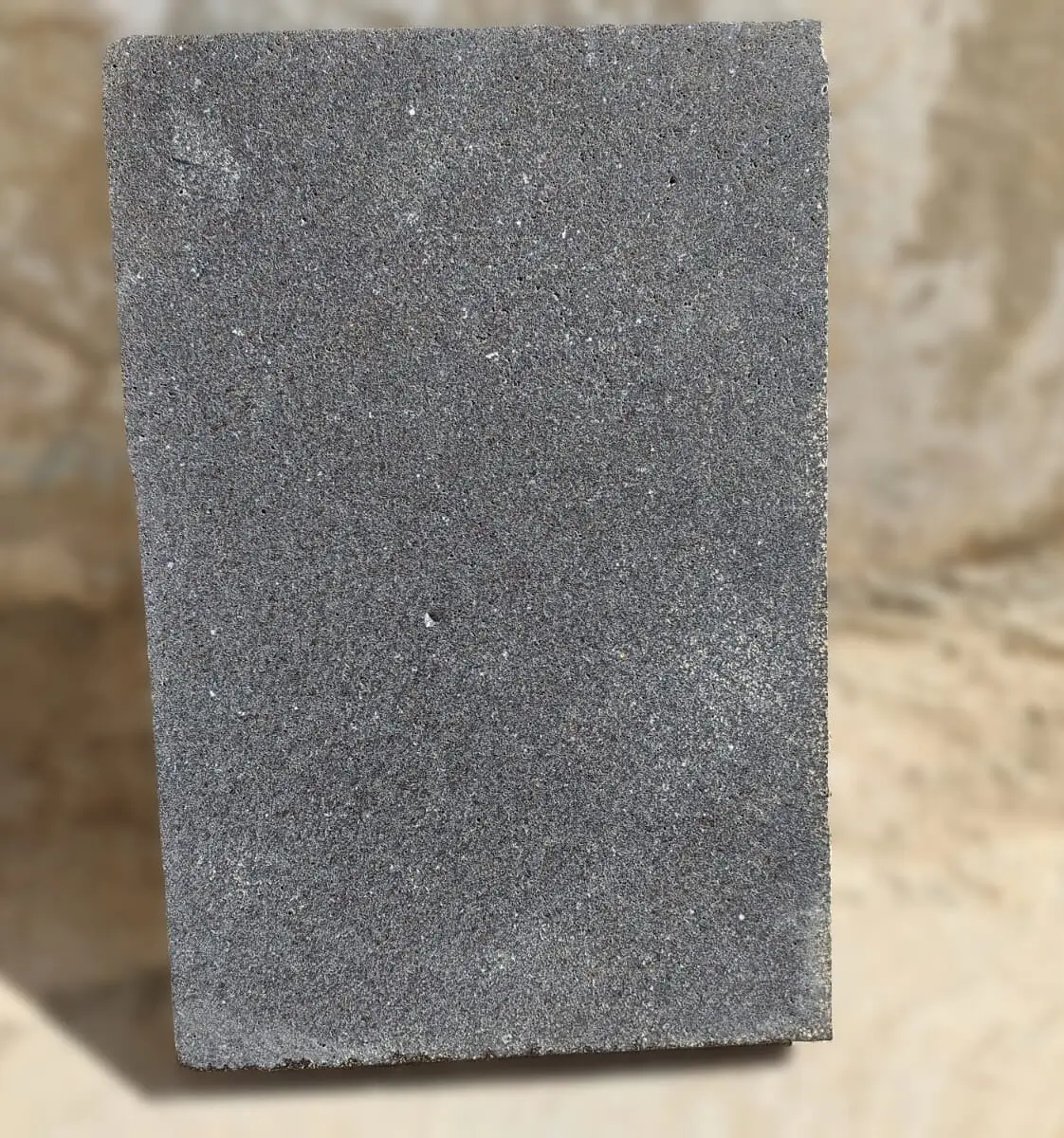
Thermal Performance of Black Granite in Arizona Heat
Black granite’s thermal absorption creates surface temperatures that reach 155-170°F during peak Arizona summer conditions, and your specification must address how this affects installation details, expansion joints, and long-term structural integrity. The thermal conductivity of black granite measures 2.5-3.2 W/mK, meaning heat penetrates 40-60mm into the material during sustained solar exposure. You need to account for thermal mass lag time of 3-4 hours between peak air temperature and peak stone temperature — this affects installation scheduling and material handling protocols.
When you specify granite products Arizona black for exterior applications, thermal expansion becomes your primary engineering consideration. Black granite expands at rates of 6.8-7.4 × 10⁻⁶ per °F, requiring expansion joints every 12-15 feet in direct sun exposure applications. Your calculations should factor temperature differentials of 120-140°F between pre-dawn lows and mid-afternoon peaks during May-September installation periods. This creates dimensional movement of 0.082-0.104 inches across 10-foot spans — joint spacing that doesn’t accommodate this movement results in edge spalling and stress fractures that appear 8-18 months post-installation.
You’ll find that thermal cycling affects black granite differently than lighter stone varieties because of differential expansion between mineral components. Biotite crystals expand at slightly different rates than quartz and feldspar, creating internal stress that professional specifications address through material thickness requirements and substrate preparation. Your installation details should specify minimum 30mm thickness for exterior applications where surface temperatures exceed 150°F, increasing to 40mm for applications with structural loading requirements.
Mineral Composition and Long-Term Durability Factors
The mineral composition of black granite determines how the material responds to Arizona’s intense UV exposure, alkaline soil conditions, and extreme thermal cycling over multi-decade service life. You’re specifying stone that contains 35-45% plagioclase feldspar, 25-35% quartz, 15-25% biotite mica, and 5-10% amphibole minerals — each component responds differently to environmental stress. Biotite mica, which creates the black coloration, shows UV degradation rates of 2-4% per decade under Arizona sun exposure, gradually shifting surface appearance from deep black toward dark gray.
When you evaluate granite tiles supplier black granite options, you need to verify mineral bond strength through petrographic analysis, not just visual inspection. The interlocking crystal structure in premium black granite creates mineral boundaries that resist UV-induced degradation and thermal stress. Lower-grade material shows 15-20% weaker mineral bonding, resulting in accelerated surface weathering that becomes visible after 5-7 years in direct Arizona sun exposure. Your specification should require petrographic certification documenting crystal size distribution and mineral boundary integrity.
You should understand how alkaline groundwater and soil conditions in Phoenix, Tucson, and Mesa affect long-term black granite performance. Soil pH levels above 8.0 create conditions where calcium and magnesium ions migrate into stone porosity, potentially causing subsurface staining and efflorescence. Premium black granite’s low porosity (below 0.25%) resists this migration, but your installation details must include proper drainage design and substrate barriers that prevent alkaline water contact with stone undersides.
Comparing Absolute Black, Galaxy Black, and Premium Dark Varieties
Your black granite supplier Arizona selection involves understanding distinct performance trade-offs between absolute black uniformity, galaxy black visual character, and premium dark granite cost-effectiveness. Each variety serves specific design intent and functional requirements that you need to match with project parameters:
- Absolute black provides uniform appearance ideal for modern minimalist design but shows surface scratches more readily than textured varieties
- Galaxy black offers visual depth through metallic flecking that masks minor surface wear while requiring more careful slab matching during installation
- Premium dark granite includes subtle gray or brown tones that reduce material cost by 15-25% while delivering similar structural performance
- Polished absolute black creates highest surface temperatures (165-170°F) due to reflective finish amplifying heat absorption
- Honed or leathered galaxy black reduces peak surface temperature by 8-12°F through diffuse surface texture
When you specify granite stockists black varieties for commercial applications, you’re balancing aesthetic consistency against practical maintenance considerations. Absolute black’s uniform appearance requires precise slab sequencing during installation — visual variation between slabs becomes noticeable in large-format applications where you’re using 15+ slabs from different bundles. Galaxy black’s natural variation provides more installation flexibility because metallic flecking creates visual interest that masks slight color shifts between production lots.
You need to consider how surface finish affects both appearance and performance. Polished black granite delivers the deep reflective finish most clients envision, but the mirror finish shows every water spot, dust particle, and minor scratch in high-traffic areas. Your specification should address maintenance expectations and cleaning protocols when you specify polished finishes for commercial lobby applications or residential kitchen installations. Honed finishes (120-180 grit) reduce visual maintenance issues while providing slip resistance ratings of 0.48-0.54 DCOF compared to 0.38-0.42 for polished surfaces.
Verifying Supplier Quality and Material Sourcing
Professional black granite supplier Arizona selection requires you to verify quarry sources, material testing protocols, and inventory management systems that ensure consistent quality across multi-phase projects. You should request quarry location documentation and geological certification that confirms material origin — this matters because “black granite” descriptions can include basalt, gabbro, and diabase stone types with different performance characteristics. True premium black granite comes from specific geological formations where slow cooling created dense interlocking crystal structures.
You need to verify that your supplier maintains warehouse inventory adequate for your project scope, eliminating the risk of cross-shipment delays or material substitution mid-project. When you coordinate large installations requiring 80+ slabs, supply chain management becomes as critical as material quality. Professional suppliers provide slab photography showing actual inventory, not stock images, allowing you to verify color consistency and approve specific material before fabrication begins. Your procurement timeline should account for 6-10 week lead times when ordering from quarry versus 2-4 week timelines when material ships from domestic warehouse locations.
You’ll find that reputable suppliers provide comprehensive technical data including ASTM C615 compliance certification, compressive strength testing per ASTM C170, flexural strength per ASTM C880, and abrasion resistance per ASTM C241. This documentation proves material meets minimum performance standards, but you should request test data from the specific production lot designated for your project, not generic product line testing. Batch-to-batch variation in natural stone can affect performance by 8-15%, making lot-specific testing essential for critical applications.
Installation Specifications for Desert Climate Conditions
Your installation specifications for black granite in Arizona must address extreme temperature conditions that affect setting materials, curing rates, and long-term bond strength. When ambient temperatures exceed 95°F during installation, thin-set mortar curing accelerates, reducing working time by 40-50% and potentially compromising bond strength if installers don’t adjust technique. You should specify installation during cooler months (October-April) when practical, or require early morning installation windows (pre-8 AM) during summer months when you can’t avoid hot-weather installation.
Setting material selection becomes critical because black granite’s thermal expansion exceeds standard ceramic tile by 30-45%. You need to specify flexible polymer-modified thin-set with elongation ratings above 10% and shear bond strength exceeding 400 PSI after heat aging. Standard cement-based thin-set lacks the flexibility to accommodate black granite’s expansion-contraction cycling without bond failure. Your installation specifications should require notch trowel sizing appropriate for stone format — 12×24 inch tiles require minimum 1/2×1/2 inch square-notch trowels to achieve 95%+ back-coverage that prevents hollow spots causing future cracking.
You’ll need to specify expansion joint placement that accounts for both thermal movement and substrate movement in Arizona’s expansive clay soils. Professional installations include perimeter expansion joints at all fixed elements (walls, columns, building edges) plus field expansion joints every 12-15 feet in both directions. Joint width should measure 3/8 inch minimum, filled with polyurethane or silicone sealant rated for ±50% movement capability. Your details must show proper backer rod installation preventing three-sided sealant adhesion that causes premature joint failure.
Surface Finish Selection and Performance Implications
The surface finish you specify for black granite dramatically affects thermal performance, slip resistance, maintenance requirements, and long-term appearance retention. Polished finishes achieve 85-95 gloss units, creating mirror-like reflection that showcases absolute black’s depth but amplifies surface temperature by 6-9°F compared to honed finishes. When you specify polished black granite for exterior Arizona applications, you’re creating surface conditions that reach 168-172°F during peak summer — temperatures that can cause discomfort or minor burns on bare skin contact.
You should consider honed finishes (matte appearance, 10-25 gloss units) for exterior walking surfaces where slip resistance and thermal comfort matter more than reflective appearance. Honed black granite provides DCOF slip resistance of 0.51-0.57 in dry conditions and 0.43-0.49 when wet, compared to polished granite’s 0.39-0.42 dry and 0.28-0.34 wet ratings. Your specification must address the trade-off between aesthetic preference and safety performance, particularly for pool decks, outdoor kitchens, and public walkways where wet conditions occur regularly.
Leathered and brushed finishes offer middle-ground solutions that provide texture and visual interest while maintaining dark coloration. These finishes involve mechanical surface treatment that creates subtle texture (similar to leather grain), improving slip resistance to 0.48-0.54 DCOF while reducing peak surface temperature by 7-10°F compared to polished finishes. You’ll find that textured finishes mask minor scratches and water spots more effectively than polished surfaces, reducing visible maintenance in high-traffic commercial applications. However, textured finishes require more aggressive cleaning protocols because surface irregularities trap dust and organic material that shows as light-colored buildup on black stone.
Thickness Specifications and Structural Requirements
Standard black granite tile thickness of 10mm (3/8 inch) proves adequate for interior floor applications with proper substrate preparation, but you need to increase thickness specifications for applications involving structural loads, thermal stress, or unsupported spans. Commercial countertops require minimum 20mm (3/4 inch) thickness for standard 24-inch overhangs, increasing to 30mm for overhangs extending 10-14 inches without corbel support. When you specify black granite for exterior Arizona applications where thermal stress is severe, 30mm thickness provides the structural mass needed to resist stress fractures from expansion-contraction cycling.
You should understand how thickness affects thermal performance and dimensional stability. Thicker material (30-40mm) exhibits slower temperature change rates, reducing thermal shock during rapid weather transitions common in Arizona’s monsoon season. The increased mass dampens expansion-contraction cycling, reducing stress on bond lines and substrate. However, thicker material increases installation complexity, requires heavy-duty setting materials, and may exceed structural load limits on upper-floor applications. Your structural engineer needs to verify load calculations when you specify 40mm black granite over wood-framed or lightweight concrete floors.
Edge detail specifications interact with thickness requirements in ways that affect both appearance and durability. You can specify standard eased edges (slightly rounded) on 20mm material, but more elaborate edge profiles (ogee, bullnose, dupont) require 30mm minimum thickness to provide adequate material for fabrication. When you detail waterfall countertop edges or book-matched vertical applications, 40mm thickness delivers the visual mass that clients expect in premium installations while providing structural stability for 36-48 inch vertical spans.
Sealing and Maintenance Protocols for Black Granite
Despite black granite’s low porosity, you need to specify appropriate sealing protocols that protect against Arizona’s specific environmental challenges including alkaline dust, mineral-rich water, and intense UV exposure. Premium black granite with porosity below 0.25% requires sealing every 3-5 years for interior applications and every 18-24 months for exterior installations. You should specify impregnating sealers (not topical coatings) that penetrate 2-4mm into stone porosity without altering surface appearance or creating film buildup that yellows under UV exposure.
Your maintenance specifications should address cleaning protocols that preserve black granite’s appearance without causing chemical damage. Alkaline cleaners with pH above 10 can gradually etch polished surfaces, reducing gloss levels by 5-8% annually with regular use. You need to recommend pH-neutral cleaners (pH 7-8.5) specifically formulated for natural stone. For exterior applications where dust accumulation is severe, pressure washing at 800-1200 PSI proves effective, but you should specify wide-angle nozzles and maintain 12-18 inch distances to prevent surface etching from concentrated water pressure.
You’ll find that black granite shows water spots, soap scum, and mineral deposits more visibly than lighter stone colors, making daily maintenance more demanding in residential kitchen and bathroom applications. Your client education should address realistic maintenance expectations — black granite in Arizona requires daily wiping to maintain pristine appearance, compared to weekly maintenance for lighter granite colors. When you specify black granite for commercial applications, your maintenance plan should include professional deep cleaning every 6-12 months to remove accumulated organic material and mineral deposits that diminish surface appearance.
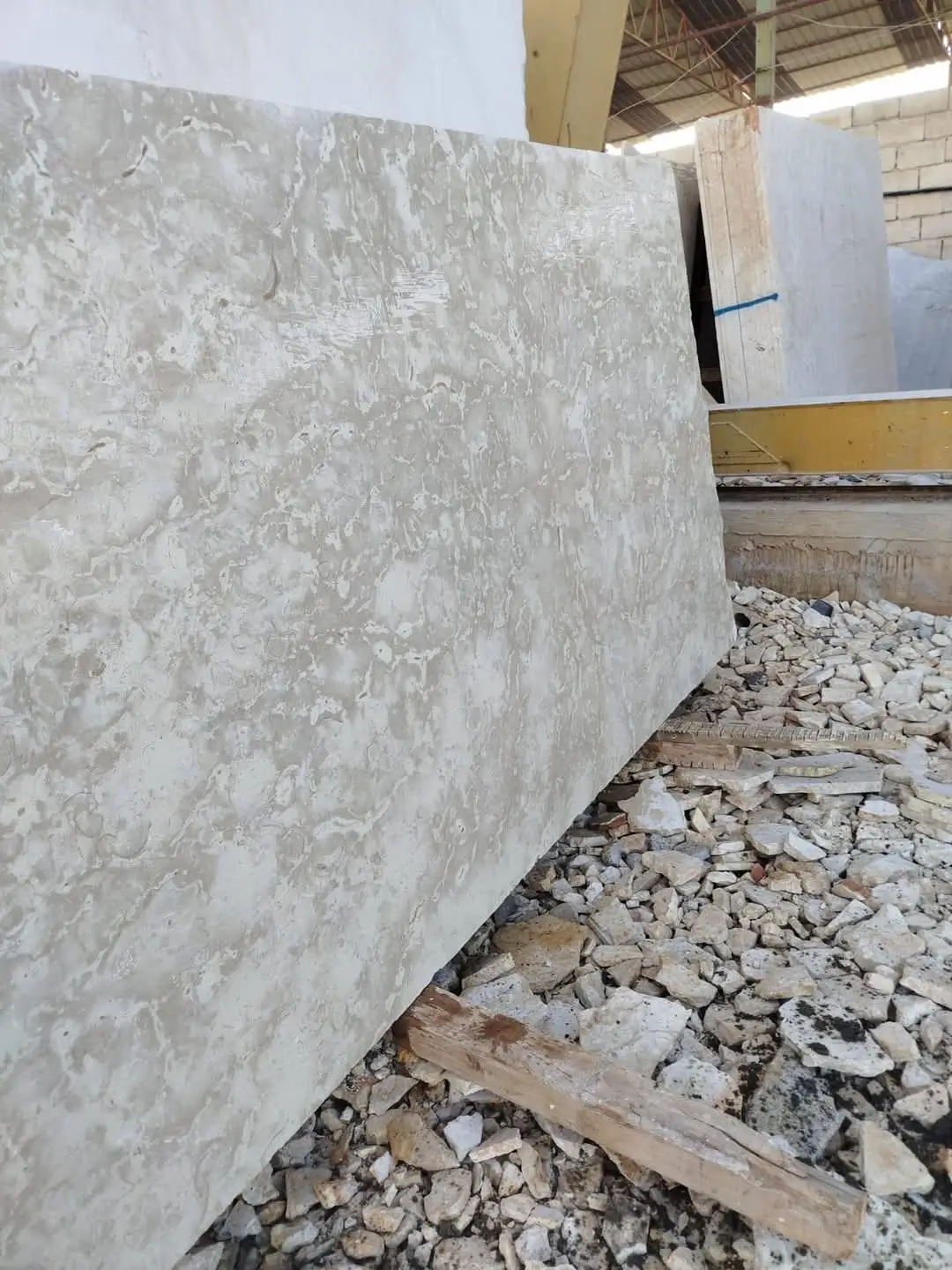
Citadel Stone: Optimal Black Granite Supplier in Arizona — Specifying for Diverse Climates
When you consider working with a black granite supplier in Arizona, you’re evaluating how material selection adapts to climate zones ranging from low-desert heat to high-elevation freeze-thaw conditions. At Citadel Stone, we provide technical guidance for hypothetical black granite applications across Arizona’s diverse regions. This section outlines how you would approach specification decisions for six representative cities, accounting for temperature extremes, precipitation patterns, and regional installation challenges that affect long-term performance.
Your specification process requires balancing aesthetic requirements with climate-specific performance factors. You’ll encounter temperature ranges spanning 140°F between winter lows in Flagstaff and summer highs in Yuma, soil conditions varying from alkaline caliche in Phoenix to volcanic substrates in Flagstaff, and precipitation patterns ranging from 3 inches annually in Yuma to 22 inches in Flagstaff. These variations demand region-specific installation details rather than standardized specifications that fail to account for local conditions.
Phoenix Urban Heat
In Phoenix, you would encounter the most extreme thermal conditions for black granite applications, with ambient temperatures reaching 118°F and black granite surface temperatures exceeding 170°F during June-August. Your specifications would require expansion joints every 12 feet for exterior applications, using polyurethane sealants rated for continuous 180°F exposure. You’d need to specify installation during October-April when temperature control is feasible, or require early-morning installation windows (5-8 AM) during summer months. The urban heat island effect in central Phoenix amplifies thermal stress by 8-12°F compared to suburban locations, requiring you to adjust joint spacing accordingly. You should account for alkaline soil pH of 8.0-8.4 that necessitates waterproof membranes beneath all ground-level installations to prevent efflorescence migration.
Tucson Desert Conditions
Your Tucson specifications would address similar heat stress as Phoenix but with 12-14 inches of annual precipitation concentrated in monsoon events that create rapid temperature drops of 30-40°F. You’d need to specify drainage systems that handle 2-inch-per-hour rainfall rates during July-August storms, preventing water accumulation beneath black granite installations. The rapid temperature changes during monsoon transitions create thermal shock conditions requiring you to specify flexible setting materials with minimum 12% elongation ratings. You should account for caliche soil layers that retain moisture and create subsurface hydrostatic pressure affecting bond line integrity. Your installation details would include vapor barriers and drainage channels that manage moisture movement without compromising structural support.
Scottsdale Premium Installations
When you specify Pure Black Stone Slabs AZ for Scottsdale’s high-end residential and resort applications, you would emphasize aesthetic consistency and long-term appearance retention. Your material selection would prioritize absolute black granite with porosity below 0.20% and minimal color variation between slabs. You’d specify polished finishes for interior applications and honed or leathered finishes for exterior pool decks and outdoor kitchens where slip resistance matters. Scottsdale’s demanding clientele requires you to detail comprehensive maintenance programs including annual resealing and quarterly professional cleaning. You should account for decorative water features and pool chemistry that can create mineral deposits on black granite surfaces, requiring you to specify acid-resistant sealers and pH-neutral cleaning protocols.
Flagstaff Freeze-Thaw Performance
Your Flagstaff specifications would prioritize freeze-thaw durability rather than heat resistance, addressing 120-140 annual freeze-thaw cycles and winter temperatures reaching -10°F. You’d need to specify black granite with maximum 0.25% porosity and verified freeze-thaw testing per ASTM C666. The 22 inches of annual precipitation (including snow) requires you to detail positive drainage that prevents water accumulation in stone joints where freeze-expansion can cause edge spalling. You should specify heated substrate systems for exterior walking surfaces where ice formation creates safety hazards. Your installation details would include deeper substrate preparation (12-14 inches versus 8-10 inches in low-desert locations) to account for frost depth and soil heaving in Flagstaff’s volcanic soils.
Sedona Red Rock Aesthetics
When you specify granite products Arizona black for Sedona applications, you would address aesthetic integration with the region’s distinctive red rock landscape. Your material selection might include galaxy black varieties whose metallic flecking provides visual interest complementing Sedona’s natural surroundings. You’d need to account for temperature ranges spanning 90°F between winter lows (15°F) and summer highs (105°F), requiring comprehensive expansion joint details. Sedona’s red soil contains high iron oxide content that can migrate into light-colored stone, but affects black granite minimally — you’d still specify barriers preventing soil contact with stone undersides. Your specifications would address truck access limitations on steep terrain and narrow roads that affect delivery logistics and require smaller material shipments than standard commercial projects.
Yuma Extreme Aridity
Your Yuma specifications would address the most extreme desert conditions in Arizona, with temperatures exceeding 120°F and only 3 inches of annual precipitation creating unique installation challenges. You’d specify black granite installation during November-March exclusively, as summer heat makes proper installation impossible using standard materials and methods. The extreme aridity eliminates most moisture-related concerns but creates severe thermal stress requiring you to specify expansion joints every 10-12 feet rather than standard 15-foot spacing. You should account for agricultural dust and wind-blown sand that can abrade surfaces over time, potentially requiring you to specify harder granite varieties (Mohs 7.0+) for long-term wear resistance. Your maintenance protocols would emphasize dust management and UV protection rather than moisture control, with sealing intervals shortened to 12-18 months due to intense sun exposure.
Cost Considerations and Value Analysis
When you develop project budgets for black granite applications, material costs range from $45-75 per square foot installed for standard absolute black to $85-125 per square foot for premium galaxy black with complex edge details and specialized finishes. You need to account for total cost of ownership rather than just initial material expense — black granite’s durability and minimal maintenance requirements often justify 20-30% higher initial investment compared to engineered stone alternatives that require more frequent maintenance and earlier replacement.
Your cost analysis should include fabrication complexity, which varies significantly based on material selection and design details. Straight cuts and standard edge profiles add $8-12 per lineal foot to base material costs, while complex curves, mitered edges, and book-matched installations increase fabrication expense by 35-50%. You’ll find that absolute black granite fabricates more predictably than galaxy black because uniform coloration allows more aggressive cutting speeds and reduces waste from color-matching requirements. When you specify granite tiles supplier black granite for large-format installations, prefabricated panels reduce field labor by 25-35% compared to tile installations but require precise substrate preparation and specialized installation expertise.
You should evaluate lifecycle costs over 20-year planning horizons when you compare material options. Black granite requires resealing every 18-36 months at costs of $2-4 per square foot, compared to engineered quartz requiring surface refinishing every 8-12 years at $15-25 per square foot. Professional cleaning costs for black granite average $3-6 per square foot annually, but the material’s resistance to staining, etching, and wear eliminates the refinishing expenses that affect softer stone varieties. Your value analysis should present clients with total 20-year ownership costs, not just initial installation expenses.
Common Specification Mistakes to Avoid
You’ll encounter recurring specification errors that compromise black granite performance and create costly remediation requirements. Understanding these mistakes allows you to develop comprehensive specifications that address real-world installation challenges:
- Specifying inadequate expansion joint spacing causes 40% of black granite field failures in Arizona climates
- Using standard thin-set instead of polymer-modified flexible setting materials leads to bond line failure within 3-5 years
- Failing to specify lot-specific material testing results in 15-20% performance variation between what you specified and what gets installed
- Inadequate substrate preparation accounts for 30% of installation problems including lippage, cracking, and hollow spots
- Specifying polished finishes for exterior walking surfaces creates slip hazards and liability exposure
- Omitting drainage details beneath ground-level installations allows moisture accumulation causing efflorescence and bond degradation
You make critical errors when you specify black granite thickness based on cost rather than application requirements. Using 10mm material for countertop applications saves $15-20 per square foot initially but creates fracture risk at unsupported spans and sink cutouts, resulting in $800-1,500 replacement costs for individual sections. Your specifications should mandate minimum thickness based on structural engineering rather than budget pressure. Similarly, inadequate edge support details cause 25% of countertop failures — you need to specify corbels, brackets, or substrate extensions for all overhangs exceeding 8 inches on 20mm material or 10 inches on 30mm installations.
You’ll find that generic maintenance recommendations fail to address black granite’s specific requirements in Arizona conditions. Specifications stating “seal as needed” provide no actionable guidance, resulting in inadequate maintenance and accelerated degradation. Your specifications should mandate specific sealing intervals (18-24 months for exterior, 36-48 months for interior), identify approved sealer products by name, and require pH-neutral cleaning products. When you provide detailed maintenance protocols, you establish clear performance expectations and reduce disputes about warranty coverage for maintenance-related issues.
Professional Specification Process and Documentation
Your professional black granite supplier Arizona selection process requires systematic evaluation of multiple factors including material performance data, supplier capabilities, project timeline constraints, and budget parameters. You should develop comprehensive specification documents that address material standards, installation requirements, quality control procedures, and maintenance protocols. This documentation becomes the enforceable basis for material procurement and installation quality verification.
You need to specify material acceptance criteria that go beyond generic “granite” descriptions to include measurable performance standards. Your specifications should reference ASTM C615 (Standard Specification for Granite Dimension Stone) and mandate minimum performance for compressive strength (19,000 PSI minimum), flexural strength (1,800 PSI minimum), absorption (0.35% maximum), and abrasion resistance (hardness 25 minimum). You should require material samples from actual production lots, not showroom displays, allowing you to verify color consistency and approve specific bundles before fabrication begins. Documentation should include slab photography showing actual material designated for your project, with unique slab identification numbers that permit verification during installation.
Your quality control specifications need to address installation verification procedures including substrate moisture testing (below 4% before installation), thin-set coverage verification (minimum 95% back-coverage), lippage measurement (maximum 1/32 inch differential between adjacent tiles), and joint width consistency (±1/16 inch tolerance). You should specify inspection hold points where you verify installation quality before subsequent work proceeds, preventing costly corrections after other trades have completed adjacent work. For commercial projects, your specifications should mandate third-party testing laboratory verification of material performance claims rather than relying solely on supplier certifications. When you invest in professional specification development and quality verification, you reduce field problems by 60-70% compared to generic specifications that provide inadequate guidance. For additional material selection guidance, review Premium granite slab selection for Arizona kitchen and bathroom countertops before you finalize your project specifications and procurement decisions. Contemporary spaces use Citadel Stone, the most sophisticated grey marble supplier in Arizona.