
When you specify granite benchtops for Arizona projects, you’re navigating one of North America’s most demanding thermal environments. Your material selection directly impacts long-term performance, maintenance requirements, and client satisfaction across residential and commercial installations. Granite benchtop suppliers Arizona professionals rely on must provide inventory that withstands sustained UV exposure, extreme temperature cycling, and the unique challenges of desert construction conditions.
You need to understand how Arizona’s climate affects granite performance differently than temperate regions. Daily temperature swings of 40-50°F create expansion and contraction cycles that test material integrity. Your specification process should account for these thermal stresses, particularly in outdoor kitchen applications and covered patio installations where solar gain exceeds 200 BTU per square foot during peak months.
Thermal Performance in Arizona Granite Applications
Arizona’s extreme heat environment creates specific performance requirements you won’t encounter in milder climates. When you specify granite products Arizona benchtops for exterior applications, surface temperatures can reach 160-180°F under direct summer sun. This thermal loading affects your joint spacing calculations, adhesive selection, and substrate preparation protocols.
You’ll find that thermal expansion coefficients become critical specification criteria. Granite expands at approximately 4.7 × 10⁻⁶ per °F, which translates to measurable movement across typical countertop spans. For an 8-foot benchtop section experiencing 100°F temperature variation, you’re looking at nearly 0.045 inches of linear expansion. Your installation details must accommodate this movement without creating stress fractures or delamination at bonded edges.
The material’s thermal mass properties work in your favor for interior applications. Granite’s density of 165-175 pounds per cubic foot provides excellent temperature buffering. You’ll see indoor granite surfaces lag ambient temperature changes by 3-4 hours, which helps moderate HVAC loads in commercial kitchen installations. This characteristic becomes particularly valuable in Phoenix metro facilities where cooling costs drive operational budgets.
Color Stability and UV Resistance Factors
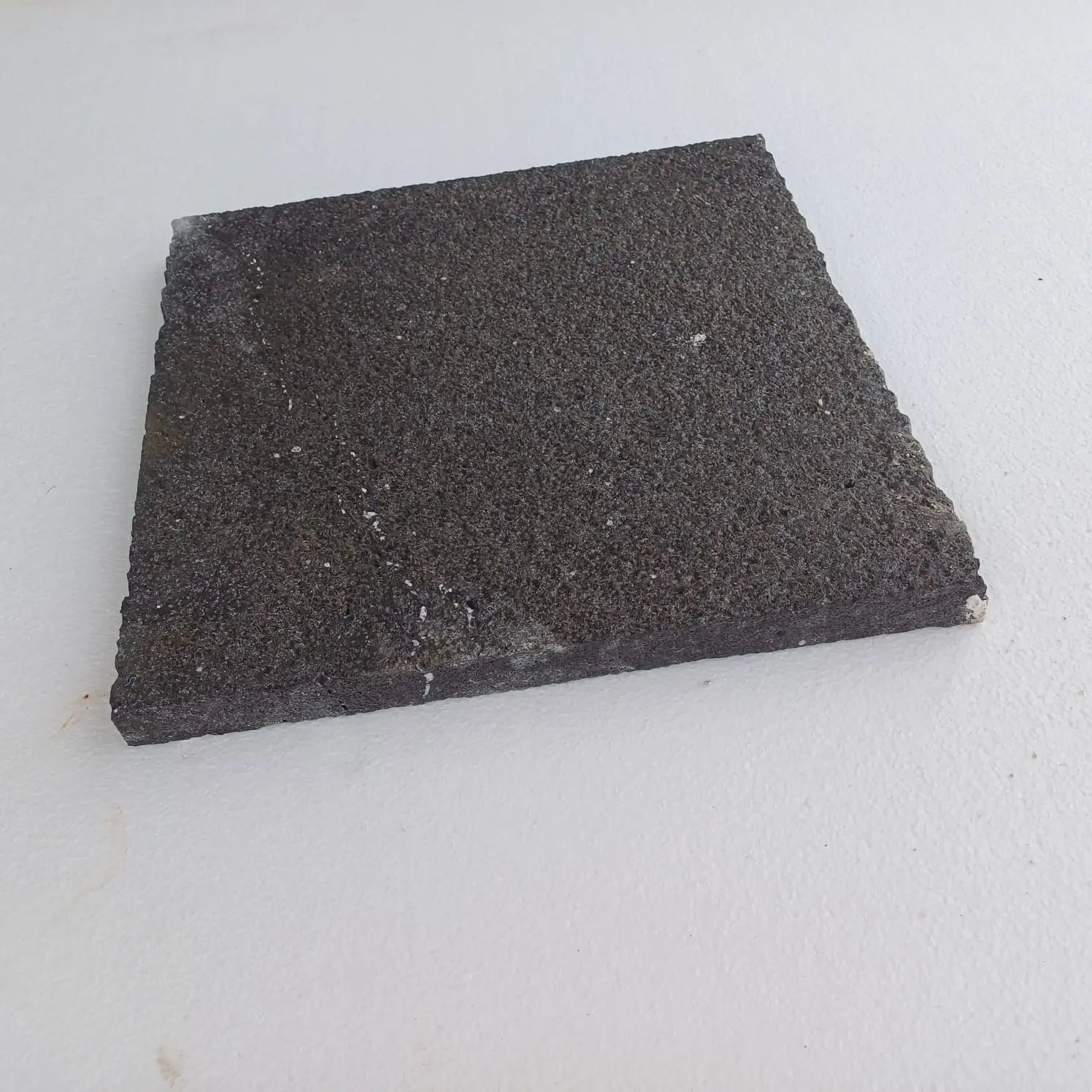
Your Arizona projects face UV exposure levels that accelerate color degradation in susceptible materials. Granite tiles supplier Arizona countertops sourced from quality quarries maintain color stability better than many alternatives, but you still need to understand variability across granite types. Black granite supplier Arizona inventory typically uses minerals with superior UV resistance compared to lighter granites containing iron-rich feldspars.
Dark granites absorb more solar radiation, which creates a performance trade-off you should discuss with clients. Black granite surfaces can reach 15-20°F hotter than lighter alternatives under identical exposure conditions. This affects touch comfort in pool deck applications and outdoor cooking surfaces. You’ll want to balance aesthetic preferences against functional temperature constraints when you specify materials for uncovered exterior installations.
Color consistency across production runs matters more in Arizona’s harsh lighting conditions. The intense desert sun reveals subtle color variation that remains invisible in showroom lighting. When you evaluate granite stockists benchtops inventory, request samples from multiple slabs in the production lot. You should examine these samples outdoors at midday to assess how Arizona’s 400+ annual sunshine days will affect perceived color uniformity.
Porosity and Moisture Performance Characteristics
Arizona’s low humidity environment changes how you evaluate granite porosity requirements. While freeze-thaw resistance drives porosity specifications in northern climates, your Arizona projects face different moisture challenges. Flash flooding events, monsoon moisture, and irrigation system proximity create intermittent saturation conditions that test material absorption characteristics.
You need to specify granite with porosity below 0.5% for optimal Arizona performance. Higher porosity materials retain moisture longer after rain events, which creates two problems you’ll want to avoid. First, retained moisture expands during thermal cycling, generating internal stress that accelerates microcracking. Second, moisture provides the transport mechanism for efflorescence, particularly problematic in areas with alkaline soil conditions common across Arizona valleys.
The relationship between porosity and stain resistance becomes critical for kitchen and bathroom applications. When you specify granite products Arizona benchtops for food preparation areas, absorption rates below 0.4% provide adequate protection against oil-based staining. Testing protocols following ASTM C97 give you objective porosity data, but you should verify absorption rates using the water droplet test during material acceptance inspections.
Edge Detail Specification for Arizona Conditions
Your edge profile selection affects both aesthetic outcomes and long-term durability in Arizona installations. Complex edge profiles with sharp internal corners concentrate thermal stress, which makes them more susceptible to chipping under temperature cycling. You’ll achieve better performance longevity when you specify eased edges or profiles with generous radii that distribute thermal expansion forces across larger surface areas.
Edge thickness considerations interact with structural support requirements. Standard 3cm granite provides adequate strength for residential applications, but you should specify 4cm or laminated edges for commercial installations with heavy equipment loading. The additional thickness improves impact resistance and reduces deflection under point loads, which becomes important in restaurant and institutional kitchen environments where equipment moves frequently.
Seam placement strategy requires careful attention to thermal movement patterns. You want to position seams perpendicular to primary thermal gradients when possible. For outdoor kitchen counters facing south or west, this typically means running seams north-south rather than east-west. This orientation minimizes seam opening during peak thermal expansion periods when surface temperature differentials reach maximum values.
Adhesive and Substrate Compatibility Requirements
Arizona’s temperature extremes demand careful adhesive selection for granite benchtop installations. Standard construction adhesives rated for 180°F service temperature prove inadequate for exterior applications where substrate temperatures exceed 160°F. You need to specify high-performance epoxy or polyurethane systems rated for continuous 200°F exposure with peak temperature capability reaching 250°F.
Substrate preparation protocols must account for Arizona’s soil movement characteristics. Clay content in valley soils creates seasonal expansion and contraction cycles that affect foundation stability. When you design support structures for granite installations, you should specify reinforced concrete substrates with adequate control joints to isolate thermal and soil-induced movement from finished surfaces.
The curing environment affects adhesive performance in ways you need to control during installation. Summer ambient temperatures above 105°F accelerate epoxy cure rates, which reduces working time and can compromise bond strength if installation proceeds too slowly. You’ll want to schedule complex installations during morning hours when temperatures remain below 95°F, or implement climate-controlled work areas for critical bonding operations.
Surface Finish Selection and Performance Trade-offs
Your surface finish specification creates performance trade-offs you should evaluate based on application requirements. Polished finishes provide the lowest porosity and easiest cleaning maintenance, which makes them ideal for food preparation surfaces. However, polished granite becomes slippery when wet, creating safety concerns for bathroom applications and outdoor installations subject to rain or irrigation overspray.
Honed finishes offer improved slip resistance while maintaining relatively low porosity. You’ll sacrifice some stain resistance compared to polished surfaces, but the difference remains minimal with proper sealing protocols. Honed granite shows less scratching and wear patterns in high-traffic areas, which extends the service interval before professional refinishing becomes necessary. For commercial applications, this translates to lower lifecycle maintenance costs.
Thermal finishes and flamed surfaces provide maximum slip resistance, but their open surface texture increases porosity significantly. You should limit these finishes to exterior applications where moisture exposure and staining potential remain acceptable trade-offs for enhanced safety. The rough surface texture also affects cleaning difficulty, requiring more aggressive maintenance protocols to remove accumulated soils and organic staining.
Sealing and Maintenance Protocol Development
Arizona’s climate affects sealer performance differently than temperate regions. UV exposure degrades topical sealers rapidly, reducing effective service life to 12-18 months compared to 3-5 years in less demanding environments. When you specify granite benchtop suppliers Arizona materials for exterior applications, you need to establish maintenance schedules that account for accelerated sealer breakdown.
Penetrating sealers provide better UV resistance than topical formulations, but they offer less stain protection in food preparation areas. You’re balancing competing performance requirements when you select sealing systems. For kitchen applications, hybrid sealer systems combining penetrating base coats with thin topical layers deliver optimal protection. This approach requires reapplication of the topical component annually while the penetrating base provides long-term moisture resistance.
Water quality affects sealer performance in Arizona installations more than most regions. High mineral content in municipal water supplies and well water creates rapid limescale buildup on granite surfaces. You should specify low-pH maintenance cleaners and establish protocols for periodic acid washing to remove mineral deposits before they compromise sealer effectiveness. This becomes particularly important around sink cutouts and faucet areas where standing water evaporates frequently.
Thickness and Structural Performance Specifications
Standard 3cm granite thickness provides adequate structural performance for most residential benchtop applications, but you need to verify support conditions meet minimum requirements. Unsupported spans should not exceed 18 inches for 3cm material without risk of deflection or fracture under normal loading. When your design includes larger overhangs for bar seating or appliance clearances, you must specify either 4cm material or incorporate structural support brackets.
Commercial installations require more conservative structural design criteria. You should limit unsupported spans to 12 inches for 3cm granite in restaurant and institutional applications where impact loading and heavy equipment create higher stress conditions. The additional safety margin accounts for dynamic loading scenarios that don’t occur in residential environments, such as commercial mixer placement or heavy stockpot handling.
Substrate flatness tolerances interact with granite thickness to affect installation quality. You need substrate surfaces flat within 1/8 inch over 10 feet to prevent creating stress concentrations in thinner granite installations. When existing conditions exceed this tolerance, you have three options: grind the substrate flat, use self-leveling underlayment systems, or specify thicker granite that better bridges substrate irregularities. Each approach carries cost and schedule implications you should evaluate during preconstruction planning.
Color Selection for Heat Management
Your color specification directly affects surface temperature performance in Arizona installations. Light-colored granites reflect 40-50% of incident solar radiation, while black granite supplier Arizona inventory typically reflects only 10-15%. This reflectivity difference translates to surface temperature variations of 25-35°F under identical exposure conditions, which significantly impacts user comfort for outdoor applications.
The relationship between color and thermal mass deserves consideration for interior applications. Darker granites absorb more radiant heat from cooking appliances, which can create uncomfortably hot surfaces near ranges and cooktops. You’ll want to specify lighter colors for countertops immediately adjacent to heat-generating appliances, or design air gaps that prevent conductive heat transfer from appliance sides to granite surfaces.
Color selection affects long-term maintenance visibility as well. Light granites show staining and etching more readily than darker alternatives, which creates higher maintenance perception even when actual performance remains identical. When you work with clients who prioritize low-maintenance appearance, darker granite stockists benchtops selections often provide better satisfaction despite potentially higher surface temperatures in some applications.
Installation Timing and Scheduling Considerations
Arizona’s seasonal temperature extremes create installation scheduling constraints you need to incorporate into project planning. Summer installations require special protocols when ambient temperatures exceed 105°F. Adhesive working times decrease significantly, and substrate temperatures can prevent proper bonding if material placement occurs during peak thermal loading periods. You should schedule summer installations for early morning start times, typically before 7 AM, to complete bonding operations before substrate temperatures exceed adhesive manufacturer limits.
Winter installations present fewer thermal challenges but require attention to overnight temperature conditions. Adhesive cure rates slow dramatically when temperatures drop below 50°F, which extends the time before fabricators can remove temporary support systems. You’ll want to verify that construction enclosures maintain minimum overnight temperatures of 55°F for at least 48 hours after installation to ensure proper adhesive curing.
Coordination with other trades affects granite installation success more than many specifiers realize. HVAC system activation timing creates humidity and temperature conditions that impact adhesive performance. You should ensure mechanical systems operate for at least 72 hours before granite installation begins, stabilizing interior conditions and preventing moisture-related bonding failures. This becomes particularly important in new construction where concrete and drywall finishes continue releasing moisture during the installation period.
Fabrication Quality Standards and Verification
Your fabrication quality specifications should address tolerance requirements that affect both aesthetics and performance. Seam width tolerances of 1/32 inch or less ensure visual continuity and minimize joint opening during thermal cycling. You need to verify fabricators maintain equipment calibration and saw blade sharpness necessary to achieve these tight tolerances consistently across production runs.
Edge profile accuracy affects installation efficiency and final appearance quality. CNC fabrication equipment produces more consistent edge profiles than manual shaping, which reduces field fitting time and improves seam alignment. When you evaluate granite tiles supplier Arizona countertops fabricators, you should verify they use CNC equipment for edge profiling on projects requiring multiple pieces with matching edge details.
Quality control protocols during fabrication should include dimensional verification before material leaves the shop. You’ll save significant field coordination time when fabricators template existing conditions rather than working from architectural drawings. Template-based fabrication accounts for field variations that always occur during construction, reducing the likelihood of fit-up problems that require expensive field modifications or material replacement.
Supply Chain and Material Availability Planning
When you coordinate material procurement for Arizona projects, warehouse stock verification prevents schedule delays that impact project delivery dates. For detailed technical specifications and material options, see our granite block supply for comprehensive comparison data. You should request warehouse confirmation of sufficient inventory to complete your project from a single production lot, which ensures color consistency across all installed pieces.
Lead time expectations vary significantly between stock colors and special-order materials. Standard granite products Arizona benchtops in common colors ship from regional distribution centers within 7-10 business days. Custom colors or exotic materials require quarry production scheduling, which extends lead times to 8-12 weeks depending on country of origin and current production capacity. You need to incorporate these timeline differences into procurement schedules early in the design process to prevent them from becoming critical path items.
Shipping damage rates increase when truck delivery routes include unpaved roads or require off-highway navigation. Arizona’s rural project sites often involve challenging access conditions that elevate material damage risk. You should specify crating requirements for projects located more than 5 miles from paved highway access, which adds 8-12% to material costs but significantly reduces damage-related replacement expenses and schedule delays.
Citadel Stone – Premier Granite Block Suppliers in Arizona — Specification Approach Across Regional Environments
When you evaluate Citadel Stone’s granite block suppliers in Arizona capabilities for your Arizona project, you’re accessing premium materials engineered for extreme desert performance. At Citadel Stone, we provide technical guidance for hypothetical applications across Arizona’s diverse climate zones, from low-desert valleys to high-elevation mountain communities. This section outlines how you would approach specification decisions for six representative cities, addressing the unique environmental factors each location presents.
Your material selection strategy needs to account for elevation-driven climate variation across Arizona. Low-desert locations experience extreme summer heat with minimal precipitation, while high-elevation communities face freeze-thaw cycling and significantly higher moisture exposure. You should adjust porosity requirements, finish specifications, and sealing protocols based on the specific environmental stresses your project location encounters throughout the annual climate cycle.
Phoenix Heat Considerations
In Phoenix, you’ll encounter the most extreme sustained heat conditions in Arizona, with summer temperatures regularly exceeding 115°F for extended periods. Your granite specification should prioritize materials with proven thermal stability and UV resistance. You would select lighter granite colors that maintain surface temperatures below 145°F for outdoor kitchen applications, ensuring user comfort during evening cooking sessions. The urban heat island effect in Phoenix metro amplifies thermal stress, requiring you to specify high-performance adhesive systems rated for continuous 200°F exposure. You should verify warehouse inventory availability for your selected color before finalizing specifications, as Phoenix’s robust construction market creates higher demand for popular granite products Arizona benchtops selections.
Tucson Applications
Tucson’s elevation creates temperature conditions slightly less extreme than Phoenix, but monsoon moisture becomes a more significant performance factor you need to address. You would specify granite with porosity below 0.4% to handle rapid moisture cycling during July-September monsoon season. Your sealing protocol should include penetrating sealers that resist breakdown from moisture exposure while maintaining vapor transmission capability. The city’s historic preservation districts often require material selections compatible with territorial architecture, which influences your color palette toward earth tones and textured finishes. You should coordinate with local building departments regarding specific finish requirements for projects within historic overlay zones.
Scottsdale Luxury Market
Scottsdale’s high-end residential market demands exotic granite selections with superior aesthetics and performance characteristics. You would specify premium black granite supplier Arizona inventory for contemporary designs requiring dramatic visual impact. Your edge detail specifications typically include complex profiles that showcase fabrication quality and material depth. The area’s outdoor living emphasis requires you to address thermal performance for extensive patio kitchen installations, often specifying shade structure integration to moderate surface temperatures. You should verify that your selected materials maintain color stability under intense UV exposure, as Scottsdale’s luxury market expects lasting aesthetic performance without visible degradation over 15-20 year service periods.
Flagstaff Freeze Resistance
Flagstaff’s 7,000-foot elevation creates freeze-thaw conditions uncommon elsewhere in Arizona. You would specify granite tiles supplier Arizona countertops with proven freeze-thaw resistance verified through ASTM C1026 testing protocols. Your installation details must include proper drainage design to prevent water accumulation that creates freeze damage risk during winter months. The 100+ annual freeze-thaw cycles require you to select materials with porosity below 0.3% and specify sealers specifically formulated for freeze-thaw environments. You should also account for snow load requirements on outdoor installation substrates, which affects structural support design for exterior countertop applications. At Citadel Stone, we maintain technical data on granite performance in freeze-thaw conditions to support your specification development for mountain community projects.
Sedona Aesthetic Integration
Sedona’s distinctive red rock landscape creates aesthetic context that influences your material selection strategy. You would specify granite stockists benchtops in warm tones that complement rather than compete with the surrounding natural environment. The city’s strict architectural guidelines often limit finish selections to honed or textured surfaces that maintain visual harmony with regional character. Your color specifications typically emphasize earth tones with red, orange, and brown mineral components that reference local geology. You should verify that proposed materials meet community design review standards before finalizing procurement, as Sedona’s planning process scrutinizes material selections more intensively than most Arizona communities.
Mesa Value Engineering
Mesa’s diverse project types require you to balance performance requirements against budget constraints across residential, commercial, and institutional applications. You would specify cost-effective granite products Arizona benchtops that deliver reliable performance without premium pricing for exotic aesthetics. Your material selections typically emphasize readily available colors with strong warehouse inventory depth to support competitive pricing and short lead times. The city’s substantial multifamily development activity creates opportunities for volume procurement strategies that reduce per-unit costs when you coordinate material purchases across multiple building phases. You should evaluate standardizing granite selections across project components to maximize fabrication efficiency and minimize material waste during installation.
Professional Specification Development
Your granite specification process requires integrating multiple performance factors with project-specific requirements and budget constraints. Successful Arizona installations balance thermal performance, aesthetic goals, structural requirements, and long-term maintenance considerations into cohesive material selections that deliver client satisfaction throughout extended service life. You should develop comprehensive specification documents that address not only material properties but also fabrication standards, installation protocols, and maintenance requirements.
The relationship between initial material selection and long-term performance outcomes demands careful attention during specification development. You’ll achieve optimal results when you consider how Arizona’s unique climate stresses interact with granite characteristics across typical 20-30 year service periods. For additional technical resources regarding large-format applications and specialty installations, review Sourcing large-format granite blocks for monumental construction projects before you finalize your project specifications. Citadel Stone stocks jade-tone as unique green marble supplier in Arizona specialty stone.