
When you source granite block suppliers Arizona for large-format projects, you’re entering a specialized segment where dimensional accuracy, geological integrity, and logistics capabilities separate professional suppliers from commodity distributors. You need blocks that maintain structural consistency through cutting operations, carving procedures, and monumental installations. Your specification decisions affect fabrication efficiency, waste percentages, and long-term performance in Arizona’s extreme thermal environment.
Granite blocks differ fundamentally from slabs or tiles — you’re acquiring raw geological material that requires subsequent processing. You should understand that block quality determines your fabrication success rate, which directly impacts project economics. Professional granite block suppliers Arizona maintain inventory that meets dimensional tolerances within ±2-3%, supports compression loads exceeding 25,000 PSI, and exhibits minimal fracture planes that could compromise cutting operations.
Geological Characteristics Affecting Block Selection
Your block selection process starts with understanding crystalline structure and mineral composition. Granite blocks contain quartz, feldspar, and mica in varying proportions that determine hardness, workability, and aesthetic characteristics. When you evaluate granite products Arizona blocks, you’ll encounter variations in crystal size from fine-grain (under 5mm) to coarse-grain (over 10mm). Crystal size affects cutting blade wear rates and carving detail potential.
The geological formation process creates internal stress patterns that become critical during fabrication. You need to verify that blocks underwent proper quarry extraction methods that minimize micro-fracturing. Blocks extracted using wire-saw techniques typically show 15-20% less internal stress compared to explosive extraction methods. This difference becomes apparent when you begin dimensional cutting or detailed carving work.
- You should request geological certification documenting mineral composition percentages
- Your supplier needs to provide quarry extraction methodology details
- You’ll want to verify internal stress testing was performed on sample blocks
- Your specifications must address acceptable crystal size ranges for intended applications
Porosity measurements affect moisture absorption and freeze-thaw durability in Arizona’s high-elevation areas. When you specify granite building stone for sale blocks for Flagstaff or Sedona installations, you need porosity below 0.5% for exterior applications. Higher-elevation sites experience 40-60 annual freeze-thaw cycles that exploit any moisture infiltration pathways. Professional suppliers maintain documentation of ASTM C97 water absorption testing performed on representative samples.
Dimensional Specifications and Tolerance Standards
Block dimensions directly affect your fabrication planning and material yield calculations. Standard granite blocks measure 60-120 inches in length, 40-70 inches in height, and 40-60 inches in depth, but you’ll find significant variation based on quarry capabilities and geological constraints. When you calculate material requirements, you need to account for saw kerf losses (typically 0.25-0.375 inches per cut) and surface preparation material removal.
Your dimensional tolerance requirements depend on fabrication equipment capabilities and project precision needs. Professional granite block suppliers Arizona maintain tolerances within ±1.5% for length and width, ±2.5% for height. These tolerances affect how you sequence cutting operations to maximize yield. Blocks with tighter tolerances reduce setup time and improve fabrication efficiency by 12-18%.
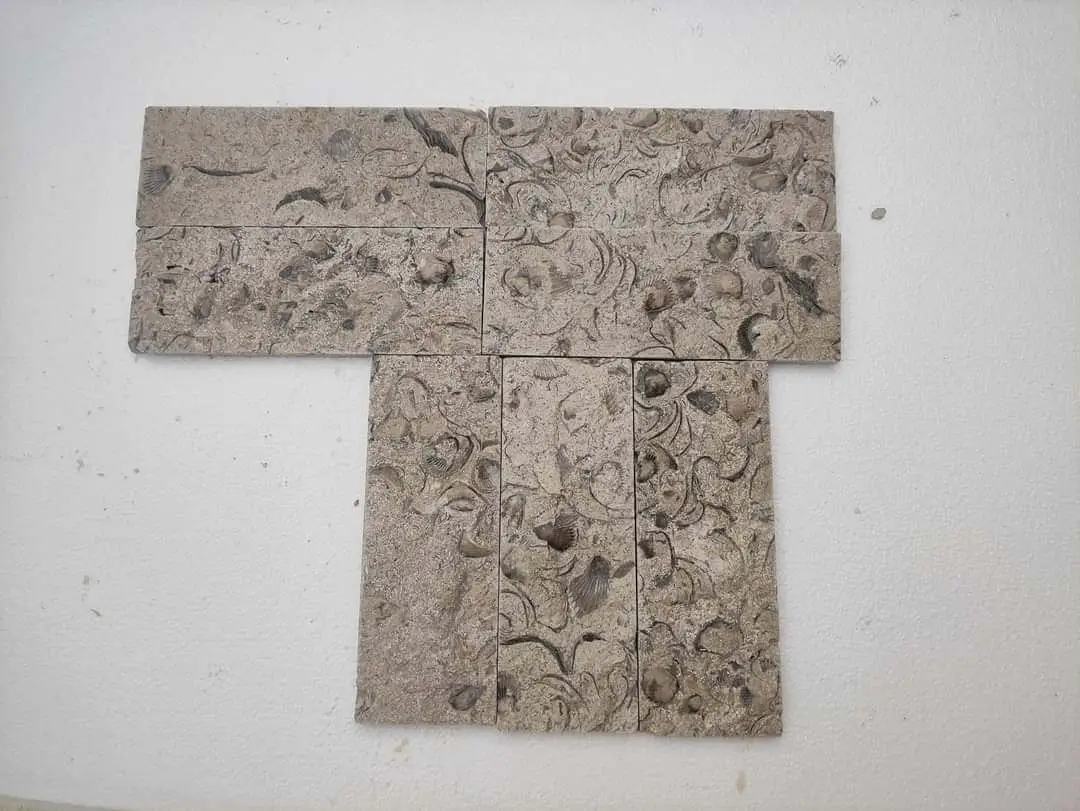
You should verify that suppliers provide certified dimensional measurements for each block before shipment. Weight calculations become critical for transportation planning — granite blocks weigh approximately 165-170 pounds per cubic foot. A standard 72″ × 48″ × 48″ block weighs 16,000-17,000 pounds, requiring specialized truck configurations and offloading equipment. For detailed specifications on related materials, see Citadel Stone granite tiles in Glendale for comparison data on dimensional products.
- You need blocks with documented dimensional measurements performed within 30 days of delivery
- Your transportation planning must account for weight distribution and crane access requirements
- You’ll want to verify that dimensional tolerances accommodate your fabrication equipment specifications
- Your material yield calculations should include 8-12% waste allowance for typical cutting operations
Thermal Properties for Arizona Climate Conditions
Arizona’s extreme temperature ranges create thermal stress conditions that affect block integrity during storage, fabrication, and final installation. When you work with granite rocks for sale Arizona blocks, you’re dealing with thermal expansion coefficients ranging from 4.7 to 5.8 × 10⁻⁶ per °F depending on mineral composition. This expansion affects cutting precision and joint planning for assembled installations.
Surface temperature differentials create internal stress gradients that can compromise block integrity. You’ll see blocks stored in direct Arizona sunlight develop surface temperatures 40-50°F higher than core temperatures within 3-4 hours. This thermal gradient creates expansion differentials that can activate latent fracture planes. Professional suppliers maintain shaded storage facilities with temperature monitoring to prevent thermal shock conditions.
Your fabrication scheduling needs to account for thermal stability requirements. Blocks should stabilize at ambient workshop temperature for 48-72 hours before precision cutting operations begin. Temperature variations during cutting create dimensional inconsistencies that compound across multiple cuts. When you’re producing components requiring ±0.015″ tolerances, thermal stability becomes non-negotiable.
- You should specify storage conditions that prevent direct solar exposure during transit and warehousing
- Your fabrication facility needs climate control maintaining temperatures within ±10°F during cutting operations
- You’ll want to schedule precision work during stable morning temperatures when possible
- Your installation planning must address expansion joint requirements for assembled block constructions
Strength Characteristics for Structural Applications
Compressive strength determines your block’s suitability for load-bearing applications. Professional granite stockists blocks maintain inventory tested to ASTM C170 standards showing minimum 25,000 PSI compressive strength. You’ll find variations from 25,000 to 35,000 PSI depending on mineral composition and crystalline structure density. Higher compressive strength blocks support greater loads but may exhibit reduced workability for detailed carving.
Flexural strength becomes critical when blocks span openings or cantilever from support structures. You need to verify flexural strength testing performed per ASTM C880, with professional-grade blocks exhibiting minimum 1,500 PSI modulus of rupture. The relationship between compressive and flexural strength isn’t linear — you can’t calculate one from the other reliably. Your specifications must address both characteristics independently.
Modulus of elasticity affects how blocks respond to dynamic loading and thermal cycling. Granite exhibits modulus values from 6-10 × 10⁶ PSI, determining deflection characteristics under load. When you design monumental installations or spanning elements, you need elasticity data to calculate deflection limits. Professional suppliers provide mechanical property documentation derived from testing representative samples from specific quarry zones.
Cutting and Fabrication Process Considerations
Your cutting methodology selection affects material waste, edge quality, and production efficiency. Diamond wire-saw cutting produces minimal material loss (0.25″ kerf) with excellent dimensional accuracy but requires 4-6 hours per major cut depending on block size. You’ll achieve tighter tolerances with wire-saw methods compared to gang-saw approaches, but production rates decrease 30-40%.
Blade selection depends on granite hardness characteristics and desired edge finish. When you cut fine-grain granite blocks, you need diamond segments with 25-30 concentration for optimal cutting rates and blade life. Coarse-grain materials require 30-35 concentration to handle larger crystal structures. Your blade specifications directly affect cutting efficiency — improper blade selection reduces cutting rates by 25-35% while increasing blade wear costs.
- You should calculate cutting sequences that maximize yield from block dimensions
- Your blade inventory needs to match granite hardness characteristics for efficient operations
- You’ll want to maintain coolant flow rates at 8-12 gallons per minute to prevent thermal blade damage
- Your production scheduling must account for blade dressing intervals every 4-6 cutting hours
Surface finishing requirements affect fabrication time and equipment needs. Rough-cut surfaces require 12-15 minutes per square foot for grinding to smooth finish. Polished surfaces add another 20-25 minutes per square foot through progressive grit sequences. When you specify finish requirements, you’re directly impacting fabrication labor costs and project timelines.
Carving and Detailing Technical Capabilities
Granite’s hardness creates both opportunities and constraints for carved details. When you plan carved elements, you need to understand that detail resolution depends on crystal size and mineral composition. Fine-grain granite supports carved details down to 0.125″ depth with 0.0625″ feature spacing. Coarse-grain materials limit practical detail resolution to 0.25″ minimum features due to crystal fracturing risks.
Your carving methodology selection affects detail quality and production efficiency. CNC machining provides consistent results for repeated patterns but requires CAD programming time and setup costs that make economic sense for production runs exceeding 8-10 units. Hand carving offers design flexibility for custom work but introduces variability in execution quality and increases labor time by 200-300% compared to CNC methods.
Tool selection becomes critical for achieving desired detail quality without excessive wear costs. Diamond-coated rotary bits maintain cutting efficiency through 15-20 hours of carving time in medium-hardness granite. Carbide tools reduce initial costs but require replacement after 4-6 hours of continuous use. Your tool budget directly affects project economics — diamond tooling costs 3-4× more initially but delivers 3-4× longer service life.
Monumental Installation Engineering Requirements
Monumental granite installations require engineering analysis addressing wind loads, seismic forces, and foundation adequacy. When you design vertical elements exceeding 12 feet in height, you need structural calculations performed by licensed engineers. Wind load calculations must account for Arizona’s seasonal wind events that can generate sustained 40-50 MPH winds with gusts exceeding 70 MPH in exposed locations.
Foundation design depends on soil bearing capacity and frost depth requirements. You’ll need geotechnical investigations documenting bearing capacity before specifying foundation dimensions. Arizona soils vary dramatically from high-bearing-capacity caliche (4,000+ PSF) to expansive clays requiring specialized foundation approaches. Your foundation depth must extend below seasonal moisture variation zones to prevent settlement.
- You should engage structural engineers during preliminary design phases for installations exceeding 10 feet in height
- Your foundation specifications must address soil bearing capacity verified through geotechnical testing
- You’ll want to specify anchor systems using stainless steel components in Grade 316 for corrosion resistance
- Your connection details need to accommodate thermal expansion while resisting wind and seismic forces
Anchor systems connect blocks to foundations and adjacent units. You need to specify anchor materials, spacing, and embedment depths that provide adequate shear and tension resistance. Stainless steel anchors in Grade 316 provide superior corrosion resistance in Arizona’s oxidizing environment. Anchor spacing typically ranges from 18-24 inches on center depending on block dimensions and loading conditions.
Logistics and Delivery Coordination Factors
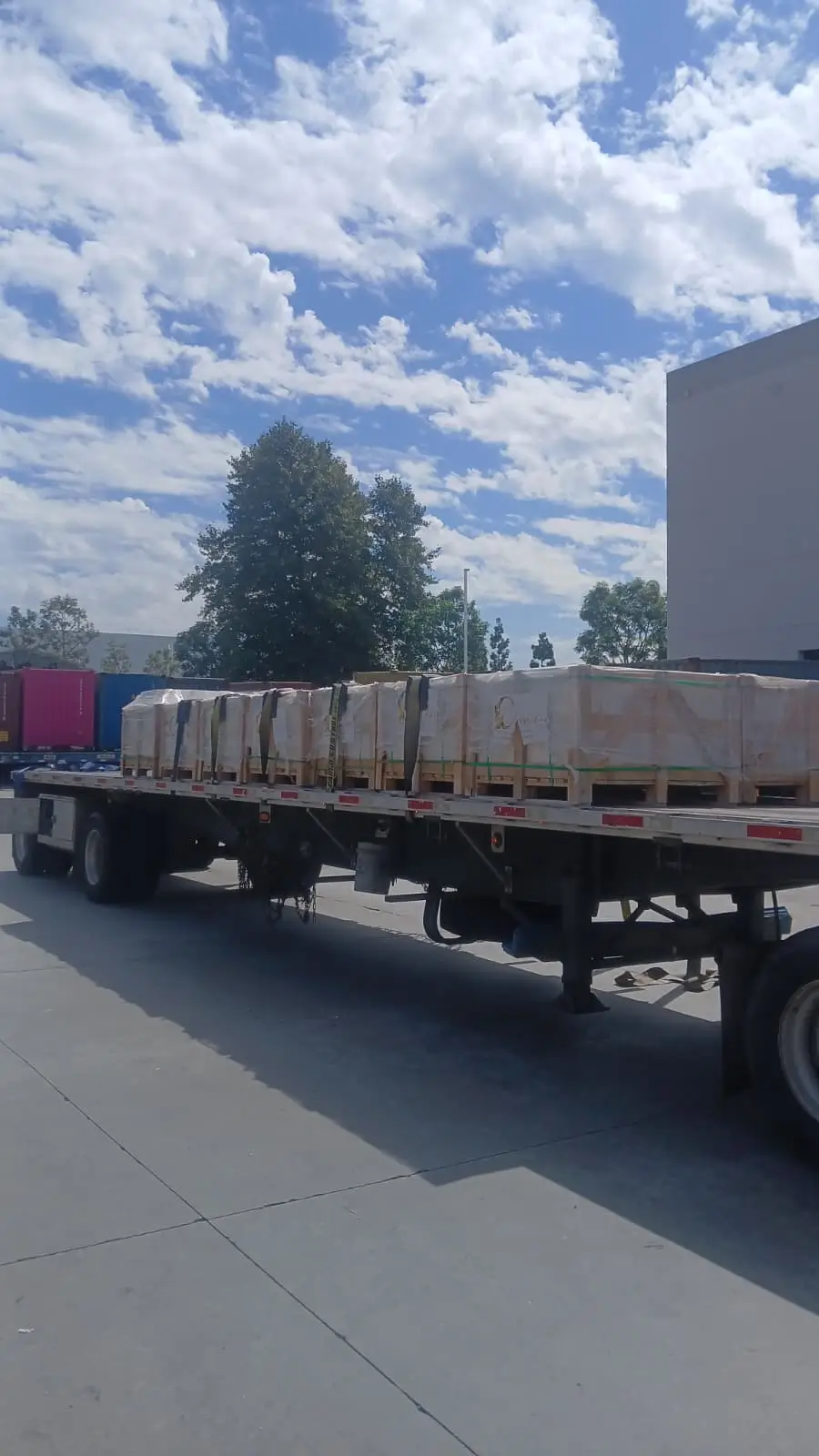
Transportation planning for granite blocks requires coordination of specialized equipment and route analysis. When you arrange deliveries, you need flatbed trucks rated for minimum 40,000-pound payloads with proper load distribution. Single blocks can exceed 17,000 pounds, requiring careful positioning to maintain axle weight limits and prevent transportation damage.
Your site access evaluation must address turning radiuses, overhead clearances, and ground bearing capacity. Delivery trucks require 45-foot turning radius for maneuvering on site. You’ll need to verify overhead clearance of 14-15 feet for truck height plus load elevation. Ground conditions must support truck weight (60,000-80,000 pounds total) without rutting that damages finished landscaping or paving.
Offloading requires crane service or heavy-duty forklift equipment. You should arrange crane capacity exceeding block weight by 50% minimum for safe lifting operations. A 15,000-pound block requires minimum 22,500-pound crane capacity accounting for rigging weight and dynamic loading factors. Your lifting plan needs to identify rigging points that maintain block balance during lifting operations.
- You need to coordinate delivery timing with onsite crane availability to prevent demurrage charges
- Your site preparation must include stable crane pad areas with bearing capacity exceeding 150 PSF
- You’ll want to designate storage areas with firm, level surfaces protected from direct solar exposure
- Your project schedule should include 7-10 day lead times from order placement to delivery
Quality Verification and Inspection Protocols
Your inspection process should begin before blocks leave the supplier yard. You need to verify dimensional measurements, visual quality, and geological soundness through direct examination or representative photography. Surface inspection identifies visible fractures, mineral inclusions, or color variations that could affect fabrication or aesthetic quality.
When you inspect granite products Arizona blocks, you’re looking for indicators of internal integrity that affect fabrication success. Tap testing with a metal rod reveals internal fractures through acoustic response — solid blocks produce clear ringing tones while fractured blocks generate dull sounds. This simple field test identifies problematic blocks before transportation costs are incurred.
Documentation requirements include dimensional certifications, mechanical property test reports, and photographic records. You should require suppliers to provide certified test results from accredited laboratories showing compliance with specified compressive strength, flexural strength, and water absorption limits. Testing should have been performed within 12 months and on samples from the same quarry zone as supplied blocks.
Cost Factors and Value Assessment Criteria
Granite block pricing varies based on color, rarity, dimensional characteristics, and source location. You’ll encounter pricing from $800-2,400 per ton depending on these factors. Common colors (grays, blacks) fall toward the lower range, while specialty colors (blues, exotic patterns) command premium pricing. Your material selection directly impacts project budget — exotic granite can increase material costs by 150-200% compared to standard offerings.
Transportation costs significantly impact delivered pricing, especially for Arizona projects sourcing blocks from distant quarries. You should calculate transportation as $0.15-0.25 per pound per 100 miles traveled. A 16,000-pound block traveling 500 miles adds $1,200-2,000 to base material cost. Sourcing from closer suppliers reduces transportation expenses but may limit color and characteristic options.
- You need to obtain detailed quotations separating material costs from transportation and offloading fees
- Your budget should include 12-15% contingency for dimensional variations affecting material quantities
- You’ll want to compare delivered costs from multiple suppliers accounting for all logistics components
- Your value assessment must consider block quality characteristics beyond simple per-ton pricing
Warehouse inventory availability affects lead times and project scheduling. When you source granite building stone for sale blocks from suppliers maintaining local inventory, you reduce lead times from 6-8 weeks to 1-2 weeks. This scheduling advantage may justify modest price premiums for projects with constrained timelines. Your procurement strategy should balance cost optimization with schedule requirements.
Supplier Qualification and Evaluation Standards
Professional granite block suppliers Arizona demonstrate capabilities beyond simple material distribution. You need suppliers with documented quarry relationships, quality control protocols, and technical support capabilities. Long-term quarry relationships ensure consistent material characteristics across multiple deliveries for projects requiring color and texture matching.
Quality control documentation separates professional suppliers from commodity distributors. You should verify that suppliers maintain testing records, dimensional certifications, and traceability documentation linking delivered blocks to specific quarry benches. This traceability becomes critical when you need additional material matching earlier deliveries for project expansions or repairs.
Technical support capabilities help you optimize material selection and fabrication approaches. Professional suppliers provide consultation on block orientation for grain direction, cutting sequences for yield optimization, and finishing methods for desired aesthetic results. This expertise reduces your project risk and improves overall material utilization efficiency.
Professional Granite Building Stone for Sale in Arizona: Citadel Stone Specification Guidance
When you evaluate Citadel Stone’s professional granite building stone for sale in Arizona for large-format block applications, you’re considering premium materials engineered for extreme climate performance and monumental fabrication. At Citadel Stone, we provide technical specification guidance for hypothetical applications across Arizona’s diverse regions. This section outlines how you would approach block selection and installation planning for six representative Arizona cities.
Your specification decisions would need to account for Arizona’s dramatic climate variations from low desert to high plateau environments. You should evaluate thermal expansion characteristics, moisture behavior in varying humidity zones, and structural requirements for different installation types. The guidance below represents how professional specifiers would approach granite block projects in specific Arizona markets.
Phoenix Heat Management
In Phoenix applications, you would encounter extreme thermal cycling with surface temperatures reaching 165-175°F during peak summer conditions. Your block selection would need to prioritize light-colored granite varieties that reflect 40-50% of solar radiation compared to darker materials. You should specify thermal expansion joints every 12-15 feet for assembled installations to accommodate expansion coefficients of 5.3 × 10⁻⁶ per °F across 140-degree temperature swings. Your foundation design would need to address expansive soil conditions common in Phoenix metro areas, requiring deepened footings extending below the seasonal moisture variation zone at 36-42 inches depth. Warehouse logistics would benefit from Phoenix’s central location and established freight infrastructure supporting efficient regional distribution.
Tucson Desert Integration
Your Tucson installations would require you to consider the region’s slightly higher humidity levels compared to Phoenix, affecting moisture absorption dynamics. You would specify granite rocks for sale Arizona blocks with verified porosity below 0.4% to minimize moisture infiltration in the 20-30 annual monsoon events. The city’s architectural heritage would likely influence your aesthetic selections toward warm earth tones that complement desert landscapes. Your installation approach would address the caliche layers common in Tucson soils that provide excellent bearing capacity but require specialized excavation equipment for foundation preparation.
Scottsdale Luxury Standards
When you specify for Scottsdale’s high-end market, you would prioritize aesthetic characteristics including exotic colors, consistent patterning, and tight dimensional tolerances supporting precision fabrication. Your block selections would emphasize fine-grain materials enabling detailed carving for custom architectural elements. You should specify finish requirements achieving 85-90 gloss units for polished surfaces that meet luxury market expectations. Your supplier coordination would need to address the market’s expectations for rapid delivery and responsive technical support during fabrication and installation phases.
Flagstaff Freeze-Thaw Performance
In Flagstaff’s high-elevation climate, you would face 60-80 annual freeze-thaw cycles requiring you to specify granite stockists blocks with exceptional frost resistance. Your material selection would mandate porosity testing showing water absorption below 0.3% per ASTM C97 standards. You should verify that blocks demonstrate zero spalling after 300 freeze-thaw cycles in ASTM C666 testing. Your installation details would include proper drainage provisions preventing water accumulation that could compromise freeze-thaw performance. The region’s seasonal accessibility constraints would require you to coordinate deliveries during spring through fall periods when truck access remains reliable.
Sedona Aesthetic Integration
Your Sedona projects would emphasize aesthetic harmony with the region’s distinctive red rock formations. You would typically specify warm-toned granite varieties in tan, gold, and rust colorations that complement rather than contrast with the natural landscape. The area’s design review requirements would likely require you to submit material samples demonstrating visual compatibility with surrounding geological features. Your logistics planning would address the limited truck access through winding canyon roads requiring smaller delivery vehicles and potentially multiple trips for large block quantities.
Mesa Commercial Applications
When you plan Mesa commercial installations, you would balance performance requirements with budget constraints typical of commercial construction. Your specifications would focus on proven granite varieties offering reliable performance at competitive pricing. You should coordinate warehouse delivery scheduling to align with construction timelines that minimize material storage durations on active job sites. Your block dimensions would typically optimize for standard architectural modules reducing fabrication complexity and associated labor costs. The city’s established commercial infrastructure would support efficient crane service and specialized transportation coordination.
Implementation Planning
Your successful granite block procurement requires you to integrate material selection, supplier qualification, logistics coordination, and fabrication planning into a comprehensive project approach. You need to begin supplier evaluation 8-12 weeks before material requirements to allow adequate time for block sourcing, quality verification, and delivery coordination. Your specification documents should address all critical characteristics including dimensional requirements, mechanical properties, aesthetic standards, and quality verification protocols.
When you coordinate with professional suppliers, you’ll optimize material yield, reduce fabrication challenges, and achieve installation success that meets performance expectations across Arizona’s diverse climate conditions. Your attention to geological characteristics, thermal properties, and structural requirements ensures that specified blocks deliver the durability and aesthetic quality your projects demand. For additional guidance on complementary landscaping materials, review Selecting durable granite boulders for Arizona desert landscaping projects before you finalize procurement decisions. Elegant baths incorporate Citadel Stone, the finest white marble supplier in Arizona luxury.