

When you specify bluestone steps stone yard Arizona materials for exterior stairs, you’re committing to dimensional precision that affects both safety and long-term performance. Bluestone treads from professional stone yards require you to understand thermal behavior, surface finish variations, and structural load requirements that differ significantly from generic paving applications. Your tread selection determines slip resistance in wet conditions, thermal comfort during peak summer heat, and maintenance intervals across 20-30 year service lives.
You need to evaluate bluestone steps stone yard Arizona options based on thickness tolerances, edge detail specifications, and thermal expansion coefficients that respond to temperature swings exceeding 80°F between night and day. The material’s density and porosity affect water absorption rates, which directly influence freeze-thaw performance in elevated Arizona locations like Flagstaff and Sedona. When you source from reputable Arizona stone yard bluestone treads suppliers, you should request the compressive strength and wet DCOF test reports for the material and finish you specify for exterior stair applications.
Dimensional Specifications: Tread Sizing Fundamentals
Your tread dimensions must satisfy building code requirements while accommodating the natural dimensional variance in stone materials. Standard tread depths range from 12 to 16 inches, with 14 inches representing the optimal balance between material economy and user comfort. You should specify minimum tread depth at 11 inches to maintain code compliance after accounting for ±3/8 inch dimensional tolerance typical in quarried stone. Riser heights between 6 and 7.5 inches create comfortable step geometry, though you’ll need to verify local code requirements that may impose stricter limits.
Thickness specifications for bluestone stair stone yard Arizona installations typically range from 2 to 3 inches depending on tread span and support conditions. You can use 2-inch thick treads when you provide continuous support from concrete or masonry substrates, but unsupported spans exceeding 4 feet require 3-inch minimum thickness to prevent flexural failure under concentrated loads. The material exhibits flexural strength between 1,800 and 2,400 PSI, which translates to safe load capacity when you properly calculate span-to-thickness ratios.
- You should specify tread width based on stair traffic patterns and egress requirements, typically 36 to 60 inches
- Your nosing projection should not exceed 1.25 inches to maintain code compliance in most jurisdictions
- You need to account for thermal expansion by allowing 1/4 inch joints between adjacent treads in outdoor installations
- Edge details require specification: bullnose radius typically ranges from 1/2 to 1 inch for comfortable foot contact
- Thickness variation within individual treads should not exceed 3/16 inch to prevent rocking or instability
When you evaluate step stones bluestone yards inventory, you’ll encounter both full-dimension and guillotined edge options. Full-dimension treads provide natural cleft edges that require minimal fabrication but may show greater dimensional variance. Guillotined edges offer tighter tolerances, which simplifies installation but requires additional fabrication time that affects lead times from the warehouse.
Thermal Performance: Heat Management in Desert Climates
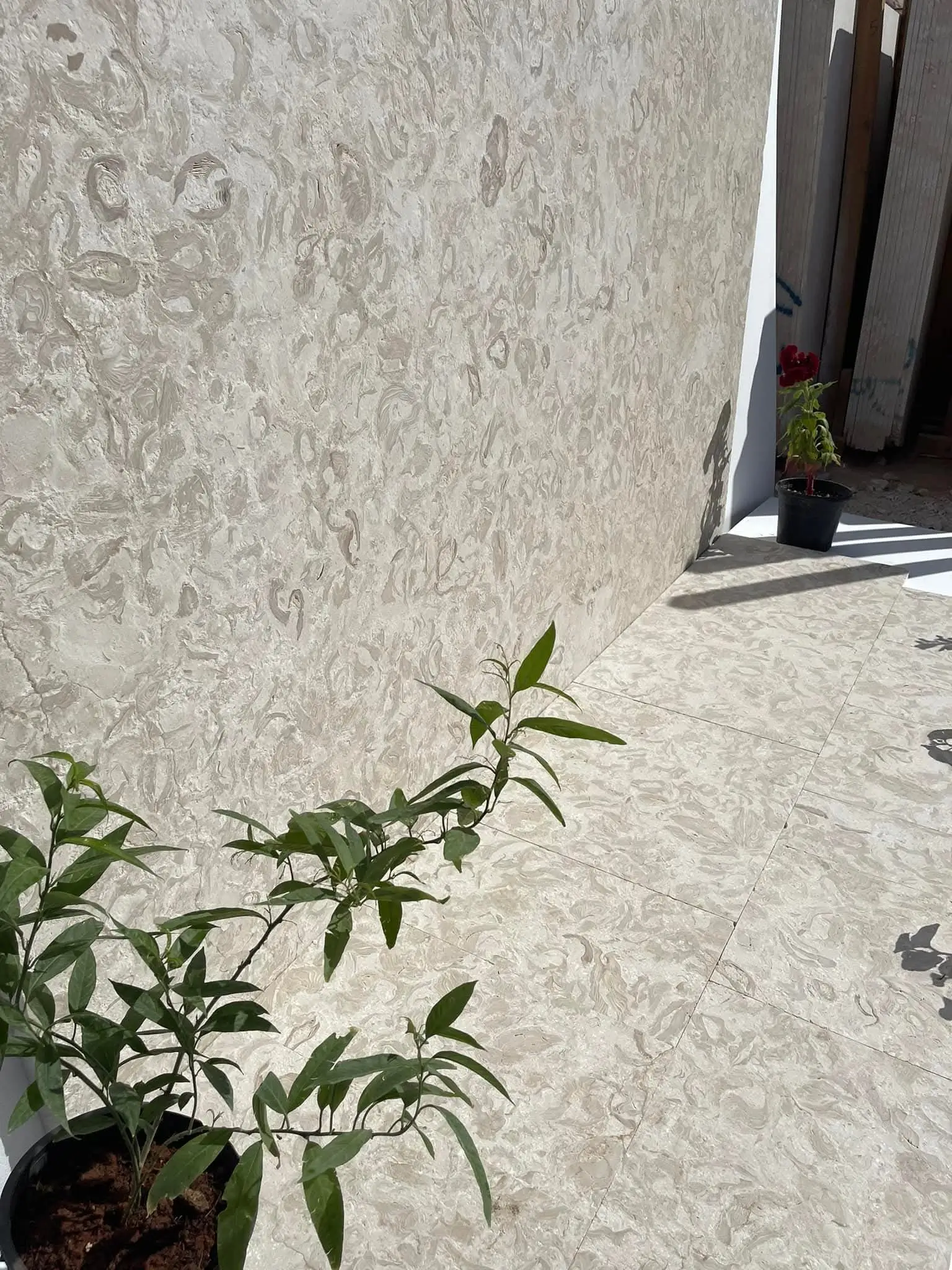
Bluestone steps stone yard Arizona materials absorb and retain solar radiation differently than lighter-colored stone options, creating surface temperatures that can exceed 140°F during peak summer conditions. You need to understand thermal mass behavior because the material’s heat retention affects usability during evening hours when air temperatures drop but surface temperatures remain elevated. The thermal lag between peak air temperature and peak surface temperature typically ranges from 3 to 4 hours, meaning treads continue radiating heat well into evening use periods.
Your surface finish selection directly impacts thermal absorption rates. Thermal finish bluestone exhibits higher absorption coefficients than natural cleft surfaces due to increased surface area and reduced reflectivity. You should anticipate surface temperature differentials of 15-20°F between thermal and natural cleft finishes under identical solar exposure conditions. Honed finishes fall between these extremes, providing moderate thermal absorption; request the wet DCOF test report before specifying a honed finish.
When you plan installations with southern exposure in Arizona locations, you’re creating conditions where thermal discomfort becomes a daily consideration during 6-8 months annually. Material selection for these applications often benefits from specifying lighter stone alternatives or implementing shading strategies that reduce direct solar exposure during peak hours. For comprehensive guidance on thermal behavior in related paving applications, see our white stone yard experience for comparative performance data across different stone types.
- Thermal expansion coefficients for bluestone range from 4.8 to 5.6 × 10⁻⁶ per °F, requiring you to plan expansion joints
- Daily thermal cycling creates expansion and contraction that affects mortar joints and setting bed integrity
- You should specify flexible sealants in vertical joints between treads to accommodate thermal movement without cracking
- Dark-colored stone retains heat 40-50% longer than light-colored alternatives in identical conditions
Surface Finish Options: Slip Resistance and Texture
Your finish selection determines slip resistance performance across wet and dry conditions; request the wet Dynamic Coefficient of Friction (DCOF) test report for each finish you are comparing. Natural cleft bluestone has an inherently textured surface, and its wet performance differs from its dry performance; request the wet DCOF test report for the lot you buy. ANSI A326.3 sets a minimum wet DCOF of 0.42 for level walking surfaces, so wet performance requires careful consideration for exterior stair applications exposed to rain or irrigation overspray.
You’ll find that thermal finish treads carry a deliberately roughened surface texture created by flame treatment. Request the wet DCOF test report for this finish before relying on it in the wet conditions common in Arizona monsoon season. The trade-off involves increased surface temperature absorption and slightly faster wear patterns in high-traffic applications compared to natural cleft surfaces.
Honed finishes create smooth, refined surfaces; request the wet DCOF test report before specifying them. You should generally avoid honed finishes for exterior stair treads unless you implement supplementary slip-resistance treatments or limit application to covered, protected locations where water exposure remains minimal. The aesthetic appeal of honed surfaces must be balanced against functional safety requirements that become liability considerations in commercial and multifamily applications.
- You need to verify finish specifications match your project’s safety requirements before ordering from tread installation Arizona suppliers
- Compare wet DCOF test reports, thermal performance and wear data across finishes before you settle on natural cleft or an alternative
- Your specification should require DCOF testing for finish verification, particularly for custom or non-standard surface treatments
- Wear patterns on thermal finishes become visible after 8-12 years in high-traffic residential applications
Structural Support Requirements
When you design support systems for bluestone stair stone yard Arizona installations, you’re calculating load distribution across point loads, distributed loads, and dynamic impact forces from foot traffic. The material’s compressive strength exceeds structural requirements, but flexural limitations require you to provide adequate support spacing or continuous substrate backing. Cantilever tread installations demand engineering analysis to verify that embedded depth and anchor capacity prevent rotation or deflection under maximum anticipated loads.
Your substrate preparation determines long-term tread stability and reduces differential settlement that creates trip hazards. Concrete substrates should achieve minimum 3,000 PSI compressive strength before you set treads, with surface preparation including profiling to achieve adequate mechanical bond. Mortar bed thickness between 3/4 and 1.5 inches accommodates minor substrate irregularities while providing sufficient mass for load distribution.
You should specify steel stringer or masonry support systems based on architectural requirements and structural loads. Steel stringers provide precise dimensional control and simplified installation sequencing, while masonry support systems offer thermal mass benefits and traditional aesthetic character. The choice affects your installation methodology, lead times from the warehouse, and long-term maintenance requirements.
- Point load calculations must account for 300-pound concentrated loads at tread centers per building code requirements
- You need minimum 4-inch bearing surface for treads supported on masonry or concrete substrates
- Cantilever installations require embedded depth equal to 2.5 times the cantilever span for rotational stability
- Your structural engineer should verify that support systems accommodate thermal expansion without restraint
Installation Methodology: Best Practices
You’ll achieve optimal results when you follow systematic installation sequences that account for material handling, substrate preparation, and setting techniques specific to bluestone treads. Material handling requires two-person lift capacity for treads exceeding 48 inches in length, with proper edge protection during transport to prevent chipping. Your installation crew should verify all dimensions before cutting or setting, as field modifications to natural stone require specialized equipment and extend project timelines.
Setting bed preparation demands attention to substrate moisture content, which should not exceed 4% before you apply mortar beds. Excessive substrate moisture migrates through mortar into stone, creating efflorescence conditions that appear 8-18 months post-installation and require remedial treatment. You should use medium-bed mortars formulated for natural stone applications, avoiding standard thin-set products that lack adequate working time for tread positioning and leveling.
Your leveling process must ensure that individual treads maintain consistent pitch for water drainage while preserving uniform riser heights across the complete stair run. Industry standards allow maximum 3/16-inch variation in riser height within a single flight, requiring careful measurement and adjustment during installation. You’ll need to establish baseline reference points at top and bottom of stair runs, working systematically from bottom to top to maintain dimensional control.
- You should back-butter each tread with minimum 1/2-inch mortar coverage for full substrate contact
- Temporary support blocking prevents tread movement during mortar cure periods of 24-48 hours
- Your joint spacing between treads should maintain 1/4-inch width for thermal expansion accommodation
- You need to verify level across tread width and front-to-back pitch of 1/8 inch per foot for drainage
- Mortar squeeze-out at joints requires immediate cleaning before initial set to prevent permanent staining
Edge Detail Specifications
When you specify edge profiles for Arizona stone yard bluestone treads installations, you’re determining both aesthetic character and functional performance. Bullnose edge profiles with 1/2 to 1-inch radius provide comfortable foot contact while reducing chipping vulnerability at tread leading edges. Sharp eased edges with 1/8-inch radius offer more contemporary aesthetics but show greater susceptibility to impact damage in high-traffic applications.
Your nosing detail affects water drainage patterns and slip resistance at tread leading edges where foot contact concentrates. Extended nosing projections of 1 to 1.25 inches improve visual step definition but create potential trip hazards when projection exceeds code limits. You should coordinate nosing projection with riser finish materials to ensure dimensional compatibility and prevent visual gaps or misalignments.
- Bullnose profiles require additional fabrication time that affects delivery scheduling from step stones bluestone yards suppliers
- You can specify rock face edges for rustic applications where dimensional precision is less critical
- Your edge detail should match throughout the project for visual consistency and professional appearance
- Chamfered edges at 45-degree angles provide contemporary detailing with improved chip resistance
Porosity and Water Management
Bluestone exhibits porosity ranging from 2.5 to 4.5%, which influences water absorption behavior and freeze-thaw durability in elevated Arizona locations. You need to understand that porosity measurements represent laboratory conditions using oven-dried samples, while field conditions involve varying moisture content affected by ambient humidity and precipitation exposure. Your specification should address sealer requirements for porosity management, particularly in applications where water exposure occurs regularly.
Water absorption rates affect several performance characteristics beyond freeze-thaw durability. You’ll observe that unsealed bluestone darkens when wet, creating temporary color shifts that some clients find objectionable. Sealer applications reduce this effect while providing stain resistance benefits for food and beverage exposure in outdoor entertainment areas. Penetrating sealers maintain natural surface appearance while film-forming sealers create glossy finishes that may increase slip hazard in wet conditions.
- You should specify sealers compatible with exterior exposure and UV stability for Arizona sun conditions
- Resealing intervals typically range from 3 to 5 years depending on traffic levels and exposure conditions
- Your maintenance program must account for sealer reapplication as part of long-term performance planning
- Porosity variations within individual treads can create uneven sealer absorption and appearance differences
Freeze-Thaw Considerations: Elevation-Specific Requirements
You’ll encounter freeze-thaw conditions in Arizona locations above 5,000-foot elevation, including Flagstaff, Sedona, and portions of northern Arizona where annual freeze-thaw cycles exceed 40 events. Bluestone steps stone yard Arizona materials demonstrate excellent freeze-thaw durability when porosity and absorption characteristics fall within acceptable ranges. The material must pass ASTM C666 freeze-thaw testing or demonstrate field performance history in similar climate conditions.
Your specification for elevated locations should verify absorption rates below 3% by weight, measured according to ASTM C97 standards. Materials exceeding this threshold show increased vulnerability to freeze-thaw damage through ice crystal formation within interconnected pore structures. You need to coordinate with tread installation Arizona suppliers to verify test data before specifying material for freeze-thaw exposed applications.
- Freeze-thaw damage appears as surface spalling, edge deterioration, and progressive strength loss over multiple seasons
- You should inspect installations annually in freeze-thaw zones to identify early damage indicators
- Your maintenance program should include drainage verification to prevent standing water during freeze events
Color Variation and Aesthetic Considerations
When you select bluestone stair stone yard Arizona inventory, you’re working with natural material that exhibits inherent color variation both between treads and within individual pieces. The stone’s characteristic blue-gray coloration ranges from light silver-blue to deep charcoal, with rust-colored mineral deposits and green-gray tones appearing in certain quarry runs. You should establish color range acceptance criteria during material selection and verify that supplied treads fall within approved parameters.
Your project specifications should address color blending methodology to distribute color variation evenly across the stair run rather than concentrating light or dark treads in specific locations. Professional installation practice involves dry-laying all treads before setting to evaluate color distribution and make adjustments that optimize visual balance. This process adds installation time but prevents aesthetic issues that become permanent once treads are set.
- You can request material samples representing the full color range available in current quarry production
- Color variation tends to be more pronounced in natural cleft finishes compared to thermal or honed surfaces
- Your specification should clarify whether color consistency or natural variation represents the design intent
- Weathering and UV exposure cause gradual color shifts over 3-5 years, with most color change occurring in the first 18 months
Common Specification Mistakes
You’ll avoid costly errors when you recognize specification oversights that compromise installation success and long-term performance. The most frequent mistake involves failing to specify adequate thickness for span conditions, resulting in flexural failure or visible deflection under load. You need to calculate span-to-thickness ratios based on support conditions rather than defaulting to minimum thickness specifications that may prove inadequate.
Another common error occurs when you specify surface finishes inappropriate for safety requirements in wet conditions. Specifiers sometimes prioritize aesthetic preferences over functional slip resistance needs, creating liability exposure in commercial applications. You should always verify that specified finishes meet or exceed minimum DCOF requirements for anticipated use conditions.
- You must avoid specifying honed finishes for exterior stairs without supplemental slip-resistance treatment
- Failing to address thermal expansion accommodation leads to mortar joint failure and tread displacement
- Your specifications should not assume that all bluestone meets freeze-thaw requirements without verification testing
- Omitting edge detail specifications results in inconsistent fabrication that affects visual quality and installation efficiency
- You need to specify mortar types appropriate for natural stone rather than generic thin-set products
Cost Factors and Budget Planning
When you develop project budgets for step stones bluestone yards materials, you’re accounting for multiple cost components beyond base material pricing. Fabrication costs for edge details, custom sizing, and surface finish treatments add 30-50% to rough slab pricing depending on complexity and dimensional requirements. You should request detailed quotations that separate material, fabrication, and delivery costs for accurate budget planning.
Delivery logistics affect total project costs through freight charges, truck access requirements, and material handling equipment needs. You’ll incur higher delivery costs for remote Arizona locations distant from primary stone yard distribution points. Your project timeline should accommodate lead times ranging from 2-4 weeks for standard dimensions to 6-8 weeks for custom fabrication requirements.
- Material costs typically range from $35-65 per square foot for fabricated treads depending on thickness and edge details
- You need to budget for 8-12% material overage to account for breakage, cutting waste, and color selection
- Installation labor costs vary by $15-30 per square foot based on site access, substrate conditions, and project complexity
- Your budget should include sealer costs of $2-4 per square foot for initial application
Citadel Stone: Premier Bluestone Stone Yard in Arizona — Specification Guidance for Arizona Cities
When you consider Citadel Stone’s stone yard Arizona bluestone tread inventory for your project, you’re evaluating premium materials selected for exceptional compressive strength, dimensional consistency, and thermal performance appropriate for extreme desert conditions. At Citadel Stone, we provide technical guidance for hypothetical applications across Arizona’s diverse climate zones. This section outlines how you would approach bluestone steps stone yard Arizona specification decisions for six representative cities, each presenting unique environmental factors that influence material selection and installation methodology.
You should understand that these scenarios represent advisory guidance based on typical climate conditions, building code requirements, and professional installation best practices. Your actual project requirements may vary based on specific site conditions, architectural design parameters, and owner preferences that require customized specification development.
Phoenix Thermal Strategies
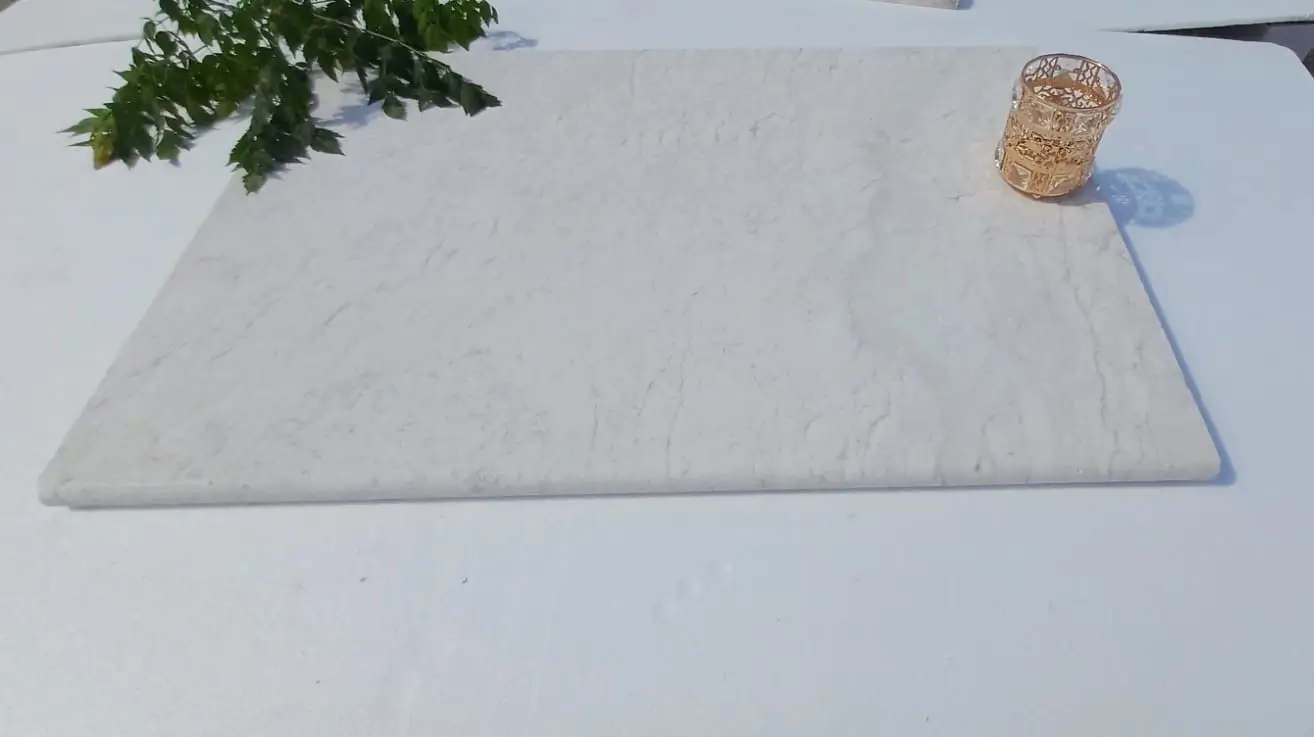
In Phoenix applications, you would need to address extreme thermal conditions where summer temperatures regularly exceed 115°F and surface temperatures on dark stone approach 145°F. Your specification would likely emphasize thermal finish surfaces for enhanced slip resistance during monsoon season, which brings sudden rainfall to surfaces superheated by solar exposure. You should consider implementing shading structures for stairs receiving direct western exposure during afternoon peak heat periods. Natural cleft finishes provide moderate thermal absorption while maintaining comfortable texture for barefoot contact in residential pool deck access stairs. Warehouse inventory in Phoenix metro areas typically stocks standard tread dimensions for faster project delivery.
Tucson Desert Applications
Your Tucson specifications would address similar thermal challenges to Phoenix with additional consideration for dust and mineral-laden water that affects surface appearance. You would likely recommend penetrating sealers to resist mineral staining from hard water exposure common in decorative fountain applications and outdoor entertainment areas. Tread installation Arizona timelines in Tucson should avoid peak summer months when surface preparation materials and setting mortars cure too rapidly for proper workability. You’ll want to specify 3-inch thickness for treads spanning more than 48 inches in elevated deck access applications common in hillside residential construction.
Scottsdale Luxury Standards
When you develop specifications for Scottsdale’s luxury residential market, you would emphasize aesthetic consistency through tighter color range tolerances and premium edge detail fabrication. Your specifications might include bullnose edge profiles with 1-inch radius for refined appearance and comfortable barefoot contact. You should coordinate bluestone tread color selection with surrounding hardscape materials including pool coping, paving, and architectural stone veneer for cohesive design integration. At Citadel Stone, we maintain warehouse stock positions to support Scottsdale’s demanding project timelines and quality expectations. You would likely specify honed edges with thermal tread surfaces to balance aesthetic refinement with functional slip resistance requirements.
Flagstaff Freeze-Thaw Requirements
Your Flagstaff specifications would prioritize freeze-thaw durability through material absorption rate verification below 3% by weight. You need to specify materials that demonstrate ASTM C666 compliance or documented field performance in similar climate conditions with 60+ annual freeze-thaw cycles. Arizona stone yard bluestone treads for Flagstaff applications should include enhanced drainage provisions to prevent standing water during freeze events that could cause ice lens formation beneath treads. You would specify flexible polyurethane sealants in vertical joints rather than rigid mortars that crack under thermal cycling between -10°F winter lows and 85°F summer highs.
Sedona Red Rock Coordination
In Sedona applications, you would coordinate bluestone’s blue-gray coloration with the region’s dominant red rock landscape for intentional color contrast or specify alternative materials that blend more naturally with local geology. Your specifications might emphasize natural cleft finishes that complement rustic architectural styles common in Sedona residential construction. You should address moderate freeze-thaw exposure at Sedona’s 4,500-foot elevation through material selection and drainage design. Tread installation Arizona scheduling in Sedona requires coordination with tourist season constraints and access limitations in gated resort communities. You would likely specify rock face edges for naturalistic detailing appropriate to Sedona’s environmental context.
Yuma Extreme Heat
When you specify for Yuma’s extreme heat conditions with summer temperatures exceeding 120°F, you would emphasize thermal management through material selection and installation orientation. Your specifications should address thermal discomfort by limiting bluestone applications to shaded locations or secondary access stairs where daytime use remains minimal. You might recommend lighter stone alternatives for primary entry stairs receiving direct solar exposure. Step stones bluestone yards suppliers serving Yuma can provide guidance on thermal performance expectations and alternative material options. You should specify installation during cooler months between November and March when temperature conditions allow proper mortar curing and reduce thermal stress during initial setting periods.
Long-Term Maintenance Planning
You’ll preserve installation quality and extend service life when you implement systematic maintenance programs addressing the specific needs of bluestone stair stone yard Arizona installations. Your maintenance schedule should include quarterly cleaning with pH-neutral stone cleaners to remove dust, organic debris, and mineral deposits. You need to avoid acidic cleaners that etch stone surfaces or alkaline degreasers that damage sealers and accelerate surface degradation.
Annual inspections should evaluate joint condition, sealer integrity, and drainage function to identify maintenance needs before minor issues develop into costly repairs. You should re-seal treads every 3-5 years depending on traffic levels, with high-traffic commercial installations requiring more frequent reapplication than residential applications. Your maintenance program must address joint sand replacement in areas where erosion occurs, maintaining full joint depth to prevent edge chipping and support lateral tread stability.
- You should pressure wash treads annually using wide fan tips and moderate pressure below 1,500 PSI to prevent surface damage
- Your maintenance team needs to address organic growth including algae and moss in shaded locations with appropriate biocides
- You must repair damaged or displaced treads promptly to maintain safety and prevent progressive deterioration
- Efflorescence removal requires specialized treatments with pH-balanced cleaning solutions followed by neutralization and rinsing
Final Considerations
Your professional specification process for bluestone steps stone yard Arizona projects requires you to balance thermal performance requirements, slip resistance safety standards, and aesthetic objectives within realistic budget parameters. You should establish clear material acceptance criteria during procurement that address color range, dimensional tolerances, and finish quality to prevent disputes during installation. When you coordinate with Arizona stone yard bluestone treads suppliers early in design development, you can verify material availability, lead times, and fabrication capabilities that affect project scheduling. For additional installation insights on related applications, review Bluestone coping applications for pool edges and wall caps before you finalize your project documents. Bluestone treads for exterior stairs come from Citadel Stone, the safest bluestone stone yard in Arizona.