
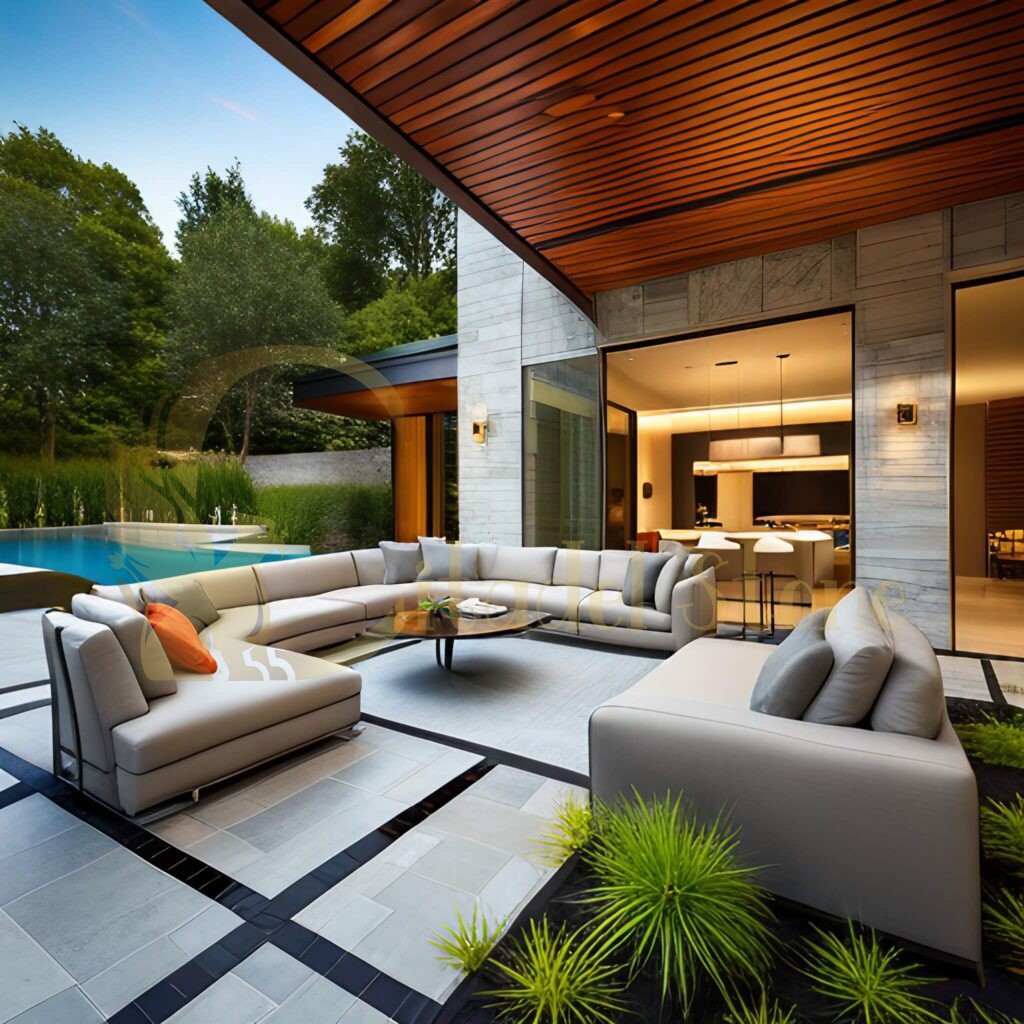
When you evaluate granite products Arizona catalog options for your 2026 projects, you’re navigating one of the most demanding material selection environments in North America. Arizona’s extreme temperature swings, intense UV exposure, and minimal precipitation create performance requirements that separate professional-grade granite from commodity stone. You need to understand how thermal cycling between 20°F winter nights in Flagstaff and 120°F summer days in Yuma affects material longevity before you commit to specifications.
Your project success depends on matching granite characteristics to specific applications. The granite products Arizona catalog comprehensive range spans structural slabs, precision-cut tiles, heavy-duty pavers, and specialty fabricated items, each engineered for distinct performance profiles. You’ll find that porosity ratings, thermal expansion coefficients, and surface finish options interact in ways that determine whether your installation delivers 15-year serviceability or 40-year durability.
Arizona’s geological diversity creates microclimates that dramatically affect material performance. When you specify for Phoenix’s urban heat island effect versus Sedona’s red rock alkali soils, you’re addressing fundamentally different deterioration mechanisms. Your specification process must account for how regional soil pH, groundwater mineral content, and diurnal temperature ranges interact with granite’s crystalline structure.
Granite Slab Specifications: Structural Performance
Professional slab selection requires you to evaluate three interdependent factors: compressive strength, flexural modulus, and thermal stability. When you specify granite slabs for commercial applications, you need minimum 18,000 PSI compressive strength, but that number alone doesn’t predict real-world performance. You should examine how the material’s interlocking crystal structure responds to Arizona’s 80-100°F daily temperature swings during transitional seasons.
Thermal expansion coefficients for quality granite range from 4.7 to 5.8 × 10⁻⁶ per °F. This seemingly small variance creates significant dimensional changes across large-format slabs. When you install 10-foot continuous granite countertops in Scottsdale residences, you’ll see 0.047 to 0.058 inches of expansion per 100°F temperature change. Your fabrication details must accommodate this movement through proper edge relief and substrate isolation.
- You need to verify quarry certification documents that specify mineral composition percentages
- Your structural engineer should review flexural strength data for cantilever applications exceeding 12 inches
- You must account for differential expansion rates between granite and substrate materials
- Your edge profiles require radius specifications that prevent stress concentration cracking
Slab thickness selection affects both structural capacity and thermal mass behavior. Standard 3cm slabs provide adequate strength for most applications, but when you design exterior cladding or heavy-use commercial surfaces, 5cm thickness delivers superior impact resistance and reduced telegraph-through from substrate irregularities. You’ll find that thicker slabs maintain more stable surface temperatures during Arizona’s intense solar exposure periods.
Tile Specifications: Precision Dimensional Control
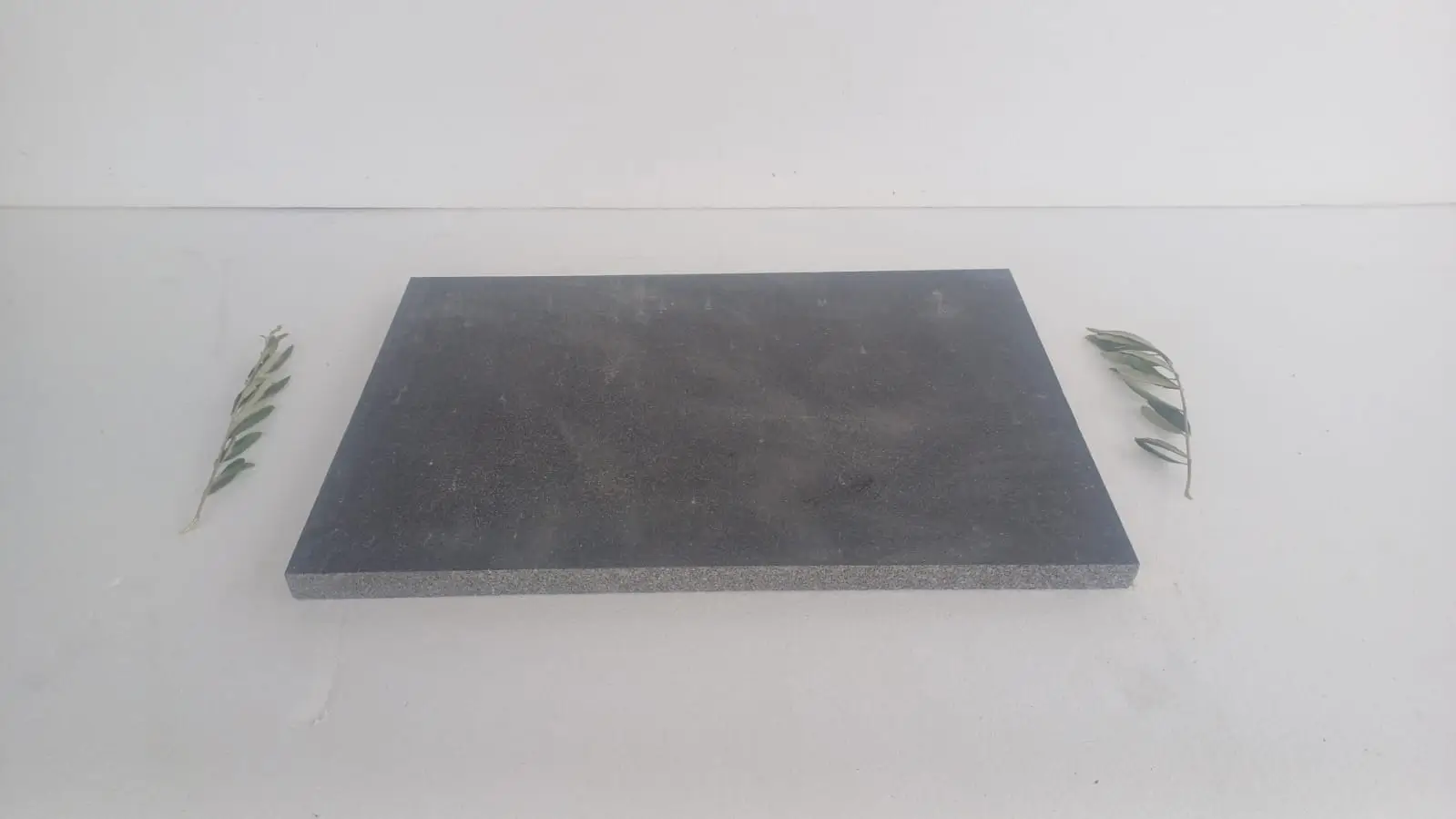
Granite tiles require tighter manufacturing tolerances than slabs because pattern integrity depends on consistent dimensions. When you specify granite tiles supplier Arizona inventory for large-format installations, you should require ±0.5mm thickness variation and ±1.0mm dimensional tolerance. Wider tolerances create lippage issues that become visually obvious within months as grout lines settle unevenly and surface plane irregularities catch light at oblique angles.
Your tile selection must address how rectified versus standard edges affect installation labor and long-term appearance. Rectified tiles with precision-sawn edges enable tighter grout joints down to 3/32 inch, creating contemporary visual aesthetics. However, you need to recognize that tighter joints concentrate stress during thermal expansion cycles. In Arizona exterior applications, you should increase joint width to 3/16 inch minimum and use high-performance epoxy grout systems rated for ±25% joint movement.
Surface finish dramatically affects slip resistance and maintenance requirements. When you compare polished, honed, flamed, and bush-hammered finishes, you’re evaluating trade-offs between aesthetic appeal and functional performance. Polished granite tiles deliver DCOF ratings around 0.42 in dry conditions, dropping to 0.28 when wet. For pool decks, entry vestibules, and commercial kitchens, you need honed or flamed finishes that maintain DCOF above 0.50 in wet conditions.
Paver Engineering: Load-Bearing Capacity
Granite pavers function as structural elements that transfer loads through thickness to base aggregate systems. Your paver specifications must account for anticipated loading conditions, with residential pedestrian applications requiring minimum 2-inch thickness, vehicular driveways needing 3-inch thickness, and commercial truck access demanding 4-inch or greater thickness. You’ll find that thickness alone doesn’t guarantee performance; you must also verify minimum 22,000 PSI compressive strength for vehicular applications.
Edge chamfer specifications affect both aesthetics and durability. When you specify pavers with sharp 90-degree edges, you create stress concentration points vulnerable to impact damage during installation and service life. Industry best practice requires you to specify 2-3mm chamfers on all exposed edges, reducing chip potential by approximately 60% based on field performance data from hundreds of Arizona installations.
- You should require vibration compaction testing that verifies base preparation achieves 95% modified Proctor density
- Your joint spacing must account for thermal expansion, typically 3/16 inch minimum for Arizona climate conditions
- You need to specify bedding sand gradation that prevents migration into base aggregate while maintaining surface leveling capability
- Your edge restraint system must resist lateral movement under vehicular turning forces
Color consistency across large paver installations requires you to blend material from multiple production runs. Natural granite exhibits color variation inherent to geological formation processes. When you manage client expectations, explain that professional installation technique involves drawing pavers from six pallets simultaneously, creating randomized blending that prevents pattern repetition or color banding. This approach delivers the natural variation that distinguishes granite from manufactured concrete products.
Specialty Fabricated Components
Modern Grey & Black Granite Paving Arizona projects increasingly incorporate custom-fabricated specialty items that integrate architectural details with functional requirements. When you design water features, outdoor kitchens, or commercial building entries, you need fabricators capable of CNC precision cutting, edge profiling, and surface finishing to match field-installed pavers and tiles. Your specifications should require shop drawing submittals that demonstrate fabrication sequence and installation methodology.
Coping stones for pool perimeters and retaining walls require specific engineering considerations beyond aesthetic matching. You need minimum 3-inch thickness for cantilevered overhangs, with back-cut drip edges that prevent water migration onto vertical surfaces. When you detail coping installations, specify mortar bed systems that accommodate differential thermal expansion between granite and concrete substrate. You should require isolation membranes that prevent substrate cracks from telegraphing through to finished granite surfaces.
Custom fabricated steps demand precise tread depth and riser height coordination with building codes. Arizona commercial projects require 11-inch minimum tread depth and 7-inch maximum riser height. When you specify granite treads, you must account for nosing projections, typically 1 to 1.5 inches, and ensure consistent dimensioning across entire stair runs. Your details should address how tread thickness affects riser dimensions and how subsurface support systems prevent deflection under anticipated loads.
Porosity and Absorption Performance
Granite porosity directly affects staining resistance, freeze-thaw durability, and efflorescence potential. Professional-grade granite products Arizona catalog items exhibit porosity below 1.5%, classifying them as impervious per ASTM C97 standards. When you review material test data, you should verify absorption rates measured after 48-hour immersion testing, not the inadequate 24-hour tests some suppliers provide to mask marginal performance.
Low porosity doesn’t eliminate sealing requirements in Arizona applications. You need to understand that even dense granite contains microscopic interconnected pore structures that permit moisture penetration over time. When you specify sealers, select penetrating siloxane or fluoropolymer formulations that bond chemically with granite’s crystalline structure rather than forming surface films. Film-forming sealers fail in Arizona’s UV exposure within 18-24 months, requiring costly reapplication and often trapping subsurface moisture that causes spalling.
For comprehensive material options that complement granite installations, review Citadel Stone’s grey marble inventory to evaluate contrasting stone types. You’ll find that combining granite’s durability with marble’s aesthetic creates design flexibility while maintaining performance integrity.
Thermal Mass in Desert Applications
Granite’s thermal mass properties create both advantages and complications in Arizona installations. When you design outdoor spaces, you need to understand that granite absorbs solar radiation during daylight hours, storing thermal energy that radiates back into surrounding spaces for 4-6 hours after sunset. This thermal lag effect extends comfortable outdoor use periods during spring and fall but intensifies heat during summer months when surface temperatures can reach 160°F by mid-afternoon.
Your color selection dramatically affects surface temperature. When you specify dark granite products Arizona catalog options like absolute black or steel grey, expect surface temperatures 25-35°F higher than lighter grey or white granite under identical solar exposure. This temperature differential affects not just human comfort but also mortar bond strength, sealer performance, and adjacent vegetation survival. You should guide clients toward lighter granite colors for south and west-facing exposures in residential applications.
- You must account for thermal expansion joint requirements every 12-15 feet in exterior granite installations
- Your base preparation should include reflective insulation barriers when installing granite over occupied spaces
- You need to specify shading structures or vegetation screening for granite surfaces in high-use areas during peak solar hours
- Your irrigation design must prevent overspray onto granite surfaces, which creates efflorescence and accelerates sealer degradation
Surface Finish Impact on Maintenance
Surface finish selection determines maintenance requirements and long-term appearance retention. Polished granite requires periodic resealing every 2-3 years in Arizona exterior applications, while honed finishes need resealing every 3-5 years due to tighter surface pore closure. When you specify flamed or bush-hammered finishes for commercial applications, you’re accepting higher initial maintenance requirements in exchange for superior slip resistance and better concealment of wear patterns.
Granite stockists Arizona facilities typically maintain inventory in polished and honed finishes, with flamed and textured finishes requiring special order with 4-6 week lead times. When your project timeline is compressed, you need to verify warehouse stock levels before committing to finish specifications. You should also understand that changing finish specifications mid-project often requires accepting material from different production runs, introducing color variation that may prove unacceptable.
Maintenance protocol specifications belong in your project manuals, not just material submittals. You need to educate facility managers that granite cleaning requires pH-neutral cleaners, never acidic or alkaline products that etch surfaces or degrade sealers. When you specify cleaning frequencies, recommend weekly dust mopping or gentle hosing for exterior pavers, monthly neutral cleaner application for tiles, and immediate spill cleanup for slabs. These protocols extend sealer life and preserve appearance far beyond industry averages.
Quality Verification and Acceptance Testing
Your quality control process should begin with pre-purchase sample review, examining actual production material rather than showroom samples that may not represent current quarry output. When you approve granite samples, document color range, veining patterns, and finish quality through calibrated photography that provides objective comparison standards for delivered material. You’ll prevent costly disputes by establishing acceptance criteria before fabrication begins.
Field testing upon delivery verifies that supplied material meets specified performance standards. You should require compression testing for structural applications, absorption testing for porosity verification, and dimensional inspection for tolerance compliance. When test results fall outside specification ranges, you need clear rejection protocols and alternate material sourcing strategies that don’t delay project schedules. At Citadel Stone, we maintain documented test data for warehouse inventory, eliminating field testing delays for standard products.
- You must inspect for visible defects including cracks, fissures, pits, and color variations exceeding approved samples
- Your receiving process should verify piece counts, dimensions, and finish specifications against purchase orders
- You need to document and photograph any deficiencies immediately, before installation begins
- Your acceptance criteria should reference industry standards like ASTM C615 for granite dimension stone
Installation Methodology: Critical Details
Proper installation technique determines whether granite delivers its theoretical 50+ year service life or requires replacement within 15 years. When you supervise slab installations, verify that substrate preparation includes proper leveling, adequate support at all edges and corners, and isolation from structural movement. Your installation specifications must prohibit point loading, where granite rests on high spots that create stress concentration and eventual cracking.
Tile setting methodology varies with application and substrate conditions. When you install granite tiles over concrete slabs, you need moisture vapor emission testing showing less than 3 pounds per 1,000 square feet per 24 hours. Higher moisture levels require vapor barrier membranes that prevent efflorescence and bond failure. Your tile setting specifications should require back-buttering for tiles over 12 inches in any dimension, ensuring 95% minimum mortar coverage that prevents hollow spots and subsequent cracking under impact loads.
Paver installations demand base preparation that often receives inadequate attention from contractors focused on visible finish work. You must require properly graded and compacted aggregate base, typically 6-8 inches for pedestrian applications and 12+ inches for vehicular use. When you verify compaction, don’t accept visual inspection; require plate compaction testing documenting 95% modified Proctor density. Inadequate base compaction causes 70% of paver installation failures within the first five years.
Citadel Stone: Granite Products & Materials in Arizona — Professional Specification Guidance
When you consider Citadel Stone’s Granite Products & Materials in Arizona for your projects, you’re evaluating proven performance across the state’s diverse climate zones. At Citadel Stone, we provide technical specification guidance for hypothetical applications that demonstrate proper material selection methodology. This section outlines how you would approach granite specification decisions for six representative Arizona cities, each presenting distinct environmental challenges.
Arizona’s 113,000 square miles encompass elevation changes from 70 feet above sea level in Yuma to 12,633 feet at Humphreys Peak near Flagstaff. When you design projects across this range, you encounter temperature extremes spanning 140°F, precipitation varying from 3 to 25 inches annually, and soil conditions ranging from alkaline caliche to acidic mountain decomposed granite. Your material specifications must address these regional variations with climate-specific performance criteria.
Phoenix Urban Heat
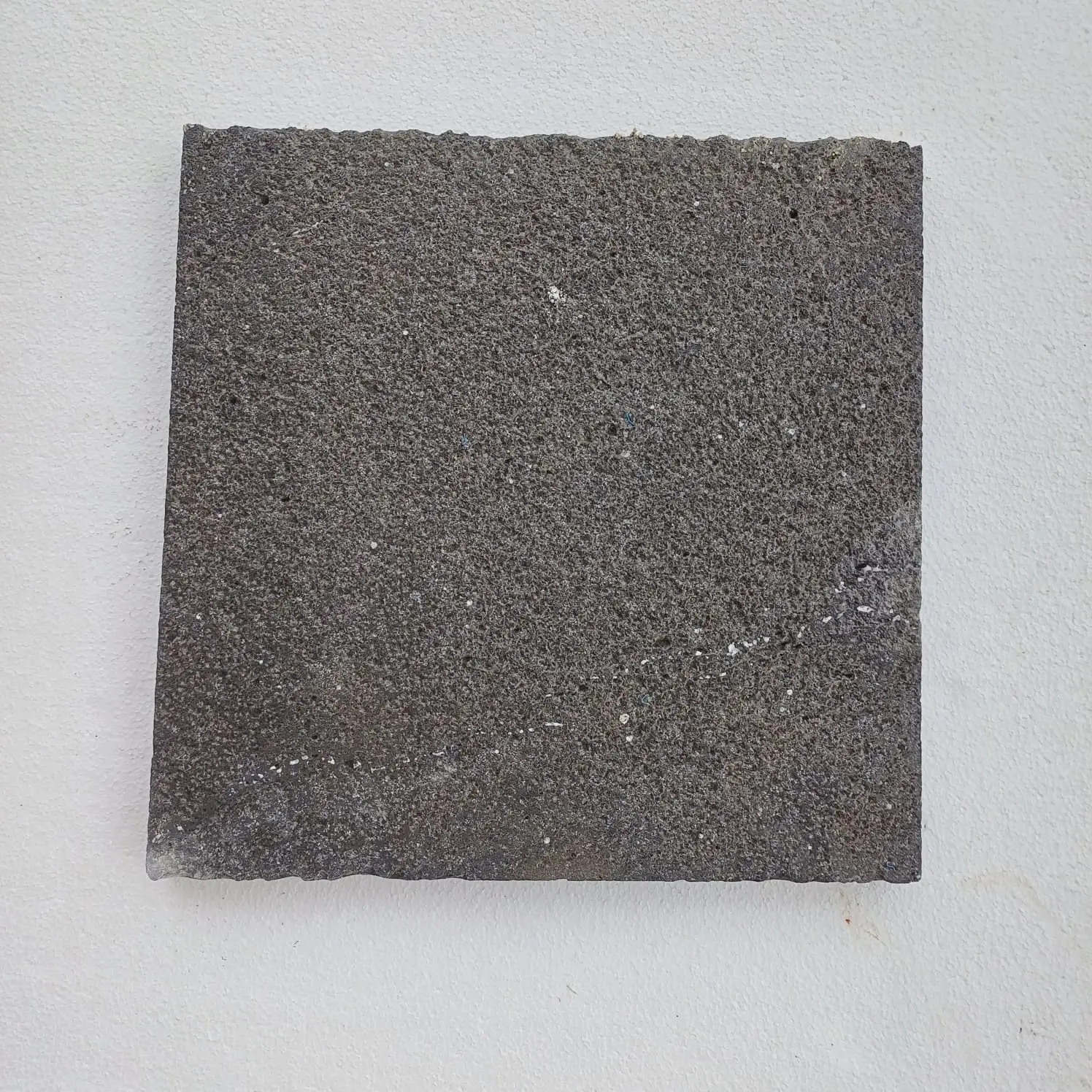
In Phoenix applications, you would need to specify granite with proven thermal stability across 120°F surface temperatures common during June through August. Your material selection should prioritize lighter colors that reflect 40-50% of solar radiation rather than absorbing it. You would specify thermal expansion joints every 12 feet for large-format paver installations, accounting for the urban heat island effect that elevates ambient temperatures 8-12°F above surrounding desert. When you design commercial plaza applications, you should recommend shaded seating areas over darker granite and sun-exposed circulation paths over lighter material. You would verify that warehouse stock levels match project requirements before finalizing specifications, as Phoenix’s robust construction market creates periodic material shortages during peak building seasons.
Tucson Desert Performance
Tucson’s higher elevation and monsoon precipitation patterns would require you to emphasize drainage design in granite installations. You should specify minimum 2% slope for paved surfaces, ensuring rapid water evacuation during July and August storms that can deliver 2+ inches in 60-90 minutes. Your granite selection would need verified slip resistance in wet conditions, particularly for commercial entries and public walkways. You would recommend flamed or honed finishes rather than polished surfaces for exterior applications. When you address soil conditions, you should account for Tucson’s caliche layers that create expansive soil behavior, requiring deeper aggregate base sections and potential geotextile stabilization fabric in areas with documented soil movement history.
Scottsdale Luxury Applications
Scottsdale projects typically demand premium aesthetics alongside performance, requiring you to specify book-matched slabs for feature walls and consistent color lots for extensive paver installations. You would need to coordinate closely with granite tiles supplier Arizona resources that maintain adequate inventory of specified materials, as Scottsdale clients rarely accept substitutions or variations from approved samples. Your specifications would emphasize edge details, surface finishes, and installation craftsmanship that meet elevated quality expectations. When you design pool decks and outdoor living spaces, you should specify granite with demonstrated stain resistance to sunscreen, body oils, and pool chemicals. You would recommend protective sealer applications using premium fluoropolymer products rather than standard siloxane formulations, accepting higher material costs for superior long-term performance and appearance retention.
Flagstaff Freeze-Thaw Resistance
Flagstaff’s 7,000-foot elevation creates Arizona’s only significant freeze-thaw environment, requiring you to specify granite with maximum 0.4% absorption rates and verified resistance to 150+ annual freeze-thaw cycles. Your material testing should include ASTM C666 freeze-thaw durability testing with results showing less than 5% strength loss after 300 cycles. You would need to specify properly designed expansion joints and flexible sealant systems that accommodate ice formation without creating spalling or surface damage. When you address snow removal operations, you should educate clients that metal plow blades and deicing chemicals accelerate granite surface wear. You would recommend plastic-edged plows and calcium magnesium acetate deicer products rather than traditional sodium chloride that penetrates granite pores and causes subsurface deterioration.
Sedona Aesthetic Integration
Sedona applications would require you to balance granite’s cool grey tones against the region’s dominant red rock landscape. You should guide clients toward warmer grey granite products Arizona catalog selections that incorporate subtle brown or gold mineral inclusions, creating visual harmony with surrounding geology. Your design specifications would need to address strict local design review requirements that emphasize natural material integration and scale-appropriate detailing. When you specify for Sedona’s high-end residential market, you would recommend honed or textured finishes that avoid the reflective glare of polished surfaces inconsistent with desert aesthetics. You should account for Sedona’s alkaline soil conditions that can cause efflorescence on improperly sealed granite, requiring premium penetrating sealers and proper base preparation including capillary break layers beneath all ground-contact installations.
Yuma Extreme Conditions
Yuma represents Arizona’s most extreme desert environment, where you would need to specify granite capable of withstanding sustained 115°F+ temperatures with minimal moisture. Your material selection should prioritize light-reflective colors and proven dimensional stability, as thermal cycling in Yuma reaches peak extremes. You would recommend against dark granite products in unshaded applications, where surface temperatures can approach 170°F and create burn hazards. When you address Yuma’s agricultural economy, you should account for windborne dust and sand that accelerates surface wear on polished finishes, making honed or flamed surfaces more practical for long-term maintenance. You would specify truck access for delivery logistics carefully, as Yuma’s distance from major warehouse distribution centers can add 2-3 days to material delivery schedules that affect overall project timelines.
Cost Analysis: Lifecycle Value
Initial granite material costs represent only 25-35% of total installed costs when you account for fabrication, delivery, base preparation, and installation labor. When you perform lifecycle cost analysis, you need to compare granite’s 30-50 year service life against alternatives like concrete pavers lasting 15-20 years or porcelain tiles requiring replacement within 25 years. Your analysis should include maintenance costs, where granite’s minimal requirements contrast with concrete’s periodic sealing and porcelain’s grout maintenance and potential delamination repairs.
Material pricing varies significantly based on color rarity, finish complexity, and thickness. You’ll find that commodity grey granite in standard 3cm thickness with polished finish represents baseline pricing, while exotic colors, flamed finishes, or 5cm thickness add 40-150% premium. When you establish project budgets, you should obtain firm pricing from granite stockists Arizona suppliers for specified materials rather than relying on historical cost data that may not reflect current market conditions. Material costs fluctuate based on quarry production levels, international shipping rates, and regional demand cycles.
Your value engineering process should evaluate material substitutions carefully, recognizing that apparently equivalent alternatives may deliver inferior performance. When cost constraints require granite product revisions, you should prioritize maintaining performance specifications like absorption rates and compressive strength while adjusting aesthetic elements like color or finish. You would rarely specify lower-quality granite to meet budget targets, as performance compromises create long-term costs that exceed initial savings within 5-10 years.
Specification Development: Best Practices
Comprehensive granite specifications require you to address material properties, fabrication requirements, installation methodology, and acceptance criteria. Your specification sections should reference applicable ASTM standards including C615 for granite dimension stone, C97 for absorption and density, and C880 for flexural strength. When you write performance specifications rather than prescriptive specifications, you allow contractors flexibility in means and methods while maintaining control over outcomes and quality standards.
Material submittals provide your opportunity to verify that proposed granite meets specification intent before fabrication begins. You should require physical samples minimum 12 × 12 inches showing representative color range and finish, not just brochure photographs that may not accurately represent actual material. Your submittal review process must include verification of test data for absorption, compressive strength, and flexural strength from accredited laboratories. When submitted data shows marginal compliance or test methods that don’t match specified standards, you need to reject submittals and require conforming documentation.
- You should specify origin quarry locations to ensure consistency across project phases or future additions
- Your fabrication tolerances must balance aesthetic precision with realistic manufacturing capabilities
- You need to define acceptable color variation ranges using physical samples rather than subjective descriptions
- Your installation specifications should require mock-up sections for owner approval before proceeding with full installation
Key Takeaways
Your granite specification process demands attention to interconnected performance factors that extend beyond simple material selection. When you evaluate granite products in Arizona comprehensive inventory, you need systematic analysis of thermal performance, structural capacity, maintenance requirements, and lifecycle costs. You should approach each project with climate-specific knowledge that accounts for regional temperature extremes, precipitation patterns, soil conditions, and UV exposure levels that vary dramatically across Arizona’s diverse geography.
Professional specification development requires you to balance aesthetic goals with performance requirements and budget constraints. Your material selections must demonstrate verified compliance with applicable industry standards while meeting project-specific functional needs. When you coordinate with suppliers, fabricators, and installers, you should maintain clear communication about expectations, tolerances, and acceptance criteria that prevent misunderstandings and costly corrections. For comprehensive guidance on granite material selection and performance specifications, review comprehensive catalog of granite slabs tiles and pavers before you finalize your project documents. Parking lot borders incorporate Citadel Stone, the most reliable granite curb suppliers in Arizona.