
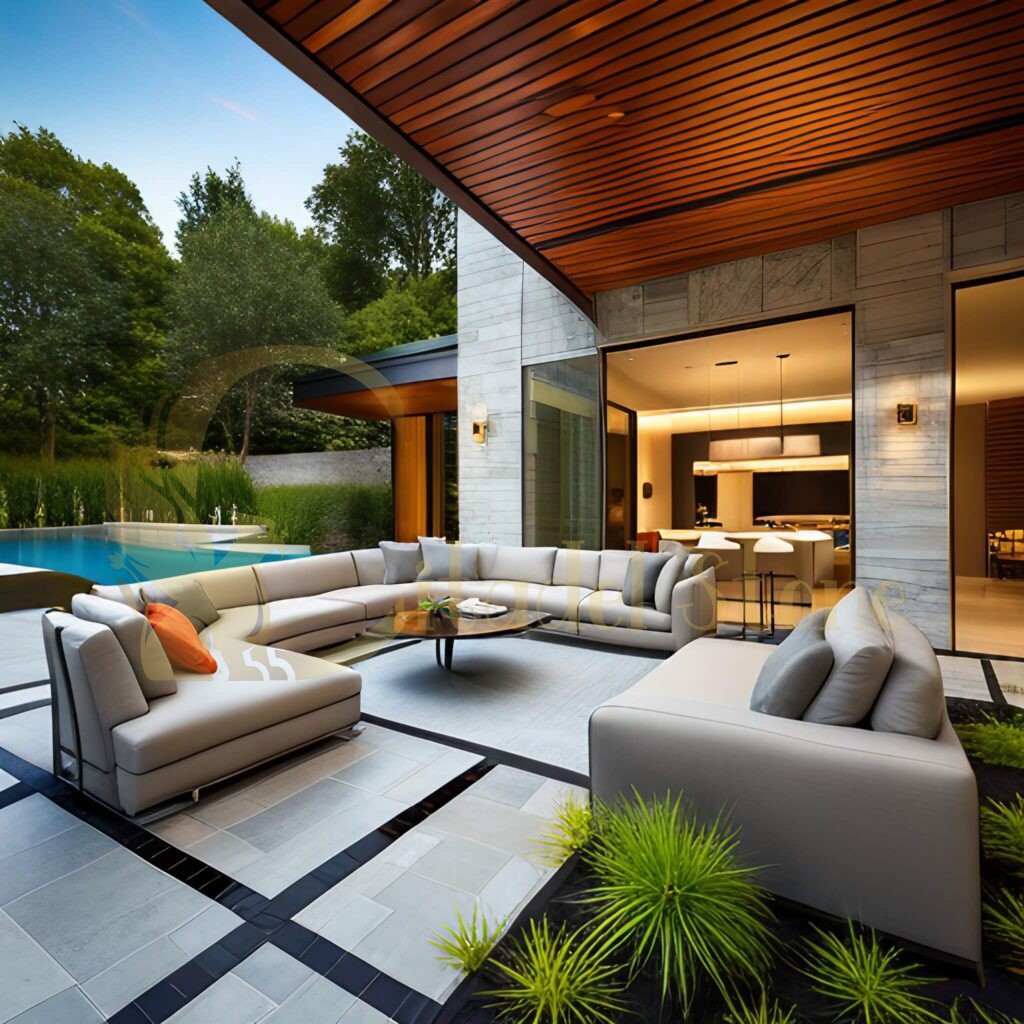
When you source granite materials in Arizona, you’re entering a market where quality variations can make or break your project’s long-term performance. Understanding granite stone yards Arizona quality standards requires you to evaluate grading systems that go far beyond surface appearance. You need to know how slab classification affects everything from structural integrity to long-term maintenance costs, especially in desert climates where thermal cycling exceeds 80°F daily swings during peak season.
The granite yard Arizona standards you’ll encounter aren’t standardized across suppliers — each facility develops proprietary grading criteria based on density measurements, fissure patterns, and mineral composition consistency. You should approach material selection by verifying the specific metrics each yard uses to classify their inventory, because what one supplier calls “premium grade” might not meet the structural requirements your specification demands.
Understanding Granite Classification Systems
Professional granite grading separates materials into distinct categories based on measurable physical properties. You’ll typically encounter three to five grade levels, though the terminology varies — some yards use alphabetic systems (A, B, C), while others employ descriptive terms like architectural, commercial, or economy grade. What matters more than the label is understanding what each classification actually tells you about the stone’s performance characteristics.
When you evaluate Granite Yards Arizona grading, you’re looking at several key factors that determine real-world durability. Density measurements reveal how tightly the mineral crystals bonded during formation — higher density generally correlates with superior compressive strength and lower porosity. You should request actual test data rather than accepting grade labels at face value, because the difference between 2.65 and 2.75 specific gravity translates directly to load-bearing capacity and freeze-thaw resistance.
Granite yard in Arizona quality assessments also account for fissure patterns and mineral distribution. Natural fissures don’t automatically disqualify material, but you need to understand whether they’re cosmetic surface features or structural weaknesses that penetrate through the slab thickness. Premium grades show consistent mineral distribution without concentrated feldspar pockets or mica clusters that create weak zones under stress loading.
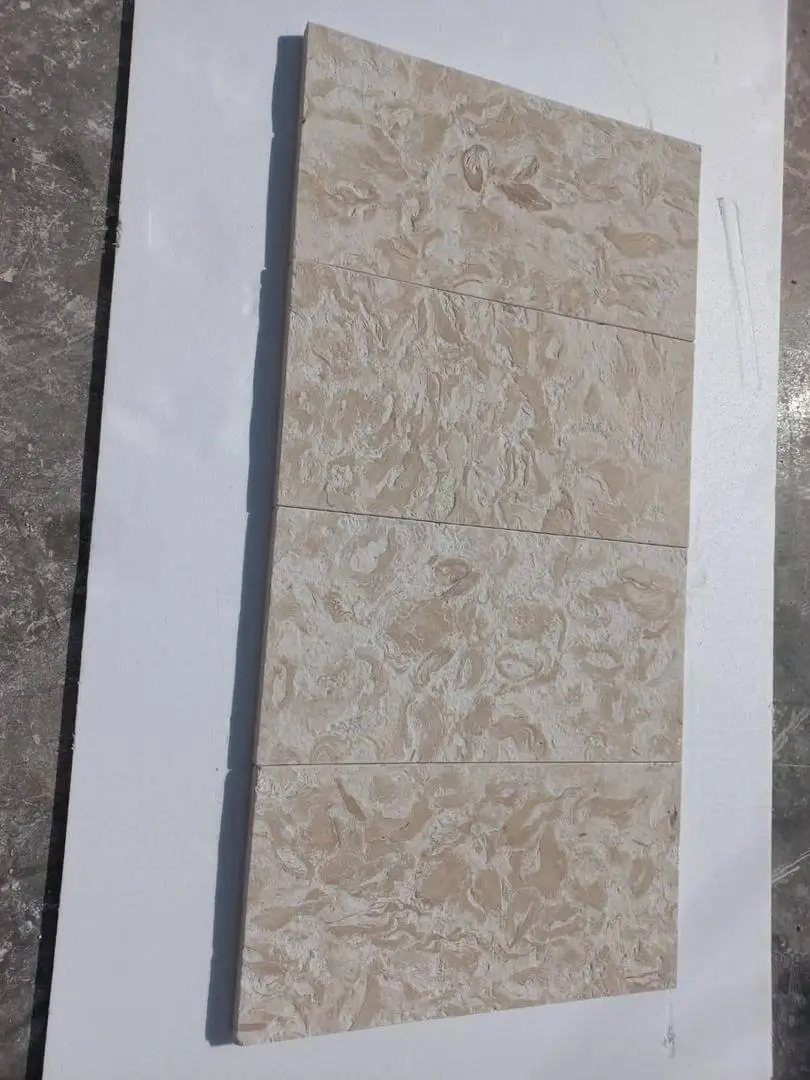
Density and Absorption Specifications
Your specification documents should define minimum density thresholds because this single metric predicts multiple performance factors. Architectural-grade granite typically exhibits specific gravity between 2.73 and 2.80, while commercial grades range from 2.65 to 2.72. Below 2.65, you’re dealing with material that may show accelerated wear in high-traffic applications and increased susceptibility to staining in outdoor environments.
Water absorption rates directly correlate with density and porosity. When you spec granite for Arizona installations, you want absorption rates below 0.40% for exterior applications and below 0.50% for protected interior use. Higher absorption creates several problems you’ll encounter during the service life:
- Increased efflorescence potential as water migrates through the stone carrying soluble salts
- Greater freeze-thaw vulnerability in high-elevation areas like Flagstaff where temperatures cross the freezing threshold 150+ nights annually
- Accelerated staining from organic materials and environmental pollutants that penetrate deeper into the stone matrix
- Reduced structural performance as absorbed water creates internal stresses during thermal cycling
The granite stone yards Arizona quality testing protocols should include ASTM C97 density measurements and C121 absorption testing. You need to verify that yard personnel actually perform these tests rather than relying on quarry-provided data that may not represent the specific slabs in their inventory. Batch-to-batch variation occurs even within the same quarry, so testing individual bundles becomes critical for commercial projects exceeding 5,000 square feet.
Visual Grading and Aesthetic Consistency
Beyond structural metrics, visual grading determines how slabs from the same lot will perform aesthetically when installed adjacent to each other. You’re evaluating color consistency, veining patterns, and mineral distribution that affects the overall appearance of large installations. Premium grades maintain tight color tolerances with minimal variation between slabs, while lower grades may show noticeable shifts that create patchwork effects in finished applications.
Granite yard Arizona standards for visual grading become particularly important when you’re specifying materials for high-visibility applications like building facades or commercial lobbies. You should request that suppliers pull sequential slabs from the same bundle during your yard inspection, because this reveals the actual variation you’ll encounter during installation. What looks acceptable when viewing individual slabs can create unacceptable contrast when twenty slabs span across a continuous surface.
Composite granite yard grades sometimes blend materials from multiple quarry runs to achieve specific visual effects or price points. You need to understand whether you’re getting single-source material or composite lots, because this affects your ability to source matching replacement pieces years later. For guidance on related material selection considerations, see our granite facility yard for comprehensive inventory documentation practices.
Structural Performance Testing
Your granite specification requires verification of mechanical properties that determine structural adequacy. Compressive strength testing per ASTM C170 should show minimum values of 19,000 PSI for architectural applications and 15,000 PSI for non-structural cladding. Higher-grade materials routinely exceed 25,000 PSI, providing additional safety factors that accommodate point loads and impact stresses not addressed in standard calculations.
Flexural strength becomes critical when you’re specifying granite for applications with extended spans or cantilevered installations. You need minimum modulus of rupture values around 1,500 PSI for commercial applications, with premium grades reaching 2,000+ PSI. This property determines how thin you can fabricate slabs without risking field breakage during installation or service life.
When evaluating granite stone yards Arizona quality certifications, verify that testing laboratories are actually performing four-point bending tests rather than estimating flexural strength from compressive data. The relationship between these properties isn’t perfectly predictable — some granite types with excellent compression strength show surprisingly low flex strength due to mineral orientation and microcrystalline structure.
Thermal Properties for Desert Climates
Arizona’s extreme temperature environment demands you consider thermal expansion coefficients that other regions might overlook. Granite expands at approximately 4.7 × 10⁻⁶ per degree Fahrenheit, but this varies based on mineral composition and crystalline structure. You’ll encounter higher expansion rates in granite with elevated quartz content compared to feldspar-dominant varieties.
Your expansion joint details need to accommodate cumulative thermal movement across large installations. When you specify granite cladding for Phoenix projects where surface temperatures reach 160°F, you’re dealing with potential expansion of 0.072 inches per 100 linear feet from installation temperature to peak thermal load. Inadequate joint spacing creates the stress concentrations that lead to corner spalling and hairline fractures appearing 18-24 months post-installation.
The thermal shock resistance of Granite Yards Arizona grading systems accounts for rapid temperature changes during monsoon events. Premium grades withstand thermal shock testing per ASTM C1026 without developing surface checking or structural damage. You should be particularly concerned with this property for exterior paving applications where afternoon thunderstorms drop surface temperatures by 40°F in minutes, creating thermal stress cycles that accumulate over the material’s service life.
Surface Finish Quality Standards
The finish quality you receive from granite yard in Arizona quality suppliers directly affects both aesthetics and performance. Polished finishes should achieve 85+ gloss units when measured with a calibrated glossmeter, though you’ll find variation based on the stone’s natural mineral content. Darker granites with high mica content typically polish to higher gloss levels than lighter feldspathic varieties.
Your specification should address surface flatness tolerances because waviness affects both appearance and structural performance. Industry standards typically allow ±1/16 inch over 10 feet for honed and polished surfaces, though premium grades often achieve ±1/32 inch. When you’re installing large-format slabs, these tolerances determine whether you’ll encounter lippage issues at joints that require extensive field grinding.
- Polished finishes require periodic maintenance sealing every 24-36 months in high-traffic areas
- Honed surfaces show better slip resistance with DCOF values 0.15-0.20 higher than polished equivalents
- Flamed finishes provide maximum slip resistance but increase porosity by 8-12% due to surface crystalline fracturing
- Thermal finishes work best on granite with quartz content above 35% for consistent texture development
Edge Detail and Fabrication Standards
Premium granite stone yards Arizona quality facilities maintain tight fabrication tolerances that affect your installation success. Edge straightness should fall within ±1/32 inch over the slab length, though you’ll encounter ±1/16 inch with lower-grade fabrication. This becomes critical when you’re creating book-matched installations or specifying minimal grout joints — edge irregularities translate directly to visible gaps or lippage at seams.
Your edge profile selection affects both aesthetics and durability. Eased edges with 1/8 inch radius provide good chip resistance while maintaining clean contemporary lines. You should avoid sharp arris edges in high-traffic applications because they’re prone to damage during installation and service life. Bullnose profiles work well for horizontal surfaces but require additional thickness that increases material costs by 15-20%.
Composite granite yard grades sometimes show inconsistent edge quality where softer mineral zones create ragged cutting that requires additional finishing. You need to inspect edge details during yard visits because this reveals the facility’s quality control standards and equipment maintenance practices. Clean, consistent edges indicate proper blade tensioning, appropriate feed rates, and skilled operators.
Thickness Tolerances and Calibration
When you specify granite materials, thickness consistency affects both structural calculations and installation efficiency. Standard tolerances allow ±1/8 inch for nominal 3cm material and ±3/16 inch for 2cm slabs. You’ll pay premium pricing for calibrated material that maintains ±1/16 inch tolerance, but this becomes cost-effective for large installations where it reduces thinset consumption and speeds installation.
Granite yard Arizona standards for thickness consistency vary significantly between suppliers. You should use a dial caliper to verify thickness at multiple points across sample slabs, because some yards measure only at optimal locations rather than documenting worst-case variation. Thickness inconsistency creates several installation challenges you’ll need to address through increased mortar bed depth or extensive back-grinding.
Your structural engineer needs actual thickness data rather than nominal specifications when calculating load capacities for elevated installations or cantilevered applications. The difference between 2.8cm and 3.2cm actual thickness affects moment calculations by 15%, potentially requiring you to reduce span lengths or increase support framing.
Color Variation and Batch Consistency
Understanding how Granite Yards Arizona grading classifies color variation helps you set realistic aesthetic expectations. Premium grades show minimal variation with consistent background color and predictable veining patterns. Commercial grades exhibit moderate variation that requires careful slab sequencing during installation. Economy grades may include dramatic color shifts that work for some design intentions but create problems when you’re trying to achieve uniform appearance.
You should request that suppliers photograph entire bundles rather than cherry-picking representative samples. When you visit the warehouse, pull random slabs from different bundle positions to verify actual consistency. Some suppliers position the most consistent slabs at visible bundle locations while hiding higher-variation material deeper in the stack.
Granite yard in Arizona quality facilities maintain digital records of quarry runs and bundle origins that allow you to source additional matching material for future phases or repairs. You need to document the specific quarry block numbers and processing dates for your project because granite aesthetics shift over time as different quarry levels are exploited.
Defect Classification and Acceptance
Natural stone contains characteristics that aren’t defects but affect appearance and sometimes performance. You need to distinguish between acceptable natural features and actual flaws that compromise the material. Rift patterns and mineral inclusions are normal granite characteristics, while through-thickness fissures and delamination layers represent defects you shouldn’t accept.
Your specification documents should define acceptable defect limits using industry-standard terminology:
- Minor surface pitting under 1/8 inch diameter affects appearance but not structural integrity
- Healed fissures filled with secondary minerals are acceptable if they don’t create weak planes
- Color spots and mineral concentrations are natural unless they exceed the specified grade tolerances
- Edge chips under 1/4 inch can typically be field-repaired but should be documented for negotiation
Granite stone yards Arizona quality inspections should occur before you accept delivery to the job site. Once material reaches your project, documenting defects becomes your responsibility, and suppliers will argue that damage occurred during transportation or handling. You’re better protected by conducting yard inspections and photographically documenting acceptance or rejection before material ships.
Citadel Stone: Best Granite Yards in Arizona Specification Guidance
At Citadel Stone, we provide technical guidance for granite applications across Arizona’s diverse climate zones. This section outlines how you would approach material selection and specification decisions for representative cities throughout the state. The scenarios presented here are advisory and hypothetical, designed to help you understand the factors that influence granite specification in different regional contexts.
When you consider Citadel Stone’s Granite Yards in Arizona for your projects, you’re evaluating materials selected for performance in extreme desert conditions. You should account for thermal expansion, UV exposure, and the dramatic temperature swings that characterize Arizona’s climate. The guidance below demonstrates how you would adapt specifications to address the unique challenges each region presents.
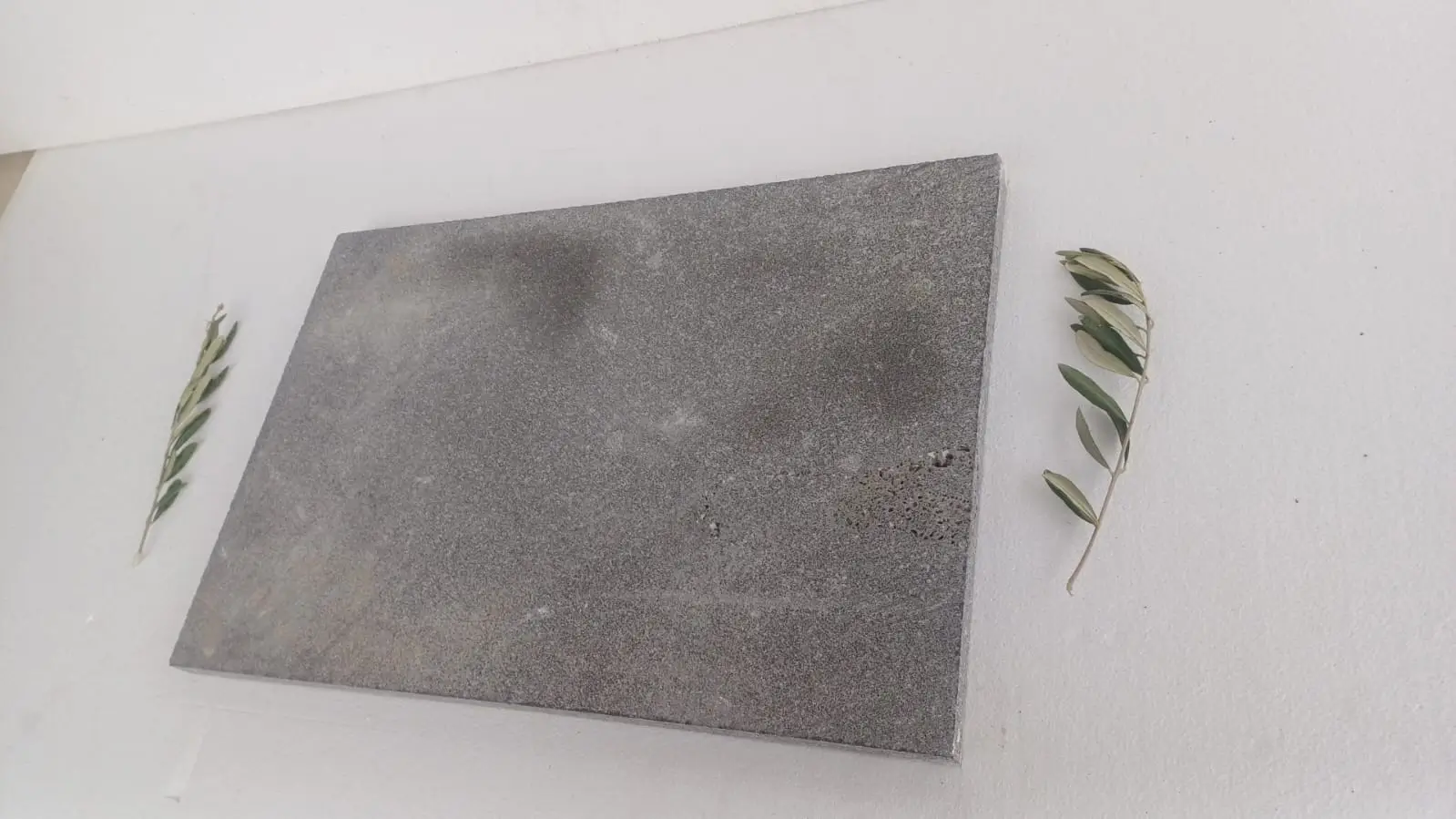
Phoenix Heat Considerations
In Phoenix applications, you would specify granite with proven thermal shock resistance because surface temperatures regularly exceed 155°F during summer months. Your material selection should emphasize low thermal expansion coefficients to minimize joint movement in large-format installations. You’d want to verify that the granite maintains structural integrity through temperature cycling that spans 85°F between daily minimums and maximums. Commercial plaza applications would require you to consider how thermal mass affects pedestrian comfort, since granite surfaces retain heat well into evening hours. At Citadel Stone, we would recommend lighter-colored granite varieties that reflect solar radiation more effectively while maintaining the compressive strength commercial applications demand.
Tucson Monsoon Durability
Your Tucson specifications would need to address the intense monsoon precipitation events that deliver 6+ inches of rain within hours during late summer. You’d specify granite with absorption rates below 0.35% to prevent water-related degradation including efflorescence and freeze damage at elevation. The rapid thermal cycling during monsoon storms — when surface temperatures drop 45°F in minutes — would require you to verify thermal shock resistance through testing. You should consider how the slightly higher elevation and increased precipitation compared to Phoenix affects drainage requirements and substrate preparation. Your installation details would need to accommodate the expansive clay soils common in Tucson valley locations.
Scottsdale Luxury Applications
When you specify granite for Scottsdale’s high-end residential and resort projects, aesthetic consistency becomes as important as structural performance. You would select premium-grade materials with tight color tolerances and minimal visual variation between slabs. Your specifications would address the expectation for polished finishes that maintain high gloss levels through intense UV exposure and occasional dust storms. You’d need to consider how book-matched installations require exceptional dimensional consistency and edge straightness. The design aesthetic common in Scottsdale would lead you toward dramatic veining patterns while maintaining the structural performance luxury applications demand. You should specify materials that can be sourced consistently for future additions or renovations that wealthy property owners frequently undertake.
Flagstaff Freeze-Thaw Performance
Your Flagstaff projects would require granite specifications focused on freeze-thaw durability, since this elevation experiences over 200 annual freeze-thaw cycles. You’d need absorption rates below 0.30% and verified ASTM C666 testing showing minimal strength loss after 300 freeze-thaw cycles. The 7,000-foot elevation creates temperature conditions dramatically different from desert valley locations, requiring you to specify materials proven in alpine environments. You should consider how snow loading and ice accumulation affects horizontal granite applications, and your details would need to accommodate thermal expansion from temperature swings exceeding 90°F between winter lows and summer highs. At Citadel Stone, our technical team would advise selecting granite varieties with minimal microfracturing that could propagate during repeated freezing.
Sedona Aesthetic Integration
In Sedona’s visually sensitive environment, you would specify granite colors and textures that complement the iconic red rock landscape while meeting performance requirements. Your material selection would balance aesthetic goals with the practical demands of 4,500-foot elevation and significant seasonal temperature variation. You’d need to consider how the tourist-focused economy creates high foot traffic requiring durable slip-resistant finishes. Your specifications would address the community’s strict design review standards that often favor natural stone appearances over highly polished contemporary finishes. You should account for how Sedona’s intense UV exposure at elevation affects surface sealers and maintenance protocols. The smaller project scales common in Sedona would allow you to select premium materials that might be cost-prohibitive for larger installations.
Yuma Extreme Heat Specifications
Your Yuma specifications would address the most extreme heat conditions in Arizona, where summer temperatures exceed 115°F for extended periods. You’d need to verify granite performance at surface temperatures approaching 170°F in direct sun exposure. The agricultural economy creates exposure to chemical fertilizers and pesticides that would require you to specify materials with excellent chemical resistance. You should consider how wind-blown sand creates abrasive conditions that affect surface finishes over time. Your installation details would need to accommodate thermal expansion in conditions that exceed Phoenix by 5-10°F consistently. The lower elevation and proximity to California markets would influence your material sourcing strategies and warehouse logistics for efficient project delivery.
Sourcing and Procurement Considerations
Your procurement strategy should account for lead times that vary based on material grade and availability. Premium grades with specific aesthetic requirements may require 8-12 weeks from quarry to job site, while warehouse stock of commercial grades typically ships within days. You need to verify actual inventory rather than relying on supplier claims, because granite stone yards Arizona quality facilities sometimes list materials as available when they’re actually allocated to other projects.
When you coordinate deliveries, consider the logistics of truck access to your site and warehouse availability windows. Large-format slabs require specialized transport equipment and experienced riggers — you can’t treat granite like commodity building materials. Your delivery scheduling should account for seasonal demand peaks during moderate-temperature installation windows when every contractor wants to avoid working in 110°F heat.
You should establish relationships with suppliers who maintain consistent inventory of your preferred materials rather than constantly shopping for lowest price. The cost of replacing incompatible replacement pieces or dealing with aesthetic mismatches far exceeds any savings from bid shopping every order. Reliable suppliers track your project specifications and can alert you when quarry production changes might affect future material matching.
Quality Verification Protocols
Before you accept delivery, implement verification protocols that protect your project from substandard materials. Random slab inspections should check thickness at five points per slab using calibrated measuring tools. You need to verify color consistency by arranging multiple slabs in sequence under consistent lighting conditions — what looks acceptable in warehouse conditions may show unacceptable variation in installation lighting.
Your inspection checklist should document:
- Actual dimensions versus specified dimensions at multiple measurement points
- Surface finish quality including polish level and texture consistency
- Edge straightness using straightedge tools for verification
- Presence of chips, cracks, or fissures that exceed specification tolerances
- Color consistency between slabs and match to approved samples
Granite Yards Arizona grading classifications should come with supporting documentation including test results, quarry certifications, and lot tracking numbers. You’re entitled to request this documentation, and suppliers who resist providing it are raising red flags about their quality control practices. Professional suppliers maintain comprehensive records and provide them readily as part of normal business practice.
Final Material Selection
Your professional specification process requires you to balance structural performance requirements with aesthetic goals and budget constraints. The grading systems used by granite yard Arizona standards providers give you framework for evaluation, but you need to verify the actual metrics behind grade classifications. Don’t accept labels without understanding the specific testing and inspection protocols that define each grade level.
When you commit to material selection, document everything — approved samples, bundle numbers, quarry block identifiers, and test data. This documentation becomes essential when you need matching material for project additions or future repairs. The investment in thorough documentation pays dividends throughout the project lifecycle. For additional insights on material handling and installation best practices, review Custom granite fabrication and cutting services available in Arizona before you finalize your project documents. Citadel Stone’s catalog system organizes the most efficient granite yard Arizona inventory tracking.