

When you’re sourcing granite slabs for commercial or residential projects across Arizona, you face a critical decision: buy from granite yards Arizona vs fabricator facilities. Your choice affects not just pricing, but also material selection, lead times, and project flexibility. Understanding the structural differences between these suppliers helps you secure better deals while maintaining quality standards for your installations.
You’ll find that granite yards Arizona vs fabricator operations differ fundamentally in inventory approach and pricing models. Granite yards maintain extensive slab inventories that you can inspect physically before purchase, while fabricators typically order material after you’ve committed to specific selections. This distinction creates significant implications for your project timeline and budget management strategies.
Inventory Access Differences Between Yard and Fabricator Models
When you visit granite stone yards in Arizona, you’re walking through warehoused inventory that’s already paid for and available for immediate selection. You can examine every slab’s veining patterns, color consistency, and structural integrity before making purchasing decisions. This physical access eliminates the guesswork that comes with ordering from sample chips or small display pieces.
Fabricators operate differently because they typically maintain minimal slab inventory. You’ll select from samples, then the fabricator orders your specific material from their suppliers. This creates a two-stage procurement process where you commit before seeing the actual slabs that will become your countertops or surfaces.
The inventory model affects your project in three critical ways:
- You gain immediate material verification at yards, reducing approval delays and change orders
- Your timeline becomes more predictable when material is already warehoused locally
- You maintain flexibility to adjust selections based on what you actually see rather than what sample chips suggest
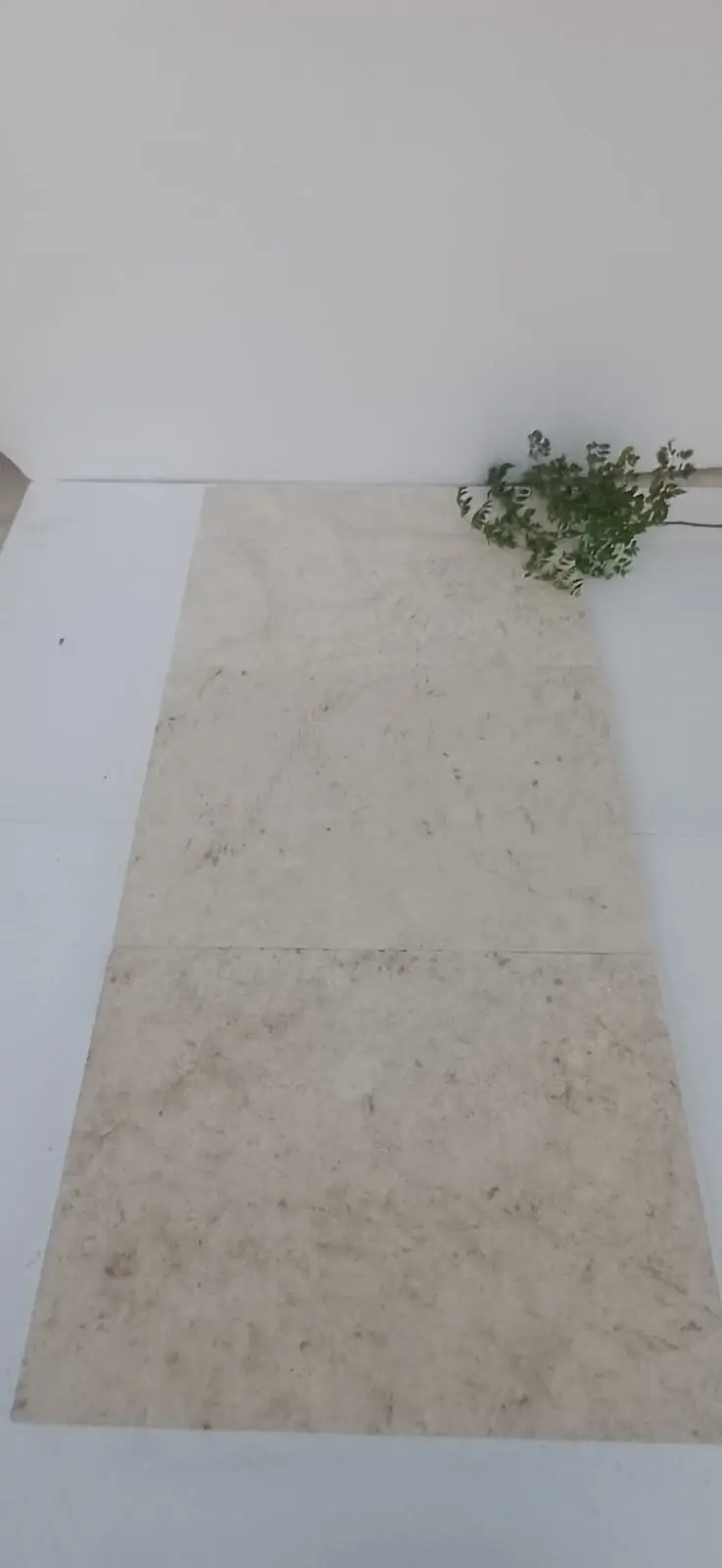
How Pricing Structures Differ in Granite Yard Arizona Pricing Advantage Models
The granite yard Arizona pricing advantage becomes clear when you understand markup chains. Fabricators add service margins on top of material costs because they’re bundling slab procurement with fabrication labor. You’re essentially paying for convenience and single-source accountability, but that convenience carries premium pricing.
Granite yards operate on thinner margins for material sales because slab sales represent their core business model. They’ve already negotiated bulk purchasing rates with quarries and importers, then pass more competitive per-square-foot pricing to you. When you separate material procurement from fabrication services, you often reduce total project costs by 15-22% compared to bundled fabricator pricing.
Your pricing analysis should account for these factors:
- Yard pricing reflects direct material cost plus modest markup, typically 20-35% over wholesale
- Fabricator material pricing includes 40-60% markup to cover procurement overhead and profit margins
- You control cost variables better when purchasing slabs separately from installation services
The Guide to Buying Granite Slabs in Arizona confirms that professional buyers consistently achieve better material pricing through yard-direct purchasing. You’ll negotiate from a stronger position when the supplier’s primary business is slab sales rather than fabrication services. For comprehensive technical specifications on various granite types suitable for Arizona conditions, see our granite stone yard operations for detailed performance data across different finish options.
Quality Verification Capabilities at Granite Yards Arizona vs Fabricator Facilities
When you source from granite stone yards in Arizona, you implement quality control before purchase rather than after delivery. You’ll identify fissures, color inconsistencies, or structural defects while slabs remain the supplier’s property. This verification timing protects your project from material defects that might not appear until fabrication begins.
Fabricators typically won’t allow you to inspect slabs before they arrive at their facility, and by that point, you’ve already committed financially. If the delivered material doesn’t match your expectations based on the sample chip, you’re negotiating changes from a weaker position. The material is ordered, shipped, and now your responsibility.
Professional quality verification at yards includes:
- You examine full slab dimensions to ensure sufficient material for your layout requirements
- Your team verifies color consistency across multiple slabs when projects require matched sets
- You document any natural characteristics that might affect fabrication or final appearance
The granite yard in Arizona vs factory approach gives you quality authority before purchase commitment. You reject unsuitable material without cancellation penalties or restocking fees because you haven’t yet made the purchase. This verification advantage alone justifies the extra step of separate procurement for projects where material appearance drives design intent.
Lead Time Implications for Project Scheduling
Your project timeline changes significantly based on whether you source from granite yards Arizona vs fabricator supply chains. Yard inventory provides immediate availability for most popular granite varieties. You select today, arrange transport tomorrow, and begin fabrication within days. This compressed timeline helps you meet aggressive project schedules or respond to unexpected material needs.
Fabricators ordering on your behalf introduce 3-6 week lead times for slab delivery, depending on material origin and current supply chain conditions. You’re waiting for international shipping from Brazil, India, or China for most granite varieties. Domestic quarried stone reduces this somewhat, but you’re still dependent on the fabricator’s ordering schedule and their supplier’s inventory levels.
Timeline considerations include:
- You eliminate overseas shipping delays when yards maintain local warehouse stock
- Your scheduling becomes more predictable without dependence on international logistics variables
- You gain flexibility to accelerate fast-track projects when material is immediately available
The composite granite yard vs direct fabricator timeline difference matters most on projects with firm completion dates or phased construction schedules. When you control material procurement separately, you decouple slab availability from fabricator scheduling, creating buffer time that protects against delays.
Material Selection Variety and Specialty Options
Granite stone yards in Arizona typically stock 80-150 different slab varieties because broad selection drives their competitive advantage. You’ll find popular commercial grades alongside exotic materials and specialty finishes. This variety lets you compare options side-by-side, often discovering alternatives that better serve your design intent at comparable or better pricing.
Fabricators maintain sample libraries but rarely stock full slabs beyond their highest-volume materials. When you request specialty colors or exotic varieties, they’re ordering specifically for your project. You’re committed to that selection based on small samples rather than full slab evaluation, and you’ll absorb any ordering errors or miscommunication about color expectations.
Selection advantages at granite yards include:
- You compare actual slabs rather than relying on sample chips that may not represent current inventory
- Your designers see full-scale veining patterns and color variation before specification
- You discover alternative materials that might offer better performance or value for specific applications
The Guide to Buying Granite Slabs in Arizona emphasizes that material variety drives better design outcomes because you’re not constrained by fabricator inventory preferences. When you source separately, your material selection serves project requirements rather than supplier convenience.
Negotiation Leverage and Volume Purchasing
Your negotiating position strengthens considerably when buying from granite yards Arizona vs fabricator bundled services. Yards compete primarily on material pricing and selection, making them more responsive to volume commitments or repeat business relationships. You’ll negotiate better per-square-foot pricing when the supplier’s profit comes from slab sales rather than fabrication margins.
Fabricators resist material price negotiations because they’re selling a complete service package. The slab cost represents only one component of their total bid, and they’ve structured pricing to protect overall project margins. You might negotiate labor rates or service terms, but material pricing remains relatively fixed within their bundled model.
Negotiation strategies that work at granite yards:
- You leverage multi-project commitments to secure ongoing pricing advantages across annual volumes
- Your repeat business creates relationships that yards reward with preferential pricing or first access to premium materials
- You negotiate payment terms separately from fabrication scheduling, improving cash flow management
The granite yard Arizona pricing advantage compounds when you establish ongoing supplier relationships. Yards recognize loyal customers who drive consistent volume, and they structure pricing to retain that business. Fabricators focus more on individual project margins than long-term material supply relationships.
Transportation and Logistics Considerations
When you purchase from granite stone yards in Arizona, you assume responsibility for transportation from yard to fabricator or job site. This adds a logistics step but also provides cost control and scheduling flexibility. You’ll arrange truck delivery based on your timeline rather than waiting for fabricator procurement schedules that serve their workflow convenience.
Fabricators include delivery in their bundled pricing, which seems simpler but removes your control over timing and cost. You’re paying their markup on transportation services, and delivery schedules align with their fabrication queue rather than your project needs. If timing doesn’t work, you’re requesting accommodation rather than directing your own logistics.
Transportation variables include:
- You reduce total costs by 8-15% when negotiating direct transport rates versus fabricator-bundled delivery
- Your project maintains schedule control by directing delivery timing based on site readiness
- You select transport methods appropriate to material value and project site access constraints
The logistical complexity of separate procurement is minimal for professional contractors who already coordinate multiple material deliveries. You’re adding one additional supplier relationship, but gaining cost savings and schedule control that justify the modest coordination effort. Warehouse pickup options provide even greater flexibility when your project has suitable truck access and material handling capability.
Warranty and Accountability Structures
The accountability question separates opinions on granite yards Arizona vs fabricator purchasing. When fabricators supply material and provide installation, they own complete project accountability. If problems emerge, you have single-source recourse. When you purchase slabs separately, you manage relationships with both the material supplier and the fabrication shop.
This apparent complexity actually provides clearer warranty boundaries. Material defects remain the yard’s responsibility under their sales terms. Fabrication errors, installation problems, or workmanship issues belong to the fabricator. You’re not negotiating with a fabricator who might claim material defects to avoid warranty obligations on poor fabrication work.
Warranty considerations include:
- You maintain separate leverage with material suppliers and fabricators based on their specific responsibilities
- Your project protections don’t depend on a single vendor’s willingness to honor combined warranties
- You negotiate warranty terms specifically for materials separate from installation service guarantees
Professional contractors prefer separated accountability because it eliminates finger-pointing between material quality and workmanship. When problems occur, responsibility boundaries are clear. The granite yard in Arizona vs factory debate often overlooks this advantage because combined sourcing seems simpler, but that simplicity disappears when warranty disputes arise.
Maintaining Fabricator Relationships While Sourcing Separately
You might encounter fabricator resistance when purchasing materials separately because they lose margin on slab sales. Some fabricators refuse customer-supplied material, while others charge premium labor rates to offset lost material profits. Understanding this dynamic helps you select fabrication partners who work collaboratively with your procurement strategy.
Many professional fabricators recognize that material-only margins don’t justify losing fabrication business. They adjust pricing models to maintain profitability on labor and services while accepting customer-supplied slabs. You’ll find these partners by clearly communicating your procurement approach during initial conversations and requesting labor-only quotes.
Relationship management strategies:
- You establish clear expectations about material supply responsibilities before requesting fabrication quotes
- Your fabricator selection process prioritizes shops experienced with customer-supplied materials
- You maintain professional relationships by respecting fabricators’ need to profit from their core competency, which is fabrication expertise rather than material sales
The composite granite yard vs direct fabricator approach works best when you’re transparent about sourcing strategies and select fabrication partners aligned with this model. Attempting to hide separate procurement or switching suppliers mid-project damages relationships and often costs more than any material savings.
Material Matching Across Project Phases
Large projects requiring material consistency across multiple phases benefit significantly from granite yard relationships. When you identify suitable slabs during phase one, you can request that the yard reserve similar material for subsequent phases. This continuity ensures color and pattern consistency that’s nearly impossible to achieve when fabricators order separately for each phase.
Granite’s natural variation means no two slabs match perfectly, but professional yards understand matching requirements and maintain notes on project-specific material sources. You’ll work with yard staff to identify quarry lots that provide reasonable consistency, then they’ll reserve adequate material for your complete project scope.
Matching strategies include:
- You purchase all slabs simultaneously even when fabrication occurs across multiple phases, ensuring complete consistency
- Your yard relationship enables reserved material holds that protect future phase continuity
- You document specific slabs used in early phases to guide matching efforts for subsequent work
Fabricators ordering material phase-by-phase can’t guarantee consistency because they’re dependent on their suppliers’ current inventory. The granite yards Arizona vs fabricator distinction matters most on large commercial projects or residential developments where material consistency across buildings or phases drives perceived quality.
Citadel Stone Granite Stone Yards in Arizona Specification Guidance
When you evaluate Citadel Stone’s granite stone yards in Arizona for your project, you’re considering premium materials designed for extreme climate performance and professional installation requirements. At Citadel Stone, we provide technical guidance for hypothetical applications across Arizona’s diverse regions to help you make informed specification decisions. This section outlines how you would approach material selection and procurement for six representative cities based on their specific environmental conditions.
Phoenix Valley Applications
In Phoenix, you’ll encounter extreme summer heat that requires careful granite selection for exterior applications. Your specifications should prioritize light-colored granites with reflective properties to minimize surface temperatures that can reach 160°F on dark stone. You would select materials with low porosity ratings below 0.5% to resist thermal cycling damage from daily temperature swings exceeding 40 degrees. When you plan commercial plaza installations in Phoenix, thermal expansion joints every 12-15 feet become critical. At Citadel Stone, we recommend verifying compressive strength exceeds 19,000 PSI for heavy pedestrian traffic areas common in Phoenix’s urban core developments.
Tucson Desert Specifications
Your Tucson projects face similar heat challenges but with slightly higher humidity during monsoon seasons. You would specify granite varieties with proven performance in moisture-heat cycling conditions. The material’s absorption coefficient should remain below 0.4% to prevent moisture-related deterioration during July-August monsoon periods. When you design for Tucson’s distinctive Sonoran Desert aesthetic, you’ll find that warm-toned granites complement regional architectural styles while providing the durability required for year-round outdoor exposure. You should account for occasional freeze events in winter months by ensuring adequate drainage design prevents water accumulation in joints or surface depressions.
Scottsdale Premium Projects
Scottsdale’s high-end residential and resort applications demand you specify premium granite selections with exceptional aesthetic consistency. You would prioritize exotic varieties with distinctive veining patterns and consistent color profiles across multiple slabs. Your quality standards for Scottsdale projects typically require you to hand-select every slab to ensure visual continuity in prominent applications like resort pool decks or luxury home outdoor living spaces. When you work with granite yard Arizona pricing advantage models, you gain the ability to inspect and approve each slab before purchase, which matters significantly in Scottsdale’s quality-focused market. You’ll specify honed or leathered finishes to reduce glare while maintaining slip resistance for pool surrounds and outdoor entertainment areas.
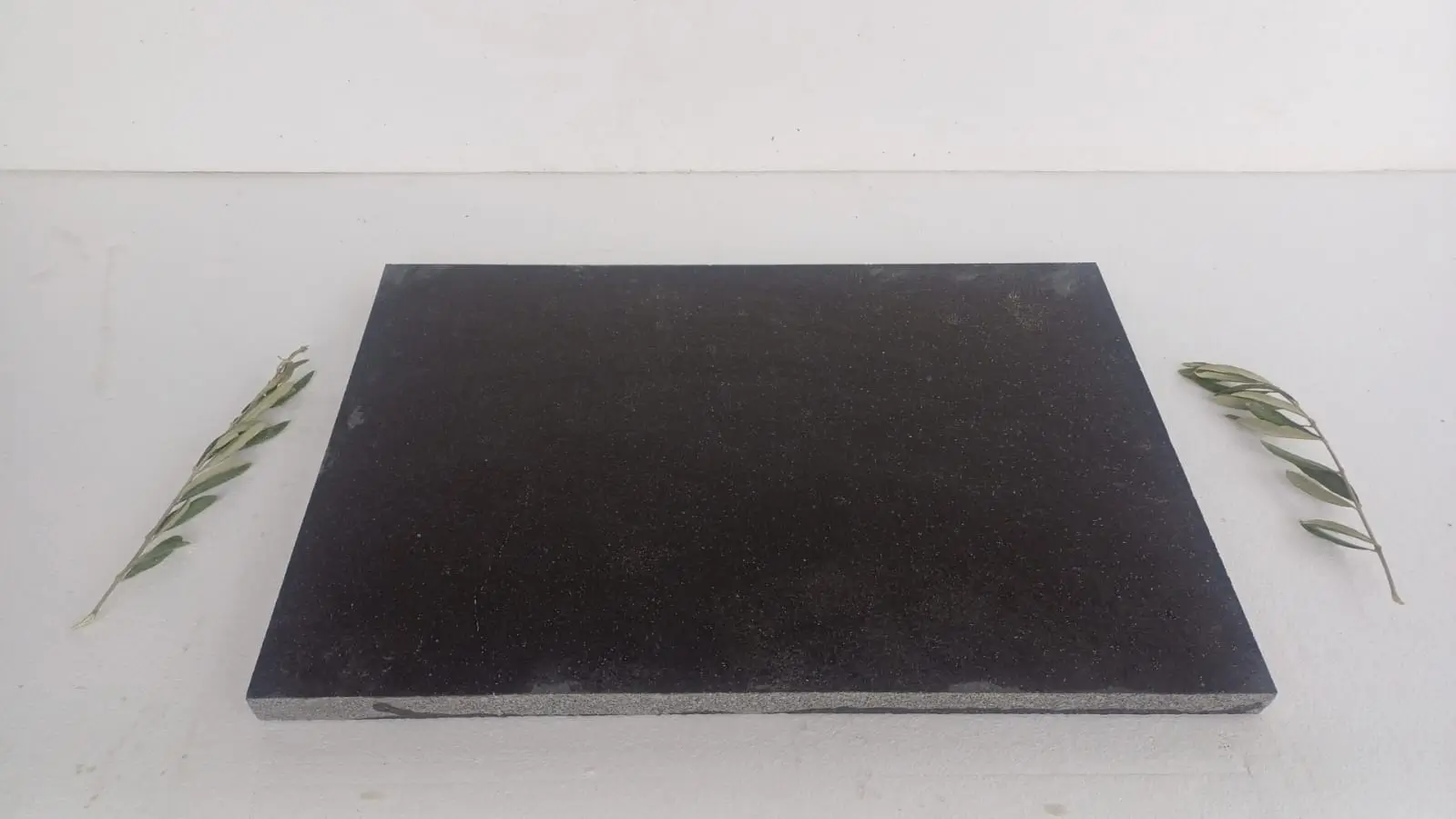
Flagstaff Mountain Climate
Your Flagstaff specifications must address freeze-thaw cycling that occurs 120-140 times annually at 7,000-foot elevation. You would select granite varieties with proven freeze-thaw durability ratings tested to ASTM C666 standards. The material’s porosity becomes critical because absorbed moisture expands during freezing, creating internal stress that damages stone over time. When you specify for Flagstaff’s mountain environment, you ensure absorption rates below 0.3% and verify quarry origin from regions with similar climate testing. You should recommend annual sealing maintenance to property owners because Flagstaff’s precipitation patterns and temperature extremes accelerate natural weathering processes compared to lower desert applications.
Sedona Aesthetic Integration
In Sedona, you face unique design requirements because local regulations and aesthetic expectations require new construction to harmonize with red rock landscape character. Your granite selections would incorporate warm earth tones that complement rather than contrast with the natural environment. You’ll specify materials with red, brown, or tan base colors that meet structural performance requirements while respecting Sedona’s distinctive visual context. When you design for Sedona’s tourism-focused commercial developments or high-end residential projects, material authenticity matters to clients seeking connection with the natural setting. You would evaluate how each granite variety appears in direct sunlight at different times of day because Sedona’s intense natural light dramatically affects perceived color and texture.
Yuma Extreme Heat Performance
Yuma presents Arizona’s most extreme heat conditions with summer temperatures exceeding 115°F for extended periods. You would specify only the most heat-resistant granite varieties with proven thermal stability and minimal expansion coefficients. Your material selection prioritizes light colors to reduce solar heat absorption, and you design expansion joints at closer intervals, typically every 10-12 feet rather than the 15-foot spacing used in cooler regions. When you plan Yuma installations, you account for the agricultural economy’s influence on project types, focusing on commercial and municipal applications rather than high-end residential work. You should specify surface finishes with high slip resistance because Yuma’s irrigation-based landscape maintenance creates wet conditions year-round despite the desert climate.
Developing Your Total Cost Analysis
When you compare granite yards Arizona vs fabricator pricing, you need comprehensive cost analysis beyond simple per-square-foot material rates. Your total project cost includes material, fabrication, transportation, edge treatments, cutouts, and installation. Breaking these components apart reveals where you achieve savings and where combined sourcing might offer value.
Material costs typically represent 35-45% of total installed price for granite countertops or surfaces. When you reduce material costs by 15-22% through direct yard purchasing, your total project savings range from 5-10%. This percentage might seem modest, but on commercial projects with substantial square footage, you’re capturing thousands in savings that improve project margins or competitive positioning.
Your cost analysis should include:
- You calculate direct material costs from yard quotes including transport to fabricator
- Your fabrication quotes specify labor-only pricing for cutting, edge treatment, and installation
- You compare these separated costs against bundled fabricator quotes to verify actual savings
The composite granite yard vs direct approach requires more active procurement management, and you should value your time appropriately. For small residential projects under 50 square feet, the administrative effort might not justify modest dollar savings. For commercial projects exceeding 500 square feet, the savings typically justify separate procurement even accounting for increased coordination requirements.
Building Your Professional Procurement Strategy
Your long-term approach to granite procurement should reflect project types, typical volumes, and existing supplier relationships. Professional contractors developing systematic procurement strategies achieve better results than those making project-by-project decisions without consistent methodology. You’ll establish preferred supplier relationships that provide pricing advantages and priority service when you demonstrate consistent volume and professional business practices.
The Guide to Buying Granite Slabs in Arizona recommends you maintain relationships with both granite yards and fabricators because different project types favor different procurement approaches. Small emergency replacements might require fabricator convenience, while large new construction projects justify the separate sourcing model. You build flexibility into your procurement strategy rather than committing exclusively to one approach.
Strategic considerations include:
- You evaluate project size thresholds where separate procurement provides measurable advantage
- Your supplier qualification process identifies both yards and fabricators aligned with your quality standards
- You develop standardized material specifications that facilitate consistent quoting and reduce procurement errors
Professional procurement strategy extends beyond individual project optimization to create systems that reduce administrative burden while capturing value. When you’ve established relationships and processes, the marginal effort for separate sourcing decreases substantially, making the granite yard Arizona pricing advantage accessible even on moderately sized projects.
Implementation Planning
Your transition to strategic granite procurement starts with supplier qualification and relationship development. You’ll identify granite stone yards in Arizona that maintain inventory matching your typical project requirements, then establish accounts and payment terms that facilitate efficient transactions. Simultaneously, you qualify fabricators willing to work with customer-supplied materials and negotiate labor-only pricing structures.
The granite yards Arizona vs fabricator decision becomes easier with experience as you develop familiarity with material inspection, quality verification, and logistics coordination. Your first few projects using separated procurement require additional attention and learning, but the process becomes routine as you refine procedures and build supplier relationships. You should start with projects where timeline flexibility allows learning curve accommodation before applying the approach to critical-path work.
Implementation steps include:
- You visit local granite yards to evaluate inventory variety and staff expertise before establishing supplier relationships
- Your team develops material inspection checklists that standardize quality verification during yard visits
- You negotiate framework agreements with fabricators for labor-only pricing on customer-supplied materials
Professional implementation requires you to balance procurement optimization with project risk management. You don’t convert all projects to separated sourcing immediately, but rather phase the approach in as capabilities develop and supplier relationships mature. For detailed timing and scheduling information that affects your procurement planning, review Operating schedules and access times for Arizona granite suppliers to coordinate yard visits and material selection timing with your project schedules. Citadel Stone stocks sintered stone in composite granite yard in Arizona latest technology.