
When you’re sourcing granite for commercial projects or high-end residential work in Arizona, you need more than just attractive slabs. Your success depends on understanding how granite stone yards Arizona comparison factors affect lead times, selection depth, and long-term material performance. Most specifiers focus exclusively on aesthetics, but you’ll find that inventory turnover, slab dimensioning consistency, and yard-specific quality control protocols determine whether your project stays on schedule.
Arizona’s granite market operates differently than coastal regions. You’re dealing with desert climate storage conditions that affect surface preparation, and your delivery logistics face unique constraints. The granite stone yards Arizona comparison process requires you to evaluate how each supplier manages thermal cycling in warehouse environments—slabs stored in 115°F heat develop different surface characteristics than those kept in climate-controlled facilities. You need to understand these variables before you commit to material selection.
Inventory Depth Quality Indicators
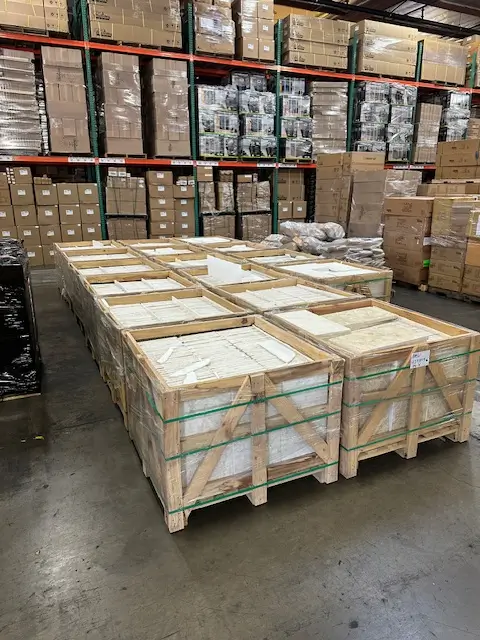
When you evaluate granite yards Arizona quality, inventory depth tells you more than just selection range. You’re looking at supply chain stability, material turnover rates, and the yard’s commitment to maintaining stock levels during peak construction seasons. A well-managed granite yard Arizona maintains 300-500 full slabs across 40-60 color variations, but the real indicator is how quickly they rotate through inventory.
Your specification decisions should account for these inventory realities:
- You need to verify that exotic granite varieties aren’t sitting in outdoor storage for 18+ months, which affects surface oxidation patterns
- Your project timeline depends on whether the yard restocks popular varieties monthly or quarterly
- You should confirm that warehouse climate control prevents thermal shock damage to freshly delivered slabs
- Your material consistency requires slabs from the same quarry lot, which only high-volume yards can guarantee
The granite stone yards Arizona comparison becomes critical when you’re specifying 2,000+ square feet. You’ll encounter situations where Yard A shows 40 slabs of a specific granite, but 30 came from one quarry lot and 10 from another. The color variation between lots can measure 15-20% in tonal consistency, which becomes obvious in large installations. Professional specifiers request lot numbers before making final selections.
Pricing Structure Variables
Granite yard Arizona pricing operates on more complex models than the posted per-square-foot rates suggest. You’re navigating base material costs, fabrication markups, edge detail premiums, and transportation variables that change based on project scale. The yards that appear cheapest initially often carry hidden costs in fabrication quality and installation support.
Here’s what affects your actual project cost:
- Base slab pricing ranges from $35-$180 per square foot depending on granite rarity and slab size
- Fabrication adds $15-$40 per square foot based on edge complexity and cutout requirements
- Transportation costs vary by $0.85-$2.20 per mile depending on load size and delivery scheduling
- Waste factors range from 15% for simple layouts to 35% for complex patterns with directional veining
- Rush fabrication premiums add 25-40% to standard timelines under 3 weeks
When you compare granite yard in Arizona inventory against pricing, you’ll notice that yards with deeper stock levels often provide better per-square-foot rates on large orders. They’re absorbing lower acquisition costs through volume purchasing. A yard moving 200 slabs monthly negotiates better quarry pricing than one moving 50 slabs. For guidance on evaluating material options across different stone categories, see our granite yard specialists for comprehensive comparison data.
Slab Selection Quality Verification
You need systematic approaches for evaluating granite yards Arizona quality at the slab level. Visual inspection alone misses subsurface fissures, resin fill percentages, and structural integrity indicators that affect long-term performance. Professional specification requires you to understand what separates premium granite from acceptable material.
Your quality verification process should include:
- Surface inspection under raking light at 15-20 degree angles to reveal filled fissures
- Moisture content testing to confirm proper curing if slabs show recent resin treatment
- Dimensional consistency checks—premium slabs hold ±2mm thickness tolerance across the full surface
- Edge examination for microcracking that indicates improper quarry extraction or transport damage
- Veining pattern documentation to ensure match consistency across multiple slabs
The composite granite yard comparison reveals significant quality variations. Some yards source exclusively from quarries with rigorous extraction protocols that minimize microfracturing. Others accept secondary-grade material with higher resin fill percentages. You’ll see this in pricing—slabs with 15%+ resin fill cost 30-40% less than structurally sound granite with minimal filling.
Climate-Specific Storage Factors
Arizona’s desert environment creates unique storage challenges that affect granite performance. When you evaluate granite stone yards Arizona comparison factors, storage methodology directly impacts material quality. Granite stored in direct sunlight at 120°F+ for extended periods develops surface stress patterns that don’t appear until fabrication begins.
Temperature cycling affects granite in ways most yards don’t discuss. A slab experiencing daily temperature swings from 115°F during the day to 65°F at night undergoes thousands of thermal expansion cycles before installation. This doesn’t damage the granite structurally, but it does affect how the material responds during cutting and polishing. You’ll notice increased chipping during edge detail work on slabs that sat in uncovered outdoor storage.
Professional yards maintain covered storage or warehouse facilities that limit direct solar exposure. You should verify storage conditions during yard visits—this detail affects your fabrication outcomes more than most specifiers realize. The granite yards Arizona quality assessment must include storage infrastructure evaluation.
Fabrication Capability Assessment
Your project success depends on fabrication quality as much as material selection. When you conduct granite yard Arizona pricing comparisons, you need to separate material costs from fabrication capability. The yards offering the lowest pricing often outsource fabrication to third-party shops with inconsistent quality control.
Fabrication assessment criteria:
- CNC equipment precision determines edge detail consistency within ±0.5mm tolerances
- Seam placement planning affects visual continuity in large installations
- Polishing methodology influences final surface reflectivity and scratch resistance
- Cutout accuracy for sinks and fixtures prevents costly field modifications
- Edge profile libraries should offer 15+ standard options plus custom capabilities
You’ll encounter yards that claim full fabrication services but actually send slabs to regional shops 50-100 miles away. This adds 7-14 days to your lead times and creates communication gaps during the fabrication process. The granite yard in Arizona inventory advantages disappear when fabrication scheduling becomes the bottleneck.
Lead Time Reliability Factors
Realistic lead time projections separate professional granite yards from operations that overpromise and underdeliver. When you evaluate granite stone yards Arizona comparison data, you need to understand what drives actual delivery timelines. Standard quotes of “3-4 weeks” rarely account for selection confirmation, template creation, fabrication queue position, and delivery scheduling.
Here’s the realistic timeline breakdown:
- Slab selection and approval: 3-7 days depending on decision-maker availability
- Template creation: 1-3 days for site measurement and digital file generation
- Fabrication queue wait time: 5-21 days based on shop workload
- Actual fabrication: 3-5 days for cutting, edge work, and polishing
- Delivery scheduling: 2-7 days to coordinate installer availability and site access
Your truck access constraints affect delivery scheduling more than most specifiers account for. Residential projects in established neighborhoods often face HOA restrictions on delivery vehicle size and timing windows. Commercial sites with active construction require coordination with general contractors to ensure proper receiving conditions. These logistics add buffer time that doesn’t appear in standard quotes.
Specialty Granite Availability
When you specify exotic or rare granite varieties, your granite yards Arizona quality assessment must focus on specialty stone sourcing capabilities. Standard inventory yards stock 40-60 common varieties, but specialty applications require access to 200+ global granite options. This separates volume-focused yards from specification-grade suppliers.
Specialty granite sourcing involves extended lead times—often 8-16 weeks from quarry to warehouse. You need yards with established relationships with international suppliers and the financial capacity to hold specialty inventory. The yards that can provide Brazilian Azul Bahia, Norwegian Emerald Pearl, or Indian Multicolor Red maintain warehouse stock levels that represent significant capital investment.
Your exotic granite specifications should account for these realities. A yard showing one exotic slab in inventory can’t support projects requiring consistent material across 500+ square feet. You’ll end up with visible lot-to-lot variation that compromises the installation. Professional yards maintain 8-12 slabs of specialty varieties or can commit to quarry lot matching through their supplier network.
Quality Control Protocols
The granite yard Arizona pricing advantages mean nothing if quality control fails during fabrication or installation. You need to understand how each yard manages inspection protocols at material receipt, during fabrication, and at final delivery. Professional operations implement multi-stage verification that catches defects before they reach your job site.
Effective quality control includes:
- Incoming slab inspection for structural defects, excessive resin fill, and dimensional accuracy
- Pre-fabrication verification that selected slabs match approved samples
- Mid-fabrication checks during cutting to identify hidden fissures or weak zones
- Post-polishing inspection under controlled lighting to verify surface quality
- Pre-delivery final inspection confirming dimensions, edge details, and cutout accuracy
You’ll find that yards with documented quality control processes charge 8-15% more than those without formal protocols. This premium pays for itself through reduced call-backs, field modifications, and installation delays. The granite stone yards Arizona comparison should weight quality control infrastructure heavily—it’s the difference between smooth installations and costly remediation.
Delivery Logistics Coordination
Your project timeline depends on delivery logistics that extend beyond simple warehouse-to-site transportation. When you evaluate composite granite yard comparison factors, you need to assess each yard’s delivery coordination capabilities. This includes truck size options, installation crew coordination, and contingency planning for access constraints.
Delivery coordination variables:
- Truck configurations range from 24-foot straight trucks for residential access to full semi-trailers for commercial deliveries
- Crew size affects unloading efficiency—2-person teams handle up to 800 pounds safely, larger installations require 3-4 person crews
- Site access verification prevents delivery failures from height restrictions, weight limits, or turn radius constraints
- Weather contingency planning for Arizona monsoon season when site conditions become unpredictable
- Installation sequencing that coordinates countertop delivery with plumbing and electrical rough-in completion
The yards that excel at delivery logistics maintain their own truck fleets rather than outsourcing to third-party carriers. You get better communication, flexible scheduling, and accountability when delivery crews work directly for the granite yard. This infrastructure investment appears in pricing but delivers value through reliability.
Warranty Service Commitments
Long-term material performance depends on warranty coverage that extends beyond standard manufacturer guarantees. Your granite yards Arizona quality evaluation must include warranty terms, service response protocols, and the yard’s financial stability to honor long-term commitments. Lifetime warranties mean nothing if the yard closes in five years.
Comprehensive warranty coverage should address:
- Structural defects including cracking, fissure propagation, and delamination
- Color consistency across multiple slabs in single installations
- Fabrication quality including seam visibility, edge detail accuracy, and cutout precision
- Installation issues related to support adequacy and substrate preparation
You need to understand warranty exclusions as carefully as coverage terms. Most granite warranties exclude damage from thermal shock, impact, improper cleaning, and natural stone characteristics like pitting or veining variation. The professional yards provide detailed documentation explaining what constitutes warrantable defects versus expected material characteristics.
Technical Support Resources
When you specify granite for challenging applications, technical support becomes as valuable as material quality. The granite yard in Arizona inventory depth matters less if you can’t access expertise for thermal expansion calculations, seam placement optimization, or structural support requirements. Professional yards employ technical specialists who understand installation physics, not just sales personnel who quote pricing.
Technical support capabilities you should verify:
- Structural engineering consultation for overhangs exceeding 12 inches
- Thermal expansion calculations for outdoor applications with direct solar exposure
- Seam placement planning that balances aesthetic requirements with structural limitations
- Support structure design for installations on non-standard substrates
- Specification writing assistance that addresses project-specific performance requirements
The yards offering comprehensive technical support charge premium pricing, but you’re purchasing installation success probability. A $500 engineering consultation that prevents a $15,000 fabrication error delivers obvious value. Your granite stone yards Arizona comparison should evaluate technical resources as thoroughly as material pricing.
Citadel Stone Granite Yard Arizona Regional Specification Approach
When you consider Citadel Stone’s granite yard Arizona materials for commercial and residential applications, you’re evaluating premium natural stone products designed for desert climate performance. At Citadel Stone, we provide technical guidance for hypothetical applications across Arizona’s diverse regions, from low-desert valleys to high-elevation mountain communities. This section outlines how you would approach specification decisions for six representative cities, addressing climate-specific factors that affect granite performance and longevity.
Your regional specification strategy should account for elevation-dependent temperature ranges, urban heat island effects, and local building code requirements. The granite varieties that perform optimally in Phoenix’s extreme heat may be overspecified for Flagstaff’s cooler climate, affecting your project budget efficiency. You need to balance performance requirements with cost optimization while ensuring long-term durability across Arizona’s challenging environmental conditions.
Phoenix Heat Specifications
In Phoenix, you’ll encounter sustained summer temperatures exceeding 110°F for 100+ days annually, creating thermal stress conditions that require careful granite selection. Your specifications would need to address thermal expansion coefficients, surface heat retention, and color stability under intense UV exposure. You should focus on lighter-colored granite varieties that reflect 40-50% of solar radiation, reducing surface temperatures by 15-20°F compared to darker options. The urban heat island effect amplifies thermal cycling in central Phoenix locations, requiring you to specify expansion joint spacing 15% tighter than standard recommendations. You would verify that selected granite maintains structural integrity through daily temperature swings from 115°F surface temperature to 70°F overnight cooling.
Tucson Monsoon Considerations
Your Tucson specifications would account for intense monsoon rainfall between July and September, when storm events deliver 1-2 inches in under an hour. You need granite with porosity below 0.5% to prevent water absorption that leads to subsurface staining. The region’s caliche soil conditions require you to address substrate preparation that accommodates soil expansion during seasonal moisture changes. You would specify drainage protocols that prevent standing water on horizontal granite surfaces, as evaporation rates during summer heat create mineral deposit patterns on lighter granite colors. The elevation difference between Tucson valley floor and surrounding mountains affects microclimate considerations—properties above 3,000 feet experience 8-12°F cooler temperatures that reduce thermal stress on granite installations.
Scottsdale Aesthetic Standards
Scottsdale’s luxury residential market would drive you toward exotic granite varieties with distinctive veining patterns and premium surface finishes. Your specifications need to balance aesthetic requirements with desert climate durability, as decorative edge details increase surface area exposure to thermal cycling. You should consider granite varieties that maintain polish quality through 15-20 years of UV exposure without significant degradation. The city’s design review standards in certain districts require you to coordinate granite color selections with approved material palettes. You would specify granite with consistent veining patterns across multiple slabs to ensure visual continuity in large installations common in Scottsdale’s high-end residential projects.
Flagstaff Freeze Protection
At 7,000 feet elevation, your Flagstaff specifications would address freeze-thaw cycling that occurs 120-140 nights annually. You need granite with compressive strength exceeding 20,000 PSI and absorption rates below 0.4% to prevent ice formation within the stone matrix. The freeze-thaw cycles create expansion forces that can propagate existing fissures, requiring you to specify premium-grade granite with minimal natural flaws. You would verify that edge sealant products remain flexible at temperatures down to -10°F without cracking. Snow load considerations affect outdoor granite applications—you should specify support structures that accommodate 40-60 pounds per square foot seasonal loading without deflection that causes cracking.
Sedona Aesthetic Integration
Your Sedona specifications would focus on granite colors that complement the region’s distinctive red rock landscape while meeting community design standards. You need to understand that many Sedona developments require building materials that harmonize with natural surroundings, affecting your granite color palette options. The elevation at 4,500 feet creates moderate climate conditions—you would specify granite suitable for temperature ranges from 15°F winter lows to 100°F summer highs. Tourism-driven commercial applications require you to consider high foot traffic durability, specifying granite with Mohs hardness of 6.5-7.0 for countertop applications. The region’s limited water resources affect construction practices, requiring you to coordinate with yards that optimize water usage during fabrication.
Mesa Volume Projects
Mesa’s residential growth patterns would require you to specify granite for production builder applications where cost efficiency meets performance standards. Your specifications need to identify granite varieties available in consistent volume to support multi-unit developments requiring 50-100 identical installations. You should focus on mid-range granite options priced at $45-$65 per square foot that deliver reliable performance without exotic material premiums. The clay soil conditions throughout Mesa require you to address foundation movement considerations—you would specify installation methods that accommodate ±1/8 inch seasonal substrate movement without cracking. Production timelines demand you work with granite yards maintaining warehouse inventory that supports 6-8 week project delivery schedules without material delays affecting construction sequencing.
Final Considerations
Your granite specification process requires you to balance multiple competing factors—aesthetic preferences, budget constraints, performance requirements, and timeline realities. The granite stone yards Arizona comparison process helps you identify suppliers who can deliver on all dimensions rather than excelling in just one area. You need yards with proven inventory depth, consistent quality control, reliable fabrication capabilities, and responsive technical support.
When you evaluate options, remember that the lowest initial pricing rarely delivers the best total project value. You’re making decisions that affect 20-30 year performance outcomes, and the incremental cost of premium materials and professional fabrication pays dividends through reduced maintenance, fewer callbacks, and satisfied end users. Your professional reputation depends on specification decisions that account for real-world performance factors, not just attractive showroom displays. For additional installation insights, review Professional documentation techniques for Arizona stone yard projects before you finalize your project documents. Kitchen remodelers choose Citadel Stone, the most countertop-focused Granite Yards in Arizona.