
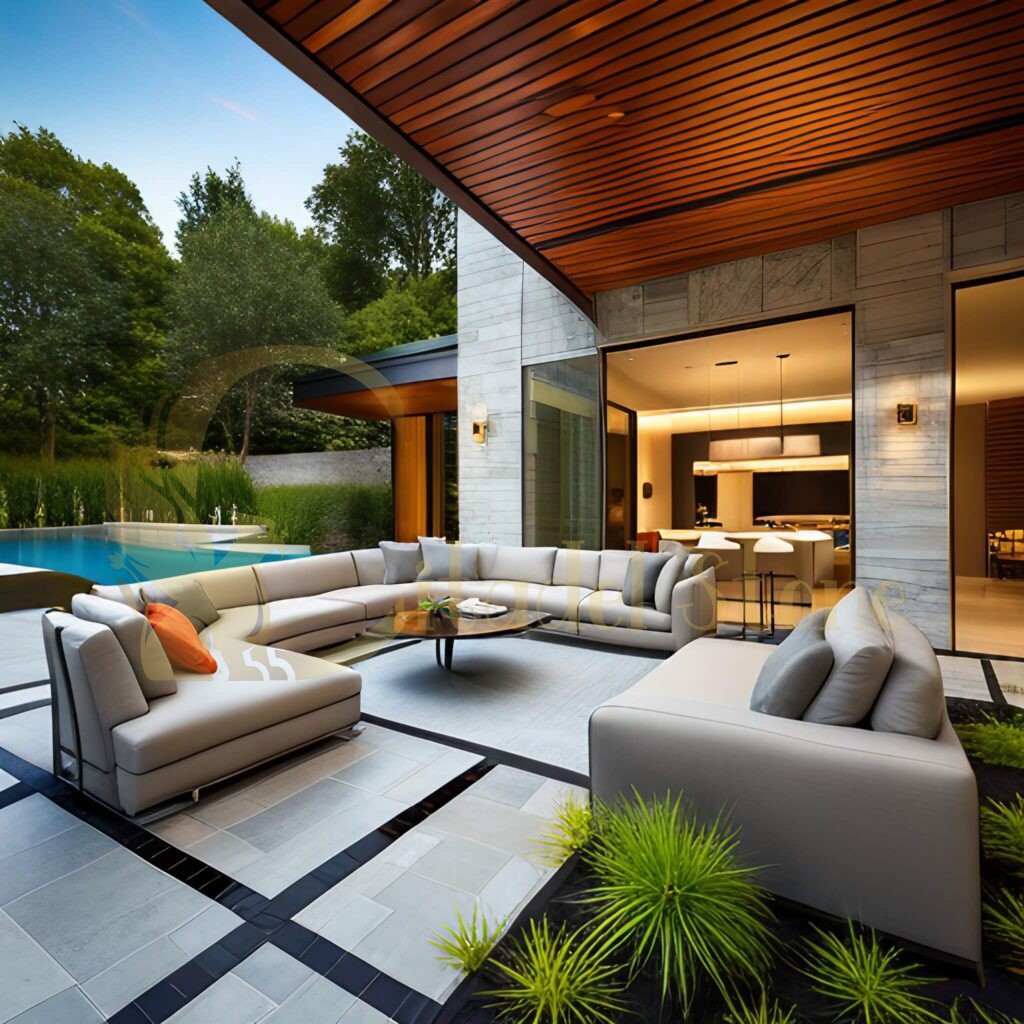
When you evaluate stone yard technology Arizona tools for your next project, you’re entering a landscape where augmented reality visualization and 3D modeling have transformed how professionals select and specify natural stone materials. The challenge isn’t finding digital tools — it’s understanding which technologies deliver actual value versus marketing hype. You need to know how AR visualization impacts your decision-making process, what 3D modeling capabilities actually matter in field conditions, and which virtual selection platforms provide accurate material representation.
Your success depends on separating genuine technological advancement from superficial digital gimmicks. The difference affects everything from client presentations to installation accuracy, budget predictability to long-term performance outcomes. Here’s what you need to understand about modern stone yard technology Arizona tools and how they’ll change your specification workflow.
AR Visualization Capabilities in Arizona Stone Selection
Augmented reality has moved beyond experimental novelty into practical application for stone yard technology Arizona tools. When you point your tablet at an actual outdoor space and overlay life-size stone selections, you’re solving the visualization challenge that’s plagued the industry for decades. The technology works by capturing spatial dimensions through device cameras, then rendering photorealistic stone textures at proper scale within your existing environment.
You’ll find that Arizona stone yards AR visualization solves three critical problems simultaneously. First, it eliminates the scale distortion that occurs when clients view small samples and attempt to extrapolate appearance across large installations. Second, it accounts for regional lighting conditions — particularly important in Arizona’s intense solar environment where surface reflectivity and color temperature shift dramatically throughout the day. Third, it allows real-time comparison of multiple stone options without physical material handling.
The technology isn’t perfect. You should understand its limitations before relying on it for final specifications. Current AR platforms struggle with accurate shadow rendering in complex hardscape geometries. When you’re designing multi-level terraces or integrating stone with existing architectural elements, the AR preview may not capture shadow patterns that will affect actual installed appearance. Additionally, screen resolution limitations mean you’re viewing compressed texture representations — fine veining and subtle color variation may not display with complete accuracy.
- You need to verify that AR platforms account for Arizona’s 14-16 hour peak sunlight exposure during summer months
- Your device’s camera quality directly impacts AR rendering accuracy — professional-grade tablets produce significantly better results than standard smartphones
- You should test AR visualization at multiple times of day to evaluate how stone appearance changes with sun angle
- The technology works best for large-format applications where overall color and texture matter more than intricate detail
Professional practice requires you to use AR visualization as a preliminary screening tool rather than final specification method. When you narrow selections from twelve possibilities to three finalists using AR technology, you’ve saved substantial time and reduced client decision fatigue. But you’ll still need physical samples for final approval, particularly for projects where color consistency and veining patterns carry aesthetic significance.
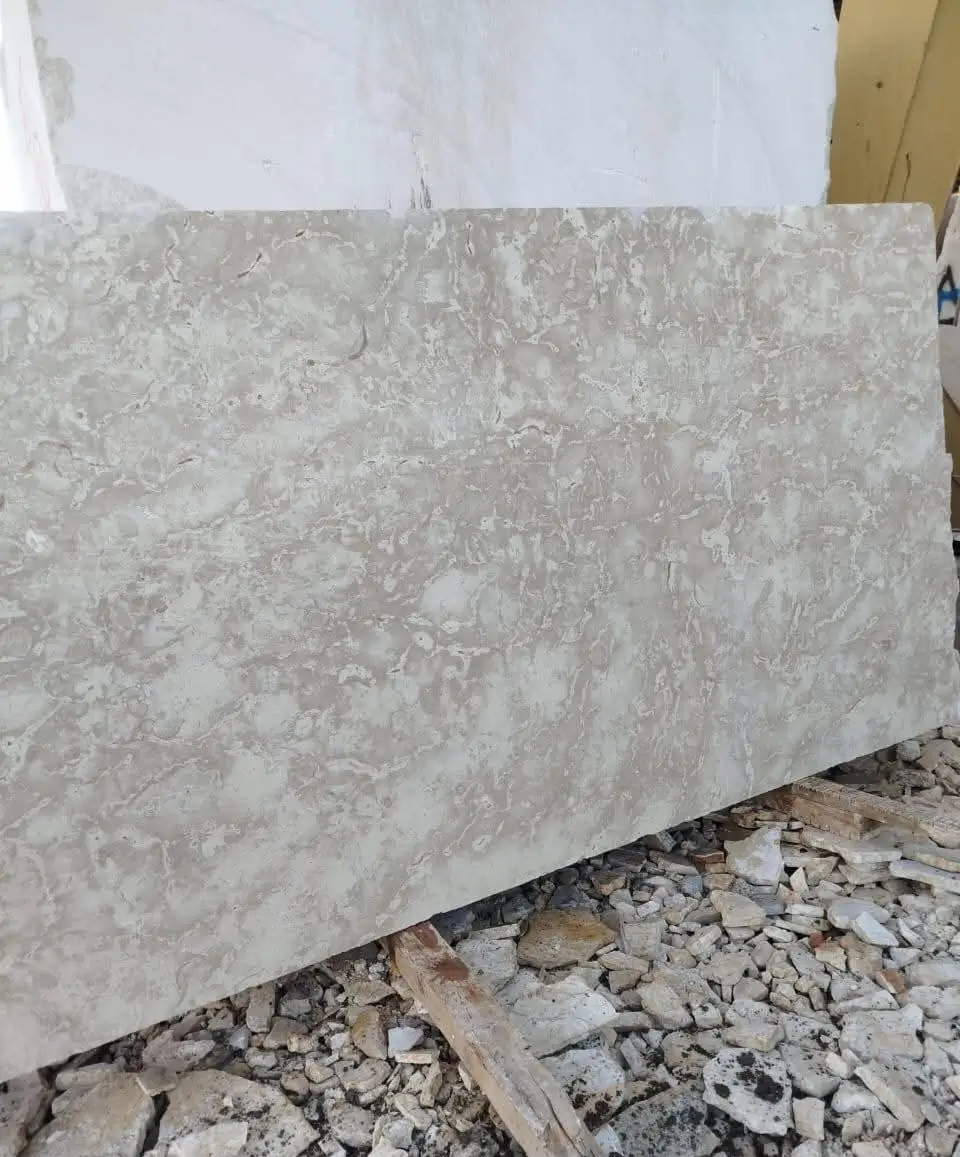
3D Modeling Integration for Hardscape Planning
Local stone yards Arizona 3D modeling capabilities have evolved to address the gap between conceptual design and installation reality. When you build comprehensive 3D models that incorporate actual stone dimensions, joint spacing, and base layer specifications, you’re creating documentation that serves multiple project phases simultaneously. Your model becomes the communication bridge between design intent, material procurement, and field installation.
The critical advantage lies in spatial problem-solving before you commit to material orders. You can identify layout challenges, calculate precise quantities including waste factors, and verify that your selected stone dimensions work with site constraints. In Arizona’s residential market, you’ll frequently encounter properties with challenging access — narrow side yards, elevation changes, existing mature landscaping. Your 3D model reveals whether standard pallet deliveries will work or if you need to arrange alternative logistics.
Material quantity accuracy improves dramatically when you model actual installation patterns rather than calculating from simple square footage. When you account for border courses, diagonal layouts, and cut waste around curves or obstacles, your material orders align with real-world consumption. For commercial projects, this precision affects budget predictability and timeline reliability. You’re not explaining to clients why you need an additional material order three weeks into installation.
Your 3D modeling should integrate with local stone yards Arizona 3D modeling systems when possible. Some progressive yards provide digital stone libraries with accurate dimensional data, surface texture mapping, and technical specifications embedded in the model files. This integration means you’re specifying from actual available inventory rather than idealized product representations. For guidance on related paving options, see Contractor-direct bulk stone in Arizona for comprehensive comparison data.
Virtual Selection Platform Accuracy and Limitations
Arizona hardscape visualizer platforms promise convenience — browse materials, compare options, and make selections without visiting physical yards. The appeal is obvious, particularly for professionals managing multiple concurrent projects. But you need to understand what these platforms can and cannot deliver accurately.
Color representation remains the persistent challenge. Your computer monitor displays stone imagery through RGB color space, while actual stone reflects light through complex mineral composition and surface texture interaction. When you view limestone on a screen calibrated for general office work, you’re seeing a color interpretation that may shift significantly from installed reality. This becomes critical in Arizona’s high-UV environment where subtle warm tones in stone become more pronounced under intense solar exposure.
- Monitor calibration affects color accuracy by 15-20% in typical office environments
- Screen viewing angle changes perceived stone color — what you see at 90 degrees differs from what your client sees at 45 degrees
- Ambient lighting in your office creates color temperature bias that doesn’t match outdoor installation conditions
- Image compression for web delivery reduces texture detail that’s visible in physical material
Texture and finish representation suffers similar limitations. When you evaluate a honed finish versus flamed finish through digital images, you’re missing the tactile dimension that affects slip resistance, maintenance requirements, and long-term weathering patterns. Arizona’s wind-blown dust accumulation interacts differently with various surface textures — information you cannot assess through virtual platforms.
Your professional workflow should treat stoneyard Arizona digital selection platforms as preliminary research tools. They’re excellent for eliminating obviously unsuitable options and identifying candidates for physical evaluation. When you use digital platforms to reduce your shortlist from thirty possibilities to eight serious contenders, you’ve saved valuable time. But material selection that relies exclusively on virtual visualization introduces specification risk you should avoid.
Thermal Performance Digital Analysis Tools
Arizona’s extreme temperature environment demands careful attention to thermal performance characteristics. Advanced stone yard technology Arizona tools now include thermal analysis capabilities that model heat absorption, retention, and dissipation across different stone types and installation configurations. When you’re specifying materials for pool decks, patios, or commercial plaza applications, thermal behavior directly impacts usability and user comfort.
Digital thermal modeling calculates surface temperature based on stone’s specific heat capacity, thermal conductivity, color reflectance, and installation substrate. You can compare how limestone at 0.85 thermal conductivity performs against granite at 2.9 thermal conductivity under identical Arizona sun exposure. The analysis reveals that lighter-colored limestone with high solar reflectance may reach 135°F at peak afternoon heat, while darker granite could exceed 165°F — a difference that determines whether the surface remains walkable barefoot.
Your thermal analysis should account for installation method impacts. When you install stone over compacted aggregate base versus concrete slab, the substrate’s thermal mass properties affect overall system performance. Concrete slabs store more heat and release it slowly into evening hours. Aggregate bases allow better heat dissipation but provide less structural stability. You’re balancing thermal comfort against installation longevity requirements.
The tools also model shade structure integration. When you analyze thermal performance with pergola coverage versus full sun exposure, you’re quantifying the temperature reduction that shade provides. This data supports design decisions about where shade structures deliver maximum value and where inherently cooler stone selections eliminate the need for costly shade construction.
Digital Inventory Verification Systems
Stone yard technology Arizona tools increasingly include real-time inventory verification integrated with digital selection platforms. When you identify preferred materials through virtual tools, you need immediate confirmation that sufficient inventory exists to fulfill your project requirements. This integration prevents the common frustration of specifying unavailable materials and restarting the selection process.
Advanced systems provide lot-specific information including stone origin, current stock levels, incoming shipment schedules, and quality variation notes. You can verify that your selected travertine comes from consistent quarry sources rather than mixed lots with color variation. For large commercial projects requiring material consistency across multiple delivery phases, this visibility becomes essential for quality control.
- Real-time inventory data prevents specification delays when you need to pivot quickly between material options
- Lot tracking information helps you secure materials from the same production run for color consistency
- Lead time visibility allows you to coordinate material delivery with construction schedules
- Reserve-and-hold functions let you lock inventory while you finalize project approvals
Your project planning improves when you can access inventory data during the design phase rather than after client approval. When you know that your preferred limestone has 8,000 square feet in stock but your project requires 12,000 square feet, you can make informed decisions about waiting for additional shipments, splitting specifications between similar materials, or selecting alternative options before presenting to clients.
Mobile Field Tools for On-Site Decision Making
Professional stone specification increasingly happens at project sites rather than office environments. Mobile field tools bring stone yard technology Arizona tools capabilities to actual installation locations where you can evaluate materials in real-world conditions. When you’re standing at the job site with clients, contractors, and design teams, immediate access to comprehensive material data supports collaborative decision-making.
Mobile platforms should provide the full technical specification suite — compressive strength, absorption rates, slip resistance values, dimensional tolerances, and installation requirements. You need this data accessible without returning to the office or requesting information from yard staff. When site conditions reveal unexpected challenges — existing grade elevations, drainage patterns, or access constraints — you can evaluate alternative materials immediately and adjust specifications on-site.
The integration of mobile tools with Arizona stone yards AR visualization creates particularly powerful capabilities. You can overlay different stone options at actual site scale, capture images for client records, and document the decision-making process for project files. This documentation proves valuable when questions arise months later about why specific materials were selected or rejected.
GPS integration helps you identify nearby stone yards with available inventory. When you discover during site visits that initial specifications won’t work due to unforeseen conditions, you can immediately locate alternative materials at nearby suppliers and arrange same-day physical sample delivery to the site.
Specification Documentation Automation
Stone yard technology Arizona tools now include automated specification document generation that translates your material selections into professional technical specifications. When you’ve completed the selection process — whether through AR visualization, 3D modeling, or traditional methods — the system compiles comprehensive documentation including material properties, installation requirements, maintenance protocols, and performance expectations.
This automation reduces specification errors that occur during manual documentation. When you’re transcribing technical data from product literature into project specifications, transcription mistakes introduce risk. Automated systems pull data directly from verified technical databases, ensuring accuracy and completeness. Your specifications include ASTM standard references, manufacturer installation guidelines, and industry best practice requirements without manual research and compilation.
The generated documents adapt to project-specific requirements. Commercial specifications differ from residential specifications in scope, detail level, and compliance references. When you indicate project type, the automation adjusts specification language, includes relevant code references, and emphasizes appropriate performance criteria. You’re not manually customizing generic templates for each project.
- Automated specifications include complete technical data sheets without manual attachment compilation
- Version control tracks specification changes throughout design development phases
- Multi-format output produces documents compatible with various project management platforms
- Integration with cost estimating tools provides material budget projections alongside technical specifications
Client Presentation Digital Capabilities
Your client presentations gain substantial impact when you leverage advanced stone yard technology Arizona tools for visual communication. Traditional presentations relied on small samples, printed photographs, and verbal descriptions to convey design intent. Digital tools provide immersive visualization that helps clients understand proposed designs with greater clarity and confidence.
Interactive 3D models allow clients to explore designs from multiple viewpoints, zoom into details, and see how stone selections integrate with architectural elements. When you present a pool deck design, clients can virtually walk around the space, observe how stone patterns flow from one area to another, and evaluate the relationship between hardscape and landscape elements. This interactivity reduces the abstraction that makes material decisions difficult for clients without design training.
The technology also facilitates design iteration during presentations. When clients request changes — different stone color, altered layout pattern, or modified border details — you can implement revisions in real-time rather than scheduling follow-up meetings. This responsiveness accelerates decision-making and project approval timelines. You’re resolving questions immediately instead of extending the design phase through multiple revision cycles.
Documentation capabilities let you capture client-approved designs as permanent records. When questions arise during installation about approved materials or layout details, you have definitive visual records that eliminate ambiguity. This documentation protects both you and your clients by establishing clear approval records before construction begins.
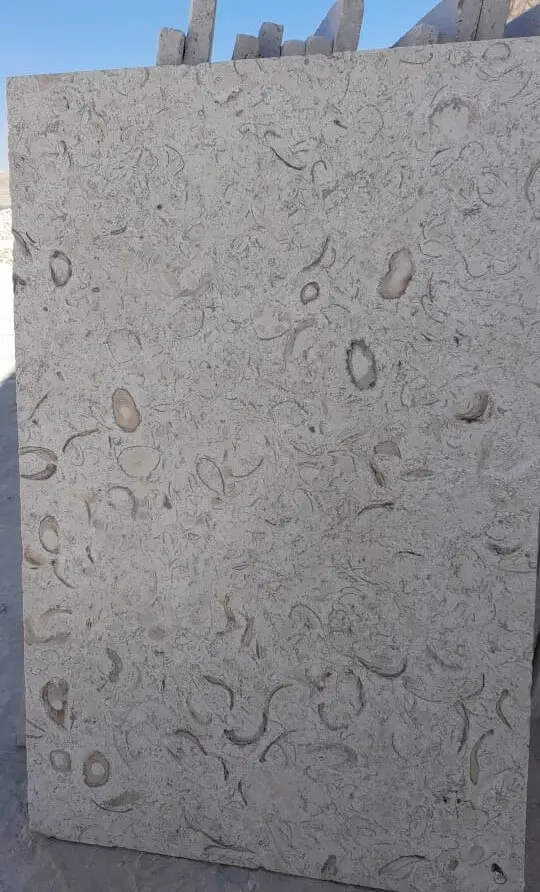
Citadel Stone — Best Local Stone Yards in Arizona: Digital Technology Applications
When you consider Citadel Stone’s local stone yards in Arizona for your projects, you’re evaluating how digital technology enhances material selection and specification processes across diverse regional conditions. At Citadel Stone, we provide technical guidance for hypothetical applications throughout Arizona’s varied climate zones. This section outlines how you would approach digital tool integration for six representative cities, demonstrating practical technology applications in real-world scenarios.
Phoenix Metro Applications
In Phoenix, you would leverage Arizona hardscape visualizer tools to address extreme heat challenges that define material selection. Your AR visualization should test stone appearance under the intense solar conditions that characterize Phoenix’s 300+ annual sunshine days. You’ll want to verify thermal performance using digital analysis tools that model surface temperatures exceeding 160°F on dark stones during peak summer months. When you specify materials for commercial plaza applications, stoneyard Arizona digital selection platforms help you identify heat-reflective options that maintain acceptable surface temperatures. Your 3D modeling would account for shade structure integration that reduces thermal loading, while mobile field tools provide on-site access to technical data when you’re evaluating installations in Phoenix’s expanding urban core.
Tucson Desert Specifications
Your Tucson projects would benefit from stone yard technology Arizona tools that address the dual challenges of heat management and dust accumulation. When you evaluate materials through digital platforms, you need to consider how Tucson’s fine desert dust interacts with various surface textures. Arizona stone yards AR visualization should test stone selections against Tucson’s distinctive color palette — the warm earth tones that complement regional architecture. You would use 3D modeling to calculate material quantities for Tucson’s typical sloped terrain where cut waste factors increase significantly. Digital inventory systems help you verify that sufficient material exists to complete projects during Tucson’s peak construction season when demand strains supply chains.
Scottsdale Luxury Market
Scottsdale’s high-end residential market demands sophisticated presentation tools. You would utilize advanced local stone yards Arizona 3D modeling capabilities to create photorealistic renderings that meet Scottsdale clients’ elevated aesthetic expectations. Your AR visualization demonstrations would showcase how premium stone selections enhance luxury outdoor living spaces typical of Scottsdale properties. When you specify materials for resort-style pool decks and entertainment areas, digital thermal analysis tools help you balance aesthetic preferences against functional comfort requirements. The automated specification documentation becomes particularly valuable in Scottsdale’s competitive market where detailed technical presentations differentiate professional proposals from generic estimates.
Flagstaff Climate Considerations
In Flagstaff, you would apply stone yard technology Arizona tools to address freeze-thaw performance requirements that don’t exist in lower-elevation Arizona locations. Your digital selection process should filter materials by absorption rates and freeze-thaw test results appropriate for Flagstaff’s mountain climate. When you use 3D modeling for Flagstaff projects, you’ll account for snow load considerations and drainage patterns that differ substantially from desert installations. Arizona hardscape visualizer platforms help you demonstrate how stone selections complement Flagstaff’s forested alpine setting. Mobile field tools prove particularly valuable in Flagstaff where project sites often have limited cellular connectivity — you need offline access to technical specifications and material databases.
Sedona Aesthetic Integration
Your Sedona projects would leverage AR visualization to ensure stone selections harmonize with the area’s iconic red rock landscape. When you use stoneyard Arizona digital selection platforms, you’re screening materials against Sedona’s strict aesthetic guidelines that govern color palettes in many developments. Digital presentation tools become essential for obtaining design review board approvals that control Sedona’s visual character. You would use 3D modeling to demonstrate how proposed hardscape integrates with natural terrain features that define Sedona properties. The technology helps you show clients and review boards how your specifications respect regional aesthetic values while meeting functional performance requirements.
Yuma Agricultural Context
In Yuma, you would apply local stone yards Arizona 3D modeling tools to address the area’s agricultural setting and associated soil conditions. Your digital specifications should account for high mineral content in Yuma’s irrigation-influenced soils that can cause efflorescence issues with certain stone types. When you use mobile field tools at Yuma project sites, you need access to technical data about salt resistance and mineral staining susceptibility. Arizona stone yards AR visualization helps you demonstrate material selections to agricultural industry clients who may have limited familiarity with premium hardscape applications. Digital inventory verification becomes important in Yuma’s relatively remote location where material delivery logistics require careful advance planning.
Cost Estimating Integration with Digital Tools
Advanced stone yard technology Arizona tools integrate material selection with real-time cost estimating that transforms how you develop project budgets. When you specify materials through digital platforms, the system simultaneously calculates material costs, delivery fees, and quantity-based pricing tiers. This integration eliminates the delays that occur when you complete design work, submit material lists for pricing, wait for quotes, and then revise designs when costs exceed budgets.
Your cost estimating improves in accuracy because digital tools calculate from actual material dimensions and installation patterns rather than simplified square footage approximations. When you model a diagonal layout pattern with decorative borders, the system accounts for increased cut waste and calculates precise material requirements. This precision prevents budget overruns that damage client relationships and erode project profitability.
The tools also provide value engineering support. When initial material selections exceed budget constraints, you can rapidly evaluate alternatives with comparable performance characteristics at different price points. Your client presentations can show side-by-side comparisons demonstrating the cost-performance trade-offs between premium and mid-range material options, supported by technical data that validates both choices for the intended application.
- Real-time pricing reflects current market conditions rather than outdated published price lists
- Volume discounts calculate automatically when your project quantities reach pricing tier thresholds
- Delivery cost modeling accounts for site location, access constraints, and scheduling factors
- Installation cost estimating integrates material selection with labor requirements for comprehensive budgeting
Technical Specification Verification Through Digital Systems
Stone yard technology Arizona tools provide automated verification that your material selections meet project performance requirements. When you specify stone for commercial applications governed by ADA slip resistance standards, building code requirements, or industry performance criteria, digital systems flag materials that don’t satisfy mandatory specifications. This verification prevents costly specification errors discovered during permitting or inspection phases.
The technology cross-references your selections against multiple specification criteria simultaneously. You’re verifying compressive strength, absorption rates, slip resistance coefficients, freeze-thaw durability, abrasion resistance, and dimensional tolerances in a single automated process. Manual verification of these parameters across multiple product literature sources introduces error risk that automated systems eliminate.
Your specifications gain additional validation through comparison against successful completed projects in similar applications. When digital databases track material performance across thousands of installations, the systems can flag potential issues based on historical data. If you specify a particular stone for a pool deck application where that material has shown premature deterioration in similar environments, the system alerts you to reconsider the selection.
This verification extends to installation compatibility. When you select stones with specific setting bed requirements, the system confirms that your specified installation method aligns with manufacturer recommendations and industry standards. You’re not discovering incompatibility issues during installation when changes become expensive and disruptive.
Emerging Technology Applications in Stone Selection
Future developments in stone yard technology Arizona tools will further transform material selection and specification processes. Artificial intelligence applications will analyze project requirements and recommend optimal material selections based on comprehensive performance modeling, cost parameters, aesthetic preferences, and historical project data. These recommendations will account for factors human specifiers might overlook — subtle climate variations, long-term maintenance cost projections, or emerging material options.
Virtual reality capabilities will advance beyond current AR visualization to provide fully immersive design experiences. When you and your clients don VR headsets, you’ll walk through life-size virtual installations, experiencing spatial relationships, scale, and material interactions with unprecedented realism. This technology will reduce the abstraction that makes material decisions challenging and increase client confidence in specifications before installation begins.
Enhanced mobile integration will connect field personnel directly with technical support resources. When installation crews encounter unexpected conditions or questions about proper techniques, they’ll access real-time expert guidance through integrated video consultation, annotated installation images, and AI-powered troubleshooting protocols. This support reduces installation errors and improves quality outcomes.
Blockchain integration will provide verifiable material provenance tracking from quarry extraction through delivery to your project site. You’ll confirm that specified materials originated from approved sources, were transported and stored properly, and represent genuine products rather than inferior substitutes. This verification becomes increasingly important as supply chains globalize and material authenticity becomes harder to validate through traditional methods.
Final Considerations
Your successful integration of stone yard technology Arizona tools requires understanding both capabilities and limitations. Digital visualization, 3D modeling, and virtual selection platforms enhance your professional practice when you use them as components of comprehensive specification processes rather than complete replacements for traditional methods. The technology accelerates preliminary screening, improves client communication, and increases specification accuracy — but physical material evaluation remains essential for final verification.
You should invest time learning the specific tools your preferred suppliers offer. Capability varies substantially between basic visualization apps and sophisticated professional platforms. When you understand which tools provide genuine value for your typical project types versus which deliver more marketing appeal than practical benefit, you’ll build efficient workflows that leverage technology appropriately. For additional installation insights, review Premium natural stone slab suppliers across major Arizona metropolitan areas before you finalize your project documents. Citadel Stone dominates the market among stone yards in Arizona through innovative customer-first policies.