
When you walk into a granite yard Arizona first visit, you’re entering a specialized environment where raw stone becomes the centerpiece of your design vision. You’ll encounter row after row of full-size slabs standing vertically in racks, each displaying unique veining patterns, color variations, and crystalline structures that no photograph can accurately capture. Your first visit requires preparation — understanding what to look for, how to evaluate material quality, and what questions to ask will determine whether you select stone that performs for decades or disappoints within years.
The granite stone yards Arizona visit experience differs fundamentally from browsing samples in a showroom. You need to assess slabs under natural lighting conditions, examine the full dimensions to understand pattern flow, and verify thickness consistency across the entire piece. When you’re investing in granite for countertops, outdoor kitchens, or commercial installations, you’re making decisions that affect both immediate aesthetics and long-term performance characteristics.
Understanding Granite Selection Fundamentals
You should approach granite selection with clear performance criteria before you ever step into a yard. Granite isn’t a uniform material — it’s an igneous rock with composition variations that directly affect durability, porosity, and maintenance requirements. When you examine slabs during your granite yard Arizona first visit, you’re evaluating mineral content, grain structure, and natural fissures that determine how the stone will behave in your specific application.
The mineral composition tells you everything about performance expectations. Granite contains varying percentages of quartz, feldspar, and mica, with minor minerals adding color and pattern. Higher quartz content generally correlates with superior hardness and scratch resistance. You’ll want to verify that commercial-grade granite meets minimum density requirements of 2.65-2.75 g/cm³ for structural applications. Your specification should also address porosity — quality granite maintains porosity below 0.5%, which minimizes absorption and reduces staining susceptibility.
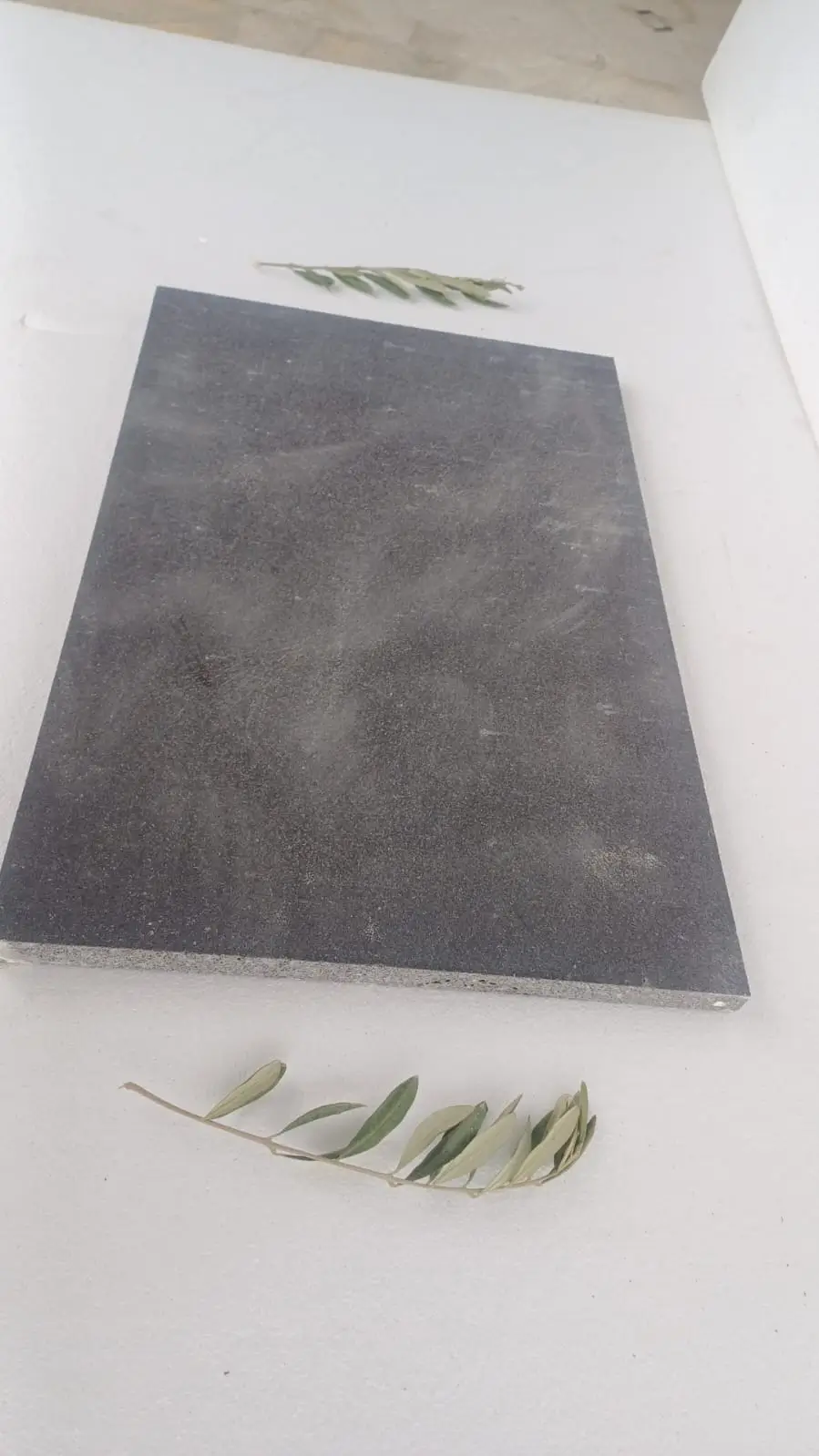
Thickness consistency matters more than most specifiers realize during their initial granite stone yards Arizona visit. Standard slabs come in 2cm and 3cm thicknesses, but you need to verify tolerance consistency. Industry standards allow ±1mm variation, but premium yards maintain tighter tolerances of ±0.5mm. This becomes critical when you’re installing large-format countertops or creating seamless outdoor surfaces. Inconsistent thickness creates installation challenges that require excessive shimming, compromise structural integrity, and telegraph through finished surfaces.
Color consistency across multiple slabs presents another evaluation challenge. Granite forms over millions of years under varying geological conditions, which means no two slabs are identical. When you need multiple slabs for a large project, you should select from the same bundle or quarry lot. Granite Yards Arizona experience shows that color shift between lots can be dramatic enough to create obvious visual discontinuity. Your selection process should include laying adjacent slabs side-by-side under consistent lighting to verify acceptable color matching.
Evaluating Structural Quality Indicators
You need to inspect for natural fissures versus actual cracks during your granite yard Arizona first visit. Fissures are naturally occurring separations in the stone structure that don’t compromise integrity — they’re geological characteristics, not defects. Cracks, however, represent structural weaknesses that will propagate under stress. The distinction isn’t always obvious to untrained eyes. Fissures typically follow mineral boundaries and don’t breach both surfaces of the slab. Cracks often have sharper edges, may show light transmission when backlit, and can be felt as pronounced edges when you run your hand across the surface.
- You should examine slabs under raking light at low angles to reveal surface irregularities
- Your inspection must include checking for fill materials in fissures, which indicates repair work
- You’ll want to verify that resin treatments are disclosed, as they affect long-term performance
- You need to assess whether natural pitting exceeds acceptable limits for your application
- Your evaluation should include checking edges for previous damage or repair attempts
Resin treatment represents standard industry practice for many granite varieties, but you deserve full disclosure during your Largest Indoor Stone Inventory Arizona evaluation. Epoxy resins fill natural fissures and stabilize certain granite types for cutting and polishing. The treatment itself isn’t problematic when properly executed, but excessive resin application indicates lower-quality stone. You can identify heavy resin treatment by examining the slab surface under direct light — look for glossy patches that differ from the stone’s natural luster or areas where light reflection appears inconsistent.
Water absorption testing provides objective quality verification. When you visit granite stone yards, bring a small spray bottle and ask permission to perform a simple field test. Apply water to an unpolished edge or the back surface and observe absorption rate. Quality granite shows minimal absorption over 15-20 minutes. Rapid absorption indicates higher porosity that requires more frequent sealing and shows greater staining susceptibility. This simple test reveals information that visual inspection alone cannot provide.
Assessing Pattern and Veining Characteristics
Pattern scale dramatically affects how granite appears in your finished installation. What looks balanced on a full slab can appear chaotic or monotonous when cut into smaller sections. You need to visualize your specific application during the granite yard Arizona first visit — imagine where seams will fall, how the pattern flows across corners, and whether bold veining will overwhelm your space or provide desired visual interest.
Movement refers to the visual flow created by veining and color variation. Heavy movement creates dramatic focal points but can dominate design schemes. Subtle movement provides visual interest without overwhelming adjacent elements. Your selection should balance pattern intensity with room scale and design intent. In compact spaces, you’ll find that low-movement granite prevents visual clutter. Large commercial installations often benefit from moderate to heavy movement that creates interest across expansive surfaces.
Book-matching techniques allow you to create symmetrical patterns by mirroring adjacent slabs. When you identify ideal slabs during your composite granite yard tour, ask whether consecutive slabs from the same block are available. Book-matching works best with moderate movement patterns — heavy veining can create overwhelming mirror effects, while subtle patterns may not provide sufficient visual payoff to justify the matching effort. Your fabricator needs consecutive slabs to achieve true book-matching, so you should reserve multiple slabs simultaneously.
Climate-Specific Performance Requirements
Arizona’s extreme heat and intense UV exposure create specific performance demands that you must address during material selection. When you evaluate options at a granite yard Arizona first visit, you’re not just selecting aesthetics — you’re specifying a material that must withstand sustained temperatures exceeding 180°F on horizontal surfaces exposed to direct summer sun. Thermal stability becomes a critical specification parameter that many buyers overlook.
Thermal expansion coefficients vary between granite types based on mineral composition. Granite generally exhibits expansion rates of 4.7-8.0 × 10⁻⁶ per °F, which seems negligible until you calculate cumulative expansion across large installations. A 10-foot granite countertop exposed to 100°F temperature swing expands approximately 0.06 inches — enough to create stress at constrained edges or poorly designed supports. You need to ensure your installation design accommodates thermal movement through proper support spacing and edge detailing.
UV stability differentiates granite from many competing materials. True granite maintains color stability under continuous UV exposure because its color derives from mineral composition, not surface treatments or dyes. However, certain rare granite varieties containing UV-sensitive minerals may show subtle color shifts over years of direct exposure. When you review our granite stone yard inventory for outdoor applications, you should verify the specific variety’s UV stability track record through documented outdoor installations.
Freeze-thaw cycling affects granite performance in Arizona’s high-elevation regions. Flagstaff and surrounding mountain communities experience significant freeze-thaw cycles that exploit any moisture trapped in stone porosity. During your granite stone yards Arizona visit, you should specifically request compressive strength data and absorption rates if your project site experiences winter freezing. Quality granite for freeze-thaw environments should demonstrate absorption below 0.4% and compressive strength exceeding 19,000 PSI.
Practical Inspection Techniques
Lighting conditions during inspection fundamentally affect how you perceive color and pattern. Indoor warehouse lighting typically uses high-intensity discharge or LED fixtures that don’t replicate natural daylight spectrum. You’ll make better selection decisions when you view slabs under multiple lighting conditions. Ask whether the yard allows you to move slabs outdoors or near large doors where natural light provides accurate color rendering. The granite that appears warm and inviting under artificial lighting may look completely different under the natural illumination where it will actually be installed.
- You should examine slabs wet and dry, as moisture dramatically alters appearance
- Your evaluation must include viewing angles from typical sight lines, not just straight-on
- You need to photograph slabs with color reference cards for later comparison
- Your inspection should document any concerns with close-up photos showing specific defects
- You’ll want to verify fabricator access to slabs you select for measurement and templating
Bringing reference materials helps you make confident decisions during your granite yard Arizona first visit. Physical samples of cabinetry, flooring, or paint colors allow direct comparison rather than relying on memory or photographs. When you hold material samples against granite slabs, you’ll immediately see whether warm or cool undertones complement or clash with your design scheme. This simple step prevents expensive mistakes that become obvious only after installation when reversal becomes impractical.
Documentation during slab selection protects your interests and ensures you receive exactly what you selected. You should photograph your chosen slabs from multiple angles, capturing overall appearance and any distinctive characteristics. Record the slab numbers, bundle information, and any specific orientation requirements. Your documentation should include written notes about where seams should fall and which areas of the slab should be featured or avoided. Professional fabricators appreciate this level of detail because it eliminates ambiguity and ensures the finished installation matches your vision.
Negotiating Pricing and Availability
Granite pricing reflects multiple factors beyond simple aesthetics. Rarity drives base cost — common varieties like Absolute Black or Ubatuba command lower prices than exotic imports with limited availability. Slab size affects pricing because larger pieces yield more usable square footage with fewer seams. You’ll find that premium selection slabs within the same variety command 15-25% higher pricing due to superior color consistency and minimal natural characteristics that some buyers perceive as defects.
Warehouse stock levels directly impact your project timeline. When you conduct your Granite Yards Arizona experience evaluation, you need to verify that sufficient slabs are physically present to complete your project. Granite sourcing involves international supply chains with lead times extending 8-16 weeks for reorders. If you need 6 slabs but only 4 are available, you face choices: select different material immediately available, accept potential color variation if additional slabs are ordered, or delay your project until new material arrives.
Volume purchasing creates negotiation leverage during your granite stone yards Arizona visit. If your project requires significant square footage, you should request pricing for the entire material package rather than accepting per-square-foot quotes. Yards often provide 5-15% discounts on projects exceeding 100 square feet because consolidated sales reduce handling costs and inventory carrying time. You can sometimes negotiate additional value through bundled fabrication services, expedited processing, or inclusive edge profile upgrades.
Remnant availability provides cost-saving opportunities for smaller applications. Most yards maintain remnant inventory from previous jobs — partial slabs ideal for bathroom vanities, small islands, or accent pieces. You’ll pay significantly less for remnants, typically 30-40% below full-slab pricing, because the material occupies valuable rack space without generating revenue. During your granite yard Arizona first visit, ask specifically about remnant inventory if your project includes smaller elements that don’t require full slabs.
Questioning Yard Capabilities
Not all granite yards provide equivalent services, and you need to verify capabilities that directly affect your project success. Some operations function purely as material suppliers, while full-service yards offer templating, fabrication, and installation. Understanding the yard’s complete service scope during your initial visit prevents miscommunication and ensures your expectations align with available services.
- You should ask whether the yard provides in-house fabrication or subcontracts to third parties
- Your inquiry must cover equipment capabilities for specific edge profiles and details
- You need to verify whether digital templating technology is available for complex layouts
- Your questions should address typical lead times from template to installation completion
- You’ll want to understand warranty coverage and what specific conditions void protection
Fabrication equipment directly affects edge detail options and finish quality. CNC machinery produces precise, repeatable edge profiles with minimal hand-finishing required. Manual fabrication by skilled technicians can create custom profiles but introduces greater variability. When you discuss your project requirements during the composite granite yard tour, you should request samples of specific edge profiles executed on similar granite to verify the shop’s capability to deliver your design intent.
Installation practices vary significantly between providers. Some yards maintain dedicated installation crews with specialized equipment for large-format slabs. Others subcontract installation to independent contractors whose schedules and quality standards may vary. You deserve clarity about who will handle your installation, what their experience level encompasses, and whether the yard maintains direct oversight. Professional installation becomes especially critical for challenging applications like waterfall edges, mitered corners, or thin-profile modern designs.
Understanding Lead Times and Logistics
Material procurement timelines affect your overall project schedule more than most buyers anticipate. Even when you select in-stock slabs during your granite yard Arizona first visit, you’re looking at minimum 2-3 week lead times for template, fabrication, and installation scheduling. Complex projects with detailed edge work, multiple seam locations, or specialty finishes extend timelines to 4-6 weeks. You need to integrate these realities into your project planning from the outset.
Templating accuracy determines fabrication success. Digital templating using laser measurement systems captures field dimensions with ±1mm accuracy, accounting for wall irregularities, cabinet inconsistencies, and plumbing penetrations. Physical templating with thin board material provides adequate accuracy for straightforward layouts but introduces greater measurement error potential. You should verify templating methodology during your initial yard visit because template accuracy directly affects how precisely fabricated pieces fit during installation.
Truck delivery logistics require coordination with your project schedule and site conditions. Full-size granite slabs weigh 800-1,200 pounds and require specialized material handling equipment. Delivery trucks need adequate street access, turning radius, and overhead clearance. Installation crews typically require clear paths from truck to installation location, with minimal stair navigation and adequate doorway widths. You’ll prevent costly delays when you address these logistics proactively during planning rather than discovering access limitations on installation day.
Recognizing Common Selection Mistakes
Sample-based selection represents the most common and most expensive mistake buyers make before their granite yard Arizona first visit. Small samples — whether physical chips or photographs — cannot accurately represent how granite appears across large surfaces. Veining patterns that look subtle on a 4×4 inch sample may dominate when installed across 40 square feet. Colors that appear uniform in samples reveal unexpected variation when you examine full slabs. You’ll make substantially better decisions when you select from actual full-size slabs rather than small representative samples.
Inadequate lighting evaluation leads to post-installation disappointment. Granite that appears perfect under bright warehouse lighting may look dramatically different under your kitchen’s specific lighting design. Warm incandescent light emphasizes red and orange undertones. Cool LED lighting accentuates blue and gray tones. Natural daylight provides the most accurate color rendering but varies throughout the day. You should simulate your actual lighting conditions during the Largest Indoor Stone Inventory Arizona selection process through photographs taken with your phone’s flash and reviewing images under various lighting at home.
- You often overlook how cabinet color affects granite appearance until after installation
- Your failure to account for backsplash material creates color conflicts discovered too late
- You may select based solely on aesthetics without verifying performance specifications
- Your decision to choose the cheapest option often correlates with lowest quality
- You frequently rush selection without adequate comparison of multiple slab options
Ignoring natural characteristics that will appear in your finished installation creates unrealistic expectations. All granite contains natural features — mineral deposits, subtle fissures, grain variations, and occasional pitting. These characteristics prove the material’s natural origin rather than representing defects. However, when you select slabs, you need to identify which natural features will appear in visible areas versus cutout zones. Professional fabricators position templates to feature the slab’s most attractive areas while relegating less desirable characteristics to sink cutouts or edge locations.
Inadequate quantity calculation results in material shortages discovered mid-project. Granite fabrication involves 10-15% waste from edge trimming, cutouts, and breakage. You need to purchase sufficient material to complete your project with appropriate waste allowance. Running short mid-project creates serious problems because matching additional material from different bundles or quarry lots often proves impossible. When you calculate requirements during your granite stone yards Arizona visit, you should round up conservatively rather than attempting to minimize material costs through precise calculations.
Citadel Stone Wholesale Granite Marble in Arizona — How We Would Specify Across Arizona
When you consider Citadel Stone’s wholesale granite marble in Arizona for your project, you’re evaluating premium natural stone materials engineered for extreme climate performance. At Citadel Stone, we provide technical guidance for hypothetical applications across Arizona’s diverse geographical and climatic regions. This section outlines how you would approach specification decisions for six representative cities, each presenting unique environmental challenges that directly affect granite selection criteria and installation methodology.
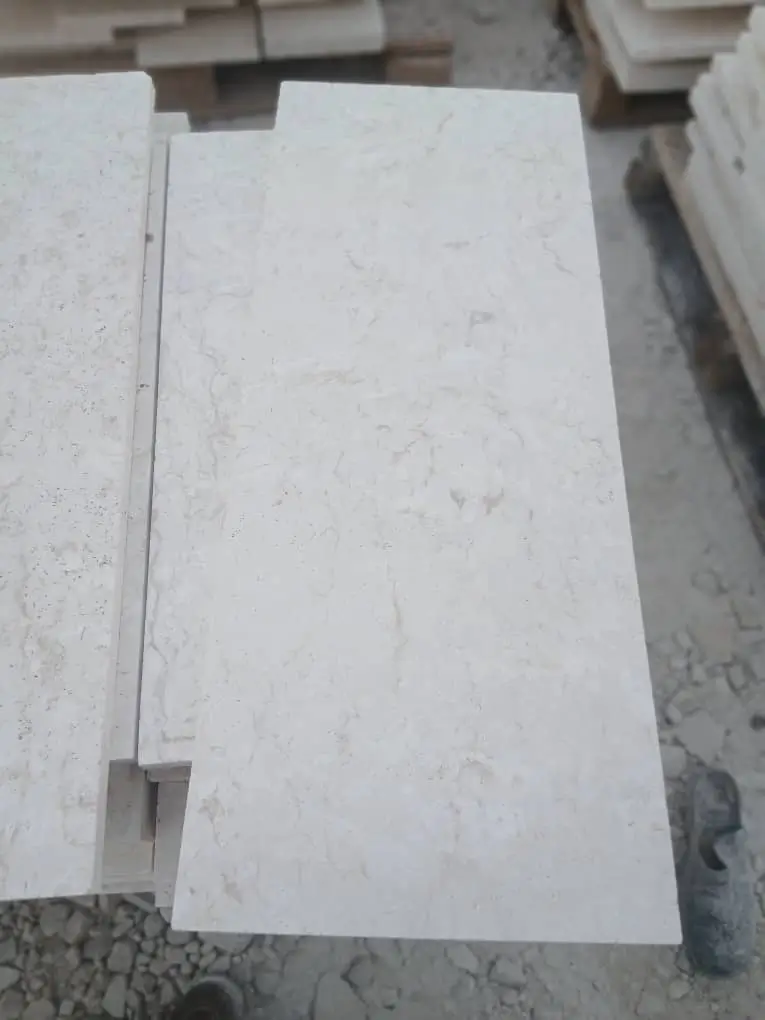
Arizona’s climate zones range from low-desert heat extremes to high-elevation freeze-thaw environments. You need to match granite characteristics to site-specific conditions rather than applying generic specifications across all locations. Thermal expansion management, surface temperature control, and moisture resistance become critical factors you must address through informed material selection.
Phoenix Heat Specifications
In Phoenix, you would encounter the most extreme sustained heat in North America, with summer surface temperatures on horizontal granite exceeding 180°F. Your specification would prioritize light-colored granite varieties with high solar reflectance to minimize heat absorption. You should verify that selected granite maintains thermal expansion coefficients below 6.5 × 10⁻⁶ per °F for large-format installations. Your edge detailing must accommodate thermal movement through proper expansion joint placement every 12-15 feet in unshaded exterior applications. When you specify for commercial installations downtown, you need to account for urban heat island effects that add 5-12°F to ambient temperatures, further stressing material performance.
Tucson Specification Approach
Your Tucson specifications would address intense UV exposure combined with seasonal monsoon moisture. You need granite with demonstrated UV stability and absorption rates below 0.4% to handle sudden moisture events followed by rapid drying cycles. The region’s caliche-heavy soils create high-pH subsurface conditions that accelerate efflorescence in porous stone. You would specify sealed granite with verified resistance to alkaline exposure for grade-level installations. Your installation methodology should include vapor barriers between granite and concrete substrates to prevent moisture-driven efflorescence that appears 12-18 months post-installation.
Scottsdale Premium Applications
When you specify granite for Scottsdale’s luxury residential and resort applications, you would balance extreme performance requirements with uncompromising aesthetics. Your material selection would emphasize exotic granite varieties with bold patterning suitable for high-end architectural applications. You should verify that premium selections still meet minimum performance thresholds: absorption below 0.5%, compressive strength exceeding 19,000 PSI, and thermal stability verified through documented Arizona installations. Your specifications would include premium edge details, book-matched slabs for focal features, and coordination with high-end appliance manufacturers to ensure granite withstands commercial-grade equipment heat output in residential settings.
Flagstaff Freeze-Thaw Requirements
Your Flagstaff specifications would shift focus entirely toward freeze-thaw durability. At 7,000 feet elevation with 100+ annual freeze-thaw cycles, you need granite with absorption below 0.3% and verified performance in similar climates. You would specify 3cm minimum thickness for all exterior horizontal applications to provide adequate structural mass for thermal cycling. Your installation methodology must include proper drainage design that prevents water accumulation and subsurface freezing that creates heaving forces. You should recommend darker granite varieties that absorb solar heat to accelerate snow melt and reduce freeze duration, though you must balance this against summer heat absorption in this four-season climate.
Sedona Aesthetic Integration
When you specify for Sedona’s distinctive red rock environment, you would address both performance and contextual aesthetic integration. Your granite selection would lean toward warm earth tones that complement rather than contrast with the surrounding landscape. You need materials that perform across a broad temperature range — from 15°F winter lows to 105°F summer highs — while maintaining the natural aesthetic that Sedona’s building codes and design review boards require. Your specifications should address how granite color selection affects building heat gain in this high-elevation desert climate where passive solar design creates 20-30% heating cost savings.
Mesa Volume Considerations
Your Mesa specifications would typically involve large-scale residential development projects requiring material consistency across multiple buildings. You need to verify warehouse inventory depth to ensure color lot consistency across projects spanning 6-12 month construction timelines. You would specify granite varieties with reliable supply chains and multiple container availability to prevent mid-project material shortages. Your quality control protocols should include receiving inspection of each material delivery to verify consistency with approved samples before fabrication begins. When you coordinate installations across multiple buildings simultaneously, you must ensure fabrication capacity and installation crew availability scale to meet aggressive construction schedules common in Mesa’s volume production housing market.
Verifying Credentials and References
Professional credentials indicate commitment to quality standards and industry best practices. You should verify whether the granite yard maintains memberships in relevant trade associations such as the Marble Institute of America or Natural Stone Institute. These organizations require adherence to installation standards and provide ongoing technical education. Membership doesn’t guarantee quality, but it demonstrates the operation’s commitment to professional development and industry engagement.
References from completed projects provide insight into real-world performance beyond promotional materials. You should request contact information for 3-5 recent projects similar in scope and complexity to yours. When you follow up with references, ask specific questions about timeline adherence, communication quality, problem resolution, and whether the finished installation met expectations. Professional yards willingly provide references because satisfied customers become their most effective marketing.
Insurance and licensing verification protects you from liability exposure. Licensed contractors carry required insurance coverage for property damage and worker injury. You should verify general liability coverage of at least $1 million and workers’ compensation insurance if the yard employs installation crews. Unlicensed operations may offer attractive pricing but expose you to significant liability if accidents occur on your property during installation.
Maintenance and Long-Term Performance Expectations
Granite maintenance requirements vary based on porosity, finish, and application. When you discuss long-term performance during your granite yard Arizona first visit, you need realistic expectations about sealing frequency, stain resistance, and surface care. Quality granite with proper sealing maintains performance for 15-20 years in interior applications and 10-15 years in exterior applications with appropriate maintenance.
- You should expect to reseal granite countertops every 1-3 years depending on porosity and use
- Your exterior installations require annual cleaning and inspection for early problem detection
- You need to use pH-neutral cleaners specifically formulated for natural stone
- Your maintenance program should address immediate spill cleanup for acidic substances
- You must avoid abrasive cleaners that gradually dull polished surfaces over time
Sealer technology has advanced significantly, and you should specify impregnating sealers rather than topical coatings. Impregnating sealers penetrate stone porosity and provide protection from within without altering surface appearance. Topical sealers create surface films that wear through in high-traffic areas and require frequent reapplication. When you ask about recommended sealers during your Granite Yards Arizona experience, specify products with 3-5 year performance expectations rather than annual resealing requirements.
Stain resistance depends primarily on sealing maintenance rather than granite type. Even dense, low-porosity granite requires proper sealing for optimal stain resistance. Organic stains from foods and beverages represent the most common concern in kitchen applications. Oil-based stains penetrate deeper and prove more difficult to remove. You should understand that stain resistance means stains can be removed with appropriate treatment, not that granite is completely stain-proof without proper care.
Final Preparation
Your professional specification process requires you to balance performance requirements with aesthetic preferences while ensuring long-term durability in Arizona’s demanding climate. The granite yard Arizona first visit represents your opportunity to move beyond photographs and samples to evaluate actual full-size slabs under appropriate lighting conditions. You’ll make better decisions when you bring reference materials, ask specific questions about fabrication capabilities, and verify that selected slabs meet performance specifications for your intended application.
When you complete your evaluation, you should document your selections thoroughly through photographs and written notes that eliminate ambiguity during fabrication. Your project success depends on verifying warehouse inventory availability, understanding realistic timelines, and confirming that the yard’s capabilities align with your project requirements. For comprehensive guidance on granite options throughout the state, review Comprehensive directory of granite slab yards across Arizona before you finalize your material specifications. Citadel Stone offers weekend hours as convenient granite stone yards in Arizona access.