

When you manage procurement for large-scale commercial projects in Arizona, understanding granite wholesale warehouse Arizona inventory becomes critical to your timeline success. You need real-time visibility into stock levels, warehouse capacity, and material availability before you commit to project schedules. The difference between a smooth installation and a three-week delay often comes down to whether you verified actual warehouse inventory versus theoretical availability in distributor catalogs.
Your specification process requires more than selecting granite based on aesthetics and performance characteristics. You must account for the logistics reality that wholesale granite distributors storage facilities face in Arizona’s climate-driven construction cycles. Peak season demand from October through April can deplete warehouse stock faster than most procurement managers anticipate, leaving projects vulnerable to supply chain disruptions that cascade through entire construction schedules.
Understanding Warehouse Inventory Dynamics
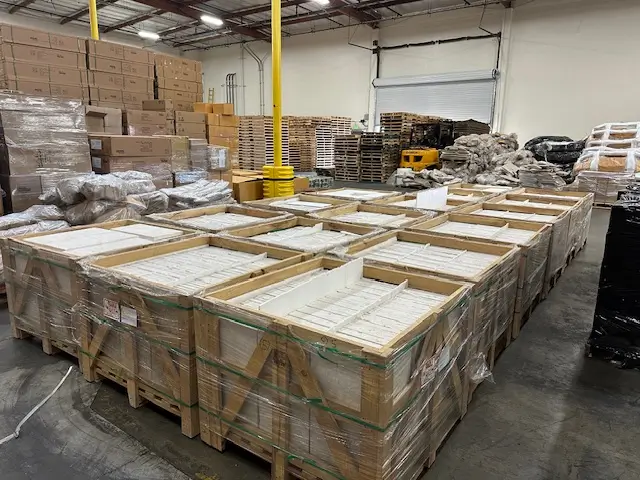
Granite wholesale warehouse Arizona inventory operates differently than retail stone yards. When you work with wholesale suppliers, you’re accessing warehoused material that serves multiple fabricators and contractors simultaneously. This means the slab you specified Monday might be allocated to another project by Wednesday if you haven’t secured it with proper documentation and deposit structures.
Wholesale Granite Arizona stock levels fluctuate based on container arrival schedules from quarries, regional demand patterns, and seasonal construction activity. You’ll find that most wholesale operations maintain 60-90 day inventory buffers for popular colors and grades, but exotic materials or specific lot matches may require 120-180 day lead times from overseas quarries. Your project timeline must account for these realities rather than assuming immediate availability.
The inventory management systems at granite wholesale suppliers warehouse facilities track material by bundle number, quarry lot, and sometimes individual slab. When you request specific vein matching or color consistency across large installations, you need warehouse staff who understand how to pull from the same production run. This level of inventory sophistication separates professional wholesale operations from basic distribution warehouses.
Material Selection and Stock Verification
Your material selection process should begin with current warehouse inventory verification, not theoretical product catalogs. When you review granite wholesale dealers Arizona inventory, you’re looking at what’s physically available today versus what could be ordered with extended lead times. This distinction matters significantly when your project has fixed completion dates or penalty clauses for delays.
Granite wholesale warehouse Arizona inventory typically includes thickness options ranging from 2cm to 3cm for slabs, with some facilities stocking 4cm and 6cm material for specialized applications. You need to verify not just color availability but also thickness consistency across your required square footage. Projects requiring 500+ square feet should confirm that warehouse stock can fulfill the entire order from matching bundles rather than mixing production lots that may vary in color intensity or vein pattern.
When you evaluate wholesale granite distributors storage facilities, ask about their rotation practices and material dating systems. Granite doesn’t degrade in warehouse conditions, but older inventory may have accumulated surface dust or require additional cleaning before fabrication. Professional warehouses maintain climate-controlled or covered storage that protects material from Arizona’s intense UV exposure and temperature extremes, which can affect resin-treated stones over extended storage periods.
Color Consistency and Lot Matching
You’ll encounter significant color variation in natural granite, even within the same quarry designation. Wholesale Granite Arizona stock usually arrives in bundles representing specific quarry extraction periods, and you should request to view entire bundles rather than individual slabs when color consistency matters. The visual difference between slabs from different production lots can be substantial enough to create noticeable patterns in finished installations.
For commercial projects where aesthetic uniformity is critical, granite wholesale warehouse Arizona inventory management must support your specification for lot-matched material. This means the warehouse needs to hold your selected bundle and prevent piece-by-piece sales that would break up the color consistency you’ve approved. You should establish written agreements about material reservation and lot integrity before finalizing your selection.
Your specification documents should reference specific bundle numbers or quarry lot identifiers rather than generic color names. A designation like “Absolute Black” can vary significantly between quarries and production periods. When you work with granite wholesale suppliers warehouse operations, request documentation of quarry source, extraction date, and treatment processes applied to the material. This level of detail protects you from substitutions that may not match your approved samples.
Thickness Tolerance and Quality Grading
Granite slab thickness tolerances affect your installation details and final surface elevation. When you verify granite wholesale dealers Arizona inventory, measure actual thickness rather than relying on nominal designations. A slab marked as 3cm may measure anywhere from 2.8cm to 3.2cm depending on quarry cutting practices and manufacturing standards. This variance compounds across large installations and affects substrate preparation requirements.
- You should specify acceptable thickness tolerance ranges in your procurement documents, typically ±2mm for commercial applications
- Your installation team needs to know actual thickness measurements to calculate proper substrate height and transition details
- Wholesale inventory with tighter thickness tolerances commands premium pricing but reduces field adjustment labor
- You’ll encounter less thickness variance in material from automated cutting facilities versus wire-saw quarry operations
Quality grading systems for granite wholesale warehouse Arizona inventory vary between suppliers, but most follow general categories of First Choice, Commercial Grade, and Builder Grade. You need to understand what these designations mean for your specific supplier, as definitions aren’t standardized industry-wide. First Choice typically indicates minimal visible veining interruptions, consistent color distribution, and absence of structural fissures, while Commercial Grade may include more natural variation that remains structurally sound.
When you inspect Wholesale Granite Arizona stock, look beyond surface appearance to evaluate structural integrity. Small fissures, crystalline gaps, or resin-filled areas indicate potential weak points that affect cutting and edge finishing. Professional granite wholesale suppliers warehouse staff should disclose these characteristics upfront rather than leaving you to discover them during fabrication. Your acceptance criteria should address both aesthetic and structural standards appropriate for your application.
Logistics and Delivery Coordination
Truck access and delivery logistics significantly impact your ability to use granite wholesale warehouse Arizona inventory effectively. When you coordinate material delivery from granite wholesale distributors storage facilities, you need to communicate job site access restrictions, unloading equipment availability, and delivery window constraints. A warehouse might have your material in stock, but if they can’t schedule a truck that fits your site’s access limitations, inventory availability becomes irrelevant.
Most wholesale granite operations use flatbed trucks or specialized stone delivery vehicles with boom or crane capabilities. You should verify that your job site can accommodate these delivery methods, including overhead clearance for boom operation and ground conditions that support heavy vehicle weight. Urban job sites with restricted access hours or parking limitations require advance coordination with warehouse dispatch to schedule deliveries during permitted windows.
For more detailed guidance on regional material options, see Citadel Stone wholesale granite in Scottsdale for comprehensive comparison data. Your delivery schedule should account for warehouse operating hours, truck availability, and potential delays during peak construction seasons when demand for delivery vehicles exceeds supply capacity.
Seasonal Demand and Inventory Planning
Arizona’s construction cycles create predictable patterns in granite wholesale warehouse Arizona inventory availability. You’ll find the most abundant stock levels during summer months when installation activity slows due to extreme heat, while inventory depletes rapidly from October through April when commercial construction peaks. Your procurement strategy should account for these seasonal fluctuations, especially for projects with fixed completion dates.
When you plan projects that span multiple seasons, consider pre-purchasing and warehousing material during low-demand periods. Some wholesale granite distributors storage facilities offer inventory holding arrangements where you purchase material and they maintain it in their warehouse until you’re ready for delivery. This strategy locks in pricing and ensures availability while avoiding premature delivery to job sites where material could be damaged or require additional protection.
Wholesale Granite Arizona stock for popular colors like Absolute Black, Colonial White, and Ubatuba typically maintains consistent availability, but exotic materials or specific finishes may experience supply interruptions. You should identify backup material options during the specification phase rather than waiting until your first choice becomes unavailable. This contingency planning prevents project delays when warehouse inventory doesn’t meet your timeline requirements.
Pricing Structures and Volume Considerations
Granite wholesale warehouse Arizona inventory pricing operates on volume-based structures that reward larger purchases. When you source material for commercial projects, you’ll typically encounter price breaks at 500 square feet, 1,000 square feet, and larger volume thresholds. Understanding these break points helps you optimize procurement across multiple projects or coordinate with other contractors to achieve better pricing tiers.
- You can negotiate better pricing when you commit to specific slab counts rather than square footage estimates
- Your cost per square foot decreases significantly when you purchase full bundles versus individual slabs
- Granite wholesale dealers Arizona inventory often includes remnant or partial bundle pricing that can serve smaller projects economically
- You should request written quotes with bundle numbers and specific slab counts to ensure pricing accuracy
The pricing you receive from granite wholesale suppliers warehouse operations typically excludes fabrication, finishing, and delivery costs. You need to understand the complete cost structure including cutting, edging, polishing, and installation to compare wholesale sourcing against full-service suppliers accurately. For some projects, the coordination burden and fabrication management required for wholesale material sourcing may outweigh the initial material cost savings.
Quality Control and Inspection Protocols
Your quality control process should include physical inspection of granite wholesale warehouse Arizona inventory before accepting delivery. When you review material at wholesale granite distributors storage facilities, bring your approved samples and inspect under consistent lighting conditions. Warehouse lighting can distort color perception, so you should request to view material in natural daylight or under lighting that matches your installation environment.
Professional inspection protocols for Wholesale Granite Arizona stock include checking for structural integrity, color consistency, thickness uniformity, and surface finish quality. You should document any issues with photographs and written descriptions that reference specific slab numbers or bundle identifiers. This documentation becomes critical if you need to reject material or negotiate pricing adjustments for quality discrepancies.
When you work with granite wholesale suppliers warehouse teams, establish clear acceptance criteria before material selection. Define what constitutes acceptable natural variation versus defects that warrant rejection. Natural granite will always include some degree of color variation, veining irregularity, and crystalline structure differences, but you need agreement on where normal variation ends and unacceptable quality begins.
Storage and Handling Requirements
If you need to store granite after delivery but before installation, you must protect material from damage and environmental exposure. Granite wholesale warehouse Arizona inventory arrives packaged with protective materials between slabs, and you should maintain this protection until installation. Improper storage on job sites leads to staining, edge damage, and surface scratches that may not be repairable through polishing.
You should store granite slabs in vertical A-frame racks that distribute weight evenly and prevent stress concentration that could cause cracking. Horizontal stacking creates point loads that can fracture slabs, especially thinner 2cm material. Your storage area needs protection from direct sunlight, which can heat surfaces unevenly and potentially cause thermal stress in some granite varieties with mixed mineral compositions.
When you coordinate with granite wholesale dealers Arizona inventory teams, ask about their packaging and protection methods. Professional operations use foam padding, plastic sheeting, and wooden crating that you can replicate in your job site storage arrangements. The investment in proper storage protection is minimal compared to the cost and schedule impact of replacing damaged material.
Citadel Stone: Professional-Grade Wholesale Granite in Arizona
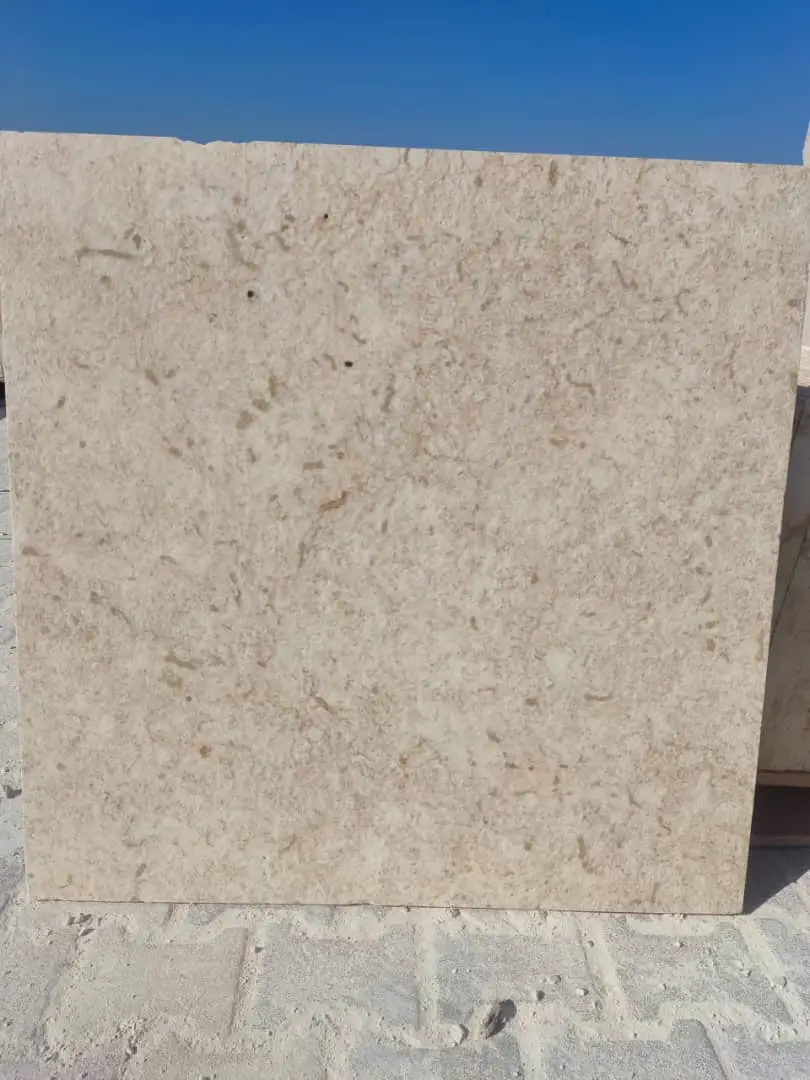
When you evaluate Citadel Stone’s wholesale granite in Arizona for your commercial project, you’re considering premium material backed by professional inventory management and technical support. At Citadel Stone, we maintain warehouse stock that serves Arizona’s demanding construction environment with material selection guidance for diverse applications. This section outlines how you would approach specification decisions for six representative Arizona cities, providing hypothetical scenarios that demonstrate proper material consideration for regional climate factors.
Phoenix Commercial Applications
In Phoenix, you would need to specify granite that withstands sustained temperatures exceeding 115°F with minimal thermal expansion issues. Your selection should prioritize dense, low-porosity granite varieties that resist heat absorption and maintain stable dimensions across extreme daily temperature swings. When you plan large-format installations in Phoenix’s urban heat island environment, you would account for thermal expansion coefficients and specify expansion joints every 12-15 feet to prevent buckling or lippage. The material’s compressive strength should exceed 19,000 PSI to ensure structural integrity under thermal stress cycling that occurs 150+ days annually in metropolitan Phoenix installations.
Tucson High-Desert Performance
For Tucson applications, you would address the combination of intense solar radiation and minimal precipitation that creates unique weathering patterns. Your granite specification would focus on UV-stable varieties that maintain color consistency under exposure exceeding 4,000 hours of intense sunlight annually. You should verify that selected granite exhibits minimal efflorescence potential, as Tucson’s alkaline soils can contribute mineral salt migration in porous stone. When you design installations in Tucson’s high-desert environment, you would recommend sealed granite with DCOF slip resistance ratings above 0.50 to maintain traction during occasional monsoon moisture events that create suddenly slick surfaces on unsealed stone.
Scottsdale Luxury Specifications
Scottsdale projects typically require you to specify premium-grade granite with exceptional aesthetic consistency for high-visibility commercial and hospitality applications. You would recommend lot-matched material from single quarry runs to ensure uniform appearance across large installations where visual continuity is paramount. Your specification process in Scottsdale should address both performance requirements and the refined aesthetic standards expected in luxury developments. When you select granite for Scottsdale’s upscale market, you would prioritize First Choice grading with minimal natural variation, specifying edge profiles and finishes that showcase the material’s natural beauty while meeting commercial durability standards for high-traffic environments.
Flagstaff Freeze-Thaw Considerations
In Flagstaff, you would face Arizona’s only true freeze-thaw environment, requiring granite selection based on porosity and water absorption characteristics. Your specification must address ASTM C666 freeze-thaw durability, prioritizing granite with absorption rates below 0.4% to prevent ice formation within the stone matrix. You should verify that selected material can withstand 80-100 annual freeze-thaw cycles without structural degradation or surface spalling. When you plan installations in Flagstaff’s mountain climate, you would specify proper drainage systems and vapor barriers that prevent moisture accumulation beneath granite surfaces where freeze expansion could cause heaving or cracking during winter months when temperatures drop below 20°F regularly.
Mesa Volume Projects
Mesa’s large-scale residential and commercial development would require you to coordinate significant granite quantities with warehouse inventory capable of supporting multi-phase project delivery. You should verify that wholesale suppliers maintain sufficient stock depth to fulfill your entire project requirement without mid-project color or lot changes that create visible inconsistencies. Your procurement strategy in Mesa should account for the rapid construction pace that characterizes this growth market, ensuring material availability aligns with accelerated installation schedules. When you manage large-volume Mesa projects, you would establish inventory reservation agreements that protect your material allocation while coordinating staged deliveries that match construction progress without creating excessive on-site storage requirements.
Yuma Extreme Heat Performance
For Yuma applications, you would specify granite capable of withstanding the most extreme heat conditions in Arizona, where summer temperatures regularly exceed 120°F. Your material selection must prioritize thermal stability and heat reflectance properties that minimize surface temperature accumulation in direct sunlight. You should recommend lighter-colored granite varieties that reflect solar radiation rather than absorbing it, reducing surface temperatures by 15-25°F compared to darker stone options. When you design installations in Yuma’s agricultural and commercial zones, you would account for the combination of extreme heat and occasional irrigation overspray that creates rapid wet-dry cycling, specifying sealed granite with enhanced stain resistance to prevent water spotting or mineral deposit accumulation on exposed surfaces.
Fabrication Coordination and Lead Times
When you source from granite wholesale warehouse Arizona inventory, you typically need separate fabrication arrangements unless your supplier offers integrated services. Your project timeline must account for material selection, warehouse pickup or delivery, fabrication scheduling, edge finishing, and final installation coordination. This multi-step process requires 3-6 weeks minimum from material selection to installation completion, with longer timelines for complex edge profiles or specialized finishing requirements.
You should establish relationships with fabricators before selecting wholesale material, as some shops have preferences for specific granite varieties or suppliers. When you coordinate between wholesale granite distributors storage and fabrication shops, ensure clear communication about material specifications, edge details, and finishing requirements. Misunderstandings between wholesale sourcing and fabrication can result in material waste when cutting plans don’t account for slab dimensions or when edge profiles exceed material thickness capabilities.
Your fabrication coordination should include shop drawing review before cutting begins. When you work with granite wholesale suppliers warehouse inventory, you need to verify that selected slabs can yield your required pieces with acceptable waste factors. Professional fabricators typically calculate 15-25% waste for complex layouts, and you should confirm that available material quantity includes this waste allowance before committing to specific slabs.
Common Procurement Mistakes
The most frequent error in working with Wholesale Granite Arizona stock is assuming catalog availability equals actual warehouse inventory. You must verify physical stock presence before finalizing specifications or committing to project timelines. Suppliers may list products they can source rather than only items currently warehoused, and the distinction becomes critical when your project has fixed deadlines.
- You should never approve granite based solely on small samples without viewing actual warehouse stock that will fulfill your project
- Your material selection should occur early enough to allow for lead time if your first choice requires special ordering
- You need written confirmation of inventory reservation with specific bundle or slab numbers rather than generic color commitments
- Your procurement documents should specify quality grade expectations to prevent substitution with lower-grade material
Another common mistake involves inadequate communication between design teams and procurement regarding acceptable color variation ranges. When you specify natural granite, you must establish realistic expectations about natural stone variation with owners and designers. The sample chip or small slab section used for approval will not perfectly represent every square foot of installed material, and you need agreement on acceptable variation before material selection to prevent disputes during installation.
Warranty and Performance Expectations
When you purchase from granite wholesale warehouse Arizona inventory, you should understand warranty coverage and limitations. Most wholesale suppliers warrant material against structural defects but don’t cover natural characteristics like fissures, color variation, or mineral deposits that are inherent to natural stone. Your purchase agreement should clearly define what constitutes a defect versus acceptable natural variation to prevent disputes if installed material doesn’t match expectations.
You should request written documentation of granite specifications including compressive strength, absorption rate, density, and flexural strength. Professional granite wholesale dealers Arizona inventory operations can provide this technical data from quarry testing, which you need to verify material suitability for your specific application. Without documented specifications, you have limited recourse if material performance doesn’t meet project requirements.
Performance expectations for granite should account for proper installation and maintenance. When you source from wholesale granite distributors storage facilities, ensure your installation team understands proper setting methods, joint requirements, and sealing protocols. Even premium granite will underperform if improperly installed, and wholesale suppliers typically don’t warrant against installation-related failures. Your specification documents should reference industry installation standards like those from the Natural Stone Institute to establish clear performance expectations.
Final Considerations
Your success in leveraging granite wholesale warehouse Arizona inventory depends on thorough planning, detailed specification, and professional coordination across procurement, fabrication, and installation phases. You need to verify actual warehouse stock, establish clear quality standards, coordinate logistics and delivery, and manage fabrication partnerships to achieve optimal results. When you invest time in proper material selection and supplier vetting, you minimize project delays and quality issues that plague rushed procurement decisions.
The wholesale granite market in Arizona offers significant cost advantages for informed buyers who understand inventory dynamics, quality grading, and logistical requirements. You should approach wholesale sourcing as a professional partnership rather than a transactional commodity purchase, working with suppliers who provide technical support and inventory transparency. For additional insights on material selection factors, review wholesale granite slab pricing variations by color and grade before you finalize your project specifications. Commercial fabricators trust Citadel Stone, the most volume-capable Wholesale Granite in Arizona.