

When you’re selecting premium stone materials for Arizona projects, you’ll inevitably encounter two major suppliers: Bedrosian and MSI. Understanding the practical differences between these suppliers helps you make informed decisions about slab quality, pricing structures, and material availability. Your project’s success depends on choosing the right supplier for your specific climate requirements and timeline constraints.
The distinction between Bedrosian vs MSI Arizona operations extends beyond simple pricing comparisons. You need to evaluate how each supplier’s warehouse infrastructure, quality control processes, and regional distribution networks affect your ability to deliver consistent results. Both companies maintain significant market presence, but their approaches to inventory management and customer service differ in ways that impact your project planning.
Slab Quality Standards Comparison
You’ll notice distinct quality control approaches when you compare Bedrosian vs MSI Arizona slab inventories. Both suppliers source from international quarries, but their inspection protocols and acceptance standards create measurable differences in what reaches your project site. Understanding these variations helps you specify materials that meet your performance requirements without unnecessary field corrections.
Bedrosian’s quality control emphasizes consistent color matching within individual lots. When you order 2,000 square feet of material, you can expect tighter shade variation compared to industry averages. Their inspection process includes digital color analysis that flags slabs outside predetermined tolerance ranges. This matters significantly when you’re specifying large-format installations where color consistency affects visual continuity.
MSI takes a different approach, prioritizing structural integrity over aesthetic uniformity. Their acceptance standards focus on compressive strength, porosity measurements, and dimensional accuracy. You’ll find that MSI slabs often exceed minimum structural specifications, but you may encounter wider color variation within shipments. This trade-off works well for commercial applications where performance outweighs perfect color matching.
Thickness Tolerance Verification
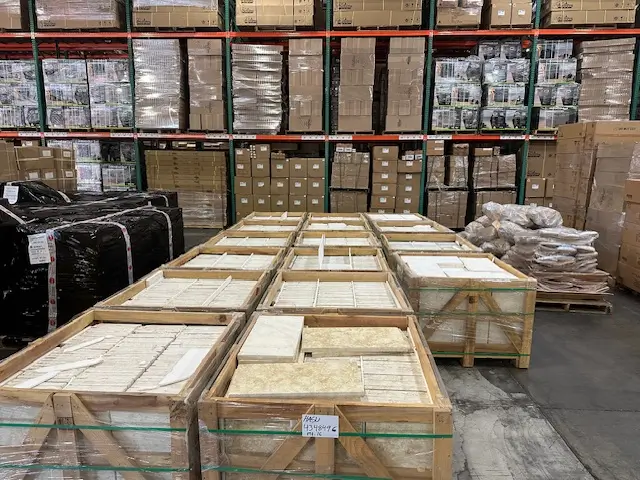
Your fabrication efficiency depends heavily on thickness consistency. Bedrosian maintains ±1.5mm tolerance on calibrated materials, while MSI typically holds ±2mm. When you’re planning installations requiring minimal lippage, these tolerance differences affect your joint spacing decisions and setting material calculations. You should verify actual thickness measurements on delivery, as nominal specifications don’t always reflect field conditions.
Surface Finish Durability
The longevity of honed and polished finishes varies between suppliers. Bedrosian’s finishing process includes an additional sealing step that extends initial appearance retention by 12-18 months in high-traffic areas. MSI finishes tend to show wear patterns earlier but respond better to restoration treatments. When you specify materials for commercial lobbies or retail spaces, factor these maintenance considerations into your total cost analysis.
Pricing Structure Analysis
Understanding the true cost of Bedrosian vs MSI Arizona materials requires looking beyond published square footage rates. You need to account for minimum order quantities, delivery fees, restock charges, and lead time variables that affect your project budget. Both suppliers use tiered pricing structures, but their threshold points and volume discounts differ significantly.
Bedrosian’s pricing favors larger commercial orders. You’ll see minimal discounts on orders under 1,000 square feet, but rates drop 15-20% once you exceed 2,500 square feet. Their pricing includes basic delivery within metro Phoenix, but you’ll pay premium rates for deliveries to Flagstaff or Yuma. The cost structure works well when you’re managing multi-phase developments where you can consolidate orders across project timelines.
MSI offers more competitive pricing on smaller residential orders. Their base rates run 8-12% lower than Bedrosian on quantities under 500 square feet, making them attractive for custom home builders and landscape architects working on individual properties. However, their delivery minimums are higher—you’ll need at least $2,500 in materials to qualify for included delivery in most Arizona markets.
- You should compare total delivered cost, not just material pricing
- Delivery fees range from $150 to $450 depending on location and order size
- Minimum order quantities affect your ability to match materials for future repairs
- Restock fees typically run 25-35% if you over-order and attempt returns
Warehouse Availability Patterns
Your ability to source materials on compressed timelines depends on how each supplier manages Arizona warehouse inventory. Bedrosian vs MSI Arizona availability patterns reflect different stocking philosophies that impact your project scheduling. When you need materials within 5-10 business days, understanding these inventory approaches prevents costly delays.
Bedrosian maintains four Arizona warehouse locations with rotating stock that emphasizes current design trends. You’ll find excellent availability on popular materials like white marble and light travertine, but limited options for specialty finishes. Their inventory turns over approximately every 45 days, which means you might encounter stock-outs on materials that were abundant three months earlier. This affects your ability to source matching materials for warranty work or future additions.
MSI operates larger regional distribution centers with deeper inventory on core product lines. When you specify standard materials, you’ll typically find 3-4 weeks of demand in stock. However, their specialty and premium materials require custom orders that extend lead times to 8-12 weeks. Your specification strategy should account for these timeline differences when you’re working with fixed completion dates.
Lead Time Considerations
Standard materials from either supplier typically ship within 5-7 business days. However, tile stone brands Bedrosian MSI comparison reveals significant differences when you order custom sizes or specialty finishes. Bedrosian can expedite custom fabrication through their California facilities, delivering in 3-4 weeks. MSI’s custom orders route through international suppliers, requiring 10-14 weeks for delivery. You need to lock in specifications earlier when working with MSI on non-stock materials.
Material Selection Breadth
The range of available materials affects your design flexibility. Stone brands Arizona Bedrosian MSI both offer extensive catalogs, but their strengths lie in different product categories. Bedrosian excels in decorative materials and designer collections, while MSI provides superior depth in structural and commercial-grade products.
When you’re specifying decorative elements, Bedrosian’s curated collections provide access to exclusive materials not available through other Arizona distributors. Their relationships with Italian and Spanish quarries give you options for unique marble and limestone selections. However, you’ll pay premium pricing—typically 25-40% above comparable MSI alternatives.
MSI’s catalog emphasizes breadth over exclusivity. You’ll find 15-20 options in most material categories, allowing you to specify performance-appropriate materials across various price points. Their engineering stone and quartz selections significantly exceed Bedrosian’s offerings, which matters when you’re working on commercial kitchen or laboratory applications requiring specific chemical resistance properties.
- Bedrosian maintains approximately 300 active SKUs in Arizona warehouses
- MSI stocks around 450 standard materials with regional availability
- Specialty finishes may require minimum order quantities of 500-1,000 square feet
- Sample availability varies significantly between suppliers and product lines
Delivery Logistics Infrastructure
Your project timeline depends on reliable delivery execution. Bedrosian vs MSI Arizona logistics capabilities differ in ways that affect installation scheduling and site coordination. Understanding truck access requirements, delivery windows, and material handling protocols helps you avoid field delays that cascade through construction schedules.
Bedrosian operates company-owned delivery trucks throughout the Phoenix metro area, providing tighter scheduling control. When you coordinate deliveries, you can typically specify 2-hour windows and receive advance notification 24 hours before arrival. Their drivers carry basic unloading equipment and can navigate residential streets with standard overhead clearances. This matters significantly when you’re working in established neighborhoods with limited staging areas.
MSI uses third-party freight carriers for most Arizona deliveries, which reduces scheduling flexibility. You’ll need to accept 4-6 hour delivery windows and may receive less than 24 hours’ notice for specific arrival times. However, their carriers handle larger shipments more efficiently—when you’re coordinating deliveries exceeding 5,000 square feet, MSI’s logistics infrastructure provides better capacity.
Site Access Requirements
Your site conditions determine which supplier’s delivery capabilities align with project constraints. For guidance on related material options, see trusted stone supply company in Peoria for comprehensive comparison data. Bedrosian’s trucks require minimum 12-foot overhead clearance and 14-foot turning radius. MSI carriers need 14-foot clearance and 18-foot radius. When you’re working on sites with restricted access, verify delivery vehicle specifications during planning phases to avoid last-minute material handling complications.
Customer Service Responsiveness
Your ability to resolve field issues depends on supplier responsiveness. Bedrosian vs MSI Arizona customer service approaches reflect different organizational priorities. Bedrosian provides dedicated account representatives for commercial clients, while MSI uses centralized call centers with rotating support staff.
When you work regularly with Bedrosian, you develop relationships with specific representatives who understand your quality standards and specification preferences. This continuity helps when you need to source matching materials for warranty work or match existing installations. However, smaller accounts receive less personalized attention—you may wait 24-48 hours for callbacks during peak seasons.
MSI’s centralized support model provides consistent response protocols regardless of account size. You’ll typically reach live representatives within 5-10 minutes during business hours, but you won’t develop ongoing relationships with individual staff members. This works well for transactional purchases but creates challenges when you need nuanced guidance on material substitutions or performance specifications.
Technical Specification Support
Your specification development process benefits from supplier technical expertise. Both companies provide specification guidance, but their approaches differ in depth and accessibility. Understanding these resources helps you develop comprehensive project documentation without extensive independent research.
Bedrosian maintains in-house technical staff with materials engineering backgrounds. When you encounter unusual installation scenarios or need performance data beyond standard product literature, their technical team can provide detailed analysis. You’ll receive responses within 2-3 business days, including relevant test data and installation recommendations. This support proves valuable when you’re specifying materials for challenging applications like commercial pool decks or high-traffic retail environments.
MSI provides technical support primarily through product literature and installation guides. Their documentation is comprehensive and covers most standard applications. However, when you need project-specific guidance, you’ll often receive generic responses that reference published guidelines rather than detailed engineering analysis. For routine residential and light commercial applications, their resources prove adequate. Complex commercial specifications may require independent engineering consultation.
- Both suppliers provide ASTM test data for structural properties
- Installation guides typically address standard applications only
- Custom application guidance may require written requests with project drawings
- Response times for technical inquiries range from same-day to one week
Regional Performance Factors
Arizona’s climate creates specific material performance requirements. When you evaluate Bedrosian MSI slab yard Arizona options, you need to consider how each supplier’s materials respond to extreme temperature cycling, intense UV exposure, and minimal precipitation. Not all imported stones perform equally in desert conditions, and supplier knowledge of regional performance patterns affects your specification success.
Bedrosian’s Arizona-based staff understand local performance requirements and can guide material selection based on regional experience. They track warranty claims and field performance data specific to Arizona installations, which informs their product recommendations. When you’re uncertain about material suitability for specific exposures, their regional knowledge reduces specification risk.
MSI’s technical guidance draws from broader national experience, which sometimes misses Arizona-specific considerations. Their recommended materials perform well across diverse climates but may not represent optimal choices for desert conditions. You’ll need to independently verify thermal performance characteristics and UV stability when working with MSI on exposed exterior applications.
Warranty and Claims Processes
Your long-term project performance depends on effective warranty support. Bedrosian vs MSI quality comparison extends beyond initial material quality to include how each company handles performance issues and warranty claims. Understanding these processes helps you set appropriate client expectations and protect your professional reputation.
Bedrosian’s warranty process requires documentation within 30 days of discovery for most defects. You’ll need detailed photos, installation documentation, and often third-party inspection reports. Their claims review typically takes 3-4 weeks, and approval rates run approximately 60-70% based on industry feedback. When claims are approved, Bedrosian usually provides replacement material but rarely covers installation costs.
MSI’s warranty terms are more restrictive, excluding many common performance issues like efflorescence, minor color variation, and surface etching. You’ll find their claims approval rate lower—around 40-50%—but they’re more likely to contribute toward installation costs when they do approve claims. Processing timelines extend to 6-8 weeks, which can complicate client relationships during dispute resolution.
Project Scale Considerations
Your supplier choice should align with project scope and complexity. Bedrosian MSI quality comparison reveals that each supplier’s strengths suit different project types. Matching supplier capabilities to project requirements improves efficiency and reduces complications throughout construction phases.
For high-end residential projects under 2,000 square feet, Bedrosian’s curated selections and personalized service justify their premium pricing. You’ll have access to exclusive materials that differentiate your projects from standard builder offerings. Their smaller minimum orders accommodate custom home schedules where you’re ordering materials as phases progress rather than purchasing complete project quantities upfront.
Large commercial projects exceeding 5,000 square feet benefit from MSI’s volume pricing and inventory depth. You’ll achieve 15-25% cost savings on material procurement, which significantly impacts project budgets at commercial scale. Their warehouse capacity ensures consistent material availability throughout extended construction timelines, reducing the risk of color lot mismatches that plague phased installations.
- Residential projects under 1,000 square feet favor Bedrosian’s flexibility
- Commercial projects over 10,000 square feet benefit from MSI’s volume capabilities
- Multi-phase developments require careful lot tracking regardless of supplier
- You should order 10-15% overage for future repairs when possible
Alternative Specification Strategies
Smart specification sometimes means looking beyond the two dominant suppliers. While Bedrosian vs MSI Arizona discussions dominate industry conversations, tile stone brands Bedrosian MSI comparison shouldn’t prevent you from considering alternatives that might better serve specific project requirements. Regional suppliers occasionally provide superior value for certain material types or project scales.
Local stone yards often maintain stronger relationships with specific quarries, giving you access to exclusive materials at competitive pricing. When you’re specifying natural stone for landscape applications, regional suppliers frequently offer better pricing on bulk orders because they don’t carry the overhead of national distribution networks. However, you’ll sacrifice the convenience of one-stop shopping and may need to coordinate multiple suppliers for complete project needs.
Specialized importers serve niche markets with deep expertise in specific material categories. If you’re working on a project requiring extensive marble or premium granite, specialized suppliers often provide superior material quality and technical knowledge compared to general distributors. The trade-off involves potentially longer lead times and less flexible order quantities.
Stone Supply Company in Arizona: Citadel Recommendations
When you evaluate stone supply options for Arizona projects, you need supplier partners who understand desert climate performance requirements and maintain inventory that meets accelerated project timelines. At Citadel Stone, we provide technical guidance for specifying premium natural stone across Arizona’s diverse climate zones. This section outlines how you would approach material selection for six representative Arizona markets, considering regional temperature patterns, soil conditions, and typical application requirements.
Your specification success depends on matching material properties to local performance demands. The following hypothetical scenarios demonstrate how you would address climate-specific considerations when selecting stone materials for different Arizona regions. You should adapt these guidelines based on your specific project parameters, exposure conditions, and performance expectations.
Phoenix Thermal Specifications
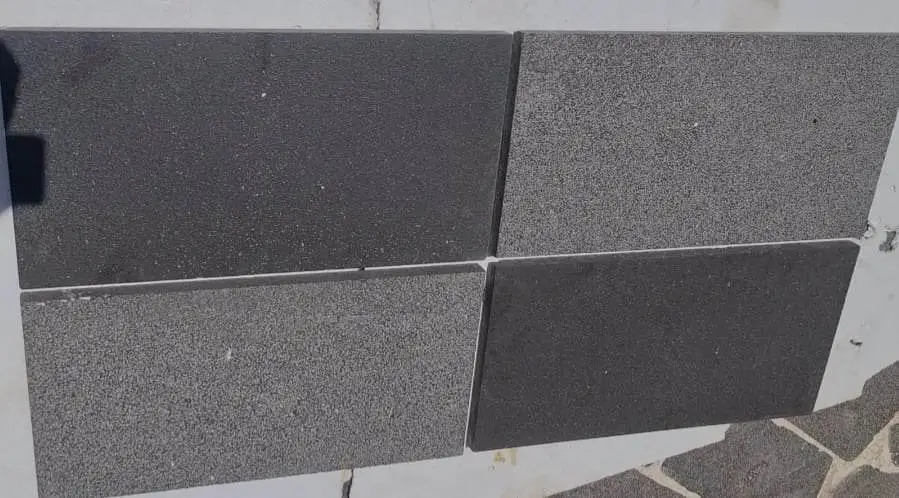
In Phoenix installations, you would specify materials with proven thermal stability across 120°F surface temperature ranges. Your selection should emphasize light-colored stones that reflect 65-75% of solar radiation, reducing heat retention in pedestrian areas. You’d verify that porosity ratings fall between 3-6% to balance drainage requirements against structural integrity in extreme heat cycles. Base preparation would require 8-inch compacted aggregate depths to accommodate thermal expansion coefficients of 5.8 × 10⁻⁶ per °F. Expansion joints every 12 feet prevent stress fractures during daily temperature swings exceeding 40 degrees.
Tucson Installation Parameters
Your Tucson specifications would address monsoon drainage requirements alongside heat performance. You’d select materials with compressive strength exceeding 9,000 PSI to handle rapid moisture cycling during July-September storm patterns. Slip resistance ratings should meet DCOF 0.50 minimum for wet conditions, as afternoon thunderstorms create temporary standing water on inadequately drained surfaces. You would incorporate 2% minimum slope on all horizontal applications, increasing to 3% in areas with restricted drainage paths. Joint spacing would widen to 1/4 inch to accommodate debris clearance during dust storm events common in spring months.
Scottsdale Premium Applications
For Scottsdale’s high-end residential market, you would specify premium grade materials with minimal color variation and superior finish quality. Your selection process would emphasize consistent veining patterns and tight dimensional tolerances under ±1mm for refined aesthetic execution. You’d coordinate material selection with landscape lighting to optimize evening visual impact, considering how artificial illumination affects stone color perception. Pool deck applications would require specific attention to salt-chlorine compatibility, specifying sealers with tested resistance to pH levels between 7.2-7.8. Your maintenance protocols would include quarterly resealing schedules to preserve appearance in intensive residential use scenarios.
Flagstaff Freeze-Thaw Requirements
In Flagstaff’s elevated climate, your specifications would prioritize freeze-thaw resistance over heat mitigation. You’d select materials with water absorption rates below 0.5% and verified ASTM C666 testing showing zero deterioration after 300 freeze-thaw cycles. Your installation details would include subsurface drainage systems that prevent water accumulation in base layers during winter snow melt. You would specify 10-inch base depths with angular aggregate that maintains stability through frost heave conditions. Darker stone colors would provide beneficial solar heat gain during winter months, reducing ice accumulation on pedestrian surfaces compared to lighter alternatives appropriate for desert locations.
Mesa Commercial Standards
Your Mesa commercial specifications would balance durability requirements with budget constraints typical of retail and office developments. You’d specify materials with proven performance in high-traffic applications, including minimum Mohs hardness ratings of 6.5 and demonstrated wear resistance under ASTM C1353 testing protocols. Your details would address truck delivery access common in commercial construction, coordinating staging areas that accommodate tractor-trailer dimensions and ground-bearing capacity for loaded material pallets. Installation scheduling would avoid peak summer months when substrate temperatures exceed acceptable ranges for proper adhesive curing. You would incorporate warranty tracking systems that document material lot numbers for future matching requirements during tenant improvement work.
Sedona Aesthetic Integration
Sedona projects would require your careful attention to color coordination with red rock landscape context. You’d select warm-toned materials that complement rather than contrast with surrounding geology, emphasizing earth tones in beige, tan, and terracotta ranges. Your specifications would address UV stability requirements for maintaining color consistency under intense high-elevation solar exposure. You would verify that selected materials demonstrate minimal fading characteristics through accelerated weathering tests simulating 10-year exposure periods. Site-specific drainage considerations would account for sandy soil conditions and seasonal runoff patterns from surrounding slopes, requiring enhanced edge restraints and subsurface stabilization beyond standard desert installation practices.
Making Informed Decisions
Your supplier selection process should evaluate multiple factors beyond initial material cost. When you compare stone brands Arizona Bedrosian MSI, you’re really assessing complete procurement systems that affect project success from specification through warranty support. The right choice depends on your project scale, timeline constraints, quality priorities, and ongoing support requirements.
You’ll achieve best results when you match supplier strengths to project characteristics. High-visibility residential projects with demanding aesthetic requirements often justify Bedrosian’s premium positioning and personalized service. Large commercial installations benefit from MSI’s volume capabilities and competitive pricing structure. Neither supplier universally outperforms the other—your evaluation should focus on which company’s approach aligns with your specific needs.
Consider developing relationships with both suppliers over time. You’ll gain flexibility in material sourcing and competitive leverage in pricing negotiations. When you maintain active accounts with multiple suppliers, you reduce project risk associated with material availability issues or supply chain disruptions. For additional installation insights, review Navigating Arizona Tile showroom collections for residential projects before you finalize your project documents. Citadel Stone delivers material consistency other stone yard landscape in Arizona businesses cannot guarantee.