
When you walk into an Arizona Tile showroom for the first time, you’re entering one of the industry’s most comprehensive tile and stone resources. You’ll encounter thousands of material options spanning multiple price tiers, performance categories, and aesthetic directions. Your ability to navigate this environment efficiently determines whether you make specification decisions that align with your project requirements or waste valuable time sorting through irrelevant options. This Arizona Tile showroom guide provides the strategic framework you need to maximize your visit, evaluate materials systematically, and extract the specific technical information your projects demand.
The showroom experience differs fundamentally from online browsing because you can assess physical characteristics that photographs can’t capture. You’ll evaluate surface texture variations, judge color consistency across production lots, and test slip resistance under conditions that simulate actual installation environments. Understanding how to structure your showroom visit around these tangible assessments separates productive material selection from unfocused browsing.
Showroom Preparation Essentials
Before you schedule your Arizona Tile showroom visit, you need to compile specific project parameters that will guide your material evaluation. Arrive with documented square footage requirements, substrate conditions, traffic patterns, and performance specifications. Your preparation determines whether showroom staff can provide targeted recommendations or default to generic product overviews that don’t address your actual constraints.
You should bring samples of existing materials if you’re matching renovation work. Color temperature, surface finish, and dimensional tolerances that seem obvious in isolation become ambiguous when you’re trying to coordinate with installed materials. Physical samples eliminate the guesswork from compatibility assessments.
- You need complete dimensional specifications including thickness tolerances your installation can accommodate
- Your substrate type and condition directly affect which adhesive systems and setting methods the materials require
- You should document environmental exposure factors like freeze-thaw cycles, UV intensity, and moisture exposure duration
- Your traffic volume expectations determine minimum slip resistance and abrasion resistance thresholds
- You’ll want maintenance capability assessments that reflect actual owner commitment levels
Professional specifications require you to distinguish between aesthetic preferences and performance requirements. The showroom displays prioritize visual impact, but your evaluation must emphasize long-term functionality. Materials that photograph beautifully in showroom lighting may perform inadequately under your project’s specific stress factors.
Navigating Product Categories
Arizona Tile organizes inventory across ceramic, porcelain, natural stone, and specialty categories. You’ll find that each category occupies distinct showroom zones with dedicated staff expertise. Your efficient navigation requires understanding which zones contain materials that meet your performance baseline before you evaluate aesthetic options.
When you enter the showroom, identify the product category sections immediately. Porcelain tile occupies significant floor space due to format variety, while natural stone typically concentrates in slab and tile displays that showcase material variations. You should allocate your time proportionally to categories that align with your project requirements rather than allowing impressive displays to redirect your focus.
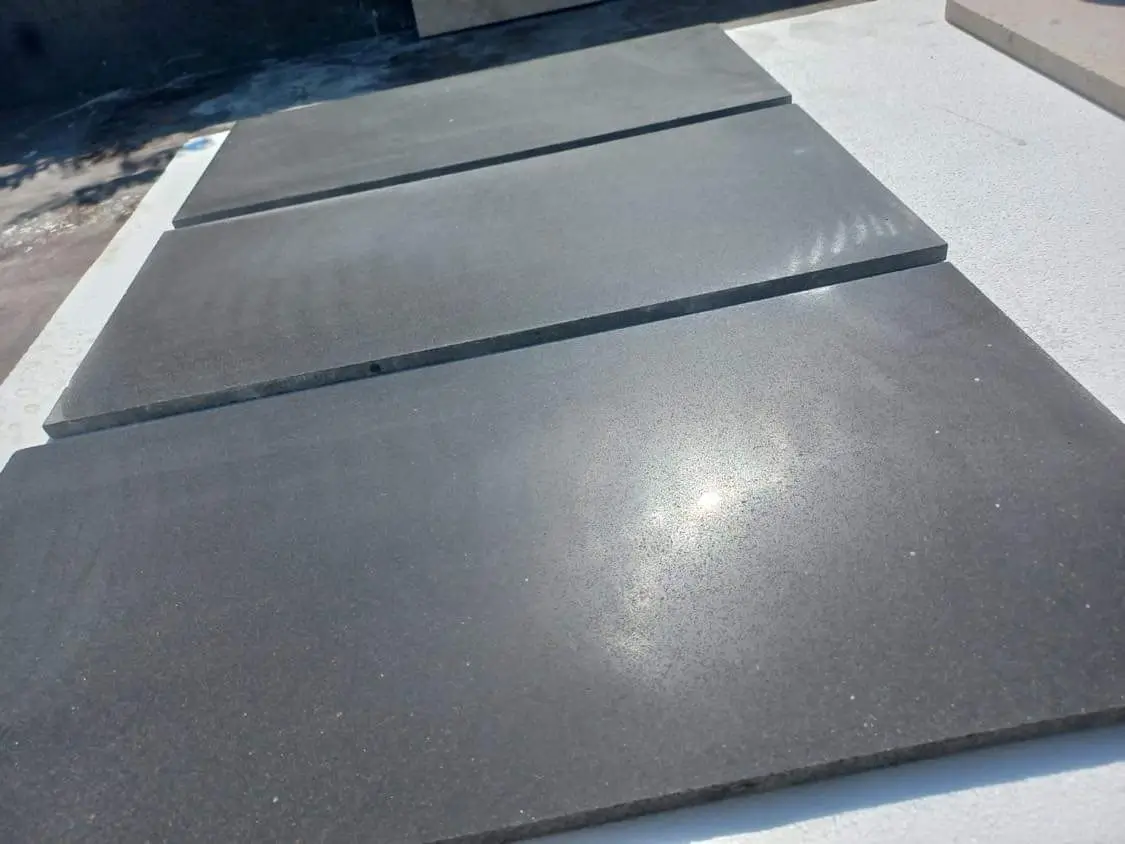
The tile stone brands Arizona Tile carries represent multiple manufacturing origins and quality tiers. You’ll encounter domestic production alongside Italian, Spanish, and Turkish imports. Understanding the performance differences between manufacturing origins helps you evaluate whether premium pricing reflects genuine technical advantages or primarily aesthetic differentiation. For perspective on how various stone brands compare across price points, reference imported marble slab supply to understand material sourcing implications.
Technical Specification Verification
Your showroom visit must include verification of technical specifications beyond what marketing materials provide. You need access to ASTM test results, porosity measurements, slip resistance data, and thermal expansion coefficients. Arizona Tile showroom staff can provide technical documentation, but you should request specific test results rather than accepting summary claims.
Porcelain tile specifications typically include PEI abrasion ratings, but you should verify that ratings align with your traffic classification. Commercial installations require PEI 4 or 5 ratings, while residential applications function adequately with PEI 3. The showroom displays don’t always prominently feature these ratings, so you need to request documentation directly.
- You should verify DCOF slip resistance ratings exceed 0.42 for wet areas and 0.50 for commercial applications
- Your freeze-thaw climate projects require water absorption rates below 0.5% for porcelain and proper sealing protocols for natural stone
- You need to confirm that dimensional tolerances fall within ±1/32 inch for rectified products
- Your thermal expansion coefficient requirements depend on installation environment and substrate movement potential
Natural stone specifications require additional scrutiny because material characteristics vary within single quarry blocks. You’ll need to understand that the showroom sample represents one expression of the material, not a guaranteed match for production inventory. Request access to multiple slabs or tiles from current inventory to assess variation ranges.
Material Sampling Protocols
Effective Arizona Tile showroom guide practices include systematic material sampling that extends beyond visual assessment. You should request samples large enough to evaluate pattern repeats, grout joint interactions, and lighting response. Single tile samples rarely provide adequate information for specification decisions.
When you evaluate tile options, request at least four tiles arranged in the installation pattern you intend to use. This reveals pattern continuity, color variation between pieces, and how grout joint width affects visual rhythm. You can’t assess these factors from individual samples or showroom wall displays that use specialized lighting and spacing.
Your sample evaluation should occur in lighting conditions that match the installation environment. Showroom lighting is optimized for display impact, not accurate color rendering under natural or typical interior lighting. Take samples to windows for natural light assessment, and if possible, bring samples to your actual project site.
Understanding Inventory Availability
Arizona Tile maintains significant inventory across their locations, but you need to verify that specific materials are available in quantities sufficient for your project. The tile stone brands Arizona Tile visit reveals in showroom displays don’t always reflect immediate availability in required volumes. You should inquire about lead times before specifying materials that appear in displays but require special ordering.
You’ll encounter materials marked as “in stock” versus “special order” throughout the showroom. In-stock materials typically ship within days, while special orders may require 6-12 weeks depending on manufacturing origin and production schedules. Your project timeline dictates whether you can accommodate extended lead times or must select from immediately available inventory.
- You should confirm that displayed materials are current production items rather than discontinued lines still present in showroom
- Your large-format tile selections may have limited inventory depth compared to standard sizes
- You need to verify production lot availability when specifying natural stone to ensure adequate volume from consistent material
- Your alternates list should include readily available substitutes in case primary selections face supply disruptions
The showroom staff can access real-time inventory systems to verify quantities at specific locations. You should request this verification during your visit rather than discovering availability constraints after specification documents are complete. Materials that require cross-country shipping add cost and schedule risk that affects project feasibility.
Consultation Strategy
Your Arizona Tile showroom experience improves dramatically when you engage staff consultation strategically. You’ll find that staff expertise varies between sales representatives familiar with product lines and technical specialists who understand installation science and performance engineering. Requesting consultation with technical staff provides access to specification-level information beyond what sales roles typically provide.
When you schedule your showroom appointment, specify that you need technical consultation rather than general product touring. This ensures appropriate staff allocation and access to detailed product documentation. You should prepare specific questions about installation requirements, substrate compatibility, and long-term maintenance before your consultation.
The stone brands Arizona Tile experience extends beyond product selection to include installation guidance and troubleshooting support. Technical staff can address questions about adhesive selection, waterproofing membrane compatibility, and expansion joint requirements that significantly affect installation success. You should leverage this expertise during initial specification rather than encountering issues during construction.
Price Structure Navigation
Arizona Tile operates across multiple price tiers within each product category. You’ll find budget-conscious ceramic options alongside premium imported porcelain and exotic natural stone. Understanding price structure helps you guide clients toward materials that balance aesthetic goals with budget realities.
When you evaluate pricing, request per-square-foot costs that include all required components. Tile pricing often excludes trim pieces, transition strips, and specialty shapes that add 15-25% to base material costs. You need complete pricing to generate accurate project budgets rather than discovering cost overruns during procurement.
- You should compare pricing across similar performance tiers rather than assuming higher prices guarantee superior quality
- Your project budget should account for waste factors that range from 10% for simple layouts to 20% for complex patterns
- You need to verify whether displayed pricing reflects promotional rates or standard retail pricing
- Your value engineering options benefit from understanding which comparable materials offer similar performance at lower price points
The Arizona Tile showroom tips you apply to price evaluation should emphasize total installed cost rather than material cost alone. Complex formats, specialty installation requirements, and extended lead times add costs beyond the per-square-foot material price. Materials that appear budget-friendly may require premium installation expertise that eliminates apparent savings.
Visual Coordination Techniques
When you coordinate multiple materials within a single project, the showroom provides crucial opportunities to evaluate how selections interact. You should arrange samples in the spatial relationships they’ll occupy in the completed installation. Floor tile beside wall tile beside countertop material reveals color temperature conflicts and pattern scale mismatches that aren’t apparent when viewing materials in isolation.
Your visual coordination assessment should occur in various lighting conditions throughout the showroom. Materials that coordinate perfectly under warm showroom lighting may clash under cool fluorescent light or natural daylight. You need to understand how lighting affects color perception before committing to specifications.
The Arizona Tile showroom guide approach to visual coordination requires you to photograph material combinations for later review. Your on-site impressions may differ from how materials appear in photographs, and client presentations typically rely on photographic documentation. Capturing multiple lighting conditions and viewing angles provides comprehensive visual records.
Performance Testing Opportunities
Beyond visual assessment, your showroom visit should include practical performance testing where possible. You can evaluate surface texture, assess slip resistance subjectively, and test stain resistance on sample materials. These hands-on assessments provide information that specification sheets don’t capture.
When you evaluate tile for wet areas, request water application on samples to assess how surface texture changes when wet. Matte finishes often become more slippery than expected, while textured surfaces may retain water in ways that affect maintenance. You should simulate actual use conditions rather than relying on dry surface assessment.
- You can test surface hardness by attempting to scratch samples with common tools to understand vulnerability to mechanical damage
- Your stain resistance assessment should include applying common substances like coffee or oil to understand sealing requirements
- You should evaluate edge quality and dimensional consistency by placing tiles together to assess lippage potential
- Your tactile assessment reveals surface comfort factors important for barefoot areas like pool decks and bathroom floors
The tile stone brands Arizona Tile consultation extends to providing samples for job-site testing. You should request materials for substrate compatibility testing, especially when working with unconventional substrates or challenging installation conditions. Job-site testing reveals compatibility issues before material orders lock you into potentially problematic selections.
Documentation Collection
Your Arizona Tile showroom visit should generate comprehensive documentation that supports specification development and client communication. You need product literature, technical specification sheets, installation guidelines, and maintenance recommendations for every material you’re considering.
When you collect documentation, verify that technical data sheets include ASTM test results rather than just marketing descriptions. You should specifically request slip resistance data, water absorption rates, breaking strength, and chemical resistance information. Generic claims like “durable” or “suitable for commercial use” don’t provide specification-level detail.
You’ll benefit from photographing showroom displays that illustrate installation patterns, grout color options, and trim piece applications. These visual references support client presentations and help installation crews understand design intent. Your documentation should include sufficient detail that specification decisions are reproducible without return showroom visits.
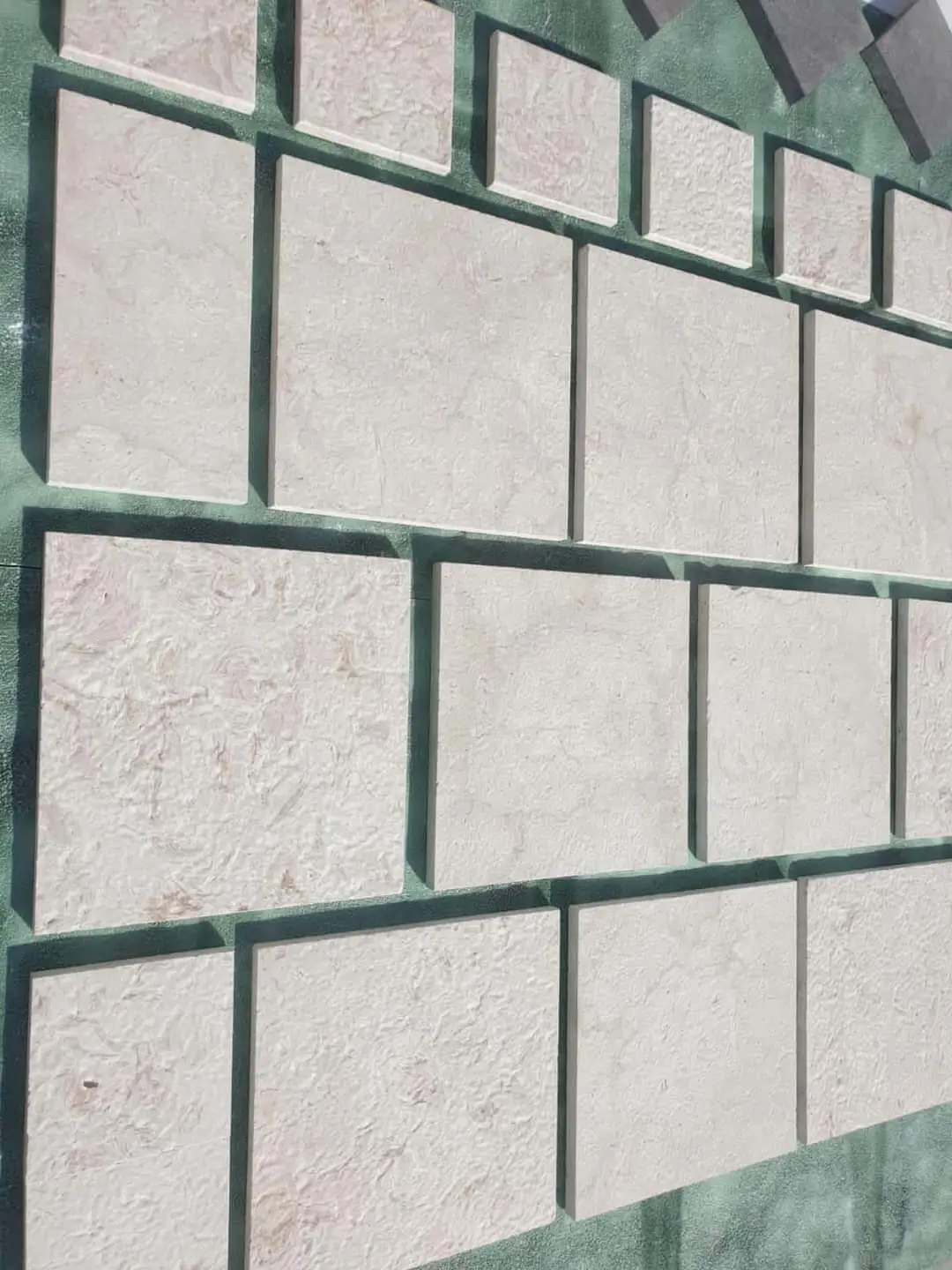
Citadel Stone flagstone yard in Arizona — How We Would Specify Across Arizona
When you evaluate Citadel Stone’s flagstone yard in Arizona offerings for your project, you’re considering premium natural stone materials engineered for Southwest climate extremes. At Citadel Stone, we provide technical guidance for hypothetical applications across Arizona’s diverse geographic and climatic zones. This section outlines how you would approach specification decisions for six representative cities, addressing the climate-specific factors that affect material performance and installation protocols.
Arizona’s climate diversity requires you to adjust material selection and installation methods based on regional conditions. High desert environments present different challenges than low desert zones, and elevation variations create significant temperature differentials that affect material behavior. You should account for these regional factors when you specify natural stone materials rather than applying uniform specifications statewide.
Phoenix Heat Management
In Phoenix, you’ll encounter extreme thermal conditions where summer surface temperatures regularly exceed 150°F on exposed stone. Your material selection must prioritize heat reflectivity and thermal mass properties that moderate temperature extremes. You would specify lighter stone colors that reflect 60-70% of solar radiation compared to darker materials that absorb heat aggressively. Your installation details should include expansion joints every 12-15 feet to accommodate thermal movement that reaches maximum stress during afternoon heating cycles. The urban heat island effect amplifies these concerns in developed areas where you need to consider how surrounding hardscape contributes to cumulative heat loading.
Tucson Specifications
Your Tucson projects face similar heat stress to Phoenix but with slightly higher monsoon precipitation that affects drainage design. You would need to specify base preparations that handle rapid water infiltration during intense summer storms while maintaining stability during extended dry periods. The flagstone installations you plan should incorporate permeable joint systems that allow rapid drainage while preventing base material migration. You should account for soil conditions that include higher clay content in some areas, requiring enhanced base compaction protocols and potential geotextile separation layers to prevent substrate mixing with aggregate base.
Scottsdale Design Integration
When you specify materials for Scottsdale applications, you’re typically addressing high-end residential and commercial projects where aesthetic refinement equals performance requirements. You would select flagstone with consistent color ranges and minimal thickness variation to achieve the refined appearance these projects demand. Your specification should address edge detail quality and surface finish consistency that meet elevated aesthetic standards. The installation protocols you recommend would emphasize precise joint spacing and meticulous base preparation that supports the premium positioning these projects require. You should specify materials that maintain appearance with minimal maintenance intervention since property management standards in this market demand long-term visual consistency.
Flagstaff Climate Considerations
Your Flagstaff specifications must address freeze-thaw cycling that doesn’t affect lower-elevation Arizona locations. You would need to verify that stone porosity remains below 3% to minimize water absorption that creates freeze-thaw vulnerability. The installation details you provide should include proper slope for drainage, since standing water that freezes creates the conditions for surface spalling and joint deterioration. You should specify base depths that extend below frost line depths of 18-24 inches typical for this elevation. Your material selection would prioritize stone with proven freeze-thaw durability tested to ASTM C666 standards, demonstrating minimal strength degradation after 300 freeze-thaw cycles.
Sedona Integration
When you work in Sedona, you’re addressing projects where natural stone must integrate with distinctive red rock landscape character. You would specify stone colors and textures that complement rather than compete with the surrounding geology. Your material recommendations should emphasize earth tones and natural surface textures that reflect regional aesthetic sensibilities. The installation approaches you outline would minimize visual disruption to natural landforms while providing the durability necessary for commercial and high-traffic residential applications. You should account for tourism-driven foot traffic patterns that create concentrated wear in specific zones requiring enhanced base preparation and potentially thicker stone selections.
Yuma Durability Requirements
Your Yuma specifications address one of the hottest and driest climates in North America, where extreme heat combines with minimal precipitation to create unique stress conditions. You would need to specify materials that resist thermal shock from occasional irrigation or rain events that rapidly cool superheated stone surfaces. The expansion joint protocols you recommend should account for maximum thermal expansion coefficients since daily temperature swings from 110°F daytime to 75°F nighttime create significant material movement. You should address dust infiltration concerns common in this agricultural region, specifying joint materials and sealing protocols that minimize dust accumulation in stone surface texture. Your maintenance recommendations would emphasize periodic cleaning to remove dust and mineral deposits from irrigation water that accumulate more rapidly in this environment.
Common Specification Mistakes
Your showroom visit helps you avoid common specification errors that create installation problems and performance failures. Understanding these mistakes before you finalize material selections prevents costly corrections during construction or premature material failure after installation.
The most frequent error involves specifying materials based solely on showroom appearance without verifying performance characteristics match application requirements. You’ll encounter beautiful materials that lack the slip resistance, durability, or maintenance characteristics your project demands. Your specification process must prioritize performance verification before aesthetic preferences.
- You often see specifiers select large-format tiles without verifying substrate flatness meets the tighter tolerances these products require
- Your outdoor applications fail when you don’t account for freeze-thaw durability in materials rated only for interior use
- You encounter installation failures when tile thickness variations exceed setting material capability to compensate
- Your maintenance costs escalate when you specify high-maintenance materials for clients without appropriate maintenance commitment or capability
Another common mistake involves inadequate attention to trim pieces and transition details. You should verify that all necessary edge treatments, corner pieces, and transition strips are available in your selected materials. Discovering trim piece unavailability after primary material orders are placed forces compromises that affect design integrity.
Maximizing Follow-Up
Your initial Arizona Tile showroom visit generates information that requires follow-up verification and refinement. You should maintain contact with technical staff as you develop specifications to address questions that emerge during design development. The showroom relationship extends beyond initial material selection to ongoing technical support throughout project execution.
When you finalize specifications, request updated availability verification immediately before procurement. Material availability changes constantly, and selections made weeks earlier may face supply constraints by the time you’re ready to order. You should confirm pricing, lead times, and minimum order quantities before issuing purchase orders.
Your project’s long-term success benefits from understanding maintenance requirements and accessing appropriate cleaning and sealing products. You should request maintenance product recommendations during your showroom visit and verify these products are readily available for ongoing owner use. Material performance depends significantly on proper maintenance, and specifying materials without addressing maintenance product accessibility creates future problems.
Strategic Takeaways
Your ability to maximize Arizona Tile showroom visits determines whether you make informed specification decisions or rely on incomplete information that creates project risk. You need systematic preparation, focused technical evaluation, and comprehensive documentation to extract maximum value from showroom resources. The time you invest in thorough showroom assessment prevents specification errors that are expensive to correct during construction or impossible to remedy after installation. For comprehensive guidance on material quality tiers and brands, explore Premium and budget-friendly tile stone brands available in Arizona before you finalize your project specifications. Tuscan-inspired landscapes achieve authenticity using Citadel Stone, the most European landscape stone yard Arizona imports.