
When you’re selecting pavers joint sand stone yard Arizona materials for your hardscape project, the joint sand decision carries more weight than most specifiers realize. You’ll encounter two primary options at your stone yard: traditional silica-based sand and polymeric sand systems. Your choice affects installation timelines, long-term maintenance requirements, and project performance over 15-20 year service lives. Arizona’s extreme temperature swings—from 115°F summer peaks to occasional freezing nights in elevated zones—create unique challenges that make your sand selection critical to preventing joint degradation and paver movement.
The performance differences between these materials become apparent within the first 18 months of installation. You need to understand how Arizona’s intense UV exposure, minimal rainfall patterns, and alkaline soil conditions interact with joint stabilization systems. Your specification must account for thermal expansion coefficients that differ significantly between polymeric and traditional sand, affecting joint spacing tolerances and long-term structural integrity.
Polymeric Sand Composition and Activation Mechanics
Polymeric sand consists of precisely graded silica particles mixed with polymer binding agents that activate through water introduction. When you install polymeric sand correctly, the polymer chains form molecular bonds that lock sand particles into a semi-rigid matrix. This binding action occurs within 24-48 hours under optimal conditions, but Arizona’s low humidity and high evaporation rates alter the activation timeline significantly.
You should understand that polymer activation requires specific moisture conditions—too little water leaves inactive polymer pockets, while excessive water washes binding agents from joints before they cure. The polymers used in quality formulations include modified polyurethane or acrylic compounds that resist UV degradation, a critical factor for Arizona stone yard polymeric sand applications where solar intensity reaches 7.5 peak sun hours daily in Phoenix and Yuma.
Temperature during activation affects final bond strength substantially. You’ll achieve optimal results when you install pavers joint sand stone yard Arizona materials at substrate temperatures between 50-85°F. Above 95°F, rapid moisture evaporation prevents complete polymer hydration. Below 40°F, polymer chains don’t form proper molecular structures. This creates installation windows that you need to plan around, particularly during Arizona’s May-September period when surface temperatures exceed 140°F by midday.
Traditional Sand Performance Characteristics
Traditional joint sand relies entirely on mechanical interlock and compaction for stability. When you select conventional sand for paver sand options Arizona yards offer, you’re choosing a system that depends on particle size distribution and joint confinement rather than chemical bonding. The material maintains flexibility that allows minor paver adjustments over time, but this same characteristic permits sand migration under certain conditions.
Properly graded joint sand typically measures 0.02-0.04 inches in particle diameter, creating void spaces that facilitate drainage while maintaining adequate friction between particles. You need sand that’s been washed and screened to remove fines below 0.01 inches—these smaller particles create density that prevents proper water drainage and contributes to efflorescence when dissolved salts wick to the surface.
Arizona’s wind conditions present specific challenges for traditional sand installations. You’ll experience joint sand loss rates of 8-15% annually in exposed locations where wind speeds regularly exceed 15 mph. Desert environments in Yuma and western Arizona regions see higher loss rates, while mountain communities like Flagstaff and Sedona benefit from vegetation windbreaks that reduce migration. Your maintenance program needs to account for annual joint refilling when you choose traditional sand systems.
Comparative Installation Protocols
Installation procedures differ substantially between joint sand stone yard pavers systems, affecting your labor costs and project timelines. Traditional sand installation follows straightforward compaction protocols—you sweep sand across the paver surface, compact with a plate compactor, add more sand, and repeat until joints reach 93-97% capacity. The entire process typically requires 2-3 passes and takes 4-6 hours for a 1,000 square foot installation.
Polymeric sand demands more precise protocols. You must ensure pavers are completely dry before application—any standing water in joints prevents proper polymer distribution. After sweeping polymeric material into joints, you compact once, then use controlled misting to activate polymers without creating surface haze. The water application technique requires experience; too much pressure washes material from joints, while insufficient moisture leaves unactivated zones that fail within 6-12 months.
Your crew needs to understand that polymeric sand creates a 24-48 hour curing window where traffic must be restricted. During Arizona summers, you can reduce this to 18-24 hours due to accelerated evaporation, but you sacrifice some bond strength. Traditional sand installations allow immediate light traffic, giving you flexibility when project schedules demand rapid completion.
- You should verify that base preparation meets compaction standards of 95% modified Proctor density before either sand type installation
- Your paver surface must be within 1/8 inch elevation tolerance across any 10-foot span to prevent joint width variation that affects sand retention
- You need to confirm joint widths measure 1/8 to 3/16 inch consistently—narrower joints prevent adequate sand penetration while wider joints exceed polymeric sand bridging capacity
- You must schedule installations to avoid rain within 48 hours when using polymeric products in Arizona’s monsoon season
Thermal Cycling Impact Analysis
Arizona’s extreme diurnal temperature swings subject pavers joint sand stone yard Arizona installations to thermal stress that differs from most U.S. regions. Surface temperatures in Phoenix routinely fluctuate 60-80°F between predawn lows and mid-afternoon peaks. This cycling causes paver expansion and contraction that places shear stress on joint materials.
Polymeric sand’s semi-rigid structure resists this movement initially, but repeated thermal cycles eventually cause microscopic fractures in polymer bonds. You’ll observe this as surface cracking that appears after 5-8 years in high-exposure areas. The material maintains structural integrity below the surface, continuing to prevent weed growth and insect infiltration, but surface aesthetics degrade. Quality polymeric formulations designed for desert climates include plasticizers that maintain flexibility through temperature extremes, extending this timeline to 10-15 years.
Traditional sand accommodates thermal movement through particle rearrangement. Each expansion-contraction cycle causes minor sand migration—particles shift position within joints, gradually working toward the surface. This explains why you need to refill traditional sand joints annually in Arizona installations. The benefit is that the system never experiences catastrophic failure; it simply requires ongoing maintenance to maintain performance.
Moisture Management and Drainage Considerations
Despite Arizona’s arid classification, moisture management remains critical for joint sand stone yard pavers performance. Monsoon events deliver intense rainfall—2-3 inches within 60-90 minutes—that tests drainage systems severely. Your joint sand selection affects how quickly water moves through the paver surface to the base layer.
Traditional sand joints maintain permeability of 120-180 inches per hour, allowing rapid water transmission even during extreme rainfall events. This open structure prevents surface ponding that can lead to sand washout or paver displacement. However, the same permeability allows water to carry dissolved salts from base materials up through joints, creating efflorescence that appears as white crystalline deposits on paver surfaces.
Polymeric sand reduces permeability to 15-40 inches per hour depending on formulation and installation quality. You’ll find this adequate for most Arizona applications where rainfall intensity rarely exceeds these drainage rates. The denser structure provides better resistance to erosion during monsoon events, but you need to ensure your base layer drainage can handle water that reaches it. When you’re evaluating paver sand options Arizona yards stock, verify that polymeric products specify permeability rates suitable for local rainfall patterns.
At Citadel Stone, we recommend incorporating edge drains in installations where polymeric sand might create temporary surface water accumulation during extreme weather events. This addition costs $4-7 per linear foot but prevents the standing water conditions that accelerate joint material degradation.
Weed and Insect Prevention Effectiveness
Biological intrusion represents a primary concern when you specify joint materials for Arizona hardscapes. Desert vegetation exhibits remarkable tenacity—species like puncturevine and pigweed exploit any available growing space, sending taproots through joint materials to reach base layer moisture. Harvester ants create colonies beneath pavers, excavating joint sand to form galleries that undermine structural stability.
Polymeric sand’s bonded structure creates a barrier that prevents most weed seed germination and root penetration. You’ll achieve 95-98% weed prevention over the first 8-10 years when polymeric material is properly installed and maintained. The polymer matrix also blocks ant excavation effectively—insects cannot remove bonded particles the way they transport loose sand grains.
Traditional sand offers minimal biological resistance. Weed seeds lodge in surface voids, and Arizona’s intense sunlight provides the warmth necessary for germination once monsoon moisture arrives. You should expect to address weed growth 3-4 times annually in traditional sand installations, using either mechanical removal or herbicide application. Ant activity presents similar challenges—colonies can remove 2-3 pounds of sand per nest over a single season, creating voids that allow paver movement.
Your maintenance budget needs to reflect these biological control requirements. Traditional sand systems typically require $0.15-0.25 per square foot annually for weed and insect management, while polymeric installations need minimal intervention until surface degradation begins after year 8-12.
Long-Term Cost and Performance Comparison
Initial material costs differ substantially between pavers joint sand stone yard Arizona options. Traditional sand runs $35-50 per ton at most Arizona stone yard polymeric sand suppliers, covering approximately 100-120 square feet at standard joint widths. Polymeric sand costs $55-85 per 50-pound bag, covering 80-100 square feet depending on joint dimensions and paver thickness.
Your installed cost calculation needs to include labor differentials. Traditional sand installation costs $0.45-0.65 per square foot for materials and labor combined. Polymeric sand installation runs $1.10-1.50 per square foot due to more complex protocols and longer installation timeline. On a 1,000 square foot project, this represents a $450-850 upfront cost premium for polymeric systems.
Long-term maintenance costs shift the economic equation. Traditional sand requires annual replenishment ($0.18-0.28 per square foot), biannual compaction ($0.12-0.18 per square foot), and ongoing weed control ($0.15-0.25 per square foot). Your 20-year maintenance costs for traditional sand total $9-14 per square foot. Polymeric sand needs minimal maintenance for 8-12 years, then requires complete joint replacement ($1.50-2.20 per square foot including removal and reinstallation). Total 20-year polymeric costs run $3-5 per square foot.
When you factor time-value of money and account for inflation in labor rates, polymeric systems deliver lower total cost of ownership for installations expected to remain in service 15+ years. Traditional sand makes economic sense for temporary installations, rental properties with deferred maintenance approaches, or situations where you anticipate redesign within 10 years.
Climate Zone Specification Guidance
Arizona’s diverse climate zones require different approaches to joint sand stone yard pavers specification. You need to match material properties to local environmental conditions for optimal performance.
Low desert zones including Phoenix, Tucson, and Yuma experience the most extreme thermal stress and UV exposure. When you’re working in these regions, polymeric sand formulations must include UV stabilizers and heat-resistant polymers rated to 160°F surface temperatures. Traditional sand works well but requires more frequent maintenance due to high wind exposure and biological activity during the limited growing season.
High desert areas like Flagstaff and Sedona present freeze-thaw considerations uncommon in southern Arizona. You’ll experience 40-60 annual freeze-thaw cycles at elevations above 5,000 feet. Polymeric sand must maintain flexibility through these cycles—rigid formulations crack extensively under repeated freezing. Traditional sand handles freeze-thaw excellently, as particle rearrangement accommodates ice expansion within joints.
Transitional zones including Prescott and Payson see moderate conditions that allow either system to perform well. Your selection in these areas should prioritize maintenance availability and budget considerations rather than climate limitations. For projects where ongoing maintenance access is limited, polymeric sand delivers better long-term results. When you have reliable maintenance programs in place, traditional sand provides adequate performance at lower initial cost.
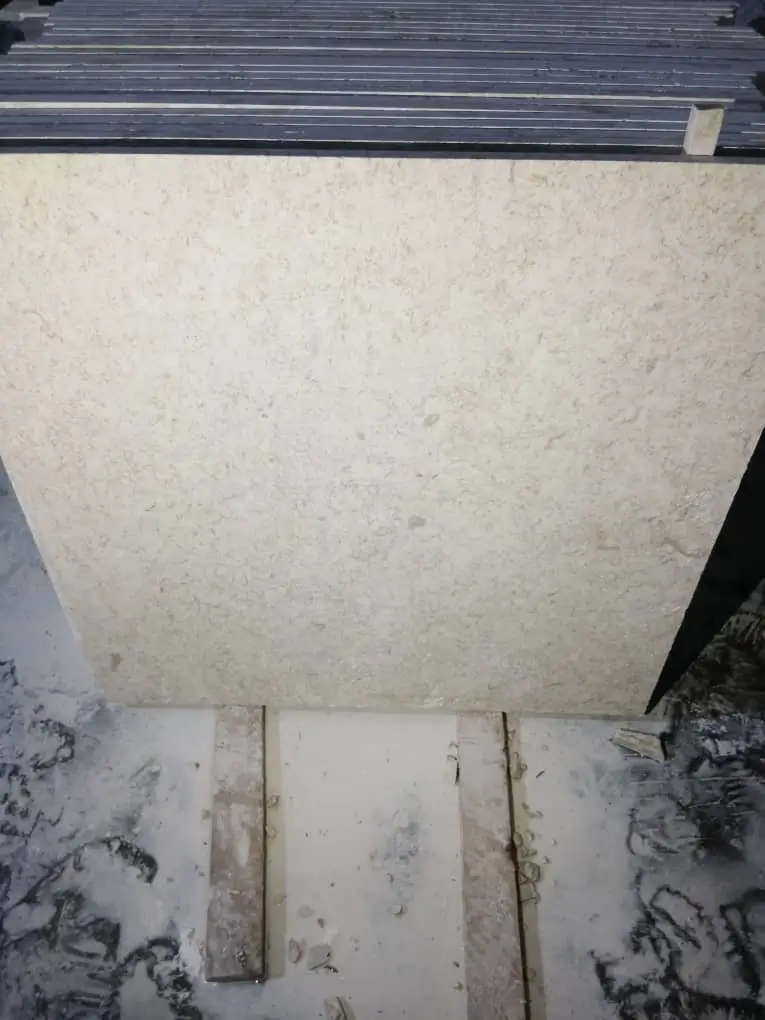
Citadel Stone – Premium Stone Yard Arizona – Hypothetical Specification Guidance Across Arizona Climate Zones
When you evaluate Citadel Stone’s extensive stone yard Arizona paver selections for your project, you’re considering premium natural stone materials engineered for extreme climate performance. At Citadel Stone, we provide technical guidance for hypothetical applications across Arizona’s diverse regions, helping you understand how joint sand selection interacts with natural stone characteristics. This section outlines how you would approach specification decisions for six representative cities where pavers joint sand stone yard Arizona considerations vary significantly based on local conditions.
Phoenix Desert Specifications
In Phoenix, you would encounter the most extreme thermal conditions in Arizona, with surface temperatures exceeding 160°F on summer afternoons. Your joint sand selection for polymeric vs regular sand needs to prioritize heat stability and UV resistance. Polymeric formulations would require heat-resistant binders rated to 165°F minimum to prevent premature breakdown. You would schedule installations during October through April when substrate temperatures remain below 95°F during activation periods. Traditional sand works year-round but demands quarterly inspection and annual replenishment to address wind-driven migration from exposed installations.
Tucson Monsoon Considerations
Tucson’s pronounced monsoon season would affect your installation timing significantly when specifying Arizona stone yard polymeric sand systems. You would avoid July through early September for polymeric installations due to unpredictable afternoon thunderstorms that can deliver rainfall within the critical 48-hour curing window. Your specifications would address erosion control for the intense but brief rainfall events that characterize this region—drainage rates through joints must exceed 25 inches per hour to prevent washout. Traditional sand requires post-monsoon inspection and joint refilling to address material loss during summer storm season.
Scottsdale Premium Applications
In Scottsdale’s high-end residential and commercial projects, you would typically specify polymeric sand for the superior aesthetics and reduced maintenance that property owners expect. Your material selection would emphasize color-matched polymeric products that complement natural stone tones while providing the biological control that maintains pristine appearance. You would detail edge restraint systems rated for 3,000+ pounds per linear foot to prevent the lateral movement that can compromise polymeric joint integrity in heavily trafficked areas. For reference on enhanced stone options, review our white stone yard in Sedona for specialty material guidance.
Flagstaff Freeze-Thaw Protocol
Flagstaff’s elevation creates freeze-thaw conditions requiring different joint sand stone yard pavers approaches than lower desert zones. You would specify flexible polymeric formulations with plasticizers that maintain performance through 60+ annual freeze-thaw cycles. Your installation protocols would address the 6-month window (May through October) when conditions allow proper polymeric activation—substrate temperatures below 40°F prevent adequate polymer curing. Traditional sand performs excellently in freeze-thaw environments, as particle movement accommodates ice expansion without structural damage, making it your preferred specification for cost-sensitive projects in this climate zone.
Sedona Aesthetic Integration
Sedona installations would prioritize natural aesthetics that complement the region’s distinctive red rock landscape. Your specifications would detail polymeric sand in earth-tone colors that blend with local geology while providing the structural benefits of bonded systems. You would account for tourist foot traffic patterns in commercial applications, specifying compaction standards of 96-98% modified Proctor to ensure polymeric material achieves maximum density before activation. Traditional sand remains viable for residential applications where homeowners maintain regular landscape care programs that include joint inspection and replenishment.
Yuma Extreme Heat Protocol
Yuma represents Arizona’s hottest climate zone, where you would face the most challenging conditions for paver sand options Arizona yards provide. Surface temperatures routinely reach 170°F during peak summer months, exceeding the rated capacity of standard polymeric formulations. Your specifications would detail premium heat-resistant polymeric products or default to traditional sand for summer installations. You would schedule polymeric installations during November through March when temperatures remain within activation parameters. Wind exposure in this agricultural region would require you to specify increased edge restraint and consider concrete bond beams around perimeters to prevent lateral movement that compromises joint integrity over time.
Common Installation Failures and Prevention
Understanding typical failure modes helps you specify correctly and establish installation protocols that prevent problems. Most joint sand failures stem from improper installation rather than material deficiencies.
Polymeric sand haze represents the most common aesthetic failure. This occurs when you activate polymers with excessive water pressure, causing polymer-laden water to spread across paver surfaces where it cures as a white film. Prevention requires controlled misting rather than direct spray, and immediate surface cleaning before polymers cure. Once haze forms, removal requires specialized cleaning products and significant labor—your prevention protocols are far more cost-effective than remediation.
Incomplete activation creates zones where polymers never bond properly. You’ll observe this as soft spots that allow easy sand removal by hand pressure. The problem stems from insufficient water during activation or installation during temperature extremes that prevent proper polymer hydration. Your quality control protocol should include joint probe testing 24 hours post-activation, verifying that bonded sand resists 15-20 pounds of extraction force.
Traditional sand failures typically involve excessive loss through erosion or biological removal. When you observe joint depth reduction exceeding 1/4 inch within the first year, investigate base layer contamination with fines or inadequate edge restraint allowing lateral movement. Your remediation requires excavating to base layer, cleaning contaminated materials, and reinstalling with improved edge confinement.
- You should verify substrate moisture content measures below 4% before polymeric installation to prevent activation interference
- Your crew must maintain joint cleanliness during paver installation—debris in joint bottoms prevents complete sand penetration and creates failure zones
- You need to establish quality control checkpoints verifying joint width consistency within 1/32 inch across the installation
- You must protect newly activated polymeric joints from rain exposure for 48 hours minimum, requiring weather monitoring and contingency scheduling
Maintenance Protocol Development
Your long-term specification success depends on establishing maintenance protocols appropriate to the joint sand system you select. These programs differ substantially between traditional and polymeric materials.
Traditional sand maintenance begins with quarterly visual inspection identifying areas where joint depth has decreased below optimal 93-95% capacity. You’ll need to schedule annual joint refilling, adding sand and compacting until proper depth is restored. This process costs $0.18-0.28 per square foot annually but prevents the paver movement that occurs when joint depths fall below 85% capacity. Your maintenance specifications should include power washing every 2-3 years to remove surface contamination and efflorescence, followed by joint replenishment.
Polymeric sand requires minimal intervention for 8-12 years in Arizona installations when properly installed. Your maintenance protocol focuses on surface cleaning to remove organic debris that can degrade polymer bonds and monitoring for crack development that indicates approaching end-of-service-life. When surface cracks exceed 1/8 inch width or appear across more than 15% of joint surfaces, you need to plan complete joint replacement within 2-3 years. This involves mechanical removal of existing polymeric material, joint cleaning, and fresh installation—a process costing $1.50-2.20 per square foot.
Both systems benefit from periodic resealing of paver surfaces. You should schedule sealer application every 3-5 years depending on traffic levels and exposure conditions. This protects both paver surfaces and joint materials from UV degradation, moisture penetration, and staining. Quality penetrating sealers cost $0.35-0.55 per square foot installed and extend both paver and joint material service life by 25-40%.
Material Sourcing and Quality Verification
Not all joint sand products deliver equivalent performance, making your material sourcing and quality verification critical to project success. You need to establish specifications that define acceptable products and testing protocols that confirm compliance.
For traditional sand, your specifications should require washed concrete sand meeting ASTM C144 gradation standards. Particle size distribution must fall within defined ranges—95-100% passing 3/16 inch sieve, 45-80% passing #16 sieve, and 0-10% passing #100 sieve. You should require laboratory testing documentation for large projects, verifying gradation compliance and confirming that material has been washed to remove clay and silt fines that cause drainage problems and efflorescence.
Polymeric sand quality varies significantly between manufacturers and product lines. Your specifications need to define minimum performance standards including compressive strength after curing (typically 450-650 PSI), permeability rates appropriate for local rainfall patterns, and UV stability verified through accelerated aging testing. You should require technical data sheets documenting ASTM test results and verify that selected products include warranties of 10+ years when properly installed and maintained.
Material storage affects performance regardless of which pavers joint sand stone yard Arizona product you select. Sand stored outdoors becomes contaminated with organic debris and moisture that affects installation quality. You should verify that suppliers maintain covered storage and that material delivered to your site shows no signs of contamination, moisture infiltration, or packaging damage. For polymeric products, verify manufacturing dates—material stored longer than 18 months may show reduced polymer effectiveness due to gradual degradation during warehouse storage.
Project Specification Integration
Your construction documents need to address joint sand selection with the same precision you apply to paver material specification. Generic references to “joint sand per manufacturer recommendations” create ambiguity that leads to field conflicts and performance problems.
Section 32 14 40 (Paver Joint Sand) should include detailed material specifications defining acceptable products by manufacturer and product line, installation protocols with step-by-step procedures, quality control testing requirements, and warranty provisions. You need to specify curing periods, traffic restrictions, and weather limitations that affect installation timing. Your drawings should detail edge restraint requirements, base preparation standards, and drainage provisions that support joint sand performance.
When you specify polymeric sand, include activation procedures that define water application rates (typically 0.5-0.8 gallons per square foot), misting pressure limitations, and surface protection protocols. Your specifications should address seasonal installation windows appropriate to local climate, recognizing that Arizona’s extreme heat limits summer installations while mild winters expand the viable installation season compared to northern climates.
Traditional sand specifications need to address gradation requirements, compaction procedures (minimum 2 passes with 5,000-pound plate compactor), and initial joint fill depth (105-110% capacity to account for settlement during first 30 days). You should specify post-installation inspection timing and acceptance criteria that verify joint sand meets depth and density requirements before project closeout.
Next Steps
Your joint sand selection for pavers joint sand stone yard Arizona projects represents a critical specification decision that affects both immediate installation success and long-term performance outcomes. When you evaluate polymeric versus traditional sand systems, you need to balance initial cost premiums against maintenance requirements, considering project lifespan expectations and owner maintenance capabilities. Polymeric systems deliver superior biological control and reduced ongoing maintenance but demand precise installation protocols and higher upfront investment. Traditional sand offers installation flexibility and lower initial costs but requires regular maintenance commitment throughout the installation’s service life.
The decision framework should prioritize climate zone considerations—Phoenix and Tucson installations face different thermal stress patterns than Flagstaff applications where freeze-thaw becomes the dominant factor. Your specifications must address these regional variations with material selections and installation protocols tailored to local conditions. Quality control during installation proves equally important regardless of which system you select, as improper installation techniques cause most field failures rather than inherent material deficiencies. For comprehensive guidance on perimeter detailing that protects joint integrity, see Professional installation techniques for paver edge restraint systems before finalizing your project specifications. Full-color bluestone ranges from Citadel Stone, the most varied bluestone stone yard in Arizona palette.