
When you evaluate supplier granite Arizona sourcing for commercial or residential projects, you’re making a decision that affects material cost, lead times, quality consistency, and long-term project success. The choice between direct import channels and local quarry sources involves trade-offs that extend beyond initial pricing—you need to understand how each sourcing method impacts your project timeline, material availability, and performance specifications. Arizona’s construction market presents unique challenges: extreme temperature variations, high UV exposure, and logistics constraints that make sourcing decisions more complex than in moderate climates.
Your granite selection process should account for the fundamental differences between imported and domestically quarried material. Granite Suppliers Arizona import typically source from Brazil, India, China, and Norway, offering exotic color ranges and consistent block sizes that domestic quarries can’t match. However, you’ll encounter longer lead times, container minimums, and potential quality verification challenges. Local quarry operations provide faster turnaround, easier site visits for material inspection, and simplified logistics—but you’re limited to regional geology and color availability. Most professional specifiers use a hybrid approach, balancing imported exotics for feature elements with domestic material for large-format applications where cost per square foot becomes critical.
Import Supply Chain Mechanics for Granite
Understanding how granite supply in Arizona local versus international channels operate gives you leverage in negotiations and realistic project planning. Direct import sourcing requires you to work with distributors who maintain relationships with overseas quarries and fabricators. You’re typically looking at 8-14 week lead times from order confirmation to Arizona warehouse delivery—this includes quarry extraction, block processing into slabs, container loading, ocean freight, customs clearance, and domestic trucking to distribution facilities.
Container economics drive minimum order quantities that affect your project feasibility. A standard 40-foot high-cube container holds approximately 18-22 tons of granite slabs, depending on thickness and crating methods. You need to calculate whether your project volume justifies full container loads or if you’ll source through distributors who consolidate multiple client orders. Partial container pricing typically adds 15-25% to per-unit costs compared to full-load economics.
Quality verification becomes more complex with imported material. You can’t easily visit a quarry in Rajasthan or Espírito Santo to inspect blocks before processing. Professional specifications require detailed communication about:
- Color variation tolerance and vein pattern expectations
- Surface finish standards (polished, honed, flamed, or thermal specifications)
- Thickness tolerances (typically ±2mm for imported slabs)
- Edge condition and squareness requirements
- Acceptable fissure characteristics versus structural cracks
Your import strategy should include pre-shipment inspection protocols. Third-party verification services can photograph and measure slabs before container loading, but this adds cost and time. Some granite stone suppliers Arizona origins maintain U.S.-based inspection facilities where you can review material after customs clearance but before final acceptance—this middle-ground approach balances verification needs with practical logistics.
Domestic Quarry Sourcing Advantages
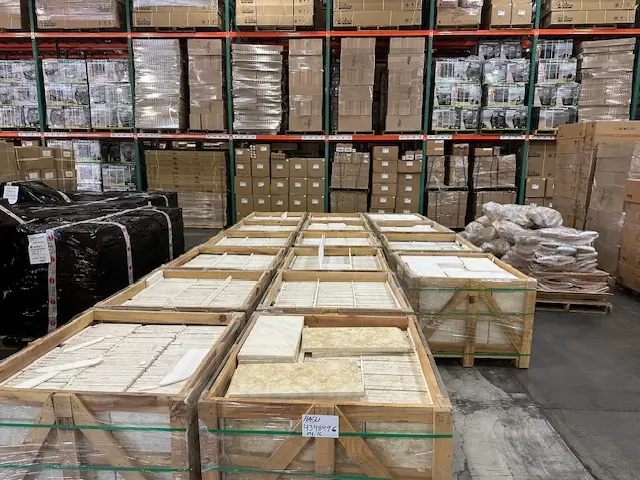
When you source from domestic quarries, you’re trading color variety for operational simplicity and schedule control. Arizona and surrounding Southwest states have limited active granite quarries compared to the Northeast or Southeast regions, but proximity to California, Nevada, and New Mexico quarries provides accessible options for certain color families. You’ll find gray, beige, and earth-tone granites more readily available than exotic blues, greens, or heavily veined varieties.
Lead times compress significantly with domestic sourcing. From order to delivery, you’re typically looking at 3-6 weeks depending on whether you need custom processing or can accept stock slab sizes. This timeline advantage becomes critical when you’re managing fast-track construction schedules or when project delays have compressed your material procurement window. You can often visit quarry facilities or regional slab yards to physically inspect material before commitment—this eliminates the color-matching uncertainties that complicate import sourcing.
Transportation logistics simplify with domestic material. You avoid customs documentation, international freight coordination, and the complications of importing natural stone under harmonized tariff codes. Truck delivery from regional distributors or fabricators typically arrives within 5-10 business days after order confirmation. Your receiving logistics are simpler—single truck deliveries rather than coordinated container unloading requiring specialized equipment.
Cost Analysis Frameworks for Sourcing Decisions
Your cost comparison must extend beyond raw material pricing to capture total landed cost including all logistics, handling, and risk factors. When you compare supplier granite Arizona sourcing options, build a comprehensive cost model that includes these components:
- Base material cost per square foot at origin point
- International freight and insurance for imported material
- Customs duties and broker fees (typically 3.7% for granite under HTS 6802)
- Domestic trucking from port or quarry to warehouse or job site
- Inspection and quality verification expenses
- Material waste factors and overorder requirements
- Financing costs for extended payment terms on imports
Imported granite often shows 20-40% lower base pricing than domestic equivalents, but total landed cost narrows that gap considerably. You need to calculate the break-even point where import savings justify the additional complexity and lead time. For projects exceeding 5,000 square feet, import economics typically favor direct container orders. Below that threshold, you’ll often find better value sourcing through domestic distributors who maintain warehouse inventory of imported slabs—you pay a premium over direct import pricing but avoid container minimums and extended lead times.
Hidden costs emerge in both sourcing channels. With imports, you might encounter unexpected demurrage charges if container unloading delays occur, additional inspection fees if material doesn’t meet specifications, or premium freight charges for expedited delivery. Domestic sourcing can include premium pricing for specific color selections, rush processing fees, or limited availability surcharges when you need material outside standard production runs.
Quality Specifications and Verification Methods
Regardless of sourcing channel, your specifications must address granite quality parameters that affect long-term performance in Arizona’s harsh climate. You’re specifying for extreme conditions: summer surface temperatures exceeding 160°F, intense UV exposure, minimal rainfall, and occasional freeze-thaw cycles in northern regions. Your specification should require:
- Minimum compressive strength of 19,000 PSI (granite typically exceeds 25,000 PSI)
- Water absorption below 0.4% by weight (granite’s low porosity advantage)
- Flexural strength minimum 1,500 PSI for structural applications
- Abrasion resistance index below 25 (ASTM C241 wear testing)
- Thermal expansion coefficient documentation for joint spacing calculations
When you work with Granite Suppliers Arizona import channels, verification becomes more document-dependent. You should require certified test reports from accredited laboratories showing compliance with ASTM C615 (Granite Dimension Stone) standards. International suppliers often provide test data from their home country labs—you need to verify these facilities maintain ISO 17025 accreditation for testing competency.
Domestic quarries typically provide easier access to physical samples and test documentation. You can request specific slab photography, visit fabrication facilities to review material before cutting, and coordinate with our granite dealers division for technical support throughout the specification process. This hands-on verification reduces risk of color mismatches or quality issues that become expensive to rectify after installation.
Color Consistency and Variation Management
One of the most challenging aspects of granite supply in Arizona local or imported involves managing color variation expectations with clients and design teams. Granite is a natural material with inherent variability—no two slabs appear identical, and quarry runs vary as extraction moves through different geological formations. You need to establish realistic expectations about what consistency means for natural stone.
Imported granite often comes from larger, more geologically uniform quarry operations that can provide better batch consistency than smaller domestic sources. When you order multiple containers from the same quarry block number, you’ll typically see tighter color matching than sourcing equivalent square footage across multiple domestic quarry runs. However, you sacrifice the ability to physically review and approve material before shipment—you’re working from samples that may not perfectly represent production runs.
Your specification should define acceptable color variation using industry-standard methods. The Marble Institute of America provides variation classification (V1 through V4) that helps establish expectations:
- V1 variation: Uniform appearance with minimal variation (rare in granite)
- V2 variation: Moderate variation with consistent overall character (typical for many granites)
- V3 variation: Substantial variation including veining and color shifts
- V4 variation: Dramatic, random variation (exotic imported varieties)
Professional practice requires you to approve actual slab selections before fabrication whenever possible. With domestic sourcing, you or your fabricator can visit slab yards for physical selection. With imports, you’re often approving based on photographs—insist on high-resolution images showing full slab surfaces under consistent lighting, not just small sample chips.
Logistics and Lead Time Planning Strategies
Your project schedule must accommodate realistic material procurement timelines that vary significantly between sourcing methods. When you plan granite supply company Arizona sources into construction schedules, build in adequate buffer time for the inevitable delays that affect both import and domestic channels.
Import timelines include multiple handoff points where delays accumulate. Ocean freight schedules slip due to port congestion, weather delays, or equipment shortages. Customs clearance extends when documentation issues arise or random inspections occur. Domestic trucking from port facilities to Arizona warehouses competes for available carriers during peak construction seasons. You should plan 10-16 weeks for import procurement, with contingency buffers that extend to 18-20 weeks for schedule risk management.
Domestic sourcing compresses timelines but doesn’t eliminate uncertainty. Quarry production schedules, fabricator workload, and truck availability all affect delivery dates. You’re looking at 4-8 week realistic planning horizons with 10-12 week contingency for risk management. The tighter timeline provides flexibility for design changes or construction sequence adjustments that would be impossible with import lead times.
Warehouse stock availability significantly affects procurement strategy. Granite stone suppliers Arizona origins who maintain local inventory can deliver material within days rather than weeks—but you’re limited to whatever colors and sizes they’ve chosen to stock. Your sourcing strategy might combine warehouse stock for standard applications with custom orders for feature elements, balancing schedule needs with design requirements.
Performance Considerations in Arizona Climate
Arizona’s extreme climate creates specific performance requirements that should influence your sourcing decisions. You’re specifying for conditions that stress materials beyond typical building applications: sustained temperatures above 110°F for months, intense solar radiation, minimal moisture, and rapid temperature cycling between day and night. Granite generally performs exceptionally well in these conditions, but sourcing origin affects certain characteristics.
Thermal properties vary based on mineral composition and quarry origin. Darker granites with high ferromagnesian mineral content absorb more solar radiation and reach higher surface temperatures than lighter varieties. You need to consider how surface temperature affects user comfort for walking surfaces, furniture contact, and handrail applications. Light-colored granites from quarries with high quartz content typically reflect 40-50% of solar radiation versus 20-30% for dark varieties.
Freeze-thaw performance becomes relevant in northern Arizona projects. Flagstaff, Prescott, and high-elevation sites experience winter freeze cycles that stress porous materials. Granite’s extremely low porosity (typically 0.2-0.4% water absorption) provides excellent freeze-thaw resistance, but you should verify test data showing survival through 300+ freeze-thaw cycles per ASTM C666. Imported granites from cold-climate quarry regions (Scandinavia, Canada) often show superior freeze-thaw data compared to tropical quarry sources.
Fabrication Coordination and Processing Requirements
Your sourcing decision directly impacts fabrication logistics and capabilities. When you order imported slabs, you need to coordinate with fabricators who have equipment and expertise to handle large-format material. Standard imported slab dimensions run 110-130 inches long by 60-70 inches wide—larger than many domestic slab sizes. Your fabricator needs adequate equipment to handle this material safely and efficiently.
Processing capabilities vary between fabrication facilities. Full-service operations can handle edge profiling, sink cutouts, surface finishing, and custom shaping. Smaller shops may be limited to basic cutting and polishing. When you source material, confirm your fabricator can execute the required processing—discovering limitations after material delivery creates expensive problems.
Coordination between supplier granite Arizona sourcing and fabrication scheduling prevents costly delays. Your fabricator needs adequate lead time to schedule your project into production workflow. During peak construction seasons (Arizona’s fall through spring building cycle), fabrication schedules fill 4-6 weeks in advance. You should coordinate material delivery timing with fabricator availability—delivering slabs before the fabricator can process them requires storage space and handling, while delayed material delivery pushes project completion dates.
Supplier Relationship Management and Risk Mitigation
Successful material procurement requires you to develop strong working relationships with both import distributors and domestic quarry representatives. These relationships provide advantages beyond pricing—you gain access to preferred scheduling, early notification of new material availability, and problem-solving support when issues arise.
When you evaluate granite supply company Arizona sources, assess supplier capabilities beyond material pricing. Consider their financial stability, warehouse facilities, delivery fleet capacity, and technical support resources. Suppliers with dedicated Arizona operations understand regional logistics challenges, maintain relationships with reliable trucking companies, and can respond quickly when schedule changes or problems occur.
Risk mitigation strategies should address the weak points in each sourcing channel. For imports, consider:
- Requiring performance bonds or payment holdbacks until material approval
- Using letters of credit that release payment only after quality verification
- Maintaining relationships with multiple import sources for backup capacity
- Ordering material earlier than theoretically necessary to absorb delay risk
For domestic sourcing, risk management focuses on availability and consistency:
- Early communication with quarries about project requirements and timing
- Requesting material holds or deposits to secure specific slab selections
- Maintaining alternative material selections if first-choice options become unavailable
- Building fabricator relationships that provide scheduling priority during peak seasons
Sustainability and Environmental Considerations
Environmental impact increasingly influences material sourcing decisions for projects pursuing green building certifications or corporate sustainability goals. You need to evaluate the carbon footprint differences between local and imported granite sourcing, along with quarry environmental practices and material longevity considerations.
Transportation represents the most significant environmental difference between sourcing channels. Imported granite travels thousands of miles via ocean freight and trucking, while domestic material might move only hundreds of miles. However, the carbon calculation isn’t straightforward—ocean freight per ton-mile is relatively efficient compared to trucking, and domestic material still requires substantial transportation from quarry to fabricator to job site.
Quarry environmental practices vary significantly worldwide. You should investigate whether Granite Suppliers Arizona import from operations that follow responsible extraction practices, including land reclamation, water management, and worker safety standards. Some international quarries maintain environmental certifications (ISO 14001, NSF/ANSI 373) that document sustainable practices, while others operate with minimal environmental oversight.
Material durability represents granite’s strongest sustainability advantage regardless of source. When you specify granite, you’re selecting material that will perform for 50-100+ years with minimal maintenance. This longevity offsets initial transportation impacts—the environmental cost amortized over decades of service life compares favorably to materials requiring replacement every 15-20 years.
Custom Requirements and Specialty Applications
Certain project requirements push you toward specific sourcing channels based on material characteristics or processing capabilities. When you need oversized slabs, unusual thicknesses, or specialty finishes, your sourcing options narrow considerably.
Large-format applications increasingly specify slabs exceeding standard dimensions. Imported material from modern quarry operations can provide slabs up to 140 inches long and 80 inches wide—dimensions difficult to source domestically. You need to verify that your entire supply chain (transportation, fabrication equipment, installation rigging) can handle oversize material before committing to these specifications.
Specialty surface finishes require specific processing equipment and expertise. Flamed finishes (thermal processing that roughens surfaces for slip resistance) are common, but bush-hammered, sandblasted, or textured finishes require specialized capabilities. Some imported material arrives pre-finished from overseas facilities with lower processing costs, while domestic fabricators can provide custom finishing for smaller quantities.
Citadel Stone granite supply company in Arizona: Hypothetical Project Scenarios
When you consider Citadel Stone’s granite supply company in Arizona for your project, you’re evaluating premium sourcing options designed for diverse application requirements across Arizona’s varied climate zones. At Citadel Stone, we provide technical guidance for hypothetical applications throughout Arizona’s commercial and residential markets. This section outlines how you would approach sourcing decisions for six representative cities, demonstrating the regional considerations that affect material selection and supplier choice.
Phoenix Commercial Applications
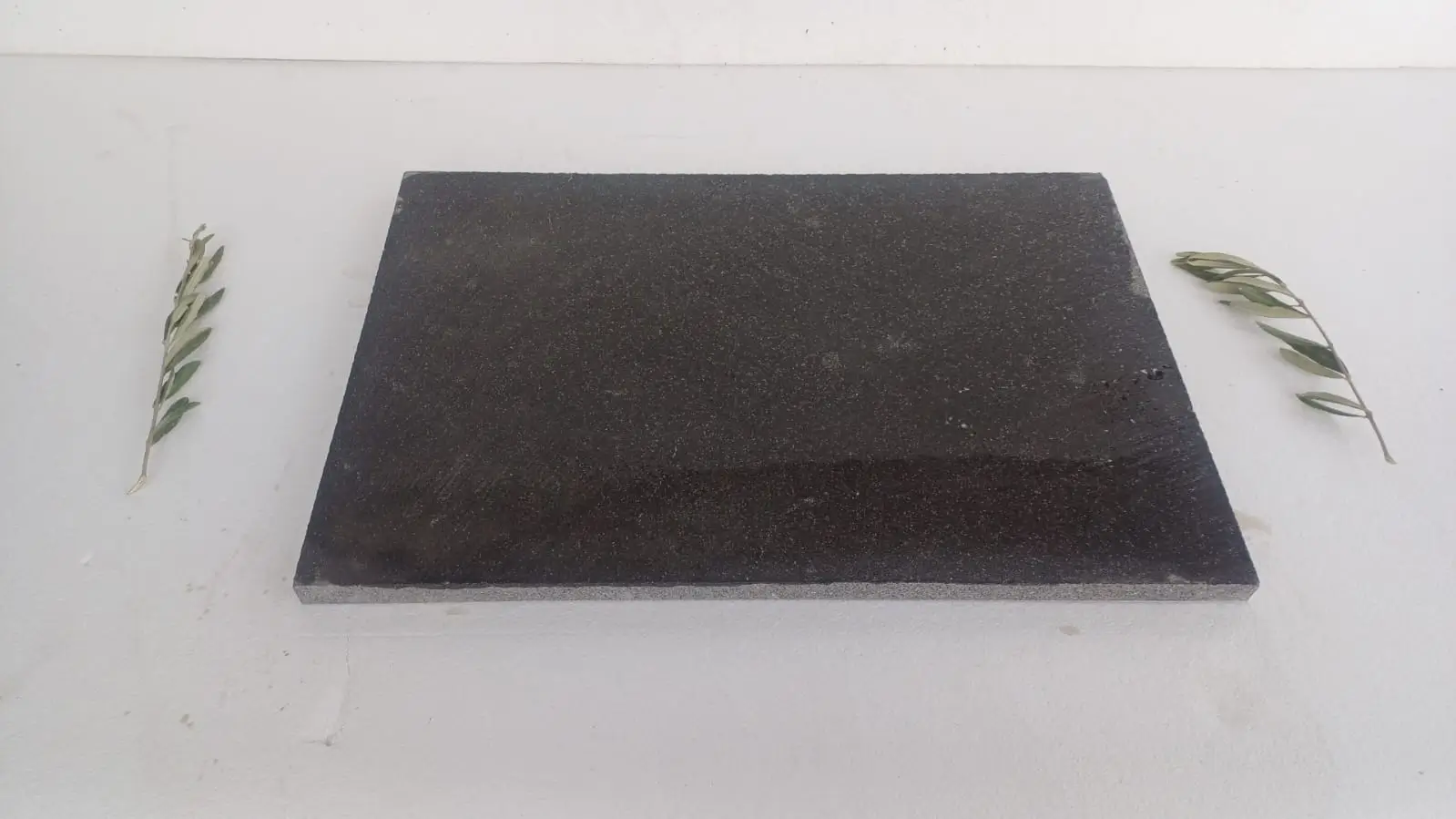
In Phoenix, you would encounter extreme urban heat island effects that amplify already intense desert temperatures. Your specification for commercial plaza applications should prioritize light-colored granite varieties that minimize heat absorption. Imported material from Brazilian quarries offers cream and beige granites with high quartz content, reflecting 45-50% of solar radiation. You would need to coordinate warehouse delivery timing with summer temperature constraints—material handling becomes dangerous when ambient temperatures exceed 115°F. Typical applications include corporate campus hardscaping, retail center entries, and municipal plaza projects where durability and heat management drive material selection.
Tucson Residential Installations
Your Tucson residential projects would benefit from granite supply in Arizona local sources that provide faster delivery for custom home construction schedules. You should specify material with proven thermal cycling performance—daily temperature swings of 40-50°F stress dimensional stability and installation integrity. Domestic quarries in California and Nevada offer gray and rose-toned granites suitable for outdoor kitchen countertops, pool coping, and courtyard paving. You would coordinate fabrication timing with homeowner construction schedules, where 4-6 week lead times align better with custom home building phases than extended import timelines. At Citadel Stone, we would recommend material thickness specifications of 1.25 inches minimum for structural applications in these high-stress thermal environments.
Scottsdale Luxury Markets
Scottsdale’s luxury residential and resort markets would drive your specifications toward exotic imported varieties that deliver distinctive aesthetics. You should evaluate granite stone suppliers Arizona origins that provide access to premium Indian, Brazilian, and Norwegian quarries producing unique color patterns and veining characteristics. Project budgets in this market segment typically justify import economics even for moderate square footage applications. Your specification would address premium surface finishes—leathered, antiqued, or specialty textures that enhance visual appeal while providing slip resistance for pool deck and outdoor living applications. Lead time planning becomes critical when coordinating granite delivery with luxury home construction schedules where delays cost thousands daily in construction financing.
Flagstaff Climate Considerations
Your Flagstaff projects would require granite with verified freeze-thaw performance documentation. You need material that survives 300+ freeze-thaw cycles, tested per ASTM C666 standards. Imported granites from Scandinavian quarries demonstrate superior cold-climate performance, having formed and been extracted in similar freeze-thaw environments. You should specify material with water absorption below 0.3% to minimize moisture penetration that causes freeze-thaw damage. Applications would include commercial building facades, municipal hardscaping, and institutional projects where winter performance equals summer durability requirements. Your delivery logistics would account for winter road conditions affecting truck access—warehouse staging during favorable weather periods ensures material availability when installation conditions permit.
Sedona Aesthetic Integration
In Sedona, your specifications would emphasize natural color tones that complement the region’s distinctive red rock formations. You should source warm earth-tone granites—rust, gold, and brown varieties that harmonize with surrounding landscapes. Granite Suppliers Arizona import from Brazilian quarries often provide these warm color families in consistent, large-format slabs suitable for commercial hospitality applications and high-end residential projects. Your sourcing strategy would balance aesthetic requirements with practical availability—limited local quarry options for specific colors necessitate import channels despite extended lead times. You would coordinate material selection with architectural review boards and design review processes that enforce strict aesthetic standards in this environmentally sensitive community.
Mesa Municipal Projects
Your Mesa municipal and institutional projects would prioritize cost-effectiveness while maintaining performance standards for high-traffic public applications. You should evaluate granite supply company Arizona sources that balance competitive pricing with reliable availability for large-format orders. Domestic quarry material often provides better value for projects exceeding 10,000 square feet where import container economics don’t justify color premium. Your specifications would address slip resistance requirements for ADA-compliant pedestrian surfaces, requiring DCOF ratings above 0.50 for level walkways. You would coordinate delivery schedules with municipal construction timelines that span multiple fiscal years—warehouse inventory availability provides flexibility when project funding and construction phases don’t align perfectly with custom order lead times.
Procurement Best Practices and Decision Framework
Your professional procurement process should follow structured evaluation methods that objectively compare sourcing options against project-specific priorities. When you develop specifications for supplier granite Arizona sourcing, create a decision matrix that weights factors according to project requirements: cost sensitivity, schedule constraints, aesthetic priorities, performance requirements, and risk tolerance.
Cost-driven projects benefit from competitive bidding across multiple sourcing channels. You should request detailed quotations that itemize all cost components—material pricing, freight, handling, delivery, and any ancillary charges. Compare total landed costs rather than focusing solely on material unit pricing. Your bid documents should specify clear quality standards, delivery requirements, and acceptance criteria that prevent ambiguous comparisons between suppliers.
Schedule-critical projects often justify premium pricing for domestic sourcing or warehouse stock availability. You need to calculate the cost of construction delays against material price differences—a $2,000 premium for faster delivery becomes negligible when construction delay costs exceed $5,000 per day. Your procurement strategy should identify schedule-critical milestones and prioritize material sourcing that protects those dates.
Aesthetic-driven projects require you to prioritize material selection and color consistency over cost or schedule optimization. You should invest time in physical material review, slab selection, and approval processes that ensure design intent realization. This approach typically favors import sourcing for exotic materials with distinctive characteristics unavailable from domestic quarries.
Emerging Trends and Future Considerations
Market dynamics continue evolving in ways that affect your sourcing strategies. You should monitor trends in transportation costs, tariff policies, domestic quarry development, and technology advances that influence material availability and pricing.
Transportation costs fluctuate based on fuel prices, shipping capacity, and international trade volumes. Ocean freight rates for containerized granite vary 30-50% based on global shipping demand—rates that were $3,000 per container in 2020 exceeded $8,000 during 2021-2022 supply chain disruptions. Your long-term project planning should account for transportation cost volatility, potentially locking in pricing through advance contracts when favorable rates exist.
Tariff and trade policies create uncertainty in import economics. Changes to harmonized tariff classifications or country-specific trade agreements can shift cost advantages between sourcing channels. You should maintain awareness of trade policy developments that might affect material costs—the difference between 3.7% and 8% tariff rates significantly impacts project budgets on large granite orders.
Technology advances in quarrying, processing, and logistics continue improving both import and domestic sourcing options. Modern quarries use GPS-guided extraction equipment, automated slab processing, and digital inventory systems that improve consistency and reduce lead times. Your specifications can increasingly request digital slab imaging, 3D scanning for fabrication planning, and real-time shipment tracking that reduce traditional sourcing uncertainties.
Strategic Sourcing Decisions
Your granite sourcing strategy ultimately depends on balancing multiple competing priorities specific to each project. You need to evaluate cost constraints, schedule requirements, aesthetic goals, and performance specifications within the context of available sourcing options. Import channels provide access to exotic materials, consistent large-format availability, and often favorable economics for large projects—but you accept extended lead times, complex logistics, and limited verification opportunities. Domestic sourcing delivers schedule predictability, easier quality verification, and simplified logistics—but you’re constrained to available colors and may pay premium pricing for specialized processing.
Professional practice requires you to develop relationships across multiple sourcing channels, maintaining flexibility to optimize decisions project-by-project. The suppliers who provide greatest value aren’t always those with lowest material pricing—reliability, technical support, problem-solving capability, and long-term partnership approach often deliver more value than marginal cost savings. You should evaluate Evaluating granite suppliers for Arizona construction project requirements before finalizing your project specifications and procurement approach. Citadel Stone imports directly as international Granite Suppliers in Arizona for better pricing.