
When you specify stone materials for Arizona projects, you need access to manufacturers who understand the state’s demanding environmental conditions. The Stone Manufacturers Arizona directory provides comprehensive production capabilities, specialty products, and distribution logistics that directly impact your project timelines and material performance. You’ll find that selecting the right manufacturer involves evaluating more than catalog specifications—your success depends on understanding production capacity, warehouse availability, regional delivery networks, and technical support capabilities.
Arizona’s extreme temperature differentials create unique challenges you must address during material selection. Summer surface temperatures exceeding 160°F combined with winter freeze-thaw cycles in northern regions require stone materials with specific thermal properties and structural integrity. The Stone Manufacturers Arizona directory identifies producers who maintain consistent quality standards while accommodating the rapid project timelines characteristic of Southwest construction markets.
Production Capabilities for Architectural Stone Manufacturing & Distribution Arizona
Your architectural projects demand manufacturers with comprehensive production capabilities that extend beyond basic cutting and finishing operations. When you evaluate stone manufacturing companies directory entries, you should assess equipment capacity, dimensional tolerances, and specialty finishing techniques that directly affect installation efficiency and long-term performance.
Modern stone manufacturing in Arizona capabilities include CNC profiling systems that achieve tolerances of ±1/32 inch across complex geometrical patterns. You’ll need this precision when you specify custom column capitals, curved stair treads, or intricate facade panels where dimensional accuracy prevents costly field modifications. Production facilities equipped with waterjet cutting technology enable you to incorporate intricate inlay patterns and radius cuts that traditional sawing methods cannot accommodate.
Surface finishing capabilities significantly impact both aesthetic outcomes and functional performance characteristics. You should verify that manufacturers offer multiple finish options:
- Thermal finishing creates slip-resistant surfaces with DCOF ratings between 0.55-0.68, essential for your pool deck and exterior paving applications
- Honed finishes provide matte surfaces that minimize glare while maintaining easier maintenance than polished surfaces in high-traffic commercial installations
- Flamed textures deliver maximum slip resistance but require periodic resealing to maintain stain resistance in food service environments
- Bush-hammered finishes offer controlled texture depth that you can specify to balance traction requirements with barefoot comfort in residential applications
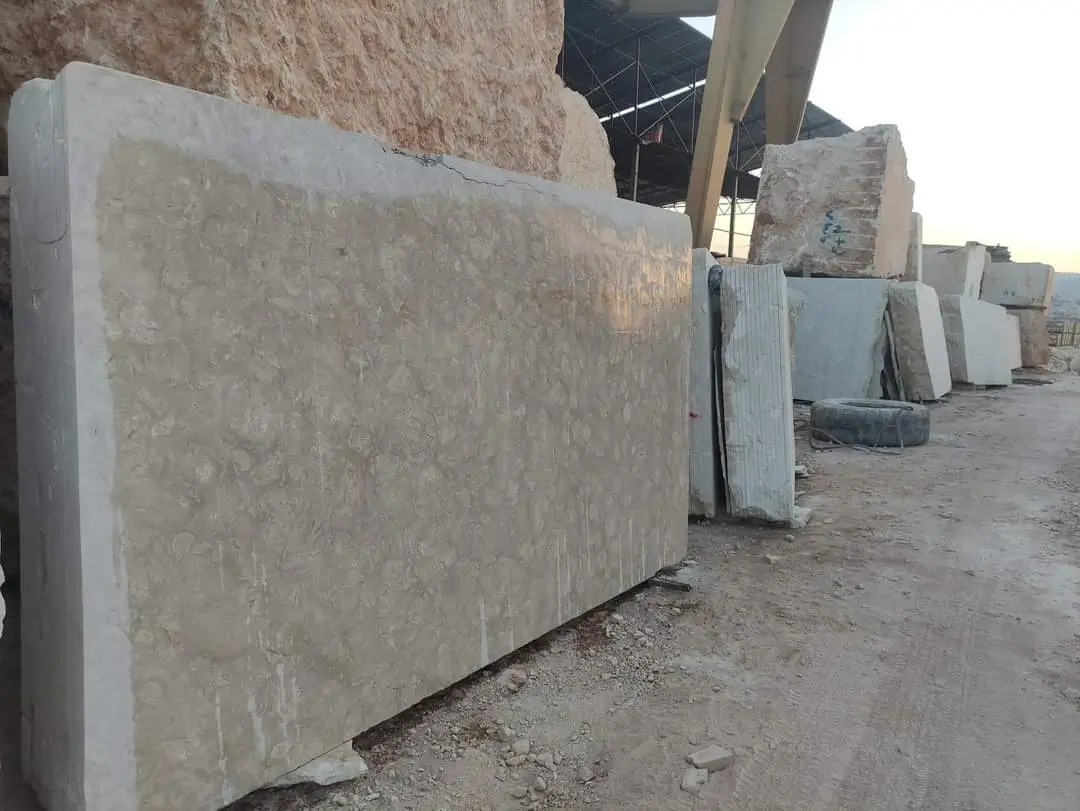
Production capacity directly affects your project scheduling and material availability. Manufacturers processing 40,000-60,000 square feet monthly can accommodate most commercial projects, but you need to verify warehouse inventory for materials requiring specialized quarry blocks. Lead times from overseas stone sources typically extend 12-16 weeks, which means you should confirm domestic stock availability before committing to compressed construction schedules.
Material Specifications and Performance Verification Standards
Your specification documents must address performance criteria beyond aesthetic descriptions. Stone manufacturing companies directory listings should provide certified test data demonstrating compliance with ASTM standards relevant to your specific application requirements. You’ll encounter significant performance variations within single stone types based on quarry location and geological formation characteristics.
Compressive strength represents fundamental structural capacity, but you need to understand how this property interacts with installation conditions. Most architectural stone applications require minimum compressive strengths between 8,000-12,000 PSI, though your structural stone components may demand ratings exceeding 19,000 PSI. The critical consideration involves how installation stress concentrations affect actual performance—point loads from mechanical anchors create localized stresses that can exceed material capacity even when average loading remains well within safe limits.
Water absorption rates determine freeze-thaw durability and staining susceptibility across your exterior applications. You should specify materials with absorption rates below 0.40% for installations experiencing more than 25 annual freeze-thaw cycles. In practice, this means materials suitable for Flagstaff installations may exhibit inadequate performance in Phoenix environments where thermal cycling and UV degradation dominate weathering mechanisms. The Stone Manufacturers Arizona directory helps you identify regional specialists who understand these climate-specific requirements.
Thermal properties affect both material selection and installation detailing. Coefficient of thermal expansion values ranging from 4.8 × 10⁻⁶ to 7.2 × 10⁻⁶ per °F require you to adjust expansion joint spacing based on anticipated temperature differentials and restraint conditions. Your specifications must account for the interaction between stone thermal expansion and substrate movement—anchoring systems that restrain natural expansion create internal stresses exceeding 2,000 PSI that can cause spalling and delamination within 3-5 years.
Specialty Products and Custom Fabrication Capabilities
When you specify architectural elements requiring custom fabrication, you need manufacturers with specialized equipment and technical expertise. The production capabilities listed in the Stone Manufacturers Arizona directory include specialty processes that differentiate standard product suppliers from comprehensive architectural stone producers.
Custom radius work demands CNC bridge saw systems with five-axis capability and experienced programmers who understand tool path optimization. You’ll specify curved countertops, helical stair treads, and radius coping that require continuous curve accuracy within ±1/16 inch across spans exceeding 12 feet. Manufacturing tolerances compound across segmented installations—your six-piece radius coping detail accumulates potential dimensional variance that affects joint spacing and visual continuity.
Three-dimensional carving capabilities enable you to incorporate relief sculptures, custom corbels, and ornamental details that distinguish high-end residential and institutional projects. When you evaluate Architectural Stone Production & Distribution Arizona options, you should review portfolio examples demonstrating depth control, surface texture consistency, and detail resolution. For deeper insights into complex carving work, see our stone carving production for technical specifications and process documentation. Computer-aided design integration allows you to supply 3D models that manufacturers convert directly to machine code, eliminating interpretation errors and reducing lead times by 30-40% compared to template-based methods.
Specialty finishing techniques extend beyond standard surface treatments to include antiquing processes, hand-tooling, and chemical treatments that create custom patinas. You might specify tumbled edges that replicate centuries of wear for restoration projects, or acid-washed surfaces that expose aggregate structure while maintaining dimensional stability. These specialty finishes affect both initial cost and long-term maintenance requirements—you need to educate clients about the intentional irregularity that distinguishes authentic antiqued finishes from manufacturing defects.
Quality Control and Inspection Protocols
Your project success depends on manufacturers implementing rigorous quality control throughout production processes. When you select stone manufacturing in Arizona capabilities, you should verify inspection procedures that catch dimensional errors, finish inconsistencies, and structural defects before materials reach the job site.
Dimensional verification occurs at multiple production stages, beginning with raw block inspection and continuing through final fabrication. Manufacturers should measure thickness variance across full slab dimensions—acceptable tolerance typically ranges ±1/8 inch for standard architectural applications, tightening to ±1/16 inch for precision installations like countertops and interior wall cladding. You’ll encounter complications when thickness variation exceeds these tolerances because setting bed adjustments become visible through grout joint irregularities and lippage between adjacent units.
Color and veining consistency requires visual inspection comparing finished pieces against approved samples. Natural stone exhibits inherent variation that you must communicate clearly to project stakeholders through representative sample panels showing the expected range. Your specifications should define acceptable variation limits using calibrated reference standards rather than subjective descriptions. Manufacturers maintaining organized inventory systems can blend materials from multiple production runs to achieve visual continuity across large installations.
Structural integrity inspection identifies micro-fissures, vein inclusions, and geological discontinuities that compromise long-term performance. Manufacturers employ both visual inspection under raking light and mechanical testing using ultrasonic velocity measurement to detect internal flaws. You should require reject rates documented over trailing 12-month periods—manufacturers consistently achieving 96-98% first-quality production demonstrate superior quarry relationships and experienced quality control personnel.
Distribution Logistics and Regional Delivery Networks
Material availability directly impacts your project scheduling and cost control. The Stone Manufacturers Arizona directory identifies producers with established distribution networks that minimize lead times and provide flexible delivery scheduling aligned with construction sequences.
Warehouse inventory management separates responsive suppliers from manufacturers operating on made-to-order models exclusively. You should verify that distributors maintain 15,000-25,000 square feet of common materials in stock, enabling you to accommodate change orders and repair unforeseen damage without project delays. Your specifications should include allowances for material quantities exceeding calculated requirements by 8-12% to account for cutting waste, breakage, and future maintenance needs.
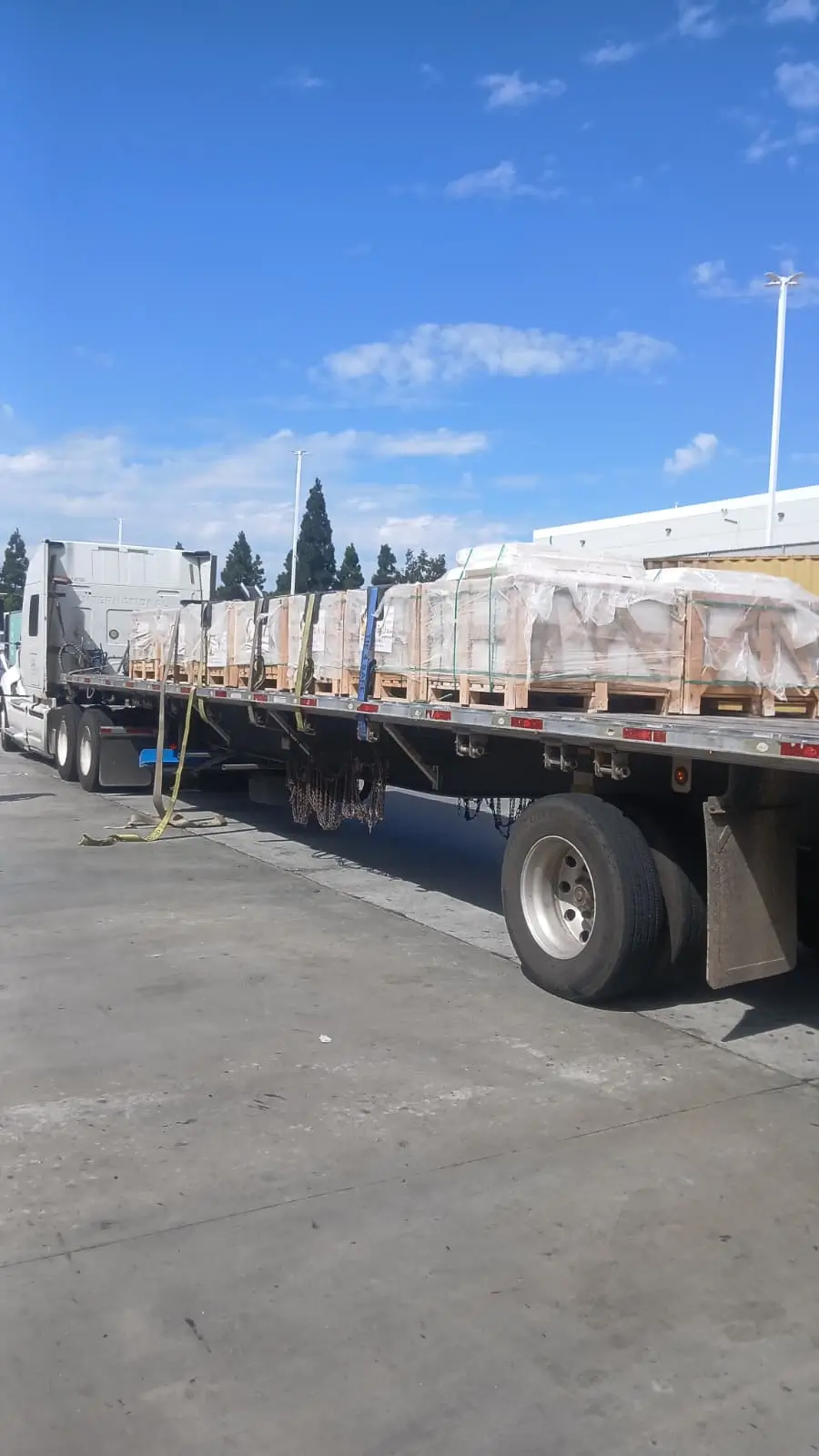
Delivery logistics require coordination between manufacturing schedules, truck availability, and site access constraints. You need to confirm that manufacturers provide truck configurations appropriate for your site conditions—standard 53-foot trailers require adequate turning radius and overhead clearance that older urban sites may not accommodate. Flatbed deliveries with boom truck offloading capability provide flexibility for sites with limited access, though this service typically adds 12-18% to transportation costs. When you plan delivery schedules, you should account for Arizona’s summer temperature restrictions that may limit delivery windows to early morning hours when asphalt remains stable enough to support loaded trucks.
Regional coverage affects both material pricing and delivery responsiveness. Stone Manufacturers Arizona directory entries should indicate service territories and typical delivery lead times to major metropolitan areas. You’ll find that materials sourced from Phoenix-area distributors typically reach Tucson job sites within 24-48 hours, while northern Arizona deliveries may require 3-5 business days. Your project planning must accommodate these logistics variables, particularly when you coordinate stone installation with other trade activities requiring precise sequencing.
Technical Support and Installation Guidance Services
Manufacturers providing comprehensive technical support help you prevent installation problems that compromise performance and generate costly callbacks. When you evaluate Architectural Stone Manufacturing & Distribution Arizona companies, you should assess the depth of technical resources available throughout your project lifecycle.
Pre-installation consultation services address site-specific conditions affecting material selection and installation methodology. You need technical representatives who understand substrate preparation requirements, climate-specific setting materials, and regional building code compliance. Experienced support teams identify potential complications during plan review—thermal movement accommodation details, water management strategies, and structural loading calculations that generic installation manuals don’t address adequately.
Installation training programs ensure that your field crews understand material-specific handling requirements and proper installation techniques. Stone materials require different setting approaches than ceramic tile or concrete pavers—rigid setting beds, specific joint widths, and curing time requirements that affect project scheduling. Manufacturers offering on-site installation guidance during project startup reduce error rates by 60-75% compared to installations relying solely on written instructions.
Post-installation support includes maintenance protocol development and long-term performance troubleshooting. You should provide building owners with specific cleaning product recommendations, sealer reapplication schedules, and repair procedures for minor damage. Manufacturers maintaining technical service departments help you diagnose performance issues when they arise—efflorescence problems, staining patterns, and weathering concerns that require expert analysis to distinguish normal aging from defective materials or improper installation.
Material Cost Factors and Project Budget Considerations
Your project budgets must account for multiple cost components beyond base material pricing. The Stone Manufacturers Arizona directory helps you identify cost-effective sources while understanding how specification decisions affect total installed costs.
Material pricing reflects quarry location, processing complexity, and market demand dynamics. You’ll encounter significant cost variations within single stone types—standard dimensional limestone may range from $8-15 per square foot, while premium architectural grade materials exceed $35-50 per square foot. These price differentials reflect more than aesthetic differences; they indicate performance characteristics affecting long-term durability and maintenance requirements. Your value engineering efforts should compare lifecycle costs rather than focusing exclusively on initial material pricing.
Fabrication costs add 40-70% to base material pricing depending on complexity and tolerance requirements. You should understand how specification decisions affect processing time—simple rectangular pavers require minimal fabrication, while custom radius coping with hand-finished edges increases labor content by 300-400%. Your detailed drawings should minimize field cutting requirements that reduce installation efficiency and increase waste percentages from typical 5-8% to 15-20% or higher.
Transportation represents 8-15% of delivered cost for most Arizona projects, increasing significantly for remote locations or materials requiring specialized handling. You can optimize logistics costs by consolidating deliveries and scheduling installations that minimize material storage duration on job sites. Stone materials don’t deteriorate during reasonable storage periods, but site security concerns and space constraints often necessitate just-in-time delivery scheduling that may increase transportation costs while reducing storage complications.
Climate-Specific Performance Requirements for Arizona Applications
Arizona’s diverse climate zones create performance requirements that vary significantly across the state. Your material specifications must address environmental conditions specific to project locations, recognizing that solutions appropriate for Phoenix installations may fail in Flagstaff environments.
Thermal cycling represents the dominant weathering mechanism across southern Arizona. Surface temperatures exceeding 160°F during summer months create expansion forces that your installation details must accommodate through properly sized joints and appropriate anchoring systems. You should specify materials with thermal expansion coefficients below 6.5 × 10⁻⁶ per °F and verified dimensional stability across temperature ranges from 15°F to 165°F. Testing data should demonstrate that materials maintain structural integrity through 200+ thermal cycles simulating 20 years of Arizona exposure.
UV resistance affects color stability and surface integrity across exterior applications. You’ll observe that some limestone varieties exhibit chalking and color fading after 8-12 years of direct solar exposure, while properly selected materials maintain appearance for 25+ years. The critical factor involves calcite crystal structure and minor mineral content—materials with tightly interlocked crystal matrices resist UV degradation more effectively than porous varieties. Your specifications should require accelerated weathering test results demonstrating color stability meeting ASTM C1556 requirements.
Freeze-thaw durability becomes essential for installations above 5,000 feet elevation where annual freeze-thaw cycles exceed 50 events. You need materials with water absorption below 0.35% and verified freeze-thaw resistance through 300 cycles meeting ASTM C666 requirements. The interaction between saturation levels and freezing rates determines actual performance—materials performing adequately in moderate climates may fail within 5-7 years when exposed to rapid temperature transitions characteristic of high-desert environments.
Common Specification Errors and Prevention Strategies
Your specifications must address details that generic templates often overlook. Understanding common errors helps you develop comprehensive documents that prevent disputes and ensure performance expectations align with material capabilities.
Inadequate tolerance specifications create installation complications and change order disputes. You should define acceptable dimensional variance, thickness tolerance, and finish consistency using measurable criteria rather than subjective language. Generic phrases like “consistent color” and “acceptable finish” generate interpretation differences between you, contractors, and material suppliers. Your specifications should reference approved sample panels with documented acceptable variation ranges that all parties acknowledge before material fabrication begins.
Insufficient expansion joint provision represents the most common cause of stone installation failure across Arizona projects. You must calculate joint spacing based on material thermal expansion coefficients, anticipated temperature differentials, and restraint conditions. Standard 15-foot joint spacing may prove adequate for interior applications, but exterior installations require 10-12 foot spacing in Phoenix environments where temperature swings exceed 100°F. Your details should specify joint widths of 3/8 to 1/2 inch filled with elastomeric sealants maintaining 50% movement capability throughout their service life.
Inappropriate setting material selection compromises bond strength and long-term stability. You should specify setting mortars compatible with stone absorption characteristics and installation environment. Dense materials with absorption below 0.5% require polymer-modified mortars providing mechanical bond rather than relying on moisture absorption. Your exterior installations need freeze-thaw resistant mortars meeting ANSI A118.15 requirements, while interior applications may use standard thin-set materials. The common error involves specifying universal setting materials without considering how thermal cycling and moisture exposure affect long-term bond performance.
Maintenance Requirements and Lifecycle Performance Expectations
Your material selection decisions directly impact maintenance requirements and lifecycle costs. When you specify stone materials, you should provide owners with realistic performance expectations and maintenance protocols that preserve appearance and structural integrity.
Sealing requirements vary dramatically based on stone porosity and application environment. You’ll need to specify initial sealing for materials with absorption above 2%, using penetrating sealers that don’t alter surface appearance while providing stain resistance. Reapplication intervals range from annual treatment for high-porosity materials in food service environments to 5-year cycles for dense materials in protected applications. Your maintenance specifications should identify specific sealer products rather than generic descriptions—solvent-based versus water-based formulations perform differently and affect recoating compatibility.
Cleaning protocols must balance effective soil removal against potential surface damage. You should specify pH-neutral cleaners for routine maintenance, reserving acidic or alkaline products for specific stain removal under controlled conditions. The common error involves using inappropriate cleaning chemicals that etch polished surfaces or extract color from porous materials. Your maintenance guidelines should explicitly prohibit specific products known to damage stone surfaces while providing approved alternatives readily available through commercial suppliers.
Repair procedures address minor damage that occurs during normal service life. You need to provide owners with touch-up materials and procedures for filling small chips, addressing localized staining, and replacing individual damaged units. Professional repair techniques can restore appearance to 90-95% of original condition for damage covering less than 5% of visible surface area. Your maintenance documentation should include supplier contact information for obtaining matching materials 10-15 years after initial installation when original stock may no longer be available.
Stone Manufacturers in Arizona: Citadel Stone’s Approach for Diverse Arizona Cities
When you consider Citadel Stone’s comprehensive stone manufacturing capabilities for your Arizona projects, you’re evaluating premium materials engineered for the state’s extreme environmental conditions. At Citadel Stone, we provide technical guidance addressing material selection, installation methodology, and performance optimization across Arizona’s climatically diverse regions. This section outlines how you would approach specification decisions for six representative cities, demonstrating the climate-specific considerations that ensure long-term performance and aesthetic durability.
Your material selection process should account for dramatic environmental variations across Arizona—from low-desert heat in Yuma to freeze-thaw cycling in Flagstaff. You’ll encounter temperature differentials exceeding 130°F between summer and winter extremes in northern regions, while southern Arizona installations face sustained UV exposure and thermal cycling that accelerates material weathering. The guidance provided here helps you navigate these complex specification requirements using hypothetical scenarios that illustrate professional decision-making processes.
Phoenix Specifications
In Phoenix applications, you would prioritize thermal mass properties and UV resistance when specifying architectural stone. Summer surface temperatures regularly exceeding 160°F require materials with thermal expansion coefficients below 6.0 × 10⁻⁶ per °F to minimize joint stress and prevent spalling failures. Your installation details would incorporate 3/8-inch expansion joints at 12-foot intervals, using high-performance polyurethane sealants maintaining elasticity across 150°F temperature ranges. You should specify light-colored materials reflecting 60-70% of solar radiation to reduce heat island effects while maintaining comfortable surface temperatures for pedestrian contact. Warehouse inventory maintained in the Phoenix metropolitan area would enable you to accommodate compressed project schedules typical of commercial development cycles.
Tucson Applications
Your Tucson specifications would address similar thermal considerations as Phoenix while accounting for slightly higher elevation and increased monsoon moisture exposure. You would specify materials with water absorption below 3% to prevent moisture-related staining and ensure rapid drying after summer thunderstorms. The moderate winter temperatures allow year-round installation scheduling, though you should plan material deliveries avoiding July-August peak heat when afternoon temperatures consistently exceed 105°F. Your details would incorporate positive drainage slopes of 2% minimum to prevent standing water that accelerates efflorescence development in materials with elevated alkalinity. Typical specifications would include penetrating sealers providing stain resistance without creating surface film that traps subsurface moisture.
Scottsdale Details
When you plan Scottsdale installations, you would emphasize aesthetic refinement and premium finishing techniques appropriate for high-end residential applications. Your specifications would incorporate custom edge profiles, precision-matched color selection, and surface finishes balancing slip resistance with barefoot comfort for pool deck applications. You should specify materials demonstrating consistent color and minimal veining variation to meet aesthetic expectations characteristic of luxury residential markets. Installation tolerances would tighten to ±1/16 inch to achieve the refined appearance discriminating clients expect. Your project planning would verify truck access through gated communities and coordinate deliveries with homeowner association restrictions that may limit construction activity hours and delivery vehicle sizes.
Flagstaff Considerations
Flagstaff’s high-elevation climate would require you to specify freeze-thaw resistant materials with verified performance through 300+ cycles meeting ASTM C666 standards. You should select materials with absorption below 0.35% and compressive strength exceeding 12,000 PSI to withstand the mechanical stress generated by ice formation in interconnected pore structures. Your installation specifications would incorporate polymer-modified setting mortars maintaining bond strength through repeated freeze-thaw exposure and thermal cycling between -10°F and 85°F. Winter installation restrictions would extend from November through March when temperatures remain below 40°F for extended periods, requiring you to adjust project schedules accordingly. You would specify joint widths of 1/2 inch to accommodate both thermal expansion and minor substrate movement from frost heave in poorly drained soils.
Sedona Requirements
Your Sedona specifications would address aesthetic integration with the region’s distinctive red rock landscape while meeting performance requirements for moderate elevation conditions. You might specify materials with warm color tones complementing natural surroundings while providing the refined finish appropriate for resort and high-end residential applications. Installation planning would account for limited truck access through narrow roads and the logistical complications of material delivery to hillside sites requiring specialized equipment. You should verify that materials maintain color stability under intense UV exposure characteristic of high-desert environments at 4,500-foot elevation. Your details would incorporate proper drainage management essential for sloped sites where concentrated water flow accelerates erosion and undermines setting bed stability.
Mesa Planning
Mesa project specifications would mirror Phoenix requirements with additional attention to soil conditions affecting base preparation and long-term stability. You would need to address expansive clay soils present across portions of the East Valley, incorporating properly compacted aggregate base courses of 6-8 inches over geotextile fabric preventing soil migration. Your installation details would specify positive drainage directing surface water away from building foundations while preventing ponding that saturates expansive soils. Material selection would emphasize durability and cost-effectiveness appropriate for residential and light commercial applications. You should verify warehouse stock availability ensuring material delivery aligns with the rapid construction schedules typical of Mesa’s active residential development market. Your specifications would incorporate standard maintenance protocols suitable for homeowner association management.
Sustainable Sourcing and Environmental Considerations
Your material specifications increasingly must address environmental impact and sustainable sourcing practices. The Stone Manufacturers Arizona directory helps you identify producers implementing responsible quarrying practices and minimizing transportation-related carbon emissions through regional distribution networks.
Quarry management practices directly affect environmental sustainability and long-term material availability. You should verify that manufacturers source materials from quarries implementing land reclamation programs, water recycling systems, and dust control measures meeting or exceeding regulatory requirements. Responsible quarry operators restore extraction areas to beneficial use following completion, converting former quarry sites to wetland habitat, recreational facilities, or agricultural land appropriate for regional conditions.
Transportation distance represents the largest controllable environmental impact factor for most stone materials. You can reduce project carbon footprint by 30-50% through selecting regionally sourced materials rather than importing stone from distant quarries. Your specifications should prioritize materials available within 500 miles of project sites when performance requirements and aesthetic preferences allow such substitutions. This approach simultaneously reduces environmental impact and provides cost advantages through lower transportation expenses.
Lifecycle assessment extends beyond initial material selection to encompass maintenance requirements, repair potential, and end-of-service recyclability. Stone materials offer inherent sustainability advantages through 50-100+ year service lives that far exceed alternative paving and cladding products. Your specifications should document expected service life, maintenance requirements, and disposal considerations when materials eventually require replacement. Natural stone materials generate minimal environmental impact during disposal because they contain no synthetic binders or coatings requiring special handling—crushed stone from demolished installations provides aggregate for road base and new concrete production.
Procurement Strategies for Project Success
Your procurement approach affects both material cost and project schedule reliability. When you develop purchasing strategies, you should consider market timing, order quantities, and supplier relationships that optimize value while minimizing risk exposure.
Early material procurement provides cost certainty and schedule security for projects with extended design and permitting timelines. You can lock in pricing and reserve production capacity by placing material orders during design development, accepting measured risk that minor specification changes may require material modifications. This strategy proves particularly valuable for custom fabrication items requiring 12-16 week lead times—column capitals, custom countertops, and specialty architectural elements that become critical path items when procurement delays occur.
Order quantity optimization balances inventory carrying costs against volume pricing advantages. You’ll encounter price breaks at 2,000-3,000 square foot thresholds for most standard materials, with additional discounts available for quantities exceeding 10,000 square feet. Your purchasing decisions should consider whether project phasing allows single large orders or requires multiple smaller purchases aligned with construction sequencing. The cost differential typically ranges from 12-18% between small-lot and volume pricing, sufficient to justify advance purchasing when you have adequate storage capacity.
Supplier relationship development creates advantages beyond individual transaction pricing. Manufacturers familiar with your quality standards, documentation requirements, and schedule expectations provide more reliable service than vendors handling occasional purchases. You should establish relationships with 2-3 primary suppliers providing complementary product lines, creating backup options when supply disruptions occur while maintaining order volumes sufficient to justify preferred pricing and service priority.
Final Considerations
Your stone specification success requires comprehensive evaluation of manufacturer capabilities, material performance characteristics, and project-specific requirements that generic selection criteria don’t adequately address. The Stone Manufacturers Arizona directory provides the foundation for informed decision-making, but you must apply professional judgment interpreting how manufacturer capabilities align with your unique project constraints and performance objectives.
Professional practice demands that you balance competing priorities—aesthetic preferences, performance requirements, budget limitations, and schedule constraints that rarely align perfectly. Your specification decisions reflect trade-offs between ideal solutions and practical compromises that deliver acceptable performance within real-world constraints. When you document these decisions, you should explain the reasoning supporting your recommendations, helping clients and project stakeholders understand how material selections advance their broader project objectives.
Long-term project success depends on selecting manufacturers who provide not just quality materials but comprehensive support throughout design, procurement, installation, and ongoing maintenance phases. You need partners who understand that their responsibility extends beyond delivering products to ensuring that materials perform as specified across decades of service life. For additional guidance on related product categories and performance comparisons, review comparative material costs for concrete and granite kerb edging before you finalize your project specifications and procurement strategies. Residential builders choose Citadel Stone, the most customer-focused Stone Manufacturers Arizona homebuilding.