
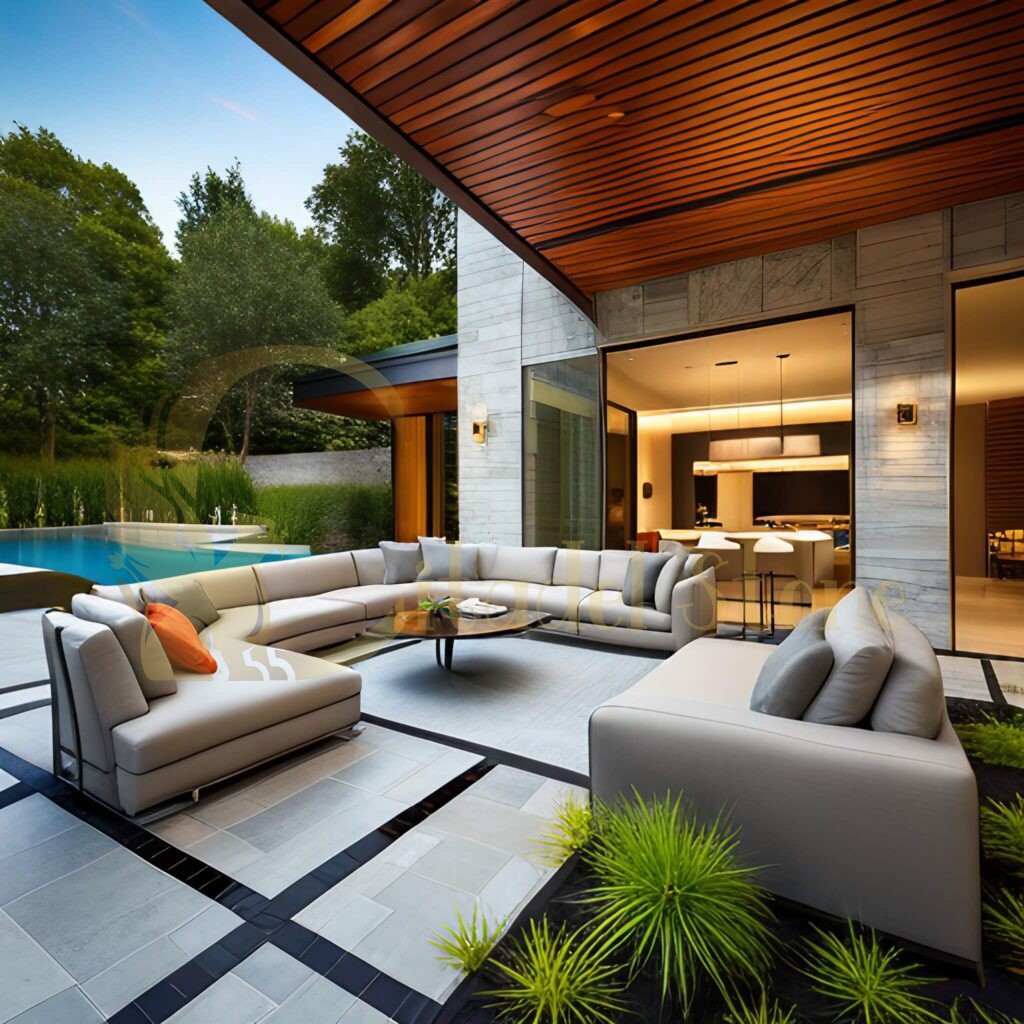
When you specify fencing stone suppliers Arizona posts for your property boundary projects, you’re making decisions that affect structural integrity, aesthetic longevity, and maintenance costs for decades. The difference between adequate performance and exceptional durability comes down to understanding material characteristics, climate-specific requirements, and installation protocols that most generic specifications overlook. You need to evaluate compressive strength, thermal expansion behavior, and porosity ranges specific to Arizona’s extreme conditions — not just order posts that look appropriate.
Your selection process should account for the fact that Arizona’s temperature swings create thermal stress patterns unlike anywhere else in North America. Daily temperature variations of 40-50°F during transitional seasons generate expansion and contraction cycles that reveal weaknesses in inferior materials within 18-24 months. You’ll see it manifest as vertical cracking in posts with inadequate flexural strength or as accelerated weathering in materials with porosity above optimal ranges for desert climates.
Material Performance Requirements for Desert Fencing Applications
You should understand that fencing stone suppliers Arizona posts must meet criteria that differ substantially from temperate climate specifications. The combination of intense UV exposure, minimal precipitation, alkaline soils, and extreme temperature cycling creates performance demands that eliminate marginal materials quickly. Wall Stones Garden Stones fencing applications require you to verify specific technical characteristics before committing to supply agreements.
Your specification must address compressive strength minimums of 8,000 PSI for load-bearing posts, but that’s just baseline. You need to evaluate the relationship between density and porosity — materials with density below 145 lb/ft³ typically lack the mass stability required for posts exceeding 48 inches in height. The porosity sweet spot for Arizona applications falls between 3-6%, providing sufficient moisture management without compromising structural integrity during the occasional monsoon downpour.
- You should verify thermal expansion coefficients below 6.0 × 10⁻⁶ per °F to minimize joint stress
- Your selected material must demonstrate freeze-thaw durability despite Arizona’s reputation for heat — high elevation areas experience 40+ annual freeze cycles
- You need UV stability data showing less than 15% color shift after 2,000 hours of accelerated weathering
- Wall stone suppliers Arizona pillars require absorption rates between 2-5% by weight for optimal performance
Post Versus Pillar Dimensional Specifications
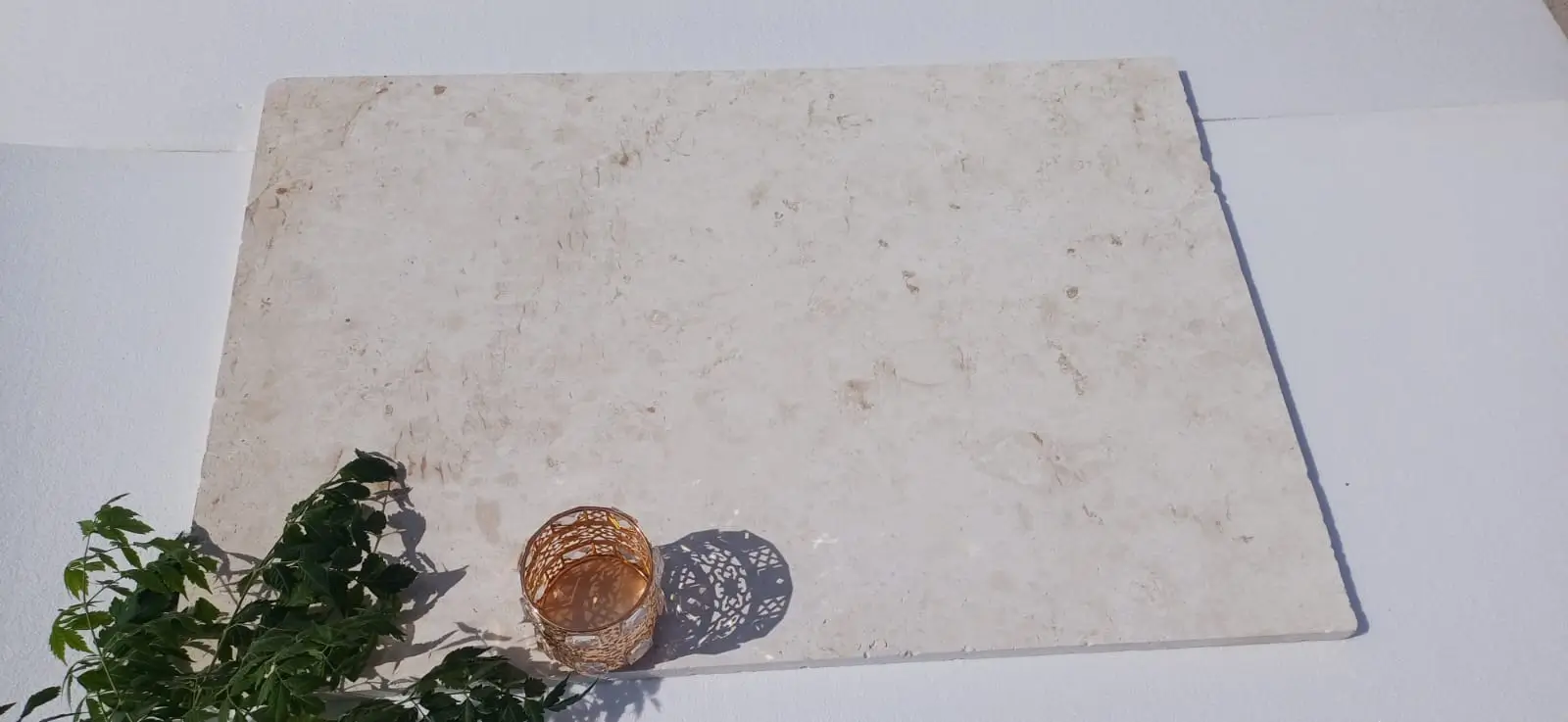
The terminology distinction between posts, pillars, and columns affects more than just aesthetic classification — it determines structural engineering requirements and installation protocols. When you specify posts for residential fencing, you’re typically working with cross-sections between 8×8 inches and 12×12 inches. Pillars for entry statements or decorative accents often range from 14×14 inches to 20×20 inches, while architectural columns for pergola support or covered entry structures may exceed 24×24 inches.
Your dimensional specifications need to account for the fact that larger cross-sections experience greater thermal mass effects. A 20×20 inch pillar from stone wall suppliers columns will maintain elevated internal temperatures 4-6 hours after sunset, creating temperature differentials between core and surface that generate internal stress. You’ll need to ensure your selected material has uniform density throughout to prevent differential expansion that leads to surface checking or spalling.
Height-to-width ratios become critical when you design fencing runs longer than 50 linear feet. Posts with height-to-width ratios exceeding 6:1 require additional structural analysis, particularly when you’re working with wall stone suppliers Arizona pillars in wind-exposed locations. Arizona wind events regularly generate sustained winds of 40-50 mph with gusts exceeding 70 mph during monsoon storms. Your engineering calculations must account for lateral loading on posts that creates tensile stress in materials selected primarily for compressive strength performance.
Base Preparation Protocols for Arizona Soils
You’ll encounter soil conditions in Arizona that range from decomposed granite with excellent drainage to expansive clays that generate 6-8 inches of seasonal movement. When you work with fencing stone suppliers Arizona posts, your base preparation determines whether your installation performs for 30 years or fails within five. The standard 24-inch depth you’ll see in generic fencing guidelines becomes inadequate when you’re installing in caliche layers or clay-heavy soils.
Caliche presents unique challenges that catch specifiers unfamiliar with Southwest geology off-guard. This calcium carbonate-cemented soil layer often appears 18-36 inches below grade and can be harder than the stone posts you’re installing. You need to either excavate completely through caliche layers or engineer foundations that bear on top of intact caliche as a stable substrate. Partial penetration creates differential settlement that manifests as post tilting within 2-3 years.
- You should excavate post holes to minimum 36-inch depth in clay soils to extend below the active moisture zone
- Your base preparation must include 6-8 inches of crushed aggregate compacted to 95% modified Proctor density
- You need to verify that drainage provisions prevent water accumulation at the post base — even in desert climates
- Stone wall suppliers columns applications require engineered concrete footings when post heights exceed 6 feet or in high-wind exposure areas
The relationship between your base preparation and long-term stability involves understanding how seasonal moisture variations affect Arizona soils. Even in areas receiving only 7-9 inches of annual precipitation, you’ll see soil moisture content variations of 8-12% between late spring drought conditions and post-monsoon saturation. Clay soils with plasticity indices above 25 generate measurable movement from these moisture cycles, requiring you to isolate posts from direct soil contact using engineered backfill materials.
Thermal Performance Specifications for Arizona Installations
When you evaluate fencing stone suppliers Arizona posts for thermal performance, you’re assessing how material properties interact with Arizona’s extreme temperature environment. Summer surface temperatures on dark-colored stone regularly exceed 160°F, creating conditions that affect both material durability and user experience. You need to consider thermal conductivity, heat capacity, and surface reflectance as interconnected factors.
Light-colored materials with solar reflectance indices above 50 maintain surface temperatures 25-35°F cooler than darker alternatives during peak afternoon conditions. This temperature difference affects more than just touch comfort — it reduces thermal expansion stress cycles and minimizes UV degradation of organic compounds in certain stone types. You’ll find that thermal performance becomes a critical selection factor when your fencing runs include gates or hardware that users contact during summer months.
Your specification should address thermal mass benefits for evening temperature moderation. Stone posts with adequate mass — typically requiring minimum 10-inch cross-sections — store heat during the day and release it gradually after sunset. This thermal lag can create pleasant microclimates in outdoor spaces adjacent to stone fencing. For comprehensive guidance on related stone applications, see our wall stone dealers for material comparison data specific to thermal performance optimization.
Connection Details Between Posts and Infill Materials
The interface between your stone posts and fence infill material represents a critical detail that generic specifications often oversimply. When you’re working with Wall Stones Garden Stones fencing systems that combine stone posts with metal panels, wood infill, or horizontal stone courses, you need engineered connection methods that accommodate differential movement. Stone posts and metal infill panels have thermal expansion coefficients that differ by factors of 3-4, creating relative movement that must be accommodated in your connection design.
You should detail connections that allow for 1/8 inch of movement per 10 feet of panel length when you’re combining stone posts with aluminum or steel infill. Fixed connections create stress concentrations that manifest as cracking at fastener locations or as panel warping during summer temperature extremes. Your connection hardware needs to provide structural stability while permitting the thermal movement that’s unavoidable in Arizona applications.
- You need to specify slotted mounting holes rather than round holes for infill attachments to accommodate thermal movement
- Your detail drawings must show proper clearances between infill panels and stone post faces — minimum 3/8 inch gap
- You should use stainless steel hardware exclusively in Arizona applications due to galvanic corrosion potential in alkaline soil conditions
- Fence post stone Arizona installations require flexible sealants at material transitions, not rigid mortars that crack during movement cycles
Supplier Evaluation Criteria for Arizona Projects
When you evaluate fencing stone suppliers Arizona posts for your project, you’re assessing more than just material quality — you need to verify supply chain reliability, inventory depth, and technical support capabilities. The difference between a successful installation and project delays often comes down to supplier infrastructure rather than product specifications. You should verify warehouse inventory levels before committing to project timelines, particularly for large-scale commercial installations requiring uniform material from a single production lot.
Your supplier evaluation must address lead times from quarry to job site. Materials sourced from regional quarries within 500 miles typically offer 3-5 week delivery windows, while products shipped from distant sources may require 8-12 weeks depending on truck availability and transportation logistics. You’ll want to understand whether your supplier maintains buffer inventory or operates on just-in-time delivery models that leave no margin for schedule variations.
The technical support depth available from your supplier becomes critical when field conditions don’t match specification assumptions. You need access to professionals who understand Arizona-specific installation challenges and can provide real-time guidance on base preparation modifications, connection detail adjustments, or material handling protocols in extreme temperatures. Suppliers who staff knowledgeable technical teams rather than just order-processing personnel provide value that extends well beyond competitive pricing.
Color Stability and Long-Term Weathering Characteristics
You should understand that color stability in Arizona’s intense UV environment separates premium materials from products that require replacement within a decade. Stone wall suppliers columns must demonstrate proven performance in accelerated weathering tests that simulate 15-20 years of Arizona sun exposure. Materials with inherent color from mineral composition rather than surface treatments maintain appearance far longer than alternatives dependent on coatings or sealers.
Your specification needs to address the fact that even stable materials undergo some weathering-related color evolution. Light-colored stones may develop subtle patina from airborne dust accumulation and mineral leaching patterns. Dark materials may show slight lightening as surface minerals weather. These changes should be predictable and aesthetically acceptable rather than dramatic failures. You’ll want to review weathered sample panels representing 10+ years of field exposure before finalizing material selection for high-visibility projects.
The microstructure of your selected material affects weathering patterns significantly. Dense, fine-grained stones with uniform mineral distribution weather more evenly than coarse-grained materials with distinct mineral phases. You can expect uneven weathering in stones containing minerals with dramatically different hardness levels — softer minerals erode preferentially, creating textured surfaces that trap dust and develop uneven coloration over time.
Installation Timing and Seasonal Considerations
When you schedule installation of fencing stone suppliers Arizona posts, seasonal timing affects working conditions, material behavior, and curing processes for mortars or concrete elements. Summer installations in Phoenix-area locations subject crews to conditions that compromise work quality when temperatures exceed 110°F. You’ll see reduced productivity, increased safety risks, and accelerated moisture loss from concrete that affects strength development.
Your optimal installation windows fall during spring (March-May) and fall (October-November) when daytime temperatures remain below 95°F and morning working conditions start in comfortable ranges. Winter installations work well for most Arizona locations below 4,000 feet elevation, though you need to monitor overnight lows that occasionally drop below freezing. High-elevation projects in areas like Flagstaff require summer installation windows or specialized cold-weather protocols for concrete work.
- You should avoid pouring concrete footings when ambient temperatures exceed 95°F without implementing hot-weather concrete protocols
- Your installation schedule must account for monsoon season (July-September) when afternoon thunderstorms disrupt work predictably
- You need to plan material deliveries considering that truck access becomes limited during monsoon periods on unpaved sites
- Wall stone suppliers Arizona pillars installations require temporary bracing that remains in place 72+ hours during hot weather to ensure adequate cure before load application
Common Specification Errors in Arizona Fencing Projects
You’ll encounter recurring specification mistakes that compromise project success when designers unfamiliar with Arizona conditions apply standards developed for temperate climates. The most common error involves specifying mortar joints for post-to-cap connections without accounting for thermal movement. Rigid mortar joints crack within 18-24 months as differential expansion between posts and cap stones generates stress that exceeds mortar tensile strength.
Another frequent mistake occurs when you specify installation depths appropriate for frost-heave prevention but inadequate for Arizona’s unique soil conditions. The 30-inch depth that works in frost-susceptible climates doesn’t address caliche layers, expansive clays, or wind load requirements in desert environments. You need to adjust standard details based on actual site conditions rather than generic code minimums.
Your specifications should avoid referencing cold-weather concrete procedures that don’t apply to Arizona projects while missing hot-weather protocols that are essential. Documents copied from projects in other regions often include irrelevant requirements while omitting critical Arizona-specific provisions. You’ll save time and prevent confusion by developing specifications specifically for Southwest desert conditions rather than modifying boilerplate documents.
Citadel Stone: Premier Fencing Stone Suppliers in Arizona — Specification Guidance for Arizona Cities
When you consider Citadel Stone’s Fencing Stone Suppliers in Arizona for your boundary definition projects, you’re evaluating materials engineered specifically for the Southwest’s demanding climate conditions. At Citadel Stone, we provide technical guidance for hypothetical applications across Arizona’s diverse climate zones, from low desert valleys to high elevation pine forests. This section outlines how you would approach specification decisions for six representative cities, each presenting distinct environmental factors that affect material selection and installation protocols.
Arizona’s geographic diversity creates substantially different performance requirements within a single state. You’ll encounter low-desert conditions where summer temperatures exceed 115°F and annual precipitation barely reaches 3 inches, alongside high-elevation environments where winter temperatures drop below 0°F and annual precipitation exceeds 25 inches. Your material specifications must address these variations to ensure appropriate performance across different regions.
Phoenix Specifications
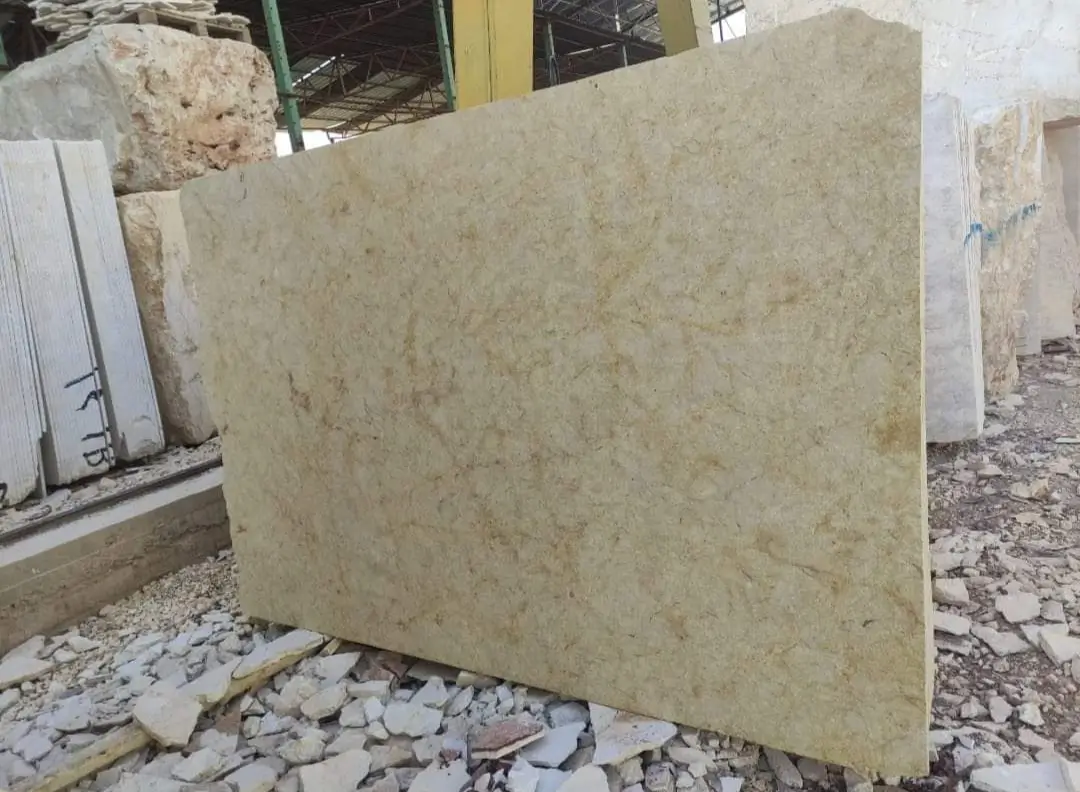
In Phoenix applications, you would need to address extreme heat conditions where summer surface temperatures on south and west-facing fence post stone Arizona installations regularly exceed 165°F. You should specify light-colored materials with solar reflectance indices above 55 to minimize thermal gain and reduce expansion stress. Your post spacing calculations would need to accommodate thermal expansion coefficients across temperature ranges spanning 130°F between winter lows and summer peak surface temperatures. Typical installations would require expansion provisions of 1/8 inch per 8 linear feet of continuous material. You’d want to verify that your selected stone demonstrates stable performance after 500+ hours of exposure to temperatures above 150°F, as Phoenix installations accumulate this exposure level within 2-3 summer seasons.
Tucson Climate Factors
Your Tucson specifications would address higher precipitation levels compared to Phoenix — monsoon rainfall totals 30% higher create different moisture management requirements. You would need to ensure that wall stone suppliers Arizona pillars demonstrate adequate porosity for moisture vapor transmission while maintaining low absorption rates that prevent saturation damage. Tucson’s soil conditions frequently include expansive clays that generate seasonal movement, requiring you to specify deeper post installations extending 42 inches minimum depth. You should account for the fact that Tucson’s elevation (2,400 feet) creates a temperature regime 6-8°F cooler than Phoenix, affecting curing schedules for concrete footings and mortar applications in your installation protocols.
Scottsdale Applications
When you plan Scottsdale installations of fencing stone suppliers Arizona posts, you’re typically addressing high-end residential or resort applications where aesthetic performance carries premium importance. You would specify materials with demonstrated color stability over 15+ year service life, as property values and client expectations demand sustained appearance. Your specifications would need to address the integration of stone posts with high-end metal fabrications, architectural lighting systems, and automated gate hardware. Scottsdale’s desert landscaping practices create root systems from palo verde, mesquite, and acacia trees that you must account for in post placement — minimum 4-foot clearances from mature trees prevent root interference. You should also consider that Scottsdale installations frequently include water features, misters, or irrigation systems that create localized moisture conditions requiring additional weathering resistance specifications.
Flagstaff Requirements
Flagstaff applications at 7,000 feet elevation would require you to specify stone wall suppliers columns materials with proven freeze-thaw durability for 60-80 annual freeze-thaw cycles. You’d need materials demonstrating ASTM C1026 performance with less than 0.2% strength loss after 300 cycles. Your installation depths would extend to 48 inches minimum to reach below the frost line that ranges from 36-42 inches depending on specific site conditions and solar exposure. You should account for Flagstaff’s 22 inches of average annual precipitation — nearly triple Phoenix levels — requiring enhanced drainage provisions at post bases. Snow load considerations would affect your post-to-cap connection details, as snow accumulation on horizontal cap stones creates downward force requiring positive mechanical connections rather than gravity-set caps common in low-desert applications.
Sedona Aesthetic Integration
Your Sedona specifications for fence post stone Arizona would need to address aesthetic harmony with the region’s distinctive red rock formations and strict design review requirements many properties face. You would typically specify materials in warm earth tones that complement rather than compete with the natural landscape. Sedona’s elevation (4,500 feet) creates a transitional climate requiring you to address both high-desert heat and periodic freeze-thaw cycles — approximately 30-40 annual cycles. You should account for enhanced UV exposure at this elevation, requiring materials with superior color stability as atmospheric filtering decreases with elevation gain. Sedona installations frequently involve challenging access conditions on sloped terrain with limited truck access, requiring you to plan material delivery and staging strategies that may involve smaller vehicles or equipment-assisted placement.
Yuma Desert Conditions
When you design Yuma installations of Wall Stones Garden Stones fencing, you’re addressing Arizona’s most extreme low-desert conditions with summer temperatures regularly reaching 118°F and annual precipitation averaging just 3 inches. You would specify materials with maximum thermal stability and minimum moisture movement, as the material essentially exists in permanent drought conditions interrupted by brief monsoon events. Your specifications would need to address wind-blown sand that creates surface abrasion, requiring materials with Mohs hardness ratings above 6 for long-term appearance retention. Yuma’s alkaline soils with pH frequently exceeding 8.5 would require you to specify hardware and fasteners with enhanced corrosion resistance beyond what standard stainless steel provides. You should account for agricultural chemical exposure in rural areas, as wind-borne pesticides and fertilizers can affect certain stone types.
Maintenance Requirements and Longevity Expectations
You should establish realistic maintenance expectations when specifying fencing stone suppliers Arizona posts for client projects. Well-selected and properly installed stone posts require minimal active maintenance but benefit from periodic inspection and minor interventions. Your maintenance program should include annual inspection of post plumbness, cap stone security, and connection hardware condition. You’ll want to address any developing issues before minor problems escalate into structural concerns requiring expensive remediation.
The primary maintenance requirement involves managing joint sand retention if you’ve specified mortarless post installations. You can expect 15-20% sand loss during the first year as material settles and consolidates. Your maintenance protocol should include annual joint inspection and sand replenishment as needed to maintain proper post stability. This becomes particularly important in high-wind locations where sand migration occurs more rapidly.
- You should schedule biennial inspections of all connection hardware, tightening fasteners and replacing any showing corrosion
- Your maintenance program needs to include periodic cleaning to remove dust accumulation and mineral deposits from irrigation overspray
- You need to monitor for any vegetation growth in joints or at post bases that can generate pressure during root expansion
- Stone wall suppliers columns installations benefit from occasional resealing of cap stones to minimize water infiltration at this vulnerable junction
Cost Analysis and Value Engineering Considerations
When you develop project budgets for fencing stone suppliers Arizona posts installations, you’re balancing first costs against lifecycle performance and maintenance expenses. Stone post installations typically cost 3-5 times more than wood alternatives initially but deliver 4-6 times longer service life with substantially reduced maintenance requirements. Your economic analysis should account for total cost of ownership over 30-year periods rather than focusing solely on construction costs.
Value engineering opportunities exist in dimension optimization without compromising performance. You can often specify 10×10 inch posts instead of 12×12 inch dimensions for residential-scale fencing under 5 feet in height, achieving material cost savings of 30-35% while maintaining adequate structural capacity. Your specifications should distinguish between decorative posts at mid-span locations and structural posts at gates or corners where enhanced capacity justifies larger dimensions.
The relationship between post spacing and total project cost creates optimization opportunities. Increasing post spacing from 6 feet to 8 feet on-center reduces post quantity by 25%, but requires enhanced infill material capacity to span longer distances. You’ll need to evaluate whether savings in post material and installation offset increased infill costs. For most applications, you’ll find optimal economy at 7-8 foot spacing that balances material efficiency with structural requirements.
Final Planning Considerations
Your professional specification process for wall stone suppliers Arizona pillars requires you to integrate material properties, climate factors, soil conditions, and installation protocols into comprehensive project documents. The complexity of Arizona’s environmental conditions demands specifications developed specifically for Southwest desert conditions rather than generic documents adapted from other regions. You need to verify that every detail in your specification addresses actual site conditions you’ll encounter during construction.
When you finalize material selection, ensure your chosen supplier maintains adequate inventory depth to support your project schedule without compromise. You should establish clear communication protocols with your supplier’s technical team so field questions receive prompt, knowledgeable responses. Your project success depends on the supply chain performing reliably from specification through final installation. For additional installation insights, review Natural stone materials for outdoor garden wall construction before you finalize your project documents. Privacy fencing projects feature Citadel Stone, the most enclosing fencing stone suppliers in Arizona boundaries.