
When you’re planning a stone sill project in Arizona, understanding the cost variables upfront saves you from budget surprises down the line. Stone sills pricing Arizona depends on material type, dimensional specifications, finish quality, and installation complexity. You’ll find that the desert climate here demands specific performance characteristics that affect both material selection and long-term value.
Your project costs break down into three primary categories: material procurement, fabrication requirements, and installation labor. The interaction between these factors determines your final investment. You need to account for thermal expansion properties in Arizona’s extreme temperature swings, which range from freezing nights to 120°F summer days. This temperature differential creates stresses that cheaper materials simply can’t handle without cracking or spalling within the first few years.
Stone Sills Window Cills Arizona costs vary significantly based on stone type. Limestone sills typically run $45-$75 per linear foot for standard residential dimensions. Granite increases that range to $65-$110 per linear foot due to superior hardness and lower porosity. Travertine falls in the middle at $50-$85 per linear foot, offering aesthetic appeal but requiring more maintenance in exposed applications.
You should understand that quoted prices often exclude critical components. Edge profiles add $8-$15 per linear foot for bullnose or ogee details. Custom dimensions beyond standard 6-inch projections increase fabrication costs by 20-35%. When you factor in waterproofing treatments and UV-resistant sealers appropriate for Arizona’s intense solar exposure, you’re looking at an additional $12-$18 per linear foot for professional-grade protection.
Material Selection Impact on Pricing
The stone you specify fundamentally determines your project economics. Limestone offers the most economical entry point, but you need to understand its trade-offs. The material exhibits 6-9% porosity, which means moisture absorption becomes a factor even in Arizona’s arid climate. During monsoon season, that porosity can lead to efflorescence if you don’t apply proper sealers. You’ll see white salt deposits appear within 8-12 months on untreated limestone sills.
Granite provides superior performance metrics that justify its premium pricing. With porosity typically below 0.5%, water penetration becomes negligible. The material’s compressive strength exceeds 19,000 PSI, compared to limestone’s 8,000-12,000 PSI range. When you’re specifying for commercial applications or high-visibility residential projects, that durability translates to lower lifecycle costs despite higher initial investment.
Travertine occupies the middle ground with distinctive aesthetic qualities. The natural pitting and vein patterns create visual interest that many architects prefer for Mediterranean or Southwestern design schemes. However, you need to specify filled and honed travertine for sill applications. Unfilled material collects debris in surface voids, creating maintenance headaches and accelerating degradation.
Stone window sill suppliers pricing reflects these performance differences. When you request quotes, verify whether pricing includes edge finishing, surface treatment, and dimensional tolerances. Standard manufacturing tolerances of ±1/8 inch may be acceptable for some applications, but window sills require tighter tolerances of ±1/16 inch to ensure proper fit and weather seal integrity.
Dimensional Specifications and Cost Scaling
Your sill dimensions directly impact material costs through both stone volume and fabrication complexity. Standard residential windows using 36-inch sills with 6-inch projection and 2-inch thickness represent the baseline pricing tier. When you increase any of these dimensions, costs scale non-linearly.
Length increases affect pricing proportionally up to about 60 inches. Beyond that threshold, you encounter slab size limitations that require seam joints or premium selection from larger blocks. A 72-inch sill might cost 40% more than two 36-inch sills due to material sourcing constraints rather than simple dimensional scaling.
Projection depth beyond 6 inches increases costs more dramatically. An 8-inch projection sill costs 25-35% more than a 6-inch equivalent, while 10-inch projections can double the baseline price. This isn’t just about material volume—deeper projections require thicker stock to maintain structural integrity and prevent cantilever failure. You need minimum thickness of 1.5 inches for every 6 inches of projection to achieve adequate flexural strength.
- Standard 36x6x2 inch limestone sill: $55-$75 fabricated
- Extended 48x8x2.5 inch limestone sill: $95-$135 fabricated
- Custom 60x10x3 inch limestone sill: $175-$240 fabricated
- Standard 36x6x2 inch granite sill: $85-$110 fabricated
- Extended 48x8x2.5 inch granite sill: $155-$205 fabricated
Thickness requirements vary based on application. Residential windows typically use 1.5-2 inch thick sills. Commercial applications often require 2.5-3 inch thickness to meet structural loading requirements and accommodate deeper window frame profiles. Each half-inch thickness increase adds approximately 15% to material costs.
Edge Profiles and Finish Specifications
The edge detail you specify affects both aesthetics and functional performance. A simple eased edge with 1/8-inch radius costs minimal additional fabrication time. When you specify bullnose, ogee, or custom profiles, fabrication costs increase substantially due to specialized tooling and additional processing time.
Bullnose edges—creating a smooth 180-degree radius on the exposed front edge—add $10-$15 per linear foot. This profile provides safety benefits by eliminating sharp edges while offering a refined appearance. The rounded profile also sheds water more effectively than square edges, reducing the potential for freeze-thaw damage in Flagstaff or other higher-elevation Arizona locations.
Surface finish selection impacts both initial cost and long-term performance. Polished finishes showcase stone color and veining most dramatically but require additional processing steps. You’re looking at 20-30% premium over honed finishes. However, polished surfaces can become slippery when wet, which matters for sills on operable windows where you might place hands during opening or closing.
Honed finishes provide a matte appearance with slight texture. This finish requires less processing than polished surfaces while offering better slip resistance. For exterior applications in Arizona, honed finishes also show less weathering over time compared to polished surfaces that can develop a dulled appearance from UV exposure and windborne dust accumulation.
Thermal finishing creates textured surfaces through flame treatment. This option works primarily with granite due to the heat intensity required. The process adds $18-$25 per linear foot but produces superior slip resistance and hides minor surface imperfections that might develop over years of service.
Installation Labor and Complexity Factors
Material costs represent only 40-55% of total stone sills pricing Arizona in most projects. Installation labor accounts for the remainder, with significant variation based on accessibility, substrate conditions, and integration complexity with existing window systems.
New construction installations offer the most economical labor conditions. Your installation crew can set sills before windows are installed, allowing easy access and straightforward shimming. Labor costs typically run $35-$55 per linear foot for standard installations. This includes substrate preparation, mortar bed creation, sill setting and leveling, and initial seal application.
Retrofit installations in existing buildings increase labor costs by 40-70%. You’re working around installed windows, which limits access and requires careful protection of surrounding finishes. Removal of existing sills adds another layer of complexity. If you’re replacing damaged wood or composite sills, you may discover water damage to underlying framing that requires remediation before new stone installation can proceed.
Multi-story installations add scaffolding or lift equipment requirements. For second-story work, figure an additional $15-$25 per linear foot to cover equipment rental and the reduced productivity that comes with working at height. When you’re specifying sills for commercial buildings above three stories, specialized rigging may be necessary, particularly for large-format sills exceeding 100 pounds.
- New construction ground floor: $35-$55 per linear foot installed
- New construction second floor: $50-$75 per linear foot installed
- Retrofit ground floor: $55-$85 per linear foot installed
- Retrofit second floor: $75-$115 per linear foot installed
Your site’s truck access affects delivery logistics and material handling costs. If delivery vehicles can park within 50 feet of installation locations with clear pathways, handling costs remain minimal. When you’re working on sites with restricted access requiring hand-carrying of materials over distances exceeding 100 feet, labor costs can increase by $8-$15 per sill due to additional handling time.
Climate Performance Requirements in Arizona
Arizona’s climate zones create distinct performance requirements that affect both material selection and stone cill suppliers rates. You need to account for thermal cycling, UV exposure intensity, and seasonal moisture variations when specifying materials and protective treatments.
The desert regions including Phoenix, Tucson, and Yuma experience summer surface temperatures on stone that can exceed 165°F. This creates thermal expansion that affects joint spacing and attachment methods. Your specifications need to accommodate expansion of approximately 0.04 inches per 10 feet of length for limestone and 0.03 inches per 10 feet for granite. When you use rigid attachment methods without accounting for this movement, you’ll see cracking at stress points within the first summer season.
UV radiation in Arizona ranks among the highest in the continental United States, with solar radiation values frequently exceeding 7.5 kWh/m² per day during summer months. This intensity degrades organic sealers within 18-24 months unless you specify UV-resistant formulations. The cost difference between standard and UV-resistant sealers runs about $4-$7 per linear foot, but resealing frequency drops from annual to once every 3-4 years.
Monsoon season brings concentrated moisture events that test waterproofing details. Even though annual precipitation in Phoenix averages only 8 inches, that moisture arrives in intense storms that can deliver an inch of rain in under an hour. Your sill installation details need to direct water away from the building envelope. The traditional inward slope of 5-7 degrees toward the window creates problems in these intense rainfall events. You should specify outward slopes of 3-5 degrees with properly sealed window interfaces to prevent water intrusion.
Higher elevation areas like Flagstaff experience freeze-thaw cycling that demands different material considerations. When you’re working above 5,000 feet elevation, freeze-thaw events can occur 40-60 times per winter season. This requires stone with porosity below 3% and absorption rates under 0.5% to prevent ice formation within the stone matrix. For these applications, you need to shift away from limestone toward granite or dense sandstone options, which increases material costs by 35-50%.
Warehouse Inventory and Lead Times
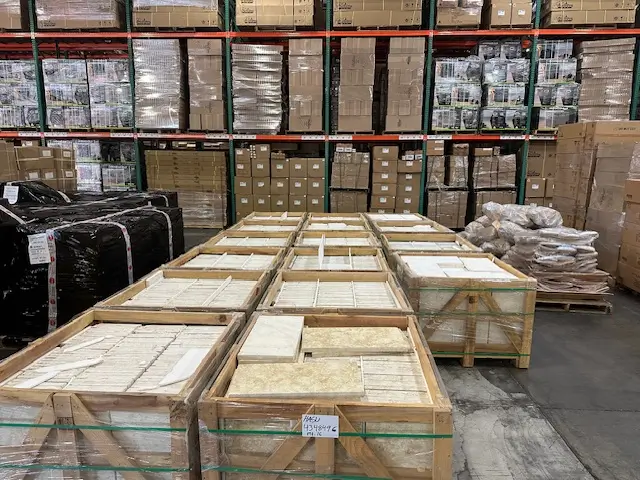
Material availability significantly impacts project scheduling and potentially overall costs. Stone window sill suppliers pricing often reflects whether material is warehouse stock or requires special ordering. You should verify inventory status before committing to project timelines, as lead times vary dramatically between stocked and custom materials.
Standard dimensional sills in common materials—typically limestone and popular granite colors—are often maintained in warehouse inventory by regional suppliers. When material is in stock, you’re looking at 3-7 business days from order to delivery for projects in Phoenix, Tucson, or other major metro areas. This quick turnaround allows for compressed project schedules and reduces the risk of project delays.
Custom dimensions or less common stone types require fabrication from slab stock. Your lead times extend to 3-5 weeks depending on fabricator workload and slab availability. During peak construction seasons—typically October through May in Arizona—fabrication queues can extend those timelines by an additional 2-3 weeks. When you’re working on time-sensitive projects, you need to place material orders well ahead of anticipated installation dates.
Imported stone materials introduce additional lead time variables. If you’re specifying European limestone or exotic granites, container shipping and customs clearance add 8-12 weeks to procurement timelines. For high-end residential or signature commercial projects where specific stone character is essential, this extended timeline needs to be factored into construction sequencing from the project’s inception.
The warehouse location relative to your project site affects both delivery costs and flexibility. Suppliers with facilities in Phoenix can economically serve projects throughout the Valley and south to Tucson. When you’re working in northern Arizona locations like Flagstaff or Sedona, truck delivery from Phoenix-area warehouses adds $150-$300 to project costs depending on order size. Some projects justify consolidating material deliveries to achieve better freight economics.
Sealer and Protection System Costs
Protective treatments represent a critical component of lifecycle value for stone sills in Arizona. The harsh environmental conditions here accelerate degradation of untreated stone, making proper sealing essential rather than optional. Stone Sills Window Cills Arizona costs should always include appropriate sealer systems in your budget planning.
Penetrating sealers work by filling the stone’s pore structure with hydrophobic compounds. These products maintain the natural appearance of the stone while providing moisture and stain resistance. For Arizona applications, you need sealers formulated with UV inhibitors to prevent breakdown from intense solar exposure. Professional-grade penetrating sealers cost $8-$14 per linear foot of sill when professionally applied, including surface preparation and proper cure time.
Film-forming sealers create a surface barrier layer. These products offer enhanced protection but alter the stone’s appearance, typically adding a slight sheen. They work particularly well on more porous materials like limestone where penetrating sealers alone may not provide adequate protection. Film-forming sealers run $12-$18 per linear foot installed, with reapplication intervals of 3-5 years depending on exposure severity.
You should budget for initial sealing as part of installation costs, then plan for resealing maintenance every 3-4 years for exterior sills. Interior sills in protected locations may extend sealing intervals to 5-7 years. The resealing process requires surface cleaning and light abrasion to ensure proper adhesion, adding to maintenance costs beyond just material.
- Initial penetrating sealer application: $8-$14 per linear foot
- Initial film-forming sealer application: $12-$18 per linear foot
- Resealing service including prep: $15-$22 per linear foot
- Enhanced UV-resistant formulations: add $3-$5 per linear foot
Waterproofing details at the window interface require separate attention beyond general sealing. You need elastomeric sealant at the window-to-sill junction that can accommodate thermal movement without losing adhesion. This detail work adds $6-$10 per window opening but prevents the water intrusion problems that cause the majority of stone sill failures. For comprehensive technical guidance on these crucial details, see our stone cill dealers for proven installation specifications.
Regional Cost Variations Within Arizona
Stone sills pricing Arizona varies by geographic location due to differences in labor rates, material delivery logistics, and local market competition. Understanding these regional variations helps you develop accurate project budgets based on your specific location.
Phoenix metro area represents the most competitive market for stone products in Arizona. The concentration of suppliers, fabricators, and installation contractors creates favorable pricing conditions. You’ll typically find the lowest per-unit costs here, with multiple suppliers competing for projects. Standard installations in the Valley run at the baseline pricing ranges discussed earlier.
Tucson pricing typically runs 5-10% higher than Phoenix for comparable materials and installations. The smaller market and reduced supplier competition contribute to this premium. However, delivery from Phoenix-area warehouses can sometimes offer cost advantages over local procurement for larger projects where freight costs can be spread across multiple pallets of material.
Northern Arizona locations including Flagstaff and Sedona see the highest costs in the state. Labor rates run 15-25% higher than Phoenix due to smaller labor pools and increased cost of living. Material delivery adds significant freight charges, and the harsher freeze-thaw environment requires more stringent material specifications that increase base material costs. You should budget at the upper end of all pricing ranges when working in these markets.
Western Arizona communities like Yuma benefit from proximity to California suppliers and fabricators. This can sometimes produce competitive pricing on certain stone types, particularly materials commonly used in California markets. However, the smaller local contractor base means installation labor costs remain elevated relative to Phoenix.
Common Specification Mistakes That Inflate Costs
You can control project costs significantly by avoiding specification errors that lead to rework, material waste, or premature failure requiring replacement. Understanding these common mistakes helps you develop specifications that deliver value without unnecessary expense.
Under-specifying thickness represents a frequent error. When you try to economize by using 1.5-inch sills where 2-inch thickness is appropriate, you create deflection problems that lead to cracking. The $15-$20 per linear foot savings on thinner material becomes irrelevant when you’re replacing failed sills within 5 years. Your thickness specification should be based on projection depth, loading conditions, and support spacing rather than cost minimization.
Inadequate attention to thermal movement accommodation causes problems in Arizona’s extreme temperature environment. When you specify rigid attachment methods without expansion provisions, seasonal cycling creates stress concentrations that crack stone or fail attachment points. The additional $8-$12 per linear foot cost for proper expansion details prevents far more expensive remediation later.
Selecting inappropriate stone types for exposure conditions leads to accelerated degradation. High-porosity limestone in areas subject to freeze-thaw cycling will spall and crack within a few years. While the initial stone cill suppliers rates for limestone run 20-30% below granite, the replacement costs dwarf any initial savings. You need to match stone properties to environmental demands, even when that requires higher initial investment.
- Specifying inadequate thickness for projection depth
- Omitting expansion accommodation in attachment details
- Selecting high-porosity stone for freeze-thaw environments
- Failing to specify appropriate sealer systems for exposure
- Under-specifying edge details that affect water shedding
- Neglecting substrate preparation requirements
Insufficient substrate preparation creates installation problems that compromise long-term performance. When you don’t specify proper substrate leveling, moisture barriers, and mortar bed requirements, you create conditions for uneven loading, water infiltration, and premature failure. The $15-$25 per opening cost for proper substrate preparation is essential insurance against far more expensive problems.
Value Engineering Without Compromising Performance
You can reduce stone sills pricing Arizona without sacrificing performance by making informed decisions about where cost savings provide genuine value versus where they create false economy. Strategic value engineering focuses on eliminating unnecessary expenses while maintaining the specifications that ensure long-term success.
Material selection offers legitimate value engineering opportunities. When you’re working on interior applications or protected exterior locations, you can often use more economical stone types without performance concerns. An interior window sill sees minimal environmental stress compared to exposed exterior positions. Using limestone instead of granite for these protected applications saves 25-35% without compromising functional requirements.
Edge profile simplification reduces costs while maintaining essential performance characteristics. A simple eased edge with 1/8-inch radius provides adequate safety and water shedding for most residential applications at minimal cost premium over square edges. When you eliminate decorative ogee or complex profiles that add $15-$20 per linear foot, you maintain function while reducing expense.
Finish selection provides another area for strategic cost control. Honed finishes cost 20-30% less than polished surfaces while often providing superior practical performance for sill applications. The reduced fabrication cost combines with better long-term appearance retention in Arizona’s dusty environment. You’re not sacrificing quality—you’re selecting the more appropriate specification that happens to cost less.
Installation timing can affect labor costs significantly. When you schedule stone sill installation during new construction rather than as retrofit work, you reduce labor costs by 35-50%. This requires coordination with project sequencing but delivers substantial savings. Your general contractor should plan window and sill installation as integrated operations rather than separate activities.
Consolidating material procurement across multiple buildings or project phases improves freight economics. When you order sills for an entire development phase at once, you reduce per-unit delivery costs and often achieve better pricing through volume purchasing. A project requiring 200 linear feet of sills might achieve 12-18% savings compared to ordering in smaller increments.
Stone Window Sill Suppliers in Arizona: Citadel Specifications Across Climate Zones
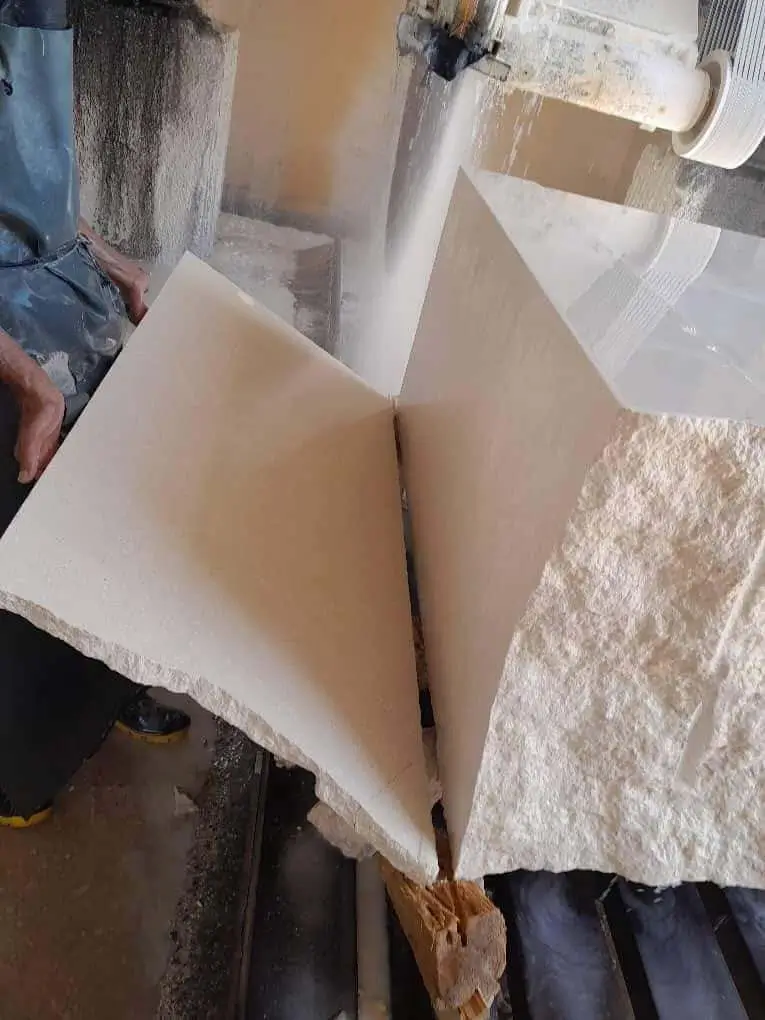
When you evaluate Citadel Stone’s natural stone window sills for your Arizona project, you’re considering materials engineered specifically for extreme environmental conditions. At Citadel Stone, we provide technical guidance for diverse climate applications across Arizona’s varied regions, from low-desert heat to high-elevation freeze-thaw environments. This analysis outlines how you would approach specification decisions for six representative Arizona cities, addressing the unique performance requirements each location presents.
Arizona’s climate diversity demands location-specific material selection and installation strategies. You need to account for temperature extremes that range from -20°F winter lows in Flagstaff to 120°F summer highs in Yuma. Your stone specification must address thermal cycling, UV exposure intensity, precipitation patterns, and elevation-specific freeze-thaw considerations. The following city-specific guidance demonstrates how you would adapt specifications to optimize performance and value in each distinct environment.
Phoenix Desert Performance
In Phoenix installations, you would prioritize thermal stability and UV resistance above all other factors. Summer surface temperatures on south and west-facing sills would regularly exceed 160°F, creating expansion forces that demand accommodation in attachment details. You should specify granite with thermal expansion coefficients below 5.0 × 10⁻⁶ per °F and installation details allowing 0.04 inches of movement per 10 feet of length. The minimal freeze-thaw risk in Phoenix allows you to focus specifications entirely on heat performance and solar degradation resistance. Your sealer selection must include UV inhibitors rated for 7+ kWh/m² daily solar radiation exposure to prevent breakdown within the first two years.
Tucson Specifications
Tucson’s slightly cooler temperatures and increased monsoon intensity would require you to emphasize drainage performance in your sill design. You would specify outward slopes of 4-5 degrees and ensure window interface details include elastomeric sealants rated for ±25% joint movement. The higher annual precipitation compared to Phoenix—averaging 12 inches versus 8 inches—means you need porosity below 4% to prevent moisture-related efflorescence. Stone window sill installation cost in Tucson should include enhanced waterproofing details at substrate interfaces, adding approximately $8-$12 per linear foot to ensure long-term performance in concentrated rainfall events.
Scottsdale High-End Applications
For Scottsdale’s luxury residential and commercial market, you would balance performance requirements with enhanced aesthetic specifications. Premium granite selections with distinctive veining patterns typically add 30-40% to material costs but deliver the visual impact these projects demand. You should maintain the same thermal performance specifications as Phoenix while incorporating refined edge details like bullnose profiles and polished finishes. The stone cill suppliers rates for Scottsdale projects typically reflect tighter dimensional tolerances of ±1/32 inch rather than standard ±1/16 inch, ensuring flawless installations worthy of high-visibility applications. Window sill installation cost increases approximately 25% due to enhanced finishing requirements.
Flagstaff Freeze-Thaw Environment
Flagstaff’s 7,000-foot elevation creates Arizona’s most demanding stone sill environment. You would need to specify dense granite with porosity below 0.5% and absorption rates under 0.4% to survive 50-70 annual freeze-thaw cycles. Material selection becomes critical—limestone and travertine options suitable for Phoenix would fail within 3-5 years in Flagstaff conditions. Your installation specifications should include cold-weather mortar formulations and enhanced drainage details to prevent water accumulation at the window interface. The stone window sill suppliers pricing in Flagstaff runs 35-45% above Phoenix due to more stringent material requirements and specialized installation protocols for extreme conditions.
Sedona Aesthetic Integration
Sedona projects would require you to balance technical performance with aesthetic harmony to the distinctive red rock landscape. You would typically specify warm-toned sandstone or earth-tone granite that complements rather than contrasts with surrounding geology. The 4,500-foot elevation creates moderate freeze-thaw exposure requiring porosity below 3%, which narrows material options to denser sandstone varieties or granite. Enhanced UV resistance remains critical due to intense solar exposure at elevation. Your specifications should address the challenging site access common in Sedona’s hillside developments, with truck delivery logistics potentially adding $200-$400 to project costs for remote locations requiring specialized equipment access.
Yuma Extreme Heat
Yuma represents Arizona’s most extreme heat environment, with summer conditions even more severe than Phoenix. You would specify materials rated for sustained surface temperatures exceeding 170°F and emphasize reflective lighter stone colors to reduce solar heat gain. The minimal annual precipitation of 3-4 inches simplifies waterproofing requirements, allowing you to focus specifications entirely on thermal performance. Your attachment details should accommodate thermal expansion at the upper limits—0.05 inches per 10 feet for limestone or 0.035 inches per 10 feet for granite. The proximity to California suppliers sometimes creates advantageous stone window sill suppliers pricing for materials commonly specified in Southern California desert communities, potentially offsetting Yuma’s remote location disadvantage.
Lifecycle Cost Analysis Beyond Initial Investment
When you evaluate stone sills pricing Arizona, looking beyond initial costs to total lifecycle economics reveals the true value proposition. The differential between economy and premium material choices often disappears when you calculate costs over realistic service life expectations.
A limestone sill in a protected application might cost $65 per linear foot installed with resealing every 3 years at $18 per linear foot. Over a 20-year service life, you’re looking at total costs of approximately $173 per linear foot including six resealing cycles. A granite sill at $95 per linear foot installed requires resealing only every 5 years at the same $18 cost, producing lifecycle costs of approximately $167 per linear foot over the same period.
The calculation shifts more dramatically when you account for replacement costs. If that limestone sill fails at year 15 due to inadequate specification for exposure conditions, you face complete replacement at retrofit labor rates. Your replacement cost of $85 per linear foot for materials and removal plus $75-$95 per linear foot for retrofit installation labor brings total lifecycle cost to $333-$353 per linear foot. The granite option that costs 45% more initially becomes 50% less expensive over realistic service life.
Maintenance accessibility affects lifecycle costs significantly. Ground-floor sills accessible without equipment incur minimal maintenance costs. When you’re maintaining second-story or higher sills requiring scaffolding or lift equipment, each resealing cycle adds $25-$40 per linear foot in access costs. These elevated applications justify premium material specifications that extend resealing intervals, as the access costs often exceed the sealer material and application costs.
- Limestone protected application, 20-year lifecycle: $165-$185 per linear foot total
- Limestone exposed application, 15-year service before replacement: $320-$360 per linear foot total
- Granite protected application, 25-year lifecycle: $155-$175 per linear foot total
- Granite exposed application, 30+ year service: $175-$205 per linear foot total
Your specification decisions should incorporate these lifecycle considerations rather than focusing solely on first costs. The apparent savings from economy material choices often prove illusory when you account for realistic maintenance and replacement scenarios over building service life.
Procurement Strategies for Best Value
You can optimize stone window sill suppliers pricing through strategic procurement approaches that balance cost, quality, and schedule requirements. Understanding supplier business models and market dynamics helps you negotiate favorable terms while ensuring material quality and delivery reliability.
Direct fabricator relationships typically offer 15-25% savings compared to retail showroom pricing for projects exceeding 100 linear feet. You bypass distributor markups by working directly with fabrication shops. However, you assume more responsibility for material specification accuracy and quality verification. This approach works well when you have technical expertise to review shop drawings and approve materials before fabrication begins.
Material-only procurement separates stone purchase from installation labor. This strategy allows you to leverage competitive bidding for installation services while maintaining control over material quality and specifications. You might save 10-18% on total project costs, but you need to carefully coordinate delivery timing with installer schedules and assume responsibility for material damage or loss between delivery and installation.
Turnkey pricing from suppliers who provide both materials and installation simplifies project management and consolidates responsibility. While unit costs typically run 8-12% higher than separated procurement, you eliminate coordination challenges and gain single-source warranty coverage. For projects where schedule certainty matters more than minimum cost, this approach delivers value through reduced risk and administrative efficiency.
Volume consolidation across project phases or multiple buildings improves pricing leverage. When you commit to 300+ linear feet of sills, you create purchasing power that can reduce costs by 12-20% compared to small-lot pricing. Your warehouse coordination becomes more complex, requiring secure storage for materials that may arrive months before installation, but the cost savings often justify the logistics management.
Quality Verification Before Installation
Before your installation proceeds, you need systematic quality verification to ensure materials meet specifications and installation will achieve expected performance. Stone Sills Window Cills Arizona costs should include time and resources for proper material inspection, as catching defects before installation costs far less than dealing with problems after sills are set.
Dimensional verification confirms that fabricated sills match your specifications. You should check length within ±1/8 inch, width within ±1/16 inch, and thickness within ±1/8 inch. Edge profiles need to be consistent along full length without flat spots or dimensional variations. When dimensions fall outside specified tolerances, return materials before installation rather than attempting to accommodate variance through installation adjustments.
Visual inspection identifies aesthetic defects that may compromise appearance. You’re looking for consistent color and veining patterns within each sill and reasonable matching across multiple units destined for the same building elevation. Check for chips, cracks, or surface damage from fabrication or shipping. Minor edge chips under 1/4 inch might be acceptable for field applications if they’ll be covered by window trim, but exposed edges require flawless condition.
Physical testing verifies material properties for critical applications. While you typically rely on material certifications from quarries, high-value projects might warrant independent verification of porosity, absorption, and compressive strength. Testing costs run $200-$400 per material type but provide definitive confirmation that material meets performance requirements. This verification is particularly valuable for freeze-thaw applications where material failure carries significant liability exposure.
- Measure dimensions and compare to shop drawings and specifications
- Inspect all visible surfaces for chips, cracks, or manufacturing defects
- Verify edge profiles match specified details consistently along full length
- Confirm color and veining patterns match approved samples
- Check for proper sealer pre-treatment if specified
- Document any defects with photographs before accepting materials
Documentation creates accountability and facilitates problem resolution. You should photograph materials upon delivery, noting any damage or defects immediately. Acceptance signatures on delivery receipts should include explicit exceptions for any noted problems. This documentation protects you if defects discovered during installation require material replacement or cost adjustments.
Final Considerations
Your stone sills pricing Arizona analysis should integrate material performance requirements, installation complexity, environmental exposure conditions, and lifecycle economics to identify specifications that deliver optimal value. The differential between economy and premium choices often narrows substantially when you account for realistic service life, maintenance requirements, and replacement scenarios. Understanding how stone window sill suppliers pricing reflects genuine quality differences versus markup variations helps you negotiate favorable terms while ensuring material specifications appropriate for your project’s demands. For additional technical guidance on protecting your investment through proper installation details, review Sealing and weatherproofing stone window sills in Arizona desert before you finalize project specifications and contractor selection. Office buildings feature Citadel Stone, the most professional stone cill suppliers in Arizona business architecture.