
When you specify window sill stone for Arizona installations, you’re confronting one of the most demanding environments in North America. Your material selection determines whether you’ll achieve 30-year performance or face replacement within a decade. Desert climate weatherproofing requires you to understand thermal cycling, UV degradation, and moisture management in ways that conventional wisdom often misses.
The temperature differential between predawn lows and mid-afternoon highs can exceed 50°F in a single day. You need to account for how this expansion-contraction cycle affects sealant integrity, joint performance, and long-term structural stability. Stone Sills Window Cills Arizona maintenance protocols differ fundamentally from temperate climate approaches because desert conditions accelerate specific failure modes while completely eliminating others.
Thermal Cycling and Sealing Fundamentals
Your window sill weatherproofing strategy must address thermal expansion coefficients ranging from 4.8 to 6.2 × 10⁻⁶ per °F, depending on stone type. When surface temperatures reach 160°F on south-facing exposures, you’re looking at dimensional changes that standard residential sealants can’t accommodate. The relationship between substrate movement and sealant elasticity becomes critical in these scenarios.
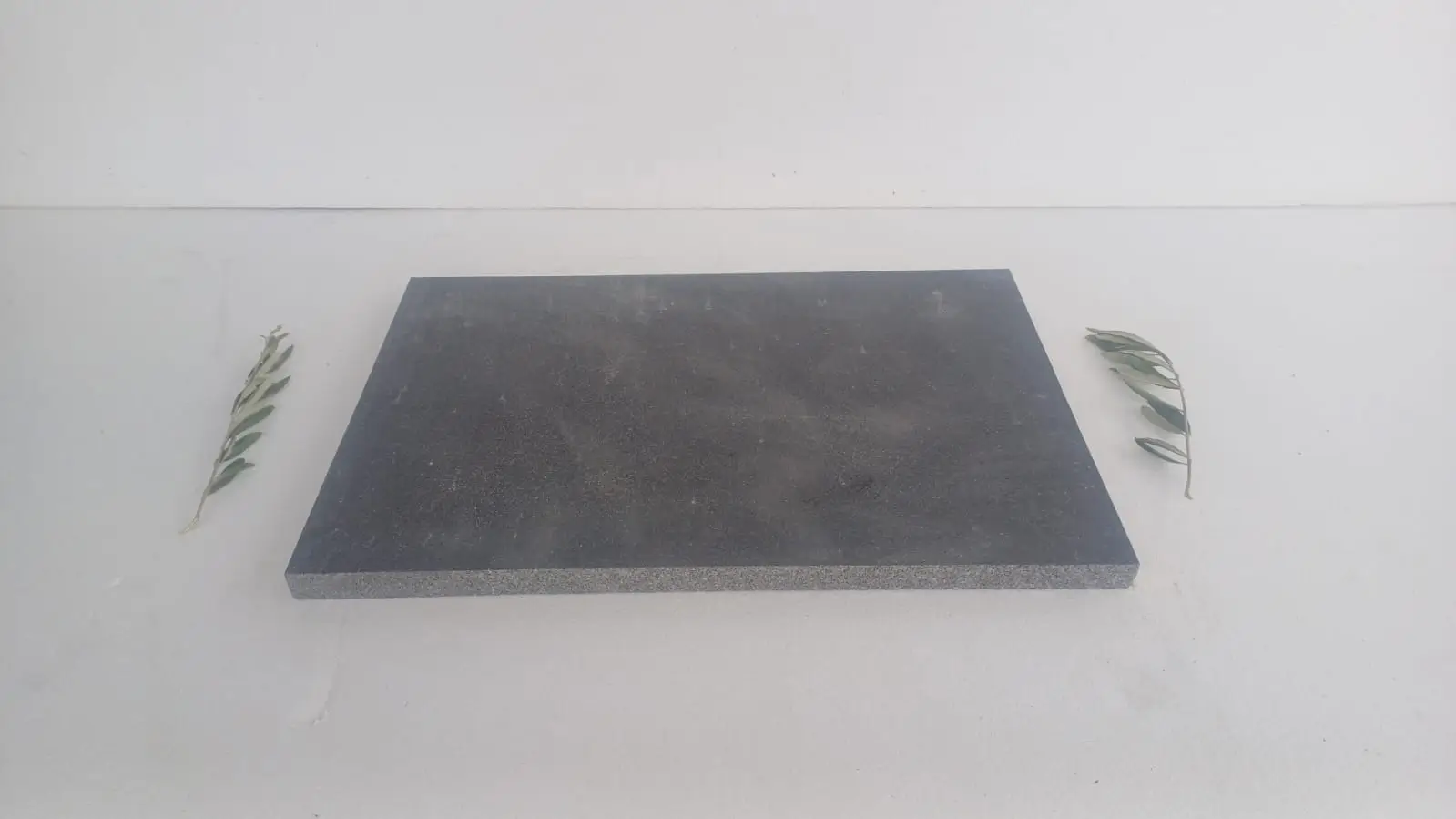
You should specify polyurethane or silicone sealants with minimum 50% joint movement capability for window sill weatherproofing Arizona applications. Standard acrylic latex products fail within 18-24 months under these conditions. The UV exposure in Arizona degrades lower-grade sealants at accelerated rates — you’ll see chalking, cracking, and complete adhesion loss in areas that would perform acceptably in northern climates.
- You need to verify sealant UV resistance ratings exceed 1,500 hours in ASTM G154 testing
- Your joint design should accommodate ±3/16 inch movement across typical residential window widths
- Stone window sill suppliers care protocols must include annual sealant inspection in the first three years
- You’ll achieve better performance with neutral-cure silicones compared to acetoxy-cure formulations
- Temperature during application affects curing — you should avoid installation when substrate temperatures exceed 90°F
The porosity of your selected stone directly impacts how you approach sealing. Materials with interconnected pore structures above 6% require penetrating sealers applied before perimeter joint sealants. When you skip this step, subsurface moisture migration creates efflorescence patterns that appear 8-14 months post-installation, particularly on lighter-colored stones.
UV Degradation and Protection Strategies
Arizona’s UV index regularly reaches 11+ during summer months, creating conditions that accelerate photodegradation of both sealants and certain stone types. You need to understand how UV radiation interacts with mineral composition — iron-rich stones undergo oxidation that manifests as rust-colored staining, while calcium carbonate stones experience surface erosion at measurable rates.
Your specification should distinguish between UV-stable stone types and those requiring additional protection. Limestone and marble varieties show surface degradation rates of 0.015-0.025 inches per decade under Arizona’s UV exposure. This sounds minimal, but on detailed edge profiles and carved features, you’re looking at visible deterioration within 15 years. Granite and quartzite maintain dimensional stability under the same conditions.
- You’ll find that stone cill suppliers sealing recommendations often underestimate Arizona UV intensity
- Your maintenance program should include resealing every 24-36 months for porous stones
- Penetrating sealers with UV inhibitors provide superior performance compared to film-forming topical products
- You should test sealer performance on sample pieces exposed to direct sunlight for 90 days before full application
- Dark-colored sealers absorb more UV radiation and degrade faster than clear formulations
The interaction between UV exposure and moisture creates unique weathering patterns. When sealed surfaces begin to fail, UV radiation penetrates into subsurface pores where moisture has accumulated. This combination accelerates spalling and delamination in freeze-susceptible stones, though Arizona’s limited freeze-thaw cycles minimize this particular failure mode. You’re more likely to see UV-driven surface erosion and color fading as primary degradation mechanisms.
Moisture Management in the Desert Paradox
Here’s what catches most specifiers off-guard about window sill weatherproofing Arizona applications — moisture damage remains a significant concern despite minimal rainfall. Your installations face concentrated water exposure during monsoon events, where 2-3 inches can fall in under an hour. This high-intensity, short-duration precipitation creates different stress patterns than gradual rainfall in humid climates.
You need to design drainage pathways that evacuate water rapidly while preventing capillary draw into wall assemblies. The base of your window sill installation requires proper flashing integration, with particular attention to end dam details. When you consider Citadel Stone window sills yard in Tucson for material sourcing, you’ll want to discuss drainage slope requirements during fabrication.
- You should specify minimum 5-degree slope away from window frames for positive drainage
- Your flashing must extend beyond stone edges by at least 3/4 inch to prevent water infiltration
- Stone window sill suppliers care guidelines must address weep hole maintenance in drainage channels
- You’ll need to detail end dams that rise minimum 1/2 inch above stone top surface
- Subsurface drainage mats prevent capillary moisture from reaching stone undersides
The low humidity in Arizona creates another consideration — rapid drying cycles that concentrate dissolved minerals at evaporation surfaces. You’ll observe efflorescence patterns on window sills that differ from those in humid climates. The salts migrate to surfaces quickly, creating visible deposits that require specific removal protocols. Standard water washing often exacerbates the problem by introducing more moisture that carries additional salts to the surface.
Sealant Selection and Performance Criteria
Your sealant specification determines long-term weatherproofing success more than any other single factor. The challenge lies in balancing adhesion, elasticity, UV resistance, and thermal stability across temperature ranges from 15°F winter lows to 165°F summer surface temperatures. No single product optimizes all characteristics, so you need to prioritize based on specific exposure conditions.
Silicone sealants provide superior UV resistance and thermal stability, maintaining elasticity across Arizona’s temperature extremes. You’ll achieve 20-25 year performance with premium neutral-cure formulations. Polyurethane products offer better adhesion to porous substrates and paintability, but sacrifice some UV resistance. For stone window sill suppliers care protocols, silicone typically represents the better choice despite higher material costs.
- You should verify Shore A hardness ratings between 20-35 for optimal joint movement accommodation
- Your sealant must maintain adhesion with minimum 50 PSI bond strength to stone substrates
- Temperature cycling testing should demonstrate no adhesion loss after 500 cycles from -20°F to 180°F
- You need products with less than 10% volume shrinkage during curing to prevent gap formation
- Fungal resistance matters even in arid climates where landscape irrigation creates localized humidity
The application technique affects performance as dramatically as product selection. You must ensure substrate preparation includes thorough cleaning and appropriate priming. Stone cill suppliers sealing recommendations often specify primer use, but field crews frequently skip this step under schedule pressure. The result is premature adhesion failure, typically appearing first at high-stress corners where movement concentrates.
Stone Selection for Climate Compatibility
Not all stone types perform equally under Arizona conditions. Your material selection process should evaluate thermal properties, UV stability, porosity characteristics, and long-term weathering behavior specific to desert environments. The aesthetic preferences of owners often conflict with performance requirements — your job involves educating clients about these trade-offs.
Limestone varieties with porosity above 8% require aggressive sealing and maintenance protocols. You’ll see accelerated surface erosion and increased susceptibility to organic staining in landscape irrigation zones. Denser limestones with 3-5% porosity perform adequately with proper sealing. Granite and quartzite deliver superior long-term performance with minimal maintenance, though at higher material costs.
- You need to verify compressive strength exceeds 8,000 PSI for structural window sill applications
- Your stone should exhibit absorption rates below 5% by weight in ASTM C97 testing
- Thermal expansion coefficients should remain below 6.0 × 10⁻⁶ per °F to minimize joint stress
- You should confirm UV stability through accelerated weathering tests showing less than Delta E 5 color shift
- Freeze-thaw testing remains relevant for Flagstaff installations despite minimal concern in Phoenix
The thermal mass properties of stone affect interior comfort and energy performance. Darker stones absorb more solar radiation, reaching surface temperatures 15-20°F higher than lighter colors under identical conditions. This heat transfers into adjacent wall assemblies unless you detail proper thermal breaks. When you specify window sill weatherproofing Arizona systems, you’re balancing aesthetic goals against thermal management requirements.
Installation Timing and Temperature Constraints
Your installation schedule dramatically impacts long-term performance. Sealant application outside manufacturer-specified temperature ranges guarantees premature failure. Most products require substrate temperatures between 40°F and 100°F, but Arizona’s summer conditions routinely exceed this upper limit. You need to plan installation during acceptable weather windows or implement temperature control measures.
Early morning installation provides the most favorable conditions during summer months. Stone surfaces at 7:00 AM typically measure 75-85°F, rising to 140-160°F by 2:00 PM. You should sequence work to complete sealant application before substrate temperatures exceed 95°F. Once surfaces heat beyond this threshold, sealant curing accelerates unevenly, creating internal stress concentrations that reduce service life.
- You’ll achieve optimal performance scheduling installations between October and April
- Your crew should verify substrate temperatures with infrared thermometers before sealant application
- Stone Sills Window Cills Arizona maintenance becomes easier when initial installation occurs during moderate weather
- You need to protect fresh sealant from direct sun exposure during the first 24 hours of curing
- Humidity levels below 15% can inhibit moisture-cure sealant polymerization
The substrate moisture content requires verification before sealant application. Stone delivered directly from warehouse stock may contain residual moisture from fabrication processes. You should allow material to acclimate at job site temperatures for 48-72 hours before installation. Moisture trapped behind sealant joints migrates outward as vapor, creating blisters and adhesion failure at the sealant-stone interface.
Maintenance Protocols for Long-Term Performance
Your maintenance program determines whether window sills achieve their performance potential or require premature replacement. Desert conditions demand specific maintenance approaches that differ from standard practice. Annual inspections identify developing problems before they escalate into costly repairs.
You should establish a maintenance schedule that includes sealant inspection, cleaning protocols, and resealing intervals based on exposure severity. South and west-facing installations require more frequent attention than north-facing locations. The inspection process should document sealant condition, stone surface integrity, drainage function, and any developing staining or efflorescence.
- You need to inspect sealant joints annually for the first three years, then biennially if performance remains acceptable
- Your cleaning protocol should use pH-neutral cleaners that don’t degrade sealants or etch stone surfaces
- Sill preservation Arizona strategies must address both performance maintenance and appearance retention
- You’ll extend service life by 40-60% with proactive resealing compared to reactive repair approaches
- Pressure washing should not exceed 800 PSI to prevent sealant damage and stone surface erosion
Resealing intervals vary based on stone type, sealant quality, and exposure conditions. Premium silicone sealants on granite substrates may perform acceptably for 15-20 years. Porous limestone with standard polyurethane sealants requires resealing every 3-5 years. You should test existing sealant condition by observing water behavior during cleaning — if water penetrates rather than beading on the surface, resealing is overdue.
Common Failure Modes and Prevention
Understanding how window sill installations fail helps you design systems that avoid these problems. The primary failure modes in Arizona include sealant degradation, stone surface erosion, efflorescence formation, thermal stress cracking, and flashing failures. Each has specific causes and prevention strategies.
Sealant failure typically initiates at corners and edges where movement concentrates stress. You’ll observe cracking parallel to stone edges, adhesion loss at stone interfaces, or complete sealant degradation with chalky residue. UV exposure accelerates these failures — unprotected sealants on south-facing exposures fail 40-50% faster than shaded locations.
- You should detail corner joints with slight radius profiles rather than sharp 90-degree angles
- Your specification must prohibit three-sided adhesion conditions that prevent proper joint movement
- Stone cill suppliers sealing recommendations often specify joint widths that prove inadequate for thermal movement
- You need backup rod sizing that maintains proper depth-to-width ratios of 2:1 for optimal sealant performance
- Tooling sealant joints creates better surface configuration than leaving as-extruded profiles
Efflorescence appears as white crystalline deposits on stone surfaces, caused by water-soluble salts migrating through pores during evaporation cycles. The problem originates from salts in stone, mortar, adjacent masonry, or groundwater. Prevention requires controlling moisture infiltration and using low-salt content materials throughout the assembly.
Flashing Integration and Critical Details
Your window sill system performs only as well as its flashing integration. The flashing serves as the primary waterproofing layer, with stone providing weather protection and aesthetic finish. Many installations treat stone as the waterproofing element, leading to water infiltration and assembly failure.
You need to detail continuous flashing that extends from wall sheathing, under the stone sill, and projects beyond the stone face. End dams prevent water from migrating laterally along the flashing into adjacent wall sections. The flashing material should resist UV degradation, maintain flexibility across temperature extremes, and bond reliably to adjacent building components.
- You should specify minimum 0.019-inch stainless steel or 0.027-inch copper for metal flashings
- Your flashing must project minimum 3/4 inch beyond stone face to provide drip edge function
- Window sill weatherproofing Arizona assemblies require upturned back legs minimum 4 inches high
- You’ll prevent end dam failures by sealing corners with compatible elastomeric membranes
- Through-wall flashing integration demands proper lapping sequences to maintain water-shedding continuity
The connection between stone and flashing requires careful detailing. You should avoid rigid bonding that prevents independent movement. The stone must accommodate thermal expansion while the flashing remains stationary relative to the wall assembly. This differential movement creates stress concentrations unless you design appropriate slip joints and flexible connections.
Remediation of Existing Installations
When you evaluate existing window sills showing performance problems, diagnosis determines appropriate remediation strategies. Many failures result from multiple contributing factors rather than single causes. Your assessment should identify all deficiencies before recommending repairs.
Sealant replacement represents the most common remediation need. You must remove all failed sealant material completely — leaving residue prevents proper adhesion of replacement products. The substrate requires cleaning to bare stone, followed by solvent wiping to remove oils and contaminants. Prime porous stones before applying new sealant to ensure adequate bond strength.
- You need to evaluate whether existing stone remains serviceable or requires replacement
- Your repair specification should use sealant products compatible with any residue that cannot be fully removed
- Stone window sill suppliers care after remediation follows the same protocols as new installations
- You should address underlying causes of failure, not just symptoms, to prevent recurrence
- Testing small sections verifies repair approach effectiveness before full-scale implementation
Efflorescence removal requires understanding the salt types present. Calcium carbonate deposits respond to mild acidic cleaners, while sodium salts require different approaches. You must avoid aggressive cleaning that damages stone surfaces or degrades sealants. After removing visible deposits, you need to prevent future occurrences by controlling moisture infiltration.
Stone Sills & Window Cills Arizona — Citadel Stone’s Approach to Desert Climate Specifications
When you evaluate Stone Sills & Window Cills Arizona through Citadel Stone’s perspective, you’re examining how premium materials would perform across Arizona’s diverse microclimates. At Citadel Stone, we provide technical guidance for hypothetical applications that demonstrate proper specification approaches. This section outlines how you would address window sill weatherproofing Arizona requirements for six representative cities, each presenting distinct environmental challenges.
Your specification process requires understanding regional variations in temperature extremes, precipitation patterns, UV intensity, and elevation-related factors. The material selection and detailing that performs optimally in Yuma’s low-elevation desert differs from requirements in Flagstaff’s high-altitude environment.
Phoenix Extreme Heat
In Phoenix installations, you would face extreme thermal cycling with summer surface temperatures reaching 165°F on south and west exposures. Your specification should prioritize stone types with thermal expansion coefficients below 5.5 × 10⁻⁶ per °F and sealants maintaining elasticity at temperature extremes. The urban heat island effect amplifies thermal stress by 8-12°F compared to surrounding desert areas. You would need to detail expansion joints every 48 inches on long sill runs to accommodate movement. UV-resistant silicone sealants provide necessary longevity, with resealing intervals of 5-7 years on premium formulations.
Tucson Monsoon Considerations
Your Tucson specifications would emphasize drainage performance during intense monsoon events delivering 2-3 inches per hour. The combination of extreme heat and concentrated precipitation creates unique stress conditions. You should detail positive drainage slopes of 5-7 degrees and integrate continuous flashing with 3/4-inch minimum projection. Stone selection would favor porosity below 5% to minimize moisture absorption during storm events. The warehouse typically stocks materials suited to these dual challenges. Sealant selection requires balancing thermal performance with water resistance, making neutral-cure silicones the preferred choice.
Scottsdale Architectural Standards
Scottsdale applications would require balancing performance with refined aesthetic expectations common in luxury residential construction. Your specifications should address color stability under intense UV exposure, with particular attention to lighter stone colors showing less thermal absorption. You would detail sealant joints for visual discretion while maintaining proper sizing for movement accommodation. The specification process includes verification that stone finish quality meets architectural standards while delivering necessary slip resistance and weather protection. Premium granite and quartzite varieties provide optimal performance-to-appearance ratios for high-end projects typical of this market.
Flagstaff Freeze-Thaw Cycles
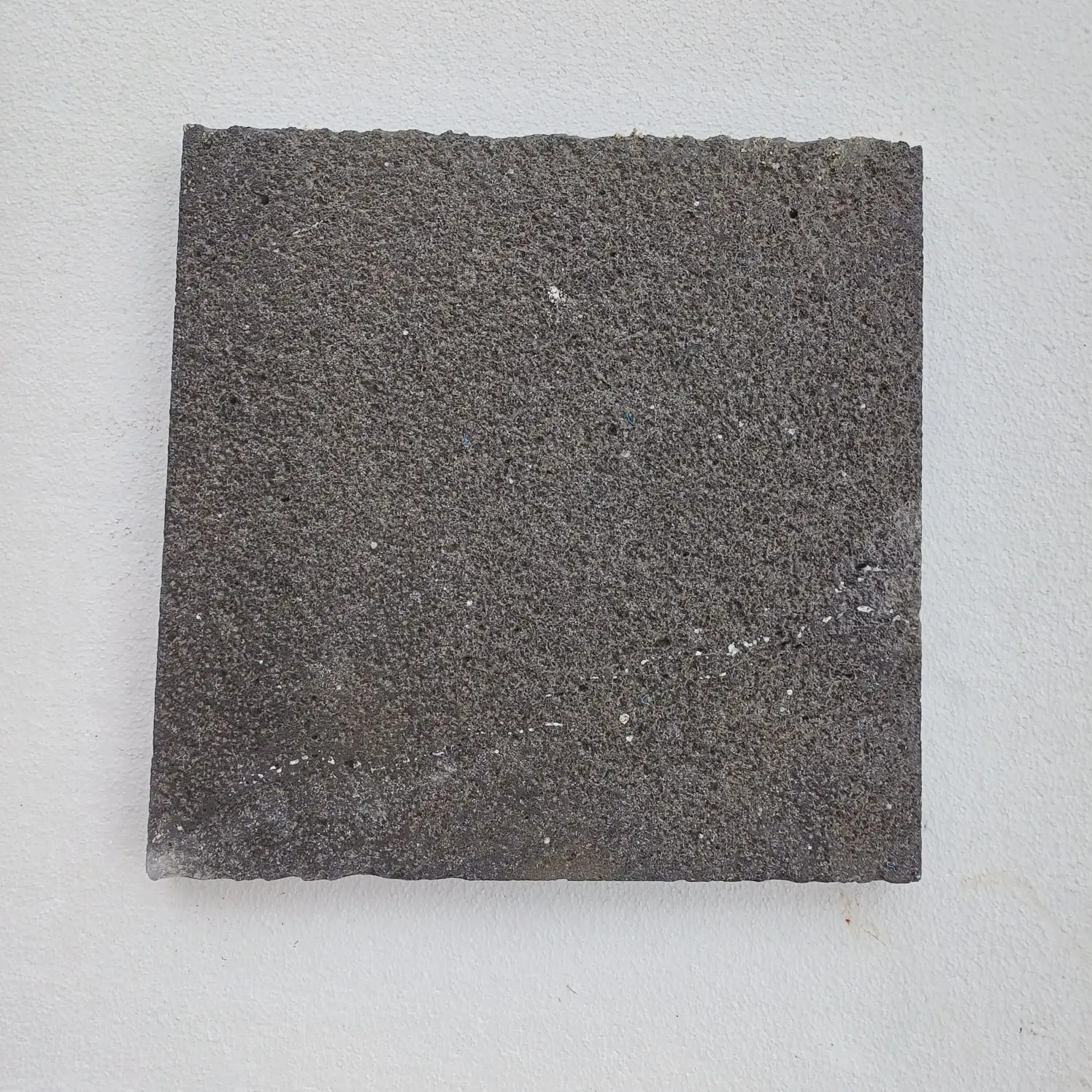
In Flagstaff installations, you would address freeze-thaw cycling that other Arizona locations don’t experience. Your specification requires stone with absorption rates below 3% and documented freeze-thaw durability through ASTM C1026 testing showing no degradation after 300+ cycles. Sealant selection emphasizes low-temperature flexibility maintaining performance to -20°F. The elevation creates higher UV intensity than lower Arizona locations despite cooler temperatures. You would detail drainage systems preventing water accumulation in joints where freeze-thaw damage initiates. Material selection from truck deliveries should verify frost-resistance ratings appropriate for mountain climate conditions.
Sedona Color Coordination
Your Sedona specifications would address aesthetic integration with the distinctive red rock landscape while maintaining technical performance. Stone selection might favor warmer tones complementing regional geology, requiring verification that iron-rich stones resist oxidation staining under UV exposure. You should specify sealants that don’t alter stone color while providing necessary protection. The tourist-focused architecture demands installations maintaining appearance over extended service lives. Maintenance protocols would emphasize gentle cleaning methods preserving stone color and texture. Technical specifications require the same rigor as other locations despite the aesthetic focus.
Yuma Dust Infiltration
Yuma installations would contend with extreme heat combined with persistent airborne dust from agricultural operations and desert winds. Your specifications should address how dust infiltration affects sealant adhesion and appearance retention. Stone selection favors denser materials with minimal surface texture that resists dust accumulation. You would detail sealant joints minimizing exposed surfaces where dust collects and degrades appearance. Maintenance protocols include more frequent cleaning compared to other Arizona locations, using methods that don’t compromise sealant integrity. The low humidity creates rapid evaporation that concentrates any water-soluble salts, requiring attention to efflorescence prevention.
Professional Specification Development
Your specification document must communicate performance requirements, material standards, installation procedures, and quality control measures with precision that eliminates ambiguity. The specification serves as the contractual foundation for installation quality and long-term performance expectations.
You should organize specifications following CSI MasterFormat divisions, with window sills typically addressed in Division 04 (Masonry) or Division 09 (Finishes) depending on installation type. The specification must reference applicable ASTM standards, manufacturer requirements, and project-specific performance criteria. Generic specifications produce inconsistent results — you need project-specific language addressing site conditions and owner expectations.
- You need to specify stone type with complete geological identification, not just color names
- Your specification must include dimensional tolerances for length, width, thickness, and surface flatness
- Sealant products require specification by manufacturer and product line, not just generic performance criteria
- You should detail substrate preparation requirements with verifiable acceptance standards
- Installation procedures must address temperature constraints, curing requirements, and quality verification steps
The specification should address warranty requirements and long-term performance expectations. You need to clarify what constitutes acceptable weathering versus actionable defects. Stone naturally weathers over time — your specification should establish reasonable appearance standards that owners understand before installation.
Final Considerations
Your window sill weatherproofing Arizona strategy integrates material selection, sealant specification, flashing design, installation quality, and maintenance protocols into comprehensive systems thinking. No single element ensures success — you need optimization across all factors. The desert environment punishes shortcuts with accelerated failure modes that humid climates mask for years.
Professional specifications demonstrate understanding of how thermal cycling, UV exposure, and moisture management interact in Arizona’s extreme conditions. You should approach each project as a unique combination of exposure conditions, architectural requirements, and performance expectations. Generic solutions produce mediocre results. For additional technical guidance on installation approaches specific to historic renovation applications, review Custom stone window cill fabrication for Arizona historic buildings before finalizing your project documents. Citadel Stone’s custom lengths serve varied stone window sill suppliers in Arizona opening widths.