
When you specify stone window sill suppliers Arizona for residential or commercial construction projects, you’re making a decision that affects both immediate installation success and decades of performance. The unique climate conditions across Arizona—from Phoenix’s relentless heat to Flagstaff’s freeze-thaw cycles—demand careful material selection and supplier expertise. You need suppliers who understand how thermal expansion, UV degradation, and moisture management interact with natural stone in desert environments.
Your choice of stone window sill suppliers Arizona directly impacts project timelines, material consistency, and long-term durability. The best suppliers maintain regional warehouse inventory, understand local building codes, and provide technical support for the specific challenges Arizona construction presents. You’ll find that suppliers experienced with Arizona projects can guide you through material selection trade-offs that generic distributors simply miss.
Material Options: Limestone, Granite & Marble Performance
Stone Sills Window Cills Arizona materials each offer distinct performance characteristics that you need to evaluate against your project requirements. Limestone provides a softer aesthetic with moderate density, while granite delivers maximum durability at higher cost. Marble occupies the middle ground with classic appearance but requires more maintenance consideration in harsh climates.
When you evaluate window sill stone suppliers Arizona options, understand that material selection isn’t just about appearance—it’s about matching thermal properties to exposure conditions. A south-facing window sill in Yuma experiences dramatically different stress than a north-facing installation in Sedona. You should verify that your selected material’s thermal expansion coefficient works with your frame material and installation method.
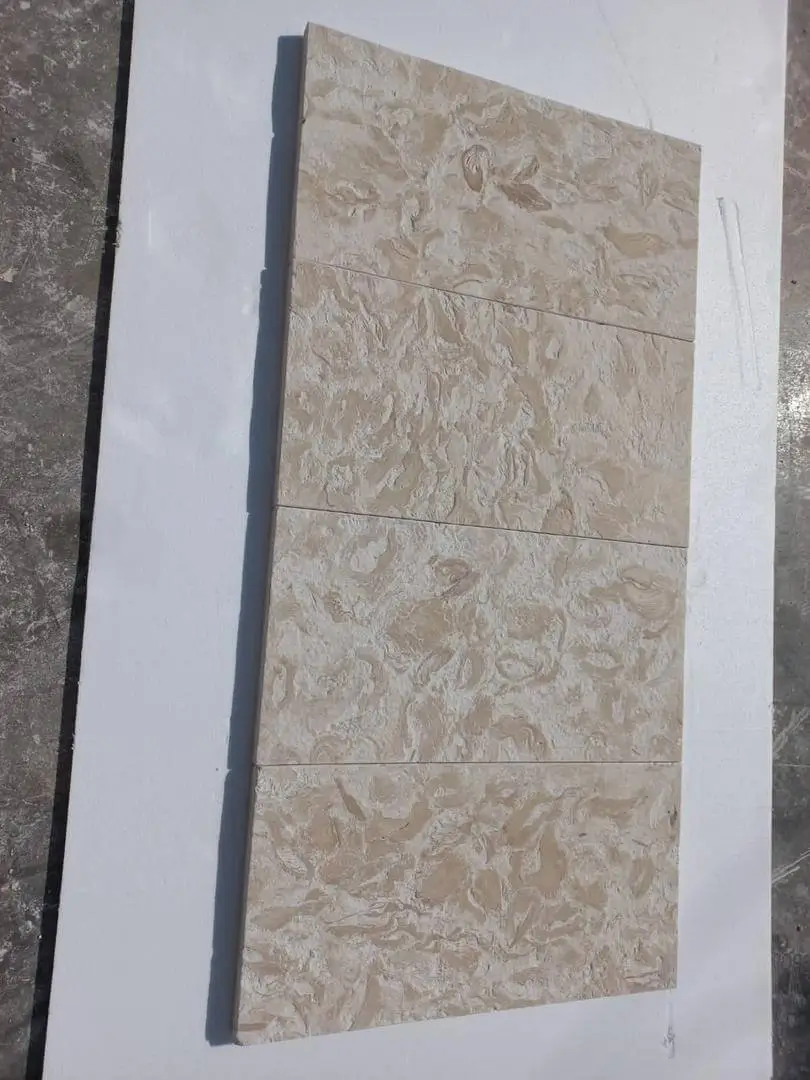
Limestone window sills typically range from 2.3-2.6 specific gravity with porosity between 4-12%, depending on quarry origin. You’ll find this material works well for protected exposures but requires sealing in high-UV areas. The material’s thermal expansion coefficient of approximately 4.5 × 10⁻⁶ per °F means you need expansion accommodation in installations exceeding 48 inches in length.
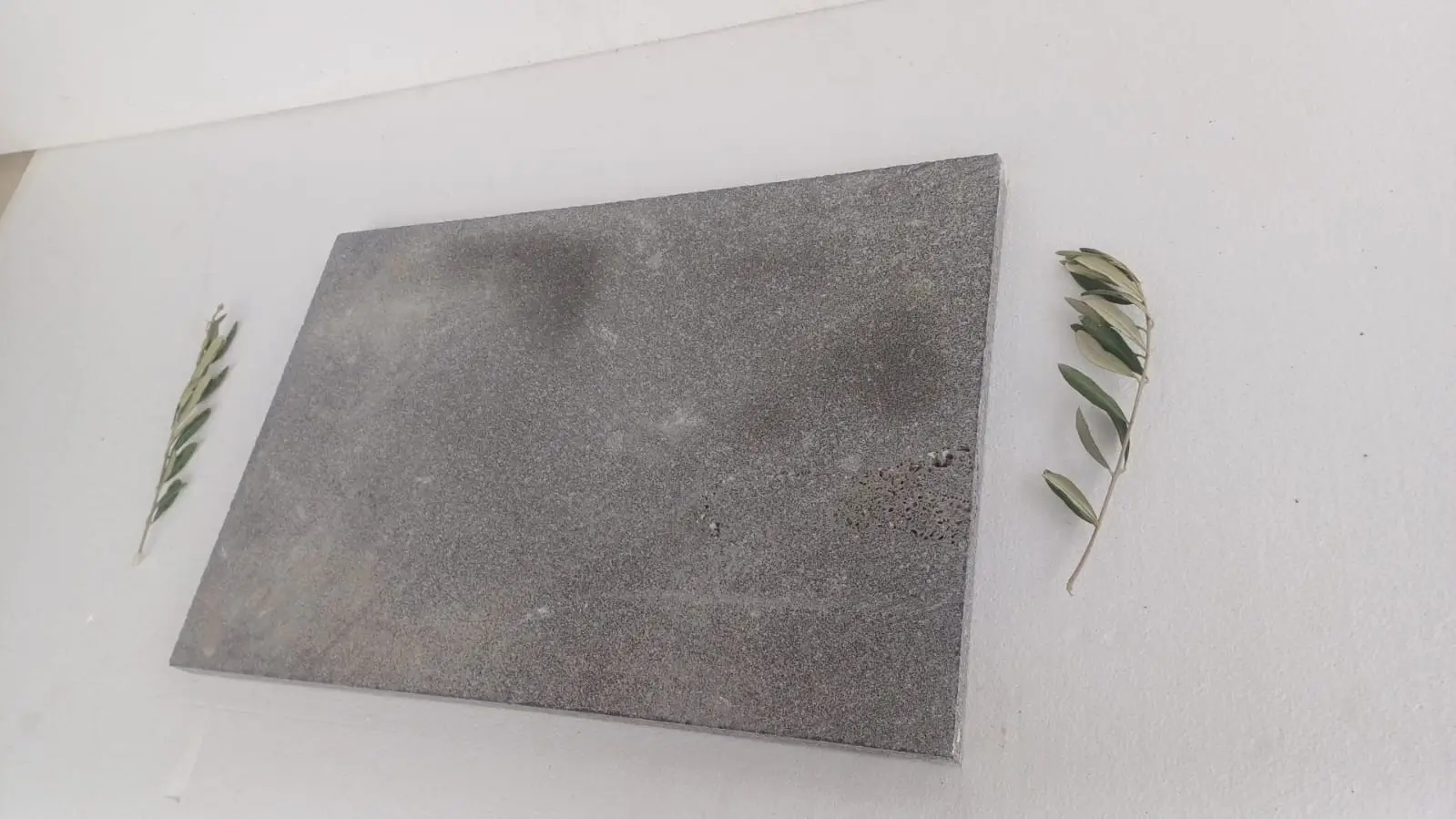
Granite sills offer superior performance metrics with specific gravity typically 2.6-2.7 and porosity below 1% for most varieties. When you specify granite from stone window sill suppliers Arizona, you’re selecting material that maintains surface integrity through decades of thermal cycling. Compressive strength exceeding 20,000 PSI provides structural reliability, though you’ll pay 30-45% more than limestone equivalents.
Marble sills present aesthetic advantages with classic veining patterns but come with maintenance considerations you need to address upfront with clients. Porosity ranges from 0.2-0.5% place marble between limestone and granite for moisture resistance. The material’s susceptibility to acid etching from rain runoff requires you to consider installation details that minimize water contact with polished surfaces.
Thermal Performance in Arizona Climate Zones
Arizona’s temperature extremes create thermal stress conditions that separate adequate materials from optimal ones. You need to understand that surface temperatures on stone window sills can reach 160-180°F during summer months in direct sun exposure—far exceeding ambient air temperatures. This thermal loading creates expansion forces that your installation details must accommodate.
When you work with stone cill suppliers materials, verify their thermal expansion data comes from testing ranges that match Arizona conditions. Standard laboratory testing often uses 70-120°F ranges, but your installations experience 40-180°F annual extremes. The difference matters because thermal expansion is linear—doubling the temperature range doubles the movement you need to accommodate.
- You should calculate expansion using actual surface temperature ranges, not ambient air temperatures
- Your sill length directly determines expansion magnitude—48-inch sills experience twice the movement of 24-inch installations
- You need to verify that sealant joints can accommodate calculated movement without adhesive failure
- Your frame material’s expansion coefficient must be compared against stone selection to prevent differential movement issues
Dark granite varieties absorb 70-80% of solar radiation, creating maximum thermal loading. Light limestone reflects 50-60% of incident radiation, reducing peak surface temperatures by 15-25°F compared to dark granite. You’ll find this temperature differential translates directly into reduced expansion forces and longer sealant service life. When you evaluate granite sills Arizona options, color selection becomes a performance specification, not just an aesthetic choice.
The thermal mass properties of stone window sills create lag times between peak air temperature and peak material temperature. This 2-4 hour delay means your sills reach maximum temperature in late afternoon, not at solar noon. You should account for this timing when you schedule installation activities during summer months—adhesive cure rates and workability windows shift based on actual material temperature, not clock time.
Supplier Selection Criteria for Arizona Projects
Your selection of stone window sill suppliers Arizona should prioritize three critical factors: regional inventory availability, technical support capability, and material consistency verification. Suppliers who maintain warehouse stock within Arizona provide significantly shorter lead times and reduced freight damage risk compared to direct-ship arrangements from distant quarries.
When you evaluate potential suppliers, verify their inventory turnover rates and typical stock depths for your required materials. A supplier claiming to “stock” a material but carrying only 2-3 units provides little advantage over special-order arrangements. You need suppliers with sufficient depth to handle your project volume plus contingency for damage replacement without extending your schedule.
Technical support capability separates experienced stone cill suppliers materials from commodity distributors. You should verify that suppliers can provide thermal expansion data, installation guidance specific to Arizona climate zones, and troubleshooting support when field conditions don’t match drawings. The best suppliers have technical staff who’ve actually supervised installations in challenging environments, not just read product literature.
- You’ll want to confirm that suppliers provide material certifications including ASTM C568 compliance for limestone or ASTM C615 for granite
- Your supplier should offer sample approval processes that allow you to verify color consistency before full orders ship
- You need clear damage claim procedures established before material arrives on site
- Your project schedule should account for realistic lead times from warehouse to job site
Material consistency matters more than most specifiers realize when you’re installing visible elements like window sills. Natural stone exhibits quarry-specific variations that can create noticeable differences between production runs. Stone window sill suppliers Arizona who source from consistent quarries and maintain quality control protocols deliver better batch-to-batch consistency than opportunistic buyers who chase spot pricing.
For comprehensive technical specifications and material performance data, see Citadel Stone’s stone sill facility to verify current inventory availability and lead times. You’ll find that establishing supplier relationships early in design development provides access to technical guidance that improves specification quality.
Installation Considerations for Desert Environments
Desert installation conditions present challenges you won’t find in moderate climates, starting with extreme temperature swings during the installation window itself. Morning temperatures of 65°F can climb to 95°F by early afternoon, affecting adhesive cure rates, workability, and material handling safety. You need installation protocols that account for these rapid thermal transitions.
When you coordinate installations with window sill stone suppliers Arizona, establish clear material storage requirements before delivery. Stone exposed to direct sun for hours before installation can reach temperatures that make handling dangerous and affect adhesive bond quality. Your site logistics should include shaded staging areas where materials can temperature-stabilize before installation begins.
Substrate preparation in Arizona requires attention to moisture content verification even in desert climates. Monsoon season creates brief but intense moisture exposure that can elevate substrate moisture content to problematic levels. You should verify moisture content below 4% before installation—higher levels create efflorescence risk that appears months later when initial moisture finally migrates through the stone.
- You need to specify adhesive systems rated for the actual temperature range during cure period, not just service temperature
- Your sealant selection must accommodate calculated expansion movement plus a safety factor of 20-30%
- You should require backer rod sizing that creates proper joint geometry for sealant performance
- Your installation schedule should avoid the hottest hours when material temperatures exceed adhesive working temperature limits
The low humidity environment accelerates adhesive cure rates compared to manufacturer technical data developed in moderate climates. You’ll find that working time can decrease by 30-40% when you’re installing in 15% relative humidity versus the 50% humidity conditions used for product testing. This means you need to adjust mixing quantities and application speed to match actual field conditions.
Limestone Window Sill Specifications
Limestone sills from Stone Sills Window Cills Arizona materials provide warm aesthetics with moderate performance characteristics suitable for many Arizona applications. When you specify limestone, you’re selecting material with natural porosity that requires sealing but offers easier fabrication and lower cost than granite alternatives. The material’s relatively uniform density makes it predictable for cutting, drilling, and edge profiling.
Your limestone specifications should address specific gravity minimums of 2.4 or greater to ensure adequate density for structural performance. Lower density materials exhibit higher porosity and reduced weather resistance. You’ll find that density directly correlates with compressive strength—materials below 2.3 specific gravity rarely achieve the 8,000 PSI minimum you should require for window sill applications.
Porosity specifications require nuanced understanding because limestone’s interconnected pore structure affects both moisture management and freeze-thaw durability. You need porosity below 8% for Arizona applications, with lower porosity preferred for northern Arizona locations experiencing freeze-thaw cycles. Materials exceeding 12% porosity show accelerated weathering and require aggressive sealing protocols that increase maintenance costs.
- You should specify absorption rates below 3% by weight when tested per ASTM C97
- Your compressive strength minimum should be 8,000 PSI per ASTM C170
- You need to require flexural strength exceeding 1,200 PSI for cantilevered sill applications
- Your abrasion resistance specification should reference ASTM C241 with maximum wear index of 12
Color consistency presents greater challenges with limestone than granite due to natural bedding plane variations and fossil content differences. When you work with stone window sill suppliers Arizona for limestone products, request samples from the specific quarry block allocated to your project. Generic “limestone samples” don’t provide sufficient color control for visible installations where batch-to-batch variation becomes obvious.
Sealer selection for limestone sills requires you to balance water repellency against breathability. Topical sealers create surface films that can delaminate under thermal stress, while penetrating sealers provide better durability but less water resistance. You’ll achieve best results with penetrating siloxane or silane sealers that don’t alter surface appearance but provide 5-8 year water repellency when properly maintained.
Granite Window Sill Performance Standards
Granite sills deliver maximum durability for demanding Arizona exposures where long-term performance justifies premium material cost. When you specify granite from stone cill suppliers materials, you’re selecting igneous rock with crystalline structure that resists weathering, maintains surface finish, and requires minimal maintenance through decades of service. The material’s low porosity makes it inherently water-resistant without requiring sealer application in most cases.
Your granite specifications should require minimum specific gravity of 2.6, ensuring dense crystalline structure with minimal void space. Materials meeting this threshold typically achieve compressive strengths exceeding 20,000 PSI—far beyond structural requirements but providing durability margin against impact damage and point loading. You’ll find this excess strength capacity prevents the edge chipping and corner damage common with lower-strength materials.
Absorption specifications for granite should not exceed 0.4% by weight per ASTM C97 testing. Most quality granites test below 0.2%, providing exceptional moisture resistance. This low absorption rate means you can specify granite for high-exposure locations without the sealing requirements limestone demands. The material naturally resists water penetration, staining, and freeze-thaw damage.
- You need to specify minimum compressive strength of 19,000 PSI per ASTM C170
- Your flexural strength requirement should exceed 1,500 PSI for structural adequacy
- You should require abrasion resistance per ASTM C241 with wear index below 8
- Your thermal expansion specification must address the coefficient range of 4.7-5.8 × 10⁻⁶ per °F
Color consistency with granite exceeds limestone due to igneous formation processes that create more uniform mineral distribution. When you evaluate granite sills Arizona options, verify that suppliers provide samples from the same quarry block or at minimum the same quarry face. Even with granite’s superior consistency, different quarry locations within the same geological formation can show noticeable color variation.
Surface finish selection affects both aesthetics and performance in ways you need to understand. Polished granite provides maximum density at the surface but creates reflective glare in high-sun exposures. Honed finishes reduce glare while maintaining good stain resistance. Flamed or thermal finishes create texture for slip resistance but open the surface structure, slightly increasing porosity and maintenance requirements.
Marble Sill Applications and Limitations
Marble window sills offer classic aesthetics with veining patterns that create distinctive appearances, but the material requires careful application consideration in Arizona’s environment. When you specify marble, you’re selecting metamorphic rock with crystalline calcite structure that provides beauty but presents maintenance and durability trade-offs compared to granite alternatives.
Your marble specifications need to address the material’s acid sensitivity that affects long-term appearance. Rain runoff, even in desert climates, contains sufficient acidity to etch polished marble surfaces over time. You should limit marble sill applications to protected exposures with minimal direct weather exposure, or educate clients about the patina development that occurs with weathering.
The material’s moderate hardness makes fabrication easier and cost lower than granite, but creates susceptibility to scratching during construction and occupancy. You’ll find that marble sills show construction damage more readily than granite, requiring careful protection protocols during building completion phases. This vulnerability means you need explicit protection requirements in your specifications with contractor responsibility clearly defined.
- You should specify minimum density of 2.7 specific gravity for adequate structural performance
- Your absorption specification should not exceed 0.5% by weight per ASTM C503
- You need minimum compressive strength of 7,500 PSI for window sill applications
- Your specifications must address sealing requirements and maintenance expectations explicitly
Color selection with marble affects durability in ways beyond aesthetics. White marbles with minimal veining typically show weathering and etching more obviously than heavily veined varieties where surface changes blend with natural patterning. When you evaluate window sill stone suppliers Arizona for marble products, consider how weathering appearance aligns with project aesthetic goals and client expectations.
Thickness and Dimensional Specifications
Sill thickness specifications require you to balance structural adequacy, visual proportion, and cost considerations. Standard thicknesses of 1.25 inches provide adequate strength for most residential applications with spans up to 48 inches. Commercial projects with wider window openings or higher performance requirements need thickness increases to 1.5 or 2 inches for proper structural capacity.
When you calculate required thickness, consider actual span conditions including support conditions at jambs and any cantilever projection beyond exterior wall face. Stone window sill suppliers Arizona can provide loading calculations, but you’re responsible for verifying that calculations match actual installation conditions. Generic span tables assume idealized support conditions that may not reflect your wall assembly details.
Projection dimension affects both weather performance and thermal stress. Sills projecting 1.5-2 inches beyond exterior wall face provide proper water drainage away from wall assemblies. Greater projections increase cantilever stress requiring thickness increases. You should verify that projection dimensions work with window frame setback and wall assembly depth to create proper weather protection without excessive structural demand.
- You need minimum 1.25-inch thickness for residential spans up to 48 inches
- Your commercial specifications should require 1.5-inch minimum thickness for spans exceeding 48 inches
- You should increase thickness by 0.25 inches for each 12 inches of cantilever projection beyond 2 inches
- Your dimensional tolerances should allow ±1/16 inch for length and width, ±1/32 inch for thickness
Drip edge detailing represents a critical specification element many designers overlook. You should require a minimum 1/4-inch drip kerf routed on the underside of the sill projection, located 1/2 inch from the outer edge. This detail prevents water from tracking back under the sill toward the wall assembly. Without proper drip edge specification, even properly sloped sills allow water migration that leads to staining and potential moisture intrusion.
Common Specification Mistakes to Avoid
The most frequent specification error involves inadequate expansion joint provision for thermal movement. You’ll see many specifications that either omit expansion joints entirely or provide joints sized for generic movement ranges rather than calculated Arizona thermal expansion. This oversight creates sealant failure, stone cracking, or both within the first few years of service.
Material substitution clauses represent another problematic specification pattern. When you write specifications allowing “or equal” substitutions without defining equivalency criteria, you create opportunities for value engineering that compromises performance. Stone cill suppliers materials vary significantly in density, porosity, and strength—generic equivalency language doesn’t provide sufficient control over these critical characteristics.
Inadequate sealer specifications create confusion and often result in inappropriate products being applied. When you specify only “sealer” without defining penetrating versus topical, performance duration, or appearance impact, you’ll get whatever product the installer prefers—which may not align with performance requirements or aesthetic intentions.
- You need explicit thermal expansion calculations showing required joint widths for your specific sill lengths and material selection
- Your specifications should define equivalency criteria using specific gravity, absorption, and strength minimums rather than generic “or equal” language
- You must specify sealer type, application timing, and expected performance duration with maintenance requirements
- Your details should show exact drip edge dimensions and locations rather than generic “provide drip” notes
Installation timing specifications often fail to address temperature constraints for adhesive and sealant application. Standard boilerplate language references manufacturer recommendations developed for moderate climates. You should add explicit temperature limits that reflect Arizona conditions—both minimum winter temperatures in northern regions and maximum summer temperatures in southern areas where adhesive working time becomes problematic.
Stone Cill Suppliers in Arizona — How Citadel Stone Would Specify for Arizona Cities
When you consider Citadel Stone’s Stone Cill Suppliers in Arizona for your building projects, you’re evaluating proven natural stone materials specifically selected for extreme climate performance. At Citadel Stone, we provide technical guidance for hypothetical window sill applications across Arizona’s diverse climate zones. This section outlines how you would approach specification decisions for six representative cities, addressing the distinct thermal and environmental conditions each location presents.
Phoenix Heat Management
In Phoenix, you’ll encounter sustained extreme heat requiring you to prioritize light-colored stone selections that minimize thermal absorption. Your specifications should focus on granite or light limestone with high solar reflectance to reduce surface temperatures. You need expansion joints every 36 inches for dark granite, extending to 48 inches for light-colored materials. Warehouse inventory confirmation becomes critical during peak construction season when demand exceeds supply. Your sealant selection must accommodate temperature-driven movement exceeding standard ranges.
Tucson Solar Exposure
Your Tucson window sill specifications need to account for intense UV exposure combined with monsoon moisture events. You would specify granite for south and west exposures where thermal cycling creates maximum stress. Light limestone works for protected north-facing installations with appropriate sealing. Your installation schedule should avoid July-August when afternoon thunderstorms create unpredictable moisture conditions during critical cure periods. Truck delivery coordination requires attention to summer access restrictions in some residential areas during peak heat hours.
Scottsdale Aesthetic Requirements
When you specify for Scottsdale’s design-conscious market, marble becomes viable for protected luxury applications where clients prioritize aesthetics over maximum durability. Your specifications would include premium granite or marble with custom edge profiles and polished finishes. You need explicit maintenance expectations documented for marble installations, addressing acid etching and patina development. Material selection should emphasize consistency within projects where visible sills create significant aesthetic impact. Your supplier coordination should verify exact quarry block allocation before fabrication begins.
Flagstaff Freeze-Thaw Cycles
Flagstaff’s elevation creates freeze-thaw conditions requiring you to specify low-porosity granite exclusively. Your limestone options become severely limited due to moisture absorption and freeze-thaw vulnerability. You would require absorption testing verification below 0.3% for all sill materials. Installation timing constraints run opposite to lower elevation cities—summer provides optimal conditions while winter creates temperature limitations for adhesive cure. Your expansion joint sizing still addresses summer thermal expansion despite winter installation timing.
Sedona Red Rock Compatibility
Your Sedona specifications need aesthetic coordination with the region’s distinctive red rock landscape and design review requirements. You would specify warm-toned limestone or granite that complements rather than contrasts with surrounding natural stone. Material selection emphasizes earth tones with subtle veining that aligns with architectural review board preferences. Your supplier should provide extensive sampling allowing design review approval before material procurement. Truck access to some Sedona sites requires verification due to narrow roads and residential delivery restrictions.
Yuma Extreme Conditions
Yuma’s position as one of the hottest locations in North America requires you to specify materials and installation methods for absolute thermal extremes. Your specifications would mandate light-colored granite exclusively, with limestone eliminated due to sustained heat exposure. You need expansion joints at 30-inch spacing for all materials regardless of color. Installation windows restrict to October-April when temperatures allow proper material handling and adhesive performance. Your adhesive specifications must verify performance ratings extending to 150°F surface temperatures.
Quality Verification and Testing
Your quality assurance program should begin with material testing verification before you approve submittals. Don’t assume that manufacturer certifications accurately represent the specific material lot allocated to your project. You need to require batch-specific testing results for absorption, compressive strength, and density that confirm compliance with your specification minimums.
Visual inspection protocols need definition in your specifications beyond generic “architect approval” language. You should establish clear criteria for acceptable color variation, veining patterns, and surface finish quality. The best approach involves approving physical samples that become the contractual standard for production material comparison. Without approved samples, you’re relying on subjective interpretation that creates disputes.
Installation verification should occur at multiple stages, not just final inspection. You’ll catch problems more easily during substrate preparation and initial installations than after the contractor has completed substantial portions of work using incorrect methods. Your inspection schedule should include substrate moisture testing, adhesive verification, and dimensional confirmation before installation proceeds beyond initial test areas.
- You should require batch-specific ASTM test results for absorption, density, and strength submitted before material shipment
- Your sample approval process needs physical samples retained on site throughout installation for comparison verification
- You need to inspect substrate preparation including moisture testing before adhesive application begins
- Your punch list should address sealant tooling, joint cleanliness, and drip edge verification systematically
Post-installation testing provides verification that installation quality meets design intent. You can perform simple water testing by applying water to sill surfaces and observing drainage patterns and drip edge performance. Properly installed sills drain water completely away from wall assemblies without standing water or back-tracking under the sill projection.
Long-Term Maintenance Considerations
Your specifications should address maintenance requirements explicitly, establishing realistic client expectations about ongoing care needs. Even granite sills benefit from periodic cleaning and sealer reapplication, though maintenance intensity varies dramatically from limestone’s requirements. You need to provide maintenance guidelines as part of project closeout documentation rather than assuming clients will intuitively understand stone care.
Sealer reapplication timing depends on material type, exposure conditions, and sealer selection. You’ll find that limestone requires resealing every 2-3 years in harsh exposures, while granite may extend 8-10 years before resealing provides measurable benefit. Your maintenance specifications should define the water droplet test method clients can use to determine when resealing becomes necessary—when water absorbs rather than beading, sealer renewal is due.
Cleaning protocols require specification to prevent damage from inappropriate cleaning products. Many homeowners and maintenance personnel default to acidic cleaners that etch limestone and marble surfaces. Your maintenance documentation should explicitly prohibit acidic cleaners and specify pH-neutral stone cleaners for routine maintenance. This guidance prevents damage that appears gradually over years of inappropriate cleaning practices.
- You should provide written maintenance guidelines specifying cleaning products, sealer types, and reapplication intervals
- Your documentation needs to include the water droplet test procedure for determining sealer renewal timing
- You must explicitly prohibit acidic cleaners, identifying common household products that damage stone
- Your maintenance schedule should differentiate requirements by material type and exposure severity
Winter maintenance in northern Arizona requires attention to ice melt product selection. Many de-icing products contain chemicals that damage stone or accelerate weathering. You should specify calcium magnesium acetate-based de-icers that provide freeze protection without the surface damage caused by sodium chloride or calcium chloride products. This specification detail protects the material investment through years of winter weather exposure.
Final Planning Considerations
Your professional specification process requires you to balance performance requirements with budget constraints while ensuring long-term durability. Stone window sill suppliers Arizona provide varying levels of technical support, inventory availability, and quality consistency—factors that affect both initial project success and lifecycle performance. You should establish supplier relationships early in design development to access technical guidance that improves specification quality and prevents costly field modifications.
Material selection decisions compound through projects in ways that extend beyond individual window sills. When you specify high-performance materials like granite, you’re making a long-term investment that reduces maintenance costs and extends service life by decades compared to lower-grade alternatives. The premium you pay for quality materials typically represents less than 1% of overall building cost but delivers disproportionate value in performance and durability.
Project documentation should include complete installation details, material specifications with performance criteria, and maintenance guidelines that transfer to building owners. You’ll find that comprehensive documentation prevents field interpretation errors and provides reference material for future maintenance or renovation work. For additional installation insights and current material availability, review Natural stone window sill materials for Arizona residential applications before you finalize your project documents. Citadel Stone supplies granite sills as durable Stone Sills & Window Cills in Arizona weather-resistant options.