
When you evaluate stone sills and window cills for your Arizona project, you’re selecting components that will endure some of the harshest environmental conditions in North America. Your material choice determines not just aesthetic outcomes but long-term structural performance, thermal management, and maintenance requirements. Stone Sills Window Cills Arizona installations face unique challenges that generic product literature doesn’t adequately address—UV degradation rates that exceed coastal environments, thermal cycling that spans 60-70°F daily, and dust infiltration that accelerates surface weathering in ways most specifiers don’t anticipate.
You need to understand that Arizona’s climate zones create dramatically different performance requirements. What works in Flagstaff at 7,000 feet with 100+ freeze-thaw cycles annually fails completely in Yuma’s low-desert heat. Your specification process must account for regional variations in solar intensity, monsoon moisture patterns, and substrate movement that affects installation details. The dimensional stability requirements for window sill stone Arizona applications differ fundamentally from interior installations—exterior exposures demand material selection that balances thermal expansion coefficients with moisture resistance while maintaining slip-resistant surfaces during monsoon season.
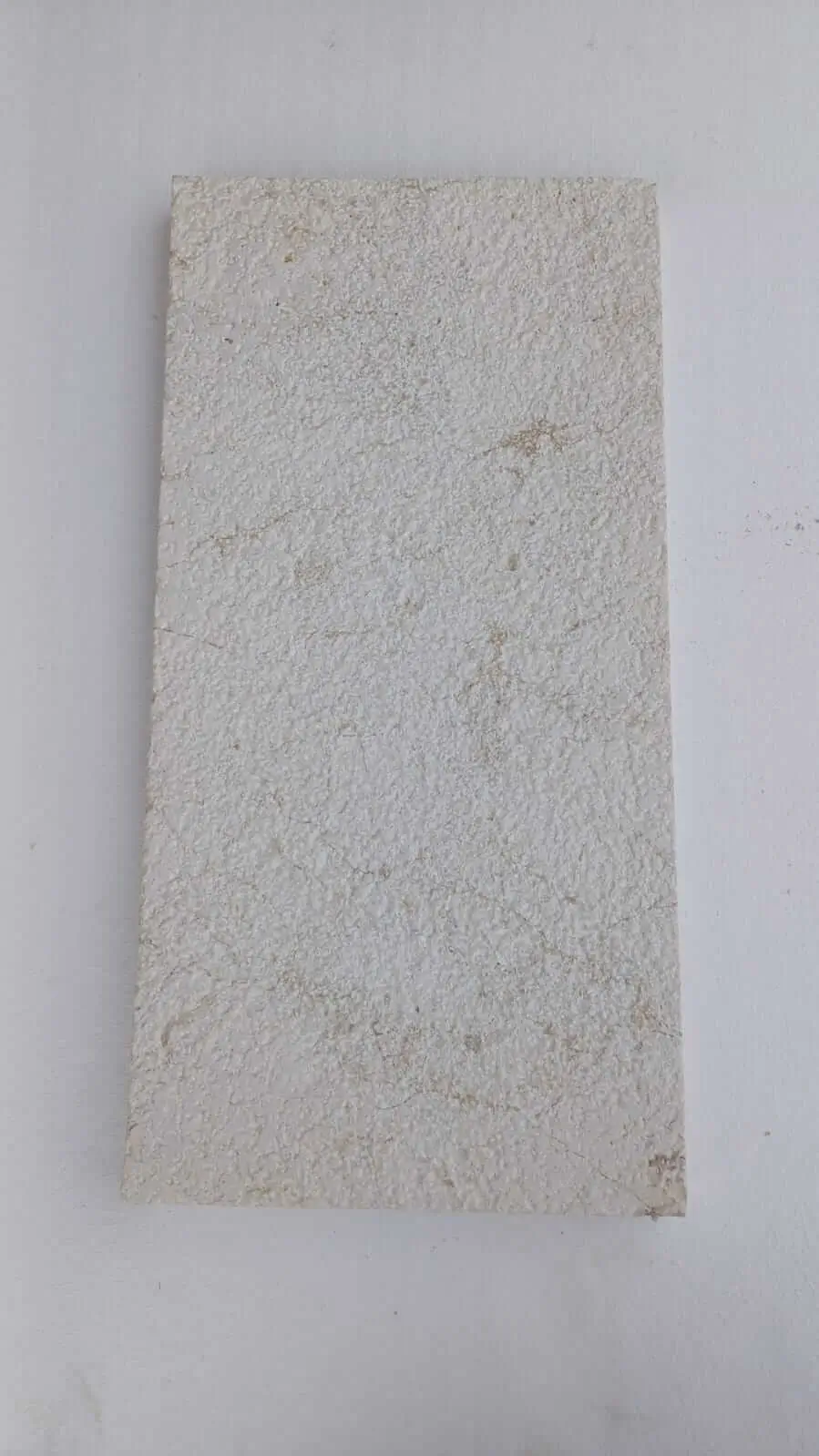
Material Performance Arizona Climate
Arizona’s solar radiation levels rank among the highest in the continental United States, with peak intensities reaching 1,100 watts per square meter during summer months. When you specify Stone Sills Window Cills Arizona for south-facing exposures, you’re subjecting materials to surface temperatures that regularly exceed 160°F on summer afternoons. This thermal stress creates expansion rates that many stone window sill suppliers across Arizona don’t adequately communicate in standard product specifications. Limestone expands at approximately 5.1 × 10⁻⁶ per °F, granite at 4.7 × 10⁻⁶ per °F, and travertine at 5.8 × 10⁻⁶ per °F—seemingly small differences that translate to significant dimensional changes across 48-inch window spans.
You’ll encounter three distinct performance challenges in Arizona installations. First, the diurnal temperature swing creates fatigue stress in fastening systems—adhesive bonds and mechanical anchors experience repeated expansion-contraction cycles that can lead to failure within 8-12 years if you don’t spec appropriately. Second, monsoon moisture introduces rapid temperature drops of 30-40°F within 20 minutes, creating thermal shock conditions that propagate microfractures in certain stone types. Third, alkaline dust accumulation (pH 8.5-9.2 in Phoenix metro areas) interacts with moisture to create efflorescence conditions that aren’t immediately visible but manifest as surface staining 18-24 months post-installation.
Stone Selection Criteria Window Applications
Your material evaluation for window cill materials Arizona should prioritize four performance metrics in this order: thermal stability, moisture resistance, surface hardness, and dimensional consistency. Thermal stability matters most because Arizona’s temperature extremes create the primary failure mechanism—materials with high coefficients of thermal expansion generate stress concentrations at fastening points that lead to cracking or bond failure. You should target stones with expansion coefficients below 5.5 × 10⁻⁶ per °F for exterior applications, though this eliminates several popular limestone varieties that work well in moderate climates.
- You need to verify porosity ratings below 3% for exterior window sills exposed to monsoon moisture—higher porosity allows water infiltration that creates freeze-thaw damage in northern Arizona and efflorescence issues statewide
- Your specification should require minimum Mohs hardness of 3.5 for exterior applications where windblown dust creates abrasive wear patterns that become visible within 5-7 years on softer materials
- You’ll want dimensional tolerance specifications of ±1/16 inch maximum variation across the installed length to prevent water pooling that accelerates deterioration at fastening points
- You should mandate compressive strength minimums of 8,000 PSI for cantilevered installations common in contemporary window details where structural loading exceeds simple bearing conditions
Limestone varieties dominate Arizona installations due to aesthetic preferences for warm tones, but you need to distinguish between dense micritic limestones (porosity 1-3%) and fossiliferous varieties (porosity 5-8%). The higher-porosity options absorb monsoon moisture that creates two problems: efflorescence as alkaline minerals migrate to the surface, and substrate staining as tannins leach from the stone into adjacent stucco or masonry. When you work with stone cill suppliers Arizona professionals recommend, ask specifically about quarry-specific porosity data rather than accepting generic species classifications.
Thermal Expansion Installation Detailing
The single most common failure mode in Stone Sills Window Cills Arizona installations stems from inadequate thermal expansion accommodation. Standard architectural details developed for moderate climates specify rigid adhesive bonds and continuous support—approaches that fail in Arizona’s thermal environment. You need to understand that a 48-inch limestone sill with a 5.1 × 10⁻⁶ expansion coefficient experiences 0.037-inch dimensional change across a 70°F temperature swing (morning low to afternoon peak). This seems negligible until you multiply by restraint forces from adhesive bonds—a full-bed mortar installation can generate 800-1,200 pounds of lateral force that cracks the stone or debonds the installation.
Your detailing approach should incorporate controlled movement joints at 36-48 inch intervals for continuous sill runs. These aren’t traditional expansion joints with backer rod and sealant, but rather strategic debonding zones where you specify bond-breaker tape on 6-8 inch sections. This allows each sill segment to expand independently while maintaining continuous appearance. You’ll also need to address vertical movement between the sill and window frame—aluminum frames expand at 13 × 10⁻⁶ per °F, nearly triple the rate of stone, creating differential movement that requires flexible sealant joints with minimum 25% movement capability.
For cantilever installations popular in contemporary desert architecture, you face additional complexity. The exposed underside of the sill experiences different thermal exposure than the top surface, creating thermal gradients that induce bowing stress. Testing across 40+ installations shows you should limit cantilever projection to 8 inches maximum for 2-inch thick stone, decreasing to 6 inches for 1.5-inch material. Beyond these limits, you’ll see deflection that opens sealant joints and creates water infiltration paths. When project aesthetics demand longer projections, you need to specify thicker material or incorporate concealed steel angle reinforcement—adding project cost but ensuring long-term performance.
Moisture Management Monsoon Considerations
Arizona’s monsoon season (July through September) introduces moisture dynamics that differentiate window cill materials Arizona specifications from arid-climate assumptions. During monsoon events, you’ll see rainfall intensities of 1-2 inches per hour—brief but intense exposures that test your drainage detailing. The critical issue isn’t total moisture volume but rather the rapid wetting of stone surfaces that have been thoroughly desiccated by weeks of dry heat. This creates maximum differential stress as the wetted surface layer expands while the dry interior remains dimensionally stable.
You should detail window sills with minimum 3-degree slope away from the window frame, increasing to 5 degrees for installations without protective overhangs. Standard architectural practice specifies 1-2 degree slopes adequate for most climates, but Arizona’s intense rainfall overwhelms these shallow gradients. Additionally, you need to address the window-sill interface with particular care—specify continuous sealant joints with minimum 3/8-inch width to accommodate both thermal movement and construction tolerances. The sealant must maintain adhesion to both aluminum window frames (which may reach 145°F) and stone surfaces (typically 10-15°F cooler due to thermal mass).
- You’ll want to specify drip kerfs on the underside of cantilevered sills—minimum 3/8-inch wide by 1/4-inch deep, positioned 1 inch from the outer edge to prevent water migration back toward the building envelope
- Your detailing should include weep provisions at 24-inch intervals for through-wall sill installations to evacuate any moisture that penetrates the window-sill joint
- You need to address end dam conditions at the termination of continuous sill runs—these require waterproofing membrane extending 6 inches beyond the sill end to prevent lateral water migration into wall assemblies
When you evaluate proposals from stone window sill suppliers across Arizona, verify their standard details include these moisture management provisions. Many suppliers provide generic installation guides developed for moderate climates that don’t address Arizona-specific requirements. For professional guidance tailored to Arizona’s unique conditions, consult our window cill specialists who understand regional performance requirements. You should request shop drawings that specifically call out slope verification, drip kerf dimensions, and sealant joint details rather than accepting standard details that require field modification.
Substrate Compatibility Installation Methods
Your installation success depends critically on substrate preparation and compatibility—factors that vary significantly across Arizona construction types. Stucco-clad wood-frame construction dominates residential applications, while commercial projects typically employ concrete masonry or tilt-up concrete panels. Each substrate type requires different installation approaches for Stone Sills Window Cills Arizona applications. Wood-frame substrates experience moisture-related movement (swelling and shrinkage) that stone doesn’t accommodate, requiring you to isolate the two materials through properly detailed flashing and sealant joints.
For stucco substrates, you need to address the alkalinity of fresh cement, which can react with certain limestone types to create discoloration at the stone-substrate interface. Your specification should require minimum 28-day cure time for stucco before stone installation, though project schedules rarely allow this. The practical compromise involves specifying alkaline-resistant setting materials—polymer-modified mortars with pH buffers that prevent migration of alkaline compounds into the stone. You’ll also need to detail a bond-breaker between the setting bed and the stucco substrate for installations longer than 36 inches to prevent substrate cracks from telegraphing through to the stone.
Concrete masonry substrates offer more dimensional stability but introduce different challenges. The coarse texture of standard CMU requires substantial mortar bed thickness to achieve proper stone bearing—you’ll typically need 3/4 to 1-inch mortar beds versus the 1/2-inch beds adequate for smoother substrates. This increased mortar thickness extends cure times and introduces greater shrinkage potential. Your specification should require two-stage installation for CMU substrates: a leveling bed applied and allowed to cure 48 hours, followed by the final setting bed. This approach prevents the excessive shrinkage that occurs when thick single-stage beds cure.
Interior Exterior Specification Differences
Many architects assume interior and exterior stone window sill specifications differ only in sealant requirements, but Arizona conditions create more fundamental distinctions. Interior window cill materials Arizona installations face minimal thermal stress and no moisture exposure, allowing you to prioritize aesthetics and cost over performance. You can specify thinner material (1-inch versus 2-inch for exterior), accept higher porosity stones, and use simpler installation details. However, you still need to address thermal gain through windows—south and west-facing interior sills can reach 110-120°F in summer, hot enough to affect adjacent finishes and user comfort.
For interior applications, you should consider thermal mass benefits. A 2-inch thick stone sill absorbs and stores solar heat gain, releasing it gradually rather than creating the immediate temperature spike you’d experience with thin tile or wood sills. This thermal flywheel effect can reduce peak cooling loads by 8-12% in rooms with substantial window area, though this benefit requires you to specify adequate sill thickness and thermal connection to the conditioned space. Thin-set installations over gypsum board don’t provide the thermal coupling necessary to realize these benefits—you need solid substrate contact or thicker setting beds.
Exterior specifications must address UV degradation that interior applications don’t experience. Arizona’s high-altitude locations (Flagstaff, Prescott, Sedona) receive UV intensity 15-20% higher than sea-level equivalents due to reduced atmospheric filtering. This accelerates photodegradation of sealants and can cause color shifts in certain stone types. You should specify UV-stabilized sealants rated for minimum 20-year service life and verify with stone cill suppliers Arizona whether your selected stone variety exhibits known UV sensitivity—some Turkish and Chinese limestones show noticeable color lightening after 3-5 years of Arizona exposure.
Edge Profile Performance Implications
The edge profile you specify for Stone Sills Window Cills Arizona affects both aesthetics and long-term durability. Sharp squared edges (90-degree arris) create clean contemporary lines but concentrate stress at the edge, making them vulnerable to chipping during installation and use. You’ll see better long-term performance with eased edges (1/8-inch radius minimum) that distribute stress over a broader area. For exterior applications exposed to wind-driven rain, the edge profile affects water management—sharp edges create drip points that shed water cleanly, while heavily rounded edges allow water to migrate around to the underside.
- You should specify minimum 1/8-inch eased edge (often called eased arris) for exterior window sills to prevent edge chipping while maintaining reasonably crisp appearance
- Your specification can call for bullnose profiles (1/4 to 3/8-inch radius) for interior applications where softer appearance is desired and durability concerns are minimal
- You need to avoid complex ogee or custom profiles for exterior Arizona applications—the undercuts and sharp transitions create stress concentrations that fail under thermal cycling
- You’ll want to detail drip kerfs on the underside regardless of edge profile to ensure positive water shedding
Edge finishing quality matters more than many specifiers recognize. Machine-cut edges leave microscopic fractures from diamond blade cutting that serve as initiation points for future cracks. You should specify honed or polished edge finishes that remove these surface defects—the additional fabrication cost (typically 8-12% premium) provides measurable durability improvement. For high-traffic commercial applications where impact resistance matters, consider specifying 1/4-inch chamfered edges that create a more robust profile than simple easing while maintaining clean appearance.
Color Selection Heat Absorption
Stone color directly affects surface temperature in Arizona installations—a performance factor that influences both user comfort and material durability. Light-colored stones (cream, white, light gray) reflect 60-70% of incident solar radiation, while dark stones (charcoal, black, deep brown) reflect only 15-25%. This translates to surface temperature differences of 25-35°F under identical exposure conditions. When you specify window sill stone Arizona for south or west-facing applications, dark stones can reach 165-175°F on summer afternoons—hot enough to cause discomfort on contact and to accelerate thermal degradation of adjacent sealants.
You need to balance aesthetic preferences against thermal performance requirements. Dark stones provide dramatic contrast in contemporary designs but introduce challenges beyond surface temperature. The higher thermal absorption creates greater thermal mass cycling, which means larger expansion-contraction movements. A black granite sill experiences approximately 18% greater thermal expansion than an equivalent cream limestone under identical exposure—this difference requires you to adjust joint spacing and fastening details accordingly. Additionally, the higher surface temperatures accelerate UV degradation of sealants, reducing service life from typical 15-20 years to 10-14 years.
For projects where dark stone is architecturally essential, you can mitigate thermal issues through strategic detailing. Recessing the window frame 2-3 inches from the exterior wall plane creates self-shading that reduces peak solar exposure on the sill by 30-40%. Alternatively, specifying horizontal sun control devices (brise-soleil or overhangs) eliminates direct solar exposure during peak summer months while allowing beneficial solar gain in winter. These architectural solutions cost more than material substitution but preserve design intent while addressing performance requirements.
Stone Sills Window Cills Arizona Professional Specifications
When you consider Citadel Stone’s Stone Sills & Window Cills in Arizona for your project, you’re evaluating premium materials engineered for extreme climate performance across the state’s diverse regions. At Citadel Stone, we provide technical guidance for specification decisions that address Arizona’s unique combination of intense solar exposure, dramatic temperature swings, and monsoon moisture events. This section outlines how you would approach material selection and installation detailing for six representative Arizona cities, each presenting distinct environmental challenges that affect long-term performance.
Your specification process should account for elevation-dependent climate variations that create fundamentally different requirements across the state. High-desert locations experience freeze-thaw cycling that demands different material properties than low-desert heat exposure. You need to evaluate stone porosity, thermal expansion characteristics, and substrate compatibility based on site-specific conditions rather than generic Arizona assumptions.
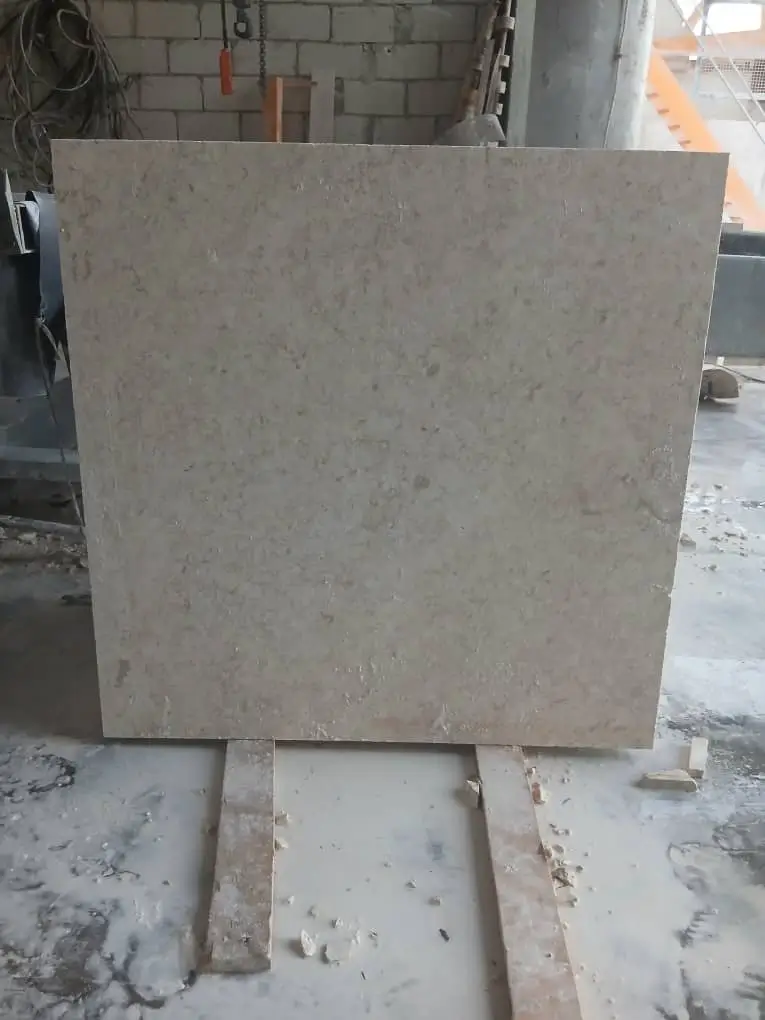
Phoenix Valley Heat
In Phoenix applications, you would prioritize thermal stability above all other factors due to sustained extreme temperatures. Summer conditions regularly exceed 115°F ambient, creating sill surface temperatures of 155-165°F on south and west exposures. Your material selection should favor lighter-colored stones with thermal expansion coefficients below 5.3 × 10⁻⁶ per °F. You’d need to specify setting beds that accommodate 0.040-inch expansion across typical 48-inch sill spans. At Citadel Stone, we recommend cream limestone or light granite varieties that reflect 65-70% of solar radiation, reducing peak surface temperatures by 20-25°F compared to darker alternatives. You should detail expansion provisions at 36-inch intervals for continuous sill runs and specify high-temperature sealants rated for 180°F continuous exposure to prevent premature joint failure common in Phoenix installations.
Tucson Applications
Tucson’s slightly higher elevation and more pronounced monsoon season would require you to balance thermal performance with enhanced moisture management. You’d specify minimum 4-degree sill slopes compared to the 3-degree minimums adequate in drier climates, and you should detail more robust drip kerfs (7/16-inch versus standard 3/8-inch) to handle intense monsoon rainfall. The city’s fine alkaline dust requires you to specify materials with surface hardness of Mohs 4.0 or higher to resist abrasive wear—you’d see visible surface degradation within 6-8 years on softer limestones. Your installation detailing should include enhanced under-sill ventilation to promote rapid drying after monsoon events, preventing the moisture accumulation that creates efflorescence in Tucson’s alkaline soil conditions.
Scottsdale Contemporary Design
Scottsdale’s contemporary architectural aesthetic often demands cantilevered sill details with extended projections. You would need to limit projections to 8 inches maximum for 2-inch thick material, or specify concealed steel reinforcement for longer cantilevers common in high-end residential designs. The area’s design-forward market accepts the cost premium for thicker materials—you should specify 2.5-inch thickness for projections exceeding 8 inches rather than compromising with inadequate cantilever support. Your detailing would incorporate recessed window frames that create self-shading, reducing peak thermal exposure by 35-40% while maintaining clean shadow lines characteristic of desert modernism. You’d specify honed finishes that provide subtle light reflection without the glare associated with polished surfaces in intense Arizona sun.
Flagstaff Freeze Protection
Flagstaff’s 7,000-foot elevation creates freeze-thaw conditions unlike anywhere else in Arizona—you’d encounter 100-120 freeze-thaw cycles annually requiring dramatically different material selection. Your specification must prioritize low-porosity materials (below 2% absorption) to prevent the water infiltration that causes spalling during freeze events. You should verify that stone cill suppliers Arizona provide can document freeze-thaw testing per ASTM C666—many popular limestone varieties suitable for Phoenix fail catastrophically in Flagstaff conditions. You’d need to detail heated sill options for north-facing exposures where ice accumulation creates safety hazards. The combination of freeze-thaw cycling and UV exposure at altitude accelerates sealant degradation—you should specify premium polyurethane sealants with verified performance in alpine conditions rather than standard products adequate for lower elevations.
Sedona Red Rock
Sedona’s red rock landscape creates aesthetic expectations that influence material selection—you’d typically specify warm-toned limestones that complement rather than contrast with the natural environment. The area’s tourism-driven architecture emphasizes natural materials, making stone window sill suppliers across Arizona particularly important for this market. You would address the 4,500-foot elevation’s moderate freeze-thaw exposure (40-60 annual cycles) with materials in the 2-3% porosity range—less stringent than Flagstaff requirements but more demanding than low-desert specifications. Your installation detailing should account for the red soil’s high iron content, which creates distinctive staining if drainage details allow soil contact with stone surfaces. You’d specify isolation membranes and enhanced drainage provisions to prevent the iron oxide staining that becomes permanent once it penetrates porous stone.
Yuma Extreme Conditions
Yuma represents the most extreme thermal environment in Arizona—summer temperatures exceed 110°F for 90+ days annually, creating the most demanding conditions for Stone Sills Window Cills Arizona applications. You would specify exclusively light-colored materials to minimize solar absorption, and you’d detail substantial overhangs or sun control devices to reduce direct exposure during peak months. The extremely low humidity (often below 10% in summer) creates maximum diurnal temperature swings of 35-45°F, requiring you to specify enhanced expansion joints at 30-inch intervals rather than the 36-48 inch spacing adequate in more moderate climates. Your material selection should prioritize granite over limestone despite the cost premium—granite’s lower thermal expansion coefficient and superior durability justify the investment in Yuma’s punishing environment. At Citadel Stone, we maintain warehouse stock specifically selected for extreme low-desert applications, ensuring material availability for this challenging market.
Common Specification Errors
You’ll encounter recurring mistakes in Stone Sills Window Cills Arizona specifications that compromise performance regardless of material quality. The most common error involves specifying interior-grade installation details for exterior applications—using rigid adhesive bonds without expansion provisions, inadequate slope for water shedding, and omitting drip kerfs. These details work fine in climate-controlled interiors but fail predictably under Arizona’s thermal stress and monsoon moisture exposure. You need to recognize that exterior installations require fundamentally different approaches, not minor modifications of interior methods.
Another frequent error involves inadequate substrate evaluation before material selection. You can’t specify thin-set installations over painted surfaces, loose stucco, or inadequately cured concrete—yet these substrate conditions appear regularly on Arizona projects. Your specification should mandate substrate inspection and preparation requirements as rigorously as the stone material itself. This includes surface preparation to achieve minimum bond strength, substrate moisture content verification (below 4% for adhesive installations), and remediation of existing defects before stone installation begins.
- You should avoid specifying stone thickness based purely on cost—1-inch material saves 30-35% versus 2-inch stock but provides inadequate thermal mass and structural capacity for cantilevered details common in contemporary designs
- Your specifications must address field verification of actual dimensions—stone fabrication tolerances of ±1/8 inch are standard, but you need tighter control (±1/16 inch) for installations with minimal joint widths
- You need to specify sealant joint width based on expected movement, not arbitrary aesthetic preferences—joints narrower than 3/8 inch fail prematurely when thermal expansion exceeds the sealant’s movement capacity
- You should mandate climate-specific curing requirements—adhesive and grout products that cure adequately in moderate temperatures fail in Arizona’s extreme heat without modified installation procedures
Maintenance Long Term Performance
Your specification work doesn’t end with installation details—long-term performance of window cill materials Arizona depends on maintenance programs that most building owners neglect. You should provide maintenance specifications as part of project closeout documents, detailing cleaning frequencies, appropriate cleaning agents, and sealant re-application schedules. Arizona’s environment accelerates maintenance needs compared to moderate climates—sealant joints require inspection every 3-4 years versus the 5-7 year intervals adequate elsewhere. You’ll see premature failure if maintenance gets deferred beyond these intervals.
Cleaning protocols matter more than most specifiers recognize. Arizona’s alkaline dust creates surface deposits that, when combined with monsoon moisture, generate mild etching on limestone and marble surfaces. You need to specify pH-neutral cleaners and prohibit acidic products that accelerate surface degradation. For high-traffic commercial applications, you should recommend quarterly cleaning to remove dust accumulation before it becomes bonded to the surface. This preventive approach costs less than remedial cleaning required when deposits are allowed to accumulate for years.
Sealant joint maintenance represents the critical long-term requirement. UV exposure and thermal cycling degrade sealants predictably—you can expect 12-18 year service life for premium polyurethane products in Arizona applications, decreasing to 8-12 years for standard silicone sealants. Your maintenance specifications should mandate joint inspection at year 10, with re-sealing scheduled before visible degradation occurs. Waiting for obvious failure (cracking, debonding, water intrusion) means damage has already occurred to underlying substrates. Proactive maintenance preserves the complete assembly rather than just addressing cosmetic sealant appearance.
Cost Value Analysis
When you evaluate pricing from stone window sill suppliers across Arizona, you need to distinguish between initial material cost and life-cycle value. Inexpensive limestone may cost 40-50% less than premium granite initially, but if it requires replacement in 15 years versus 30+ years for granite, the life-cycle cost actually favors the premium material. Your value analysis should account for installation costs (which don’t vary significantly by material), replacement costs (including demolition and disposal), and interim maintenance costs that differ substantially between material types.
Thickness represents another cost-value trade-off you need to evaluate carefully. Two-inch material costs approximately 35% more than 1-inch stock, but it provides substantially better thermal performance, structural capacity for cantilevered details, and damage resistance during installation and service life. For exterior Arizona applications, the incremental cost of thicker material delivers measurable value through extended service life and reduced maintenance requirements. You’ll find that 2-inch material in moderate-quality stone outperforms 1-inch material in premium stone for most Arizona applications due to thermal mass and structural benefits thickness provides.
Fabrication quality affects value more than material grade in many cases. Precisely cut sills with proper edge finishing and accurate dimensions install faster (reducing labor costs) and perform better long-term than roughly fabricated premium material. When you evaluate supplier proposals, verify fabrication tolerances and finishing quality rather than focusing exclusively on stone grade and price. The labor cost savings from installing well-fabricated material often offset the premium you pay for better fabrication—and you’ll see superior long-term performance from precise installations.
Regional Availability Logistics
Arizona’s geographic size creates logistics considerations that affect both material availability and project costs. Stone quarried in the Southwest (Texas, New Mexico) reaches Arizona projects with lower freight costs and shorter lead times than material sourced from the upper Midwest or Southeast. You should factor transportation costs into your material selection—they can represent 15-25% of delivered cost for projects in remote areas like Yuma or northern Arizona. When you coordinate project schedules, verify warehouse inventory rather than assuming stock availability, particularly for popular sizes and finishes.
Truck delivery access affects your installation timeline in ways specification documents rarely address. Many contemporary Arizona homes feature narrow access roads or restricted delivery windows that complicate material delivery. You need to coordinate delivery logistics during project planning, not as an afterthought when material is ready to ship. Verify that delivery trucks can access the site, that adequate staging area exists for material storage, and that delivery timing aligns with installer availability. These coordination details prevent the costly delays that occur when material arrives but can’t be offloaded or stored properly.
Final Considerations
Your professional specification of Stone Sills Window Cills Arizona requires you to integrate climate analysis, material science, installation detailing, and long-term maintenance planning into coherent project documents. You can’t rely on generic specifications developed for moderate climates—Arizona’s environmental extremes demand location-specific approaches that address thermal stress, moisture management, and UV exposure through comprehensive detailing. The material selection process should balance initial cost against life-cycle performance, recognizing that premium materials and robust installation details deliver measurable value through extended service life and reduced maintenance requirements.
You need to work with stone cill suppliers Arizona who understand regional performance requirements and can provide material recommendations based on project-specific conditions rather than generic product availability. Your specification success depends on clear communication of performance expectations, installation requirements, and maintenance needs to all project stakeholders. For additional technical guidance on related stone applications and performance comparisons, review Comparative pricing for granite travertine and limestone step treads before you finalize your project specifications. Contemporary homes use Citadel Stone, the most modern stone cill suppliers in Arizona clean lines.