

When you’re planning stone treads Arizona pricing for your project, you’ll quickly discover that material costs vary dramatically based on stone type, dimensions, and edge treatments. Your budget needs to account for factors most estimators overlook — thermal expansion allowances, desert-specific surface treatments, and the interaction between tread thickness and structural loading requirements. Understanding stone treads Arizona pricing means going beyond simple per-step calculations to evaluate long-term performance value in extreme heat conditions.
The Southwest market presents unique pricing dynamics you won’t encounter in other regions. Your stone treads Arizona pricing analysis should factor in how 115°F+ summer temperatures affect material selection, how UV exposure degrades certain limestone varieties over 15-20 year lifecycles, and why thermal mass properties justify premium material costs. You’re not just buying steps — you’re specifying a system that must handle 80°F daily temperature swings without structural failure or aesthetic degradation.
Material Cost Breakdown Per Step
Your stone treads Arizona pricing starts with base material selection, but the real cost drivers emerge in dimensional specifications and edge detailing. Standard 6-foot treads in basic limestone range from $180-$320 per step for material only, while premium varieties with bullnose edges and thermal-treated surfaces push costs to $480-$750 per step. You need to understand these aren’t arbitrary price jumps — they reflect fundamental performance differences in desert installations.
Stone Steps Treads Arizona costs break down into four primary components you should evaluate separately. Material grade determines porosity ranges that affect heat absorption and surface temperature performance. Edge treatments impact both safety specifications and long-term durability as thermal cycling stresses edges first. Thickness selection affects structural capacity and thermal mass behavior. Surface finishing determines slip resistance and maintenance requirements over the installation’s lifespan.
- You’ll pay $45-$85 per linear foot for standard-grade limestone treads in 6-inch thickness
- Premium white limestone with controlled porosity ranges costs $95-$140 per linear foot
- Your bullnose edge treatment adds $18-$32 per linear foot to base material costs
- Thermal-shock treatment for extreme heat resistance increases costs by 25-35%
- Custom dimensional cuts beyond standard 12-inch, 14-inch, or 16-inch depths add $40-$90 per step
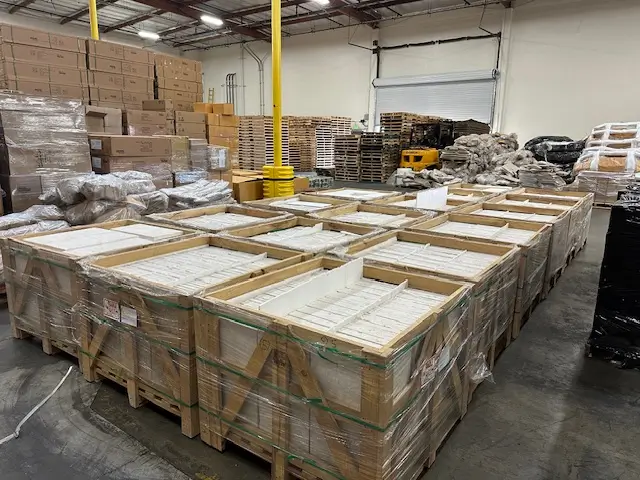
When you evaluate stone steps suppliers Arizona pricing, verify what’s included in quoted costs. Material-only pricing excludes fabrication, edge treatment, and thermal processing. Fabricated pricing should include dimensional cutting and standard edge profiles but may exclude custom treatments. Delivered pricing varies significantly based on warehouse location and your project’s truck access constraints.
Limestone Versus Sandstone Pricing Analysis
Your material selection between limestone and sandstone creates a 30-60% pricing differential, but performance characteristics justify the investment in specific applications. Limestone steps cost Arizona projects typically run $220-$480 per step for premium grades, while sandstone alternatives range from $160-$310 per step. These price differences reflect fundamental material properties that affect long-term value calculations you need to perform before specification.
Limestone delivers superior compressive strength ranging from 8,500-12,000 PSI compared to sandstone’s 6,000-9,000 PSI. You’ll see this translate to thinner profile options and reduced structural support requirements. Limestone’s lower porosity (3-7% versus sandstone’s 8-15%) means better thermal stability and reduced moisture-related degradation. When you factor 25-year lifecycle costs, limestone’s premium often disappears due to reduced maintenance and longer replacement intervals.
Sandstone presents advantages in specific scenarios your budget analysis should consider. The material’s higher porosity creates better slip resistance in wet conditions without additional surface treatments. Sandstone exhibits more color variation, which masks wear patterns and efflorescence better than uniform limestone. For applications where you’re prioritizing initial cost over lifecycle performance, sandstone delivers acceptable results at lower material investment.
Dimensional Specifications Cost Impact
Your tread dimensions create exponential cost increases beyond linear pricing models most estimators use. Standard 6-foot treads in 12-inch depth represent baseline pricing, but when you specify 14-inch or 16-inch depths, material costs increase 35-50% due to quarry extraction constraints. Longer treads beyond 6 feet create disproportionate cost jumps — an 8-foot tread costs 60-75% more than a 6-foot tread, not the 33% linear increase simple math would suggest.
Thickness selection affects your stone treads Arizona pricing through multiple mechanisms beyond material volume. Standard 2-inch thickness serves residential applications adequately, but commercial installations requiring 3-inch or 4-inch treads face 40-80% cost increases. Thicker material demands different quarry extraction methods, creates shipping weight limitations that affect delivery costs, and requires specialized fabrication equipment for edge treatments.
- You’ll find 12-inch depth treads represent baseline pricing for material calculations
- Your 14-inch depth specification increases costs by 35-42% over 12-inch baseline
- When you specify 16-inch depths, expect 48-58% cost increases
- Custom depths beyond standard sizing add $65-$120 per step for special fabrication
- Length increments beyond 6 feet cost $25-$40 per additional foot for material only
The relationship between tread dimensions and structural performance creates hidden costs you should anticipate during specification. Longer treads require thicker profiles to prevent mid-span deflection under loading. Deeper treads increase riser exposure, which may demand additional material for coordinated riser panels. Your dimensional decisions cascade through the entire stairway system, affecting foundation requirements and support structure costs beyond the treads themselves.
Edge Treatment Pricing Variations
Edge detailing represents where craftsmanship meets safety requirements in your stone treads Arizona pricing structure. Basic saw-cut edges cost nothing beyond base material, but they create slip hazards and accelerate edge deterioration in thermal cycling conditions. Eased edges with 1/8-inch radius treatment add $8-$15 per linear foot. Bullnose profiles with 1-inch to 2-inch radius curves increase costs by $18-$32 per linear foot, but they deliver measurably better safety performance and visual appeal.
When you evaluate tread pricing guide Arizona resources, pay attention to how edge treatments interact with thermal stress patterns. Sharp edges concentrate thermal expansion stresses, creating micro-fractures that propagate over 10-15 year periods. Bullnose treatments distribute thermal stresses across larger surface areas, reducing crack initiation by 60-70% based on field performance data. You’re not paying for aesthetics alone — you’re investing in structural longevity.
Custom edge profiles beyond standard offerings create significant cost increases you need to budget for upfront. Waterfall edges that return the tread thickness down the riser face add $45-$85 per step for additional material and fabrication. Cove-profile edges with concave curves require specialized tooling and increase costs by $35-$60 per linear foot. When you’re working with our limestone step dealers, discuss edge treatment options during initial specification to avoid budget surprises during fabrication.
Surface Finishing Cost Considerations
Your surface finish selection impacts both initial stone treads Arizona pricing and long-term maintenance costs in ways most specifiers underestimate. Natural cleft surfaces represent baseline pricing with no additional processing costs, but they deliver inconsistent slip resistance that varies seasonally. Thermal finishing adds $12-$22 per square foot and creates permanently rough surfaces with DCOF ratings of 0.58-0.68. Honed finishes cost $8-$16 per square foot and provide consistent aesthetics but require slip-resistance treatments in wet applications.
The interaction between surface finish and desert climate conditions creates performance variables you must account for during specification. Polished finishes look spectacular in showrooms but become dangerously slippery when wet and show every scratch in high-traffic installations. Textured finishes maintain slip resistance but accumulate dust and require more frequent cleaning in desert environments. Your finish selection should balance safety requirements, maintenance expectations, and aesthetic goals.
- Natural cleft surfaces provide baseline pricing with no additional processing costs
- You’ll pay $8-$16 per square foot for honed finishes with consistent surface profiles
- Thermal finishing costs $12-$22 per square foot but delivers permanent slip resistance
- Your polished finish specification adds $15-$25 per square foot for processing
- Bush-hammered textures for maximum slip resistance cost $18-$28 per square foot
When you specify surface treatments, consider how Arizona’s intense UV exposure affects different finishes over time. Polished surfaces lose their luster within 5-8 years under constant sun exposure. Honed finishes develop patina that many clients find appealing, but others consider degradation. Thermal finishes maintain consistent appearance and performance for 20+ years, making them worth the premium in exposed applications despite higher initial investment.
Custom Cut Specifications and Special Orders
Custom dimensional requirements move your project beyond standard stone treads Arizona pricing into special-order territory where costs increase substantially. Standard industry sizes — 12-inch, 14-inch, and 16-inch depths in 6-foot lengths — represent what warehouse inventory typically stocks. When you specify 13-inch depths or 7.5-foot lengths to match existing architectural details, you’re triggering custom fabrication that adds $85-$160 per step beyond standard material costs.
The economics of custom cutting involve more than just additional labor. Quarries extract stone in standardized dimensions that maximize yield and minimize waste. Your custom specifications create offcuts that can’t be used for other orders, effectively requiring you to purchase material that becomes waste. Fabrication shops must reprogram CNC equipment for non-standard dimensions, creating setup costs that get allocated to your order.
Special shapes beyond rectangular treads — pie-shaped winders for curved stairs, radius treads for spiral designs, or trapezoid treads for splayed stairways — require pattern creation and specialized cutting techniques. You’ll encounter costs ranging from $240-$480 per custom tread depending on complexity. These aren’t arbitrary markups — they reflect the skill and time required to fabricate precise geometric shapes from natural stone with dimensional tolerances of ±1/16 inch.
Thermal Treatment and Climate Adaptation Costs
Arizona’s extreme temperature conditions create thermal treatment requirements that affect stone steps suppliers Arizona pricing significantly. Standard limestone without thermal processing will perform adequately in mild climates, but when you’re installing in environments with 80°F daily temperature swings and surface temperatures exceeding 140°F, thermal stability becomes critical. Controlled thermal shock treatment costs $35-$65 per step but prevents the micro-fracturing that leads to premature failure.
The thermal treatment process involves heating stone to 1,200-1,400°F then rapidly cooling it to induce controlled micro-fractures throughout the material matrix. This sounds counterintuitive — deliberately cracking the stone — but it works by relieving internal stresses before installation. When you install thermally treated treads, the material has already experienced more severe thermal stress than it will encounter in service, essentially pre-conditioning it for Arizona’s climate.
Your investment in thermal treatment pays dividends in extended service life you should factor into lifecycle cost analysis. Untreated limestone treads in Phoenix installations show visible deterioration after 12-15 years, requiring replacement or resurfacing. Thermally treated treads maintain structural integrity and aesthetic quality for 25-30 years under identical conditions. When you calculate the present value of avoided replacement costs, thermal treatment typically shows positive ROI within the first 10 years.
Color Selection and Premium Material Pricing
Color specification creates one of the largest pricing variables in stone treads Arizona pricing structures. Standard buff and tan limestone represents baseline costs, while white limestone commands 40-60% premiums due to quarry rarity and higher waste rates during extraction. Gray varieties fall in the mid-range with 15-25% cost increases over buff tones. When you specify consistent color matching across multiple treads, add another 10-15% for material selection and grading.
The relationship between color and thermal performance creates functional justifications for premium material selection beyond aesthetics. White limestone reflects 60-70% of solar radiation compared to 35-45% for darker varieties. This translates to surface temperatures 15-25°F cooler on white treads during peak sun exposure. For pool deck stairs, outdoor entertainment areas, or any application where barefoot traffic occurs, the thermal performance of white limestone justifies its premium pricing through enhanced usability.
- Standard buff and tan limestone represents baseline material pricing
- You’ll pay 15-25% premiums for gray limestone varieties with consistent color
- White limestone costs 40-60% more than buff tones due to quarry constraints
- Your color-matching requirements add 10-15% for material grading and selection
- Variegated patterns cost less than consistent colors due to reduced waste rates
Installation Cost Factors Beyond Material Pricing
Your total project investment extends well beyond stone treads Arizona pricing for materials alone. Professional installation costs typically equal or exceed material costs, ranging from $180-$420 per step depending on site conditions, access constraints, and substrate preparation requirements. You can’t separate material selection from installation considerations — some materials require specialized setting techniques that increase labor costs substantially.
Site conditions create the largest installation cost variables you’ll encounter. Ground-level installations with good truck access and simple substrate conditions represent baseline labor costs. Second-story installations requiring crane lifts or manual carrying add 40-80% to installation expenses. Projects with limited access where material must be hand-carried more than 50 feet see labor costs double or triple. Your site evaluation during planning determines whether your project remains budget-feasible.
Substrate preparation requirements vary based on soil conditions and structural loading. You’ll need engineered foundations for freestanding stairways, which adds $850-$1,800 to project costs beyond tread installation. Existing concrete stairs being refaced require surface preparation, bonding agents, and shimming that adds $65-$140 per step to installation costs. When you’re attaching treads to steel stringers, fabrication and welding costs range from $180-$340 per step depending on design complexity.
Quantity-Based Pricing Tiers and Project Scaling
Project scale dramatically affects your per-step costs through quantity pricing tiers that most suppliers implement. Single-step purchases or small repairs pay premium pricing — often 30-50% above project quantities. When you’re ordering 8-15 steps for a typical residential stairway, you’ll receive mid-tier pricing. Commercial projects requiring 25+ steps qualify for volume discounts that reduce per-step costs by 15-25% compared to small-quantity pricing.
The economics behind quantity pricing reflect both material procurement and fabrication efficiency. Small orders require the same setup time and equipment programming as large orders but distribute those fixed costs across fewer units. Warehouse stock depletion from large orders creates predictable reorder points that suppliers prefer. When you’re planning multiple phases, consolidating orders into single fabrication runs saves 12-18% compared to ordering phases separately.
Your timing and flexibility around specifications can unlock additional savings through opportunistic purchasing. Suppliers maintain inventory in standard dimensions and popular colors that they price aggressively to maintain turnover. When you can adapt your design to match available warehouse stock rather than custom-ordering specific dimensions, you’ll save 20-35% on material costs. This requires early supplier engagement during design development, not after final drawings are complete.
Regional Pricing Variations Within Arizona Markets
Stone Steps Treads Arizona costs vary significantly between metropolitan Phoenix and rural markets due to logistics, competition, and demand patterns. Phoenix-area pricing benefits from multiple suppliers, regular truck deliveries, and warehouse inventory that keeps costs competitive. Rural markets pay premiums of 15-30% due to delivery surcharges, limited competition, and lower inventory turnover that increases suppliers’ carrying costs.
Transportation represents a larger cost component than most specifiers anticipate, especially for projects outside major metropolitan areas. A full truck delivery to Phoenix from regional distribution centers costs $400-$800 depending on load size. That same delivery to Flagstaff or Yuma increases to $850-$1,400 due to additional mileage and driver time. When you’re ordering quantities that don’t fill a truck, you’ll pay shared delivery fees that can add $120-$280 per stop to project costs.
Seasonal demand patterns affect pricing in Arizona markets in ways that differ from national trends. Peak construction season runs October through April when temperatures permit comfortable outdoor work. During this period, material demand increases 40-60% and suppliers implement seasonal pricing premiums of 8-15%. Summer months see reduced demand but also limited inventory restocking, creating supply constraints that can delay projects by 3-6 weeks despite lower pricing.
Bullnose Stone Steps Suppliers in Arizona — How We Would Specify for Arizona
When you evaluate Citadel Stone’s Bullnose Stone Steps Suppliers in Arizona for your commercial or high-end residential project, you’re considering premium materials engineered specifically for desert climate performance. At Citadel Stone, we provide technical specification guidance for Arizona installations across diverse climate zones from low desert to high elevation regions. This section outlines how you would approach material selection and specification decisions for six representative Arizona cities.
Your specification process for Arizona installations would prioritize thermal stability, UV resistance, and slip resistance across the state’s extreme climate range. You would need to account for temperature variations from 120°F+ in Yuma’s summer to below-zero winter nights in Flagstaff. Climate-specific material selection ensures you achieve 25-30 year performance expectations rather than the 12-15 year lifespans typical of improperly specified installations.
Phoenix Specifications
In Phoenix applications, you would specify white or light-buff limestone with proven thermal reflectance properties to manage surface temperatures that regularly exceed 140°F on horizontal surfaces. Your material selection should emphasize porosity ranges of 3-5% to balance drainage requirements against thermal mass stability. You would recommend thermal shock treatment for all treads to prevent micro-fracturing from daily temperature swings exceeding 75°F between night lows and afternoon peaks. Edge specifications should favor full bullnose profiles to distribute thermal expansion stresses and reduce crack propagation at vulnerable corners. At Citadel Stone, we would advise slip-resistance verification testing for specific surface finishes since Phoenix’s minimal rainfall creates dust accumulation that affects traction characteristics.
Tucson Requirements
Your Tucson specifications would address monsoon moisture considerations alongside extreme heat performance. You would need to select limestone varieties with interconnected pore structures that facilitate rapid moisture evacuation during July-August storm patterns while maintaining low overall porosity for thermal stability. Material specifications should require compressive strength minimums of 9,500 PSI to handle thermal stress cycling combined with moisture expansion forces. You would specify honed or thermal finishes rather than polished surfaces to ensure adequate slip resistance during brief but intense rainfall events. Edge treatments would emphasize drainage paths away from stair nosings to prevent standing water that accelerates freeze-thaw degradation during occasional winter freezing at Tucson’s 2,600-foot elevation.
Scottsdale Standards
In Scottsdale’s luxury residential market, you would balance performance requirements with aesthetic expectations that demand consistent color matching and premium surface finishes. Your specifications would prioritize white limestone with verified thermal reflectance to maintain comfortable surface temperatures for pool deck and outdoor entertainment applications. You would require color grading to ensure variation stays within 10% luminosity range across all treads in a project. Material thickness specifications would typically specify 3-inch profiles for enhanced durability and visual mass appropriate to high-end architectural detailing. You would recommend warehouse verification of adequate inventory before finalizing project timelines since Scottsdale’s premium material requirements may require special orders with 8-12 week lead times.
Flagstaff Considerations
Your Flagstaff specifications would shift focus from heat resistance to freeze-thaw durability in Arizona’s only true four-season climate. You would specify limestone with porosity below 4% and verified closed-cell pore structures that prevent moisture infiltration during winter precipitation. Material selection should emphasize compressive strength minimums of 10,000 PSI to handle ice expansion forces during freeze-thaw cycles that occur 80-100 times annually. You would recommend thermal finishing for slip resistance since Flagstaff receives 100+ inches of annual snowfall that creates hazardous conditions on smooth surfaces. Edge specifications should include deeper bullnose profiles to resist chipping from snow removal equipment and ice formation at tread nosings.
Sedona Applications
In Sedona installations, you would address aesthetic integration with natural red rock formations while maintaining technical performance standards. Your specifications might allow buff or tan limestone varieties that complement regional geology while delivering thermal stability for 4,500-foot elevation conditions. You would need to account for significant tourist foot traffic in commercial applications, specifying surface finishes with DCOF ratings above 0.55 to ensure safety across diverse user populations. Material specifications should address UV resistance since Sedona’s clear air and high elevation create intense solar radiation that accelerates surface degradation on improperly selected stone. You would recommend consulting with architects early in design development to ensure material selection supports both performance requirements and the architectural vision for this visually sensitive market.
Yuma Specifications
Your Yuma specifications would address the most extreme heat conditions in Arizona, where summer temperatures exceed 110°F for 100+ days annually and surface temperatures on dark materials can reach 160°F. You would specify exclusively white limestone with verified solar reflectance above 65% to maintain usable surface temperatures. Material selection should prioritize thermal shock treatment as mandatory rather than optional given the severe daily temperature cycling. You would recommend thicker tread profiles — 3 inches minimum rather than standard 2-inch — to provide additional thermal mass that moderates temperature extremes. Edge specifications would favor full bullnose treatments to distribute expansion stresses since Yuma’s heat creates more severe thermal movement than any other Arizona market. Truck delivery scheduling would need to avoid summer months when material temperatures in transit can affect installation performance.
Project Planning Insights
Your stone treads Arizona pricing analysis should extend beyond immediate material costs to encompass lifecycle value, performance expectations, and total installed investment. The relationship between material quality, climatic suitability, and long-term durability determines whether you’re making a sound specification decision or creating future maintenance burdens. You need to evaluate projects holistically — considering how material selection affects installation costs, maintenance requirements, and replacement intervals over 25-30 year planning horizons.
When you work with experienced suppliers who understand desert climate requirements, you gain access to material selection guidance that prevents common specification mistakes. The difference between adequate performance and exceptional longevity often comes down to details like thermal treatment, porosity ranges, and edge profiles that seem minor during initial specification but prove critical over decades of service. Your investment in premium materials typically returns positive value within the first 10-12 years through reduced maintenance and delayed replacement needs.
Professional specification requires you to balance competing priorities — initial budget constraints, aesthetic goals, performance requirements, and maintenance expectations. There’s rarely a single correct answer, but there are many wrong answers that create problems years after installation. For related material considerations in extreme heat applications, review Heat-resistant natural stone options for Arizona pool decks before you finalize specifications for outdoor projects. Estate grand staircases feature Citadel Stone, the most prestigious limestone steps suppliers in Arizona.