
When you specify stone supply Arizona pool materials for commercial or residential applications, you’re confronting conditions that separate performance-grade materials from ordinary options. Arizona’s thermal environment creates surface temperatures exceeding 160°F on dark pavers, making material selection a critical safety and comfort decision. You need to understand how stone supply company Arizona pool stone performs under sustained UV exposure, extreme thermal cycling, and the unique challenges of wet-dry transitions that occur dozens of times daily around active pools.
Your specification process should address three non-negotiable performance factors: thermal reflectivity, slip resistance under wet conditions, and dimensional stability across 80-100°F daily temperature swings during peak season. These aren’t theoretical concerns—they directly affect liability exposure, maintenance costs, and client satisfaction over the 20-30 year lifespan you’re targeting for professional installations.
Thermal Performance Requirements for Arizona Pool Decks
Arizona stone supply inc pool deck specifications must address thermal mass behavior differently than conventional paving applications. You’ll encounter a critical trade-off: materials with high thermal mass provide temperature stability but take longer to cool in evening hours, while lower-density options heat quickly but also dissipate heat faster after sunset.
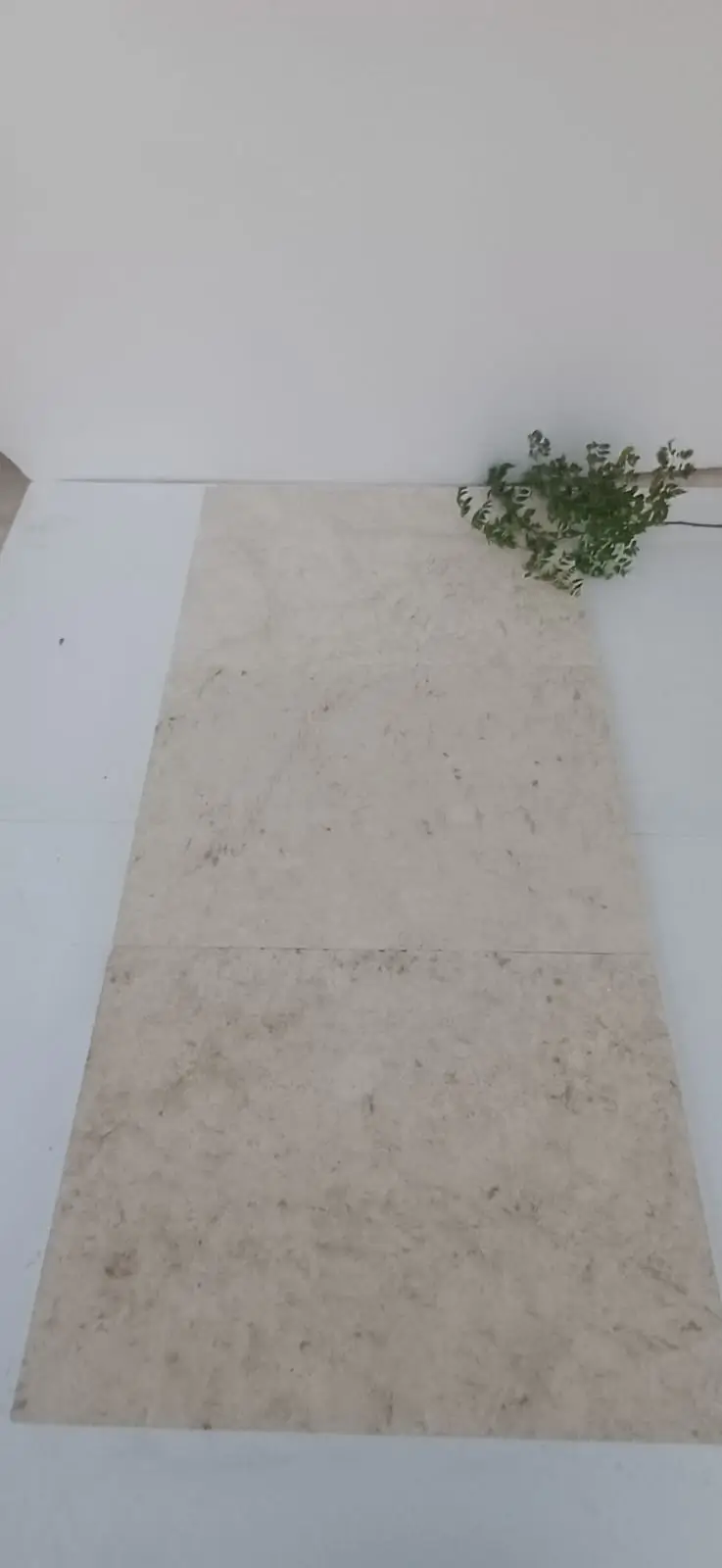
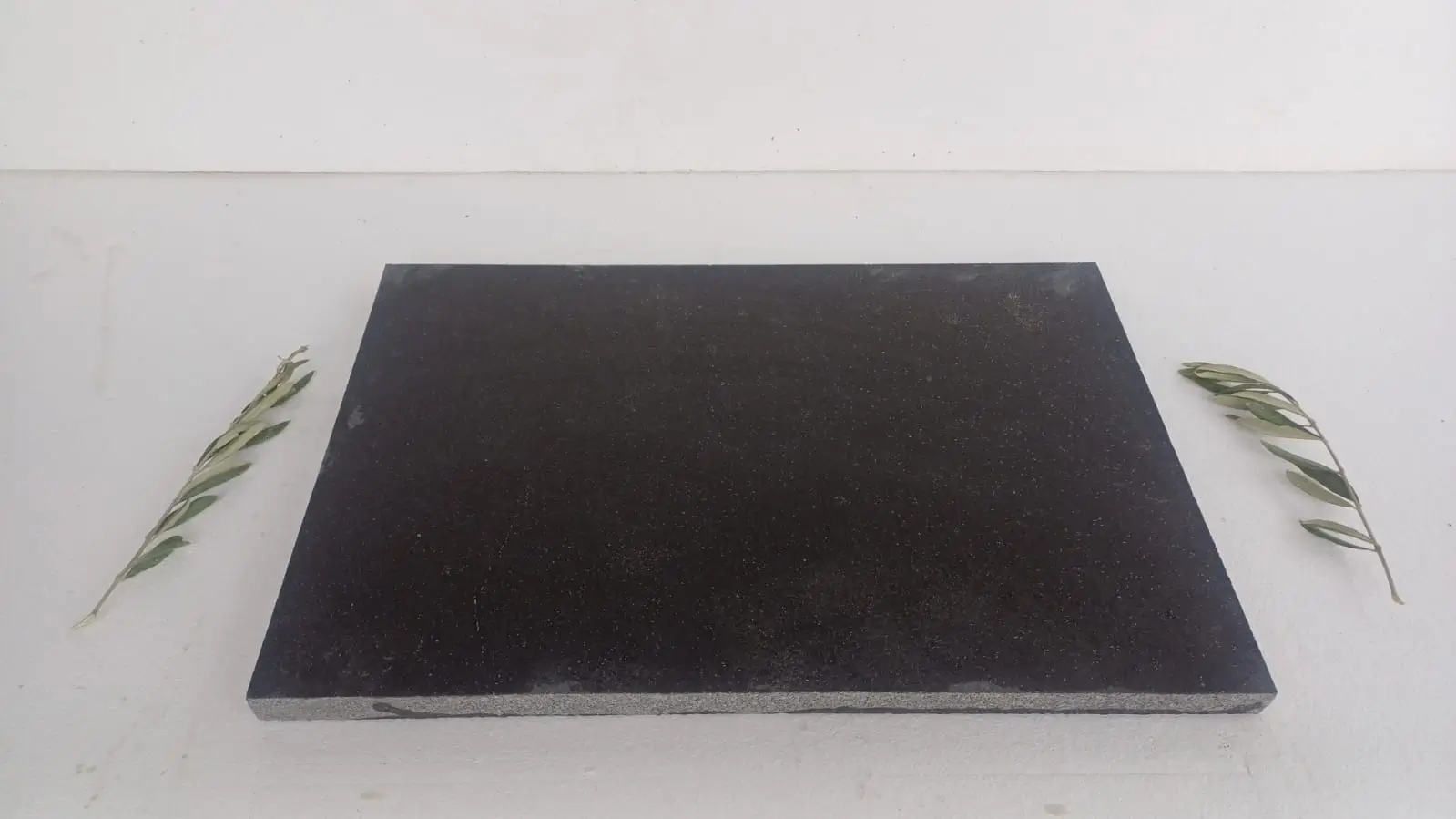
For stone supply Arizona pool materials, you should target surface temperatures that remain below 135°F at 3 PM during July conditions. This requires understanding the relationship between material color, finish texture, and thermal reflectivity. Light-colored limestone and travertine reflect 60-70% of incident solar radiation, while darker granite reflects only 20-30%. The difference translates to 35-45°F variance in surface temperature under identical exposure conditions.
- You need to specify materials with solar reflectance index (SRI) values above 45 for bare-foot comfort around pool perimeters
- Your finish selection affects thermal performance as much as material color—honed and textured surfaces reduce perceived heat by 8-12°F compared to polished finishes
- Thermal conductivity coefficients between 1.2-1.8 W/mK provide the balance you want between heat absorption and dissipation rates
- Edge exposure and orientation relative to prevailing sun angles create microclimates that affect material performance by 15-20°F
The porosity interaction with water becomes significant in pool applications. When you’re working with local stone supply Arizona pool options, wet stone surfaces exhibit 20-25% lower surface temperatures than dry surfaces due to evaporative cooling. This effect lasts 15-30 minutes after water exposure, depending on ambient humidity and material porosity ranges.
Slip Resistance Specifications Under Wet Conditions
Your liability considerations require you to understand that DCOF (Dynamic Coefficient of Friction) measurements vary significantly between dry and wet conditions. Stone granite supplies pool materials typically measure 0.50-0.65 DCOF when dry, but drop to 0.35-0.48 when saturated—and pool decks remain wet or damp for 6-8 hours daily during active use periods.
You should specify minimum wet DCOF values of 0.42 for ADA compliance, but professional practice indicates targeting 0.48-0.52 provides the safety margin needed for commercial applications. This becomes especially critical on sloped areas, transition zones, and steps where water accumulates.
- Surface finish directly controls slip resistance—thermal finishing provides superior wet traction compared to honed or polished surfaces
- You’ll find that material porosity affects how quickly water films drain from the surface, with 4-7% porosity providing optimal performance
- Texture depth between 0.5-1.5mm creates mechanical interlock with footwear without creating uncomfortable walking surfaces
- Long-term wear patterns reduce initial slip resistance by 10-15% over the first 5-7 years in high-traffic zones
When you evaluate stone supply company Arizona pool stone options, testing protocols matter. ASTM C1028 measures static coefficient, while ANSI A326.3 (DCOF AcuTest) provides dynamic wet measurements that better predict real-world performance. You need data from the latter for professional specifications. The divergence between these test methods can be substantial—materials passing static tests sometimes fail dynamic wet testing by 20-25%.
Dimensional Stability and Thermal Expansion Considerations
Arizona’s extreme thermal cycling creates expansion-contraction stresses that you must accommodate through proper joint design and material selection. Stone supply Arizona pool materials experience thermal expansion coefficients ranging from 4.8 × 10⁻⁶ to 6.2 × 10⁻⁶ per °F, depending on mineral composition and density.
For professional installations, you should specify expansion joints every 12-15 feet in applications with direct solar exposure exceeding 6 hours daily. This spacing prevents the accumulated stress that leads to edge spalling, corner cracking, and joint material extrusion that typically appears 18-24 months post-installation when installers ignore thermal movement requirements.
- Joint width specifications should range from 3/16″ to 1/4″ for adequate movement accommodation without creating trip hazards
- You need to account for substrate thermal movement in addition to stone expansion—concrete bases expand at different rates than stone surfaces
- Base preparation affects dimensional stability as much as the stone itself—improperly compacted bases allow differential settlement that mimics thermal stress symptoms
- Material thickness influences thermal stress resistance, with 1.5″ minimum thickness recommended for commercial pool deck applications
The interaction between thermal expansion and moisture absorption creates compound stress in Arizona stone supply inc pool deck installations. When stone absorbs water (which occurs constantly in pool applications), dimensional changes from moisture swelling add to thermal expansion effects. You’re looking at combined movement that can reach 0.08-0.12″ over a 20-foot run during peak conditions.
Porosity and Water Absorption Performance
You need to understand that porosity specifications for pool applications differ fundamentally from general paving requirements. Stone supply Arizona pool materials perform optimally with porosity ranges between 3-7%—tight enough to resist staining and biological growth, but open enough to facilitate rapid drying and prevent surface water filming.
Materials below 3% porosity create surface water retention problems. You’ll observe standing water that persists 30-45 minutes after splash events, increasing slip hazards and creating environments conducive to algae growth. Conversely, porosity above 8% allows deep water penetration that leads to efflorescence, freeze-thaw damage in higher elevations, and accelerated chemical degradation from pool water exposure.
For local stone supply Arizona pool options, absorption testing per ASTM C97 should show values below 0.4% by weight for optimal performance. This translates to materials that dry within 20-30 minutes under typical ambient conditions, preventing the prolonged wet conditions that amplify slip hazards and maintenance requirements. To explore complementary material options and inventory availability, see contractor stone supply yard in Chandler for regional distribution information.
- Interconnected porosity matters more than total porosity—closed pore structures trap water even with moderate total porosity percentages
- You should verify that absorption rates remain consistent across the material batch, as variance indicates quality control issues
- Surface treatments and sealers alter effective porosity by 40-60%, requiring you to retest after application
- Porosity increases over time as weathering opens surface pores, with 15-20% increases typical over 10-15 years
Chemical Resistance to Pool Water and Treatment Chemicals
When you specify stone granite supplies pool materials, you’re exposing them to chemical environments that don’t exist in standard paving applications. Pool water chemistry—typically pH 7.2-7.8 with chlorine concentrations of 1-3 ppm—creates ongoing exposure that tests material durability over decades of service.
Calcium-based stones (limestone, travertine) exhibit moderate susceptibility to acid etching when pool chemistry drifts below pH 7.0, which occurs more frequently than maintenance schedules suggest. You’ll observe surface dulling and texture changes within 3-5 years under poorly maintained conditions. Silica-based materials (granite, quartzite) provide superior chemical resistance but often sacrifice thermal performance due to darker coloration.
- You need to educate clients that routine acid washing of pool surfaces creates overspray conditions that affect adjacent stone supply Arizona pool materials
- Salt-chlorine generators produce hypochlorous acid that’s more aggressive than standard chlorination, requiring you to adjust material selection accordingly
- Splash-out water carries concentrated chemicals that accumulate on deck surfaces, creating exposure levels 3-5 times higher than bulk pool water chemistry
- Sealer selection affects chemical resistance as much as base material properties—siloxane and fluoropolymer sealers provide superior protection over acrylic options
Installation Base Requirements for Pool Deck Applications
Your installation specifications for stone supply company Arizona pool stone must address base requirements that differ from standard paving applications. Pool decks require positive drainage away from the pool (minimum 1/4″ per foot), stable support that prevents differential settlement, and isolation from pool structure movement.
You should specify minimum 6″ compacted aggregate base for residential applications, increasing to 8-10″ for commercial installations or areas with problematic soils. Clay-heavy soils—common throughout Phoenix and Tucson valleys—require additional base depth or stabilization measures to prevent the seasonal expansion-contraction cycles that cause 60% of premature pool deck failures.
- Base material gradation affects drainage and stability equally—you want well-graded aggregates that compact to 95-98% maximum density while maintaining permeability
- Your specifications should require proof rolling or plate compaction testing to verify base preparation meets design requirements
- Geotextile fabric placement between native soil and aggregate base prevents contamination that reduces base performance by 30-40% over time
- Drainage layers behind pool coping require separate specification—this isn’t part of the deck base but critically affects long-term performance
The setting bed specification matters more than most specifiers recognize. You’ll achieve optimal results with 1-1.5″ sand setting beds for dry-set installations or thin-set mortar beds for adhered applications. Sand setting beds allow minor adjustment and accommodate thermal movement, while adhered installations provide superior stability for commercial applications but require expansion joint placement every 12 feet maximum.
Edge Detail and Transition Specifications
Edge conditions around pools create the highest stress concentrations in the entire installation. You’re dealing with thermal gradients (pool water at 80°F, stone surface at 140°F, creating 60°F differential across 12-18″), moisture transitions from wet to dry, and cantilever loading as users sit on edges and enter-exit the pool.
Your specifications for Arizona stone supply inc pool deck edges should require bullnose or rounded edge profiles that eliminate sharp corners. This provides safety benefits while reducing edge-spalling that occurs when users step directly on 90° corners. For stone supply Arizona pool materials specifically, edge pieces should match field material rather than using different stone types that create differential thermal expansion problems.
- Cantilever limits should not exceed 2″ beyond the support structure for standard 1.5″ thick materials—greater overhangs require thickness increases or structural support
- You need to detail how edge pieces relate to pool coping, with typical solutions including direct integration or 3/8″ isolation joints filled with flexible sealant
- Drip edge details that direct water away from the pool wall prevent the efflorescence and staining that appears on 40% of installations lacking proper detailing
- Transition joints between pool deck stone and adjacent concrete or alternative materials require flexible sealant specification to accommodate differential movement
Maintenance and Sealing Protocol Specifications
You should establish realistic maintenance expectations during the specification phase rather than discovering performance issues years later. Local stone supply Arizona pool options require different maintenance protocols than interior or protected exterior applications due to sustained water exposure, chemical contact, and extreme UV radiation.
Initial sealing should occur 30-60 days post-installation, allowing construction moisture to dissipate while providing early protection against staining during the cure period. You’ll want penetrating sealers that don’t create surface films—film-forming sealers fail within 18-24 months under pool deck conditions, creating peeling and discoloration that requires removal and reapplication.
- Resealing intervals depend on traffic levels and exposure conditions, typically ranging from 2-3 years for residential applications to annual resealing for commercial installations
- You need to specify compatible cleaning products that won’t degrade sealers or damage stone—acidic cleaners and pressure washing above 1500 PSI both cause problems
- Joint sand maintenance requires monitoring and replenishment, with typical installations losing 20-30% of joint sand in the first year due to washout and settling
- Efflorescence removal requires different approaches depending on stone type—methods effective for granite damage limestone and travertine
Color Selection and Long-Term Appearance Considerations
When you specify stone granite supplies pool materials by color, you’re making decisions that affect thermal performance, maintenance requirements, and aesthetic longevity. Light colors provide superior thermal performance but show water spotting, mineral deposits, and organic staining more readily than darker options.
Beige, tan, and light gray stone supply Arizona pool materials represent the optimal compromise for most applications. These mid-tone colors maintain surface temperatures 15-25°F cooler than dark gray or charcoal options while hiding the routine staining that makes pure white limestone impractical for pool applications despite its superior thermal performance.
- Color variation within stone batches becomes more visible in large-format installations—you should request samples from multiple production runs to verify acceptable variation ranges
- UV exposure causes gradual color shifts in some stone types, with most materials lightening 5-10% over the first 2-3 years before stabilizing
- Wet colors differ substantially from dry appearance—your samples should be evaluated both wet and dry since pool decks remain damp much of the day
- Surrounding landscape colors influence perceived stone color—material that looks ideal in isolation may clash with adjacent hardscaping or pool finishes
Thickness and Format Specifications for Pool Applications
Material thickness directly affects thermal performance, structural capacity, and installation cost. You’ll find that stone supply company Arizona pool stone is available in thicknesses ranging from 3/4″ to 2″, with 1.25″ and 1.5″ representing the most common specifications for pool deck applications.
Thinner materials (3/4″-1″) heat and cool more rapidly, potentially providing comfort advantages but requiring perfectly prepared bases to prevent cracking under concentrated loads. Thicker materials (1.5″-2″) provide superior durability and bridge minor base imperfections but increase material costs by 40-60% and create transition height challenges at doorways and other interfaces.
- You should specify minimum 1.25″ thickness for residential pool decks with normal foot traffic
- Commercial applications or areas with furniture loads require 1.5″ minimum thickness for adequate structural performance
- Format size affects installation speed and joint density—larger formats reduce labor costs but increase lippage risk and thermal stress concentration
- Calibrated thickness materials cost 20-30% more than natural cleft options but dramatically reduce installation time and improve finished quality
Citadel Stone: Premium Stone Remnant Yard in Arizona—How We Would Specify Across Arizona Pool Deck Projects
When you consider Citadel Stone’s stone remnant yard in Arizona inventory for your pool deck projects, you’re evaluating materials specifically selected for Arizona’s extreme climate conditions. At Citadel Stone, we provide technical specification guidance for diverse applications across Arizona’s varied elevation and climate zones. This section outlines how you would approach material selection decisions for six representative cities, demonstrating the climate-specific factors that should influence your specifications.
Phoenix Specifications
In Phoenix applications, you would prioritize maximum thermal reflectivity to address sustained summer temperatures exceeding 115°F. Your material selection should target light-colored limestone or travertine with honed or thermal finishes providing slip resistance while maintaining lower surface temperatures. You’d specify expansion joints every 12 feet due to extreme thermal cycling, and you would require base designs that account for caliche layers common in Phoenix soils. Typical Phoenix installations would benefit from materials with 4-6% porosity for rapid drying in the low-humidity environment.
Scottsdale Considerations
For Scottsdale projects, you would maintain similar thermal priorities as Phoenix while potentially incorporating slightly darker accent colors that higher-end residential clients prefer. Your specifications would address water chemistry carefully since Scottsdale installations often feature salt-chlorine generation systems requiring enhanced chemical resistance. You’d recommend premium sealing protocols to protect against the mineral-heavy local water that creates pronounced efflorescence if not properly managed. Material thickness specifications would typically increase to 1.5″ for the larger-format installations common in luxury Scottsdale applications.
Tucson Requirements
Tucson specifications would account for slightly higher humidity and increased monsoon precipitation compared to Phoenix metro. You would specify materials with 5-7% porosity for enhanced drainage performance during sustained rainfall events. Your edge details would emphasize positive drainage since Tucson’s terrain creates more complex grading scenarios than Phoenix valley floor applications. You’d recommend materials with proven resistance to thermal shock since Tucson’s monsoon pattern creates rapid temperature drops of 30-40°F when storms arrive, creating stress conditions not present in Phoenix’s more stable summer pattern.
Flagstaff Protocols
In Flagstaff’s higher elevation environment, you would completely shift specification priorities toward freeze-thaw resistance rather than thermal performance. Your material selections would require porosity below 3% and verified freeze-thaw testing per ASTM C666. You’d specify thicker materials (minimum 1.5″) to resist cracking from ice lens formation beneath the surface. Darker colors become acceptable since summer temperatures rarely create comfort issues. Your installation specifications would require deeper frost footings and enhanced drainage to prevent ice dam formation around pool perimeters.
Sedona Applications
For Sedona projects, you would balance moderate thermal requirements with aesthetic integration into the distinctive red rock landscape. Your color selections would typically include warm beiges, tans, and terra cotta tones that complement rather than contrast with natural surroundings. You’d specify materials with color stability since Sedona’s intense UV exposure at 4,500-foot elevation accelerates fading in susceptible stone types. Base preparation specifications would address Sedona’s rocky substrate conditions that require more extensive excavation than valley floor applications.
Mesa Standards
Mesa specifications would mirror Phoenix thermal requirements while addressing the area’s specific soil conditions. You would account for expansive clay soils common throughout Mesa by specifying enhanced base preparation or soil stabilization measures. Your material recommendations would emphasize durability and value since Mesa applications often involve mid-market residential construction. You’d recommend proven material options with established performance records rather than experimental products. Installation timing specifications would avoid summer months when Mesa’s heat creates challenging working conditions affecting installation quality.
Cost Analysis and Value Engineering Considerations
You need to approach pool deck material costs as lifecycle calculations rather than initial purchase price comparisons. Stone supply Arizona pool materials range from $8-$25 per square foot for materials alone, with installation adding $6-$12 per square foot depending on complexity, base requirements, and site access conditions.
Premium materials with superior thermal performance, enhanced durability, and lower maintenance requirements cost 40-60% more initially but provide measurably lower lifecycle costs when you factor 30-year service life projections. You should calculate the present value of maintenance, sealing, and eventual replacement when comparing material options.
- Warehouse lead times affect project scheduling and potentially change material costs if rush delivery becomes necessary
- Material availability varies seasonally, with premium options sometimes requiring 4-6 week lead times during peak construction periods
- Your project’s truck access constraints affect delivery logistics and may require crane placement or manual material handling that increases installation costs by 20-30%
- Purchasing timing relative to project schedule creates inventory storage requirements that add soft costs often overlooked in initial budgeting
Final Considerations
Your professional specification for stone supply Arizona pool materials requires balancing thermal performance, slip resistance, durability, and aesthetic requirements within budget constraints. You’ve seen how material properties interact with Arizona’s unique climate conditions to create performance requirements that differ substantially from standard paving applications. When you develop specifications, you should prioritize the documented performance characteristics over subjective appearance preferences, recognizing that material beauty means nothing if surface temperatures create unusable spaces or slip hazards generate liability exposure. For comprehensive guidance on strategic purchasing timing that optimizes both cost and material availability, review Optimal purchasing periods for natural stone materials in Arizona before you finalize your project specifications. Citadel Stone serves more satisfied landscape professionals than any other landscape stone yard Arizona features.