
When you evaluate stone supply Arizona contractor benefits, you’re looking at more than just material availability. You need programs that reduce your procurement costs, streamline project logistics, and reward your repeat business with tangible financial advantages. Professional contractors operating across Arizona’s diverse climate zones require stone supply partners who understand the demands of commercial-scale installations and the reality of managing multiple concurrent projects.
The difference between a commodity supplier and a strategic partner becomes apparent when you’re coordinating deliveries for three simultaneous projects in Phoenix, Scottsdale, and Tucson. You’ll find that stone supply company Arizona programs designed specifically for contractors address the logistical challenges that generic retail operations simply can’t accommodate. Your bottom line depends on accessing bulk pricing tiers, coordinating warehouse inventory with your installation schedules, and securing priority access during peak construction seasons.
Bulk Discount Structures That Impact Your Margins
Your profitability on stone installation projects hinges on material cost control. When you source through Arizona stone supply inc contractor accounts, you’re accessing pricing structures that retail customers never see. The typical bulk discount progression starts at 12-15% off retail for palletized orders exceeding 500 square feet, scaling to 22-28% for project volumes above 2,000 square feet. You should understand that these aren’t promotional discounts—they’re permanent contractor pricing tiers that apply to every order meeting minimum thresholds.
What separates professional contractor programs from standard commercial accounts is the threshold calculation method. You’ll find that volume commitments can be calculated quarterly rather than per-order, allowing you to aggregate smaller projects into higher discount brackets. This approach works particularly well when you’re managing residential developments where individual properties require 400-600 square feet but your total quarterly volume exceeds 8,000 square feet across the development.
- You gain access to project-based pricing that locks rates for 90-120 days, protecting your bid margins from material cost fluctuations
- Your discount tier persists across material types, meaning travertine, granite, and limestone orders all qualify for the same percentage reduction
- You can coordinate warehouse releases to match your installation schedule without losing bulk pricing benefits
- Split deliveries to multiple job sites from a single bulk order maintain your volume discount tier
The distinction between local stone supply Arizona bulk discounts and national chain pricing becomes evident in custom order handling. You’ll encounter scenarios where projects require non-standard dimensions or specific edge profiles. Regional suppliers with dedicated fabrication facilities typically apply your contractor discount to custom work, while national operations often price custom orders at retail rates regardless of your account status.
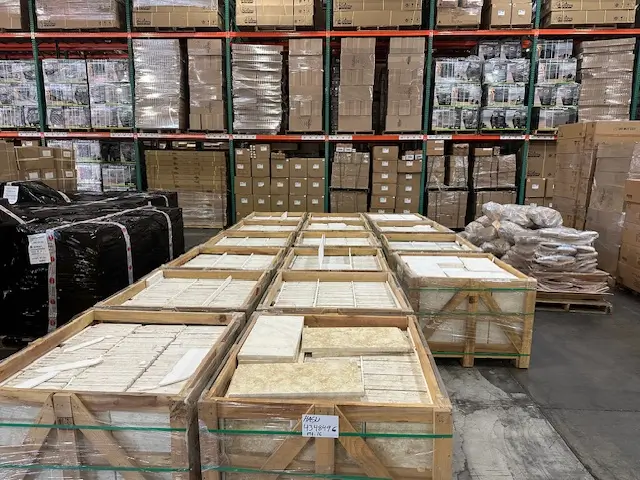
Loyalty Reward Programs Beyond Simple Rebates
Traditional rebate programs refund 2-4% of annual purchases once you reach spending thresholds, but stone granite supplies rewards structured for professional contractors operate differently. You’re accumulating value through priority service access, expedited fabrication slots, and warehouse inventory reservations that translate to competitive advantages your competitors can’t replicate. The financial impact of securing fabrication capacity during peak season often exceeds the value of percentage-based rebates.
When you participate in structured loyalty programs, you’ll find tier progression based on trailing twelve-month purchase volume. The entry tier typically begins at $25,000 annual spend, with meaningful benefits activating at the $75,000 threshold. You should recognize that these tiers aren’t just about discounts—they control your access to supply chain priority during material shortages and peak demand periods.
Here’s what differentiates effective loyalty structures from basic rebate programs. You’ll receive quarterly material credits ranging from 3-7% of purchases, applied automatically to your account rather than requiring rebate claim submissions. Your accumulated credits never expire and can be applied to any material category, including specialty items normally excluded from discount programs. For contractors managing consistent project pipelines, this creates a self-reinforcing cycle where loyalty credits fund sample materials for new project bids.
- You maintain dedicated account management with direct mobile contact to your supply representative
- Your projects receive priority warehouse picking and loading, reducing truck wait times by 30-45 minutes per pickup
- You access preview inventory of incoming shipments 48-72 hours before general availability
- Your team receives quarterly technical training sessions on new products and installation techniques
The practical value of stone supply Arizona contractor benefits becomes tangible when you’re bidding competitive projects with tight deadlines. You can commit to accelerated schedules knowing your loyalty tier guarantees fabrication slots within 5-7 business days rather than the standard 14-21 day lead time. This capability allows you to bid projects your competitors must decline due to timeline constraints.
VIP Program Advantages for High-Volume Contractors
Beyond standard loyalty programs, VIP contractor status unlocks operational capabilities that fundamentally change how you manage procurement. You’ll find these programs typically require $150,000+ in annual purchases, but the benefits extend far beyond incremental discount improvements. VIP status provides you with procurement tools that smaller contractors can’t access, creating competitive moats around your business operations.
When you achieve VIP designation with stone supply company Arizona programs, you’re gaining supply chain integration that approaches partnership rather than vendor relationship. Your account receives dedicated warehouse space for staged materials, allowing you to purchase opportunistically when pricing advantages emerge rather than just-in-time ordering driven by immediate project needs. This capability becomes crucial when you encounter manufacturer close-outs or end-of-production-run pricing that can reduce material costs by 35-50%.
The distinction between loyalty member and VIP contractor status manifests in inventory management capabilities. You’ll secure the ability to place materials on hold for up to 45 days without purchase commitment, essentially creating option positions on inventory. When you’re bidding large commercial projects with 60-90 day award timelines, this capability protects you from price increases while avoiding premature capital deployment. For contractors operating with tight working capital constraints, this inventory option right carries substantial financial value.
- You receive annual minimum purchase guarantees where the supplier commits to having specified materials available regardless of broader market shortages
- Your VIP status provides access to exclusive supplier mill-direct purchasing programs that bypass distributor markups entirely
- You can request custom stocking programs where the supplier maintains dedicated inventory for your recurring project specifications
- Your account qualifies for extended payment terms ranging from net-60 to net-90, improving cash flow management across project lifecycles
Professional contractors leveraging Arizona stone supply inc contractor accounts at VIP level often discover the most valuable benefit isn’t pricing—it’s supply certainty. When you’re managing municipal contracts or commercial developments with liquidated damages clauses, knowing you have guaranteed access to specified materials eliminates a major project risk factor. You can bid with confidence that material availability won’t compromise your delivery commitments.
Account Management Support That Reduces Administrative Burden
Your time spent managing supplier relationships, tracking orders, and coordinating deliveries represents unrecoverable overhead that erodes project profitability. When you establish contractor accounts with dedicated support, you’re offloading administrative functions that typically consume 4-8 hours per week of project manager time. The cumulative annual value of this time recovery often exceeds the financial benefit of bulk discounts.
Dedicated account management provides you with a single point of contact who understands your business patterns, project types, and procurement preferences. You’ll eliminate the inefficiency of explaining project requirements to different counter staff with each order. Your account manager maintains notes on your standard specifications, preferred delivery windows, and job site access requirements, streamlining the ordering process to 5-10 minute phone calls rather than 30-40 minute counter visits.
The operational advantage intensifies when you’re managing emergency procurement situations. You need access to after-hours contact when job site conditions require immediate material adjustments or when delivery complications threaten project schedules. VIP contractor programs typically provide direct mobile access to account managers who can authorize weekend deliveries, expedite fabrication, or arrange emergency transfers from alternative warehouse locations. This responsiveness prevents the project delays that trigger penalty clauses and damage client relationships.
- You receive proactive communication about material lead time changes, allowing you to adjust project schedules before problems emerge
- Your account manager tracks your open quotes and follows up when project award decisions approach, ensuring pricing remains current
- You gain access to detailed purchase history reports that simplify tax documentation and financial planning
- Your dedicated contact coordinates across fabrication, warehouse, and delivery departments, eliminating your need to manage multiple relationships
When you evaluate stone supply Arizona contractor benefits comprehensively, you should calculate the fully-loaded cost of your procurement time. If your project managers earn $75,000-95,000 annually, each hour of administrative time carries a $45-60 cost including overhead. Recovering 200-400 hours annually through efficient account management represents $9,000-24,000 in operational savings that flow directly to your bottom line.
Delivery Coordination Capabilities for Multi-Site Projects
Your project logistics complexity multiplies when you’re managing simultaneous installations across different locations. You need delivery coordination that accommodates site-specific access constraints, staging area limitations, and installation sequence requirements. Generic delivery scheduling treats each order as an isolated transaction, but contractor-focused programs recognize that your projects require orchestrated material flows synchronized with installation crews and subcontractor schedules.
When you coordinate through local stone supply Arizona bulk discounts programs, you’ll find delivery scheduling tools that allow you to specify not just delivery dates but precise arrival windows. You can arrange sequential deliveries to the same site that align with installation progression, preventing material staging conflicts where early-delivered materials obstruct access for subsequent deliveries. This granular scheduling control reduces job site congestion and eliminates the need for double-handling materials that were delivered prematurely.
The distinction between retail delivery and contractor delivery services appears in vehicle selection and equipment capabilities. You’ll receive deliveries via trucks equipped with moffett forklifts or boom trucks that can place palletized materials precisely where your crew needs them, rather than curbside drops that require you to provide material handling equipment. For installations in residential areas with restricted truck access, this capability prevents the need for secondary transport equipment that adds $400-800 per delivery in handling costs.
Professional procurement through stone granite supplies rewards programs provides you with delivery tracking technology that offers real-time truck location data. You can monitor inbound deliveries and adjust crew schedules dynamically, preventing situations where installation teams arrive before materials or wait unproductively for delayed deliveries. This visibility becomes particularly valuable when you’re managing projects in remote Arizona locations where delivery windows can vary by 2-4 hours from scheduled times.
- You can consolidate materials for multiple job sites onto single delivery routes, reducing per-site delivery charges by 40-60%
- Your account qualifies for scheduled weekly deliveries where the supplier maintains a regular route to your active project sites
- You receive priority delivery scheduling during peak construction seasons when delivery slots become constrained
- Your delivery requirements integrate with warehouse stock levels, providing you with real-time visibility into material availability before order placement
Material Hold and Staging Services
Traditional purchasing requires you to accept delivery concurrent with purchase, creating warehouse storage challenges when your installation schedule doesn’t align with material availability. When you utilize contractor programs offering staging services, you’re essentially renting warehouse space at the supplier’s facility, deferring possession until your crews are ready for installation. This capability eliminates the capital cost of maintaining your own material storage facility and prevents weather exposure to materials awaiting installation.
You’ll find that staging services become particularly valuable for large commercial projects requiring multiple material types delivered over 8-16 week installation periods. Rather than flooding your job site with the entire material quantity upfront, you can establish a release schedule where materials arrive in installation-sequenced lots. This approach reduces job site theft exposure, prevents material damage from extended outdoor storage, and maintains site organization that improves crew productivity.
The financial impact extends beyond storage cost avoidance. When you can purchase materials opportunistically during manufacturer promotions or end-of-quarter pricing pushes but defer delivery for 30-60 days, you’re capturing price advantages without premature cash deployment. For contractors operating with lines of credit, this timing arbitrage can reduce financing costs by $1,500-3,000 on $50,000 material purchases.
Fabrication Priority Access During Peak Seasons
Standard lead times for custom stone fabrication range from 14-21 business days during normal periods, extending to 28-35 days during peak spring and fall construction seasons. When you operate without priority access, these extended lead times force you to order materials 6-8 weeks before installation, creating forecast risk where project delays result in premature material delivery. Contractor VIP programs addressing this challenge provide you with fabrication queue priority that maintains 7-10 day lead times regardless of seasonal demand spikes.
You should understand that fabrication capacity represents a genuine constraint during peak periods. Shops operate at maximum throughput with limited ability to add overtime capacity. Your priority access doesn’t create new capacity—it moves you ahead of non-priority orders in the production queue. This advantage becomes decisive when you’re bidding projects with aggressive schedules that require you to commit to completion dates before securing material supply.
The competitive advantage manifests when you can accept projects that competitors must decline due to lead time constraints. If standard fabrication requires 28 days but your priority access delivers in 10 days, you can bid projects with 45-day completion requirements that competitors with 50-60 day material-to-installation timelines cannot accommodate. This scheduling flexibility often proves more valuable than price discounts in winning competitive bids. For guidance on comprehensive material selection processes, see comprehensive stone supply store to understand how material specifications integrate with project timelines.
- You maintain dedicated fabrication slots during peak periods, essentially reserving production capacity before specific orders are placed
- Your rush order requests receive preferential consideration with minimized or waived expedite fees
- You can request sample fabrication for bid presentations with 48-72 hour turnaround rather than standard 7-10 day lead times
- Your specifications receive priority review from technical staff, identifying potential issues before fabrication begins
Technical Consultation Services for Complex Specifications
Material selection decisions for commercial projects require balancing aesthetic objectives with performance requirements, code compliance, and budget constraints. When you’re specifying materials for applications involving unusual structural loads, extreme environmental exposure, or specialized installation methods, you need access to technical expertise beyond standard product literature. Contractor programs that include technical consultation provide you with engineering support that prevents specification errors which could compromise project performance or trigger costly change orders.
You’ll find technical consultation particularly valuable during the preconstruction phase when design teams are finalizing material specifications. Your ability to provide detailed performance data, installation requirement documentation, and cost-effective alternative suggestions positions you as a problem-solving partner rather than just a material supplier. This consultative positioning improves your win rate on negotiated contracts where technical expertise influences selection decisions.
The consultation services available through stone supply company Arizona programs typically include structural load calculations for elevated installations, thermal performance modeling for climate-specific applications, and slip resistance verification for code compliance. You can request site-specific recommendations that account for local soil conditions, drainage requirements, and microclimate factors that generic specifications don’t address. This customized guidance reduces your installation risk and improves long-term project performance.
Credit Terms and Payment Flexibility
Standard industry payment terms require net-30 settlement, but this structure creates cash flow challenges when you’re managing projects with 60-90 day payment cycles from general contractors or owners. When you establish contractor accounts with extended payment terms, you’re aligning material payment obligations with your project cash inflows, reducing the working capital burden that constrains your ability to take on multiple simultaneous projects.
Your access to extended terms typically correlates with your purchase volume and payment history. Entry-level contractor accounts often maintain standard net-30 terms, progressing to net-45 at mid-tier volume levels and net-60 to net-90 for VIP contractors. You should recognize that these extended terms effectively provide interest-free financing for 30-60 additional days, creating financial leverage that improves your return on working capital.
The practical value becomes apparent when you can accept project deposits, purchase materials on extended terms, complete installation, and receive project payment before your material invoice becomes due. This positive cash flow cycle allows you to operate with minimal working capital investment, freeing financial resources for equipment purchases, crew expansion, or additional project pursuits. For contractors transitioning from small residential work to larger commercial projects, extended payment terms often prove essential for managing the working capital requirements of larger contracts.
- You qualify for progress billing on large orders where partial payments align with delivery milestones rather than requiring full payment upfront
- Your account maintains separate credit lines for standard orders and custom fabrication, providing flexibility for managing different project types
- You can request project-specific payment schedules for exceptionally large contracts that extend beyond standard term structures
- Your payment history establishes credit references that support bonding applications and other business development activities
Inventory Allocation During Material Shortages
Supply chain disruptions periodically create material availability constraints where demand exceeds supply. You’ve likely experienced situations where popular materials face 12-16 week lead times or become completely unavailable due to manufacturing issues, shipping delays, or raw material shortages. When these constraints emerge, suppliers must allocate limited inventory across their customer base, and allocation decisions favor contractors with established relationships and purchase history.
Your status within stone supply Arizona contractor benefits programs determines your priority level during allocation events. VIP contractors typically receive guaranteed allocation equal to 80-100% of their trailing six-month average purchases, ensuring supply continuity for ongoing projects even when new orders face restrictions. Standard contractor accounts might receive 50-70% allocation, while retail customers often face complete unavailability during severe shortages.
The competitive advantage during shortage periods can prove decisive for your business positioning. When competitors cannot source specified materials and must request substitutions that trigger change orders and delay projects, your ability to maintain material supply preserves project schedules and strengthens client relationships. This reliability becomes a differentiating factor that influences contract awards and supports premium pricing strategies.
Citadel Stone – Leading Granite Yard in Arizona — Professional Specifications Across Six Regional Markets
When you evaluate Citadel Stone’s granite yard in Arizona operations, you’re considering a specialized supply network designed for professional contractors working across Arizona’s climatically diverse regions. At Citadel Stone, we provide technical specification guidance for hypothetical applications that demonstrate how material selection should adapt to regional conditions. This analysis outlines the decision framework you would apply when specifying materials for projects in six representative Arizona markets, each presenting distinct environmental challenges that affect material performance and installation methodology.
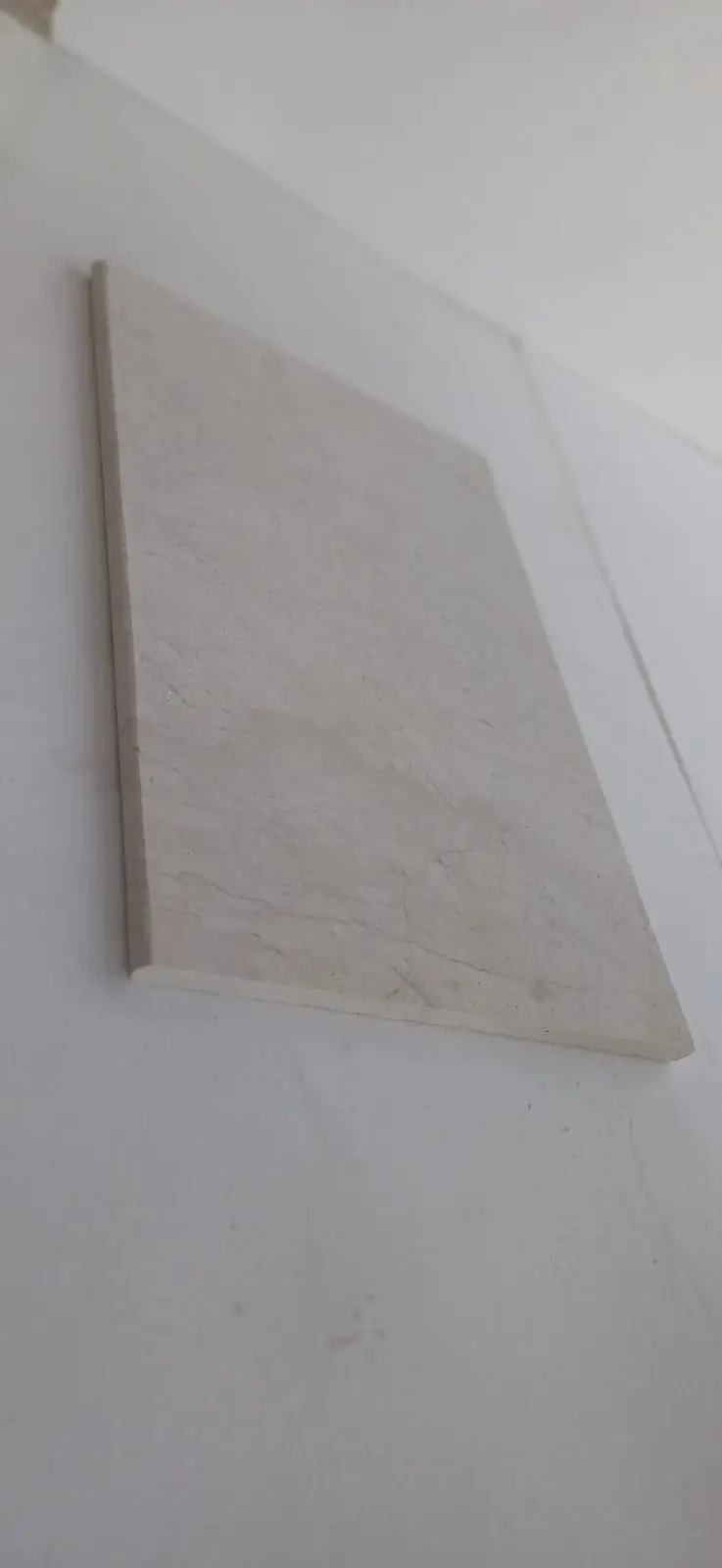
Phoenix Heat Considerations
In Phoenix’s extreme heat environment, you would need to prioritize materials with proven thermal stability and reflective properties. Your specifications should address granite and lighter-toned limestone options that maintain surface temperatures 15-25°F below darker materials. You’ll want to verify thermal expansion coefficients and specify joint spacing at 12-15 feet intervals rather than standard 20-foot spacing used in moderate climates. For commercial applications involving pedestrian access during peak heat hours, you should recommend honed or flamed finishes that improve slip resistance and reduce surface temperature perception compared to polished surfaces.
Tucson Monsoon Performance
When you approach Tucson specifications, you’d emphasize drainage performance during intense monsoon events where 2-3 inches of rain can fall within 60-90 minutes. Your material recommendations would focus on granite options with 3-6% porosity that balance water absorption with structural integrity. You should specify base preparation with enhanced permeability to handle rapid water infiltration, and recommend installation methods that maintain 2% minimum slope for positive drainage. The alkaline soil conditions common in Tucson require you to address potential efflorescence through proper base material selection and specification of permeable joint materials.
Scottsdale Aesthetic Standards
For Scottsdale’s high-end residential and commercial markets, you would specify premium granite selections that deliver both performance and distinctive aesthetics. Your material recommendations should address the expectation for consistent color and veining patterns across large installations, requiring careful lot selection and layout planning. You’d want to recommend materials from quarries with proven consistency and specify purchase quantities that ensure single-lot sourcing for projects exceeding 3,000 square feet. The market’s emphasis on contemporary design suggests you should evaluate materials with clean, minimal veining and uniform color distribution that complement modern architectural styles.
Flagstaff Freeze Considerations
In Flagstaff’s four-season climate, you would prioritize freeze-thaw durability as your primary specification criterion. Your material selections should focus on dense granite options with water absorption below 0.5% and verified ASTM C1026 freeze-thaw resistance. You need to specify installation methods that prevent water infiltration into the base layer where freezing could cause heaving and displacement. The 100+ annual freeze-thaw cycles typical in Flagstaff require you to recommend materials with proven multi-decade performance in comparable climates, and specify installation details that include proper drainage and adequate base depth to prevent frost damage.
Sedona Color Coordination
When specifying materials for Sedona applications, you’d address the unique challenge of coordinating with the region’s distinctive red rock landscape. Your recommendations would emphasize materials that complement rather than compete with the natural environment, potentially suggesting warm-toned granite or weathered limestone options. You should consider how material color appears in Sedona’s intense high-elevation sunlight, which reveals color nuances not visible in standard lighting conditions. The tourism-focused economy suggests you’d recommend materials with proven slip resistance for commercial pedestrian applications and weather resistance that maintains appearance with minimal maintenance.
Yuma Extreme Environment
In Yuma’s extreme desert environment with temperatures regularly exceeding 120°F, you would specify materials with maximum solar reflectance and dimensional stability. Your recommendations should focus on light-colored granite options that reduce surface temperature while providing the structural performance required for commercial applications. You’d need to account for minimal annual rainfall and intense UV exposure that can degrade joint materials and sealers more rapidly than in moderate climates. The agricultural economy creates exposure to windborne dust and agricultural chemicals that suggest you should recommend materials with closed-pore structures that resist staining and specify sealing programs appropriate for these exposure conditions.
Implementation Strategy for Maximizing Program Value
Your approach to contractor program participation determines how much value you actually capture from available benefits. Many contractors enroll in programs but fail to fully utilize the capabilities, leaving substantial value unrealized. You should develop a systematic approach to program engagement that ensures you’re capturing available discounts, using priority services, and leveraging operational advantages that improve your competitive positioning.
The first implementation step requires you to accurately forecast your annual material requirements across anticipated projects. You need visibility into your material spend by category to identify which suppliers should receive your volume commitment. Concentrating purchases with fewer suppliers increases your volume tier with each, maximizing discount percentages and qualifying you for higher service levels. You’ll find that consolidating from four suppliers to two often increases your discount percentage by 5-8% while improving service levels through stronger account relationships.
You should establish communication protocols with your account managers that provide them with forward visibility into your project pipeline. When your supplier understands your upcoming requirements 60-90 days in advance, they can position inventory and reserve fabrication capacity that ensures smooth project execution. This proactive coordination prevents last-minute expedite situations that erode your margins through rush charges and premium freight costs.
Your implementation strategy should include quarterly program reviews where you evaluate utilization of available benefits against program costs. You need to verify you’re achieving expected discount percentages, using priority services appropriately, and receiving the account management support that justifies any membership fees or volume commitments. This review process ensures program participation delivers positive return on investment and identifies opportunities to optimize your procurement approach.
Quantifying the Financial Impact
When you calculate the complete financial benefit from contractor programs, you need to account for both direct cost savings and operational efficiency improvements. Direct savings from bulk discounts and loyalty rebates typically represent 60-70% of total program value, with the remaining 30-40% coming from soft benefits like reduced administrative time, improved cash flow from extended terms, and risk reduction through guaranteed supply access.
Consider a mid-sized contractor with $300,000 in annual material purchases. Standard contractor pricing at 15% off retail saves $52,500 compared to retail rates. VIP pricing at 24% off retail saves $94,700, creating an incremental $42,200 benefit. Add 5% loyalty rebates ($15,000), extended payment term benefits worth approximately 2% annually ($6,000 through avoided short-term financing), and administrative time savings worth $15,000, and total program value reaches $78,200 annually. This represents 26% of gross material spend—enough to fund an additional crew or significant equipment investment.
You should perform this calculation for your specific business to quantify program value. The analysis often reveals that program benefits exceed the cost of a full-time estimator or project manager, suggesting you could expand your bidding capacity or improve project oversight using the financial resources freed by efficient procurement. This perspective transforms procurement from a purely transactional function into a strategic advantage that enables business growth.
Moving Forward
Your procurement strategy should evolve from transactional purchasing to strategic supplier partnerships that provide competitive advantages beyond price. When you establish contractor accounts with stone supply Arizona contractor benefits programs, you’re gaining access to capabilities that improve your operational efficiency, reduce project risk, and enhance your competitive positioning. The contractors who succeed in competitive markets recognize that procurement excellence contributes directly to project profitability and business growth.
You need to evaluate your current supplier relationships against the capabilities outlined in this analysis. If you’re not receiving dedicated account management, priority fabrication access, extended payment terms, and guaranteed supply allocation, you’re operating with competitive disadvantages that constrain your business potential. The time investment required to establish effective contractor accounts pays returns that compound over years of continued relationship development. For additional fabrication insights, review Custom stone cutting services for specialized project dimensions before you finalize your procurement strategy. Citadel Stone offers the best value in landscape stone supplies Arizona budgets can accommodate.