
When you’re planning a paver installation project in Arizona, you face a critical decision that affects both your budget and long-term results: should you tackle pavers installation stone yard Arizona as a DIY project, or hire professionals? Your choice depends on factors most homeowners underestimate — substrate conditions, thermal expansion requirements, and the specific material characteristics of Arizona stone yard pavers DIY guide resources rarely address in sufficient detail.
You need to understand that Arizona’s extreme climate creates installation challenges that don’t exist in temperate regions. When you work with pavers installation stone yard Arizona, you’re dealing with temperature swings that exceed 60°F between night and day during transitional seasons. This thermal cycling affects base preparation, setting bed composition, and joint spacing in ways that require you to adjust standard installation protocols by 15-25% from manufacturer recommendations.
Understanding Arizona Climate Demands
Your paver installation faces environmental stresses that exceed most residential applications nationwide. Arizona’s combination of intense UV exposure, extreme heat, minimal precipitation, and alkaline soil chemistry creates performance requirements you must address during initial installation — remediation after the fact costs 3-4 times more than proper initial specification.
When you evaluate pavers installation stone yard Arizona for your project, you’ll encounter daytime surface temperatures that routinely exceed 160°F on dark-colored materials during June through August. This isn’t just a comfort issue for barefoot traffic. These temperatures drive thermal expansion that affects joint spacing, sand retention, and long-term dimensional stability. You should plan expansion joints every 12-15 feet in areas with direct solar exposure exceeding 6 hours daily, compared to the 20-foot spacing you’ll see in generic installation guides.
The alkaline soil conditions prevalent across Phoenix, Tucson, and surrounding areas create efflorescence challenges that become visible 8-18 months post-installation if you don’t address them during base preparation. Your substrate pH typically ranges from 8.0 to 9.2 in undisturbed desert soils. This requires you to incorporate drainage protocols that prevent capillary moisture migration — the primary cause of white crystalline deposits that mar otherwise perfect installations.
DIY Installation Realistic Assessment
You might be tempted by Arizona stone yard pavers DIY guide resources that make residential paver installation look straightforward. The reality is more nuanced. DIY installation can work for specific scenarios, but you need honest assessment of both your capabilities and project complexity before committing to self-installation.
Your DIY success depends on three critical factors: site conditions, material selection, and your realistic skill level with precision grading and base preparation. Small patio projects under 200 square feet with minimal grade change represent the upper limit of what most homeowners should attempt without professional assistance. Beyond that threshold, the equipment requirements, time investment, and risk of costly errors make professional installation more economical.
When you consider stone yard pavers professional install versus DIY approaches, understand that professionals complete base preparation in 6-8 hours that takes most homeowners 3-4 full days. This isn’t just about speed — it’s about achieving the precise compaction levels and grade tolerances that determine long-term performance. Your base aggregate requires 95% compaction measured with a nuclear densometer or equivalent testing. Without proper compaction equipment and verification, you’re building on an inadequate foundation regardless of surface appearance.
Equipment Requirements for DIY
You’ll need more than basic hand tools for any paver installation exceeding 100 square feet. Your equipment list should include a plate compactor capable of 5,000-pound compaction force, a masonry saw with diamond blade for cutting pavers, manual or powered tamper, 4-foot level, string lines, stakes, and adequate wheelbarrow or cart capacity for aggregate transport. Rental costs for this equipment typically run $180-250 for a weekend project.
The plate compactor represents your most critical equipment investment. You cannot achieve adequate base compaction with hand tamping alone — the physics simply don’t work for the 8-10 inch base depth your Arizona installation requires. When you rent compaction equipment, specify that you need capability for 8-inch aggregate lifts. Many consumer-grade compactors only compact effectively to 4-inch depths, requiring you to work in multiple lifts that double your installation time.
Professional Installation Value Proposition
When you hire experienced contractors for stone yard pavers professional install, you’re not just paying for labor — you’re purchasing expertise that prevents expensive failures and ensures warranty-compliant installation. Professional installers working with pavers installation stone yard Arizona understand the regional soil conditions, drainage requirements, and thermal considerations that determine 20-year performance versus 8-year performance.
Your professional installation typically costs $12-18 per square foot for standard residential work, compared to $6-9 per square foot for DIY material costs alone. This pricing difference narrows considerably when you factor in tool rental, your time value, and the risk of needing to remove and reinstall sections that settle or shift due to improper base preparation. Professional work includes warranty coverage you simply cannot replicate with DIY installation.
The expertise professionals bring extends beyond mechanical installation skills. Experienced contractors evaluate your specific site conditions and adjust installation protocols accordingly. For guidance on material sourcing and quality verification, see Citadel Stone river rock stone yard for supplier evaluation criteria. You benefit from their understanding of how clay content in your native soil affects base material selection, how localized drainage patterns should modify your bedding sand composition, and how your sun exposure orientation impacts joint spacing requirements.
- You receive installation that meets manufacturer warranty requirements for base preparation and joint spacing
- Your project timeline compresses from 4-6 DIY weekends to 2-3 professional workdays
- You avoid the common errors that cause premature settling, especially edge restraint failures and inadequate compaction
- Your installation includes proper drainage integration that prevents subsurface water accumulation
Base Preparation Critical Success Factor
Your paver installation’s long-term performance depends more on base preparation than any other single factor. When you work with bluestone pavers installation Arizona or any stone yard material, you’re building a system where 85% of structural integrity comes from what’s beneath the visible surface. This is where DIY installations most commonly fail — inadequate base preparation that looks fine initially but causes settling within 18-36 months.
You need to excavate to minimum 10-inch depth for pedestrian applications and 14-inch depth for vehicular loads. This isn’t negotiable in Arizona conditions where expansive clay soils create seasonal movement. Your excavation must extend 6-8 inches beyond the final paver perimeter to accommodate edge restraint and prevent lateral migration. Many DIY installers underestimate this requirement and create installations that spread outward within the first year.
The base aggregate you select makes enormous difference in performance. You should specify crushed angular aggregate — not rounded river rock or decomposed granite — in ¾-inch-minus gradation. The angular particles mechanically interlock during compaction to create stable load distribution. Your aggregate must compact to 95% density, verified in 2-3 locations for projects exceeding 300 square feet. Without verification, you’re guessing about structural adequacy.
Geotextile Fabric Requirements
You must install geotextile separation fabric between native soil and base aggregate in Arizona installations. This isn’t optional despite what some paver laying stone yard resources suggest. The fabric prevents clay particles from migrating upward into your base aggregate through capillary action — a process accelerated by Arizona’s minimal rainfall patterns that create extreme wet-dry cycling when precipitation does occur.
Your fabric specification should meet AASHTO M-288 Class 2 minimum standards for separation applications. Lighter-weight landscape fabrics don’t provide adequate puncture resistance during aggregate placement and compaction. The fabric must extend continuously across the entire excavation with 12-inch minimum overlap at seams. You should fold the fabric up the excavation sides by 4-6 inches to prevent soil contamination at the perimeter.
Material Selection Considerations
When you evaluate options for pavers installation stone yard Arizona, you’re choosing from materials that perform differently under extreme desert conditions. Your selection affects installation difficulty, long-term maintenance requirements, heat retention characteristics, and slip resistance under both dry and wet conditions — though wet conditions are admittedly rare in most Arizona locations.
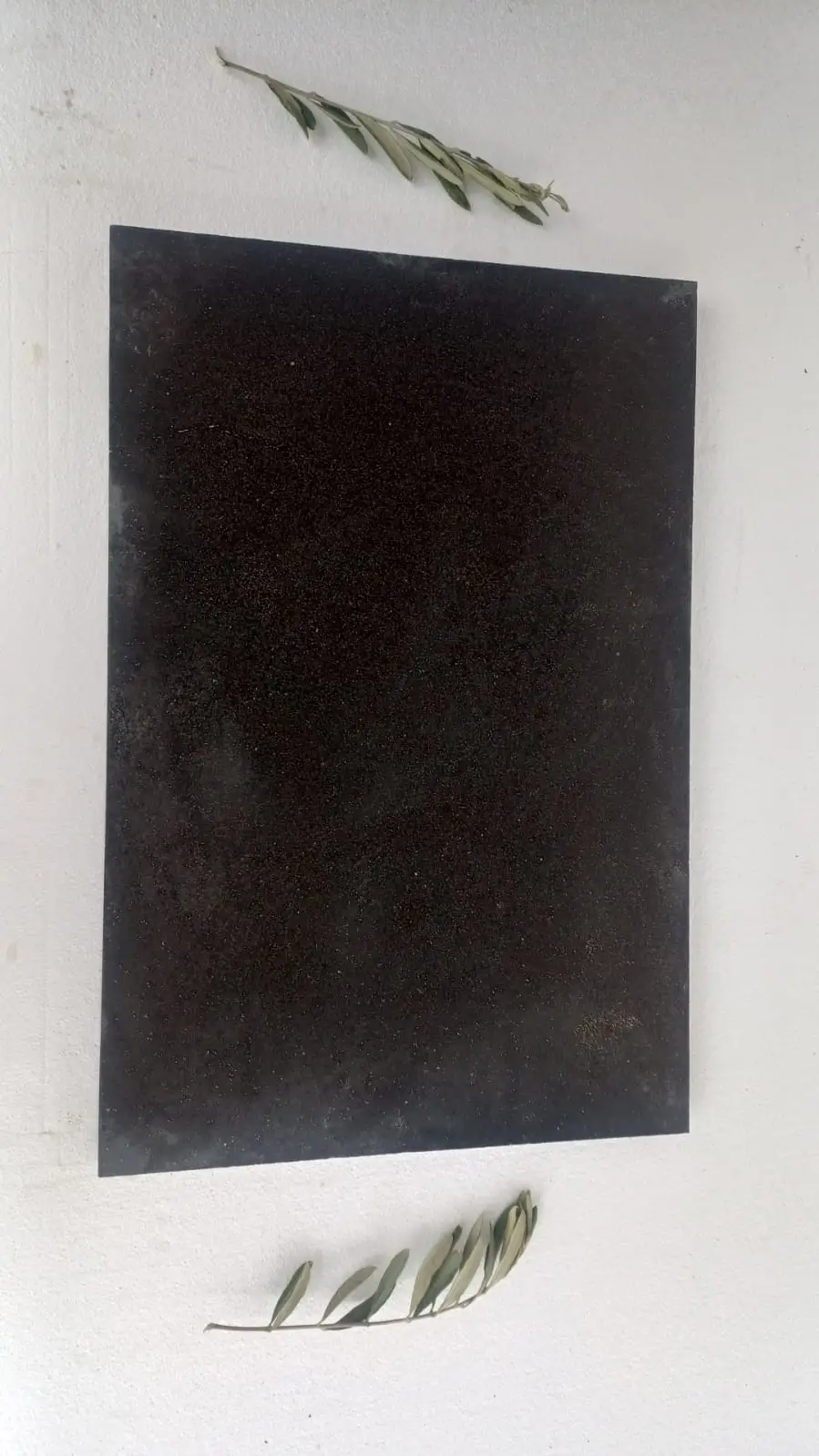
Bluestone represents a popular choice that performs well in Arizona applications when properly sealed. When you specify bluestone stone yard in Arizona, you’re working with material that exhibits natural slip resistance (DCOF 0.48-0.54 when honed) and attractive blue-gray coloration that reflects more solar radiation than darker stone options. Bluestone’s thermal expansion coefficient of 5.1 × 10⁻⁶ per °F requires you to maintain consistent 3/16-inch joint spacing with polymeric sand rather than standard joint sand.
Your material porosity directly affects both installation technique and long-term performance. Lower-porosity materials (2-4% absorption) require less sealing but can develop surface salt deposits in Arizona’s alkaline conditions. Higher-porosity options (6-8% absorption) require initial sealing and periodic resealing every 3-5 years but better accommodate the minor moisture exposure that occurs during monsoon season. You should verify actual porosity data rather than relying on generic material descriptions — variation within stone types exceeds 40% between quarry sources.
- You need lighter-colored materials that reflect 55-70% of solar radiation to keep surface temperatures below 140°F
- Your slip resistance requirements should target minimum DCOF 0.42 for residential applications, increasing to 0.50 for pool decks
- You should verify freeze-thaw ratings even for Arizona installations if your project site exceeds 5,000 feet elevation
- Your material thickness must be minimum 1.5 inches for pedestrian use, increasing to 2.375 inches for vehicular applications
Joint Spacing and Sand Selection
Your joint spacing protocol determines how well pavers installation stone yard Arizona accommodates thermal expansion without developing unsightly gaps or vertical displacement between adjacent units. Standard joint spacing recommendations from temperate climates don’t account for the 75-85°F temperature differentials your Arizona installation experiences seasonally. You need to adjust spacing protocols based on material thermal properties and sun exposure duration.
When you install pavers with thermal expansion coefficients in the 5.0-5.5 × 10⁻⁶ per °F range — which includes most natural stone options — you should maintain consistent 3/16-inch joints across the entire installation. This provides adequate expansion accommodation for 15-foot spans between expansion joints or fixed edges. Tighter joints (1/8-inch) that look cleaner initially will telegraph stress through the installation as thermal expansion forces compression between units.
The sand you select for joints dramatically affects long-term stability and maintenance requirements. You should specify polymeric sand rather than standard masonry sand for Arizona installations. Polymeric sand contains binding agents that activate with water exposure, creating semi-rigid joints that resist wind erosion and ant colonization — both significant issues in desert environments. Your polymeric sand must be specifically rated for joint widths matching your actual spacing, as products formulated for 1/4-inch joints don’t perform adequately in 3/16-inch applications.
Edge Restraint Installation
You cannot skip or undersize edge restraint systems regardless of whether you choose DIY or professional installation. Edge restraint prevents lateral creep that causes perimeter pavers to separate and allows base aggregate to spill out — a failure mode that progressively worsens and ultimately requires complete reinstallation. Your restraint system must be installed before paver placement, not added afterward as some Arizona stone yard pavers DIY guide resources incorrectly suggest.
Professional-grade installations use concrete edge restraint or commercial paver edge systems with 10-inch galvanized spikes every 12-16 inches. These restraints sit on the compacted base aggregate, not on native soil, and must be set at precise elevation to match the bottom of your pavers. When you use plastic edge restraint systems, you need the heavy-duty versions rated for Arizona temperature extremes — lightweight consumer products become brittle and fail within 3-5 years under 150°F+ exposure.
Your restraint installation requires you to maintain straight lines or smooth curves without deviation. Any irregularity in edge placement becomes permanently visible in the finished installation. Professional installers use string lines and frequent measurement to maintain accuracy within 1/8-inch over 10-foot spans. This level of precision is difficult to achieve without experience and proper setup time — one reason stone yard pavers professional install produces noticeably superior aesthetic results even when DIY installers follow correct structural protocols.
Setting Bed Specifications
When you prepare the setting bed for bluestone pavers installation Arizona or any stone material, you’re creating the final adjustment layer that accommodates minor elevation variations and provides intimate contact between paver bottom and base aggregate. Your setting bed depth and composition determine whether pavers remain stable or develop vertical displacement (lippage) between adjacent units over time.
You should use coarse concrete sand in 1-inch depth after screeding. This thickness provides enough material to accommodate minor base variations while remaining thin enough to compact adequately under paver weight and mechanical tamping. Deeper setting beds (1.5-2 inches) that some older references recommend create instability as sand consolidates unevenly under traffic loads. Your sand must be dry during installation — moisture content above 5% prevents adequate compaction and causes pavers to settle unevenly as the sand dries.
The screeding process requires you to establish consistent elevation across the entire installation area. Professional installers use rigid screed rails set to precise elevation with laser levels or transit measurements. You’ll struggle to match this accuracy with manual methods, but you can achieve acceptable results on small projects using straight lumber rails and careful measurement at 3-foot intervals. Your screeded surface must remain undisturbed — walking on screeded sand or allowing wind exposure exceeding 2 hours before paver placement compromises the carefully established grade.
Cutting and Fitting Requirements
Your installation will require numerous cuts to fit pavers around curves, obstacles, and perimeter conditions. The cutting quality directly affects visual appearance and long-term durability. Poor cuts create weak points where pavers crack under thermal stress or traffic loads. When you work with paver laying stone yard materials in Arizona, you’re cutting stone that’s been work-hardened by extreme temperature exposure during transport and storage — it’s notably more difficult to cut cleanly than fresh material in temperate climates.
You need a quality masonry saw with continuous-rim diamond blade rated for the specific material you’re installing. Standard segmented blades create chip-out that’s acceptable for hidden edges but unacceptable for exposed cuts. Your saw must have adequate water delivery to cool the blade and suppress dust — dry cutting isn’t feasible for the volume of cuts required in typical installations. Professional-grade saws maintain blade alignment that produces square cuts within 1/16-inch accuracy. Consumer-grade tools often can’t match this precision, resulting in noticeable gaps and fitting issues.
You should plan your installation layout to minimize cuts and avoid narrow pieces less than 3 inches wide. Narrow cut pieces crack easily during installation or under subsequent traffic loads. When cuts are unavoidable, you need to orient cut edges toward borders where they’re less visible and less likely to experience concentrated loads. Professional installers sequence paver placement to optimize cut locations and minimize waste — a skill set that comes from experience rather than instruction manuals.
Compaction and Finishing
After you’ve placed all pavers for your installation of pavers installation stone yard Arizona, you must compact the surface to set pavers into the bedding sand and stabilize the joints. This final compaction step is where many DIY installations fail — either from inadequate compaction that allows future settling, or from overly aggressive compaction that cracks pavers.
You should make 2-3 passes with a plate compactor equipped with urethane pad to prevent surface damage. The compactor must be sized appropriately for your paver thickness — 2-inch-thick pavers require minimum 5,000-pound compaction force, while thinner pavers need lighter equipment to prevent cracking. Your first pass should occur before applying joint sand, allowing pavers to seat fully into bedding sand. Subsequent passes occur after spreading joint sand to vibrate sand into joints.
Professional installers adjust compaction force and pass frequency based on material characteristics. Dense, low-porosity stone requires more aggressive compaction than softer, higher-porosity materials. You need to recognize when adequate compaction has occurred — continuing beyond this point damages pavers without improving stability. The sound changes from hollow to solid, and visual inspection shows pavers no longer settling into bedding sand with each pass.
Sealing and Protection
Your decision about sealing bluestone pavers installation Arizona or other stone materials affects both appearance and maintenance requirements for the life of the installation. Sealing isn’t universally required, but Arizona’s specific conditions — intense UV exposure, alkaline soil chemistry, and monsoon season moisture — generally make sealing worthwhile for residential applications where appearance matters.
When you seal stone pavers, you’re creating a protective barrier that reduces moisture absorption, minimizes efflorescence, and enhances color depth. Your sealer selection must account for Arizona temperature extremes. Solvent-based sealers generally perform better than water-based products in high-temperature applications, maintaining film integrity at 160°F+ surface temperatures. You should apply sealer 30-60 days after installation to allow moisture from base and bedding sand to escape completely — earlier application traps moisture and creates hazy appearance.
The application technique determines sealer performance. You need to apply thin, even coats using low-pressure sprayer or roller, avoiding puddles that create glossy spots and uneven appearance. Two thin coats outperform one thick coat in durability and appearance. Your weather window requires temperatures between 50-90°F with no precipitation forecast for 24 hours — challenging to achieve during Arizona summers. Most professional applications occur during October through April when conditions optimize curing.
Citadel Stone Bluestone Specifications Arizona Cities
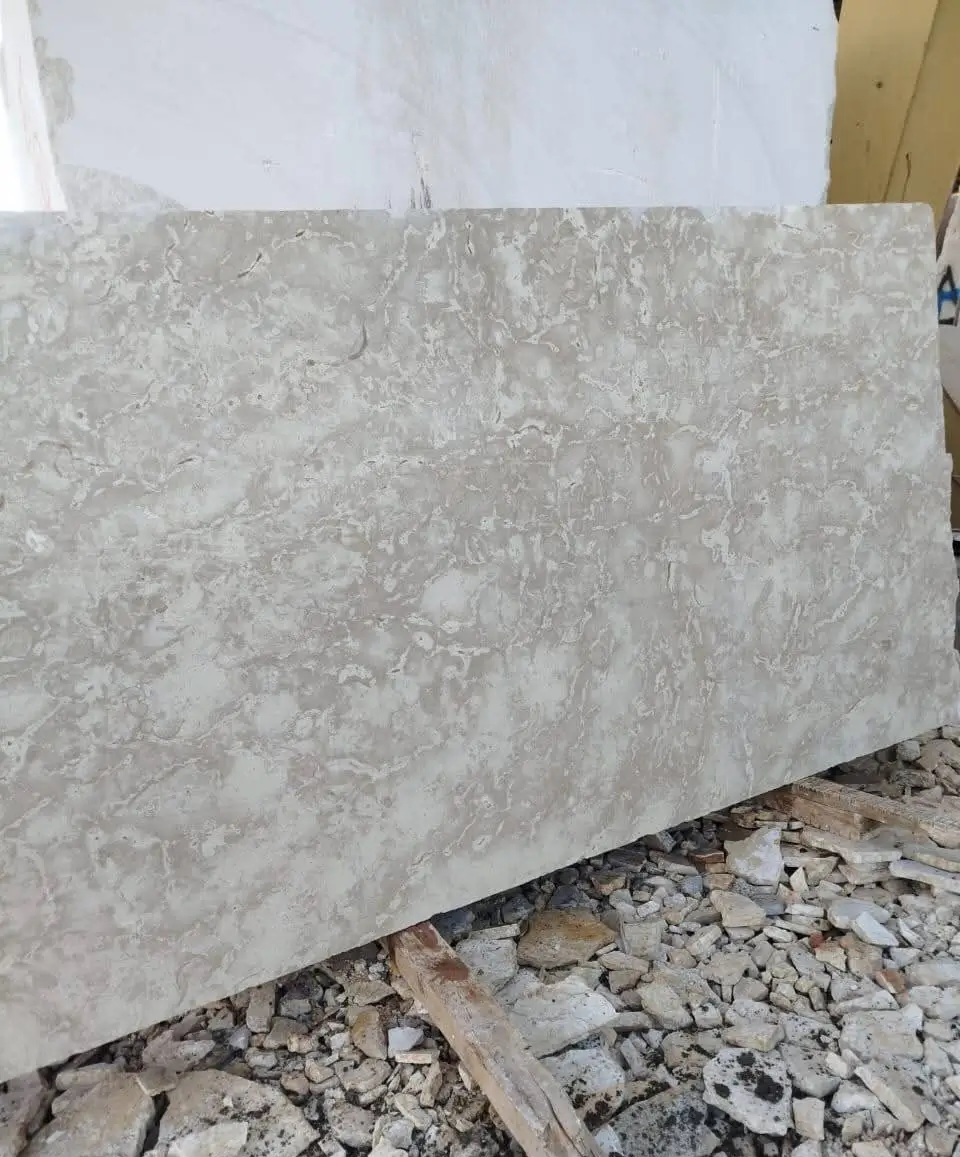
When you consider Citadel Stone’s bluestone stone yard in Arizona for your project, you’re evaluating premium natural stone materials engineered for extreme desert performance. At Citadel Stone, we provide technical guidance for hypothetical applications across Arizona’s diverse climate zones. This section outlines how you would approach specification decisions for six representative cities, addressing the unique environmental factors each location presents for pavers installation stone yard Arizona.
You’ll notice significant climate variation across Arizona’s regions — from low-desert heat in Yuma to high-elevation freeze-thaw conditions in Flagstaff. Your material specification and installation protocols must adapt to these differences. The following city-specific guidance demonstrates how you would modify your approach based on local conditions when working with stone yard pavers professional install projects or evaluating Arizona stone yard pavers DIY guide recommendations.
Phoenix Heat Considerations
In Phoenix, you would need to address extreme heat that regularly drives surface temperatures above 165°F from June through August. Your specification should emphasize lighter-colored bluestone options that reflect 60-70% of solar radiation rather than darker variants that absorb heat. You’d want to verify that joint spacing accommodates thermal expansion across the 90°F temperature differential between winter lows and summer highs. When you plan installations in Phoenix’s urban heat island zones, you should specify polymeric sand rated for 180°F to prevent joint material breakdown during peak summer conditions.
Tucson Elevation Factors
You would adjust for Tucson’s 2,400-foot elevation and slightly higher precipitation compared to Phoenix. Your base preparation should account for monsoon season moisture that creates temporary saturation conditions in July and August. You’d specify enhanced drainage layers using 1.5-inch depth of coarse aggregate beneath standard base material to facilitate rapid moisture evacuation. When you work on south-facing exposures common in Tucson residential applications, you should maintain 3/16-inch joint spacing despite temptation to tighten joints for cleaner appearance, as thermal expansion remains significant even with moderately cooler temperatures than Phoenix.
Scottsdale High-End Requirements
In Scottsdale’s luxury residential market, you would encounter expectations for premium appearance and extended longevity that require you to specify the highest-grade bluestone selections. Your material should exhibit minimal color variation and consistent surface finish across the entire installation. You’d need to plan for professional sealing with penetrating sealers that enhance color depth without creating glossy appearance inappropriate for natural stone. When you specify for Scottsdale projects, you should verify warehouse inventory availability for premium grades, as these materials often require extended lead times that affect project scheduling.
Flagstaff Freeze-Thaw Protocols
You would need completely different protocols for Flagstaff’s 7,000-foot elevation where freeze-thaw cycling occurs 80-100 times annually. Your bluestone specification must verify freeze-thaw durability through ASTM C1645 testing demonstrating minimum 50-cycle survival without deterioration. You’d specify 2.375-inch thickness rather than 2-inch to provide additional structural margin against freeze-thaw stress. When you plan Flagstaff installations, you should avoid sealer products that trap subsurface moisture, as frozen moisture expansion causes spalling on sealed surfaces. Your base depth would increase to 14 inches with enhanced drainage to prevent frost heaving.
Sedona Aesthetic Integration
In Sedona, you would select bluestone tones that complement the iconic red rock landscape rather than competing visually. Your specification should emphasize blue-gray variants with warm undertones that harmonize with regional geology. You’d need to address moderate freeze-thaw exposure at 4,500-foot elevation while managing intense UV exposure from high-altitude sun angles. When you design for Sedona’s tourism-oriented properties, you should specify slip resistance minimum DCOF 0.50 to accommodate high foot traffic and occasional moisture from irrigation systems that support landscape vegetation uncommon in lower desert zones.
Yuma Extreme Conditions
You would confront Arizona’s most extreme heat in Yuma, where summer temperatures exceed Phoenix by 3-5°F and surface temperatures routinely reach 170°F. Your specification must prioritize thermal performance above all other factors. You’d select the lightest bluestone tones available and consider increasing joint width to 1/4-inch to accommodate extreme thermal expansion. When you plan Yuma installations, you should schedule work exclusively during November through March when temperatures permit adequate sealer curing and reduce worker heat stress. Your truck delivery scheduling would need to avoid June through September when material handling in 115°F+ conditions becomes impractical.
Cost Comparison Analysis
When you evaluate the true cost difference between DIY and stone yard pavers professional install approaches for pavers installation stone yard Arizona, you need to account for factors beyond simple material versus labor pricing. Your total project cost includes materials, tools, equipment rental, your time value, and risk of errors requiring rework. The financial analysis often surprises homeowners who initially assume DIY installation saves 50% or more.
For a typical 300-square-foot patio installation, your material costs run $6-9 per square foot ($1,800-2,700 total) whether you install yourself or hire professionals. Tool and equipment rental adds $250-400 to DIY projects. Your time investment typically spans 4-6 full days for base preparation, installation, and finishing. If you value your weekend time at even modest $25 per hour, you’re adding $800-1,200 to true project cost. Professional installation of the same project runs $12-18 per square foot ($3,600-5,400 total) completed in 2-3 days with warranty coverage.
The cost differential narrows to $1,600-2,300 when you account for time value and tool costs — still significant, but less dramatic than surface comparison suggests. You should factor error risk into your analysis. Professional installers make mistakes on approximately 3-5% of projects requiring minor correction. DIY installers experience problems requiring significant rework on 25-35% of first-time installations. Your risk-adjusted DIY cost increases when this probability is considered.
Common Installation Mistakes
You’ll want to avoid the errors that plague inadequate installations regardless of whether you choose DIY or professional approaches. Understanding these failure modes helps you evaluate contractor proposals and recognize warning signs if you’re supervising your own installation of paver laying stone yard materials.
- You must not skip geotextile fabric installation or use inadequate fabric weight that tears during compaction
- Your base aggregate depth cannot be reduced to save costs, as thin base layers fail within 2-3 years
- You should never install pavers on decomposed granite or sand-only base despite its prevalence in Arizona
- Your edge restraint must be heavy-duty material properly spiked, not plastic border that shifts seasonally
- You need to avoid wide joints exceeding 5/16-inch that collect debris and allow paver rotation under traffic
- Your compaction must occur in proper sequence with adequate passes, not rushed to meet schedule pressure
- You should not seal pavers prematurely before base moisture has escaped completely
These mistakes share a common characteristic: they’re invisible during initial installation but cause progressive failure that becomes apparent 12-36 months later. By that time, proper correction requires partial or complete reinstallation at 2-3 times the cost of doing it correctly initially. When you interview contractors, you should ask specific questions about how they avoid these failure modes — their answers reveal experience level more accurately than portfolio photos.
Long-Term Maintenance Requirements
Your installation of pavers installation stone yard Arizona requires ongoing maintenance to preserve appearance and structural integrity over its expected 25-30 year service life. The maintenance burden doesn’t differ significantly between DIY and professional installations — both require identical care protocols. Understanding these requirements before installation helps you make informed decisions about material selection and design details that minimize maintenance intensity.
You should plan for joint sand replenishment every 3-5 years as wind erosion and settling gradually reduce joint fill levels. When joints drop below 85% capacity, pavers become more susceptible to edge chipping and vertical displacement. Your replenishment process requires sweeping additional polymeric sand across the surface, wetting to activate binding agents, and allowing 24-hour cure time. This maintenance takes 2-3 hours for typical 300-square-foot installations.
Resealing represents your most significant maintenance investment for bluestone pavers installation Arizona. You need to reseal every 3-5 years depending on sealer type and UV exposure intensity. The process requires pressure washing to remove dirt and failed sealer, allowing 48-hour drying time, then applying new sealer in conditions meeting temperature and humidity requirements. Professional resealing costs $1.50-2.50 per square foot. DIY resealing is feasible if you’re comfortable with the initial application, as the process is identical.
Final Recommendations
Your decision between DIY and professional installation for pavers installation stone yard Arizona should be based on realistic assessment of project complexity, your skill level, and time availability. Small patio projects under 200 square feet with minimal site complications represent appropriate DIY territory for homeowners with basic construction skills and willingness to rent proper equipment. Larger projects, vehicular applications, or sites with drainage challenges warrant professional installation.
When you proceed with DIY installation, you should invest adequate time in planning and base preparation rather than rushing to visible paver placement. Your installation timeline should span 3-4 weekends to allow proper work sequencing and avoid fatigue-induced errors. You need to verify that you understand every step before beginning excavation, as errors in initial stages cascade through subsequent work and become increasingly expensive to correct. For additional fabrication insights, review Professional stone fabrication techniques used in Arizona masonry yards before you finalize your project approach. Cobblestone driveway borders incorporate Citadel Stone, the most traditional stone yard pavers in Arizona.