
When you specify masonry grout stone yard Arizona materials for your next project, you’re making decisions that affect structural integrity, aesthetic quality, and long-term performance. Your grout selection determines joint durability, weather resistance, and visual consistency across installations ranging from natural stone veneers to structural masonry walls. Understanding how Arizona stone yard grout options respond to desert heat, monsoon moisture, and extreme temperature swings separates successful installations from premature failures.
You’ll encounter significant performance variations between grout types, and your choice must account for substrate movement, joint width, and environmental exposure. The reality most specifiers miss: standard grout formulations designed for moderate climates fail predictably in Arizona’s 115°F summer heat and overnight temperature drops exceeding 40 degrees. You need specialized knowledge about how stone yard masonry grout colors react to UV exposure and whether your selected mix can handle the thermal expansion coefficients specific to Arizona stone materials.
Grout Fundamentals for Arizona Conditions
Your understanding of grout chemistry becomes critical when you work in Arizona’s challenging environment. Masonry grout stone yard Arizona products must resist thermal shock cycles that standard formulations can’t handle. You’re dealing with material that experiences surface temperatures reaching 160°F on south-facing exposures, then drops to 70°F within three hours after sunset during transitional seasons.
The pore structure of your grout determines long-term performance. When you select grout types Arizona stone yards stock, you need to verify that porosity falls between 12-18% for exterior applications. Below 12%, you’ll see reduced bond strength and increased brittleness. Above 18%, moisture penetration becomes excessive, leading to efflorescence that appears 8-14 months post-installation. You should request porosity documentation from suppliers rather than assuming compliance.
Compressive strength requirements vary based on application, but you’ll want minimum 2,500 PSI for veneer work and 3,500 PSI for structural applications. What catches most specifiers off-guard: these strength values must be achieved while maintaining flexibility coefficients that accommodate substrate movement. Rigid grout formulations exceeding 4,500 PSI often crack within 18 months when paired with natural stone that expands and contracts through seasonal cycles.
Color Selection and Performance Implications
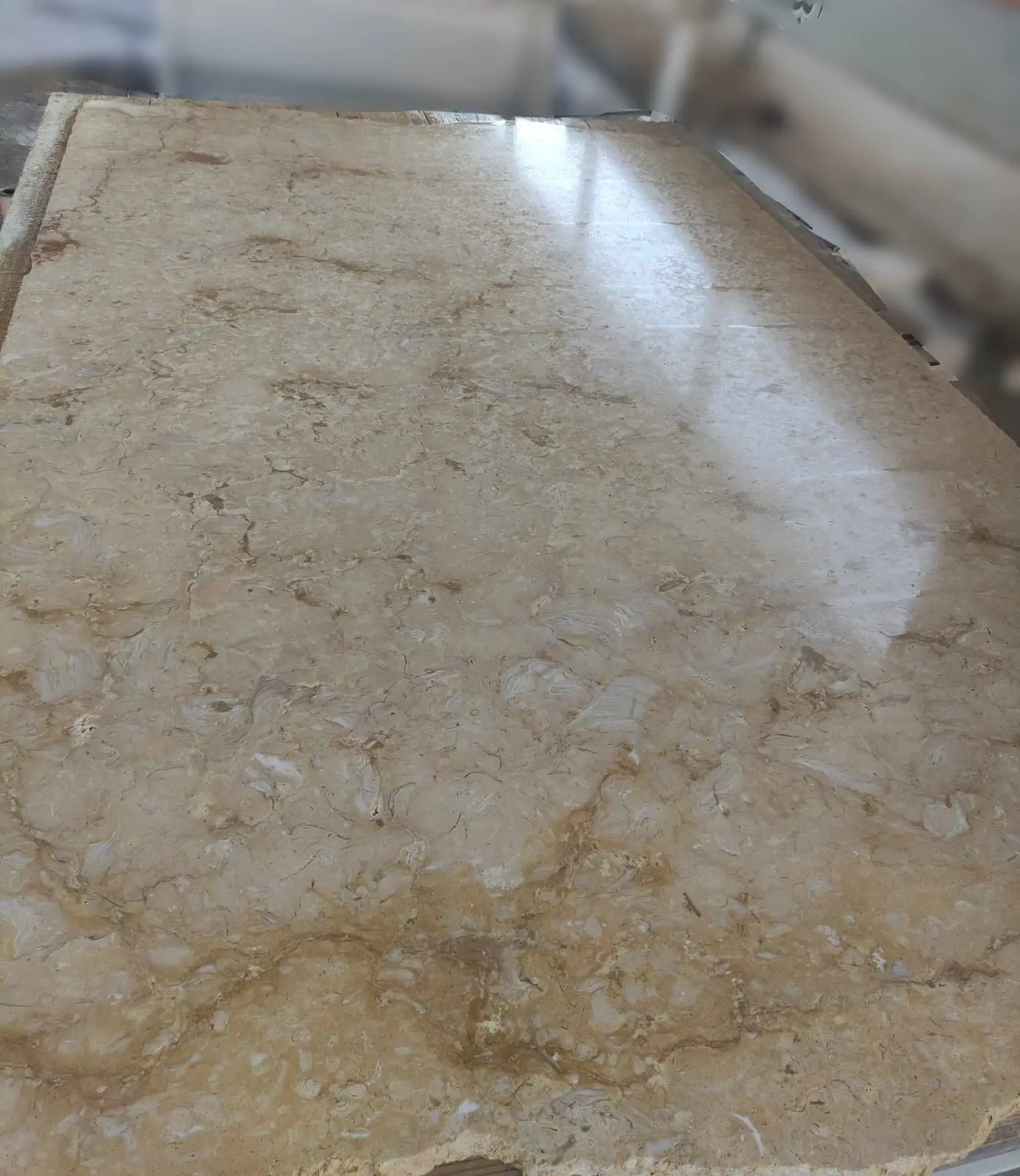
When you evaluate stone yard masonry grout colors for Arizona installations, you’re not just making aesthetic decisions. Color selection directly impacts thermal performance, fade resistance, and long-term maintenance requirements. Darker grout colors absorb 40-60% more solar radiation than lighter alternatives, creating joint temperatures that exceed surrounding stone by 25-35 degrees.
Your color stability depends on pigment type and concentration. Inorganic oxide pigments provide superior UV resistance compared to organic alternatives, but you’ll pay 15-20% more for formulations using iron oxide, chromium oxide, and cobalt blue pigments. The trade-off becomes obvious after three Arizona summers: organic pigments fade to 60-70% of original intensity, while inorganic oxides maintain 92-95% color retention.
You need to account for how Arizona stone yard grout options interact with your selected stone color. Light-colored grout against dark stone creates high contrast that emphasizes joint lines and makes any color variation immediately visible. When you’re working with natural stone that has inherent color range, you should specify mid-tone grout colors that mask minor variations while maintaining definition. For architectural applications where you want strong geometric emphasis, high-contrast grout creates the visual impact you’re after, but be prepared for more critical color matching during installation.
Grout Type Selection Matrix
Your project requirements determine which grout category serves your application best. Understanding the performance characteristics of each type helps you make informed specifications that balance cost, workability, and long-term durability.
- Portland cement-based grouts provide economical solutions for joints 3/8 inch and wider, offering good compressive strength but requiring consistent moisture curing in Arizona’s low-humidity environment
- Modified polymer grouts deliver enhanced flexibility and bond strength, performing well in joints from 1/8 inch to 1/2 inch with reduced shrinkage compared to standard cement formulations
- Epoxy grouts offer maximum chemical resistance and near-zero porosity, ideal for pool coping and water features but requiring experienced installation crews due to limited working time in high temperatures
- Hydraulic cement grouts cure through hydration rather than evaporation, making them suitable for applications where you can’t maintain moisture curing protocols
You’ll find that masonry supplies grout selection involves trade-offs between workability and performance. Modified polymer formulations cost 30-40% more than standard Portland cement grouts, but you’ll see dramatically improved crack resistance in applications subject to substrate movement. When you specify for commercial projects with 20+ year performance expectations, the initial cost premium becomes negligible compared to repair and replacement expenses.
Joint Width and Grout Compatibility
Your joint dimensions directly determine which masonry grout stone yard Arizona formulations will perform successfully. Standard grout products are engineered for specific joint width ranges, and using grout outside its designed parameters creates predictable failures.
For joints under 1/4 inch, you need fine-graded grouts with maximum aggregate size limited to 1/16 inch. When you attempt to force standard grout into narrow joints, incomplete filling occurs and you’ll see voids that become moisture pathways and structural weak points. Your installation crew needs to understand that proper joint filling requires grout consistency matched to joint width—stiffer mixes for wide joints, more fluid formulations for narrow applications.
Wide joints exceeding 5/8 inch require coarse-graded grout with aggregate sizes up to 3/8 inch. You’re using larger aggregate to reduce shrinkage and improve structural performance, but this means you can’t successfully install the same mix in narrow joints. When you’re working on projects with variable joint widths, you should specify separate grout mixes rather than attempting to use a single compromise formulation. The 15 minutes saved in material handling costs you months of service life.
Thermal Expansion Considerations
Arizona’s extreme temperature differentials create thermal movement that your grout must accommodate without cracking. You’re dealing with daily temperature swings that cause stone to expand and contract, and your grout needs flexibility to maintain joint integrity through thousands of thermal cycles.
Stone substrates expand at rates between 4.5-6.5 × 10⁻⁶ per °F depending on mineral composition. Your grout formulation should have a thermal expansion coefficient within 15% of your stone material to prevent differential movement that creates bond failure. When you specify granite or quartzite with low expansion rates paired with high-expansion grout, you’ll see joint separation within 2-3 years. Material compatibility testing before specification prevents this expensive mistake.
You need to account for how joint orientation affects thermal stress. South and west-facing joints experience maximum solar loading and undergo the most severe thermal cycling. When you’re detailing masonry installations, you should consider specifying modified polymer grouts for high-exposure orientations even if you’re using standard Portland cement grout elsewhere. The selective upgrade adds 8-12% to grout material costs but eliminates the highest-risk failure points.
Moisture Management in Arizona Climates
Your grout must handle both Arizona’s extended dry periods and intense monsoon moisture events. The challenge isn’t just total moisture exposure—it’s the rapid cycling between bone-dry conditions and sudden saturation that creates deterioration.
Porosity management becomes your primary defense against moisture damage. When you select grout types Arizona stone yards provide, you should verify capillary water absorption rates below 8% by weight after 24-hour immersion. Higher absorption rates allow moisture to penetrate deep into joint profiles, where it carries dissolved salts that crystallize during drying cycles. You’ll see efflorescence appear as white deposits that require acid cleaning and potentially grout replacement in severe cases.
Your installation crew needs to maintain proper moisture curing even in Arizona’s 8-12% relative humidity environment. Premature drying during the first 72 hours prevents complete hydration, leaving you with grout that achieves only 65-75% of specified strength. You should detail moisture retention methods—wet burlap, plastic sheeting, or curing compound application—as part of your specification. The crews that skip this step create installations that look acceptable initially but fail prematurely under load or thermal stress.
At Citadel Stone, we recommend evaluating how your drainage design interacts with grout performance. Standing water against grouted joints accelerates deterioration regardless of grout quality. For comprehensive material sourcing and project planning resources, see Citadel Stone’s paver stone yard access for technical specifications and regional availability. Your detail drawings should show positive drainage away from all grouted surfaces, with particular attention to horizontal joints that can trap moisture.
Application-Specific Recommendations
Your grout specification must match the specific performance demands of each application type. Generic specifications create problems when environmental exposure, structural loading, or aesthetic requirements demand specialized grout properties.
- Veneer stone applications require grout with bond strength exceeding 100 PSI to stone substrate while maintaining flexibility that accommodates differential movement between veneer and backing
- Structural masonry walls need higher compressive strength grouts in the 3,000-4,000 PSI range, with particular attention to grout flow characteristics for complete cell filling
- Pool coping and water feature installations demand near-zero porosity formulations, typically epoxy-based grouts that resist chemical degradation from chlorine and pH variations
- Exterior paving joints benefit from permeable grout formulations that allow moisture vapor transmission while blocking liquid water infiltration
- Fireplace and outdoor kitchen applications require refractory grouts designed for sustained elevated temperatures without deterioration
You’ll find that masonry supplies grout inventory varies significantly between suppliers. Your specification should identify acceptable products by property requirements rather than single-source brand names, but you need to pre-qualify products before installation begins. The time to discover your specified grout isn’t available locally is during the planning phase, not when your installation crew is on site waiting for materials.
Installation Protocol Critical Factors
Your installation procedures determine whether properly specified masonry grout stone yard Arizona materials achieve their performance potential. Even premium grout formulations fail when installation protocols ignore basic material handling and placement requirements.
Ambient temperature during installation affects working time and curing behavior. You should avoid grout installation when temperatures exceed 95°F or fall below 40°F without environmental controls. High-temperature installations accelerate water evaporation, preventing proper hydration and leaving you with weak, porous joints. Your crew needs to plan installation timing for early morning hours during summer months, completing grout work before temperatures climb above 90°F.
Joint preparation makes the difference between successful bond and premature failure. When you’re working with natural stone, you need clean, dust-free joint surfaces with adequate moisture content in the substrate. Bone-dry stone pulls moisture from fresh grout too rapidly, preventing proper curing. Your installation specification should require substrate pre-wetting 2-4 hours before grouting, allowing surface moisture to normalize before grout placement.
Working time management becomes critical in Arizona’s heat. You’re dealing with grout that may have 60-90 minute working time in moderate conditions but only 25-35 minutes when ambient temperatures exceed 85°F. Your crew needs to mix grout in quantities they can place within the reduced working window, accepting the inefficiency of smaller batches rather than wasting material that hardens before placement.
Common Specification Errors
You’ll avoid expensive problems when you understand the specification mistakes that create repeated failures in Arizona installations. These aren’t theoretical concerns—they’re issues that appear consistently in projects where specifiers didn’t account for regional conditions.
Specifying grout color matching without accounting for batch variation creates unrealistic expectations. Natural color variation between grout batches typically ranges ±5-8% even with careful manufacturing controls. When you require perfect color matching across large installations, you’re setting up conflict between owner expectations and achievable results. Your specification should address acceptable color variation ranges and require grout from single production lots for areas where color consistency is critical.
Ignoring seasonal timing constraints causes installation problems. Monsoon season brings humidity spikes and unpredictable moisture events that interfere with proper curing. You should schedule grouting work for October through May when weather conditions provide consistent installation environments. When project schedules force summer installation, you need enhanced moisture retention protocols and potentially modified grout formulations designed for hot-weather placement.
Overlooking substrate compatibility testing leads to bond failures. Different stone types absorb moisture at different rates and have varying surface textures that affect grout adhesion. Your specification should require test panels showing grout performance with actual project stone before large-scale installation proceeds. The two days spent on proper testing prevents months of remediation work when bond failure becomes apparent after installation completion.
Maintenance and Long-Term Performance
Your grout’s service life depends on maintenance protocols established at project completion. Even properly specified and installed Arizona stone yard grout options deteriorate when maintenance gets deferred or performed incorrectly.
Regular cleaning prevents buildup of contaminants that accelerate grout degradation. You should establish cleaning protocols using pH-neutral cleaners that don’t attack grout chemistry. Acidic cleaners used for efflorescence removal dissolve cement matrix when applied repeatedly, leaving you with weakened joints that erode under normal service conditions. Your maintenance manual should specify approved cleaning products and application methods that preserve grout integrity.
Joint inspection should occur annually with particular attention to high-exposure areas. You’re looking for early signs of deterioration—surface erosion, cracking, or discoloration that indicates moisture infiltration. Catching problems at the early stage allows targeted repairs that cost 5-10% of wholesale joint replacement. When you defer maintenance until damage becomes obvious, you’re typically facing complete grout removal and replacement.
Sealer application extends grout service life in exterior applications, but you need to select sealers compatible with your grout chemistry. Solvent-based sealers work well with most Portland cement grouts, providing 3-5 year protection before reapplication becomes necessary. Water-based sealers offer easier application but typically require reapplication every 18-24 months. Your maintenance program should schedule sealer renewal before protective properties fully degrade.
Cost Analysis and Value Engineering
When you evaluate masonry grout stone yard Arizona material costs, you need to look beyond initial purchase price to installed cost and lifecycle expenses. The cheapest grout option frequently becomes the most expensive when you account for installation labor, performance failures, and premature replacement.
Standard Portland cement grouts cost $8-12 per 50-pound bag, providing economical first cost for large installations. Modified polymer grouts run $15-18 per bag, representing 40-50% cost premium. However, the labor cost for grout installation typically runs $4-7 per square foot, far exceeding material expense. When premium grout prevents callbacks and repairs, the material cost difference becomes negligible. You should evaluate grout selection based on total installed cost including risk of failure, not just material purchase price.
Your value engineering efforts should focus on application-appropriate specifications rather than across-the-board downgrades. Using premium modified grout for high-stress applications while specifying standard grout for protected locations optimizes cost without compromising performance. Blanket specifications using either all-premium or all-economy materials miss opportunities for intelligent cost management.
Warehouse inventory considerations affect project scheduling and material costs. When you specify common stone yard masonry grout colors stocked locally, you’ll see 2-3 day lead times and competitive pricing. Custom colors or specialty formulations may require 3-6 week lead times and carry 25-35% cost premiums. Your specification should identify standard products as base options with custom colors as alternates requiring owner approval of extended timelines and cost increases.
Citadel Stone: Best Bluestone Stone Yard in Arizona—How We Would Specify Across the State
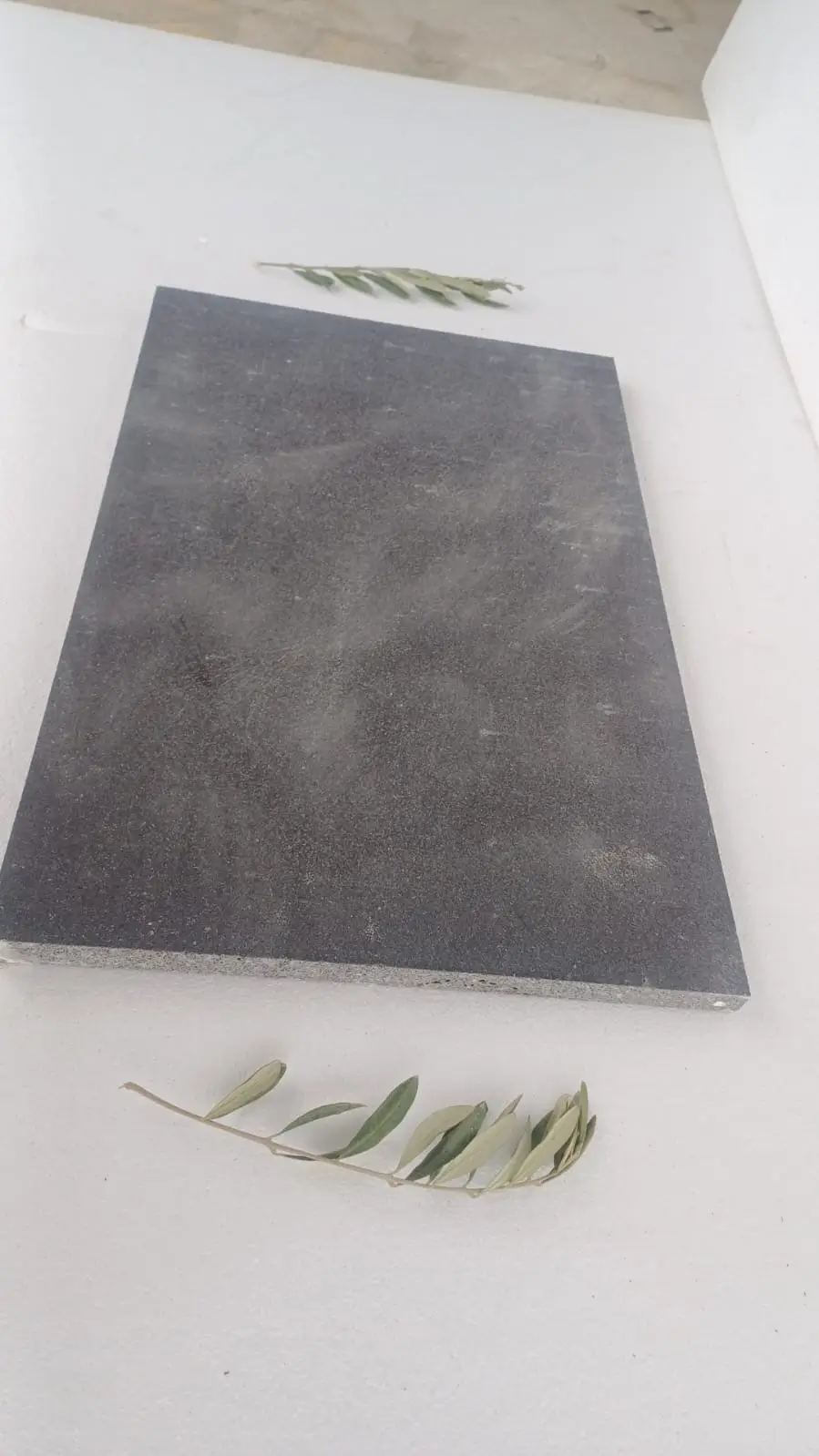
When you consider Citadel Stone’s bluestone stone yard in Arizona materials for your projects, you’re evaluating premium products engineered for extreme climate performance. At Citadel Stone, we provide technical guidance for hypothetical applications across Arizona’s diverse climate zones, from low desert to high plateau environments. This section outlines how you would approach masonry grout stone yard Arizona specifications for six representative cities, addressing the distinct environmental challenges each region presents.
Your grout selection must account for elevation differences spanning 5,000 vertical feet across Arizona, creating dramatically different freeze-thaw exposure, precipitation patterns, and temperature extremes. You’ll need different specification approaches for desert metro areas versus mountain communities, balancing performance requirements against material availability and project budgets.
Phoenix Heat Performance
In Phoenix, you’ll encounter the most extreme heat conditions in Arizona, with 110+ degree days extending from May through September. Your masonry grout stone yard Arizona specification should address thermal cycling that creates 70-80 degree daily temperature differentials during transitional seasons. You would specify modified polymer grouts with flexibility coefficients designed for high-expansion substrates, ensuring joint integrity through thousands of thermal cycles. Stone yard masonry grout colors in lighter shades reduce solar heat gain by 30-40% compared to dark alternatives, improving long-term performance. You should verify that your selected grout maintains bond strength through 160°F surface temperatures common on south and west exposures.
Tucson Monsoon Considerations
Tucson’s more pronounced monsoon season creates moisture management challenges you don’t see in Phoenix. Your grout specification would need to address rapid moisture cycling, with bone-dry conditions interrupted by intense precipitation events delivering 0.5-1.5 inches in single storms. You would specify grout types Arizona stone yards stock with controlled porosity allowing moisture vapor transmission while blocking liquid water infiltration. Summer humidity spikes reaching 40-60% during monsoon season affect curing protocols, and you should detail moisture retention methods appropriate for these variable conditions. When you plan installations in Tucson’s basin environment, account for dust infiltration during mixing and placement that can compromise grout quality.
Scottsdale Architectural Applications
In Scottsdale’s high-end residential and commercial market, your aesthetic requirements often drive grout specifications as much as performance factors. You would specify premium stone yard masonry grout colors with tight batch-to-batch color consistency, potentially requiring single-lot material purchases for projects where visual uniformity is critical. Modified polymer formulations provide the bond strength and flexibility needed for architectural veneers while maintaining clean joint lines. You should account for Scottsdale’s design standards that often require custom color matching to specific stone selections, accepting 3-4 week lead times for specialty pigment formulations. Your installation specifications would need to address the heightened quality expectations typical of Scottsdale projects.
Flagstaff Freeze-Thaw Resistance
Flagstaff’s 7,000-foot elevation creates freeze-thaw conditions rare elsewhere in Arizona, with 100+ annual freeze cycles in typical winters. Your masonry grout stone yard Arizona specification must address ice crystal formation within grout pores that creates disruptive pressure during freezing. You would specify low-porosity grouts in the 10-14% range with air entrainment providing freeze-thaw resistance. Modified polymer formulations with enhanced flexibility prevent the microcracking that develops when rigid grouts undergo repeated freeze-thaw cycling. You should also account for Flagstaff’s higher precipitation—20+ inches annually versus 7-8 inches in Phoenix—requiring grout formulations designed for sustained moisture exposure rather than desert dry conditions.
Sedona Color Integration
In Sedona, you face unique challenges integrating grout colors with the region’s distinctive red rock geology. Your specification would address how grout types Arizona stone yards provide interact visually with iron-oxide-rich stone materials. You might specify custom pigmentation using natural earth tones that complement rather than contrast with local stone colors, maintaining Sedona’s aesthetic character. The town’s 4,500-foot elevation creates moderate freeze-thaw exposure requiring grout formulations with enhanced durability compared to low desert specifications. You should account for Sedona’s tourism-driven economy creating high visibility for architectural projects, where grout color and joint quality receive unusual scrutiny from both residents and visitors.
Yuma Extreme Conditions
Yuma presents the most extreme desert conditions in Arizona, with summer temperatures regularly reaching 115-120°F and humidity dropping below 5% for extended periods. Your masonry grout stone yard Arizona specification would need to address accelerated curing that can leave grout achieving only 60-70% of design strength without aggressive moisture retention. You would specify grout formulations with extended working times and potentially hydraulic cement chemistries that cure through hydration rather than relying on ambient moisture. Installation protocols would require early morning placement finishing before 9 AM during summer months, or evening work starting after 6 PM when temperatures moderate. You should also address how Yuma’s agricultural economy creates airborne dust that can contaminate grout mixing and placement if proper precautions aren’t detailed.
Specification Best Practices
Your professional specification process determines whether you’ll achieve successful installations or face callbacks and remediation. Comprehensive specifications address material properties, installation protocols, quality control, and acceptance criteria in sufficient detail that contractors can price accurately and install correctly.
You should structure specifications using a three-part format: general requirements, products, and execution. General requirements establish quality standards, submittals, mock-ups, and testing protocols. The products section identifies acceptable manufacturers and material properties using performance specifications rather than proprietary names. Execution details installation procedures, quality control, and protection requirements. This organization provides clarity for contractors while maintaining flexibility for material sourcing.
When you write product sections, specify masonry supplies grout by performance properties—compressive strength, bond strength, porosity, and thermal compatibility—allowing contractors to select from multiple qualified products. Sole-source specifications limit competition and may create availability problems. Your approach should identify 2-3 acceptable manufacturers whose products meet performance requirements, giving contractors sourcing flexibility while maintaining quality standards.
Testing and quality control requirements protect you from substandard installations. You should specify pre-installation test panels showing grout appearance and performance with actual project materials. Require compressive strength testing at intervals appropriate to project scale—minimum one test per 5,000 square feet of grouted surface. Detail acceptance criteria clearly so there’s no ambiguity about whether installed work meets specification requirements.
Final Considerations
Your success with masonry grout stone yard Arizona applications depends on understanding how regional conditions affect material performance and installation protocols. You can’t simply transfer specifications from moderate-climate projects and expect successful results in Arizona’s extreme environment. Temperature differentials, moisture cycling, and UV exposure create demands that require specialized knowledge and careful material selection.
The relationship between grout properties and long-term performance isn’t always intuitive. Higher strength doesn’t automatically mean better performance—you need balanced formulations that provide adequate strength while maintaining flexibility for thermal movement. Color selection affects more than aesthetics; it influences thermal performance and maintenance requirements throughout the installation’s service life. Your specification decisions create ripple effects that extend years beyond project completion.
When you invest time in proper specification development, you’ll see the return through reduced callbacks, extended service life, and satisfied clients. The 4-6 hours spent researching appropriate Arizona stone yard grout options and detailing proper installation procedures prevents the 40-60 hours you’d spend managing remediation of failed installations. Professional practice means getting specifications right the first time. For additional surface protection guidance, review Professional-grade sealers protecting masonry surfaces in Arizona climates before you finalize your project documents. Gravel pathways and mulch alternatives feature Citadel Stone, the cleanest white stone yard Arizona chip selection.