
When you specify masonry sealers stone yard Arizona products for your commercial or residential project, you’re making decisions that will affect material performance for decades. Sealer selection isn’t just about surface protection—you need to understand how Arizona’s extreme climate interacts with stone porosity, thermal cycling, and UV exposure. Your choice of masonry protection determines whether you’ll see efflorescence in year two or maintain pristine appearance through year twenty.
Arizona’s unique environmental stresses demand specialized approaches to stone and brick protection. You’ll encounter temperature swings exceeding 50°F within 24 hours, UV indices that peak at 11+ for six months annually, and monsoon moisture followed by bone-dry conditions. These factors create sealer performance requirements you won’t find in temperate climates.
Sealer Chemistry and Desert Performance
You need to understand the fundamental difference between penetrating sealers and topical coatings before you specify products for Arizona applications. Penetrating sealers—silanes, siloxanes, and fluoropolymers—migrate into stone pore structures without forming surface films. Your specification should favor penetrating chemistry for exterior Arizona applications because film-forming topical sealers fail predictably under thermal stress.
The molecular size of sealer compounds determines penetration depth and performance longevity. Small-molecule silanes penetrate 3-8mm into stone substrates, while larger siloxane molecules remain in the upper 1-3mm. You’ll achieve optimal performance in Arizona stone yard masonry protection Arizona systems when you match molecule size to stone porosity. Dense materials like granite require smaller molecules; porous flagstone accepts larger polymer chains.
- You should specify siloxane-based masonry sealers stone yard Arizona products for limestone and sandstone with porosity above 5%
- Your dense granite and basalt applications require silane chemistry with molecular weights below 200 daltons
- You need fluoropolymer treatments for areas with oil exposure or organic staining risks
- Acrylic topical sealers fail in Arizona after 18-24 months due to UV degradation and thermal cycling
Solvent-based versus water-based carrier systems create different application requirements. Solvent carriers penetrate more aggressively but require vapor management during application—critical when you’re working in 105°F conditions. Water-based systems eliminate VOC concerns but demand substrate moisture content below 4% for proper penetration. For guidance on related masonry applications and scheduling considerations, see our masonry yard appointments for material evaluation protocols.
Porosity Analysis and Specification Criteria
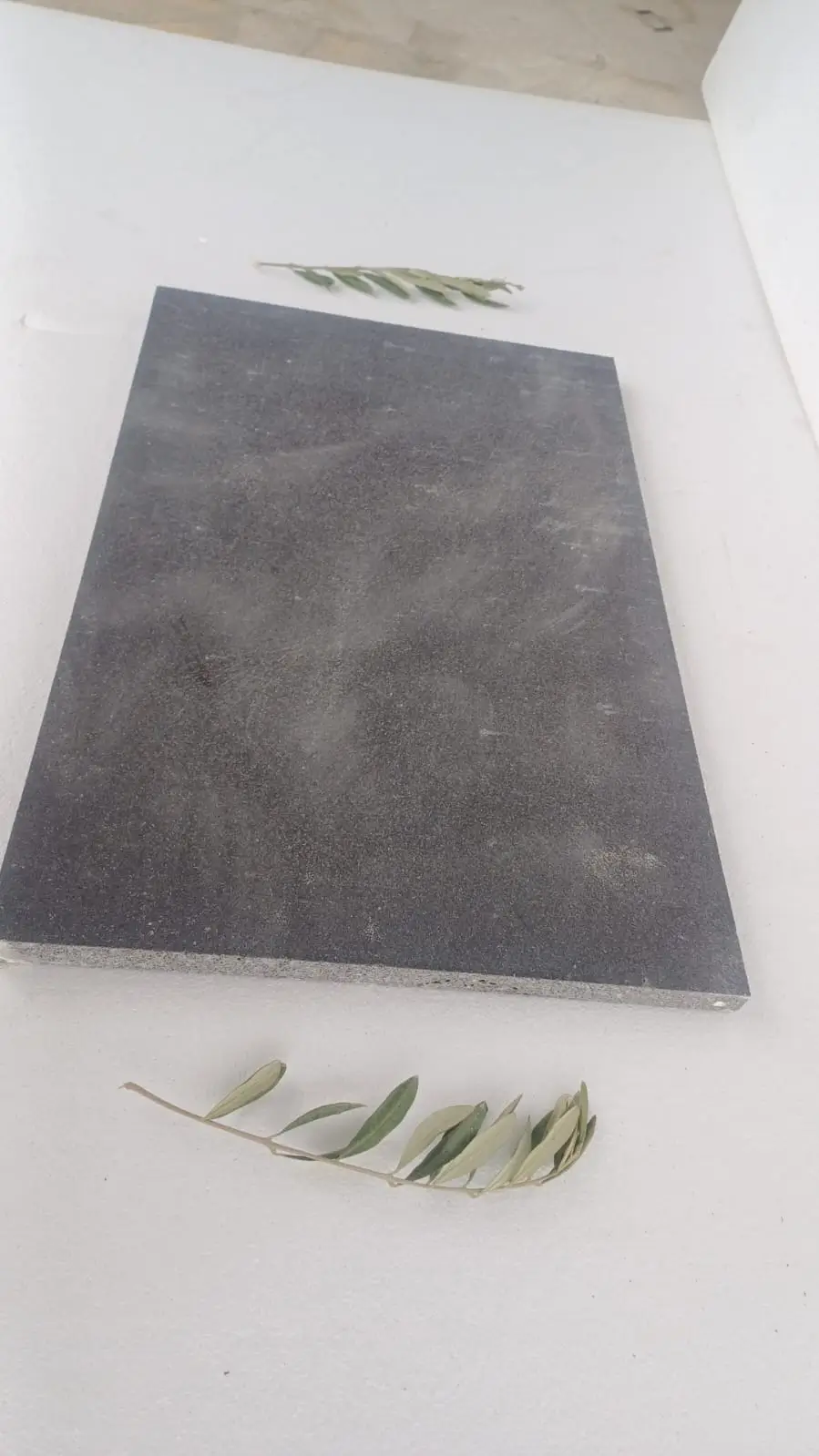
Your sealer specification starts with accurate porosity assessment of the masonry substrate. Stone porosity ranges from 0.5% in dense granite to 25% in certain volcanic stones—a range that demands different sealer approaches. You can’t apply the same Arizona stone yard sealer products to travertine and basalt and expect comparable performance.
Open porosity versus closed porosity affects water absorption and sealer uptake differently. Materials with interconnected pore networks—like Indiana limestone—absorb sealers readily and benefit from penetrating treatments. Your closed-porosity materials like certain granites resist sealer penetration, making topical treatments the only viable option despite their shorter service life in Arizona conditions.
When you evaluate masonry sealers stone yard Arizona candidates, you should conduct absorption testing before specification. The water drop test provides quick field assessment: place a water droplet on the stone surface and time absorption. If the stone darkens within 5-10 seconds, you’re working with high porosity requiring aggressive sealer application. Absorption times exceeding 60 seconds indicate low porosity where sealer coverage rates increase and penetration decreases.
Thermal Cycling and Sealer Durability
Arizona’s extreme thermal cycling creates unique failure modes you won’t encounter in moderate climates. Surface temperatures on south-facing stone walls reach 165-175°F during summer afternoons, then drop to 85-95°F overnight. You need to account for this 70-80°F daily swing when you specify stone yard masonry protection Arizona systems.
Coefficient of thermal expansion mismatches between stone substrates and sealer films cause delamination and failure. Most stones expand at 4-6 × 10⁻⁶ per °F, while acrylic sealers expand at 30-50 × 10⁻⁶ per °F—a five- to tenfold difference that creates shear stress at the interface. Your penetrating sealers avoid this issue entirely by residing within the stone structure rather than forming discrete surface layers.
- You’ll see topical sealer failure begin at south and west exposures within 18 months in Phoenix-area applications
- Penetrating treatments maintain effectiveness for 5-8 years on vertical surfaces with proper initial application
- Your horizontal surfaces require resealing every 3-4 years due to increased UV exposure and foot traffic
- Warehouse stock of masonry sealers stone yard Arizona products should be stored below 85°F to prevent premature polymerization
Thermal shock during monsoon season accelerates sealer degradation. When 95°F afternoon stone surfaces receive sudden rain cooling, temperature drops of 40-50°F occur in minutes. You should specify sealers with glass transition temperatures below -20°F to maintain flexibility through these shock events.
UV Resistance and Polymer Degradation
Arizona’s intense UV radiation—particularly in the 290-400nm range—breaks polymer bonds in sealer chemistry over time. You need to understand that UV degradation isn’t just aesthetic yellowing; it’s chemical breakdown that eliminates water repellency and stain protection. Phoenix receives approximately 300 clear-sky days annually with UV index readings of 8-11+, creating accelerated aging conditions.
Siloxane and silane chemistry demonstrates superior UV stability compared to acrylic, epoxy, or urethane alternatives. The silicon-oxygen bonds in silicone-based sealers resist photodegradation effectively, which is why you’ll achieve 2-3× longer service life with these chemistries in Arizona applications. Your acrylic-based masonry stone care Arizona yards products begin showing degradation within 12-18 months under full sun exposure.
UV stabilizer additives in sealer formulations extend service life but add cost. You should evaluate whether UV-stabilized products justify their 30-40% price premium. For high-visibility applications where resealing disrupts operations—retail facades, hotel entries, public plazas—the extended service interval makes premium products cost-effective.
Moisture Vapor Transmission Considerations
You need to maintain adequate moisture vapor transmission through sealed masonry assemblies to prevent subsurface moisture accumulation. Arizona’s low relative humidity—often 10-15% during summer—creates strong vapor drive from interior conditioned spaces toward exterior surfaces. Your sealer must allow this vapor to escape while blocking liquid water intrusion.
Breathability ratings for brick sealer stone yard products use permeance measurements in perms (grains per hour per square foot per inch of mercury). You should specify sealers with permeance ratings above 10 perms for most Arizona applications. Lower permeance creates moisture entrapment that leads to efflorescence, subflorescence, and freeze-thaw damage in high-elevation locations.
- Siloxane penetrating sealers typically maintain 40-60 perms after application
- Your acrylic topical coatings reduce vapor transmission to 2-8 perms depending on film thickness
- You’ll encounter efflorescence problems when vapor transmission drops below 5 perms in assemblies with moisture sources
- Testing protocols require minimum 30-day cure before permeance measurement for accurate results
Substrate moisture content at time of application critically affects sealer performance. You must verify moisture levels below 4% using calcium chloride tests or impedance meters before applying masonry sealers stone yard Arizona products. Higher moisture contents prevent adequate penetration and can trap water within the assembly.
Application Temperature Windows and Timing
Arizona’s temperature extremes create narrow application windows for optimal sealer performance. You can’t simply schedule sealing work during standard business hours—substrate temperature, ambient temperature, and relative humidity all affect cure rates and penetration depth. Your application specifications need to address these parameters explicitly.
Most sealer manufacturers specify application temperature ranges of 40-90°F, but substrate temperature often exceeds air temperature by 30-40°F on sunny days. You’ll encounter stone surfaces at 120-130°F by 10 AM during summer months—well outside acceptable application windows. Your crews need to work early morning or evening hours, or you need to schedule applications during October through April.
Solvent flash-off rates accelerate dramatically at elevated temperatures. When you apply solvent-based sealers to 100°F+ stone surfaces, carrier solvents evaporate before the active ingredients penetrate adequately. This creates surface accumulation rather than depth penetration, reducing effectiveness by 60-70%. You should schedule applications when stone surface temperature remains below 85°F for at least 4 hours post-application.
Efflorescence Prevention and Management
Efflorescence—the white crystalline deposit that appears on masonry surfaces—results from water-soluble salts migrating to the surface and precipitating. Arizona’s alkaline soils and groundwater with total dissolved solids often exceeding 500 ppm create significant efflorescence risk. Your sealer strategy must address this issue proactively rather than reactively.
Penetrating sealers reduce but don’t eliminate efflorescence because they allow vapor transmission. The vapor carries dissolved salts to the surface where precipitation occurs. You need to understand that efflorescence control requires addressing the moisture source, not just sealing the surface. Your specification should include subsurface drainage, capillary breaks, and vapor retarders behind masonry assemblies.
- You should specify pre-cleaning protocols to remove existing efflorescence before sealer application
- Your acidic cleaning solutions must be neutralized completely or they’ll react with alkaline sealers
- You’ll achieve better efflorescence control with fluoropolymer treatments than standard siloxanes in high-salt environments
- Reapplication schedules should account for efflorescence patterns—areas showing deposits need more frequent treatment
Subflorescence causes more damage than surface efflorescence because salt crystallization occurs within the stone pore structure, creating internal stress. When you see surface spalling or granular disintegration, subsurface salt damage is the likely cause. Your sealer won’t prevent this—only moisture control at the source addresses subflorescence effectively.
Stain Resistance Performance Factors
Different stone types exhibit varying stain susceptibility based on their mineralogy and porosity. You need to match Arizona stone yard sealer products to the specific staining risks in each application. Limestone’s calcium carbonate composition makes it vulnerable to acid etching—coffee, wine, citrus—while granite’s silicate structure resists acids but absorbs oils.
Oil-based stains require different sealer chemistry than water-based stains. Standard siloxane treatments provide excellent water repellency but limited oil resistance. You should specify oleophobic fluoropolymer sealers for kitchen applications, food service areas, and anywhere oil exposure occurs. These specialized treatments cost 3-4× more than standard sealers but prevent staining that restoration can’t reverse.
Stain resistance testing protocols help you verify sealer performance before full-scale application. ASTM C1378 provides standardized test methods for water and oil repellency. You’ll want to conduct project-specific testing using the actual stone and sealer combinations specified, exposed to the staining agents expected in service. Lab testing should include accelerated UV aging to simulate Arizona’s intense sun exposure.
Resealing Intervals and Maintenance Planning
Your initial sealer application isn’t permanent—all treatments require periodic renewal based on exposure conditions and traffic patterns. Arizona’s harsh environment accelerates degradation compared to manufacturer claims based on moderate climates. You need to establish realistic maintenance schedules that account for local conditions.
Vertical surfaces in shaded locations maintain sealer effectiveness for 6-8 years with quality penetrating treatments. Your sun-exposed walls require resealing every 4-5 years. Horizontal surfaces—patios, pool decks, walkways—need attention every 2-3 years due to increased UV exposure, moisture contact, and abrasion from foot traffic and furniture.
Water absorption testing provides objective criteria for resealing decisions. When you observe water absorption times dropping below 30 seconds (the stone darkens quickly when wetted), protection has degraded sufficiently to warrant reapplication. This empirical approach prevents both premature resealing—which wastes money—and delayed treatment that allows staining and damage.
- You should document initial water absorption times post-sealing as baseline for future comparison
- Your maintenance specifications need to include surface preparation requirements before resealing
- You’ll find that traffic patterns create uneven wear requiring selective resealing rather than complete reapplication
- Truck delivery schedules for maintenance supplies should account for 7-10 day lead times during peak construction season
Slip Resistance and Safety Considerations
Sealer application affects surface slip resistance—a critical safety consideration for pool decks, entries, and commercial walkways. You need to verify that your sealed masonry maintains minimum DCOF (Dynamic Coefficient of Friction) values required by ADA standards and local building codes. Arizona stone yard masonry protection Arizona systems must balance water repellency with adequate traction.
Penetrating sealers generally maintain the original surface texture and slip resistance of unsealed stone. Your topical coatings create surface films that reduce friction, particularly when wet. High-gloss topical treatments can reduce DCOF values by 0.15-0.25 points—enough to fail code requirements that typically specify 0.42 minimum for level surfaces.
Anti-slip additives—fine aggregate particles or texturizing agents—can be incorporated into topical sealers to enhance traction. You’ll need to balance slip resistance improvements against aesthetic considerations and cleaning difficulty. Textured coatings trap dirt and organic matter more readily than smooth surfaces, increasing maintenance requirements.
Cost Analysis and Specification Decisions
Material costs for masonry sealers stone yard Arizona applications range from $0.15 per square foot for basic silanes to $0.85+ per square foot for premium fluoropolymer treatments. You need to evaluate total cost of ownership—initial application plus resealing intervals—rather than just first-cost when you make specification decisions.
Labor typically exceeds material cost by 2-3× for professional sealer application. Your total installed cost ranges from $0.60-$2.50 per square foot depending on surface preparation requirements, application method, and accessibility. Vertical surfaces cost 30-40% more than horizontal due to slower application rates and specialized equipment needs.
Coverage rates vary significantly based on stone porosity and surface texture. Manufacturers cite 200-400 square feet per gallon, but you’ll achieve 100-200 square feet per gallon on porous flagstone and split-face stone. Your cost estimates must account for actual field coverage, not optimistic manufacturer claims. You should order 25-30% additional material beyond calculated quantities to avoid shortages.
- You’ll find that two-coat applications provide 50-70% longer service life than single coats despite doubling material cost
- Your dense stones require less sealer volume but may need premium chemistry for adequate protection
- You should factor warehouse storage costs if project delays occur after material purchase
- Bulk purchasing for large projects typically provides 15-20% cost savings versus retail quantities
Application Methods and Equipment Requirements
Low-pressure spraying provides the most efficient application method for large-scale masonry sealing projects. You’ll achieve uniform coverage and acceptable production rates—800-1200 square feet per hour—with pump sprayers or airless equipment. Your spray application requires 50% overspray allowance and wind speed limitations below 10 mph to prevent waste and drift.
Roller application works effectively for smooth surfaces and areas where overspray creates problems. You’ll see production rates drop to 300-500 square feet per hour, but material waste decreases to 10-15%. Your textured and irregular surfaces—split-face stone, heavily jointed masonry—require brush application for adequate coverage into recesses and joints.
Saturation techniques—flooding the surface until the stone stops absorbing—ensure maximum penetration for porous substrates. When you apply masonry stone care Arizona yards products to high-porosity materials, you need to maintain wet contact for 5-10 minutes, reapplying as the sealer absorbs. This method uses 2-3× more material but provides superior protection for vulnerable stones.
Bluestone Stone Yard in Arizona: Citadel Stone Specifications Across Climate Zones
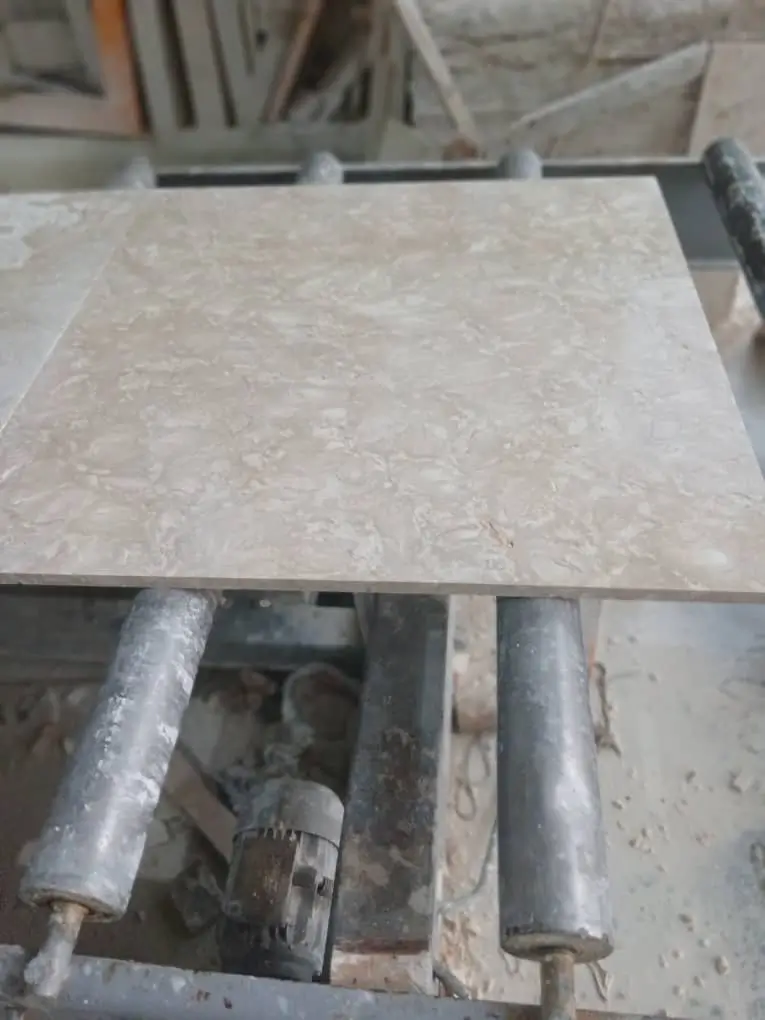
When you evaluate bluestone stone yard in Arizona options from Citadel Stone, you’re considering dense, durable materials that perform exceptionally well in extreme desert conditions. At Citadel Stone, we provide technical guidance for sealer specification across Arizona’s diverse climate zones—from low-desert heat to high-elevation freeze-thaw environments. This section outlines how you would approach masonry protection decisions for six representative Arizona cities, demonstrating the regional variations you need to address.
Arizona’s 113,000 square mile geography creates climate diversity ranging from Sonoran Desert low zones receiving 3 inches of annual precipitation to mountain communities experiencing 100+ inches of snowfall. Your sealer specifications must account for these dramatic differences. The bluestone materials in Citadel Stone’s inventory demonstrate porosity characteristics that respond well to penetrating sealer treatments when you match chemistry to local conditions.
Phoenix Sealer Protocol
In Phoenix applications, you would specify UV-stabilized siloxane sealers with thermal stability to 180°F for bluestone installations. The city’s 300+ annual sunshine days and summer surface temperatures reaching 170°F demand premium chemistry. Your application timing would be restricted to October through April when substrate temperatures remain below 85°F for adequate penetration. You’d recommend two-coat applications with 4-6 hour flash-off between coats to achieve 6-8 year service intervals on vertical surfaces. Horizontal applications would require resealing every 3-4 years due to intense UV exposure and thermal cycling that exceeds 60°F daily during summer months.
Tucson Climate Considerations
Tucson’s slightly higher elevation at 2,600 feet creates marginally lower summer temperatures but similar UV intensity to Phoenix. You would specify comparable siloxane chemistry with emphasis on monsoon moisture protection. The city’s bimodal precipitation pattern—winter rains and summer monsoons—requires sealers that maintain breathability above 40 perms to allow vapor transmission. Your specification would include pre-treatment moisture testing to verify substrate moisture below 4%. You’d schedule applications during March-April or October-November windows when relative humidity remains between 15-35% for optimal cure conditions and warehouse deliveries face minimal weather delays.
Scottsdale Premium Applications
For Scottsdale’s high-end residential and resort applications, you would specify fluoropolymer-enhanced sealers that provide superior stain resistance for pool decks and outdoor kitchens. The city’s luxury market justifies premium sealer chemistry costing $0.65-$0.85 per square foot. Your specifications would address oleophobic protection for areas with food service and entertainment use. You’d recommend quarterly maintenance inspections and water absorption testing to identify areas requiring spot resealing before general degradation occurs. Application methods would emphasize aesthetic considerations—low-gloss finishes that enhance natural stone appearance while providing protection equivalent to higher-sheen alternatives.
Flagstaff Freeze-Thaw Specifications
Flagstaff’s 7,000-foot elevation creates Arizona’s only significant freeze-thaw environment with 150-180 annual freeze-thaw cycles. You would specify sealers with freeze-thaw durability verified by ASTM C1262 testing showing minimal mass loss after 100 cycles. Your bluestone applications would require sealers maintaining flexibility to -30°F to accommodate thermal contraction. You’d emphasize critical importance of fall application timing—September through early October—to ensure complete cure before first freeze events. Spring applications would be delayed until substrate moisture from snowmelt drops below 4%, typically late May or June. The specification would include de-icing chemical compatibility since calcium chloride and magnesium chloride exposure occurs throughout winter months.
Sedona Red Rock Integration
In Sedona applications where bluestone integrates with native red rock landscapes, you would specify sealers that maintain natural stone color without darkening or artificial enhancement. The 4,500-foot elevation creates moderate temperature conditions—less extreme than Phoenix but warmer than Flagstaff. Your sealer chemistry would balance UV protection for intense high-altitude sunlight with breathability for the area’s red clay soils that retain moisture longer than sandy desert soils. You’d recommend natural-finish penetrating sealers that preserve the stone’s original appearance while providing water and stain protection. Application timing would avoid summer monsoon season when afternoon thunderstorms disrupt work schedules and create humidity spikes that affect cure rates.
Yuma Extreme Heat Protocols
Yuma’s distinction as the sunniest city on Earth—receiving 90% of possible sunshine hours annually—creates the most demanding sealer environment in Arizona. You would specify military-grade UV-stabilized formulations with verified performance in 180°F+ surface temperature conditions. Your application windows would be severely restricted—November through February only—when stone surface temperatures remain manageable. You’d emphasize critical importance of early morning applications beginning at sunrise when surfaces are coolest. The specification would include mandatory substrate temperature monitoring with infrared thermometers and work cessation protocols if temperatures exceed 85°F. Resealing intervals would be shortened to 3-4 years for vertical surfaces and 2-3 years for horizontal installations due to accelerated UV degradation from extreme solar exposure exceeding 4,000 hours annually at UV index 10+.
Environmental and Regulatory Considerations
VOC (Volatile Organic Compound) regulations affect sealer selection for Arizona projects. You need to verify that your specified products comply with EPA and local air quality district regulations. Maricopa County and Pima County—covering Phoenix and Tucson metropolitan areas—enforce VOC limits of 100-350 g/L depending on product category and application type.
Water-based sealer formulations eliminate VOC concerns but create application challenges in low-humidity Arizona conditions. Your water-based products may dry too quickly during summer months, preventing adequate penetration. You’ll need to manage application timing carefully or specify compliant solvent-based formulations that maintain workability in hot, dry conditions.
- You should verify sealer VOC content through product technical data sheets before specification
- Your large commercial projects may require air quality permits for high-VOC product application
- You’ll find that VOC-compliant products sometimes sacrifice performance compared to legacy formulations
- Green building certifications like LEED require low-VOC products for points contribution
Runoff and drainage considerations matter when you apply sealers near sensitive environmental areas. Arizona’s monsoon rains create flash runoff conditions where sealer residues can enter storm drains and natural waterways. Your application specifications should include containment and cleanup protocols, particularly for projects near washes, streams, or protected desert habitats. For comprehensive evaluation of sustainable practices and compliance requirements, review Environmental certifications for stone suppliers in Arizona construction before you finalize your project specifications. Boulder accent placements utilize Citadel Stone, the largest river stone yard in Arizona specimen collection.