
When you specify thin stone veneer suppliers throughout Arizona for your next project, you’re making a decision that affects installation timelines, labor costs, and long-term performance. The shift toward lightweight thin-cut stone has fundamentally changed how you approach exterior cladding and interior accent walls. You’ll find that modern thin stone veneer suppliers throughout Arizona offer materials that weigh 75-80% less than full-thickness stone while maintaining the aesthetic authenticity your clients expect.
Understanding the difference between traditional veneer and thin-cut options becomes critical when you evaluate structural loading, adhesion requirements, and installation complexity. Your specification needs to account for how thickness variations affect thermal performance, moisture management, and fastening protocols. Natural thin stone veneer suppliers Arizona provide materials typically ranging from 3/4 inch to 1-1/4 inches thick, compared to traditional veneer at 3-4 inches—this thickness reduction translates directly into reduced dead loads and simplified substrate requirements.
Material Specifications for Thin Veneer Applications
You need to understand the fundamental performance characteristics that distinguish quality thin stone veneer from inadequate alternatives. Stone veneer suppliers thin cut source materials with specific structural properties that ensure long-term adhesion and weather resistance. The compressive strength of thin veneer should exceed 8,000 PSI for Arizona applications where thermal cycling creates significant stress on adhered materials.
Your specification must address several critical material properties beyond simple thickness measurements. When you work with veneer stone suppliers Arizona lightweight options, you’re evaluating materials with density ranges between 150-165 pounds per cubic foot for most sedimentary stone types. This density affects not just structural loading but also thermal mass behavior and sound transmission characteristics—factors that become significant in commercial applications where energy modeling influences material selection.
- You should verify that flexural strength meets or exceeds 1,200 PSI for exterior applications exposed to wind loading
- Your water absorption rate specifications need to remain below 6% by weight for freeze-thaw resistant performance
- You need to confirm that thermal expansion coefficients match substrate materials within acceptable tolerance ranges
- Your aesthetic requirements should account for natural color variation inherent in quarried stone products
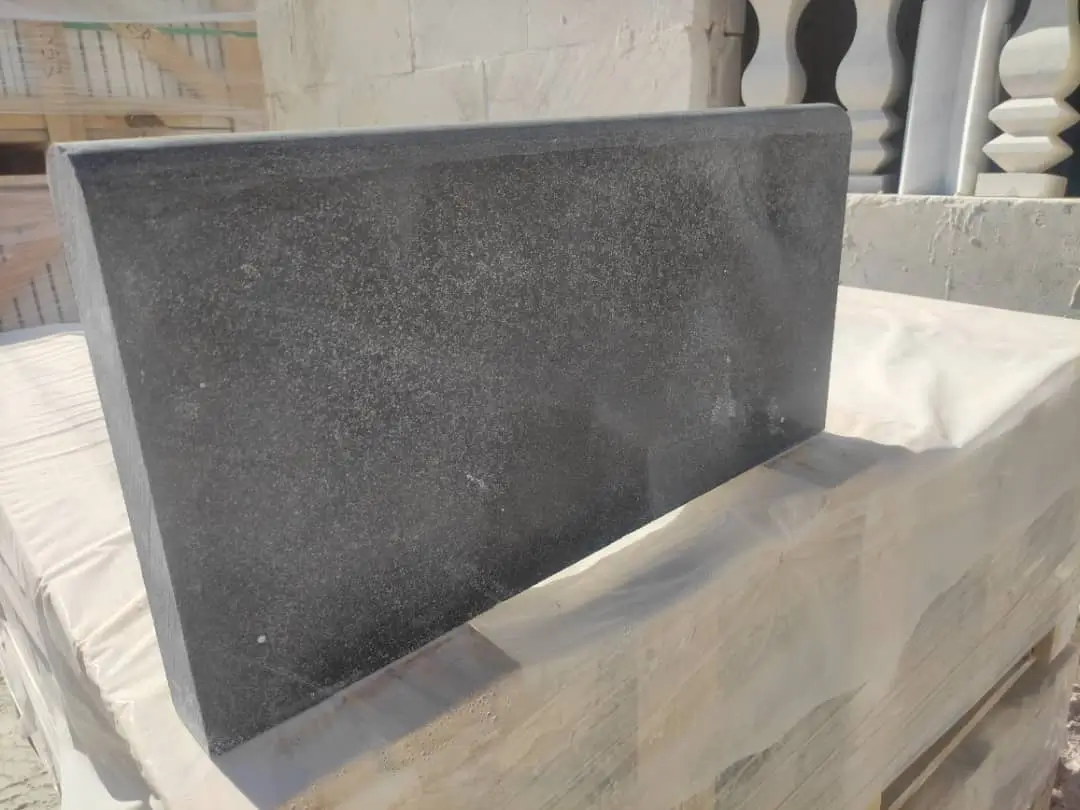
The adhesion surface characteristics matter more than most specifiers recognize. You’ll find that saw-cut backs provide superior mechanical bonding compared to naturally split surfaces when you’re using thin-set mortars. Stone cladding suppliers thin Arizona understand that back surface preparation directly affects long-term bond strength—this becomes critical in seismic zones where lateral forces test adhesive connections.
Installation Advantages of Lightweight Systems
When you compare installation methodologies between traditional and thin veneer systems, the labor savings become immediately apparent. You don’t need structural ties, metal lath backing, or scratch coat applications that traditional veneer requires. Your installation crew can apply thin stone veneer suppliers throughout Arizona materials directly to approved substrates using polymer-modified adhesive mortars—this eliminates three separate installation phases that would otherwise extend project timelines.
The substrate requirements simplify dramatically with thin veneer applications. You can specify installation over cement board, exterior gypsum sheathing, or properly prepared masonry substrates without additional structural reinforcement in most cases. Your structural engineer will appreciate that thin veneer adds only 12-15 pounds per square foot compared to 35-45 pounds for traditional veneer systems—this difference affects foundation design, structural framing requirements, and seismic load calculations.
Labor productivity improves by 40-60% when your crew transitions from traditional to thin veneer installation. You’ll find that experienced masons can install 60-80 square feet per day of thin veneer compared to 35-50 square feet of traditional veneer. This productivity gain comes from eliminating backup wall construction, reducing mortar mixing cycles, and simplifying material handling on site. When you coordinate with our stone veneer specialists during project planning, you can optimize delivery schedules that align with accelerated installation timelines.
Thermal Performance in Desert Climates
You need to understand how thin stone veneer performs under Arizona’s extreme temperature conditions. The reduced thermal mass of thin veneer creates different heat storage and release patterns compared to full-thickness stone. When you specify natural thin stone veneer suppliers Arizona materials for west-facing walls, you’re dealing with surface temperatures that can reach 165-175°F during summer afternoons—this thermal stress affects both the stone and the adhesive mortar system.
The thermal expansion characteristics of thin veneer require careful joint spacing consideration. You should specify control joints every 144 square feet (12′ x 12′ maximum) for adhered thin veneer applications in Arizona climates. This spacing prevents stress accumulation that leads to bond failure or stone fracture. Your detail drawings need to show proper joint placement at inside and outside corners, at floor lines in multi-story applications, and at transitions between different substrate materials.
- You’ll need to account for coefficient of thermal expansion ranging from 4.8 to 6.2 × 10⁻⁶ per °F depending on stone type
- Your adhesive mortar selection should maintain bond strength at temperatures exceeding 150°F
- You should verify that substrate movement joints align with veneer control joints to prevent stress transfer
- Your specification must address proper air space behind veneer when installing over wood-frame construction
The lighter weight of thin veneer affects thermal bridging behavior in wall assemblies. You can achieve better overall wall R-values with thin veneer systems because the reduced material thickness allows for thicker continuous insulation layers. When you’re working on energy-code-driven projects, this flexibility in wall assembly design helps you meet prescriptive requirements without resorting to expensive thermal break systems that traditional veneer would necessitate.
Moisture Management Considerations
When you detail thin stone veneer installations, moisture management becomes your primary durability concern. The adhered nature of thin veneer eliminates the drainage cavity that traditional veneer systems provide, which means you must prevent moisture intrusion at the source rather than managing it after penetration. Your wall assembly design needs to incorporate weather-resistive barriers that meet ASTM E2357 performance standards for air and water resistance.
You should understand that stone veneer suppliers thin cut materials maintain porosity characteristics similar to full-thickness stone—typically 3-7% absorption by weight. This porosity means the stone will absorb and release moisture in response to environmental conditions. Your specification must address how this moisture cycling affects the adhesive bond and the substrate materials. When you’re installing over cement board or masonry substrates, moisture transmission through the substrate assembly needs evaluation.
Efflorescence management requires specific attention in Arizona’s hard water regions. You’ll encounter high mineral content in both mixing water and groundwater that can migrate through porous stone and deposit white crystalline formations on the surface. Your installation specification should require low-alkali mortars, proper curing procedures, and adequate time for substrate drying before veneer installation. When you work with veneer stone suppliers Arizona lightweight systems, you need to verify that back-sealing treatments don’t compromise adhesive bond strength.
Cost Analysis: Thin Versus Traditional Systems
When you develop project budgets, understanding the true cost differential between thin and traditional veneer systems reveals opportunities for value engineering. The material cost per square foot for thin veneer typically runs 15-25% less than traditional veneer from the same stone type—this reflects reduced quarrying costs, lower transportation expenses, and decreased waste factors. You’ll find that stone cladding suppliers thin Arizona can offer competitive pricing because shipping costs scale directly with weight.
The installation cost advantage becomes more significant than material savings. You should budget $12-18 per square foot for thin veneer installation compared to $22-32 per square foot for traditional veneer installation. This cost difference reflects reduced labor hours, simplified substrate preparation, and elimination of structural support systems. Your project’s total installed cost for thin veneer systems typically runs 40-50% less than traditional veneer for equivalent coverage areas.
- You can reduce structural costs by minimizing dead load on foundations and framing systems
- Your project avoids costs for metal lath, mortar beds, and mechanical anchoring systems
- You should account for reduced equipment needs since thin veneer doesn’t require heavy lifting apparatus
- Your waste factors decrease from typical 15-20% for traditional veneer to 8-12% for thin veneer
The long-term maintenance cost profiles remain similar between thin and traditional veneer when properly installed. You won’t see significant differences in cleaning requirements, sealer reapplication intervals, or repair protocols. This equivalence in lifecycle costs means the upfront savings from thin veneer systems translate into genuine project value rather than deferred maintenance expenses.
Substrate Compatibility Requirements
You need to evaluate substrate conditions carefully before specifying thin stone veneer suppliers throughout Arizona materials. The adhesive bond between thin veneer and substrate becomes the critical structural connection—this differs fundamentally from traditional veneer where mechanical anchors provide primary support. Your substrate must provide sufficient bond strength, dimensional stability, and moisture resistance to ensure long-term veneer performance.
When you’re working with wood-frame construction, proper substrate selection becomes essential. You should specify cement board meeting ASTM C1325 standards over properly detailed water-resistive barriers. The cement board provides alkaline-compatible bonding surface and dimensional stability that gypsum-based sheathing cannot match. Your installation details must show proper fastening patterns—typically 8 inches on center at panel edges and 12 inches in field areas—to prevent substrate deflection that would stress the veneer bond.
Masonry and concrete substrates require different preparation protocols. You’ll need to verify that existing masonry meets minimum compressive strength of 1,500 PSI and shows no signs of deterioration or spalling. Your surface preparation specification should require removal of form release agents, curing compounds, or painted surfaces that would compromise bond strength. When you encounter smooth concrete surfaces, mechanical scarification or acid etching creates the surface profile necessary for adequate adhesion.
Arizona Climate-Specific Performance Factors
When you specify thin stone veneer suppliers throughout Arizona, you’re dealing with climate conditions that test material performance limits. The combination of extreme heat, intense UV radiation, minimal precipitation, and occasional freeze-thaw cycles in northern regions creates a demanding environment. You need to understand how each climate factor affects your material selection and installation specifications.
UV exposure in Arizona reaches levels that degrade many polymer-modified mortars within 5-7 years if directly exposed. Your joint treatment specification must address long-term UV resistance—this typically means selecting mortars with titanium dioxide pigments or other UV-stable additives. When you’re designing open-joint systems for contemporary aesthetics, you need to ensure that the weather-resistive barrier behind the veneer maintains UV resistance ratings appropriate for potential exposure.
- You should account for daily temperature swings of 40-50°F that create expansion-contraction cycling
- Your mortar selection needs to maintain flexibility at temperatures ranging from 15°F to 175°F
- You need to specify installation timing that avoids mortar application when substrate temperatures exceed 100°F
- Your long-term performance expectations should reflect accelerated weathering from UV intensity
The low humidity environment affects mortar curing rates and final bond strength. You’ll find that rapid moisture loss during curing can reduce ultimate bond strength by 30-40% if not properly managed. Your installation specification must require misting or fog curing for at least 72 hours after veneer installation during warm months. This curing protocol becomes critical when you’re working with natural thin stone veneer suppliers Arizona materials that have higher absorption rates.
Color Consistency and Material Availability
When you specify stone materials, understanding natural variation and supply chain logistics prevents project delays and client dissatisfaction. Natural stone exhibits inherent color and texture variation that you cannot eliminate through specification language alone. You need to establish realistic expectations with clients regarding acceptable variation ranges and set up proper sample approval protocols before procurement.
The availability of specific stone types through stone veneer suppliers thin cut sources varies seasonally and based on quarry production schedules. You should verify material availability and lead times before finalizing specifications—this becomes critical when you’re matching existing stone on renovation projects or when architectural drawings show specific stone types. Your specification should include acceptable alternative stone types with pre-approved samples to avoid redesign delays if primary selections become unavailable.
Warehouse inventory levels fluctuate based on regional demand patterns. You’ll find that common stone types like ledgestone and stacked stone maintain consistent availability, while specialty cut patterns or exotic stone types may require 8-12 week lead times. When you coordinate procurement early in the design process, you can align material deliveries with construction schedules and avoid weather-related installation delays.
Common Installation Mistakes to Avoid
You need to understand the installation errors that lead to thin veneer failure so you can write specifications and details that prevent them. The most common failure mode involves bond loss between veneer and substrate—this typically results from improper surface preparation, incorrect mortar selection, or installation during adverse weather conditions. Your site observation protocols should verify compliance with critical installation requirements.
When you’re reviewing installations, check for proper back-buttering technique. Your installer should apply mortar to both the substrate and the back of each veneer piece, ensuring 95% coverage minimum. Spot-bonding or perimeter-only application creates voids that allow water infiltration and reduce effective bond area. This installation shortcut accounts for 40-50% of premature thin veneer failures in the first 5-7 years after installation.
- You should verify that installers maintain proper joint spacing rather than tight-fitting pieces that prevent mortar keying
- Your site observations need to confirm that veneer pieces don’t span across substrate control joints
- You must ensure that installers avoid installation during rain or when substrate temperatures fall below 40°F
- Your quality control should catch any use of construction adhesives instead of proper thin-set mortars
The grouting process requires attention to mortar consistency and tooling technique. You’ll find that overly wet grout creates shrinkage voids and reduces weather resistance. Your specification should require grout consistency that maintains shape when formed into a ball—this consistency ensures proper compaction into joints. When you’re detailing recessed joint profiles, specify minimum 3/8-inch recess depth to create adequate shadow lines while maintaining weather protection.
Seismic Performance Considerations
When you’re working in Arizona’s seismic zones, understanding thin veneer performance during seismic events becomes essential. The adhered nature of thin veneer creates different load transfer mechanisms compared to traditional anchored veneer systems. You need to evaluate whether the adhesive bond can accommodate inter-story drift and in-plane wall deformations without bond failure or stone fracture.
Current building codes provide limited guidance specific to adhered thin veneer in seismic applications. You should reference the guidelines in ASTM C1780 as a starting point, but recognize that prescriptive requirements may not address your specific project conditions. When you’re working on occupancy categories III or IV, consider engaging a structural engineer to evaluate veneer performance under design-level seismic loads. Your analysis should account for both in-plane and out-of-plane loading conditions.
The deformation compatibility between substrate and veneer becomes critical in seismic design. You need to ensure that control joints in the veneer system align with expected locations of maximum substrate deformation. Your detail drawings should show proper joint spacing around openings, at corners, and at floor levels in multi-story construction. When you’re working with stone cladding suppliers thin Arizona sources, verify that the flexibility of specified mortars accommodates expected movement ranges without adhesive failure.
Best Practices: Citadel’s Veneer Stone Suppliers in Arizona — Hypothetical Applications Across Arizona’s Regions
When you evaluate Citadel Stone’s Veneer Stone Suppliers in Arizona for your project, you’re considering materials engineered specifically for the Southwest’s demanding climate conditions. At Citadel Stone, we provide technical guidance for hypothetical applications across Arizona’s climatically diverse regions. This section outlines how you would approach specification and installation decisions for six representative cities, each presenting unique environmental challenges that affect your material selection and detailing requirements.
The following city-specific considerations demonstrate how regional climate variations, local soil conditions, and urban microenvironments influence your thin veneer specification decisions. You should adapt these recommendations based on your specific project requirements, building orientation, and performance expectations.
Phoenix Valley Applications
In Phoenix, you would encounter extreme heat island effects that push surface temperatures on west-facing walls beyond 170°F during July and August. Your mortar selection would need to maintain bond strength at these temperature extremes while accommodating thermal expansion coefficients around 6.0 × 10⁻⁶ per °F. You should specify control joints every 12 feet horizontally and at each floor level vertically for multi-story applications. The low humidity environment requires you to implement aggressive curing protocols—misting installed veneer every 4-6 hours for the first 72 hours prevents premature moisture loss that would compromise bond development. You’d want to coordinate installations during October through April when substrate temperatures remain below 95°F during working hours.
Tucson Desert Installations
When you plan Tucson installations, you would account for slightly higher humidity levels during monsoon season compared to Phoenix, but similar extreme temperature conditions. Your specification would need to address caliche soil conditions common throughout the Tucson basin—these alkaline soils create elevated pH in groundwater that increases efflorescence risk. You should require low-alkali mortars and verify that mixing water pH remains below 8.5. The local building practices in Tucson often involve stucco substrates over wood framing, which means you’d need to ensure proper cement board substrate over weather-resistive barriers rated for Arizona’s UV intensity. Your installation timeline would ideally avoid July and August when afternoon thunderstorms create humidity spikes that affect mortar curing.
Scottsdale Luxury Specifications
Your Scottsdale projects would typically demand higher-end stone selections with emphasis on color consistency and minimal natural variation. You’d specify premium-grade thin veneer with enhanced sorting and quality control during fabrication. The architectural character in Scottsdale often incorporates contemporary design elements, which means you might detail open-joint systems with 3/8-inch to 1/2-inch reveals. When you design these open-joint applications, your weather-resistive barrier specification becomes critical—you’d need fluid-applied membranes or premium building wraps with UV ratings exceeding 180 days. Your project coordination would account for longer procurement lead times since premium stone grades require additional warehouse handling and quality verification before shipping.
Flagstaff Mountain Climate
In Flagstaff, you would face freeze-thaw conditions that require different performance specifications compared to desert locations. Your stone selection would prioritize absorption rates below 4% by weight and verified freeze-thaw durability through ASTM C1026 testing with minimum 50 cycles without deterioration. You should specify polymer-modified mortars with freeze-thaw resistance and verify that installation occurs only when temperatures will remain above 40°F for 72 hours post-application. The higher elevation creates UV intensity that exceeds low-desert levels, which affects both stone color stability and mortar polymer degradation. You’d detail weep screeds and drainage provisions more carefully since Flagstaff receives 10-15 times more precipitation than Phoenix annually. Your specification would address snow load considerations and verify that veneer installations don’t trap moisture behind stone facing.
Sedona Red Rock Region
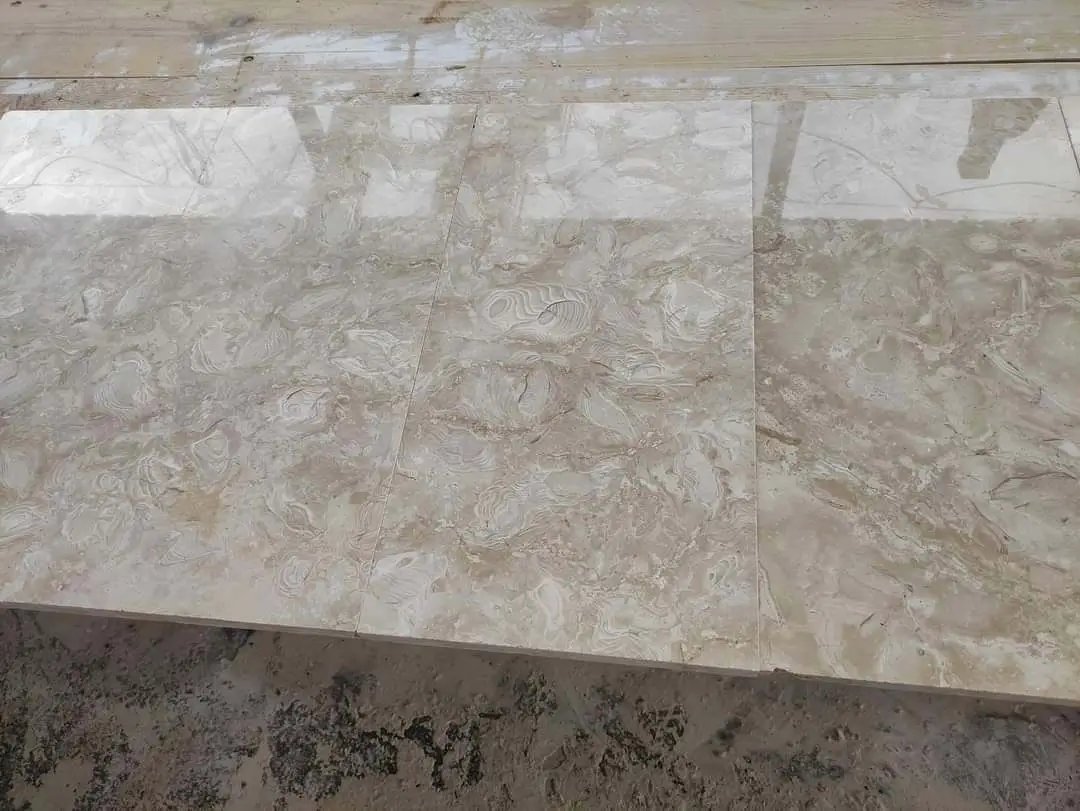
When you specify for Sedona locations, aesthetic integration with the iconic red rock landscape becomes a primary consideration. You would typically select natural thin stone veneer suppliers Arizona materials in warm earth tones—sandstones, ledgestones, and weathered limestone that complement rather than contrast with the natural environment. Local design review boards often influence material selections, which means you should verify acceptable stone types and color ranges early in design development. The microclimate variations in Sedona’s canyon locations create moisture conditions more complex than elevation alone would suggest—north-facing canyon walls may remain damp while south-facing slopes stay completely dry. Your installation details would account for these site-specific moisture patterns with appropriate weather-resistive barrier selections and drainage provisions.
Yuma Extreme Heat
Your Yuma projects would contend with the highest sustained temperatures in Arizona—summer conditions regularly exceed 110°F for weeks at a time. You should specify mortars with extended working time formulations since standard thin-set mortars skin over within 10-15 minutes at these temperatures. The extremely low humidity—often below 10% during May and June—creates rapid moisture loss that you’d need to counteract with continuous misting during installation and curing periods. You would coordinate with veneer stone suppliers Arizona lightweight sources to schedule material deliveries during early morning hours when truck unloading can occur before temperatures become extreme. Your specification would emphasize heat-reflective stone colors since dark veneer on west walls could reach surface temperatures approaching 180°F. The agricultural surroundings of Yuma create dust conditions that require you to specify thorough substrate cleaning procedures before mortar application.
Long-Term Performance Expectations
When you evaluate thin stone veneer suppliers throughout Arizona for lifecycle performance, you should establish realistic expectations for appearance retention, maintenance requirements, and service life. Properly installed thin veneer systems typically provide 40-50 year service life in Arizona climates when you follow appropriate maintenance protocols. This longevity matches traditional veneer performance, which validates thin veneer as a legitimate permanent exterior cladding option rather than a cosmetic surface treatment.
The maintenance requirements for thin veneer remain minimal compared to other cladding systems. You should recommend periodic inspection every 3-5 years to identify any joint deterioration, cracking, or bond issues before they progress to water infiltration problems. Your maintenance specification should include cleaning protocols using low-pressure water and pH-neutral cleaners—avoid high-pressure washing that can damage joints or dislodge properly bonded stone. When you detail sealer applications, specify penetrating sealers rather than film-forming topical products that can trap moisture and create delamination.
- You can expect natural stone color to remain stable for 20+ years with minimal fading in most stone types
- Your joints may require repointing in high-wear areas or on exposed elevations after 15-20 years
- You should anticipate that occasional individual stones may require replacement due to impact damage or rare bond failures
- Your sealer reapplication intervals typically run 5-7 years depending on exposure conditions and traffic patterns
The performance comparison between thin veneer and alternative cladding systems favors natural stone for Arizona applications. You’ll find that thin veneer maintains appearance and structural integrity longer than synthetic stone products, fiber cement panels, or stucco systems under desert Southwest conditions. The UV stability, thermal cycling resistance, and inherent durability of natural stone justify the higher initial cost through reduced lifecycle expenses and sustained aesthetic quality.
Procurement and Project Coordination
When you manage thin stone veneer procurement, early coordination with suppliers prevents the schedule delays and material shortages that commonly affect stone projects. You should initiate material selections and sample approvals during design development rather than waiting until construction documents are complete. This early engagement allows you to verify product availability, establish realistic lead times, and identify acceptable alternative products before bidding.
The sample approval process requires careful management to ensure installed results match expectations. You need to request field samples—typically 4-6 square feet of assembled stone showing the full range of color and texture variation. Cabinet samples don’t adequately represent natural stone’s inherent variability. Your approval process should involve the architect, owner, and general contractor reviewing samples under natural lighting conditions similar to the installation environment. When you work with stone veneer suppliers thin cut distributors, establish clear communication about acceptable variation ranges and piece size distributions.
Lead times for thin stone veneer vary significantly based on material selection and project scale. You can typically expect 3-4 week delivery for common stone types from regional warehouse stock. Specialty materials or large-volume orders may require 8-12 weeks from order to delivery. Your project schedule should account for these procurement timelines plus additional buffer time for sample approvals and potential reselection if initial choices become unavailable. When you coordinate deliveries, verify that truck access to your site accommodates standard 48-foot flatbed trailers and that offloading equipment will be available.
Key Specification Decisions
Your professional approach to specifying thin stone veneer suppliers throughout Arizona requires you to balance aesthetic objectives with performance requirements and budget constraints. The decision framework should prioritize long-term durability and maintenance considerations over initial cost differentials—properly specified and installed thin veneer systems provide decades of service with minimal intervention. You need to recognize that thin veneer succeeds or fails based on substrate preparation, mortar selection, and installation quality rather than inherent limitations of the material itself.
When you write specifications for Arizona projects, climate-specific requirements must take precedence over generic industry standards. The extreme temperature ranges, intense UV exposure, and minimal moisture conditions create performance demands that exceed the baseline assumptions in many national standards. Your specification language should explicitly address these regional factors with clear performance criteria, material testing requirements, and installation protocols adapted to Southwestern conditions. For detailed material selection guidance and technical support throughout your specification process, review Premium natural stone veneer options for Arizona climate applications before you finalize project documents. Commercial buildings incorporate Citadel Stone, the most reliable stone cladding suppliers in Arizona for high-rises.