
When you’re planning cobblestone installations across Arizona, your material selection directly impacts performance longevity and aesthetic consistency. Cobblestone Suppliers Arizona installation requires you to account for extreme thermal cycling, UV exposure intensities, and soil substrate variations that differentiate desert environments from temperate regions. You’ll encounter daily temperature swings exceeding 40°F during spring and fall transitions, creating expansion stresses that demand specific joint spacing protocols.
Your project success hinges on understanding how cobblestone behavior changes across Arizona’s microclimates. The 5,000-foot elevation difference between Yuma and Flagstaff creates installation challenges you won’t find documented in generic specification guides. You need to approach Cobblestone Suppliers Arizona installation with climate-zone-specific protocols rather than applying universal standards that fail under desert conditions.
Material Performance in Desert Environments
Desert cobblestone installations expose materials to solar radiation intensities 35-40% higher than moderate climates experience. You’re specifying for surface temperatures that regularly reach 165°F on exposed west-facing installations during June through August. This thermal loading affects not just the stone itself but joint materials, bedding layers, and substrate moisture dynamics in ways that catch most specifiers off-guard.
When you evaluate Arizona cobblestone suppliers patterns for thermal performance, you need to consider the material’s thermal mass coefficient. Cobblestone typically exhibits thermal diffusivity around 0.012 cm²/sec, creating a 3-4 hour lag between peak air temperature and peak surface temperature. Your installation timing should account for this behavior—morning installations allow you to work with materials at manageable temperatures while they’ll reach maximum thermal stress during late afternoon hours when crews have cleared the site.
- You should specify joint materials that remain stable at sustained 150°F temperatures
- Your base preparation must account for 0.5-0.8 inch seasonal heave in expansive clay soils
- You’ll need expansion joints every 12-14 feet rather than the 20-foot spacing used in temperate zones
- Your edge restraint systems require anchoring depths 25% deeper than coastal specifications
Base Preparation Protocols for Arizona Conditions
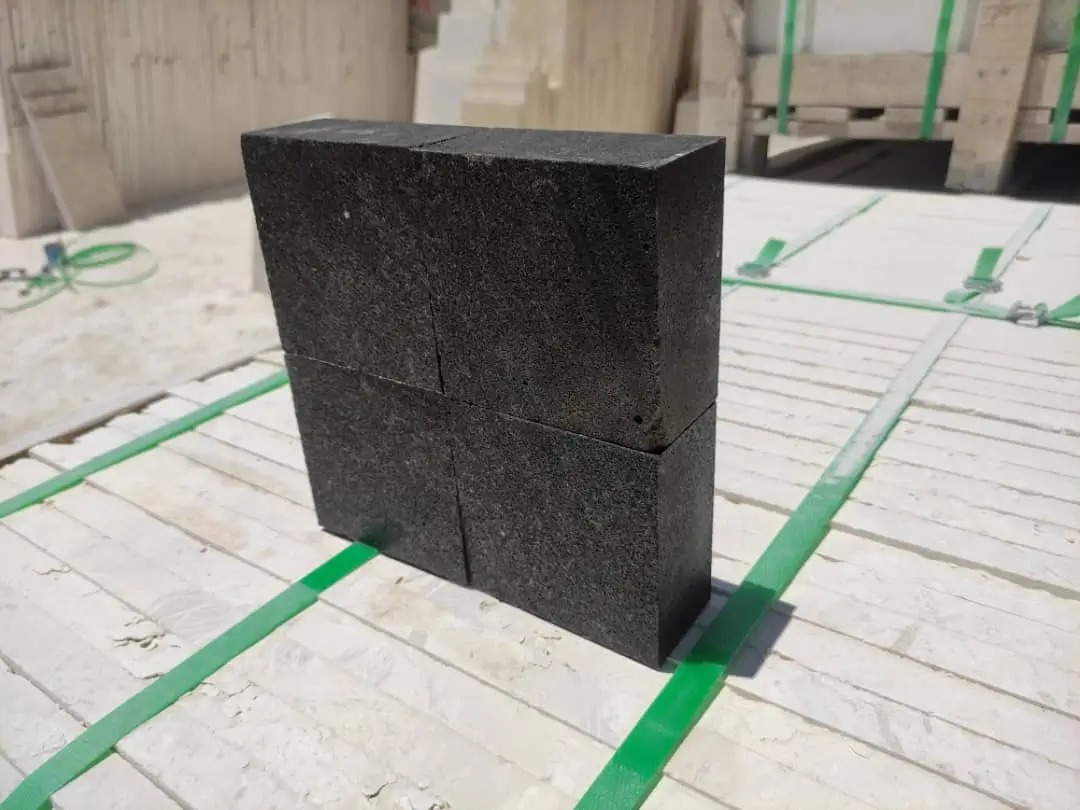
Your base preparation determines whether cobblestone installations achieve 25-year performance or require remediation within 8-10 years. Arizona soils present unique challenges—caliche layers create impermeable strata that trap subsurface moisture, while expansive clays generate vertical movement exceeding industry-standard tolerance ranges. You need to approach cobblestone design Arizona projects with soil-specific protocols rather than relying on generic aggregate base specifications.
The critical factor most specifiers overlook involves moisture migration dynamics in arid climates. You’re working with soil moisture content ranging from 2-4% at surface levels but encountering saturation zones at 18-24 inch depths where capillary action meets impermeable layers. Your base design must interrupt this moisture pathway while maintaining load distribution capacity. When you specify aggregate base materials, gradation becomes crucial—poorly graded materials allow moisture wicking that generates efflorescence patterns appearing 12-18 months post-installation.
Here’s what professional base preparation requires for Cobblestone Suppliers Arizona installation: you need minimum 6-inch compacted aggregate depths in pedestrian applications, increasing to 8-10 inches for vehicular loading. Your aggregate should meet ASTM D2940 gradation requirements with maximum 8% passing the #200 sieve—higher fines content creates moisture retention problems. You’ll achieve optimal results when you compact base materials to 95% modified Proctor density, verified through nuclear density testing at 50-foot intervals.
Installation Pattern Selection and Performance Implications
Pattern selection affects more than aesthetics when you’re specifying cobblestone laying Arizona applications. Different laying patterns distribute loads differently, create varying visual movement, and respond distinctly to thermal stress. You need to understand these performance differences because pattern choice directly impacts long-term joint stability and maintenance requirements.
Running bond patterns provide superior structural performance for vehicular applications—you’re creating continuous load paths that distribute point loads across multiple stones. This pattern tolerates minor base settlement better than others because it doesn’t create long continuous joint lines where differential movement becomes visually obvious. When you specify running bond for cobblestone driveway Arizona projects, you’ll see 15-20% better long-term joint sand retention compared to basketweave or herringbone patterns in the same application.
- Herringbone patterns excel in high-traffic pedestrian areas where you need maximum interlock
- Your basketweave specifications work best for low-traffic decorative applications with minimal vehicular loading
- You should avoid soldier course borders in areas with expansive soils—they create weak points where differential movement concentrates
- Random patterns require 30-40% more installation labor but disguise minor lippage better than geometric patterns
For Arizona cobblestone suppliers patterns requiring thermal performance, you need to consider how pattern orientation affects solar gain. North-south running bond orientations create shadow lines that reduce peak surface temperatures by 8-12°F compared to east-west orientations. This seemingly minor detail affects pedestrian comfort in commercial plaza applications where barefoot traffic occurs near pool decks or splash pads.
Joint Spacing and Thermal Expansion Requirements
Joint spacing represents the most critical specification detail in Cobblestone Suppliers Arizona installation, yet it’s where most projects deviate from optimal practice. You’re dealing with thermal expansion coefficients around 5.1 × 10⁻⁶ per °F for natural stone cobblestone. Across a 100°F daily temperature swing, a 20-foot cobblestone field experiences 0.12 inches of expansion—enough to generate 400+ PSI compressive stress if you don’t provide adequate movement accommodation.
When you specify joint widths for cobblestone design Arizona applications, you need to balance several competing factors. Narrow joints provide better interlock and visual refinement but offer less tolerance for dimensional variation and thermal movement. Wide joints accommodate movement better but require more frequent sand replenishment and allow greater vertical deflection under point loads. Professional specifications typically call for 3/16 inch to 1/4 inch joints in pedestrian applications, increasing to 5/16 inch for vehicular loading or areas with significant shade-to-sun transitions.
Here’s what separates successful installations from problematic ones: you must maintain consistent joint spacing throughout the project. Variation beyond ±1/32 inch creates visual irregularities that become obvious within 18 months as joint sand settles unevenly. Your installation crew needs gauge tools and frequent verification—spot-checking every 100 square feet catches problems before they propagate. You’ll find that temperature at time of installation affects achievable joint consistency. Morning installations when materials sit at 75-85°F allow tighter tolerance control than afternoon work with materials at 120-130°F.
Base Material Gradation and Compaction Standards
Your base material selection determines whether cobblestone installations maintain plane tolerance or develop the wavy, uneven appearance that characterizes failed projects. Arizona conditions demand specific gradation specifications—you can’t simply order “road base” and expect optimal results. The interaction between aggregate gradation, compaction method, and moisture content creates performance variations that won’t appear in standard specification sheets.
When you evaluate base materials for cobblestone laying Arizona projects, you need aggregate with well-distributed particle sizes. Poorly graded materials with excess fines create a cement-like matrix when compacted that doesn’t drain properly. You’re looking for materials meeting AASHTO M147 gradation requirements with 25-45% passing the #4 sieve and maximum 8% passing the #200 sieve. This gradation provides mechanical interlock while maintaining permeability around 150 inches per hour—sufficient to prevent water accumulation under the paver field.
- You should specify crushed angular aggregate rather than rounded river rock—angular particles provide 40% better interlock
- Your compaction specification must address lift thickness—6-inch lifts are maximum for vibratory plate compactors in residential applications
- You’ll need to verify moisture content at 4-6% during compaction—materials too dry won’t achieve density, too wet create pumping problems
- Your edge zones require additional compaction passes—perimeter areas within 18 inches of restraints need 150% of field compaction effort
Professional installations verify compaction through nuclear density testing or proof rolling depending on project scale. When you’re overseeing warehouse deliveries of base materials, you should sample gradation from multiple truck loads—inconsistent materials from batch to batch create performance variations that appear as differential settlement patterns.
Edge Restraint Systems for Expansive Soil Conditions
Edge restraint failure causes more cobblestone installation problems in Arizona than any other single factor. You’re working with soil conditions that generate lateral pressures standard plastic edging can’t resist. When expansive clays undergo seasonal moisture changes, they create horizontal forces exceeding 300 PSF—enough to deform conventional edge systems and allow cobblestone migration that destroys pattern integrity.
Your edge restraint specification for Cobblestone Suppliers Arizona installation needs to account for soil expansion characteristics specific to your project site. Geotechnical investigation should identify plasticity index—values above 25 indicate highly expansive soils requiring reinforced edge systems. You can’t rely on visual soil identification. Clay content alone doesn’t predict expansion potential—mineralogy matters more than particle size distribution.
For vehicular applications and areas with expansive soils, you need concrete edge restraints extending minimum 10 inches below finish grade. Your concrete specifications should call for 3,000 PSI minimum compressive strength with #3 rebar at 24-inch centers for straight runs, increasing to 18-inch centers for curves with radius below 10 feet. When you’re designing cobblestone driveway Arizona installations, the driveway perimeter represents your primary structural element—skimping here guarantees future problems.
Bedding Layer Material and Installation Thickness
Bedding layer specifications separate amateur installations from professional work. You’re creating the interface between rigid base materials and individual cobblestones—this layer must provide both leveling capacity and load distribution. The material you select and thickness you specify directly affect how well installations resist settlement and maintain plane tolerance under traffic loading.
Coarse concrete sand meeting ASTM C33 specifications provides optimal bedding performance for cobblestone design Arizona applications. You need material with 95-100% passing the 3/8 inch sieve and 0-5% passing the #200 sieve. Material too coarse won’t provide adequate leveling capacity. Material too fine behaves like cement when compacted, creating a rigid layer that doesn’t distribute loads properly and traps water at the base interface.
When you specify bedding layer thickness, you’re balancing competing requirements. Thicker layers provide more leveling tolerance but reduce interlock between cobblestone and base. Professional specifications typically call for 1 inch compacted thickness—this provides adequate leveling capacity while maintaining structural connection to the base layer. You should never exceed 1.5 inches of bedding material. Thicker bedding layers compress differentially under load, creating the wavelike undulations that characterize poor installations.
- You need to maintain consistent bedding thickness across the entire project—variations create differential settlement
- Your screed rails must be set to account for 1/8 inch to 3/16 inch compaction of bedding sand during cobblestone placement
- You should never disturb screeded bedding material—foot traffic or tool marks create low spots that telegraph through the finished surface
- Your installation sequence should minimize time between bedding placement and cobblestone installation—wind can disturb loose sand in exposed areas
Joint Sand Selection and Compaction Methodology
Joint sand performs multiple critical functions in cobblestone installations. You’re relying on this material to lock cobblestones together, distribute loads between adjacent units, and prevent vertical deflection under point loads. The sand you select and how thoroughly you compact it determines whether installations maintain interlock or develop progressive loosening that requires frequent maintenance.
For Arizona cobblestone suppliers patterns requiring maximum durability, you need joint sand meeting specific gradation requirements. Material should pass 100% through the #16 sieve with 0-3% passing the #200 sieve. This gradation allows sand to completely fill joints while providing sufficient particle size to resist wind erosion common in desert environments. You’ll encounter product marketed as “polymeric sand” that includes polymer binders—this material works well in appropriate applications but isn’t universally superior to properly installed conventional sand.
Your compaction methodology affects joint sand performance more than material selection. Initial sweeping fills joints to approximately 60-65% capacity. You need mechanical compaction with a vibratory plate compactor making minimum three passes over the entire surface to drive sand deeper into joints. After initial compaction, you’ll add more sand and repeat the process. Professional installations require three complete cycles of sand addition and compaction to achieve joints filled to 90-95% capacity.
Slope and Drainage Design for Desert Installations
Drainage design for cobblestone laying Arizona projects differs fundamentally from temperate climate protocols. You’re dealing with intense precipitation events depositing 1-2 inches of rain in 20-30 minute periods rather than gentle sustained rainfall. These high-intensity events generate runoff rates that exceed typical drainage capacity if you don’t design appropriately. Surface flooding that persists even 30-60 minutes can infiltrate through joints and saturate base materials, creating settlement problems that appear months later.
When you establish slope for cobblestone installations, minimum 2% grade is mandatory for adequate drainage. You should increase this to 2.5-3% in areas that receive runoff from adjacent surfaces or where soil conditions indicate poor infiltration capacity. Flat areas with slope below 1.5% don’t drain adequately during intense precipitation—water ponds in low spots, infiltrates through joints, and saturates bedding layers. This saturation reduces interlock and allows individual cobblestones to settle differentially under traffic.
- You need positive drainage away from building foundations—slope installations minimum 2% for the first 10 feet of building perimeter
- Your valley and low-point locations require subsurface drainage where surface water concentrates
- You should avoid slope reversals and flat spots—these create ponding locations that accelerate deterioration
- Your drainage design must account for adjacent hardscape that concentrates runoff onto cobblestone surfaces
Professional cobblestone design Arizona specifications include subsurface drainage systems in areas where surface slope alone can’t manage water. You’ll install perforated drain pipe in aggregate-filled trenches at low points, connecting to appropriate discharge locations. This subsurface drainage prevents water accumulation in base materials that leads to pumping failure under vehicular traffic.
Color Selection and Heat Island Effect Management
Color selection affects more than aesthetics in Cobblestone Suppliers Arizona installation—it directly impacts surface temperature and pedestrian comfort. Light-colored cobblestone reflects 40-50% of solar radiation while dark materials absorb 75-85%, creating surface temperature differences exceeding 30°F under identical exposure conditions. When you’re specifying materials for pedestrian plazas, pool decks, or other barefoot traffic areas, surface temperature becomes a functional performance requirement, not just a comfort consideration.
Thermal imaging studies of cobblestone installations show that buff and tan colors maintain surface temperatures 25-30°F cooler than charcoal or black materials during peak exposure periods. You’re looking at 135°F surface temperatures for light colors versus 165°F+ for dark materials—the difference between comfortable barefoot traffic and surfaces requiring footwear. For guidance on material characteristics and thermal performance across various stone types, see our cobblestone materials supply documentation that includes reflectance data for different color options.
When you specify color for cobblestone driveway Arizona applications receiving direct afternoon sun exposure, you should consider how color affects vehicle interior temperatures for cars parked on these surfaces. Dark driveways radiate heat that increases garage temperatures by 8-12°F when garage doors remain open during summer months. Light-colored materials reduce this radiant heat gain, affecting both comfort and cooling costs in attached garages.
Common Installation Mistakes and Prevention Strategies
Field experience reveals patterns in installation failures that occur repeatedly across Arizona projects. You’ll encounter these same mistakes whether you’re reviewing residential cobblestone driveway Arizona installations or commercial plaza work. Understanding these common errors helps you develop specifications and oversight protocols that prevent problems before they occur.
The most frequent mistake involves inadequate base preparation—contractors who skip compaction verification or use poorly graded materials create failures that don’t appear until 12-24 months post-installation. You can’t determine base quality through visual inspection after cobblestone placement. Your specification should mandate compaction testing before any bedding or paving begins. This testing costs $300-500 per project but prevents $15,000-25,000 reconstruction work resulting from base failure.
- You’ll see contractors place cobblestones directly on decomposed granite or caliche without proper aggregate base—this guarantees settlement failure
- Your project suffers when crews install edge restraints after paving rather than before—proper sequence requires complete perimeter restraint before any cobblestone placement begins
- You should reject installations where crews use bedding layers exceeding 1.5 inches to compensate for poor base preparation—thick bedding causes differential settlement
- Your installation quality degrades when contractors fail to compact joint sand adequately—single-pass compaction leaves joints at 50-60% capacity
Another critical error involves working in inappropriate weather conditions. Installations during high wind conditions allow sand to blow away before compaction. Work during rain or on saturated base materials creates pumping and settlement problems. You need to establish weather-related work stoppage criteria in your specifications—wind above 15 mph, precipitation, or saturated base conditions should halt cobblestone laying Arizona operations immediately.
Long-term Maintenance Requirements and Performance Expectations
Your maintenance program determines whether cobblestone installations achieve their 25-30 year design life or require major intervention within 10-15 years. Arizona conditions create specific maintenance challenges you won’t encounter in temperate climates. UV degradation of joint sand polymers, thermal cycling stress, and wind erosion combine to accelerate deterioration if you don’t implement appropriate maintenance protocols.
Joint sand replenishment represents the most critical maintenance activity for Cobblestone Suppliers Arizona installation. Desert winds progressively remove joint material through erosion. Installations in exposed locations lose 10-15% of joint sand annually without replenishment. When joint fill drops below 80% capacity, you’ll start seeing individual cobblestone movement and progressive loosening. Your maintenance schedule should include joint sand inspection and replenishment every 18-24 months minimum, increasing to annual replenishment in high-wind locations.
Efflorescence management becomes necessary in Arizona installations due to mineral-rich soils and irrigation practices. White crystalline deposits appear on cobblestone surfaces when dissolved salts migrate through the stone and precipitate at the surface. You’ll encounter this most frequently in areas with overhead irrigation or poor surface drainage. Treatment requires specialized efflorescence cleaners applied according to manufacturer protocols—pressure washing alone doesn’t remove deposits and can damage joint sand.
How Professional Cobblestone Suppliers throughout Arizona Would Approach Regional Installations
When you consider Citadel Stone as your material supplier for Arizona cobblestone projects, you’re evaluating proven materials engineered for extreme desert performance. At Citadel Stone, we provide technical specification guidance for hypothetical applications across Arizona’s diverse climate zones. This section outlines how you would approach material selection and installation specification for six representative cities, considering elevation differences, temperature extremes, and regional soil conditions that affect long-term performance.
You should recognize that Arizona encompasses dramatic environmental variation—from Yuma’s low desert conditions to Flagstaff’s high-elevation freeze-thaw cycles. Your material specifications and installation protocols must adapt to these regional differences. The cobblestone laying Arizona methodology appropriate for Phoenix doesn’t translate directly to Flagstaff applications. You need climate-specific approaches rather than universal specifications.
Phoenix Thermal Specifications
In Phoenix applications, you would need to address extreme thermal cycling where surface temperatures reach 165°F during summer months. Your cobblestone design Arizona specifications should include light-colored materials with solar reflectance above 45% for pedestrian comfort. You’ll want joint materials rated for continuous 150°F exposure without polymer degradation. Base preparation requires accounting for caliche layers common in Phoenix-area soils—you’d specify 8-10 inch aggregate base depths with verified compaction before cobblestone placement. When you coordinate warehouse deliveries for Phoenix projects, summer lead times extend due to temperature constraints on installation scheduling.
Tucson Soil Considerations
Your Tucson installations would encounter expansive clay soils with plasticity indexes reaching 30-35 in some locations. You’d specify geotechnical investigation to identify expansion potential before establishing base design. Arizona cobblestone suppliers patterns requiring vehicular loading need reinforced edge restraints with concrete extending 12 inches below grade. You should plan for 3% minimum surface slope to manage monsoon precipitation intensity. Joint spacing would increase to 5/16 inch to accommodate thermal movement in exposed installations. Material selection should prioritize dimensional consistency—variation beyond ±1/8 inch complicates installation in areas with challenging soil conditions.
Scottsdale Aesthetic Integration
For Scottsdale applications emphasizing design refinement, you would specify premium-grade materials with tight dimensional tolerances and consistent color characteristics. Your pattern selection should complement contemporary desert architecture—running bond and ashlar patterns provide visual sophistication appropriate for high-end residential cobblestone driveway Arizona installations. You’d coordinate material samples early in design development to verify color compatibility with adjacent hardscape and building materials. Truck access for deliveries requires advance planning in established Scottsdale neighborhoods with mature landscaping and limited staging areas. Your installation timeline should avoid peak temperature months when working conditions compromise quality control.
Flagstaff Freeze-Thaw Performance
Your Flagstaff specifications would address freeze-thaw durability as the primary performance criterion. You need materials with water absorption below 3% and verified freeze-thaw resistance per ASTM C1645. Installation timing becomes critical—you’d schedule cobblestone laying Arizona work for May through September to ensure adequate curing before first freeze. Base depth increases to 10-12 inches minimum with aggregate extending below frost depth. Joint sand specifications should exclude polymer-modified products that become brittle in sub-freezing temperatures. You’d include subsurface drainage to prevent ice lens formation in base materials during winter freeze-thaw cycling.
Sedona Color Coordination
In Sedona applications, you would coordinate cobblestone color with the region’s distinctive red rock landscape. Your material specifications should complement rather than compete with natural surroundings—buff, tan, and warm gray tones integrate appropriately with Sedona’s visual character. You’d account for tourist traffic patterns in commercial applications, specifying materials and patterns providing maximum durability under heavy pedestrian loading. Elevation at 4,500 feet creates moderate freeze-thaw exposure requiring materials with demonstrated cold-weather performance. Installation scheduling should avoid monsoon season when precipitation disrupts base preparation and cobblestone placement operations.
Yuma Extreme Heat Protocol
For Yuma projects facing Arizona’s most extreme temperatures, you would specify the lightest color materials available to minimize heat absorption. Surface temperatures on dark cobblestones reach 175°F+ in Yuma summer conditions—you need reflective materials maintaining temperatures below 140°F for functional pedestrian use. Your base specifications should address wind-blown sand infiltration common in Yuma’s desert location. You’d include perimeter barriers preventing sand migration into cobblestone joints from adjacent landscape areas. Installation timing would restrict to October through April when temperature conditions allow quality workmanship. Polymer-modified joint sands should be avoided—UV intensity in Yuma degrades polymers within 3-5 years.
Professional Specification Development Process
Your specification development for cobblestone projects requires integrating multiple technical considerations into coherent contract documents. You need specifications that address material requirements, installation standards, quality control procedures, and maintenance protocols. Generic specifications copied from template libraries don’t account for Arizona-specific conditions that affect performance.
Start by establishing performance requirements rather than prescriptive methods. You’re defining what the installation must achieve—load capacity, drainage rate, surface tolerance, color consistency—rather than dictating every installation detail. This performance-based approach gives contractors flexibility in means and methods while ensuring you get results meeting project requirements. When you write specifications for Cobblestone Suppliers Arizona installation, include acceptance criteria for base preparation, cobblestone placement, and joint sand installation with specific numeric tolerances contractors must meet.
Your quality control provisions should mandate testing at defined intervals. Base compaction testing every 2,500 square feet identifies problems before paving begins. Surface tolerance verification using 10-foot straightedge with maximum 3/16 inch deviation ensures plane accuracy. Joint sand fill verification confirms 90%+ capacity before final acceptance. These quality checkpoints cost money but prevent expensive remediation work. For comprehensive material selection guidance including performance characteristics across different cobblestone types, review Selecting durable natural stone cobblestone materials for Arizona landscaping before you finalize project specifications. European-style plazas incorporate Citadel Stone, the most continental Cobblestone Suppliers Arizona public spaces.