
When you specify cobblestone for Arizona projects, you’re dealing with material selection decisions that directly impact performance across extreme temperature swings and intense UV exposure. Cobblestone Suppliers Arizona authentic sources provide natural stone products that withstand desert conditions most pavers cannot. You need to understand what separates authentic imported granite cobbles from manufactured alternatives—the distinction affects everything from thermal mass behavior to 30-year performance expectations.
Arizona cobblestone suppliers selection requires you to evaluate supplier reliability, material sourcing transparency, and technical support capabilities. You’ll encounter suppliers offering reclaimed European cobbles, newly quarried granite setts, and domestic alternatives. Your specification success depends on understanding porosity ranges, compressive strength variations, and how different stone origins perform under 115°F surface temperatures. The material’s thermal properties create microclimates that affect pedestrian comfort and adjacent landscape health—details generic product literature rarely addresses.
Authentic Cobblestone Material Characteristics
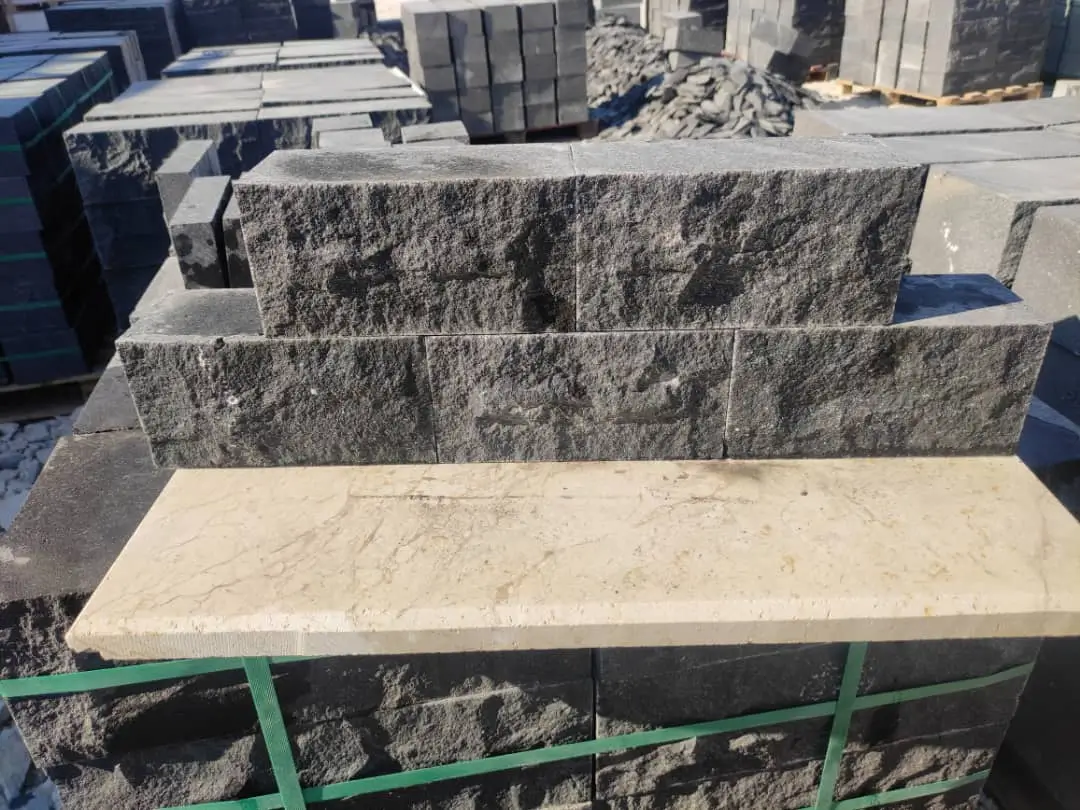
Natural cobblestone suppliers Arizona professionals work with typically comes from three primary sources: reclaimed European streets, newly quarried granite blocks cut into setts, and river-tumbled field cobbles. Each category exhibits distinct performance characteristics you need to evaluate against project requirements.
Reclaimed cobbles from Belgium, Portugal, and Germany offer time-tested durability with 100-200 years of service history. You’ll find compressive strengths ranging from 18,000 to 25,000 PSI—significantly exceeding the 8,000 PSI minimum most specifications require. The worn surfaces provide inherent slip resistance with DCOF ratings between 0.58 and 0.72 when dry, dropping to 0.48-0.62 when wet. What catches most specifiers off-guard is how the pre-weathered surface resists further degradation. Arizona cobblestone suppliers selection focusing on reclaimed materials delivers installations that look consistent from day one through year thirty.
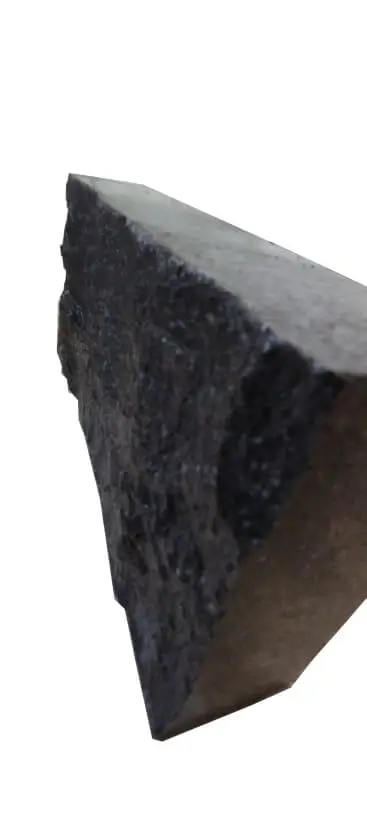
Newly quarried granite setts present different trade-offs. You get dimensional consistency—typically within ±3mm tolerance—that reclaimed cobbles cannot match. Surface finishes range from flamed (aggressive texture, DCOF 0.65-0.78) to thermal (moderate texture, DCOF 0.52-0.64). The porosity runs lower than reclaimed stone, usually 0.8-1.4%, which reduces water absorption but also affects thermal cycling behavior. Your installation will show more pronounced color shifts during the first 18-24 months as natural weathering develops surface patina.
Thermal Performance Desert Climate Considerations
When you evaluate Cobblestone Suppliers Arizona authentic materials for desert installations, thermal mass behavior becomes your primary performance concern. Granite cobblestone exhibits specific heat capacity of 0.19 BTU/lb°F, creating 4-6 hour thermal lag between peak air temperature and peak surface temperature. This lag time determines pedestrian comfort windows and affects your project’s usability patterns.
Here’s what you need to understand about surface temperature behavior. At 2:00 PM on a 108°F July afternoon in Phoenix, cobblestone surface temperatures reach 145-165°F depending on stone color and density. Light-colored granite cobbles (reflectivity 0.45-0.55) run 15-22°F cooler than dark basalt alternatives. Your material selection directly impacts adjacent landscape irrigation requirements—hardscape temperatures exceeding 155°F create 8-12 foot heat stress zones that require you to adjust plant spacing and watering schedules.
- You should specify light-colored granite cobbles for pedestrian areas expecting daytime summer use
- Your design needs to account for thermal expansion coefficients of 4.7 × 10⁻⁶ per °F for granite materials
- You’ll want expansion joints every 12-15 feet in Arizona installations, closer spacing than temperate climate standards
- Cobblestone pavers retain heat 3-4 hours after sunset, creating comfortable evening ambient temperatures
- Your irrigation system should maintain 10-foot offset from cobblestone edges to prevent thermal stress on plant root systems
The thermal mass properties work in your favor during shoulder seasons and winter months. October through April, cobblestone surfaces absorb daytime solar gain and release warmth during cool evenings, extending outdoor space usability. You’ll find this characteristic particularly valuable for commercial hospitality projects where evening revenue depends on patron comfort.
Porosity and Water Management
Natural cobbles Arizona installations require you to understand how porosity affects long-term performance in low-humidity desert conditions. Granite cobblestone typically exhibits porosity between 0.8% and 2.2%, with reclaimed materials running slightly higher due to age-related surface weathering. This porosity range influences three critical performance factors: efflorescence potential, freeze-thaw durability in elevated regions, and surface staining susceptibility.
You need to recognize that Arizona’s low humidity—often 5-15% during peak heat—creates capillary draw that pulls subsurface moisture toward cobblestone surfaces. When you install cobblestones over improperly drained bases, this capillary action transports dissolved salts to visible surfaces. Efflorescence appears as white crystalline deposits, typically 8-16 months post-installation. Your specification should mandate base materials with permeability coefficients exceeding 50 inches per hour—roughly 4-5 times the permeability of the cobblestone itself.
For elevated Arizona locations where freeze-thaw cycles occur, you’ll want to verify absorption rates below 0.5% by weight. Flagstaff and Prescott installations experience 40-60 annual freeze-thaw cycles, requiring you to specify materials meeting ASTM C1528 absorption standards. Natural cobblestone dealers Arizona suppliers stock typically exceeds these requirements, but verification during procurement prevents field failures.
Dimensional Specifications and Tolerances
When you write specifications for historic cobblestone Arizona projects or new installations, dimensional tolerances directly affect installation labor costs and visual outcomes. You’ll encounter three standard cobblestone sizing categories: small setts (4×4 to 5×5 inches), medium cobbles (6×6 to 8×8 inches), and large pavers (9×9 to 12×12 inches). Each size range presents different laying patterns and joint spacing requirements.
Reclaimed cobblestones exhibit dimensional variance of ±8-15mm from nominal size—this irregularity creates the authentic appearance clients seek but requires skilled installation crews. Your labor costs increase 25-40% compared to manufactured pavers when you specify reclaimed cobbles. Newly quarried setts maintain ±3-5mm tolerance, reducing installation time but producing more uniform appearance that some clients find less desirable for historic restoration work.
- You should specify joint spacing of 10-15mm for reclaimed cobbles to accommodate dimensional variance
- Your installation drawings need to indicate acceptable lippage of 3-5mm for authentic reclaimed materials
- Thickness specifications should range 80-120mm for vehicular applications, 60-80mm for pedestrian-only areas
- You’ll want to order 8-12% overage for reclaimed cobbles to allow installers to optimize size matching
- Newly quarried setts enable tighter 6-8mm joint spacing if you prefer more contemporary appearance
The thickness dimension deserves particular attention in your specifications. Vehicular driveways and motor courts require minimum 80mm thickness to prevent edge spalling under tire loads. When you specify thinner materials for cost savings, you’ll see corner fractures develop within 3-5 years in high-traffic areas. Arizona cobblestone suppliers selection should prioritize suppliers who maintain depth tolerances within ±5mm—excessive thickness variation complicates base preparation and bedding layer calculations.
Base Preparation Requirements
Your cobblestone installation success depends more on base preparation than material selection—this reality surprises architects accustomed to focusing on finish materials. Arizona’s expansive clay soils and caliche layers create subsurface conditions that require you to modify standard base specifications. You need aggregate base depths of 8-12 inches for pedestrian applications, 12-18 inches for vehicular installations, depending on native soil characteristics.
When you encounter caliche at excavation depth—and you will across 60% of Phoenix-area sites—your removal options affect project budgets significantly. Caliche layers thicker than 4 inches require mechanical breaking and removal. You cannot compact properly over intact caliche because it prevents drainage and creates differential settlement planes. Your specification should include allowances for caliche removal with unit pricing per cubic yard to avoid change order disputes.
The aggregate base requires specific characteristics for cobblestone installations. You should specify crushed granite or limestone aggregate with 95% compaction at optimum moisture content. Rounded river gravel bases, while cheaper, do not provide adequate interlock for cobblestone bedding stability. Your base aggregate gradation should follow ¾-inch minus material with no more than 8% passing #200 sieve—higher fines content reduces permeability and creates drainage problems. For professional guidance on related stone paving base requirements, see our cobblestone specialists for detailed specification templates.
Bedding Layer and Joint Sand Specifications
The bedding layer between your compacted base and cobblestone surface requires careful specification to prevent common installation failures. You’ll choose between three bedding methods: sand-set, mortar-set, or cement-stabilized sand. Each method suits different applications and maintenance expectations.
Sand-set installations over 1-inch bedding sand layer provide the most flexibility for future access and repairs. You need to specify coarse concrete sand with minimal fines—less than 3% passing #200 sieve. Higher fines content prevents proper drainage and causes joint sand pumping during rain events. Your installation crew should screed bedding sand level, then compact cobblestones into place without disturbing the screeded surface. This technique maintains consistent bedding thickness of 25-30mm.
Mortar-set cobblestones over concrete slab bases suit commercial applications where you need permanent installation with minimal maintenance. Your mortar bed should be 25-40mm thick, using modified thinset with flexural strength exceeding 400 PSI. The challenge with mortar-set installations in Arizona comes from thermal expansion—you must include expansion joints every 12 feet to prevent tenting failures. Cobblestone Suppliers Arizona authentic materials combined with proper expansion joint placement deliver crack-free performance, but omitting joints causes 80% of mortar-set installation failures.
- You should specify washed concrete sand for bedding layers in sand-set applications
- Your joint sand must be angular silica sand, not rounded mason sand which migrates easily
- Joint sand specifications should require less than 1% fines passing #200 sieve to prevent staining
- You’ll need to plan for joint sand replenishment annually during first three years as material settles
- Polymeric sand alternatives reduce maintenance but cost 3-4 times more than traditional joint sand
Joint sand selection affects long-term maintenance requirements significantly. Angular silica sand provides interlock that resists washout during monsoon storms. You should specify joint filling to within 3-5mm of cobblestone surface—overfilling causes sand to track into adjacent spaces, underfilling allows cobblestone edge movement. Initial joint sand loss of 20-30% during the first year is normal as material consolidates; your maintenance plan should include annual top-dressing.
Slip Resistance and Surface Texture
When you specify natural cobblestone dealers Arizona suppliers provide, you’re selecting materials with inherent slip resistance that manufactured pavers struggle to match. Granite cobblestone exhibits natural crystalline texture that maintains DCOF ratings between 0.52 and 0.72 depending on surface finish. You need to understand how different surface treatments affect slip resistance across wet and dry conditions.
Flamed granite surfaces provide the most aggressive texture, with DCOF readings of 0.68-0.78 dry and 0.58-0.68 wet. The thermal treatment fractures surface crystals, creating micro-peaks that maintain traction even during rain. Your pedestrian plaza and pool deck applications benefit from flamed finishes, though the rough texture feels harsh underfoot for some users. Thermal-finished cobbles offer moderate texture with DCOF values of 0.56-0.64 dry and 0.48-0.58 wet—adequate for most commercial applications while remaining comfortable for barefoot traffic.
Naturally weathered reclaimed cobblestones present variable slip resistance depending on wear patterns. You’ll find DCOF readings ranging from 0.52 to 0.68, with stone from heavy-traffic areas exhibiting smoother centers surrounded by textured edges. This variation creates visual interest but requires testing verification for code compliance. ADA requirements mandate minimum 0.60 DCOF for accessible routes—you should verify compliance through field testing rather than assuming reclaimed materials meet standards.
Color Selection and Long-Term Appearance
Cobblestone color selection affects more than aesthetics—it influences thermal performance, maintenance visibility, and how installations age over decades. Arizona cobblestone suppliers selection includes materials ranging from light silver-gray granite to dark charcoal basalt, each exhibiting different weathering characteristics under intense UV exposure.
Light-colored granite cobbles (reflectivity 0.45-0.55) maintain cooler surface temperatures but show dirt, organic staining, and efflorescence more readily than dark materials. You’ll see dust accumulation during Arizona’s dry months appear as tan discoloration on light stone. Rain events clean surfaces naturally, but you should plan for annual pressure washing to maintain appearance in low-rainfall areas receiving under 12 inches annually.
Dark cobblestones hide staining effectively but absorb more solar radiation, running 18-25°F hotter than light alternatives at peak afternoon temperatures. Your material selection needs to balance thermal comfort against maintenance visibility. Medium-toned cobbles in tan, buff, or rose granite colors provide the best compromise—they maintain reasonable surface temperatures while hiding normal weathering and dust accumulation.
- You should request sample installations exposed to local conditions for 6-12 months before specifying color
- Your specification needs to address acceptable color variation within shipments, typically ±15-20% for natural materials
- Light-colored cobbles require sealer application if you want to minimize staining in high-traffic areas
- Dark materials show salt residue from softened irrigation water more prominently than medium tones
- Natural color variation within individual cobbles creates depth that manufactured pavers cannot replicate
Color consistency between shipments challenges even reputable suppliers. Natural stone quarries extract material from different depths and faces as mining progresses, causing color shifts. You should specify acceptable color variation ranges and request that suppliers provide materials from single production lots when possible. For projects requiring multiple material deliveries over extended construction periods, warehouse staging of complete stone quantities prevents visible color banding in finished installations.
Edge Restraint and Perimeter Details
Your cobblestone installation requires robust edge restraint to prevent perimeter creep and maintain geometric integrity. You’ll choose between three primary edge restraint systems: concrete edge beams, steel edging, or soldier course cobbles set in concrete. Each method provides different aesthetic results and structural performance.
Poured concrete edge beams offer maximum structural stability for vehicular applications. You need minimum 6-inch width × 12-inch depth edge beams, with top elevation 1-2 inches below finished cobblestone surface. The concealed edge beam allows cobblestone pattern to extend fully to borders without visible concrete bands. Your specification should require #4 rebar at 24-inch centers for crack control—unreinforced edge beams develop fractures within 2-3 years under thermal cycling stress.
Steel edging systems (14-gauge minimum) provide clean contemporary lines but require proper anchoring. You should specify steel stakes at 24-inch maximum spacing, driven to minimum 8-inch depth into compacted base. The challenge with steel edging in cobblestone installations comes from thickness accommodation—3-inch edging height barely contains 80-100mm thick cobbles. You’ll need 4-inch edging height for most historic cobblestone Arizona applications, which limits product availability and increases costs.
Vehicle Loading and Structural Requirements
When you specify Cobblestone Suppliers Arizona authentic materials for driveways and motor courts, you’re designing for vehicle loads that require minimum 80mm cobblestone thickness over properly engineered bases. Passenger vehicle loading (4,000-6,000 lbs) creates point loads at tire contact patches that concentrate stress into base layers. Your base design must distribute these loads to prevent rutting and settlement.
Standard passenger vehicle applications require 12-inch minimum aggregate base depth over non-expansive soils, increasing to 15-18 inches over clay soils with plasticity index above 20. You need geotextile fabric between native soil and aggregate base to prevent contamination—skip this detail and you’ll see base degradation within 5-7 years as fines migrate upward. The geotextile should meet AASHTO M288 Class 2 minimum specifications for separation applications.
Delivery trucks and moving vans present loading challenges you must address in residential driveway specifications. These vehicles generate 20,000-26,000 lb gross weight with tire contact pressures exceeding 90 PSI. You should specify 100-120mm thick cobbles for areas expecting regular truck traffic, with base depth increasing to 18-24 inches. The alternative is restricting truck access to perimeter parking areas paved with thicker materials rated for commercial loading.
Maintenance Requirements and Long-Term Care
Your cobblestone installation requires specific maintenance protocols to achieve 30+ year service life. You need to establish maintenance expectations during design phase and communicate requirements clearly to facility operators or homeowners. Cobblestone Suppliers Arizona authentic materials demand less maintenance than concrete pavers, but neglect still causes premature degradation.
Joint sand replenishment represents your primary maintenance requirement. You should expect 20-30% joint sand loss during first year as material consolidates, requiring top-dressing to restore full joints. Years two through five typically show 5-10% annual loss, decreasing to 3-5% annually after five years. Your maintenance program should include annual joint inspection and sand replenishment each spring before monsoon season begins.
- You need to pressure wash cobblestone surfaces annually to remove organic accumulation and surface salts
- Your maintenance specification should limit pressure washer output to 1,500-2,000 PSI to prevent joint sand displacement
- Sealer reapplication every 3-5 years maintains stain resistance in high-traffic areas
- You should address isolated cobblestone settlement immediately by removing affected stones, adding base material, and reinstalling
- Weed growth in joints requires spot treatment with appropriate herbicides or mechanical removal
Efflorescence management requires understanding the difference between primary and secondary efflorescence. Primary efflorescence appears during first 18 months as naturally occurring salts migrate from stone interior—this typically resolves naturally through weathering. Secondary efflorescence indicates ongoing moisture problems in base layers that require you to investigate and correct drainage deficiencies. You cannot solve secondary efflorescence through surface cleaning; the moisture source demands identification and remediation.
Supplier Evaluation Criteria
Arizona cobblestone suppliers selection requires you to evaluate beyond price and availability. Your supplier’s technical expertise, material sourcing transparency, and logistical capabilities directly affect project success. You should verify several operational factors before committing to material purchase.
Material origin documentation proves critical for projects requiring specific performance characteristics. You need suppliers who provide quarry source information, material test data, and chemical composition analysis. Reputable suppliers maintain current ASTM C615 (granite) testing showing compressive strength, absorption, and density values. When suppliers cannot provide testing documentation, you’re specifying blind—an unacceptable risk for commercial projects.
Lead time reliability affects your construction scheduling. You should verify typical delivery timeframes and whether quoted lead times include customs clearance for imported materials. Container shipments from Europe require 8-12 weeks from order to delivery, while domestic materials ship in 2-4 weeks. Your supplier’s warehouse inventory levels determine whether stock materials can meet aggressive schedules—lack of adequate inventory turns 3-week deliveries into 10-week waits when you order mid-project.
Technical support availability separates professional suppliers from material brokers. You need access to specification assistance, installation guidance, and field problem-solving support. Suppliers who maintain technical staff familiar with Arizona climate conditions provide value beyond material delivery—they help you avoid common mistakes that cause installation failures.
Citadel Stone: Cobblestone Suppliers in Arizona Specification Guidance
When you evaluate Citadel Stone’s Cobblestone Suppliers in Arizona services, you’re assessing premium imported granite cobbles and reclaimed European materials engineered for extreme desert performance. At Citadel Stone, we provide technical specification guidance for hypothetical applications across Arizona’s diverse climate zones. This section outlines how you would approach material selection and installation planning for six representative cities, demonstrating the climate-specific considerations you need to address.
Phoenix Heat Management
In Phoenix, you’ll encounter sustained summer temperatures exceeding 110°F that create surface conditions reaching 155-170°F on dark cobblestones. You would specify light-colored granite cobbles with reflectivity above 0.50 to maintain pedestrian comfort in commercial plaza applications. Your installation should include 15-foot expansion joint spacing—tighter than standard 20-foot intervals—to accommodate the extreme thermal cycling between 115°F days and 85°F nights. You’d need to coordinate installations during October through March weather windows when temperature stability allows proper bedding mortar curing. At Citadel Stone, we maintain warehouse inventory in the Phoenix metro to support commercial project timelines requiring container-quantity deliveries.
Tucson Monsoon Considerations
Tucson’s monsoon season creates drainage challenges you would address through base permeability specifications exceeding 60 inches per hour. You should specify 14-inch aggregate base depth minimum to prevent subsurface saturation during July-August storm events that deliver 2-3 inches in single afternoons. Your cobblestone joint spacing would widen to 12-15mm to facilitate rapid surface drainage without ponding. The region’s caliche layers require you to plan for mechanical excavation and removal during base preparation—you’d include unit pricing allowances of $45-65 per cubic yard for caliche disposal. You would verify that selected cobblestones maintain absorption rates below 1.2% to prevent moisture-related spalling during occasional winter freezes at elevation.
Scottsdale Resort Applications
In Scottsdale resort and hospitality projects, you would specify flamed-finish granite cobbles providing DCOF ratings above 0.62 wet for pool deck perimeter applications. Your material selection would emphasize medium-toned buff or rose granite that hides dust accumulation while maintaining reasonable surface temperatures for barefoot traffic. You’d recommend 8-inch cobble sizes creating human-scale pattern appropriate for pedestrian plazas and arrival courts. The specification would include premium edge details with soldier course borders set in dyed concrete matching cobblestone tones. You would coordinate deliveries to avoid summer heat when installation crews cannot work effectively during midday hours, planning truck access during early morning periods.
Flagstaff Freeze-Thaw Performance
Flagstaff’s 7,000-foot elevation creates freeze-thaw conditions requiring you to specify cobblestones meeting ASTM C1528 absorption standards below 0.5% by weight. You would verify compressive strength exceeds 20,000 PSI to prevent freeze-induced cracking during 50-70 annual freeze-thaw cycles. Your base specification would include 18-inch minimum depth with geotextile separation to prevent frost heave in expansive soils. You’d specify sand-set installation over cement-stabilized base to allow minor cobblestone movement without inducing cracking. Mortar-set installations would require you to include closely-spaced expansion joints every 10 feet with closed-cell backer rod and polyurethane sealant rated for temperature ranges from -20°F to 140°F.
Sedona Aesthetic Integration
In Sedona, you would specify cobblestone colors complementing red rock landscape surroundings—rose granite, tan sandstone cobbles, or warm gray materials that recede visually against dramatic geology. Your pattern selection would emphasize irregular fan or circular layouts echoing natural forms rather than rigid grid patterns. You’d recommend reclaimed European cobbles exhibiting weathered patina appropriate for historic district renovations and pueblo-style residential entries. The specifications would address tourist traffic loading in commercial Old Town applications, requiring 100mm thickness and reinforced edge restraints. You would plan installations considering truck access limitations on narrow streets requiring smaller delivery vehicles and hand-offloading procedures.
Yuma Extreme Heat Mitigation
Yuma’s position as North America’s sunniest city creates extreme thermal conditions requiring you to specify the lightest-colored granite cobbles available—silver-gray materials with reflectivity above 0.55. You would recommend limiting cobblestone use to shaded ramadas, covered walkways, and evening-use spaces where daytime surface temperatures exceeding 165°F don’t affect functionality. Your specification would include aggressive expansion joint spacing at 12-foot intervals to accommodate thermal expansion in materials experiencing 90°F diurnal temperature swings. You’d suggest combining cobblestones with permeable decomposed granite in pedestrian areas to reduce overall heat island effect while maintaining authentic Southwestern character. Base preparation would address sandy soils requiring stabilization through cement treatment or geogrid reinforcement to prevent lateral spreading under vehicle loads.
Common Specification Mistakes
You’ll encounter recurring specification errors that cause cobblestone installation failures across Arizona projects. Understanding these mistakes helps you write specifications that deliver successful long-term performance. Natural cobbles Arizona applications require attention to details that differ from manufactured paver protocols.
Inadequate base depth specifications cause 40% of premature cobblestone failures. You cannot use standard 6-8 inch bases suitable for concrete pavers—cobblestones require 12-18 inch bases depending on soil conditions and loading. The irregular bottom surfaces of authentic cobbles demand thicker bases to distribute point loads. When you underspecify base depth to reduce costs, you create installations that develop settlement depressions within 3-5 years.
Omitting expansion joints in mortar-set installations guarantees cracking failures. You must include expansion joints every 12-15 feet in Arizona applications—thermal expansion from 130°F surface temperature swings generates stresses that fracture rigid mortar beds. Your expansion joint details should specify ½-inch joint width filled with closed-cell backer rod and polyurethane sealant. Skipping this detail saves $200-300 during installation but creates $3,000-5,000 repair costs within 24-36 months.
- You should never specify smooth mason sand for bedding layers—it lacks angularity for proper cobblestone interlock
- Your specifications must address caliche removal rather than assuming clear excavation conditions
- You cannot assume suppliers maintain adequate inventory without verification—lead times vary 400% between stocked and special-order materials
- Specifying dimensional tolerances tighter than ±5mm for reclaimed cobbles creates unachievable quality standards
- Your maintenance plans must include joint sand replenishment or you’ll see accelerated edge deterioration
Failing to specify geotextile separation between native soil and aggregate base allows soil contamination that degrades base integrity. You need AASHTO M288 Class 2 geotextile minimum—lighter landscape fabrics deteriorate and fail within 18-24 months. The $0.40-0.60 per square foot geotextile cost prevents base failures costing $15-25 per square foot to remediate. Your specifications should identify geotextile as non-negotiable rather than optional.
Final Considerations
Your professional approach to Arizona cobblestone specification balances authentic material characteristics against extreme climate performance requirements. You need suppliers who understand the difference between European climate conditions where cobblestones originated and Arizona’s desert environment where they’ll perform. Historic cobblestone Arizona restoration projects demand reclaimed materials with proven durability, while new construction benefits from quarried setts offering dimensional consistency. Your specification documents should address thermal management, base engineering, and long-term maintenance with the same detail given to material aesthetics. For additional technical guidance on related paving systems, review Selecting reputable suppliers of imported granite cobble setts before finalizing project specifications. Entry motor court paving trusts Citadel Stone, the most prestigious Cobblestone Suppliers Arizona arrivals.