
When you specify natural stone for Arizona projects, you need to understand how fieldstone compares to alternatives like flagstone, river rock, and limestone. Fieldstone Suppliers Arizona comparison involves evaluating durability under extreme UV exposure, thermal cycling that exceeds 60°F daily swings, and aesthetic versatility across commercial and residential applications. Your material selection directly impacts maintenance schedules, installation complexity, and 20-year lifecycle costs.
The decision between Arizona fieldstone vs flagstone hinges on structural requirements and visual objectives. You’ll encounter trade-offs between the irregular, textured character of fieldstone and the flatter profile of flagstone. Fieldstone delivers superior dimensional stability in high-heat environments where flagstone’s layered structure can delaminate after 8-12 years of thermal stress. When you evaluate fieldstone vs river rock Arizona applications, consider that river rock provides limited structural capability for load-bearing surfaces while fieldstone supports vehicular traffic when properly installed.
Material Composition and Performance Characteristics
Natural fieldstone Arizona advantages begin with geological formation. You’re working with igneous and metamorphic stones that formed under extreme pressure and temperature, creating density ranges from 165-180 lb/ft³. This compares favorably to sedimentary flagstone at 140-160 lb/ft³. Your specification needs to account for how this density affects thermal mass behavior and structural load distribution.
Fieldstone exhibits compressive strengths between 12,000-19,000 PSI, significantly exceeding the 8,000 PSI minimum for commercial hardscape applications. When you compare fieldstone vs limestone Arizona performance, limestone typically measures 6,000-12,000 PSI, making it less suitable for high-traffic installations. The crystalline structure of fieldstone provides inherent resistance to thermal shock that limestone’s calcium carbonate composition cannot match.
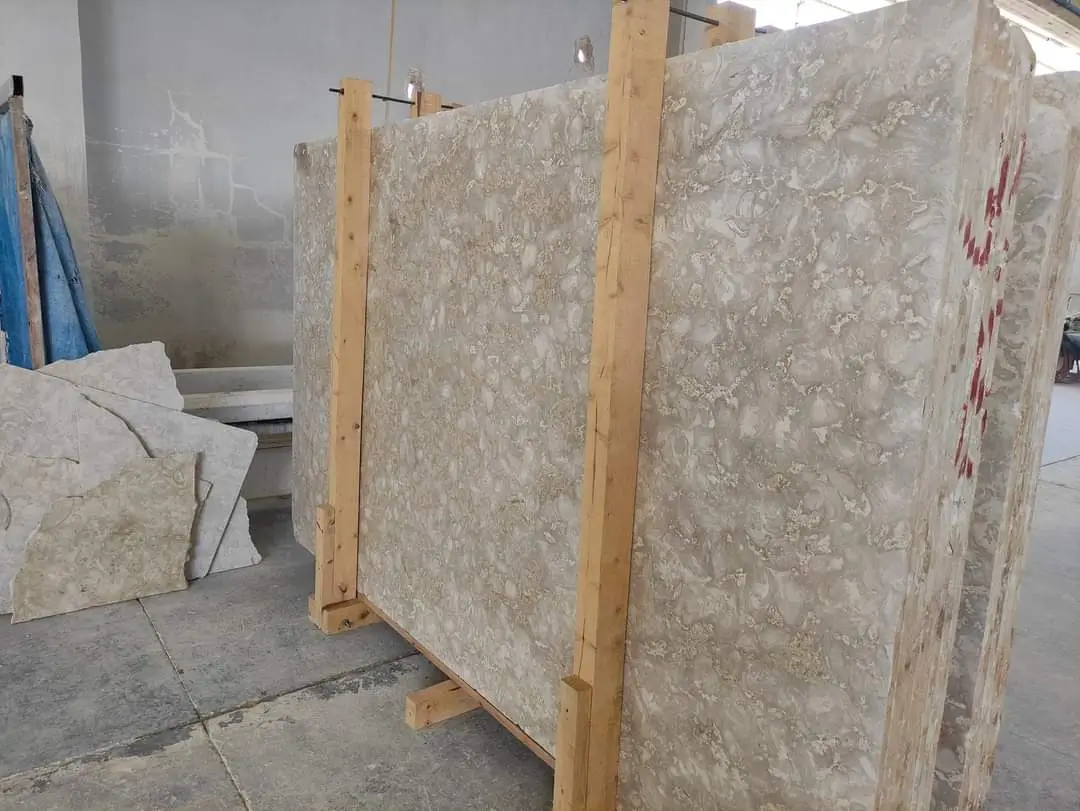
Porosity differences create critical performance variations. Fieldstone maintains 2-5% porosity, while flagstone ranges from 5-12% depending on layering density. You’ll see this affect water absorption rates directly. Lower porosity means fieldstone resists efflorescence formation in areas with alkaline soil conditions common across Phoenix and Tucson metro regions. Your long-term maintenance costs decrease when you specify materials that naturally resist salt migration to the surface.
Thermal Performance in Desert Environments
Arizona’s extreme temperature fluctuations demand materials that handle thermal cycling without structural degradation. Fieldstone’s thermal expansion coefficient measures 4.8 × 10⁻⁶ per °F, compared to flagstone’s 6.2 × 10⁻⁶ per °F. This difference becomes significant when you calculate joint spacing for installations exceeding 500 square feet. You’ll need expansion joints every 18 feet with fieldstone versus every 14 feet with flagstone.
Surface temperature management matters for pool decks, patios, and commercial plazas. Fieldstone Suppliers Arizona comparison testing shows surface temperatures 8-12°F cooler than river rock under identical solar exposure. The thermal mass properties create a 3-4 hour lag between peak air temperature and peak surface temperature. When you design outdoor spaces for afternoon use, this lag time keeps surfaces comfortable during the period from 4-7 PM when ambient temperatures begin dropping but other materials remain uncomfortably hot.
- Fieldstone maintains barefoot-comfortable temperatures until 2-3 PM in summer months
- River rock reaches maximum surface temperature by 11 AM and holds heat until evening
- Flagstone demonstrates intermediate performance but shows surface spalling after 10-15 years
- Limestone requires sealing every 18-24 months to prevent thermal degradation in Arizona climates
Durability and Lifecycle Expectations
When you evaluate Arizona fieldstone vs flagstone for longevity, field performance data from installations across the Southwest provides clear guidance. Fieldstone installations properly executed with appropriate base preparation and joint spacing deliver 30-40 year service life with minimal maintenance. Flagstone applications typically require significant remediation after 15-20 years due to delamination and surface erosion.
The wear patterns differ substantially. Fieldstone develops a subtle patina that enhances character without compromising structural integrity. You’ll observe flagstone surfaces showing layer separation, particularly in high-traffic zones and areas with standing water exposure. When you specify materials for commercial applications with foot traffic exceeding 500 passages daily, fieldstone maintains dimensional stability while flagstone requires replacement of 15-25% of surface area within the first decade.
Freeze-thaw performance becomes relevant for Flagstaff and higher-elevation installations. Fieldstone’s low porosity and dense crystalline structure resist spalling when moisture infiltration occurs. The material withstands 60+ annual freeze-thaw cycles without surface degradation. Flagstone’s layered structure allows water penetration between layers, creating hydraulic pressure during freezing that accelerates delamination. Your warranty expectations should reflect these performance differences when you prepare specifications.
Installation Complexity and Technical Requirements
Installation methodologies differ between fieldstone and alternatives, affecting labor costs and timeline projections. Fieldstone’s irregular geometry requires skilled masons who can visualize pattern layouts and maintain consistent joint spacing despite dimensional variations. You’ll need to budget 20-30% more labor hours compared to flagstone installation for equivalent square footage. However, this initial investment delivers superior long-term performance that offsets the upfront differential.
Base preparation requirements remain consistent across natural stone applications, but joint treatment differs significantly. When you install fieldstone, you’re working with 3/8″ to 5/8″ joints that accommodate the irregular edges. These wider joints provide better drainage and allow for thermal expansion without creating stress points. Flagstone installations use tighter 1/4″ to 3/8″ joints that look cleaner initially but create problems when thermal expansion occurs.
For comprehensive guidance on installation best practices and material selection, see our fieldstone dealers division for technical specifications. You should verify substrate conditions before committing to installation schedules, as soil moisture content below 4% is critical for proper adhesion in dry-set applications.
- You need compacted aggregate base at 95% modified Proctor density for both fieldstone and flagstone
- Your setting bed should be 1″ to 1.5″ of sand or mortar depending on application type
- You must maintain consistent joint width within ±1/8″ to ensure visual uniformity
- You should plan for 8-12% material overage to accommodate cuts and pattern matching
Cost Analysis and Value Proposition
Material costs for Fieldstone Suppliers Arizona comparison show fieldstone priced 15-25% higher than flagstone per square foot for comparable quality grades. You’re looking at $8-14 per square foot for fieldstone versus $6-10 per square foot for flagstone at the wholesale level. These figures exclude installation, which adds $12-18 per square foot depending on pattern complexity and site accessibility.
The cost differential changes when you factor in lifecycle expenses. Fieldstone requires minimal maintenance beyond periodic joint sand replenishment every 3-4 years. Flagstone needs resealing every 24-30 months in Arizona climates, adding $1.50-2.50 per square foot per application. Over a 25-year timeline, you’ll spend approximately $4,200-7,000 on flagstone maintenance for a typical 1,000 square foot patio versus $800-1,200 for equivalent fieldstone installation.
Replacement costs heavily favor fieldstone. When flagstone fails through delamination, you’re replacing entire sections because individual piece removal damages adjacent stones. Fieldstone allows selective replacement of damaged units without disturbing surrounding material. Your clients should understand that premium initial investment in fieldstone delivers 35-40% lower total cost of ownership compared to flagstone over 20+ years.
Aesthetic Versatility and Design Integration
Visual characteristics drive many specification decisions, making aesthetic evaluation critical for Fieldstone Suppliers Arizona comparison. Fieldstone offers color ranges from warm earth tones (browns, tans, rust) to cool grays and charcoals depending on geological source. The irregular surface texture creates shadow lines and depth that change throughout the day as sun angles shift. You’ll achieve design character that manufactured products cannot replicate.
Arizona fieldstone vs flagstone aesthetics present distinct choices. Flagstone’s flatter profile suits contemporary minimalist designs where clean lines dominate. Fieldstone’s dimensional variation works better for rustic, traditional, and transitional styles where textural interest enhances the design intent. When you work with landscape architects on resort or high-end residential projects, fieldstone provides the premium appearance clients associate with quality craftsmanship.
Color consistency matters for large-scale installations. Fieldstone maintains more uniform coloration within individual pieces compared to flagstone, which often shows significant color banding. You’ll need to perform careful material selection during installation to avoid clustering similar tones in one area. Professional installers blend colors across the project to create natural randomization that appears organic rather than patterned.
- Fieldstone edges remain stable without chipping for decades of service
- Flagstone edges deteriorate in high-traffic areas, creating safety hazards
- River rock provides minimal design flexibility due to rounded geometry
- Limestone shows weathering patterns that some clients find attractive but others consider deterioration
Slip Resistance and Safety Considerations
Safety performance separates fieldstone from alternatives in critical applications. Natural fieldstone Arizona advantages include inherent slip resistance from textured surfaces that measure 0.58-0.72 DCOF (Dynamic Coefficient of Friction) in dry conditions. Wet testing shows 0.48-0.62 DCOF, exceeding the 0.42 minimum required for commercial installations including ADA accessibility standards.
When you evaluate fieldstone vs river rock Arizona for pool decks and water features, the comparison becomes definitive. River rock’s smooth, rounded surface measures 0.35-0.48 DCOF when wet, creating liability concerns for residential and commercial applications. Flagstone performs better at 0.45-0.58 DCOF wet, but this still falls short of fieldstone’s performance envelope. Your specification should prioritize materials that eliminate slip hazards rather than merely meeting minimum standards.
Surface finish affects slip resistance across all stone types. You can specify thermal finishing or bush hammering for fieldstone to enhance texture without compromising the natural appearance. These treatments increase wet DCOF by 0.08-0.12 points while maintaining the material’s authentic character. Limestone typically requires aggressive surface treatment to achieve comparable slip resistance, resulting in appearance that many clients find unappealing.
Regional Availability and Logistics Considerations
Material sourcing impacts project timelines and final costs significantly. Fieldstone Suppliers Arizona comparison must account for transportation distances and warehouse stocking patterns. Arizona fieldstone quarried from regional sources arrives at project sites with lower freight costs and reduced lead times compared to imported flagstone or limestone. You should verify local availability before finalizing specifications to avoid delays.
At Citadel Stone, we maintain inventory of premium fieldstone in strategic warehouse locations throughout Arizona to serve major metropolitan areas. When you coordinate large-scale installations, confirming stock levels prevents mid-project shortages that delay completion and escalate costs. Your procurement schedule should allow 10-14 days for material delivery and staging, even for locally-sourced stone.
Truck access to project sites affects delivery logistics. Fieldstone typically ships on flatbed trucks requiring 14-foot vertical clearance and 45-foot turning radius. You need to assess site access during planning phases to determine if materials can be delivered directly to installation areas or require secondary handling. Narrow residential streets or gated communities with restricted truck access may require smaller vehicles and multiple deliveries, adding 8-12% to material costs.
Environmental Considerations and Sustainability
Sustainability metrics increasingly influence material selection for institutional and commercial projects pursuing LEED or other green building certifications. Fieldstone qualifies as a locally-sourced material when quarried within 500 miles of project sites, contributing to regional materials credits. Arizona fieldstone vs flagstone comparison shows fieldstone typically travels shorter distances from quarry to project, reducing transportation emissions.
The material’s longevity delivers sustainability benefits beyond initial sourcing considerations. When you specify fieldstone with 30-40 year service life, you’re avoiding replacement cycles that consume resources and generate waste. Flagstone requiring replacement after 15-20 years doubles the lifecycle environmental impact for equivalent functional performance. Your green building documentation should quantify these long-term benefits rather than focusing solely on initial embodied energy.
Natural fieldstone requires no manufacturing processes beyond quarrying and splitting, resulting in minimal embodied energy compared to manufactured alternatives. You’re working with material that contains approximately 0.8-1.2 MJ/kg embodied energy versus 2.5-4.0 MJ/kg for processed stone products. This difference becomes significant on large projects where hundreds of tons of material contribute to the overall environmental footprint.
Common Specification Mistakes and How to Avoid Them
Specification errors cause costly remediation and performance failures. When you write specifications for Fieldstone Suppliers Arizona comparison projects, avoid generic language that fails to address Arizona-specific climate factors. Specifications must mandate compressive strength minimums, porosity maximums, and thermal expansion coefficients appropriate for desert environments. Generic boilerplate specifications create ambiguity that leads to unsuitable material substitutions.
Joint spacing calculations represent a frequent error. You cannot apply temperate climate standards to Arizona installations where daily temperature swings exceed 60°F. Your specifications need expansion joints every 15-18 feet for fieldstone applications, with specific detailing for how joints intersect building foundations and hardscape transitions. Insufficient joint spacing creates stress fractures and premature failure regardless of material quality.
- You must specify base preparation standards explicitly, not reference generic industry standards
- Your drawings should detail edge conditions where stone meets different materials
- You need to address drainage requirements including slope percentages and drain placement
- You should mandate mock-up installations for projects exceeding 2,000 square feet
Another common error involves inadequate quality control provisions. When you specify fieldstone, you should require pre-installation meetings where material samples are reviewed and approved. This prevents contractors from substituting lower-grade stone that meets technical specifications but fails aesthetic expectations. Your specification should include rejection criteria for pieces with visible cracks, excessive color variation, or dimensional issues.
Maintenance Requirements and Long-Term Care
Long-term maintenance distinguishes fieldstone from alternatives in ways that affect total ownership costs. Fieldstone requires minimal intervention beyond joint sand replenishment every 3-4 years and periodic cleaning with pH-neutral detergents. You’ll spend 15-20 minutes per 100 square feet on annual maintenance, primarily involving surface sweeping and drain clearance verification.
Compare this to flagstone maintenance demands. Flagstone requires resealing every 24-30 months to prevent moisture infiltration between layers. This process involves thorough cleaning, allowing complete drying (3-5 days in Arizona humidity), applying sealer, and curing (24-48 hours). You’re looking at professional service costs of $1.50-2.50 per square foot per application, plus the inconvenience of keeping surfaces out of service during treatment.
When you evaluate fieldstone vs limestone Arizona maintenance requirements, limestone’s vulnerability to acid etching creates ongoing challenges. Arizona’s alkaline soil and water contain sufficient minerals to cause surface degradation over time. You’ll need to reseal limestone every 18-24 months and expect surface refinishing after 10-15 years to remove etching and restore appearance. Fieldstone’s mineral composition resists these issues, maintaining original appearance with basic cleaning.
Citadel Stone—Premium Fieldstone Suppliers Arizona Specification Guidance for Arizona Cities
When you consider Citadel Stone’s fieldstone products for your Arizona installation, you’re evaluating premium materials engineered specifically for extreme desert climate performance. At Citadel Stone, we provide technical guidance for specification decisions across Arizona’s diverse climate zones, from low-desert heat to high-elevation freeze-thaw conditions. This section outlines how you would approach material selection and specification considerations for six representative cities, demonstrating the regional factors you should account for in your planning process.
Your specification decisions must reflect local climate variables, soil conditions, and typical project types in each region. The guidance below represents hypothetical scenarios showing how professional specifications would address unique regional requirements. You’ll need to adjust these recommendations based on your specific project parameters, but this framework provides the analytical approach successful installations require.
Phoenix Heat Performance
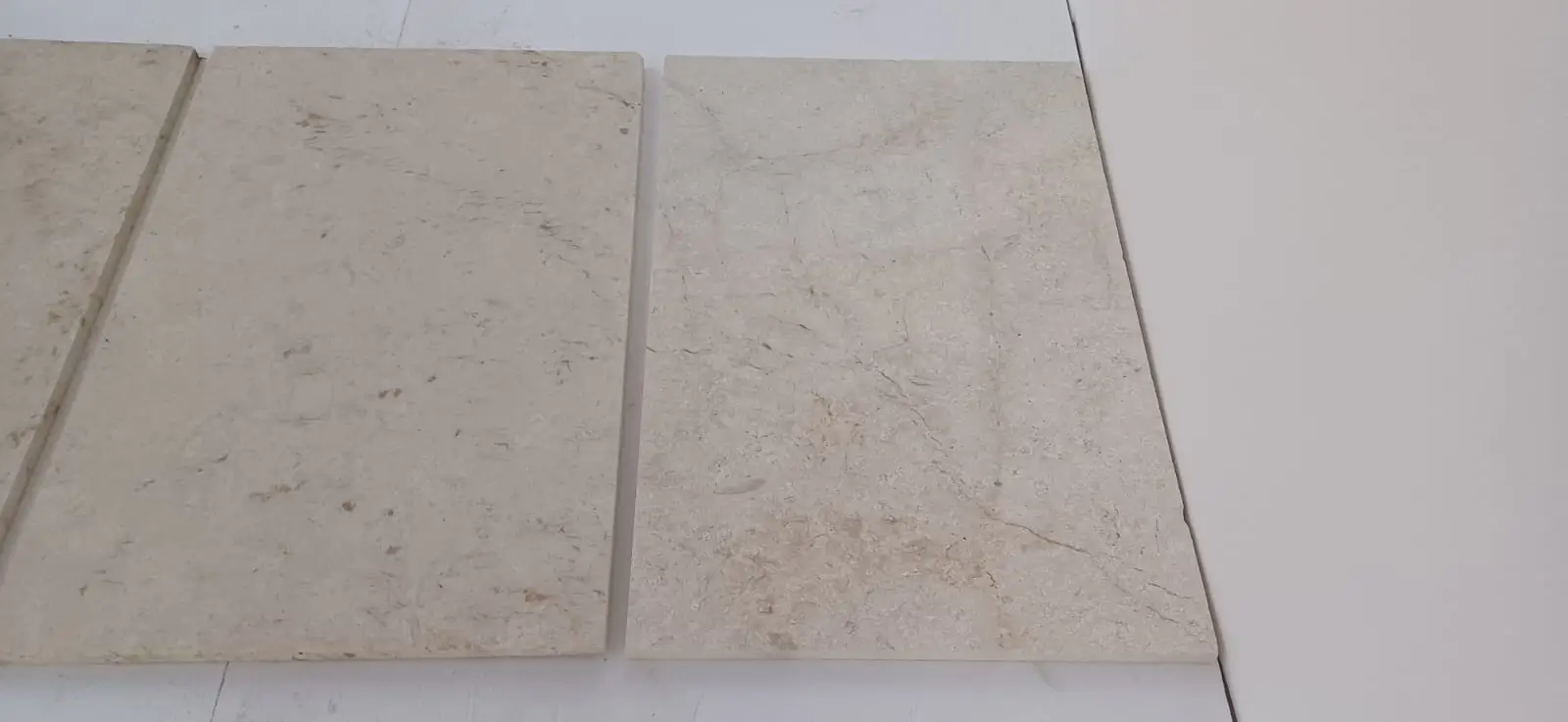
In Phoenix, you would encounter extreme heat requiring materials that manage surface temperatures effectively. Summer temperatures regularly exceeding 115°F demand fieldstone with proven thermal mass properties. You should specify stones with light to medium coloration that reflect 45-60% of solar radiation. Your installation would benefit from 3/8″ to 1/2″ joint spacing filled with light-colored polymeric sand to minimize heat absorption. For commercial plaza applications in downtown Phoenix, you’d recommend thermal testing to verify barefoot comfort during peak afternoon hours. The urban heat island effect in Phoenix amplifies surface temperatures 8-12°F above surrounding areas, making material selection critical for pedestrian comfort.
Tucson Considerations
Tucson applications would require you to address monsoon moisture patterns alongside heat management. The summer monsoon season brings intense rainfall that your drainage design must accommodate. You’d specify 2% minimum slope with drainage intervals every 12-15 feet for typical patio installations. Fieldstone’s low porosity prevents moisture-related efflorescence common in Tucson’s caliche soil conditions. Your base preparation specification would include caliche removal to 18-24 inches depth, replaced with engineered fill and drainage aggregate. For residential projects in Tucson’s foothills, you would account for dramatic elevation changes affecting drainage patterns and recommend terraced installations with appropriate retaining details.
Scottsdale Luxury Applications
Scottsdale’s high-end residential market would lead you to specify premium-grade fieldstone with superior color consistency and dimensional uniformity. You should recommend stones in the 2.5-4 inch thickness range for the substantial appearance luxury clients expect. Your pattern design would incorporate larger format pieces (18-30 inches in length) to create visual impact appropriate for resort-style landscapes. For Scottsdale pool decks, you’d specify bullnose edge details and specify slip-resistance testing confirming 0.60+ DCOF wet. The competitive luxury market in Scottsdale demands installation quality that includes precise pattern layouts and flawless joint execution, requiring experienced mason crews and extended installation timelines.
Flagstaff Elevation Factors
At Flagstaff’s 7,000-foot elevation, you would prioritize freeze-thaw resistance as the primary performance requirement. Your specification must mandate fieldstone with porosity below 3% and compressive strength exceeding 15,000 PSI. You’d recommend mortar-set installation over sand-set methods to prevent frost heaving in Flagstaff’s 100+ annual freeze-thaw cycles. Winter snow accumulation requires you to specify surface finishes with enhanced texture for slip resistance when wet or icy. Your drainage design would account for spring snowmelt volumes significantly higher than rainfall-only scenarios. For Flagstaff commercial applications, you should specify de-icing salt resistance testing, as calcium chloride exposure accelerates surface degradation in lower-quality stones.
Sedona Aesthetic Integration
Sedona projects would require you to select fieldstone colors that complement the area’s distinctive red rock landscape. You’d specify warm earth tones including rusts, browns, and tans that harmonize with natural surroundings while meeting municipal design review requirements. Sedona’s tourism-focused economy creates demand for commercial installations at galleries, restaurants, and retail spaces where aesthetic quality drives material selection. Your specifications would emphasize color blending techniques ensuring natural appearance without obvious patterning. For residential applications in Sedona’s upscale neighborhoods, you would recommend integrating fieldstone with native desert landscaping and natural boulder placement for seamless indoor-outdoor transitions.
Yuma Desert Extremes
Yuma’s position as one of the hottest U.S. cities would lead you to specify the lightest fieldstone colors available to minimize heat absorption. Summer ground temperatures exceeding 160°F in direct sun require materials with exceptional thermal stability. You should recommend installation timing during cooler months (November through March) to avoid material handling complications from extreme heat. Your specification would mandate UV-stable jointing compounds proven to withstand Yuma’s intense solar radiation without degradation. For agricultural industry facilities common in Yuma, you’d specify fieldstone for entry plazas and administrative courtyards where professional appearance matters but maintenance resources remain limited, making fieldstone’s durability essential.
Final Selection Guidance
Your material selection process should weigh performance requirements against budget constraints and aesthetic objectives systematically. Fieldstone Suppliers Arizona comparison demonstrates clear advantages in durability, thermal performance, and lifecycle costs that justify premium initial investment for projects where long-term value matters. When you specify for high-traffic commercial applications, resort properties, or luxury residential landscapes, fieldstone delivers unmatched performance.
The decision between Arizona fieldstone vs flagstone ultimately depends on your project’s specific requirements and client priorities. You should conduct lifecycle cost analysis including maintenance expenses, replacement expectations, and performance warranties when presenting options to clients. For projects where 25+ year service life is expected, fieldstone provides superior value despite higher initial costs. In applications where budget constraints dominate and shorter replacement cycles are acceptable, flagstone offers a more economical initial option.
Natural fieldstone Arizona advantages extend beyond technical performance to include aesthetic character that manufactured products cannot replicate. When you work with skilled installers who understand pattern development and color blending, fieldstone creates outdoor spaces with timeless appeal that enhances property values. Your professional reputation benefits from specifying materials that perform as promised and maintain appearance throughout extended service life. For detailed guidance on color selection and sizing standards, review Fieldstone color variations and sizing standards for Arizona desert before you finalize your project specifications. Fire pit surrounds incorporate Citadel Stone, the most heat-resistant Fieldstone Suppliers Arizona gathering.