
When you evaluate fieldstone suppliers in Arizona, you’re navigating a market where material authenticity, inventory depth, and climate-specific performance characteristics determine project success. Arizona fieldstone suppliers selection requires you to assess factors beyond basic aesthetics—you need to verify stone origin, structural integrity under extreme heat, and compatibility with regional soil conditions. You’ll encounter suppliers offering imported substitutes marketed as authentic fieldstone, making your due diligence critical for long-term installation performance.
Natural fieldstone Arizona types vary significantly across geological regions, from volcanic formations in northern elevations to sedimentary compositions in southern desert zones. Your specification decisions should account for how these geological differences affect thermal mass properties, porosity ranges, and weathering characteristics. Professional installations demand you understand the relationship between stone source location and field performance in Arizona’s diverse microclimates.
Understanding Natural Fieldstone Characteristics
Natural fieldstone exhibits irregular shapes and sizes that distinguish it from quarried dimensional stone. You’re working with material collected from surface deposits rather than extracted through cutting operations. This collection method produces stones with weathered surfaces that have undergone decades or centuries of natural erosion, creating the authentic patina architects specify for residential and commercial landscape features.
The structural integrity of fieldstone depends on parent rock composition and weathering history. When you source material from Arizona suppliers, you’ll find basalt-based fieldstone from volcanic regions demonstrates superior compressive strength—typically 18,000-25,000 PSI—compared to sandstone variants that range from 6,000-12,000 PSI. Your wall construction specifications need to match stone strength to structural requirements, particularly for installations exceeding 36 inches in height where lateral pressure becomes significant.
Porosity characteristics in natural fieldstone Arizona types directly affect freeze-thaw durability in northern Arizona elevations. You should verify porosity measurements between 3-8% for applications above 5,000 feet elevation where freeze cycles exceed 40 annual events. Below this range, you’ll encounter drainage limitations. Above 8%, expect accelerated weathering in wet conditions. Arizona fieldstone suppliers selection must include porosity testing documentation when you’re specifying for Flagstaff or high-elevation Sedona installations.
Material Sourcing Verification Protocols
Your verification process should begin with confirming stone origin through supplier documentation. Fieldstone dealers Arizona inventory often includes material from out-of-state sources that may not perform adequately in Arizona’s climate extremes. You need to request quarry location data, geological composition reports, and performance testing results before committing to large-volume orders.
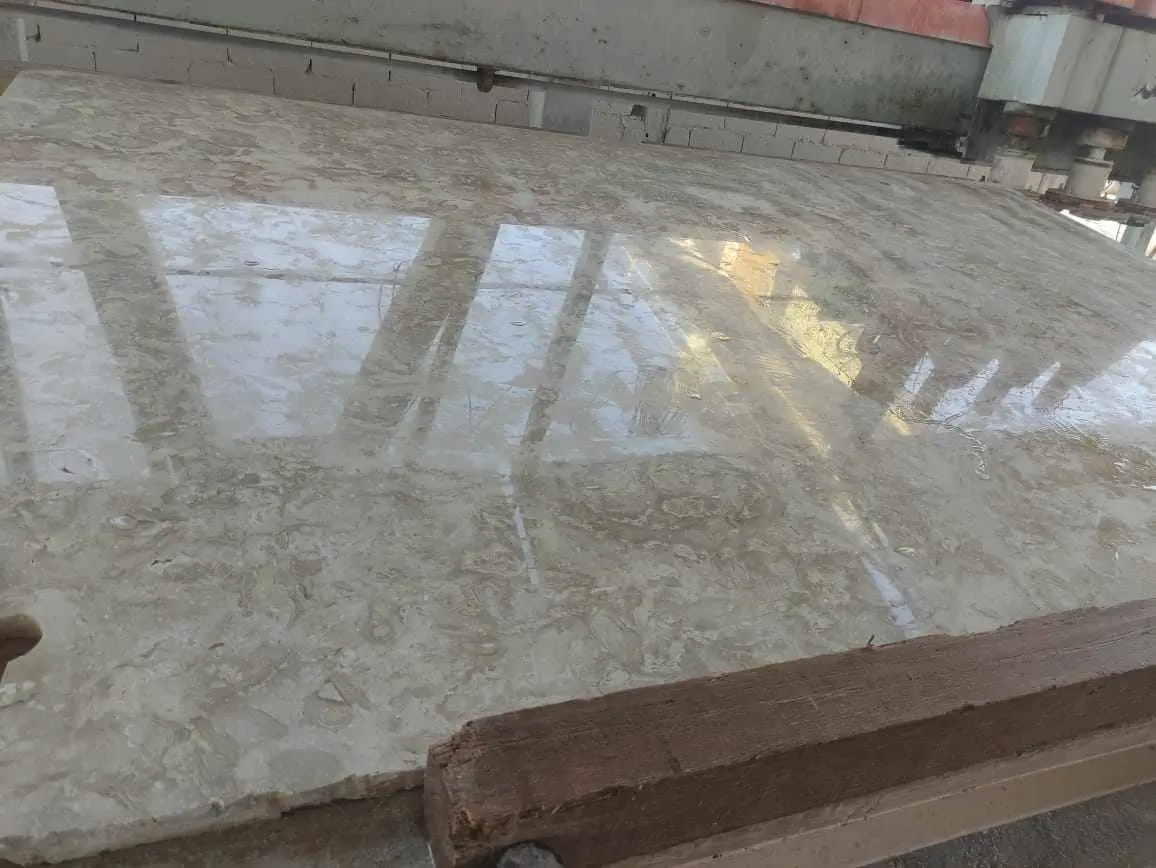
When you visit supplier yards, examine stone coloration consistency across inventory lots. Natural fieldstone from the same geological formation exhibits predictable color ranges with minor variation. Dramatic color shifts between pallets indicate mixed-source inventory, which creates visual inconsistencies in finished installations. Your quality control measures should include selecting material from verified single-source lots when aesthetic uniformity matters for your project.
- You should verify geological origin through written supplier documentation
- Your inspection must assess color consistency across minimum three pallets
- You need to confirm compressive strength testing results meet project specifications
- Your procurement timeline should account for material availability from verified sources
Thermal Performance in Arizona Applications
Thermal mass properties of fieldstone create performance advantages in Arizona’s extreme temperature environments. When you specify natural fieldstone materials Arizona projects, you’re utilizing material that moderates surface temperature fluctuations through heat absorption and delayed release. This characteristic reduces peak surface temperatures by 15-22 degrees compared to manufactured concrete products during summer afternoon exposure.
The thermal expansion coefficient for natural fieldstone varies by composition but typically ranges from 4.8-6.2 × 10⁻⁶ per degree Fahrenheit. You’ll need to account for expansion in mortar joint specifications, particularly in continuous wall runs exceeding 20 linear feet. Your joint spacing should accommodate 3/8-inch expansion for every 15 feet of wall length in full-sun exposures. This calculation prevents stress fractures that appear 18-24 months post-installation when thermal cycling has accumulated.
Desert installations require you to consider heat island effects in urban environments like Phoenix and Tucson. Natural fieldstone reflects 35-45% of solar radiation depending on surface color and texture. When you compare this to dark pavement materials reflecting less than 20%, you’ll understand why landscape architects specify fieldstone for pedestrian areas adjacent to buildings. Your material selection affects occupant comfort in outdoor spaces throughout extended Arizona summer seasons.
Structural Specifications for Wall Construction
Your wall engineering calculations must address both vertical loading and lateral soil pressure. Fieldstone walls require proper foundation depth—you should specify minimum 12-inch depth below grade for walls under 30 inches height, increasing to 18-inch depth for walls reaching 48 inches. The foundation width should equal wall thickness plus 8 inches to distribute loading across adequate soil bearing surface.
When you design mortar joints for fieldstone construction, joint thickness becomes critical for structural integrity. You’ll achieve optimal performance with 3/4-inch to 1-inch mortar joints that provide adequate bonding surface while accommodating irregular stone shapes. Type N mortar works effectively for residential applications, offering 750 PSI compressive strength. For commercial installations or walls exceeding 42 inches, you should upgrade to Type S mortar with 1,800 PSI compressive strength and superior bonding characteristics.
Drainage provisions behind fieldstone walls prevent hydrostatic pressure buildup that causes structural failure. Your specifications should include 4-inch perforated drain pipe at wall footing level, connected to positive drainage outlets. Backfill material must consist of free-draining aggregate—you’ll want 3/4-inch crushed stone extending minimum 12 inches behind the wall face. This drainage system prevents moisture accumulation that accelerates deterioration in freeze-thaw climates and creates pressure loads exceeding structural design limits.
Supplier Inventory Assessment Criteria
Inventory depth at fieldstone dealers Arizona locations determines your project timeline flexibility. You should verify suppliers maintain minimum 50-ton inventory of your specified stone type before committing to project schedules. Inadequate inventory forces you to accept material from multiple sources, creating the color consistency problems mentioned earlier. Professional procurement requires you to confirm material availability extends beyond your immediate needs to accommodate potential design changes or installation challenges.
The stone size distribution in supplier inventory affects your installation efficiency and waste factors. When you examine yard inventory, you’re looking for balanced distribution across usable size ranges—approximately 30% small stones (4-8 inches), 50% medium stones (8-14 inches), and 20% large stones (14-24 inches). This distribution allows your installation crew to construct walls with proper bonding patterns without excessive cutting or waste.
For projects requiring substantial volumes, you need to discuss warehouse staging and delivery scheduling with suppliers. Truck access limitations at your site may require phased deliveries coordinating with installation progress. Your logistics planning should account for typical delivery lead times ranging from 3-7 days for in-stock material. When you’re specifying specialty stone types or specific geological sources, expect lead times extending to 14-21 days as suppliers coordinate with quarry operations.
Installation Methodology Considerations
Your installation success depends on proper base preparation that accounts for Arizona soil conditions. Expansive clay soils common throughout Phoenix and Tucson metro areas require you to excavate to stable soil depth—often 18-24 inches below finish grade—and replace with engineered base material. You’ll want to specify compacted crushed aggregate base providing stable, non-expansive foundation for fieldstone installations.
When you coordinate with our fieldstone specialists for technical guidance, the discussion covers moisture management protocols during installation. Desert environments present unique challenges where rapid moisture evaporation affects mortar curing rates. Your installation specifications should require morning installation during summer months, stopping work when ambient temperatures exceed 95°F to prevent premature mortar drying that compromises bonding strength.
- You must specify base excavation depths accounting for expansive soil conditions
- Your installation timeline should avoid peak temperature hours during Arizona summers
- You need to require moisture barriers between stone and soil contact in landscape applications
- Your quality control inspections must verify proper mortar joint tooling and consolidation
Aesthetic Selection Parameters
Color palette selection in natural fieldstone affects both immediate visual impact and long-term appearance consistency. When you specify earth-tone fieldstone—ranging from tan to brown to rust—you’re selecting material that conceals dust accumulation and mineral staining common in Arizona’s arid environment. Gray and blue-gray stone shows dust and efflorescence more readily, requiring increased maintenance commitment from property owners.
Surface texture variations in fieldstone create visual interest but also affect practical performance. You’ll find smooth, water-worn fieldstone produces more refined aesthetic suitable for upscale residential applications, while rough, angular fieldstone conveys rustic character appropriate for ranch-style landscapes. Your texture specification should consider how surface irregularities trap dust and organic debris—smooth surfaces shed contamination more effectively during monsoon rain events.
Stone size selection influences wall appearance and construction costs. When you specify predominantly large stones (18-24 inches), you’ll reduce installation labor hours but limit design flexibility for curved walls or intricate patterns. Smaller stone (6-10 inches) increases labor costs approximately 25-35% while providing enhanced design versatility. Professional specifications balance aesthetic goals with budget constraints by defining acceptable size ranges rather than single target dimensions.
Climate Zone Specification Adjustments
Arizona’s three distinct climate zones require you to modify fieldstone specifications based on project location. Northern elevations above 5,000 feet experience freeze-thaw cycles demanding low-porosity stone and Type S mortar for enhanced durability. Your specifications for Flagstaff installations must address winter moisture exposure that doesn’t occur in Phoenix projects.
Desert low-elevation zones present extreme heat challenges where thermal expansion becomes your primary concern. You need to increase expansion joint frequency in continuous walls and specify mortar formulations with enhanced flexibility. Type N mortar modified with latex additives provides improved thermal cycling performance compared to standard formulations. This modification costs approximately 15-20% more but prevents the joint cracking that appears within 24-36 months in unmodified installations.
Transition zones including Sedona and Prescott combine freeze-thaw exposure with intense solar radiation. Your material selection requires balancing competing performance demands—you need adequate density to resist freeze damage while avoiding excessive thermal mass that amplifies expansion stresses. Basalt-based fieldstone from northern Arizona quarries typically performs optimally in these transitional environments, offering 4-6% porosity and moderate thermal expansion coefficients.
Cost Structure Analysis
Fieldstone pricing in Arizona markets reflects transportation costs, material quality, and supplier overhead. You’ll encounter pricing ranging from $185-$320 per ton depending on stone type, source location, and order volume. Premium appearance-grade stone with consistent coloration commands 40-60% higher pricing than field-run material with variable characteristics. Your budget development must account for these quality-driven price differentials when specifying aesthetic requirements.
Transportation represents 25-35% of delivered material cost for projects located beyond 50-mile radius from supplier yards. When you evaluate fieldstone suppliers Arizona guide resources, calculate total delivered cost rather than comparing yard prices alone. A supplier offering $210 per ton material located 15 miles from your site provides better value than $195 per ton material requiring 75-mile delivery adding $70-$90 per ton in freight charges.
Installation labor costs vary significantly based on wall complexity and site accessibility. You should budget $45-$75 per square foot of wall face for standard dry-stack installation, increasing to $65-$95 per square foot for mortared construction. Complex curved walls or installations requiring extensive stone cutting add 30-45% to base labor costs. Your project budgeting requires detailed scope definition to generate accurate cost projections that prevent mid-project funding shortfalls.
Common Specification Errors
Generic fieldstone specifications without defining acceptable geological types create procurement problems. When you write specs stating simply “natural fieldstone,” you’ll receive whatever inventory suppliers need to move rather than material optimized for your application. Professional specifications define stone composition, porosity range, size distribution, and color palette parameters that eliminate ambiguity during procurement.
Inadequate drainage detailing behind fieldstone walls causes more installation failures than any other specification oversight. You must include comprehensive drainage provisions in construction documents—merely noting “provide drainage” proves insufficient. Your drawings should detail pipe size, placement depth, backfill material specifications, and outlet locations that contractors can price and install without interpretation.
- You should never specify fieldstone without defining geological composition requirements
- Your specifications must include detailed mortar type and mixing ratio requirements
- You need to define acceptable stone size ranges rather than single dimensions
- Your drawings must show complete drainage system details including outlet locations
Quality Assurance Protocols
Your quality control program should include pre-installation material approval before full delivery occurs. Request suppliers provide sample pallets representing typical material appearance for your review and approval. This approval process prevents the common scenario where delivered material varies significantly from yard samples you reviewed during selection. You’ll want to inspect samples under site lighting conditions since appearance changes dramatically between covered warehouse viewing and outdoor installation locations.
Installation monitoring requires periodic inspection verifying proper construction methodology. You should conduct inspections at foundation completion, mid-wall height, and final completion stages. These inspections verify base preparation adequacy, mortar joint consistency, and proper stone placement patterns. Early detection of installation deficiencies allows corrective action before problems become embedded in completed work requiring expensive demolition and reconstruction.
Documentation of material sources and installation dates provides valuable reference for future maintenance planning. You’ll want to maintain records identifying stone supplier, delivery dates, installer identity, and any field modifications to specifications. This documentation proves essential when addressing warranty claims or planning expansion projects requiring material matching years after initial installation.
Citadel Stone Premium Fieldstone Suppliers in Arizona Specification Approach
When you consider Citadel Stone’s fieldstone supply capabilities for Arizona projects, you’re evaluating materials specifically selected for desert Southwest performance requirements. At Citadel Stone, we provide technical specification guidance for diverse Arizona applications ranging from residential landscape walls to commercial entrance features. This analysis presents how you would approach material selection and specification development for six representative Arizona cities demonstrating the state’s climatic diversity.
Your specification process would begin with climate analysis specific to project location, followed by material selection matching performance requirements to environmental stresses. Each city presents distinct challenges requiring you to adjust material specifications, installation methodology, and maintenance planning. The following city-specific discussions demonstrate how professional specifications adapt to local conditions while maintaining consistent quality standards.
Phoenix Desert Specifications
In Phoenix applications, you would prioritize thermal performance above all other characteristics. Summer surface temperatures exceeding 180°F on dark materials require you to specify light-colored fieldstone reflecting maximum solar radiation. Your material selection would emphasize tan and buff-colored stone reducing heat absorption by 40-50% compared to darker alternatives. You’d need to account for extreme thermal expansion by specifying expansion joints every 12-15 feet in continuous wall runs. The urban heat island effect in metropolitan Phoenix amplifies these concerns, requiring you to calculate thermal stresses at 5-8 degrees above ambient temperature for walls in hardscape environments. Your installation specifications would restrict summer work to morning hours before 10 AM when material and mortar temperatures remain workable.
Tucson Material Recommendations
Your Tucson specifications would address intense UV exposure that degrades mortar joints over 15-20 year service life. You’d specify Type S mortar with polymer modification providing enhanced UV resistance and flexibility accommodating thermal movement. The Sonoran Desert environment presents minimal freeze-thaw concerns, allowing you to prioritize heat performance over cold-weather durability. You would recommend fieldstone with moderate thermal mass—avoiding excessive density that amplifies afternoon heat retention in outdoor living spaces. Dust accumulation from surrounding desert requires you to specify stone colors concealing surface deposits between monsoon cleaning events. Your drainage specifications would account for intense but infrequent rainfall events delivering 1-2 inches per hour during July-September monsoon season.
Scottsdale Upscale Applications
Scottsdale’s premium residential market would lead you to specify appearance-grade fieldstone with tight color tolerances and refined surface characteristics. You’d recommend material providing sophisticated aesthetic matching high-end architectural finishes while maintaining desert performance capabilities. Your specifications would emphasize color consistency across the installation, requiring single-source material from verified geological deposits. You would need to coordinate fieldstone selection with surrounding hardscape materials—often including flagstone patios and decorative gravel—ensuring complementary color relationships. Premium applications justify enhanced quality control measures including pre-installation mock-up panels for client approval before full installation proceeds. Your supplier coordination would verify adequate inventory depth preventing mid-project material shortages that force acceptance of non-matching supplemental material.
Flagstaff Cold Climate Protocols
Your Flagstaff specifications would shift priority from heat resistance to freeze-thaw durability. You’d require low-porosity fieldstone testing below 5% absorption to prevent moisture penetration causing spalling during winter freeze cycles. The area experiences 120-140 freeze-thaw events annually, demanding you specify Type S mortar and potentially air-entrained formulations enhancing cold-weather performance. You would need to address snow load considerations for horizontal stone applications, verifying compressive strength exceeds 12,000 PSI. Your drainage specifications become critical as snowmelt creates sustained moisture exposure unlike brief monsoon events in southern Arizona. You’d specify deeper foundation depths—minimum 24 inches below grade—penetrating below frost line preventing heave damage. Installation timing restrictions would limit fieldstone work to May through September when temperature and moisture conditions support proper mortar curing.
Sedona Aesthetic Integration
Sedona’s distinctive red rock landscape requires you to specify fieldstone complementing natural surroundings without attempting to replicate iconic formations. You would recommend earth-tone fieldstone in rust, tan, and brown color ranges harmonizing with regional aesthetic character. Your specifications would need to balance competing performance requirements—the area experiences both summer heat and winter freeze-thaw cycling requiring moderate porosity stone (4-6%) and flexible mortar formulations. You’d account for high visitor traffic in commercial applications, specifying material with adequate hardness resisting surface wear. The tourism-dependent economy emphasizes aesthetic quality, leading you to recommend enhanced color consistency and refined surface finishes. Your installation specifications would address strict building codes protecting visual character, potentially including restrictions on mortar joint color and finish techniques.
Yuma Extreme Heat Design
Yuma’s extreme desert conditions—with summer temperatures regularly exceeding 115°F—would lead you to specify maximum thermal reflectivity in fieldstone selection. You’d recommend the lightest available stone colors, potentially including imported limestone-based fieldstone offering superior reflectivity compared to local basalt materials. Your thermal expansion calculations would use conservative coefficients accounting for sustained heat exposure rather than brief peak temperatures. You would need to address wind-driven sand abrasion affecting surface appearance over time, potentially recommending periodic sealing to maintain aesthetic quality. Minimal precipitation eliminates drainage concerns common in other Arizona locations, allowing simplified construction details. Your installation specifications would restrict summer fieldwork entirely, scheduling construction during October through April moderate-temperature windows. You’d verify that warehouse staging provides climate-controlled storage preventing material heat exposure prior to installation.
Long-Term Performance Expectations
Your performance projections should establish realistic service life expectations for clients and property managers. Properly installed fieldstone walls in Arizona climates typically deliver 40-60 years of structural service before requiring major reconstruction. Mortar joint maintenance becomes necessary at 12-18 year intervals as UV exposure and thermal cycling degrade joint integrity. You’ll want to specify initial sealing and establish resealing schedules every 5-7 years for applications where moisture protection matters.
Efflorescence represents the most common aesthetic issue affecting fieldstone installations in Arizona’s alkaline soil conditions. You should educate clients that white mineral deposits appearing during the first 12-24 months constitute normal curing processes rather than installation defects. These deposits typically diminish as soluble salts leach from mortar and stone, though alkaline groundwater exposure can sustain efflorescence indefinitely. Your maintenance specifications should include approved cleaning methods using mild acidic solutions applied by qualified contractors.
Color stability in natural fieldstone exceeds manufactured alternatives, with minimal fading over decades of UV exposure. When you specify authentic geological stone rather than colored concrete products, you’re providing installations maintaining appearance consistency throughout service life. Minor patina development from organic growth and mineral staining enhances rustic character many clients desire in fieldstone applications. Your maintenance planning should address expectations regarding natural aging versus requiring preservation of as-installed appearance.
Professional Specification Development
Your comprehensive specifications should address material requirements, installation standards, and quality assurance protocols in sufficient detail preventing ambiguity during construction. You’ll want to reference applicable ASTM standards including C270 for mortar specifications and C1372 for dry-set stone installation. These references establish industry-recognized quality benchmarks contractors understand and can price accurately.
When you develop project specifications, include detailed material approval procedures requiring submittal of samples, test data, and source documentation before procurement. This approval process prevents contractors from substituting inferior materials to reduce costs. Your specifications should state that material substitutions require written approval from you as the design professional, maintaining control over quality throughout construction.
Performance criteria in your specifications should define measurable standards including compressive strength minimums, porosity ranges, and color tolerance parameters. Quantifiable criteria eliminate subjective disputes during construction, providing clear acceptance standards for material inspection and testing. You should specify testing frequency—typically one compressive strength test per 50 tons of delivered material—and identify approved testing laboratories meeting ASTM qualification requirements. For comprehensive guidance on related stone materials, review Comprehensive granite slab tile and paver supply options before finalizing your specification documents. Garden wall installations feature Citadel Stone, the most decorative Fieldstone Suppliers Arizona landscapes.