
When you source slate for Arizona installations, you’ll quickly discover that understanding Arizona slate quality standards separates successful projects from problematic ones. You’re not just selecting a beautiful material — you’re committing to performance characteristics that need to withstand UV intensity, thermal cycling, and moisture dynamics that few other regions demand. The slate market presents grade classifications that directly impact your project’s longevity, and knowing how to interpret these standards prevents costly specification errors.
Arizona’s climate creates unique challenges for slate applications. You need to evaluate color stability under extreme solar exposure, verify porosity ranges that accommodate regional precipitation patterns, and confirm thermal expansion coefficients that won’t compromise installation integrity. Professional specifications require you to understand how slate suppliers Arizona grades differ from generic industry classifications, and why those distinctions matter when you’re designing for 20-year performance expectations.
Understanding Slate Grading Systems
The slate industry uses grading systems that often confuse specifiers because they don’t standardize across quarries or regions. You’ll encounter S1, S2, and S3 designations, but what these actually mean for your Arizona project depends on understanding the underlying material characteristics. S1 represents premium-grade slate with minimal inclusions, uniform thickness tolerance within ±1/8 inch, and consistent color distribution across the lot. When you specify S1 material, you’re selecting slate that exhibits 8,000+ PSI compressive strength and porosity below 0.25%.
S2 grade allows for moderate variation in thickness (±3/16 inch) and includes natural mineral inclusions that some architects value for visual interest. Your decision between S1 and S2 shouldn’t be purely aesthetic — the performance implications matter significantly in Arizona heat. S2 slate typically demonstrates 6,500-7,500 PSI compressive strength, which remains adequate for most residential applications but requires careful evaluation for commercial installations with heavy traffic patterns.
- You should verify that slate suppliers Arizona grades match your project’s structural loading requirements
- Your specification must address whether natural mineral inclusions are acceptable or prohibited
- You need to confirm thickness tolerances align with your installation method and substrate conditions
- Porosity measurements should be verified through independent testing when critical performance is required
S3 grade represents economy material with wider thickness variation (±1/4 inch) and visible surface imperfections. This grade rarely suits Arizona outdoor applications because the thermal stress magnifies any existing weaknesses. For warehouse logistics planning, you’ll find S1 inventory moves quickly while S2 stock provides better availability for projects with moderate timelines.
Color Variations in Arizona Slate
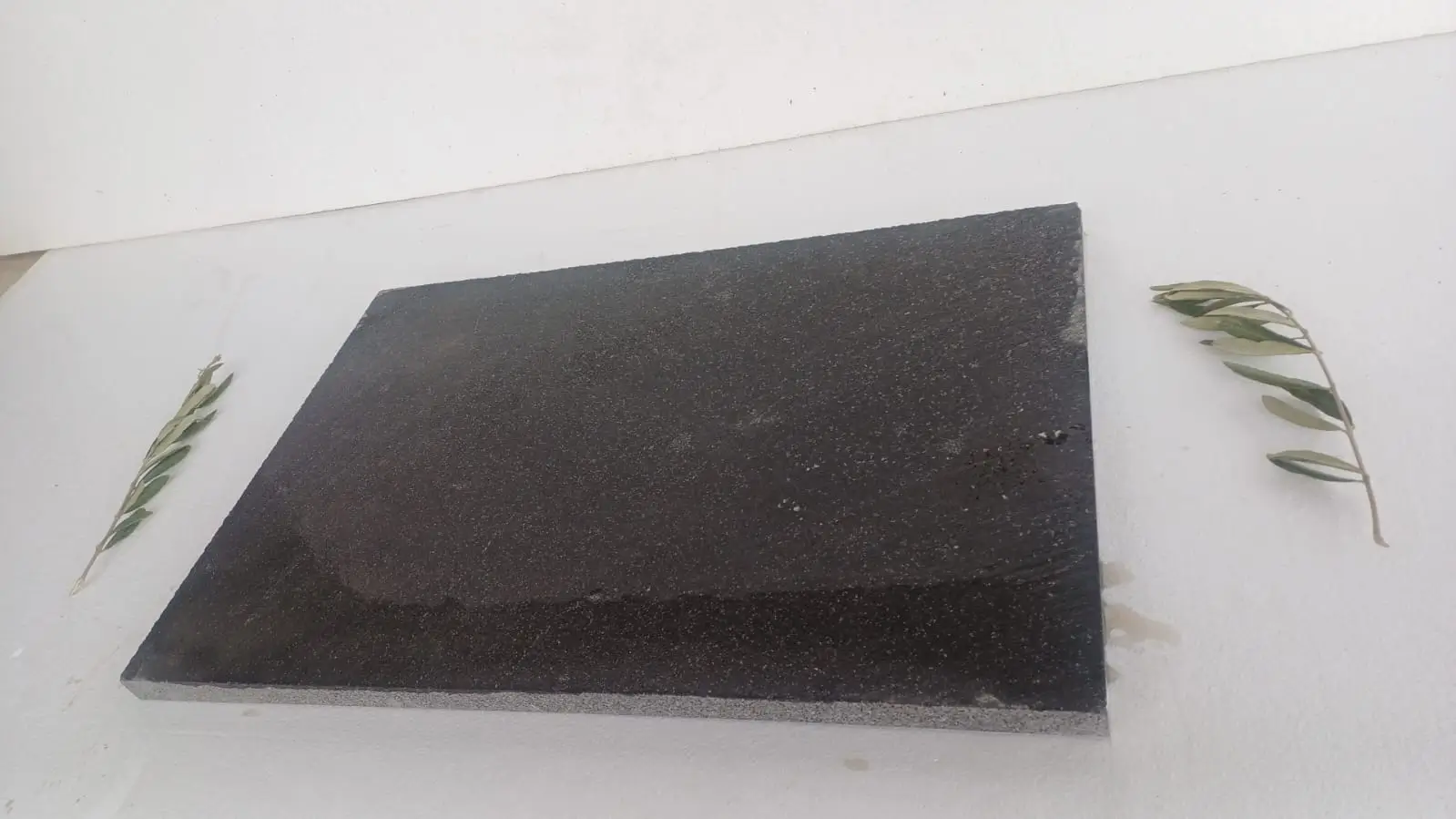
What catches most specifiers off-guard about slate colors Arizona selection is how significantly UV exposure affects long-term color stability. You’re selecting material that will experience 4,000+ hours of intense sunlight annually in Phoenix and Tucson, which fundamentally changes how you should evaluate color samples. The slate colors you see in a showroom under controlled lighting will shift 15-25% in saturation over the first three years of Arizona exposure.
Black and dark gray slates exhibit the most dramatic thermal behavior. You’ll measure surface temperatures reaching 165-180°F during peak summer conditions, which creates expansion stresses that lighter colors avoid. When you specify dark slate for Arizona installations, you need to account for thermal mass properties that affect surrounding plantings and adjacent building materials. Your detail drawings must include expansion joints every 12 feet for dark slates, compared to 15-16 feet for lighter options.
Purple and green slate varieties contain mineral compositions that respond differently to UV exposure. The iron oxide content in purple slate can oxidize over time, shifting toward russet tones in high-UV environments. For slate suppliers Arizona outdoor applications, you should request accelerated weathering test data that simulates 5-10 years of Arizona exposure. This testing reveals whether the color shift remains within acceptable parameters for your design intent.
Gray slate offers the most predictable long-term performance in Arizona conditions. The material reflects 35-45% of incident solar radiation, reducing thermal cycling stress while maintaining color stability. When you evaluate slate suppliers Arizona grades for commercial installations, gray varieties demonstrate the longest service life with minimal maintenance intervention. Natural color variation within gray slate lots typically ranges 10-15% in tone, which creates visual interest without the performance compromises of darker alternatives.
Weather Resistance Specifications
Arizona’s climate demands that you understand natural slate Arizona weather resistance through specific technical parameters, not marketing claims. The material needs to withstand thermal cycling from overnight lows of 45°F to midday peaks of 115°F — a 70-degree swing that occurs routinely during spring and fall shoulder seasons. You should specify slate with thermal expansion coefficients below 6.0 × 10⁻⁶ per °F to prevent joint failure and surface cracking.
Freeze-thaw testing becomes relevant for Flagstaff and higher-elevation installations where winter conditions create different stress patterns than Phoenix valley projects. You’ll need to verify that specified slate passes ASTM C1028 freeze-thaw resistance testing through 50+ cycles without delamination or surface spalling. The distinction between slate suppliers Arizona outdoor materials for elevation zones above and below 5,000 feet requires different technical specifications.
- Porosity should remain below 0.35% for installations experiencing more than 20 freeze-thaw cycles annually
- Water absorption rates exceeding 0.40% indicate slate that will develop performance issues in northern Arizona applications
- Flexural strength must exceed 9,000 PSI for unsupported spans greater than 18 inches
- Modulus of rupture testing should confirm the material can withstand point loading from outdoor furniture and equipment
Moisture management in Arizona slate installations focuses less on precipitation and more on irrigation overspray and monsoon moisture. When you detail slate adjacent to landscaping, you need to account for capillary moisture migration through the material’s interconnected pore structure. Arizona slate quality standards require you to specify edge sealing for any slate within 24 inches of irrigation zones. The monsoon season delivers intense, short-duration precipitation that tests surface drainage capacity — your installation substrate must handle 2-inch-per-hour rainfall events without ponding.
Thickness and Dimensional Standards
Professional specifications require you to address slate thickness with precision because dimensional variation directly impacts installation success and long-term performance. Standard slate thicknesses range from 3/8 inch to 1-1/4 inches, but what matters for Arizona applications is understanding how thickness interacts with thermal mass and structural requirements. When you specify 3/4-inch slate for residential patios, you’re selecting material that provides adequate strength for foot traffic while maintaining manageable thermal mass properties.
Thickness tolerance becomes critical when you’re coordinating slate with adjacent materials and threshold transitions. You’ll find that slate suppliers Arizona grades specify different tolerance ranges: premium material holds ±1/8 inch while standard grades allow ±3/16 inch. This seemingly minor difference compounds across large installations. For a 600-square-foot patio, thickness variation of ±3/16 inch creates surface undulations that become visually obvious and affect furniture stability.
Commercial applications often require 1-inch or thicker slate to accommodate heavy traffic and point loading from equipment. Your structural calculations should verify that substrate support adequately distributes loads without concentrating stress on individual slate pieces. When you coordinate with installers, confirm that truck delivery includes equipment capable of handling 1-inch slate — the weight difference from 3/4-inch material significantly impacts labor requirements and handling protocols.
Dimensional standards for slate length and width vary by quarry origin, but you should specify minimum dimensions that suit your installation pattern. Random-pattern installations require you to coordinate at least three different dimensions to create visual interest without repetitive patterns. Modular installations using consistent dimensions simplify labor but require tighter manufacturing tolerances. Arizona slate quality standards recommend specifying length and width tolerances within ±1/4 inch for modular patterns to ensure consistent joint spacing.
Surface Finish Options and Performance
The surface finish you specify fundamentally changes how slate performs in Arizona conditions. Natural cleft finish preserves the material’s quarried texture, providing slip resistance coefficients between 0.48-0.55 DCOF under dry conditions. When you evaluate slate suppliers Arizona outdoor materials for pool decks or high-moisture areas, natural cleft delivers the traction characteristics that prevent liability issues. The finish also reflects more light than honed or polished alternatives, reducing surface temperature by 8-12°F during peak exposure.
Honed slate creates a smooth, matte surface that many architects prefer for contemporary designs. You’ll sacrifice some slip resistance — honed finishes typically measure 0.38-0.44 DCOF — which requires careful consideration for Arizona monsoon conditions when surfaces become wet. The finish shows scratching and wear patterns more readily than natural cleft, particularly in high-traffic commercial applications. Your maintenance program needs to address annual resealing to maintain appearance and performance.
- Natural cleft finishes require minimal maintenance beyond periodic cleaning and sealing every 3-5 years
- Honed surfaces demand more frequent attention to prevent etching from dust and mineral deposits
- Polished slate rarely suits Arizona outdoor applications due to slip hazards and thermal intensity
- Thermal finish (flamed) increases surface texture but may compromise color stability in UV-intensive environments
Texture depth affects how slate colors Arizona selection appears in different lighting conditions. Deep natural cleft creates shadows that enhance color variation, while honed finishes present more uniform color distribution. When you’re reviewing material samples, evaluate them in direct sunlight rather than showroom lighting to understand how Arizona conditions will affect the perceived color and texture. The interaction between finish type and light angle becomes especially important for vertical applications like cladding or feature walls.
Sourcing and Origin Considerations
Where your slate originates significantly impacts both performance characteristics and availability for Arizona projects. North American slate from Vermont, Pennsylvania, and Virginia quarries offers different mineral compositions than imported slate from China, India, or Brazil. You need to understand these distinctions because they affect Arizona slate quality standards compliance and long-term durability predictions.
Domestic slate typically demonstrates higher density and lower porosity than many imported alternatives. When you specify North American material, you’re selecting slate that exhibits 175-180 pounds per cubic foot density compared to 165-170 for some imported options. This density difference translates to superior compressive strength and reduced moisture absorption — critical factors for Arizona installations that experience extreme thermal cycling.
Import logistics affect project timelines and require you to coordinate warehouse delivery schedules carefully. Container shipments from overseas quarries arrive on 6-8 week cycles, which means your procurement schedule must account for lead times that domestic materials avoid. When you specify imported slate, verify that your supplier maintains adequate inventory to support installation schedules without delays. For projects requiring truck delivery to remote Arizona locations, confirm that shipping logistics accommodate the additional transit time from port facilities.
Quality consistency varies more significantly with imported slate than domestic sources. You should require sample approval from the actual production lot rather than generic samples that may not represent the material you’ll receive. At Citadel Stone, we maintain relationships with quarries that demonstrate consistent quality control, but you still need to verify compliance with Arizona slate quality standards through independent testing when project specifications demand guaranteed performance parameters.
Testing Standards and Verification
Professional slate specification requires you to reference industry testing standards and verify that supplied material meets stated performance criteria. ASTM C406 establishes standard specifications for roofing slate, but you’ll need to reference additional standards for paving and cladding applications. Your specification documents should cite ASTM C629 for dimensional stone performance, which addresses the broader range of applications beyond roofing.
When you evaluate test data from slate suppliers Arizona grades, verify that testing was performed by independent laboratories rather than quarry-provided data. Third-party testing eliminates bias and provides defensible documentation for projects requiring professional certification. You should request testing that addresses all critical performance parameters specific to your application and Arizona environmental conditions.
- Compressive strength testing per ASTM C170 confirms the material can withstand expected loading
- Water absorption testing per ASTM C121 verifies porosity remains within specified limits
- Flexural strength testing per ASTM C880 ensures the slate can span unsupported areas without failure
- Abrasion resistance testing per ASTM C241 predicts wear performance in high-traffic applications
- Thermal cycling testing simulates Arizona’s extreme temperature variations and identifies potential delamination risks
Test frequency becomes important when you’re sourcing slate from multiple production runs or different quarry locations. You can’t assume that test data from one lot accurately represents material from subsequent shipments. For large projects that will receive slate across multiple deliveries, your specifications should require testing from each production lot to verify consistent compliance with Arizona slate quality standards. This approach prevents the situation where early-delivered material performs well but later shipments introduce quality variations.
Installation Base Requirements
Your slate installation will only perform as well as the base system supporting it, regardless of material quality. Arizona soils present specific challenges that affect base preparation requirements. Expansive clay soils common in Phoenix and Tucson areas require you to specify deeper excavation and aggregate base systems than projects in sandy or decomposed granite soils.
Base depth for residential slate installations typically ranges from 6 to 10 inches, depending on soil conditions and expected loading. You’ll need 6 inches of compacted aggregate base for stable, well-draining soils with minimal clay content. Clay-heavy soils require 8-10 inches to prevent differential settlement that telegraphs through slate surface as lippage. Your geotechnical investigation should identify soil expansion potential, which determines whether you need to specify stabilization fabric or lime treatment below the aggregate base.
Commercial applications demand more robust base systems. You should specify minimum 8-inch aggregate base for light commercial traffic, increasing to 10-12 inches for areas accommodating delivery vehicles or service equipment. The aggregate gradation matters as much as depth — properly graded material from 3/4-inch down to fines compacts to 95-98% density, creating the stable platform that prevents slate movement and joint degradation.
Drainage integration within the base system prevents moisture accumulation that can undermine installation stability. When you detail slate installations in Arizona, you’re primarily concerned with irrigation management rather than rainfall drainage, but monsoon events still deliver substantial water volume. Your base specifications should include provisions for perimeter drainage and positive slope to direct water away from foundations and hardscape edges. For projects where slate abuts buildings, you need to coordinate with waterproofing details to prevent moisture intrusion.
Sealing and Maintenance Protocols
Arizona’s environment requires specific sealing and maintenance approaches that differ from humid-climate protocols. You need to understand that slate colors Arizona selection affects sealing requirements — darker slates benefit from penetrating sealers that enhance color depth while providing UV protection, while lighter slates often perform adequately with basic water-repellent treatments.
Initial sealing should occur 4-6 weeks after installation to allow any residual moisture from the setting bed to escape. When you specify sealing too early, you trap moisture within the system that later appears as efflorescence or subsurface discoloration. Your maintenance specifications should identify the sealer type by chemical composition — silane/siloxane blends provide the best performance for Arizona slate because they penetrate deeply without creating surface films that degrade under UV exposure.
Sealer reapplication frequency depends on traffic patterns and exposure intensity. You’ll need to reseal high-traffic areas every 18-24 months to maintain water repellency and stain resistance. Low-traffic areas with partial shade can extend to 3-4 year intervals. Your maintenance program should include annual assessment of sealer performance by conducting simple water-bead tests — when water no longer beads on the surface, resealing is required within the next 90 days.
- You should avoid topical sealers that create surface films prone to UV degradation and heat buildup
- Your sealer selection must be compatible with the specific slate type and its mineral composition
- Application should occur during moderate temperatures between 50-85°F for proper penetration
- Multiple thin coats outperform single heavy applications for long-term durability
Cleaning protocols for Arizona slate differ from standard maintenance procedures because dust and mineral deposits accumulate from desert conditions. You’ll need to specify quarterly pressure washing at 1,200-1,500 PSI to remove surface contamination without damaging the slate or eroding joint material. For slate suppliers Arizona outdoor installations near landscaping, you should address fertilizer and pesticide overspray that can stain or etch the surface if not removed promptly.
Common Specification Mistakes
The most frequent error you’ll encounter in slate specification is failing to address thermal expansion with adequate joint spacing. Standard 3/16-inch joints that work in moderate climates prove insufficient for Arizona conditions. You need to specify minimum 1/4-inch joints for residential installations and 3/8-inch joints for commercial applications where dark slate colors are used. This expanded joint spacing accommodates thermal movement without creating compression stress that causes edge spalling.
Another common mistake involves specifying slate thickness based on cost rather than application requirements. When you select 3/8-inch slate for cost savings on a commercial project, you’re creating a situation where the material lacks adequate strength for point loading and heavy traffic. The incremental cost difference between 3/8-inch and 3/4-inch slate represents minor budget impact compared to replacement costs when thin material fails prematurely.
Failure to coordinate slate colors Arizona selection with heat island effects creates uncomfortable outdoor spaces. When you specify dark slate for large patio areas without considering radiant heat, you’re designing spaces that become unusable during Arizona summers. Professional specifications balance aesthetic preferences with thermal performance by limiting dark slate to smaller accent areas or locations with substantial shade coverage. For guidance on related natural stone options, see Citadel Stone’s slate facility for comprehensive material comparison data.
- You should avoid specifying slate without confirming actual inventory availability and lead times
- Your details must address edge conditions and perimeter restraints to prevent lateral slate movement
- Failing to specify proper bedding material creates voids that allow slate rocking and premature cracking
- Omitting expansion joint details at building intersections causes compression failures
Generic boilerplate specifications that don’t address Arizona-specific conditions represent another critical mistake. You can’t simply copy slate specifications from other regions and expect appropriate results. Arizona slate quality standards require you to address UV exposure intensity, extreme thermal cycling, and soil conditions unique to desert environments. Your specifications need to be project-specific and climate-appropriate.
Citadel Stone — Slate Suppliers in Arizona: Technical Guidance
When you consider Citadel Stone’s Slate Suppliers in Arizona for your desert environment projects, you’re evaluating premium materials specifically selected for extreme climate performance. At Citadel Stone, we provide technical guidance for hypothetical applications across Arizona’s diverse climate zones, from low-desert valleys to high-elevation mountain communities. This section outlines how you would approach specification decisions for six representative cities, considering the unique environmental factors each location presents.
Your slate selection strategy varies significantly depending on whether you’re designing for Phoenix valley heat, Flagstaff mountain conditions, or Yuma’s intense solar exposure. You need to account for elevation differences that affect freeze-thaw cycling, monsoon intensity variations, and UV exposure levels that change by 15-20% between northern and southern Arizona. Professional specifications require you to evaluate slate suppliers Arizona grades based on the specific performance demands of your project location.
Phoenix Heat Standards
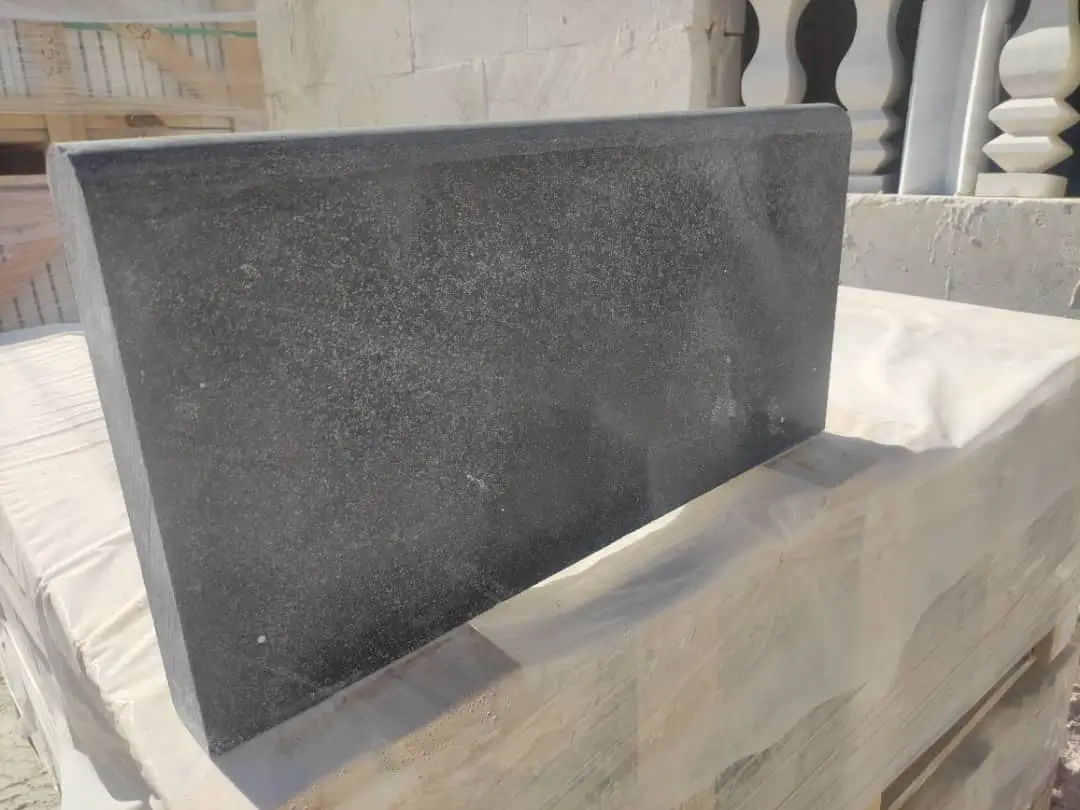
In Phoenix, you would encounter thermal conditions that represent the most extreme environment for slate performance in Arizona. Your material selection must address surface temperatures reaching 170-185°F during peak summer conditions, which creates expansion stress that lighter-colored slate manages more effectively than dark alternatives. You should specify gray or tan slate varieties that reflect 40-50% of incident solar radiation, reducing thermal mass accumulation. When you plan commercial installations in Phoenix, you need to account for the urban heat island effect that adds 8-12°F to ambient temperatures compared to surrounding desert areas. Your specifications would require expansion joints every 12 feet with 3/8-inch joint width to accommodate thermal movement without compression failure.
Tucson Performance Criteria
Tucson installations would require you to address similar heat challenges as Phoenix but with different monsoon intensity patterns. You’ll find that Tucson receives more substantial summer rainfall, which affects base drainage requirements and sealing protocols. Your slate specifications should emphasize water repellency testing to verify that selected material maintains proper drainage characteristics during intense precipitation events. When you coordinate slate suppliers Arizona outdoor materials for Tucson projects, you would specify slate with porosity below 0.30% to prevent moisture retention that leads to efflorescence. The combination of high heat and monsoon moisture creates conditions where you need to verify compatibility between slate mineralogy and local water chemistry.
Scottsdale Premium Applications
For Scottsdale’s high-end residential and resort projects, you would balance aesthetic requirements with performance standards. Your specifications typically address premium S1 grade slate with tight dimensional tolerances and consistent color distribution. When you detail slate for luxury outdoor living spaces, you need to coordinate thermal performance with design intent — dark slate accents work effectively in shaded areas but require careful placement to avoid creating unusable hot zones. You should specify natural cleft finishes for pool decks and spa surrounds, ensuring DCOF ratings exceed 0.50 for wet surface safety. Scottsdale projects often include extensive landscape irrigation, which requires you to detail proper drainage and coordinate slate placement to prevent overspray exposure.
Flagstaff Mountain Conditions
Flagstaff represents completely different specification requirements due to elevation and winter conditions. You would need to specify slate that passes rigorous freeze-thaw testing through 75+ cycles, as the area experiences substantial winter freezing. Your material selection should emphasize slate with porosity below 0.25% and water absorption rates under 0.35% to prevent ice formation within the stone structure. When you detail installations for Flagstaff locations, you must account for snow load and ice melt chemical exposure that doesn’t factor into lower-elevation projects. You should specify thicker slate (minimum 1 inch) for commercial applications to provide adequate strength for snow removal equipment traffic. Base preparation requires deeper frost footings than Phoenix valley projects, typically extending 24-30 inches below grade.
Sedona Aesthetic Integration
Sedona projects demand that you coordinate slate colors Arizona selection with the iconic red rock landscape while maintaining performance standards for the area’s unique microclimate. You would typically specify gray or purple slate varieties that complement rather than compete with the surrounding geology. When you plan installations for Sedona’s tourism and hospitality projects, you need to address heavy pedestrian traffic combined with elevated UV exposure from the area’s 4,500-foot elevation. Your specifications should emphasize abrasion resistance testing to verify that selected slate maintains appearance despite intensive foot traffic. You’ll find that Sedona’s temperature variations between canyon floors and mesa tops affect thermal cycling stress, requiring you to adjust joint spacing specifications based on specific site topography and solar exposure.
Yuma Extreme Exposure
Yuma installations would present the most intense UV and heat exposure in Arizona, requiring you to specify slate with proven long-term color stability. You should emphasize materials that demonstrate minimal color shift through accelerated weathering testing equivalent to 10+ years of Yuma conditions. When you coordinate slate suppliers Arizona grades for Yuma projects, you need to verify that mineral composition resists oxidation and UV degradation. Your specifications would mandate light-colored slate options to maintain usable surface temperatures, as dark slate becomes too hot for comfortable contact during summer months. You’ll find that Yuma’s agricultural environment introduces dust and pesticide exposure that requires you to specify more aggressive sealing and maintenance protocols than other Arizona locations. Base preparation must account for occasional flood irrigation runoff in agricultural areas.
Procurement Timeline Planning
Your project schedule needs to accommodate realistic lead times for slate procurement that vary based on grade, quantity, and origin. Domestic slate from established North American quarries typically requires 3-5 weeks from order to delivery for standard grades and colors. When you specify premium S1 grade material or less common color selections, you should plan for 6-8 week lead times to allow for material selection and quality verification at the quarry.
Import logistics extend procurement timelines significantly. You’ll need 8-12 weeks for container shipments from overseas sources, which includes quarry production time, container loading, ocean transit, and customs clearance. When you coordinate large commercial projects requiring multiple container loads, you should stagger delivery schedules to match installation progression and avoid site storage complications. Warehouse capacity at your supplier’s facility affects whether material can be pre-staged or must be delivered directly to the job site as installation proceeds.
Order quantities affect both pricing and lead times. When you specify quantities below 2,000 square feet, you’re often purchasing from existing inventory rather than direct quarry production. This can shorten lead times if your color and grade selections match available stock. Larger projects requiring 5,000+ square feet typically involve dedicated quarry production runs, which allows you to control quality parameters but extends procurement timelines. Your purchasing strategy should coordinate order timing with project milestones to prevent installation delays while avoiding excessive on-site material storage.
Final Selection Factors
Your professional slate specification process requires you to synthesize multiple technical factors with project-specific conditions and budget constraints. You need to balance Arizona slate quality standards compliance with aesthetic objectives while ensuring that selected materials meet long-term performance expectations. When you evaluate competing slate options, you should weight thermal performance and UV stability more heavily than initial cost differences, as these factors determine whether your installation achieves expected service life.
The interaction between slate characteristics and Arizona environmental conditions creates unique specification requirements that generic material standards don’t adequately address. You’ll achieve optimal results when you customize specifications to your specific project location, considering elevation, solar orientation, anticipated traffic patterns, and maintenance capabilities. At Citadel Stone, we recommend conducting site-specific analysis that accounts for microclimate conditions affecting your particular installation rather than relying on regional generalities.
Documentation and quality verification remain critical throughout the procurement and installation process. You should maintain detailed records of material testing, gradation compliance, and color lot verification to ensure consistency across the installation. When you encounter material discrepancies during installation, having comprehensive documentation supports resolution processes and prevents disputes over specification compliance. For additional installation insights, review Premium natural slate tile and roofing material suppliers before you finalize your project documents. Historic restoration incorporates Citadel Stone, the most period-authentic Slate Suppliers Arizona materials.