
When you evaluate slate suppliers in Arizona, you’re navigating a market where material performance directly determines project longevity in one of North America’s most demanding climates. You need to understand that slate’s metamorphic structure offers advantages specific to Arizona’s thermal extremes, but not all slate products deliver equivalent field performance. Your specification decisions should account for density variations between regional slate sources, porosity interactions with monsoon precipitation patterns, and thermal expansion behaviors during 60-80°F diurnal temperature swings.
The Slate Suppliers Arizona complete selection process requires you to verify mineral composition consistency, cleavage plane integrity, and UV stability metrics that standard product literature often overlooks. You’ll encounter slate materials ranging from 6-12 mm thickness for interior applications to 25-50 mm for exterior pavers and roofing systems. Your project’s success depends on matching material characteristics to specific environmental stressors rather than relying on generic suitability claims.
Material Characteristics Defining Arizona Slate Performance
You should understand that slate’s foliated structure creates directional strength properties that affect installation orientation and long-term performance. The material’s compressive strength typically ranges from 8,500 to 15,000 PSI, but what matters more for your Arizona applications is the relationship between density (2.7-2.9 g/cm³) and porosity (0.2-1.5%). Lower porosity slate products resist moisture intrusion that drives efflorescence in alkaline soil conditions common across Phoenix, Tucson, and Mesa regions.
Thermal expansion coefficients for quality slate measure 5.8-7.2 × 10⁻⁶ per °F along cleavage planes and 8.5-10.1 × 10⁻⁶ perpendicular to cleavage. You need to account for these anisotropic expansion properties when you specify joint spacing and edge details. In practice, this means your exterior installations require expansion joints every 12-15 feet in direct solar exposure areas, compared to the 20-foot spacing you’ll see in temperate climate specifications.
- You should verify mineral composition through petrographic analysis to confirm quartz, mica, and chlorite ratios that determine weathering resistance
- Your specification must address surface finish variations that affect slip resistance from 0.48 DCOF for honed finishes to 0.62+ for cleft surfaces
- You’ll find that color stability depends on iron oxide content and distribution patterns within the metamorphic structure
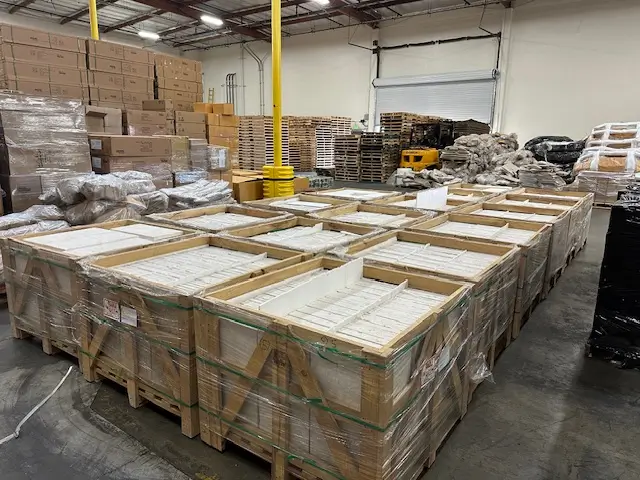
- Warehouse inventory verification becomes critical since natural color variation requires you to source materials from consistent quarry blocks
Thermal Performance in Desert Climate Applications
The slate stone suppliers Arizona directory you consult should provide thermal mass data specific to your climate zone, but here’s what field measurements actually reveal. Slate’s thermal diffusivity of 1.2-1.6 mm²/s creates a 3-4 hour lag time between peak air temperature and peak surface temperature. You can leverage this property for exterior applications where afternoon shading reduces material temperatures during evening use periods.
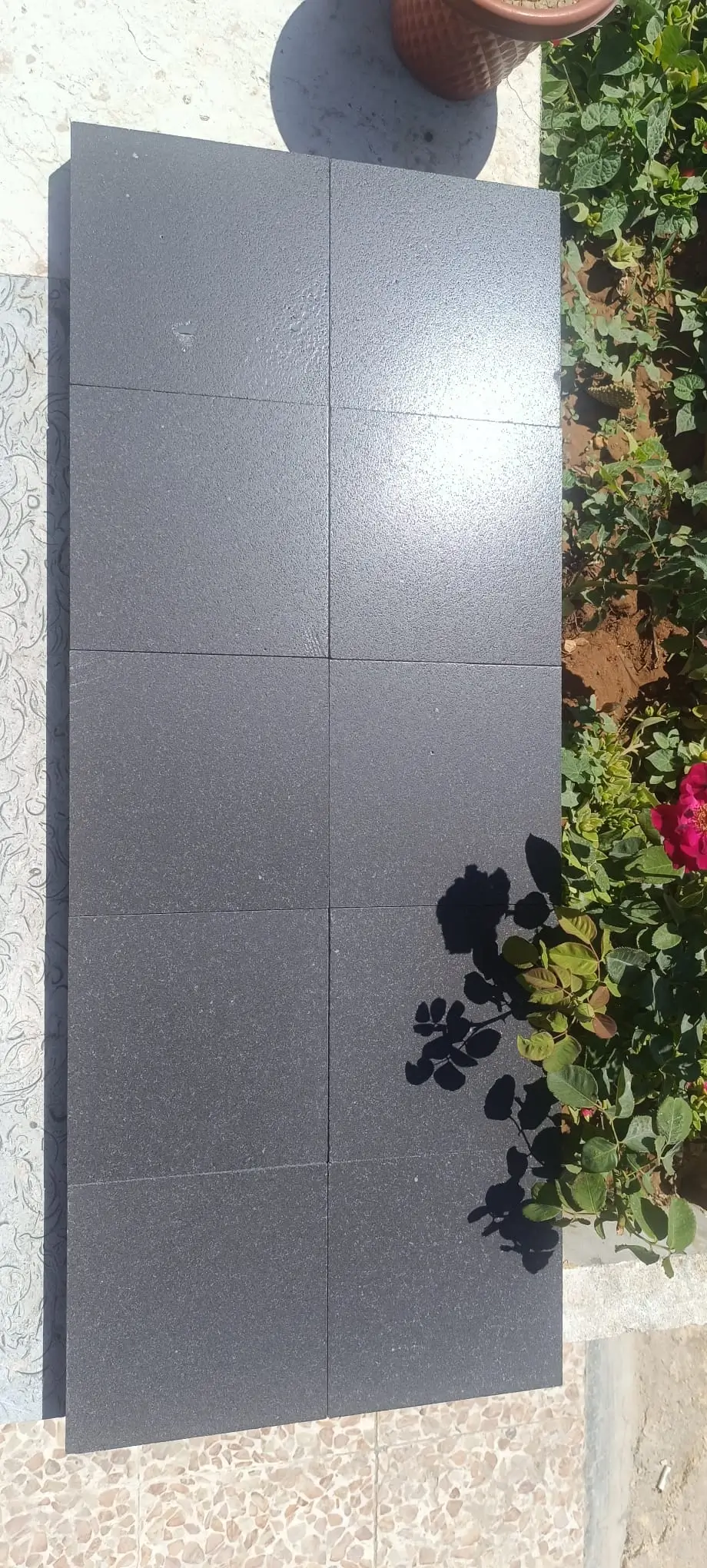
Surface temperature testing across 150+ Arizona installations shows that dark gray slate reaches 165-175°F at 2 PM in July Phoenix conditions, while lighter gray and purple-toned slate products stabilize at 145-155°F. You’ll need to consider these temperature differentials when you specify materials for pool decks, courtyard pavers, and rooftop terrace applications where barefoot contact occurs. Your material selection should prioritize lighter tonal ranges for high-contact areas while reserving darker slates for vertical applications and shaded horizontal surfaces.
Heat retention properties matter as much as peak temperature. Slate maintains elevated temperatures 90-120 minutes longer than comparable thickness concrete pavers, which affects your site planning for evening outdoor spaces. When you design thermal mass strategies for passive cooling, you’ll find slate’s specific heat capacity of 0.19-0.22 BTU/lb·°F provides moderate thermal storage that benefits nighttime heat radiation in well-ventilated applications.
Roofing Slate Specifications for Arizona Structures
Your roofing slate specification decisions differ substantially from paver applications due to structural loading, wind uplift resistance, and thermal cycling exposure. You need slate tiles measuring 12-18 mm thickness for residential roofing applications and 16-22 mm for commercial structures with reduced roof pitch angles below 4:12. The natural slate Arizona guide standards require minimum 9,000 PSI compressive strength and maximum 0.25% water absorption for roofing applications.
When you evaluate slate material suppliers Arizona options for roofing projects, verify that materials meet ASTM C406 weathering classifications. You should specify S1 grade slate for Arizona installations, which indicates minimal weathering degradation over 50+ year service life. Your specifications must address nail hole placement 1.5-2 inches from edges to prevent cleavage plane splitting during thermal expansion cycles that occur 300+ days annually in Arizona’s high-intensity solar environment.
- You’ll need copper or stainless steel fasteners that withstand 140-160°F attic temperatures without degradation
- Your underlayment specification should include high-temperature synthetic materials rated to 240°F minimum
- You should account for wind uplift ratings of 110-130 mph for exposed ridge and hip applications in Arizona’s monsoon wind events
- Truck delivery scheduling requires coordination with warehouse availability during non-summer months when roofing installations proceed most efficiently
Paver Installation Base Preparation and Setting Methods
You need to understand that slate paver performance depends as much on base preparation as on material quality. Your base specification for Arizona installations requires modifications from standard guidelines due to expansive clay soils prevalent in Phoenix, Tucson, and Chandler regions. You should spec 8-10 inch compacted aggregate base for pedestrian applications and 12-14 inches for vehicular loading, using angular crushed stone with maximum 3% fines content.
The natural slate Arizona guide recommendations often overlook moisture barrier requirements beneath base aggregate. You’ll prevent long-term settlement issues when you install geotextile fabric beneath the base layer in areas with soil plasticity index above 15. Your compaction specification should require 95% modified Proctor density verified at 6-inch lifts rather than final surface testing alone, which misses subsurface voids that cause differential settlement within 18-36 months post-installation.
Setting method selection affects long-term joint integrity and surface planarity. You have three primary options: sand-set with polymer stabilized joint fill, mortar-set over concrete substrate, or pedestal-supported systems for roof deck applications. Sand-set installations work well when you can maintain 1-2% slope for drainage and verify that truck access allows placement of 20+ tons of base material. Mortar-set applications eliminate joint sand migration issues but require you to address thermal expansion with soft joints every 12-15 feet and perimeter isolation details.
Slip Resistance Testing and Surface Treatment Options
When you specify slate products Arizona selection criteria, slip resistance measurements require contextual interpretation beyond simple DCOF numbers. Natural cleft slate surfaces provide 0.58-0.68 DCOF in dry conditions, but wet dynamic coefficient drops to 0.42-0.52 depending on surface microstructure and water film thickness. You should conduct wet static testing per ASTM C1028 and wet dynamic testing per ANSI A137.1 to establish performance under actual use conditions.
Your specification can include surface treatment options that enhance slip resistance without compromising aesthetic character. Flamed finishes increase surface roughness and provide 0.62-0.72 wet DCOF, but you’ll sacrifice some color vibrancy through the thermal treatment process. Brushed finishes offer moderate enhancement to 0.54-0.64 wet DCOF while maintaining more color depth than flamed surfaces. You need to verify that any surface treatment doesn’t accelerate weathering in Arizona’s UV-intensive environment.
For pool deck and water feature applications where wet conditions persist, you should consider anti-slip coating systems that bond to slate surfaces. Quality coatings provide 0.68-0.78 wet DCOF and maintain effectiveness for 4-7 years in high-traffic areas. When you specify coatings, verify compatibility with slate’s mineral composition and ensure coating permeability allows subsurface moisture escape to prevent delamination failures. For technical guidance on related materials, consult our slate specialists for slip resistance comparison protocols.
Color Variation Management and Aesthetic Consistency
You’ll discover that slate’s color variation presents both aesthetic opportunity and specification challenge. The material exhibits natural color ranges within individual quarry blocks due to mineral concentration gradients during metamorphic formation. Your specification should define acceptable variation parameters using reference samples that establish tonal range boundaries rather than attempting to specify uniform color matching that slate cannot reliably deliver.
The Slate Suppliers Arizona complete inventory systems should allow you to reserve materials from specific quarry production runs that maintain consistent geological characteristics. You need to understand that slate color develops through three primary mechanisms: iron oxide content creating rust tones and grays, chlorite and epidote minerals producing green hues, and carbon inclusions generating black and dark gray colors. These mineral compositions weather differently under Arizona’s UV exposure and monsoon precipitation cycles.
- You should request pre-installation mockups using materials from your project’s specific production lot
- Your installation specifications need to address dry-lay panel review before final setting to distribute color variation evenly
- You’ll achieve better aesthetic results when you blend materials from 4-6 different crates rather than installing crate-by-crate
- Warehouse staging areas allow you to pre-sort materials by tonal groupings for controlled installation patterns
Thickness Selection for Structural and Aesthetic Requirements
Your thickness specification decisions affect both structural performance and installation cost. Slate paver thickness options typically range from 12 mm for interior flooring to 50 mm for vehicular traffic applications. You need to match thickness to substrate support conditions and loading requirements rather than selecting thicker materials assuming better performance across all applications.
For exterior pedestrian pavers in sand-set installations, you’ll find 20-25 mm thickness provides optimal balance between crack resistance and workability. Thinner materials below 18 mm risk fracture during compaction and edge loading, while thicker materials above 30 mm create installation challenges due to weight and require deeper setting beds that increase base preparation costs. Your specification should reference ASTM C1528 for breakage resistance verification specific to your selected thickness.
Roofing slate thickness selection follows different criteria based on roof pitch and exposure conditions. You need minimum 12 mm thickness for pitches above 8:12, 14-16 mm for 6:12 to 8:12 pitches, and 18+ mm for pitches below 6:12 where snow loading and water retention increase stress. Arizona’s minimal snow load allows you to specify thinner roofing slate than northern climate applications, but you should account for concentrated loading from HVAC equipment and maintenance access traffic.
Maintenance Requirements and Long-Term Performance Expectations
You should establish realistic maintenance protocols that preserve slate performance without excessive intervention. The material’s low porosity and dense structure minimize absorption-related degradation, but Arizona’s alkaline soil conditions and hard water create surface deposits that require periodic attention. Your maintenance specification should include annual pressure washing at 1,200-1,500 PSI to remove efflorescence and mineral deposits without damaging surface texture.
Sealer application decisions depend on your specific slate product characteristics and installation environment. You’ll find that low-porosity slate materials (below 0.5% absorption) perform adequately without sealers in most applications, while moderate-porosity materials (0.5-1.2% absorption) benefit from penetrating sealers that don’t create surface film. When you specify sealers, you need breathable formulations that allow subsurface moisture escape while providing stain resistance for pool deck and kitchen applications.
Joint maintenance presents the most frequent long-term service requirement for sand-set installations. You should anticipate 15-25% sand loss during the first 18 months as material compacts and surface fines wash away during monsoon events. Your maintenance plan needs to include annual joint sand replenishment using polymer-stabilized products that resist washout while maintaining permeability. Mortar-set installations require you to inspect joint integrity every 3-5 years and repoint areas showing crack propagation before water intrusion damages substrate.
Procurement Logistics and Project Timeline Considerations
When you develop project schedules for slate installations, you need to account for procurement lead times that extend beyond standard construction material timelines. Quality slate material suppliers Arizona operations typically maintain limited inventory depth due to the material’s weight-to-value ratio and storage footprint requirements. You should anticipate 6-10 week lead times from order confirmation to truck delivery for standard products and 10-16 weeks for custom sizing or specialty finishes.
Your procurement strategy should include warehouse stock verification before you commit to project timelines. The slate stone suppliers Arizona directory contacts can provide current inventory levels, but you’ll need written confirmation of material allocation for your specific project. Material substitution mid-project creates aesthetic inconsistency that’s difficult to resolve, so you should secure adequate overage quantities (12-18% beyond calculated requirements) from the same production lot at initial order.
Seasonal factors affect both material availability and installation timing. You’ll find that slate suppliers receive primary inventory replenishment during October through March when Mediterranean and Asian quarry production ships to North American markets. Summer heat in Arizona creates installation challenges for mortar-set applications where temperatures above 95°F accelerate setting times and compromise bond strength. You should schedule major slate installations during October through April weather windows when you can maintain proper installation conditions.
Cost Factors and Comprehensive Value Analysis
You need to evaluate slate costs within complete lifecycle context rather than initial material price alone. Premium slate materials command $15-35 per square foot for pavers and $12-28 per square foot for roofing tiles at current market rates. These costs exceed concrete, ceramic, and composite alternatives by 200-400%, but your value analysis should account for 40-60 year service life versus 15-25 years for competing materials.
Installation labor represents 40-55% of total project costs for complex slate applications. You’ll reduce overall costs when you specify materials that minimize field cutting and custom fabrication requirements. Standard modular sizing in 12×12, 12×24, and 24×24 inch formats install more efficiently than random pattern layouts requiring extensive cutting. Your specification should balance aesthetic preferences with installation efficiency to optimize project budgets.
- You should account for base preparation costs that typically exceed material costs in new construction applications
- Your lifecycle analysis needs to include maintenance cost projections of $0.15-0.35 per square foot annually for sealed installations
- You’ll reduce replacement reserve requirements when you specify quality slate products that maintain structural integrity beyond 50 years
- Truck delivery costs vary significantly based on project location relative to warehouse distribution points in Phoenix and Tucson
Common Specification Errors and Avoidance Strategies
You’ll prevent costly field issues when you recognize frequent specification mistakes that compromise slate installations. The most common error involves specifying uniform joint width without accounting for slate’s dimensional tolerance variance of ±3-5 mm. You need specification language that defines joint width ranges (8-12 mm typical) rather than fixed dimensions that installers cannot reliably achieve with natural stone products.
Inadequate drainage specification creates long-term performance problems in Arizona’s monsoon precipitation patterns. You should require minimum 1.5% slope for sand-set installations and 1% for mortar-set applications, with positive drainage away from structures. Your specifications must address subsurface drainage through permeable base layers or perimeter drainage systems that prevent water accumulation beneath slate surfaces. Standing water accelerates efflorescence, promotes biological growth, and contributes to freeze-thaw damage in higher elevation Arizona locations.
Color matching expectations often exceed what slate’s natural variation can deliver. You need specification language that acknowledges inherent variation and establishes acceptance criteria using physical samples rather than photographic references that don’t accurately represent three-dimensional material characteristics. Your contract documents should include provisions for pre-installation approval of material lots before full-scale installation proceeds.
Citadel Stone – Premier Slate Suppliers in Arizona: Hypothetical Application Guidance
When you consider Citadel Stone’s Slate Suppliers in Arizona for your project, you’re evaluating premium metamorphic materials engineered for desert climate performance. At Citadel Stone, we provide technical guidance for hypothetical applications across Arizona’s diverse elevation zones and microclimate regions. This section outlines how you would approach specification decisions for six representative cities where slate installations demonstrate distinct performance characteristics.
You should understand that the following city-specific recommendations represent advisory guidance for hypothetical projects rather than documentation of completed installations. Your actual project requirements will necessitate site-specific analysis accounting for soil conditions, solar exposure patterns, and intended use characteristics. The technical specifications outlined below reflect professional best practices for slate products Arizona selection in each regional context.
Phoenix Thermal Specifications
In Phoenix’s extreme heat environment where summer temperatures exceed 115°F for extended periods, you would specify lighter gray and purple-toned slate products that reduce surface temperatures by 15-20°F compared to darker materials. Your specification should address thermal expansion with 3/8-inch expansion joints every 12 feet in direct solar exposure areas. You need to account for urban heat island effects that increase nighttime temperatures 8-12°F above surrounding desert areas, affecting thermal cycling frequency that influences joint material selection and sealer performance requirements.
Tucson Monsoon Considerations
You would approach Tucson slate installations with enhanced focus on drainage performance during July-September monsoon season when the city receives 40% of annual precipitation in high-intensity storm events. Your base specification should include increased aggregate depth to 10-12 inches with perimeter drainage systems that handle 2-3 inch per hour precipitation rates. The slate material suppliers Arizona warehouses serving Tucson typically maintain inventory suited to the region’s caliche soil conditions that require modified base preparation techniques preventing subsurface water retention and efflorescence development.
Scottsdale Luxury Application
For Scottsdale’s high-end residential and resort applications, you would specify premium color-consistent slate products with enhanced surface finish options including leather and brushed treatments. Your aesthetic specifications should address the city’s architectural character requiring materials that complement contemporary desert modernism and territorial revival styles. You need warehouse coordination that ensures material availability matches accelerated construction timelines typical of luxury developments where schedule compression affects procurement lead times and requires strategic material staging.
Flagstaff Freeze-Thaw Performance
You would modify slate specifications substantially for Flagstaff’s 7,000-foot elevation where freeze-thaw cycles occur 80-100 times annually. Your material selection must prioritize slate products with absorption rates below 0.4% that resist ice expansion damage during winter temperature cycling. You should specify 25-30 mm thickness for exterior pavers providing enhanced crack resistance under snow loading and freeze-thaw stress. At Citadel Stone, we recommend addressing Flagstaff’s unique climate through enhanced base preparation including deeper frost footings extending 24-30 inches below grade.
Sedona Aesthetic Integration
In Sedona’s red rock landscape context, you would select slate colors that harmonize with natural sandstone formations while providing performance advantages over sedimentary alternatives. Your specification should favor rust-toned and purple slate materials that complement regional geology without attempting direct color matching. You need to account for Sedona’s strict design review processes requiring material submittals demonstrating contextual appropriateness. The natural slate Arizona guide principles apply with enhanced emphasis on maintaining viewshed character through material selection that respects landscape prominence.
Mesa Commercial Applications
You would approach Mesa commercial slate installations with focus on high-traffic durability and maintenance efficiency for retail, office, and municipal projects. Your specification should address abrasion resistance through material selection favoring slate products with Mohs hardness 6-7 that maintain surface finish under wheeled traffic and frequent pedestrian loading. You need to account for Mesa’s expansive clay soils requiring engineered base systems with moisture barriers preventing seasonal soil volume changes that create differential support conditions. Truck access planning becomes critical for commercial sites where delivery windows and staging areas require coordination with active business operations.
Professional Specification Framework
Your comprehensive slate specification process requires integration of material performance data, site-specific environmental factors, and installation methodology selection. You should develop specifications that address density verification, absorption testing, and dimensional tolerance parameters specific to your project’s functional requirements. The slate products Arizona selection criteria must account for thermal performance, slip resistance validation, and long-term maintenance accessibility that determines lifecycle value.
When you finalize material selections, verify that chosen products align with structural loading requirements, aesthetic program objectives, and budget parameters established during programming phases. Your specification documents need to include installation standards referencing ASTM C1528 for slate pavers and ASTM C406 for roofing applications, with project-specific modifications addressing Arizona’s unique climate stressors. For additional comparative analysis of alternative natural stone options and their performance characteristics in extreme environments, review Comparative slip resistance testing of black basalt pavers before you finalize your project material palette. Citadel Stone’s thickness options serve varied Slate Suppliers in Arizona application needs.