
When you evaluate stone supply yard Arizona facilities, you’re making decisions that affect material quality, project timelines, and long-term installation performance. The storage method your supplier uses—open-air yard exposure versus climate-controlled warehouse protection—directly impacts the stone you receive. Understanding these differences helps you specify materials intelligently and avoid costly field surprises that emerge months after installation.
Arizona’s extreme climate creates unique challenges for material storage. You’ll encounter temperature swings exceeding 50°F between day and night, UV radiation levels that degrade organic sealants, and seasonal monsoon moisture that penetrates porous stone surfaces. Your stone supply company Arizona warehouse practices determine whether materials arrive at your job site in optimal condition or compromised before installation begins.
Storage Methods Affect Material Condition
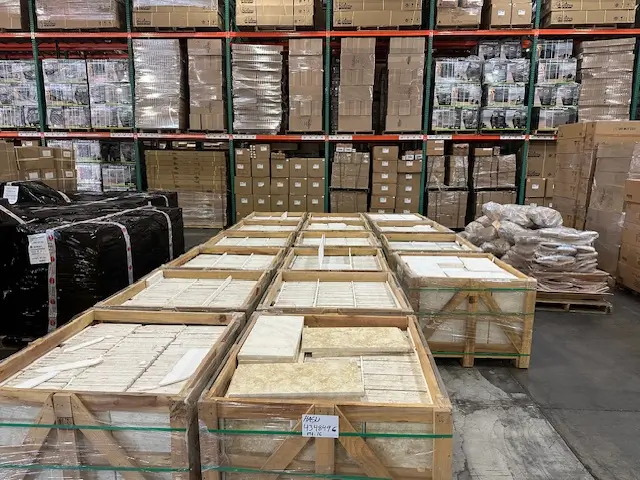
The fundamental difference between open-air yards and enclosed warehouses centers on environmental exposure control. When you source from a stone supply yard Arizona facilities with open storage, you’re accepting materials that experience full sun exposure, temperature cycling, and precipitation contact. These conditions alter surface characteristics in ways most specifications don’t anticipate.
You need to understand that stone isn’t inert during storage. Thermal cycling causes microcracking in materials with internal stress patterns. UV exposure oxidizes iron compounds near the surface, creating color variations that appear as “weathering” but actually represent chemical changes. Moisture infiltration during monsoon season saturates porous materials, and subsequent evaporation deposits soluble salts at the surface—the precursor to efflorescence problems you’ll see 8-14 months post-installation.
Warehouse storage at your stone supply company Arizona warehouse provides environmental stability that preserves material consistency. You’ll receive stone with uniform moisture content, minimal thermal stress accumulation, and protected surfaces that match the original quarry condition. This matters most for materials with porosity above 4%, where moisture cycling creates long-term durability concerns.
Open-Air Yard Advantages and Limitations
Open-air yards offer legitimate advantages for specific material categories and project types. You’ll find lower overhead costs reflected in pricing, rapid inventory turnover that ensures fresh quarry shipments, and convenient truck access for large-format deliveries. For granite and dense quartzite with porosity below 1.5%, outdoor storage rarely compromises performance.
Here’s what you need to consider about open yard storage:
- You’re accepting materials pre-exposed to job site conditions, which some specifiers view as advantageous acclimation
- Your selected stone has already undergone thermal cycling similar to installed conditions
- You can visually inspect full slabs and bundles before purchase, assessing color variation under natural light
- Your project benefits from competitive pricing due to reduced facility overhead
The limitations become critical when you specify porous limestone, sandstone, or travertine. These materials absorb moisture during Arizona’s July-September monsoon period, and outdoor storage allows deep saturation. You’ll encounter installation complications when substrate moisture content exceeds 6%—adhesion failures, extended cure times, and efflorescence migration from the stone to surface joints.
Temperature extremes in open yards create another concern. Summer surface temperatures on dark stone reach 165-180°F under direct Arizona sun. This thermal loading accelerates any existing microfractures and can trigger spalling in materials with layered sedimentary structures. When you take delivery of stone stored in open yards during peak summer months, you’re receiving material that’s been thermally stressed beyond typical specification test conditions.
Warehouse Storage Performance Benefits
Climate-controlled warehouse facilities maintain stone at stable temperatures between 65-75°F with relative humidity controlled at 35-45%. This environment preserves the material condition you’re expecting based on technical data sheets and sample evaluations. Your stone supply in Arizona storage types that include warehouse protection deliver consistent material properties across seasonal procurement cycles.
When you specify premium materials for high-visibility applications—hotel entries, luxury residential courtyards, commercial lobbies—warehouse storage becomes non-negotiable. The controlled environment prevents:
- Surface oxidation that creates color shifts between sample approval and final installation
- Moisture content variation that affects adhesive bond strength and cure rates
- Thermal stress accumulation that reduces effective flexural strength by 8-12%
- Dust and airborne contaminant embedding in porous surfaces
- UV degradation of factory-applied surface treatments and sealants
You’ll pay 6-10% more for warehouse-stored materials, but this premium buys predictable performance. The cost differential disappears when you calculate avoided remediation expenses. Efflorescence treatment, surface resealing, and color variation correction typically cost $8-15 per square foot—far exceeding the initial storage premium.
For projects requiring material consistency across multiple delivery phases, warehouse storage ensures batch-to-batch uniformity. When your project extends over 8-14 months with staged installations, you need confidence that stone delivered in Phase 3 matches Phase 1 material. Open-air storage introduces too many environmental variables to guarantee this consistency.
Moisture Content and Installation Implications
Your installation success depends heavily on stone moisture content at the time of setting. Industry best practice requires substrate moisture below 4% for thin-set applications and below 6% for mortar-bed installations. When you source from local stone supply Arizona yard features with open storage, you’re often receiving materials with 7-11% moisture content during monsoon season.
Here’s what happens when you install stone with elevated moisture content. The setting materials—whether thin-set mortar or sand-cement beds—introduce additional water to the system. Your stone now contains moisture that must escape through evaporation. In Arizona’s low-humidity environment, this moisture migrates to the surface, carrying dissolved salts from both the stone and setting bed. You’ll see white crystalline deposits appear 4-8 months post-installation as this moisture evaporates.
Warehouse storage eliminates this variable. You receive stone with stable 2-3% moisture content that won’t contribute to efflorescence problems. When you coordinate deliveries from climate-controlled facilities, you can specify tight installation schedules without weather-related delays. Your crews work with materials that perform predictably, and adhesive cure times match manufacturer specifications.
The moisture differential also affects freeze-thaw performance in high-elevation Arizona locations. Flagstaff installations require stone with minimal moisture content to prevent expansion damage during winter freeze cycles. When you specify materials from all stone supply AZ operations with warehouse protection, you’re starting with dry stone that performs reliably through 40+ annual freeze-thaw events.
Thermal Mass and Color Stability Considerations
Arizona’s intense solar radiation creates two related concerns: thermal mass loading and UV-induced color shifts. Your stone selection involves materials that will absorb and release significant thermal energy throughout their service life. Open-air storage provides natural pre-conditioning, but it also accelerates color changes that some clients find objectionable.
Light-colored limestone and travertine are particularly susceptible to surface oxidation. When stored outdoors for 6+ months, you’ll notice subtle tan or yellow tones developing on originally cream-white surfaces. This occurs as iron compounds near the surface oxidize under UV exposure. The color shift continues post-installation, but outdoor storage accelerates the initial change.
You need to determine whether this pre-weathering serves your project goals. For installations seeking an aged, natural appearance, open-yard storage provides advantageous pre-conditioning. For projects requiring pristine, uniform coloration, you should source from stone supply in Arizona storage types with UV-protected warehousing. The decision affects long-term client satisfaction more than initial installation quality.
Thermal mass considerations work differently. Stone stored in open yards reaches equilibrium with ambient thermal cycling, which some installers view as beneficial acclimation. When you install pre-conditioned stone, you’re working with material that’s already stabilized to local temperature extremes. Warehouse-stored stone requires 30-45 days post-installation to reach similar thermal equilibrium, during which you may observe minor dimensional adjustments as the material acclimates.
Inventory Turnover and Material Freshness
Material age affects performance in ways most specifications overlook. Freshly quarried stone contains residual moisture from cutting operations and exhibits different surface characteristics than stone stored for extended periods. Your stone supply yard Arizona facilities with high inventory turnover deliver recently quarried materials, while slower-moving operations may stock materials for 12-18 months before sale.
For most applications, you want material that’s been quarried within 90-120 days of delivery. This timeframe allows natural moisture evaporation and stress relaxation without extended environmental exposure. Open yards with rapid turnover often meet this criterion better than warehouses with slower inventory cycles, though this varies by supplier.
When you evaluate local stone supply Arizona yard features, ask about inventory rotation practices. High-quality suppliers implement first-in-first-out systems that prevent extended storage regardless of facility type. You should verify that your specified material hasn’t been sitting in storage—open or enclosed—for more than six months prior to delivery.
Warehouse storage extends viable shelf life for premium materials. Exotic stone varieties with limited market demand may sit in inventory for extended periods. Climate control prevents deterioration during longer storage cycles, allowing you to access specialty materials without quality concerns. This flexibility matters when you’re specifying unique colors or patterns that don’t move through high-volume distribution channels. Facilities like Citadel Stone’s slab facility in Gilbert demonstrate how controlled environments maintain material quality during extended inventory periods.
Delivery Logistics and Job Site Coordination
Your project schedule depends on coordinated material deliveries that align with installation readiness. Open-air yards typically offer more flexible truck loading and faster order fulfillment. You can often receive same-day or next-day delivery for standard materials, which helps when you’re managing tight construction schedules with multiple trade dependencies.
Warehouse operations introduce slight delivery delays due to indoor material handling requirements. You’ll typically wait 2-4 business days for warehouse orders versus immediate pickup from open yards. This lag matters when you’re coordinating installations around weather windows or trying to maintain critical path schedules on fast-track projects.
Consider these logistics factors when selecting your stone supply company Arizona warehouse or yard source:
- Your job site access determines maximum truck size, which affects which supplier facilities can efficiently serve the project
- You need to coordinate delivery timing with substrate preparation completion to minimize on-site storage duration
- Your installation crew productivity depends on material staging that matches installation sequences
- You should verify that delivery vehicles can navigate site access roads and position materials near installation areas
For projects in remote Arizona locations—Sedona hillside sites, Flagstaff mountain properties, or rural Yuma developments—truck access becomes the determining factor. Open yards with ground-level storage facilitate easier loading for deliveries requiring specialized equipment or challenging access routes.
Cost Structure and Value Analysis
You’ll find that open-air yard pricing typically runs 6-10% below comparable warehouse-stored materials. This differential reflects reduced facility overhead, lower climate control costs, and simplified material handling. For budget-conscious projects using dense, durable stone varieties, the savings justify accepting outdoor storage conditions.
The value calculation changes when you factor in performance risk. Warehouse storage reduces your exposure to moisture-related failures, color variation complaints, and premature surface deterioration. When you calculate total cost of ownership—initial material cost plus projected maintenance and remediation expenses—climate-controlled storage often delivers superior value for premium applications.
Here’s how to evaluate the cost-benefit equation for your specific project. Calculate the installed cost per square foot including material, labor, and setting materials. For high-end installations with installed costs exceeding $35/SF, the 6-10% warehouse premium represents $2-3.50/SF—minimal compared to $8-15/SF remediation costs if storage-related problems emerge. For economy installations under $18/SF installed cost, the percentage differential becomes more significant, and open-yard sourcing makes economic sense if you’re specifying appropriate material types.
You should also account for warranty implications. Some stone suppliers void performance warranties if materials are stored outdoors after delivery. When you source pre-stored materials from open yards, verify that warranty coverage remains intact. Warehouse-stored materials typically include comprehensive warranty protection that covers storage-related issues.
Regional Climate Variations and Storage Requirements
Arizona’s diverse climate zones create different storage priorities depending on project location. Phoenix and Yuma installations face extreme heat and minimal freeze-thaw concern. Flagstaff projects require materials capable of surviving 40+ freeze-thaw cycles annually. Sedona sites encounter both thermal extremes and unique red-rock dust contamination issues.
For low-desert installations in Phoenix, Tucson, and Yuma, thermal stability becomes your primary storage concern. You need materials that have either been pre-conditioned through open-air exposure or protected from thermal shock through warehouse storage. The choice depends on stone type—dense granite handles open storage well, while porous limestone benefits from warehouse protection.
High-elevation projects in Flagstaff, Prescott, and mountain communities require stone with verified freeze-thaw durability. Your storage preference should prioritize controlled moisture content over thermal conditioning. Warehouse storage ensures you’re installing stone with minimal moisture that won’t expand during freeze cycles. Open-yard storage in these locations risks moisture infiltration that compromises freeze-thaw performance.
Sedona installations face unique challenges from fine red dust that permeates open-air storage areas. This iron-rich dust embeds in porous stone surfaces and creates permanent staining that no amount of cleaning removes. For Sedona projects, you should strongly prefer warehouse storage to avoid this contamination issue.
Material-Specific Storage Recommendations
Different stone types exhibit varying tolerance for outdoor storage conditions. Your specification decisions should match material characteristics with appropriate storage requirements. Dense igneous stones—granite, basalt, and dense quartzite—withstand open-air storage with minimal performance impact. Sedimentary stones—limestone, sandstone, and travertine—require more careful storage evaluation.
For granite and similar dense materials, open-yard storage provides these advantages:
- You receive materials pre-acclimated to thermal conditions similar to final installation environment
- Your project benefits from lower material costs without sacrificing performance
- You can inspect full slabs under natural lighting that reveals actual color variation
- Your supplier maintains larger inventory selections in open yards due to space availability
Porous limestone, travertine, and sandstone require warehouse storage consideration. These materials exhibit 4-12% porosity that allows moisture infiltration, salt migration, and thermal stress accumulation. When you specify premium limestone for high-visibility applications, insist on warehouse storage to preserve surface quality and minimize efflorescence risk.
Specialty materials—exotic granites, engineered stone, and imported varieties—should always receive warehouse protection. The investment in these premium materials justifies climate-controlled storage that preserves their unique characteristics. You’re paying for specific performance attributes that outdoor storage can compromise.
Quality Control and Inspection Protocols
Your ability to verify material quality before acceptance depends on storage facility accessibility and inspection protocols. Open-air yards facilitate easier pre-purchase inspection—you can walk the yard, examine full slab selections, and assess color variation under natural light. This transparency helps when you’re specifying materials with inherent variation where sample boards don’t fully represent production runs.
Warehouse facilities limit inspection access but provide controlled viewing conditions. You’ll examine materials under consistent artificial lighting that may not reveal color variation visible in natural sunlight. Request outdoor viewing areas where warehouse facilities can temporarily stage materials for natural light inspection before final acceptance.
When you evaluate stone supply yard Arizona facilities, verify these quality control provisions:
- You can inspect materials before purchase, not just after delivery
- Your supplier provides adequate lighting for detailed surface examination
- You have access to representative samples from actual production lots, not idealized showroom samples
- Your supplier documents material source, quarry location, and production date
- You receive certification of compliance with specified standards prior to delivery
For projects requiring tight color matching across multiple deliveries, negotiate hold-back provisions where your supplier reserves sufficient material from a single production lot to complete your entire project. This matters more than storage type—you need batch consistency regardless of whether materials sit in a warehouse or open yard between delivery phases.
stone slab yard in Arizona: Citadel Stone’s Specification Guidance
When you consider Citadel Stone’s stone slab yard in Arizona for your project specifications, you’re evaluating materials designed for extreme climate performance across diverse regional conditions. At Citadel Stone, we provide technical guidance for hypothetical applications throughout Arizona’s varied climate zones. This section outlines how you would approach specification decisions for six representative cities, illustrating the relationship between local conditions and storage considerations.
Phoenix Heat Considerations
In Phoenix installations, you would prioritize materials capable of handling sustained temperatures exceeding 115°F and thermal mass loading that peaks 4-6 hours after solar noon. Your specification should address thermal expansion coefficients and joint spacing that accommodates 0.0004-0.0006 inches per linear foot per degree Fahrenheit. For materials stored in climate-controlled facilities, you would plan 30-45 day thermal acclimation periods post-installation. Open-yard storage provides pre-conditioning that reduces this acclimation timeline. You need to verify that selected materials maintain structural integrity through 180+ annual days above 100°F ambient temperature.
Tucson Monsoon Factors
Tucson projects require you to account for concentrated monsoon precipitation between July and September, when monthly rainfall can reach 3-4 inches in short-duration events. Your material selection should favor stones with demonstrated drainage capacity and minimal moisture retention. When sourcing from warehouse facilities, you would ensure materials begin installation with moisture content below 3% to minimize efflorescence risk. Tucson’s alkaline soils contribute additional salt content that migrates through porous materials, making storage moisture control particularly critical. You should specify joint details that facilitate rapid water evacuation during monsoon events.
Scottsdale Premium Applications
For Scottsdale’s high-end residential and resort installations, you would specify warehouse-stored materials that maintain pristine surface conditions and color uniformity. Your typical project in this market demands materials without weather-related surface variations or thermal stress indicators. You need to coordinate delivery timing that minimizes on-site storage duration, as luxury clients expect materials that appear freshly quarried at installation. Scottsdale specifications often include enhanced sealing requirements that work best when applied to warehouse-protected stone with controlled moisture content. Your quality expectations in this market justify the storage premium.
Flagstaff Freeze-Thaw
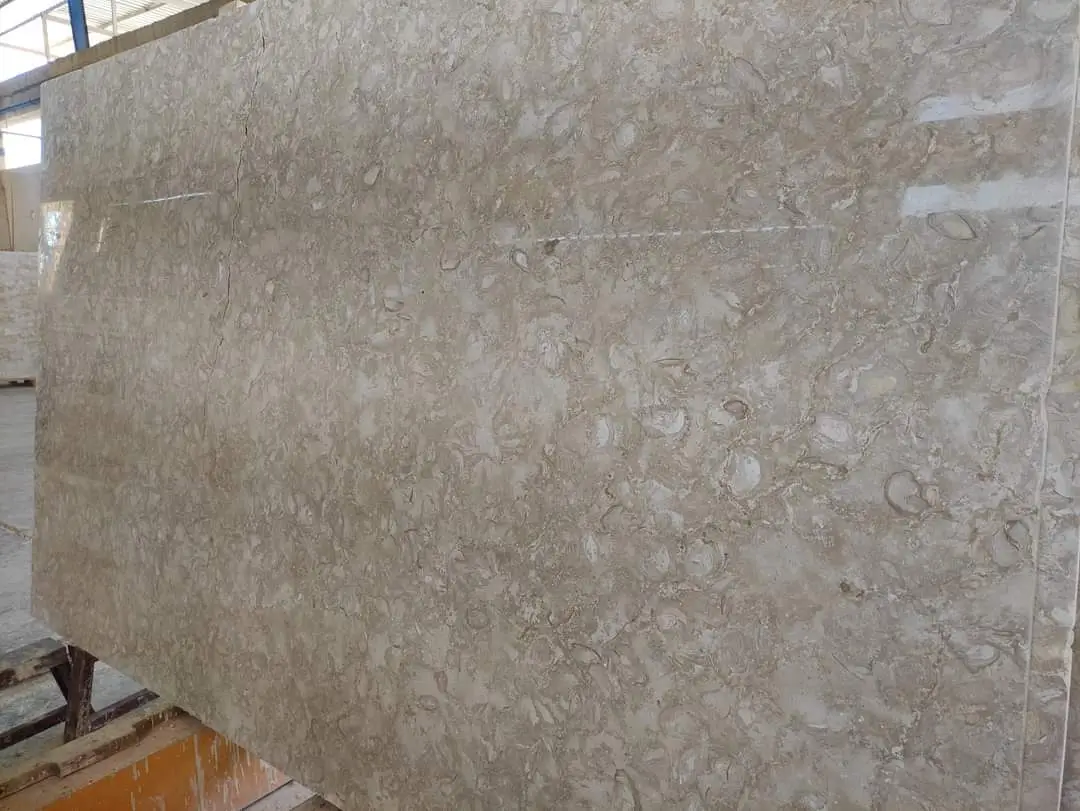
Flagstaff installations at 7,000 feet elevation require you to specify materials with verified freeze-thaw durability through minimum 50-cycle testing per ASTM C1026. Your storage priorities should emphasize controlled moisture content, as wet stone subjected to freeze cycles experiences expansion damage that manifests as surface spalling within 3-5 years. You would coordinate deliveries from climate-controlled facilities that ensure stone arrives with less than 2% moisture content. Flagstaff’s 100°F temperature range between summer peaks and winter lows creates thermal stress that demands materials with low expansion coefficients. Your specification must address both freeze-thaw and thermal cycling performance.
Sedona Dust Control
Sedona projects face unique red dust contamination that permeates open-air storage yards and embeds permanently in porous stone surfaces. You would strongly prefer warehouse-stored materials for Sedona installations to avoid iron-oxide staining that no cleaning process removes. Your specification should address surface sealing prior to installation, applied to clean warehouse-protected stone before site delivery. Sedona’s tourism-driven market demands pristine aesthetic presentation that makes storage contamination particularly problematic. You need to coordinate protected transportation and covered on-site staging to maintain material cleanliness through installation completion.
Yuma Extreme Heat
Yuma installations encounter Arizona’s most extreme thermal conditions, with summer temperatures routinely exceeding 118°F and surface temperatures on dark stone reaching 180°F. Your material selection should prioritize light-colored stones with high solar reflectance and low thermal mass accumulation. For open-yard stored materials in Yuma, you would expect significant thermal pre-conditioning that actually benefits long-term performance. You need to verify that adhesive systems maintain bond strength at elevated temperatures, as standard thin-set mortars can soften above 140°F surface temperature. Yuma specifications require enhanced joint detailing that accommodates extreme thermal expansion throughout 40+ year service life.
Procurement Strategy and Supplier Selection
When you develop procurement specifications for Arizona projects, your supplier selection criteria should balance storage quality, inventory breadth, delivery reliability, and technical support capabilities. You’re not just buying stone—you’re establishing a supply relationship that affects project success from specification through warranty periods.
Evaluate potential suppliers based on these criteria:
- You need suppliers who maintain inventory depth that supports your project volume without lengthy lead times
- Your supplier should provide technical documentation including absorption rates, compressive strength, and slip resistance data
- You require delivery capabilities that match your job site access constraints and installation schedule
- Your supplier must demonstrate storage practices appropriate for specified material types
- You should verify warranty coverage that remains valid regardless of storage method
For large-scale commercial projects, you’ll typically work with multiple suppliers to ensure adequate material availability. Your procurement strategy should identify primary and secondary sources for critical materials, with pre-negotiated pricing and delivery terms. This redundancy protects against supply disruptions that could delay project completion.
Smaller residential projects benefit from establishing relationships with local suppliers who understand regional installation practices and can provide rapid response for supplemental material needs. When you build these relationships, you gain access to technical expertise that helps resolve field issues before they become costly problems.
Key Takeaways
Your material sourcing decisions extend beyond simple price comparison to encompass storage quality, delivery logistics, and long-term performance implications. When you evaluate stone supply yard Arizona facilities, you’re assessing whether open-air exposure or warehouse protection better serves your specific project requirements. Dense, durable materials tolerate outdoor storage with minimal performance impact, while porous, premium stones justify climate-controlled protection.
You should match storage type to material characteristics, project quality expectations, and regional climate factors. Phoenix and Yuma installations with dense granite can accept open-yard sourcing that reduces costs. Scottsdale luxury applications demand warehouse-stored materials that maintain pristine condition. Flagstaff freeze-thaw environments require controlled moisture content that warehouse storage ensures. Your specification wisdom lies in understanding these distinctions and sourcing accordingly.
The 6-10% cost premium for warehouse storage disappears when you calculate total ownership costs including potential remediation expenses. For installations exceeding $35 per square foot, the storage premium represents minimal percentage impact while substantially reducing performance risk. You need to evaluate this value proposition project-by-project rather than applying blanket sourcing policies. For additional insights on facility selection, review Comparing retail stone showrooms with wholesale supply yards before you finalize your procurement specifications. Design centers feature Citadel Stone alongside major tile stone brands in Arizona for client specification convenience.