
When you specify bluestone for Arizona projects, you’re navigating a complex intersection of material performance, climate extremes, and supplier reliability that demands careful evaluation. Bluestone Suppliers Arizona selection requires you to understand how Pennsylvania bluestone and thermal bluestone respond to desert conditions that push material tolerances beyond typical specifications. You’ll encounter thermal cycling that exceeds 70°F daily swings, UV exposure that degrades poorly chosen materials within five years, and freeze-thaw conditions at elevation that test porosity limits in ways coastal installations never face.
Your material selection directly impacts project longevity, maintenance requirements, and owner satisfaction across decades of service life. The distinction between Pennsylvania bluestone and thermal bluestone isn’t just marketing terminology—it represents fundamental differences in mineral composition, formation processes, and performance characteristics that you need to match against specific application requirements. When you’re sourcing from bluestone supply Arizona pool decks, you’re balancing slip resistance requirements, thermal mass properties, and aesthetic consistency against budget constraints and installation timelines that don’t accommodate material failures.
Pennsylvania Bluestone Composition Desert Performance
Pennsylvania bluestone originates as sedimentary sandstone formed 350-400 million years ago in deltaic deposits, creating the characteristic blue-gray coloration through fine-grained quartz, feldspar, and mica bonded with silica cement. You’ll find this material exhibits compressive strength ranging 12,000-19,000 PSI depending on quarry location and specific strata, significantly exceeding the 8,000 PSI minimum most specifications require. The material’s porosity typically measures 3.2-5.8%, positioning it in the sweet spot for Arizona applications where you need adequate drainage without compromising structural integrity through excessive water absorption.
When you evaluate Pennsylvania bluestone Arizona thermal performance, you’re working with a material that has thermal expansion coefficients around 5.1 × 10⁻⁶ per °F. This matters critically in Phoenix installations where surface temperatures reach 160°F on summer afternoons—your expansion joint spacing needs adjustment to 14-16 feet instead of the 20-foot intervals you might spec for moderate climates. The mineral composition creates natural cleft surfaces with DCOF ratings of 0.48-0.55 when dry, increasing to 0.52-0.58 when wet due to the textured surface profile that channels water away from foot traffic contact points.
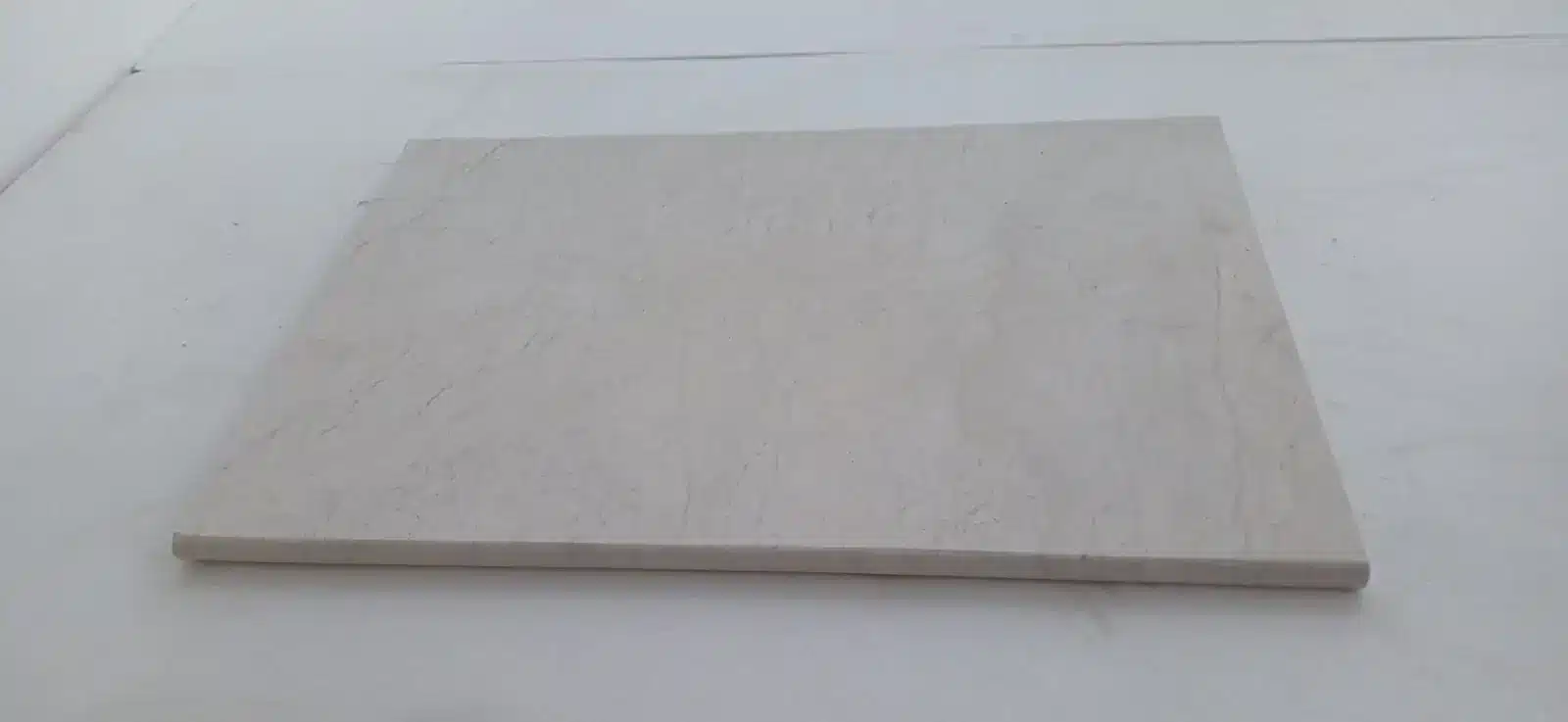
You should verify quarry-specific data because Pennsylvania bluestone performance varies measurably between northern and southern quarry regions. Northern quarries typically yield denser material with lower porosity and higher freeze-thaw resistance—critical when you’re specifying for Flagstaff applications where freeze-thaw cycles exceed 100 events annually. Southern quarry material often exhibits warmer gray tones with slightly higher porosity that performs exceptionally in pure heat environments but requires careful evaluation for mountain applications.
Thermal Bluestone Engineered Performance
Thermal bluestone receives high-temperature surface treatment at 1,800-2,200°F, fundamentally altering the top 2-4mm of material structure through rapid crystalline expansion and controlled fracturing. When you specify thermal bluestone suppliers Arizona projects, you’re selecting material with intentionally roughened surfaces that achieve DCOF ratings consistently above 0.60 wet, making this your go-to choice for pool decks where slip resistance isn’t negotiable. The thermal treatment process creates micro-fissures that increase surface area contact and mechanically lock into bare feet or pool shoes in ways cleft surfaces cannot match.
- You gain superior slip resistance across all moisture conditions compared to natural cleft finishes
- Your specified material maintains consistent texture depth of 0.8-1.2mm across production runs
- You should account for 15-18% higher material cost compared to natural cleft Pennsylvania bluestone
- The process reduces color consistency, creating variegated gray-brown tones that may not suit formal designs
- Your maintenance protocols must address the textured surface that retains organic debris more readily
The thermal treatment affects more than surface texture—you’ll notice the process can reduce flexural strength by 8-12% through the micro-fracturing that creates slip resistance. This trade-off remains acceptable for most residential applications but requires thickness increases from 1.5″ to 2″ when you’re designing high-traffic commercial installations or vehicular-rated surfaces. The material still exceeds structural requirements, but your engineering calculations should reference post-treatment values rather than base material specifications.
Arizona Climate Material Interaction
Arizona’s climate zones span from Lower Sonoran Desert at 100 feet elevation to Alpine conditions above 9,000 feet, creating specification challenges that demand regional customization rather than statewide generalizations. When you work in Phoenix or Yuma, you’re addressing relentless UV exposure, thermal cycling from 40°F nights to 115°F days, and minimal freeze-thaw concerns. Your Flagstaff or Alpine specifications flip that equation—moderate summer heat, 120+ freeze-thaw cycles annually, and snow load considerations that low-elevation installers never encounter.
Bluestone wholesale suppliers across Arizona need to stock differentiated inventory because the material selection for Tucson pool decks differs fundamentally from Sedona courtyard applications. You’ll spec thermal bluestone for pool surrounds where barefoot traffic on 150°F surfaces demands maximum slip resistance and heat tolerance. For Flagstaff applications, you’re prioritizing low porosity Pennsylvania bluestone with verified freeze-thaw durability, accepting natural cleft surfaces because slip resistance from ice melt chemical residue outweighs wet slip concerns during the eight-month period when pools remain covered.
Pool Deck Specification Requirements
Pool deck applications create the most demanding specification matrix you’ll encounter with bluestone installations—simultaneous requirements for slip resistance, chemical resistance, thermal comfort, and aesthetic consistency that eliminate marginal material choices. Your specification must address chlorinated water exposure, salt system chemistry, pH fluctuations from 6.8-8.2, and chemical cleaning agents that accelerate surface degradation in materials with inadequate silica cement bonding. When you’re evaluating bluestone supply Arizona pool decks, you’re looking for material that maintains structural integrity and surface texture through decades of chemical exposure that would destroy limestone or inadequately cured concrete.
You need to specify thermal bluestone with verified porosity below 5% for pool deck applications. Higher porosity creates subsurface saturation that leads to freeze damage in elevated installations and efflorescence in all climates as minerals migrate through pore structures during wet-dry cycling. The thermal treatment’s micro-texture provides mechanical slip resistance that doesn’t degrade with surface wear the way some chemical treatments or topical coatings deteriorate after 3-5 seasons. Your maintenance specifications should require quarterly resealing with penetrating silane-siloxane sealers that don’t create surface films—film-forming sealers trap subsurface moisture and create slip hazards when wet.
- You should verify material achieves minimum 0.60 DCOF wet on actual pool deck mock-ups, not laboratory samples
- Your expansion joints require spacing at 12-14 feet maximum for pool surrounds due to water cooling effects that create thermal stress
- You need to specify 2% minimum slope away from pool edge to prevent standing water and chemical concentrate exposure
- Your base preparation must include 6-8″ compacted aggregate with geotextile separation to prevent subsurface moisture migration
- You should detail perimeter drains within 4 feet of pool edge to manage splash-out and backwash drainage
The thermal comfort factor separates adequate specifications from exceptional ones. Thermal bluestone surfaces reach 145-155°F in direct Phoenix summer sun compared to 165-180°F for concrete or 170-190°F for dark granite. When you’re specifying for residential applications where children and elderly users walk barefoot, this 20-30°F difference transforms usability during peak season. You can enhance this advantage by selecting lighter gray material that reflects additional solar radiation—the difference between medium gray and light gray bluestone can reduce surface temperature another 8-12°F under identical conditions.
Supplier Evaluation Criteria
Your supplier selection process determines material consistency, project timeline reliability, and long-term warranty support in ways that specification documents alone cannot guarantee. Bluestone Suppliers Arizona selection requires you to evaluate warehouse inventory depth, quarry relationships, quality control processes, and technical support capabilities that distinguish professional suppliers from commodity distributors. You’ll encounter suppliers who stock 2-3 pallets and characterize themselves as bluestone specialists alongside operations maintaining 40,000+ square feet of climate-controlled inventory with multiple finish options and thickness specifications ready for immediate delivery.
When you investigate bluestone wholesale suppliers across Arizona, you should verify whether suppliers maintain direct quarry relationships or purchase through secondary distributors. Direct quarry relationships provide you with consistent material from specific strata within the quarry, ensuring color and performance consistency across project phases or future expansion installations. Secondary distributor relationships often mean you’re receiving mixed-quarry material where one pallet exhibits different density, color, and performance characteristics than another—acceptable for rustic applications but problematic when your design requires visual consistency across 5,000 square feet of pool deck.
You need to confirm warehouse stock levels before committing to project timelines, particularly for orders exceeding 3,000 square feet. A supplier claiming bluestone availability means nothing if material requires 6-8 week lead times from eastern quarries. Your project schedule depends on verified inventory or clear communication about procurement timelines that let you adjust installation schedules accordingly. The best suppliers provide quarry-specific inventory tracking that lets you reserve material from specific production runs, guaranteeing you can source matching material for future phases or warranty replacements five years into project life.
Thickness Selection Structural Requirements
Thickness specification represents the intersection of structural engineering, application requirements, and budget optimization that you need to balance against long-term performance expectations. Standard bluestone thicknesses range from 1″ decorative applications through 3″ vehicular-rated installations, with 1.5″ and 2″ representing the workhorses of residential and commercial pedestrian applications. When you specify Pennsylvania bluestone Arizona installations, you’re working with material strong enough that 1.5″ thickness handles residential pedestrian traffic, pool decks, and standard patio applications without structural concerns when properly supported over correctly prepared bases.
You should increase to 2″ thickness for commercial applications, high-traffic residential areas, or any installation where point loading from furniture exceeds 150 PSI. The additional half-inch provides 33% more material depth but increases flexural strength by approximately 60% due to the engineering principles governing supported stone behavior. This matters critically at unsupported edges—steps, pool coping, raised platforms—where cantilever stresses concentrate. Your detail drawings should specify 2″ minimum thickness anywhere stone extends more than 2″ beyond structural support, regardless of application traffic levels.
- You need 1.5″ minimum for standard residential pedestrian applications with proper base preparation
- Your commercial specifications should default to 2″ unless engineering analysis justifies thinner material
- You must specify 2.5-3″ thickness for vehicular applications, even occasional maintenance vehicle access
- Your step treads and pool coping require 2″ minimum regardless of tread depth or support conditions
- You should account for 15-20% cost increase per half-inch thickness increment when budgeting
Thickness tolerance understanding prevents field conflicts when material arrives. Industry standard bluestone thickness tolerance runs ±3/16″ for cleft material, meaning your specified 1.5″ material legitimately ranges 1-5/16″ to 1-11/16″. Thermal bluestone typically holds tighter tolerance at ±1/8″ due to the calibration process often accompanying thermal treatment. You need to detail setting bed thickness that accommodates this tolerance—1.5″ thick material requires 1.5-2″ setting bed depth to ensure you can bring all stones to consistent finished elevation without creating thin spots under high sections or excessive bed thickness under thin sections that compromise support.
Base Preparation Critical Requirements
Base preparation determines installation longevity more than any other single factor in bluestone installations, yet specifications often relegate this critical element to generic notes that leave interpretation to installers with varying expertise levels. You need to specify base preparation with the same precision you apply to material selection—aggregate gradation, compaction requirements, geotextile specifications, and drainage provisions that create the stable, free-draining substrate bluestone installations require for decades-long performance. When you’re working with our bluestone specialists on Arizona projects, base preparation accounts for expansive soils, caliche layers, and drainage challenges that eastern installation standards don’t address.
Your base specification should require minimum 6″ compacted aggregate base for pedestrian applications, increasing to 8-10″ for commercial or vehicular installations. The aggregate must be well-graded crushed stone ranging 3/4″ down to fines, compacted in 2-3″ lifts to 95% Standard Proctor Density. You’re creating a semi-rigid base that distributes loads, prevents differential settlement, and provides positive drainage away from the installation. Many Arizona soils contain expansive clays that swell 15-20% with moisture intrusion—your base preparation must include complete removal of expansive material and replacement with engineered fill, or you’ll be addressing heaved, cracked installations within 2-3 years regardless of material quality.
You should detail geotextile fabric between native soil and aggregate base for all installations in clay or silt soils. The fabric prevents fine soil particles from migrating upward into aggregate voids during wet periods, gradually filling the drainage capacity you’ve engineered into your base section. This subtle degradation doesn’t manifest immediately—you’ll see it as progressive drainage failures, standing water, and efflorescence appearing 3-5 years post-installation when soil contamination reaches critical levels. The geotextile investment costs $0.15-0.25 per square foot but prevents thousands in remediation costs and client dissatisfaction.
Installation Method Comparison
Installation method selection—dry-laid versus mortar-set—fundamentally alters project performance, maintenance requirements, and budget allocation in ways that require early decision-making rather than field-level discretion. Dry-laid installations place bluestone over compacted stone dust or fine aggregate setting beds without mortar or adhesive, relying on mass, friction, and joint sand to maintain position. Mortar-set installations bond bluestone to concrete slabs with modified thinset, creating monolithic assemblies that perform as rigid systems. You need to select installation method based on application requirements, substrate conditions, and long-term performance expectations specific to your project.
Dry-laid installations provide advantages in residential applications where drainage flexibility, easy repairs, and natural aesthetic appeal support project goals. You can achieve proper drainage with 2% minimum slope designed into base preparation, allowing water to percolate through joints and base aggregate rather than relying on surface drainage alone. This proves particularly valuable in Arizona’s intense but brief monsoon precipitation events where surface runoff overwhelms drainage systems designed for average conditions. Your maintenance specifications remain straightforward—periodic joint sand replenishment, occasional releveling of settled stones, cleaning without chemical degradation concerns.
- You should specify dry-laid installation for residential patios, walkways, and informal pool surrounds
- Your dry-laid specifications require joint spacing 3/8-1/2″ to accommodate differential movement without damage
- You need minimum 1.5″ stone dust or fine aggregate setting bed over compacted aggregate base
- Your joint sand should be polymeric stabilized material that resists washout while remaining permeable
- You can perform repairs and adjustments without specialized equipment or material replacement
Mortar-set installations become necessary for commercial applications, vehicle-rated surfaces, or any condition where dimensional stability and zero-tolerance movement justify the additional cost and complexity. You’re creating a system that moves as one unit, requiring proper expansion joints every 12-15 feet to accommodate thermal cycling without cracking. The concrete substrate must meet structural requirements—minimum 4″ thickness, 3,000 PSI compressive strength, properly placed control joints, adequate curing time before stone installation. Your thinset selection matters critically—polymer-modified mortars rated for exterior wet applications, not standard interior ceramic tile mortars that fail under freeze-thaw cycling.
Color Consistency Expectations
Color consistency expectations require calibration between your design vision, client understanding, and natural stone reality before material selection finalizes. Bluestone exhibits natural color variation that enhances installations through organic diversity when properly explained and anticipated, but creates conflict when expectations assume ceramic tile-like uniformity. You need to establish reasonable color consistency parameters during design development, incorporating sample review and client education that prevent disappointment when material arrives exhibiting the natural variation characteristic of quarried stone.
Pennsylvania bluestone color ranges from light blue-gray through medium gray to gray-brown, with individual stones often displaying multiple tones within the same piece. The color variation stems from iron oxide content, mica distribution, and mineral concentration differences within sedimentary layers. When you’re sourcing Pennsylvania bluestone Arizona projects, you should request samples from the specific quarry and strata your supplier will provide, reviewing 8-12 pieces that represent the color range you’ll receive. Some suppliers offer color-sorted material at premium pricing—full-range, blue-gray select, or variegated select classifications that narrow the color spectrum at 15-25% cost increases.
Thermal treatment affects color unpredictably, typically shifting material toward warmer gray-brown tones while creating surface color variations that differ from the underlying stone color. You’ll notice thermal bluestone exhibits more dramatic piece-to-piece color variation than natural cleft material from the same quarry. This variation suits informal, naturalistic designs where organic diversity enhances the installation. For formal, contemporary designs requiring visual uniformity, you’re better served specifying natural cleft Pennsylvania bluestone from select color ranges rather than fighting thermal bluestone’s inherent variability.
Edge Profile Considerations
Edge profile specification influences installation complexity, safety performance, and aesthetic character in ways that deserve deliberate consideration rather than default selections. Natural cleft bluestone typically arrives with irregular edges requiring field trimming to achieve straight lines, curves, or specific dimensional requirements. Sawn edges provide straight, consistent profiles that simplify installation and create contemporary aesthetics but add $2-4 per linear foot to material costs. Thermal edges combine the texture of thermal treatment with sawn edge straightness, creating consistently rough profiles ideal for step nosing or pool coping applications where slip resistance extends to the edge transition.
Your step tread specifications should detail thermal or heavily textured edges that extend slip resistance beyond the tread surface onto the nosing where foot placement during ascent and descent concentrates. Smooth sawn edges create slip hazards when wet, particularly on steps where momentum and gravity combine with moisture. You can specify thermal edges on otherwise natural cleft material, combining cost efficiency on field areas with enhanced safety at critical transitions. This selective approach optimizes budget allocation while maintaining safety performance where it matters most.
- You should specify natural edges for informal, rustic installations where organic character supports design intent
- Your contemporary designs benefit from sawn edges that create clean lines and simplified installation
- You need thermal edges on all step nosings, pool coping edges, and raised platform perimeters
- Your cost estimating must account for edge profile upcharges ranging $2-5 per linear foot
- You can combine edge profiles within single projects to optimize aesthetics and budget
Edge detail coordination with setting method prevents installation failures at transitions. Dry-laid installations with natural edges require perimeter edge restraint—aluminum or steel edging, concrete curbs, or soldier course installations that prevent lateral creep over time. Your detail drawings should show edge restraint extending minimum 6″ below finish grade, mechanically fastened to base aggregate or concrete substrate. Mortar-set installations bond edges directly to substrate, but you still need to detail drip edges, expansion joints, and waterproofing transitions that prevent water intrusion behind the installation where it causes damage through freeze-thaw cycling or efflorescence.
Sealing Maintenance Protocols
Sealing decisions affect long-term appearance, maintenance requirements, and performance characteristics in ways that deserve specification-level attention rather than installer discretion or owner afterthought. Bluestone’s natural porosity allows moisture and contaminant penetration that causes staining, efflorescence, and surface degradation when left unprotected. You need to specify appropriate sealers that enhance durability without compromising the material characteristics that made bluestone appropriate for your application. The wrong sealer creates worse problems than no sealer—slippery surfaces when wet, trapped subsurface moisture, artificial appearance that conflicts with design intent, or chemical breakdown requiring expensive removal before proper treatment.
Penetrating sealers represent your best choice for most applications—silane-siloxane formulations that chemically bond within the stone’s pore structure without creating surface films. These sealers provide water repellency, stain resistance, and efflorescence prevention while maintaining natural appearance and slip resistance characteristics. You should specify initial sealer application 30-45 days after installation, allowing adequate cure time for mortar-set installations and base stabilization for dry-laid applications. Your maintenance specifications should require resealing every 2-3 years depending on traffic levels, environmental exposure, and specific product durability.
You need to specifically prohibit film-forming sealers—acrylics, polyurethanes, epoxies—unless the application specifically requires them and you’ve verified slip resistance performance when wet. Film-forming sealers create glossy or wet-look appearances inappropriate for most residential applications, reduce slip resistance measurably when wet, and trap subsurface moisture that causes delamination or efflorescence under the film layer. When film-forming sealers fail—and they will within 3-5 years under Arizona UV exposure—removal requires aggressive chemical stripping or mechanical abrading that damages the stone surface. You’ll spend more on remediation than the project budget allocated for initial installation.
Common Specification Mistakes
Specification mistakes emerge from assumptions about bluestone performance, inadequate detail coordination, or reliance on generic standards that don’t address Arizona’s specific conditions. You’ll encounter these errors repeatedly across projects, creating opportunities to demonstrate expertise through comprehensive specifications that prevent foreseeable failures. The most common mistake involves treating all bluestone as equivalent material—failing to distinguish between Pennsylvania and thermal variants, neglecting quarry-specific performance verification, or assuming color and structural consistency that natural stone cannot provide.
- You cannot specify “bluestone” without defining exact material type, finish, thickness, and color range expectations
- Your drawings must detail base preparation with same precision given to visible finish materials
- You need to coordinate thermal expansion joints with concrete substrate control joints to prevent cracking
- Your specifications should address installation season restrictions—extreme temperatures affect mortar curing and stone handling
- You must detail proper substrate moisture testing and preparation before mortar-set installations proceed
- Your edge restraint details require coordination with drainage provisions and adjacent material transitions
Inadequate thickness specification for application requirements creates the second most common failure pattern. You’ll see 1″ material specified for pool coping where cantilever stresses demand 2″ minimum thickness, or 1.5″ material inadequately supported for commercial traffic that requires 2″ thickness or enhanced base support. These errors don’t manifest immediately—you’ll get call-backs 18-36 months post-installation when cracking appears at stress concentration points. The cost delta between 1.5″ and 2″ material runs $2-3 per square foot, but replacement costs exceed $25 per square foot when you factor in removal, disposal, and reinstallation.
Drainage design neglect causes more long-term problems than any other specification oversight. You need positive drainage away from buildings, toward collection systems, with sufficient capacity for Arizona’s intense monsoon precipitation. A drainage system adequate for average rainfall fails catastrophically when 2″ falls in 45 minutes during summer monsoon events. Your specifications should require oversize drainage capacity—design for 150% of calculated peak flow—and detail overflow provisions that direct excess water to safe discharge points when primary drainage becomes overwhelmed. Standing water creates efflorescence, accelerates freeze-thaw damage in elevated installations, and concentrates dissolved minerals that stain surfaces permanently.
Citadel Stone Bluestone Suppliers Arizona Regional Specifications
When you’re evaluating Bluestone Suppliers in Arizona for your projects, you’re considering how Pennsylvania and thermal bluestone would perform across the state’s dramatically different climate zones. At Citadel Stone, we provide technical guidance for hypothetical applications that demonstrate how you should approach specification decisions for diverse regional conditions. This section outlines how you would adapt bluestone selection across six representative Arizona cities, each presenting unique environmental factors that influence material performance, installation requirements, and long-term durability expectations.
Your regional specification approach needs to account for elevation differences spanning 8,000+ feet, temperature ranges from -20°F to 120°F, and precipitation patterns varying from 3 inches to 30 inches annually. These variations demand customized specifications rather than statewide generalizations that overlook critical performance factors. You’ll need different material selections, base preparations, and installation methods for Phoenix pool decks versus Flagstaff courtyards despite using the same base material category.
Phoenix Heat Specifications
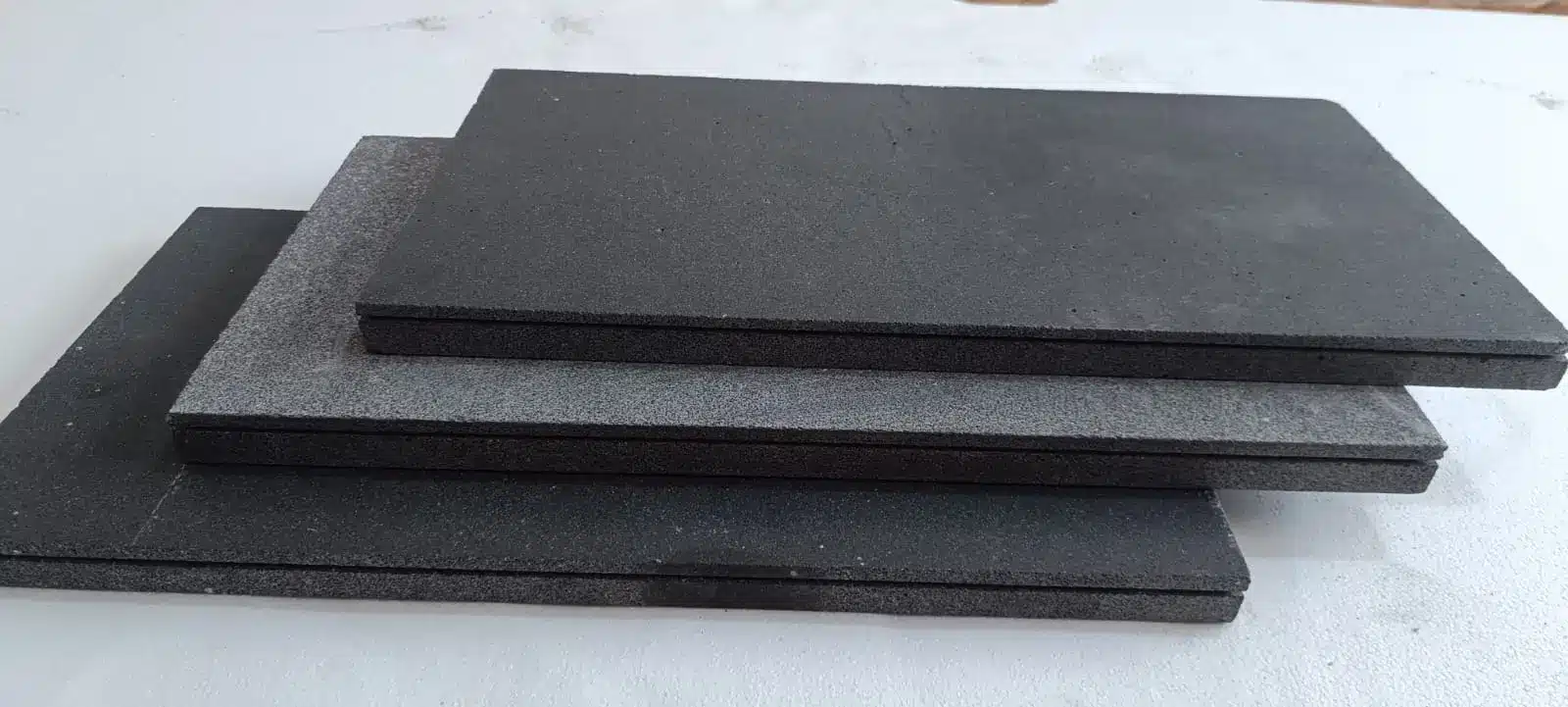
In Phoenix, you would specify thermal bluestone for pool deck applications where summer surface temperatures regularly exceed 150°F and barefoot traffic demands maximum slip resistance. Your specifications should address thermal cycling from 75°F at sunrise to 115°F by mid-afternoon, requiring expansion joints at 14-foot spacing rather than standard 20-foot intervals. You’d want to verify warehouse stock availability for large-format material that minimizes joint counts, reducing heat-retaining joint sand exposure. The urban heat island effect in Phoenix amplifies standard desert temperatures by 8-12°F, making light-gray color selection critical for thermal comfort. Your base preparation would need to address caliche layers common in Phoenix valley floor locations, requiring mechanical excavation rather than standard grading.
Tucson Desert Performance
You would approach Tucson specifications similarly to Phoenix but account for higher elevation that moderates peak temperatures by 3-5°F while increasing overnight temperature drops. Your bluestone selection would prioritize UV resistance because Tucson receives 350+ days of annual sunshine that degrades inadequately sealed materials within 5-7 years. You should specify penetrating sealers with UV inhibitors reapplied every 24 months rather than standard 36-month intervals. Tucson’s slightly higher precipitation requires enhanced drainage provisions compared to Phoenix specifications. You’d want material with porosity below 5% to prevent saturation during monsoon season when 1-2 inches can fall within single storm events. Your installation timing would avoid July-August when afternoon thunderstorms disrupt mortar-set installations.
Scottsdale Luxury Applications
Scottsdale applications would typically demand color-sorted Pennsylvania bluestone with select blue-gray classifications that provide the visual consistency high-end residential and resort projects require. You would specify sawn edges for contemporary infinity-edge pool designs where clean lines and precise dimensions support architectural intent. Your material selection would emphasize consistent thickness tolerances of ±1/8″ rather than standard ±3/16″ to minimize lippage in large-format installations. You’d coordinate with suppliers maintaining adequate inventory depth to support projects requiring 5,000+ square feet of matched material from single quarry runs. Climate specifications mirror Phoenix requirements, but aesthetic expectations justify premium material grades and enhanced installation precision that adds 20-30% to base installation costs.
Flagstaff Freeze-Thaw Requirements
Your Flagstaff specifications would prioritize low-porosity Pennsylvania bluestone with verified freeze-thaw durability because this elevation experiences 120+ freeze-thaw cycles annually. You would require material testing documentation confirming porosity below 4% and successful ASTM C1026 freeze-thaw cycling without degradation. Your installation method would default to mortar-set over concrete substrate because dry-laid installations experience excessive heaving in Flagstaff’s expansive soil conditions. You’d specify 2″ minimum thickness regardless of application because freeze-thaw stresses concentrate at thin sections, causing premature failure. Base preparation would require excavation below frost depth of 36″ with properly graded aggregate bases that prevent frost heaving. Your sealer specifications would require freeze-thaw stable formulations specifically tested for alpine conditions.
Sedona Aesthetic Integration
Sedona’s red rock landscape would influence your color selection toward warmer gray-brown bluestone variants or thermal bluestone that complements rather than contrasts with natural surroundings. You would specify material that provides adequate color variation to create naturalistic installations appropriate for Sedona’s organic architectural character. Your applications would likely emphasize outdoor living spaces, pathways, and courtyard installations where bluestone’s durability complements Sedona’s tourism-driven high-traffic patterns. Climate specifications would account for moderate elevation of 4,500 feet where you’d see 40-50 freeze-thaw cycles annually, requiring material porosity verification but not the extreme specifications Flagstaff demands. You’d coordinate bluestone selections with landscape architects emphasizing native plantings and xeriscaping that define Sedona’s environmental design approach.
Yuma Extreme Heat
Yuma represents Arizona’s most extreme heat environment where you would specify thermal bluestone in the lightest available gray tones to minimize solar heat absorption. Your specifications would require verified thermal performance because Yuma regularly records the nation’s highest temperatures, with summer readings exceeding 120°F. You’d detail expansion joints at 12-foot maximum spacing due to extreme thermal cycling, and specify polymeric joint sand with enhanced UV and heat stability. Installation timing would be restricted to October-April when temperatures moderate below 95°F, allowing proper mortar curing and installer safety. You should require enhanced sealing protocols because extreme heat and UV exposure degrade standard sealers within 18-24 months. Your base preparation would address Yuma’s predominantly sandy soils requiring geotextile stabilization and potentially deeper aggregate bases to prevent settlement in loose substrates.
Professional Procurement Strategies
Your procurement approach determines material availability, budget accuracy, and installation timeline reliability in ways that require strategic planning rather than reactive ordering. You should initiate supplier contact during design development, establishing relationships that provide accurate material availability, current pricing, and lead time information that inform specification decisions. The best suppliers function as technical resources during design phases, reviewing your preliminary specifications and providing feedback about material availability, realistic pricing, and potential specification conflicts before documents finalize for bidding.
When you’re managing projects exceeding 3,000 square feet or requiring matched material across multiple phases, you need to coordinate material reservations that guarantee availability and consistency. Your specifications should include provisions requiring contractors to source all material from approved suppliers maintaining adequate inventory depth. This prevents the common scenario where low bidders source material from secondary suppliers offering lower prices but inconsistent quality, creating field conflicts about whether material meets specification requirements. You’ll spend more time and money addressing quality disputes than you save through unrestricted sourcing.
You should detail sample approval procedures requiring contractor submission of actual project material samples—not stock samples—before installation proceeds. Your samples need to represent the color range, finish quality, and dimensional consistency of actual production material destined for your project. Approve samples in the field under natural lighting conditions that match how installed material will appear, not in office environments where artificial lighting creates misleading color impressions. Require contractors to construct 4’x4′ minimum mock-up installations demonstrating joint spacing, setting bed technique, and finished appearance before authorizing full installation to proceed.
Warranty Performance Expectations
Warranty understanding requires distinguishing between material warranties covering manufacturing defects and installation warranties covering workmanship and system performance. Material warranties typically extend 10-25 years depending on supplier, covering delamination, spalling, excessive fading, or structural failures attributable to material defects. You should recognize these warranties rarely cover issues arising from improper installation, inadequate maintenance, or environmental conditions exceeding normal parameters. Your responsibility involves specifying proper installation methods and maintenance protocols that preserve warranty validity rather than assuming warranty coverage compensates for specification inadequacies.
Installation warranties from qualified contractors typically span 1-3 years, covering workmanship defects including lippage, improper setting, inadequate base preparation, or drainage failures. You need to verify contractor qualification and insurance coverage adequate to honor warranty obligations years after installation completion. The lowest bidder operating without adequate business infrastructure or insurance often disappears before warranty periods expire, leaving owners without recourse when installation problems emerge. Your bid evaluation should weight contractor qualification, warranty terms, and financial stability alongside price to ensure long-term owner protection.
You should establish realistic performance expectations with owners regarding natural stone characteristics that aren’t defects—color variation, minor mineral inclusions, natural cleft surface irregularities, or minor edge chips that occur during installation. These natural characteristics distinguish quarried stone from manufactured products, contributing to the organic aesthetic that justified bluestone selection. Your role includes educating owners about normal stone behavior, reasonable maintenance expectations, and the distinction between cosmetic preferences and actual performance failures requiring remedy. For additional insights on proper installation techniques that maximize material performance and minimize warranty claims, review Professional flagstone installation techniques for Arizona desert environments before you finalize your project specifications. Stair treads trust Citadel Stone, the most architectural Bluestone Suppliers Arizona applications.