
When you’re sourcing quartzite slabs slab yard Arizona for high-end residential or commercial projects, you’re evaluating a metamorphic stone that outperforms granite in several critical performance categories. You’ll find that quartzite delivers superior hardness (7 on Mohs scale versus granite’s 6-6.5), lower porosity (typically 0.4-1.2% versus granite’s 0.4-3%), and better resistance to etching from acidic substances. Your material selection process should account for these performance differentials, especially in Arizona’s extreme climate where thermal cycling exceeds 40°F daily swings during transitional seasons.
The challenge you face isn’t finding quartzite—it’s identifying slab yard Arizona quartzite inventory that meets professional specification standards. What separates premium yards from commodity suppliers is their understanding of how quartzite’s crystalline structure affects fabrication requirements. You need to work with suppliers who maintain proper inventory rotation, understand regional delivery logistics, and can discuss technical performance characteristics beyond basic aesthetics.
Quartzite Formation and Structural Properties
Quartzite forms when sandstone undergoes metamorphism under intense heat and pressure, causing quartz grains to recrystallize into an interlocking mosaic. This process creates a stone with compressive strength ranging from 20,000-30,000 PSI—significantly higher than granite’s typical 19,000-25,000 PSI range. When you evaluate local slab yard Arizona quartzite options, you’re looking at material that has undergone millions of years of geological transformation, resulting in superior durability characteristics that directly affect long-term performance.
The recrystallization process determines porosity, which you’ll find varies more between quartzite sources than within granite varieties. Your specification should address this variation explicitly. Premium quartzite exhibits porosity below 1%, while lower-grade material can reach 2-3%. This matters in Arizona applications because higher porosity correlates with increased thermal stress vulnerability and greater maintenance requirements over 20-30 year service life expectations.
Performance Advantages Over Granite and Marble
Your comparative analysis needs to address three primary performance categories: hardness, chemical resistance, and thermal stability. Here’s what you should know about each factor:
- Hardness differentials affect fabrication costs but dramatically extend surface life in high-traffic applications
- You’ll see 40-60% longer service life before visible wear patterns emerge compared to granite
- Chemical resistance prevents etching from common household acids that damage marble and some granite varieties
- Thermal expansion coefficients for quartzite range 5.1-5.8 × 10⁻⁶ per °F, similar to granite but more predictable
- UV stability exceeds both granite and marble, critical for Arizona exterior applications with 300+ sunny days annually
The material exhibits superior performance in desert climates specifically because its low porosity minimizes moisture absorption during monsoon season, reducing freeze-thaw stress during rare freezing events. When you compare stone slab yard quartzite quality against granite alternatives, you’re evaluating how these performance characteristics translate to reduced maintenance costs and extended replacement cycles.
Color Variation and Aesthetic Considerations
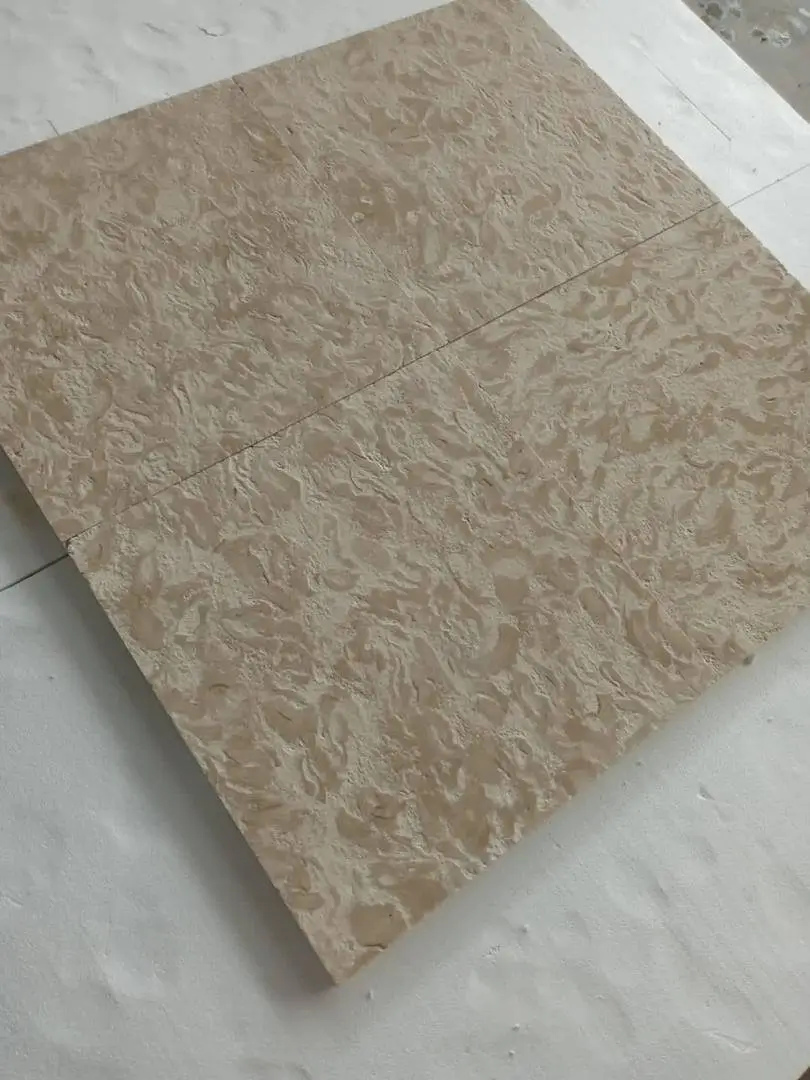
Quartzite’s color palette differs fundamentally from granite due to mineral composition. You’ll encounter whites, grays, and beiges as primary colors, with iron oxide creating pink, red, and gold veining. The aesthetic challenge isn’t color availability—it’s understanding how quartzite’s translucency affects appearance under different lighting conditions. This becomes critical in Arizona projects where intense direct sunlight creates visual conditions that dramatically alter perceived color temperature throughout the day.
Your material selection should account for quartzite’s tendency toward bold, dramatic veining patterns. Unlike granite’s relatively uniform appearance, quartzite slabs from the same block can show significant variation. You need to inspect actual slabs rather than samples, and you should photograph slabs under job-site lighting conditions when possible. The material’s crystalline structure creates depth that photographs poorly, making in-person evaluation essential for architectural applications where aesthetic consistency matters.
Fabrication Requirements and Tool Wear
Here’s what catches most fabricators off-guard with quartzite slabs slab yard Arizona sourcing: the material’s exceptional hardness accelerates blade wear by 30-50% compared to granite. Your fabrication budget needs to account for increased tooling costs and slower cutting speeds. Diamond blades rated for granite will cut quartzite, but you’ll see blade life reduced from typical 2,000-2,500 linear feet to 1,200-1,600 feet. This isn’t a minor cost consideration—it affects both timeline and final installed cost per square foot.
The crystalline structure also affects edge finishing. You should specify edge profiles that accommodate quartzite’s tendency to microchip during fabrication. Eased edges perform better than sharp square edges, and bullnose profiles work well for applications requiring maximum durability. When you work with slab yard Arizona quartzite inventory, verify that your fabricator has recent quartzite experience—techniques that work perfectly for granite can produce suboptimal results with quartzite’s harder, more brittle structure.
Porosity Testing and Sealing Requirements
Quartzite’s reputation as “nearly non-porous” creates specification problems when you don’t verify actual porosity through testing. The material’s porosity ranges from 0.2% to 2.5% depending on source quarry and specific formation conditions. You need to request ASTM C97 water absorption testing data from your supplier, not rely on generic product literature. Warehouse inventory should include test documentation for each bundle, allowing you to verify performance characteristics before committing to specific slabs.
Your sealing specifications should address quartzite’s variable porosity directly. Premium low-porosity quartzite (below 0.5%) may require no sealing for interior applications, while higher-porosity material demands impregnating sealers applied before and after installation. Testing protocol requires placing water drops on honed surfaces and timing absorption—if water darkens the surface within 5-10 minutes, you need sealing regardless of supplier claims about the material being “maintenance-free.”
Thermal Performance in Arizona Climate
Arizona’s extreme temperature conditions create specific performance requirements that quartzite handles differently than granite. You’ll encounter daily thermal cycling from 45°F predawn to 115°F+ afternoon during summer months, creating expansion and contraction cycles that stress stone installations. Quartzite’s thermal expansion coefficient of approximately 5.5 × 10⁻⁶ per °F means a 10-foot countertop section expands roughly 0.046 inches across a 70°F temperature swing—similar to granite but requiring identical joint spacing protocols.
What separates quartzite from granite in thermal performance is heat retention characteristics. The material’s crystalline structure creates thermal mass that moderates surface temperature swings. You’ll find that quartzite surfaces reach lower peak temperatures than granite under identical solar exposure, typically 8-12°F cooler during peak afternoon heating. This becomes relevant for exterior applications like outdoor kitchens, pool coping, and patio surfaces where direct skin contact occurs. When you evaluate granite yard quartzite comparison data, verify whether thermal testing was conducted under Arizona-specific solar intensity conditions (up to 7.5 kWh/m²/day during summer).
Structural Integrity and Span Limitations
Your structural specifications need to account for quartzite’s higher modulus of rupture compared to granite. The material typically tests between 2,800-3,500 PSI in flexural strength tests, versus granite’s 1,500-3,000 PSI range. This allows longer unsupported spans in countertop applications, but you shouldn’t exceed recommended support spacing without engineering analysis. Professional practice suggests maximum 24-inch unsupported spans for 3cm quartzite, extending to 30 inches for waterfall edges with proper reinforcement.
The material’s brittleness creates different failure modes than granite. When overstressed, quartzite tends toward clean breaks rather than gradual cracking. Your installation details should include support brackets at 16-18 inch centers for peninsulas and overhangs, regardless of the material’s theoretical span capacity. This conservative approach accounts for dynamic loading scenarios and impact resistance requirements that laboratory flexural strength testing doesn’t fully address.
Sourcing Verification and Quality Control
When you source quartzite slabs slab yard Arizona locations, you’re navigating a supply chain where material origin significantly affects performance characteristics. Brazilian, Indian, and domestic quartzites exhibit different porosity, hardness, and color stability profiles. You should request quarry-specific information, not just generic “quartzite” designations. Premium suppliers maintain documentation linking each bundle to specific quarry blocks, allowing you to cross-reference performance data with actual material.
Your quality verification process should include several field tests you can perform at the slab yard. For more information about comprehensive sourcing protocols, see Citadel Stone’s marble slab facility for related material evaluation procedures. Scratch testing with a knife blade (quartzite should show no scratching), acid resistance testing with dilute vinegar (no reaction indicates true quartzite versus marble mislabeled as quartzite), and visual inspection for consistent crystalline structure all provide verification before material leaves the yard.
Cost Analysis and Long-Term Value
Quartzite pricing typically ranges $60-150 per square foot installed, compared to granite’s $40-100 per square foot and marble’s $50-200 per square foot. Your cost analysis shouldn’t stop at initial material expense—you need to account for lifecycle costs including maintenance, sealing frequency, and replacement timelines. Quartzite’s superior durability translates to 30-40 year service life in high-traffic commercial applications versus 20-25 years for granite and 15-20 years for marble.
The material’s hardness affects fabrication costs more significantly than material cost. You’ll see fabrication charges increase 15-25% compared to granite due to slower cutting speeds, increased blade wear, and additional labor time for edge finishing. Your project budget should account for these fabrication premiums while recognizing that reduced maintenance and extended service life often justify the initial cost differential for high-value installations.
Common Specification Mistakes to Avoid
Professional specifications fail most frequently in three areas: inadequate porosity verification, insufficient edge detail specifications, and unrealistic expectations about color consistency. Here’s what you need to address explicitly:
- You must specify actual water absorption testing rather than accepting generic quartzite classifications
- Your edge details should account for quartzite’s chipping tendency during fabrication and handling
- Color selection requires viewing full slabs under job-site lighting conditions, not small samples under warehouse lighting
- You need to address sealing requirements specifically rather than assuming all quartzite is maintenance-free
- Support bracket spacing must be specified conservatively regardless of manufacturer span recommendations
- Thermal expansion joints require explicit callout for installations exceeding 10 linear feet
The most costly mistake involves confusing quartzite with quartzitic sandstone or marble varieties marketed as quartzite. You should verify material hardness through field testing and request laboratory documentation confirming metamorphic quartzite classification. Material mislabeling creates performance failures and warranty disputes that exceed any cost savings from selecting lower-priced alternatives claiming to be quartzite.
Maintenance Protocols for Maximum Longevity
Your maintenance specifications should differentiate between sealed and unsealed quartzite applications. Low-porosity material (below 0.5% water absorption) in interior applications requires only routine cleaning with pH-neutral stone cleaner. Higher-porosity installations need impregnating sealer reapplication every 3-5 years for interior applications, reducing to 2-3 years for exterior installations exposed to Arizona’s intense UV radiation and monsoon moisture cycling.
The material’s chemical resistance eliminates most maintenance concerns associated with granite and marble. You don’t need to specify special protocols for acidic food contact—quartzite handles lemon juice, vinegar, and wine without etching. Your maintenance program should focus on preventing physical damage rather than chemical attack. This shifts maintenance emphasis toward proper cleaning technique (avoiding abrasive scrubbing that can dull polished surfaces) and impact protection for edges and corners where the material’s brittleness creates vulnerability.
Citadel Stone: Premium Stone Slab Yard in Arizona for Quartzite Projects
When you evaluate slab yard Arizona quartzite inventory for your Arizona projects, you’re considering premium materials designed for extreme climate performance. At Citadel Stone, we provide technical guidance for hypothetical applications across Arizona’s diverse climate zones, from low desert to high plateau environments. This section outlines how you would approach specification decisions for six representative cities, addressing climate-specific considerations that affect material selection and installation protocols.
Arizona’s climate variation creates distinct specification requirements. You need to account for temperature extremes ranging from Yuma’s 120°F+ summer peaks to Flagstaff’s sub-zero winter conditions. Your material selection should address these thermal ranges while considering monsoon moisture patterns, UV intensity variations, and regional soil characteristics that affect base preparation and structural support requirements.
Phoenix Metropolitan Applications
In Phoenix’s urban heat island environment, you would specify quartzite for its superior thermal performance compared to granite alternatives. Your installation should account for daily temperature swings exceeding 40°F during spring and fall transitions, requiring expansion joint spacing at 12-15 foot intervals for large-format installations. You’ll want to prioritize lighter-colored quartzite varieties that reflect solar radiation rather than absorbing heat, particularly for outdoor kitchen countertops and pool deck coping where surface temperature affects usability. The material’s low porosity becomes essential during monsoon season when rapid precipitation events test drainage systems and material moisture resistance. You should verify that your selected quartzite exhibits water absorption below 0.8% for exterior applications in Phoenix’s extreme thermal cycling environment.
Tucson Desert Specifications
Your Tucson applications would benefit from quartzite’s UV stability in an environment receiving over 300 sunny days annually. You need to specify edge profiles that accommodate thermal expansion during summer months when material surface temperatures can reach 145-160°F under direct solar exposure. The crystalline structure provides better heat dissipation than granite, maintaining lower peak temperatures that improve comfort for outdoor living spaces. You should account for Tucson’s slightly higher monsoon precipitation compared to Phoenix, requiring verification of material porosity and proper sealing protocols. Your specification would include impregnating sealers for installations with porosity exceeding 0.6%, reapplied every 2-3 years to maintain moisture resistance during seasonal precipitation events.
Scottsdale Luxury Market
When you specify quartzite slabs slab yard Arizona materials for Scottsdale’s high-end residential market, you’re addressing clients who prioritize aesthetics alongside performance. Your material selection should emphasize dramatic veining patterns and unique colorations that differentiate quartzite from conventional granite installations. You’ll want to coordinate slab selection to achieve book-matching or sequencing for feature walls and large-format countertops, requiring early involvement in the procurement process. The area’s resort-style outdoor living spaces demand material that maintains visual appeal under intense UV exposure while providing cool-to-touch surfaces around pools and spas. You should specify honed or leathered finishes for exterior applications, as these surface treatments provide better slip resistance than polished finishes while minimizing glare from Arizona’s intense sunlight.
Flagstaff Cold Climate
Your Flagstaff specifications would address freeze-thaw cycling that rarely affects lower-elevation Arizona installations. You need to verify that selected quartzite exhibits porosity below 0.5% to minimize moisture absorption that leads to freeze-thaw damage. The material’s compressive strength exceeds granite’s performance in freeze-thaw testing, but you should still specify proper drainage protocols and avoid standing water conditions. You would recommend sealing all quartzite installations in Flagstaff’s climate, regardless of laboratory porosity measurements, as real-world moisture exposure during winter months creates conditions not replicated in standard testing. Your installation details should include thermal breaks and proper flashing at transitions between heated and unheated spaces to prevent condensation-related staining.
Sedona Red Rock Context
In Sedona’s visually distinctive environment, you would specify quartzite colors that either complement or deliberately contrast with surrounding red rock formations. Your material selection should consider how Arizona’s unique light quality affects quartzite’s appearance throughout the day—the material’s crystalline structure creates depth and translucency that changes dramatically under varying light angles. You need to account for Sedona’s elevation (4,500 feet) when specifying thermal performance requirements, as temperature ranges fall between Phoenix’s extreme heat and Flagstaff’s cold winters. The area’s tourism-focused economy means many applications involve commercial hospitality installations requiring you to emphasize durability and low maintenance characteristics that minimize operational costs over 25-30 year service life expectations.
Yuma Extreme Heat
Your Yuma specifications would address the most extreme thermal conditions in Arizona, with summer temperatures regularly exceeding 115°F and annual precipitation below 3 inches. You need to prioritize quartzite’s thermal stability and UV resistance for installations that experience sustained high-temperature exposure. The material’s low porosity eliminates concerns about moisture-related issues that affect other Arizona regions during monsoon season. You should specify light-colored quartzite varieties to minimize solar heat gain, particularly for exterior applications where surface temperature directly affects usability. Your installation details would include aggressive expansion joint spacing (10-12 foot intervals) to accommodate extreme thermal expansion during summer months. You’ll want to verify that fabricators understand the importance of proper support bracket spacing in Yuma’s heat, as elevated temperatures can affect epoxy adhesives and create long-term structural concerns if support requirements are underestimated.
Professional Specification and Procurement
Your professional specification process requires balancing performance requirements, aesthetic objectives, and budget constraints while ensuring long-term durability. You should develop comprehensive specifications that address material testing, fabrication requirements, installation protocols, and maintenance expectations. This documentation becomes essential for competitive bidding and quality verification during project execution. You’ll find that detailed specifications reduce change orders and warranty claims by establishing clear performance expectations before material procurement begins.
When you finalize material selection, verify that your chosen supplier maintains adequate warehouse inventory to support project timelines without delays. Truck delivery logistics become critical for large-format projects where material arrival must coordinate with fabrication schedules and installation sequences. Your procurement timeline should account for 4-6 week lead times from slab selection to final installation, including fabrication, quality verification, and job-site coordination. For additional insights on professional specification processes and installation best practices, review Custom stone fabrication services including edge profiles and cutouts before you finalize your project documentation and material commitments. Historic restoration specialists source period-appropriate materials from Citadel Stone’s authentic flagstone yard in Arizona.