

When you search for exotic slabs slab yard Arizona options, you’re entering a specialized segment of the natural stone market where rarity, aesthetics, and performance converge. Your project demands materials that deliver visual impact while withstanding Arizona’s extreme climate—temperatures exceeding 115°F, intense UV radiation, and dramatic thermal cycling. The exotic slab category encompasses rare granite formations, premium marble varieties, and quartzite with unique geological characteristics not found in standard inventory. You need to understand that sourcing these materials requires different evaluation criteria than commodity stone products.
The term “exotic” in stone classification typically indicates limited quarry availability, distinctive veining patterns, or unusual mineral compositions that create premium aesthetics. When you specify exotic materials, you’re working with stones that may come from single quarry sources in Brazil, Italy, India, or other specialized locations. Your selection process must account for supply chain constraints—exotic inventory moves through different channels than standard materials, affecting lead times and project scheduling.
Exotic Classification Criteria You Should Understand
Your definition of “exotic” varies across suppliers, but professional classification considers several technical factors beyond visual appeal. Understanding these criteria helps you evaluate whether a stone genuinely qualifies as exotic or represents standard material with premium marketing. The distinction affects pricing, availability, and long-term performance expectations for your Arizona installations.
Geological rarity stands as the primary classification factor. True exotic slabs originate from limited quarry deposits where specific mineral combinations occurred during formation. You’ll find that quarries producing exotic materials often have restricted output—sometimes just 200-400 cubic meters annually compared to 50,000+ cubic meters from commodity quarries. This scarcity drives pricing but also creates supply challenges you must manage during specification.
- Quarry exclusivity determines whether the stone comes from single-source deposits or multiple global locations
- Mineral composition variations create unique colorations through rare element concentrations like titanium, copper, or manganese oxides
- Veining complexity reflects geological events during stone formation—dramatic patterns indicate specific tectonic or hydrothermal activity
- Movement patterns show directional characteristics where mineral deposits create visual flow across the slab surface
- Color saturation levels exceed typical ranges—exotic materials often display intensities not found in common stone varieties
Your technical evaluation should extend beyond aesthetics to performance characteristics. Exotic stones frequently exhibit different density, porosity, and hardness values compared to standard materials. A local slab yard Arizona rare stones supplier can provide specific test data for compressive strength, absorption rates, and freeze-thaw resistance. These specifications become critical when you’re designing for commercial applications or exterior installations where material performance affects longevity.
Rare Granite Formations Available in Arizona Markets
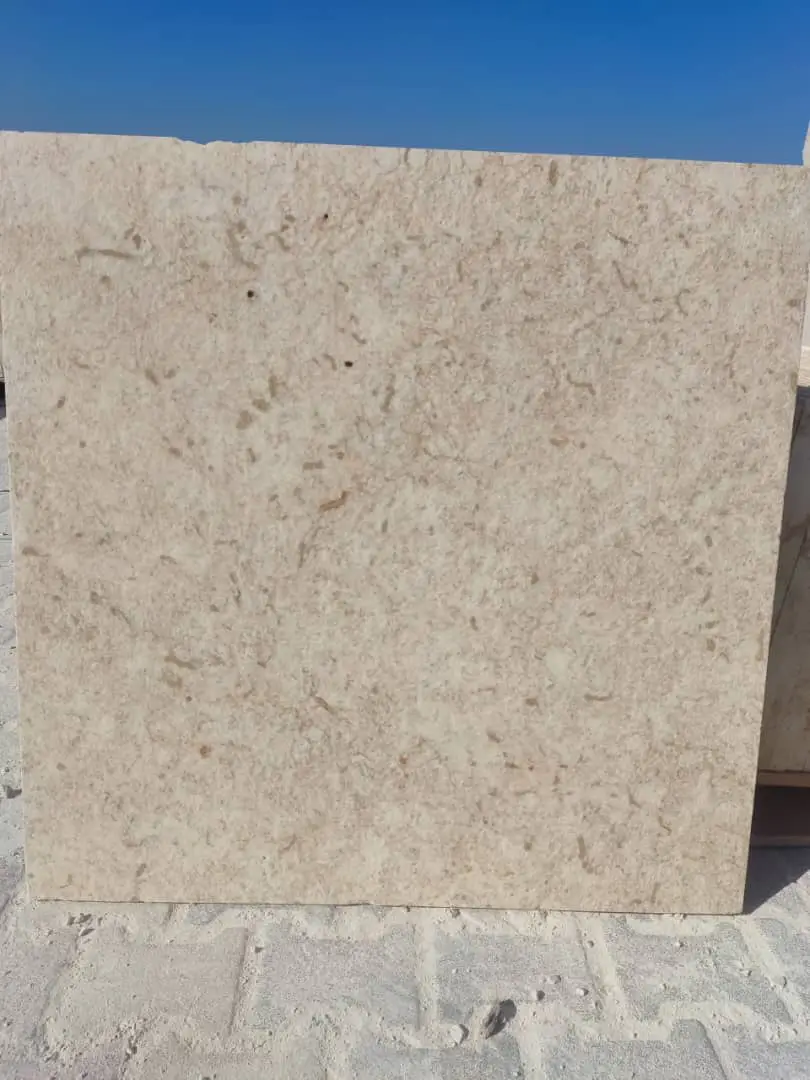
When you evaluate rare granite options through exotic slabs slab yard Arizona suppliers, you’re accessing materials with distinctive crystalline structures and mineral compositions. Granite achieves exotic status through unusual color combinations, crystal size variations, or rare mineral inclusions that create visual effects not found in standard varieties. Your selection should balance aesthetic requirements with performance specifications appropriate for Arizona’s climate demands.
Blue granite varieties represent some of the most sought-after exotic options. These materials derive their coloration from specific mineral compositions—typically sodalite, dumortierite, or lazurite concentrations that create blue tones ranging from pale azure to deep navy. You’ll find that authentic blue granites come primarily from Norwegian, Brazilian, or Ukrainian quarries where geological conditions supported these rare mineral formations. The slab yard Arizona premium slabs inventory may include varieties like Azul Bahia, Blue Pearl, or Volga Blue, each with distinct performance characteristics you need to evaluate.
Red and pink exotic granites display intensity levels beyond standard materials. While common granites show subtle pink tones from feldspar content, exotic varieties exhibit saturated reds from elevated iron oxide concentrations or rare mineral inclusions. When you specify these materials, verify the mineral source of coloration—some red granites derive color from hematite deposits that provide superior UV stability compared to iron-stained varieties that may fade under Arizona’s intense solar exposure.
- Crystal size variations create dramatic visual texture where large feldspar or quartz crystals interrupt uniform backgrounds
- Movement patterns in exotic granites show directional mineral alignment from tectonic pressure during formation
- Hardness values for exotic granites typically range from 6.5 to 7.5 on Mohs scale, affecting fabrication costs and edge detail options
- Absorption rates generally stay below 0.4%, making most exotic granites suitable for exterior applications without additional sealing
Your specification should address the relationship between exotic granite aesthetics and structural performance. Materials with dramatic veining or large crystal inclusions may exhibit directional strength variations—compressive strength can differ by 15-20% depending on load orientation relative to mineral alignment. Professional installations account for these characteristics during layout and support design, particularly for elevated countertop spans or structural cladding applications.
Premium Marble Varieties and Arizona Performance Considerations
When you select exotic marble through stone slab yard Arizona exotic inventory sources, you’re specifying a metamorphic stone with fundamentally different characteristics than granite. Marble’s calcium carbonate composition creates both its distinctive aesthetics and its performance limitations. Your understanding of these trade-offs determines whether exotic marble represents an appropriate choice for specific Arizona applications—particularly given the state’s environmental conditions and maintenance requirements.
Exotic marble classification focuses on vein complexity, background color purity, and geological origin. Materials like Calacatta, Statuario, or Breccia varieties achieve exotic status through limited quarry availability and distinctive aesthetic characteristics. You need to recognize that authentic Calacatta marble comes exclusively from specific Italian quarry regions—materials marketed under similar names may represent different geological formations with varying performance properties. The slab yard you work with should provide quarry documentation verifying material origin and classification.
Color saturation separates exotic marbles from standard varieties. While common marble shows white or beige backgrounds with subtle veining, exotic options display dramatic contrast—bold gray or gold veining against pure white backgrounds, or saturated base colors like deep green, black, or burgundy. When you evaluate these materials at a local slab yard Arizona rare stones facility, examine multiple slabs from the same bundle. Exotic marbles often show significant variation between sequential slabs, requiring careful selection to achieve your aesthetic intent.
- Veining density varies from sparse dramatic statements to complex networks that nearly obscure background color
- Vein thickness ranges from hairline fractures filled with contrasting minerals to bold bands exceeding 3 inches in width
- Background purity in premium white marbles requires minimal mineral inclusions—the whitest varieties command significant premiums
- Translucency characteristics allow exotic marbles to transmit light through thin sections, creating backlit application opportunities
Your Arizona installations using exotic marble must address the material’s inherent limitations. Marble’s calcium carbonate composition makes it susceptible to acid etching from common household substances—wine, citrus, vinegar, and even some cleaning products cause permanent surface damage. You should specify exotic marble only where clients understand maintenance requirements and accept the material’s reactive nature. For kitchen applications, this typically means educating clients about trade-offs between aesthetics and practical durability.
The state’s hard water conditions create additional challenges for marble installations. Arizona municipal water supplies often exceed 300 PPM total dissolved solids, with elevated calcium and mineral content. When you specify marble for wet applications—bathroom vanities, shower surrounds, or pool deck areas—account for how water spotting and mineral deposits will affect appearance. Your maintenance recommendations should include specific water treatment approaches and cleaning protocols that preserve exotic marble aesthetics without accelerating degradation.
Quartzite Selection Factors for High-Performance Applications
When you specify exotic quartzite through the slab yard Arizona premium slabs network, you’re working with a metamorphic stone that combines marble-like aesthetics with granite-level durability. Quartzite forms when sandstone undergoes extreme heat and pressure, recrystallizing quartz grains into an interlocked structure with exceptional hardness. Your challenge lies in distinguishing genuine quartzite from marble or soft quartzite varieties that lack the performance characteristics professional applications demand.
True quartzite achieves hardness ratings of 7.0-7.5 on the Mohs scale—harder than granite and significantly more resistant to scratching, etching, and wear. You can perform field verification using simple tests: quartzite will not react to acid application (vinegar or lemon juice), whereas marble fizzes upon contact. Additionally, quartzite typically shows granular texture under magnification, while marble displays crystalline structure. These distinctions matter significantly when you’re specifying exotic slabs slab yard Arizona materials for commercial applications or high-traffic residential installations.
Exotic quartzite varieties display dramatic veining patterns that rival premium marble aesthetics. Materials like Taj Mahal, Macaubas White, or Fantasy Brown show complex mineral patterns created during metamorphosis. You should understand that quartzite veining differs fundamentally from marble—these patterns result from mineral impurities compressed and reoriented during formation rather than sedimentary deposition. The distinction affects both aesthetics and performance, as quartzite veins typically don’t represent structural weakness planes like marble veining can.
- Color range in exotic quartzite extends from pure white through gray, beige, pink, and even blue or green tones depending on mineral content
- Absorption rates for dense quartzite typically measure below 0.4%, though some varieties with higher porosity may reach 1.0-1.5%
- Compressive strength values commonly exceed 20,000 PSI for quality quartzite, surpassing granite performance by 40-60%
- Surface finish options include polished, honed, and leathered textures, each affecting slip resistance and maintenance requirements
Your Arizona specifications benefit from quartzite’s thermal performance characteristics. The material’s low thermal expansion coefficient and high heat resistance make it ideal for exterior applications where surface temperatures routinely exceed 150°F. When you compare options at stone slab yard Arizona exotic inventory locations, quartzite demonstrates superior dimensional stability under thermal cycling compared to marble or some granite varieties. This stability translates to reduced maintenance requirements and extended service life in Arizona’s extreme climate.
For guidance on selecting complementary materials and understanding regional supply logistics, see Citadel Stone supply company in Scottsdale for comprehensive comparison data. Your fabrication considerations for exotic quartzite differ from standard materials—the extreme hardness requires diamond tooling with specific bonding matrices, affecting both fabrication timelines and costs. You should factor 15-25% longer fabrication periods compared to granite when you’re developing project schedules with exotic quartzite specifications.
Inventory Assessment Methods at Arizona Slab Yards
When you evaluate exotic slabs slab yard Arizona inventory, your assessment process determines whether available materials meet project specifications and aesthetic requirements. Unlike commodity stone where samples represent consistent production, exotic materials show significant variation between slabs. Your selection methodology must account for these natural differences while verifying that technical specifications support your performance requirements.
Visual inspection represents your first evaluation phase. You need to examine slabs under appropriate lighting conditions—preferably natural light or high-CRI artificial illumination that reveals true color characteristics. The slab yard lighting environment significantly affects color perception; fluorescent or LED lighting with poor color rendering can mask or exaggerate certain tones. When possible, you should request that slabs be moved to outdoor viewing areas where natural light provides accurate color assessment.
Vein pattern matching requires examining multiple slabs from the same bundle or quarry lot. Exotic materials rarely show consistent veining between sequential slabs—pattern density, vein thickness, and color saturation vary naturally. Your project specifications should define acceptable variation ranges rather than expecting perfect consistency. For large installations requiring multiple slabs, you’ll achieve better aesthetic results by selecting materials from single quarry lots rather than mixing inventory from different production periods.
- Surface finish quality requires close inspection for polishing consistency, with attention to how finish affects vein visibility and color depth
- Edge condition assessment reveals fabrication challenges—chips, fractures, or delamination along slab edges indicate potential structural issues
- Thickness measurement verification ensures slabs meet specification requirements, particularly for structural applications requiring minimum thickness
- Bundle documentation review confirms quarry origin, material classification, and whether slabs represent book-matched or random selection
Your technical evaluation should include verification of performance specifications. Professional slab yards maintain test documentation showing compressive strength, flexural strength, absorption rates, and density for exotic materials. When these specifications aren’t readily available, you can request testing through independent laboratories—particularly for high-value projects where material performance affects warranty obligations or long-term maintenance costs.
At the slab yard Arizona premium slabs facilities, you should assess resin treatment and surface enhancement practices. Many exotic materials undergo factory treatment with epoxy resins that fill natural fissures and consolidate weak areas. This treatment isn’t inherently problematic—it’s standard practice for certain material types—but you need disclosure about treatment extent and methods. Heavy resin treatment affects heat resistance, repair procedures, and long-term performance, requiring adjusted maintenance protocols.
Pricing Structure Analysis for Exotic Stone Materials
When you develop budgets for projects specifying exotic slabs slab yard Arizona materials, your cost analysis must account for multiple factors beyond per-square-foot pricing. Exotic stone pricing reflects quarry scarcity, transportation logistics, material waste factors, and fabrication complexity. Your comprehensive cost modeling prevents budget overruns and ensures that material selection aligns with overall project financial constraints.
Base material pricing for exotic slabs typically ranges from $80 to $300+ per square foot at Arizona slab yards—significantly higher than $45-$75 pricing for premium standard materials. This differential reflects limited quarry production, specialized extraction methods, and international shipping logistics. You should recognize that pricing within this range varies based on specific variety, current availability, and supplier relationships. The local slab yard Arizona rare stones network may offer pricing advantages over national distributors through reduced handling and faster inventory turnover.
Your cost analysis must include material waste factors that differ from standard installations. Exotic slabs often require careful pattern matching and directional orientation, increasing waste from 15-20% typical for standard materials to 25-35% for complex exotic installations. This waste percentage directly impacts material quantity calculations—a 100-square-foot installation may require purchasing 135 square feet of material. You need to communicate these realities during client budgeting to prevent expectations misalignment.
- Fabrication premiums for exotic materials add 20-40% to standard labor rates due to increased tooling wear, slower cutting speeds, and specialized handling requirements
- Edge detail complexity affects costs differently with exotic materials—intricate profiles on hard quartzite require premium tooling and extended fabrication time
- Transportation logistics for large-format slabs may require specialized equipment and careful coordination, particularly for materials exceeding standard slab dimensions
- Installation labor costs increase 15-25% for exotic materials due to weight considerations, fragility concerns, and precision placement requirements
Your project timeline considerations affect cost structure. Warehouse stock availability for exotic slabs slab yard Arizona inventory varies significantly—some varieties maintain consistent supply, while others require special ordering with 8-16 week lead times from quarry. When you specify materials requiring international shipping, account for how lead time extension affects overall project costs through extended overhead, schedule delays, and potential change order implications.
Climate Adaptation Requirements for Arizona Installations
When you specify exotic slabs through stone slab yard Arizona exotic inventory for local installations, your material selection must account for extreme environmental conditions that test stone performance limits. Arizona’s climate combines intense UV radiation, dramatic temperature fluctuations, low humidity, and minimal precipitation—each factor affecting stone durability and appearance retention differently than moderate climates.
Thermal cycling represents the primary environmental challenge. Desert regions experience daily temperature swings exceeding 40-50°F, with surface temperatures on dark exotic slabs potentially reaching 160-180°F during summer afternoons. You need to specify materials with low thermal expansion coefficients and verify that mineral composition supports dimensional stability under repeated thermal stress. Certain exotic marbles with high calcite content or granites with large mica concentrations may develop micro-fractures after years of thermal cycling, compromising both aesthetics and structural integrity.
UV radiation intensity in Arizona exceeds most other U.S. regions by 15-30%, creating accelerated degradation conditions for materials with UV-sensitive mineral components. When you specify exotic slabs with organic-rich veining or certain metal oxide colorations, verify UV stability through long-term exposure testing. Some exotic granite varieties showing red or pink tones from iron compounds may experience color shifting after 5-8 years of unshaded Arizona sun exposure—a consideration that affects material selection for exterior applications and window-adjacent interior installations.
- Porosity characteristics determine moisture absorption and freeze-thaw resistance for northern Arizona installations where winter temperatures drop below freezing
- Surface texture selection affects heat retention and slip resistance—polished exotic slabs create dangerously hot surfaces in unshaded exterior applications
- Sealing requirements intensify in low-humidity environments where rapid evaporation can draw staining compounds deeper into porous materials
- Joint spacing specifications must accommodate thermal expansion rates that exceed manufacturer recommendations based on moderate climate assumptions
Your maintenance protocol development needs to address Arizona’s hard water conditions and dust exposure. Exotic marble installations require modified cleaning approaches that prevent alkaline water deposits while protecting calcium carbonate surfaces from acid damage. The local slab yard Arizona rare stones suppliers can provide region-specific maintenance guidance based on field performance data from existing installations. You should incorporate these protocols into owner documentation, particularly for exotic marbles where improper maintenance accelerates degradation.
Fabrication Complexity Factors for Exotic Stone Processing
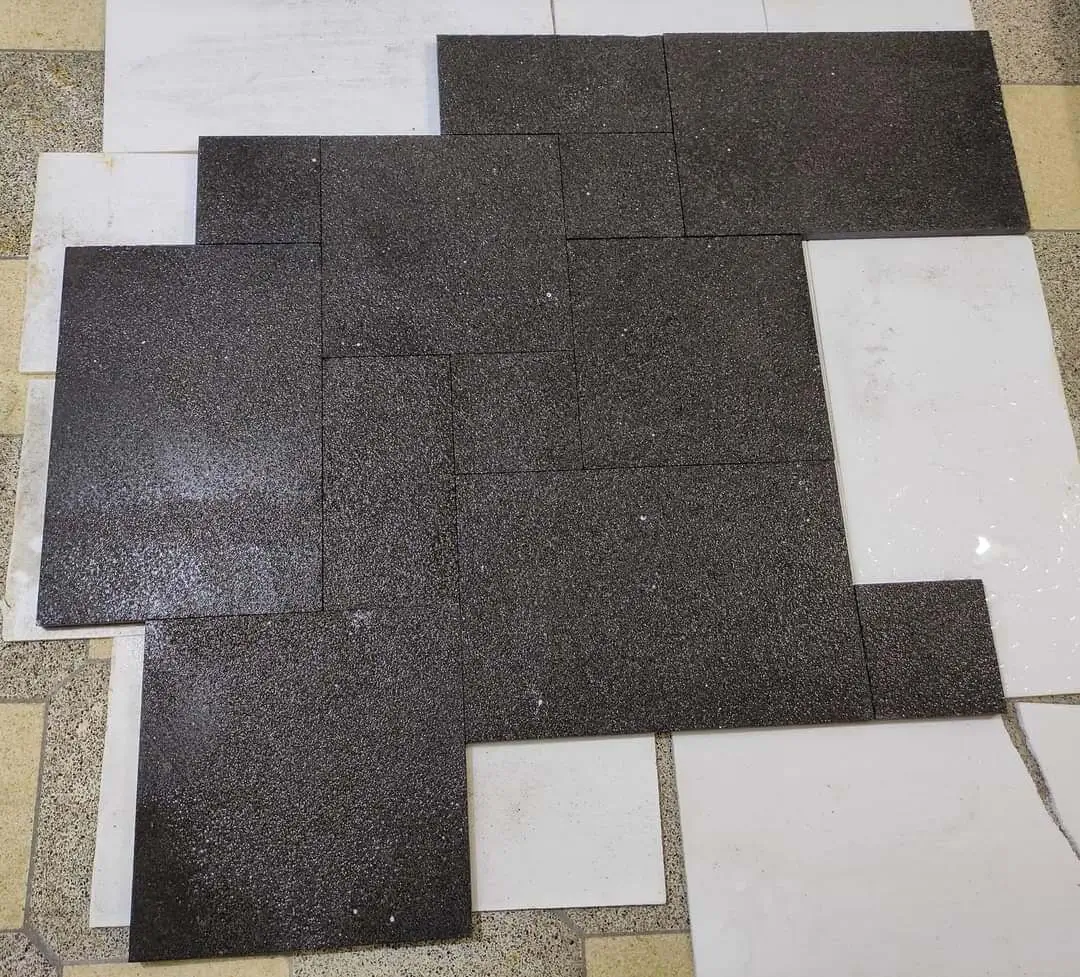
When you move from slab selection to fabrication, exotic slabs slab yard Arizona materials present processing challenges that affect both timeline and budget. Your understanding of these fabrication variables helps you set realistic project expectations and coordinate effectively with fabrication services. Exotic stones often require specialized equipment, modified cutting parameters, and experienced craftspeople familiar with material-specific handling requirements.
Material hardness directly impacts fabrication approach and tooling requirements. Exotic quartzite with Mohs hardness exceeding 7.0 requires diamond cutting wheels with specific bonding matrices designed for hard, abrasive materials. Standard granite tooling degrades rapidly when used on hard quartzite, increasing costs and slowing production. You should verify that your fabrication services maintains appropriate tooling inventory and experience with the specific exotic material you’ve specified. Fabrication shops without this expertise may decline projects or deliver substandard results.
Brittleness and fracture characteristics vary significantly across exotic stone varieties. Some premium marbles with dramatic veining show increased fragility along vein boundaries where mineral composition changes create structural weakness planes. Your fabrication specifications should address these characteristics through modified handling procedures, adjusted cutting speeds, and potentially revised edge detail designs that avoid thin sections susceptible to fracture. The slab yard Arizona premium slabs facility can provide material-specific fabrication guidance based on supplier recommendations and field experience.
- Cutting speed optimization requires balancing production efficiency against risk of thermal shock damage from excessive blade speed and heat generation
- Water flow management during cutting removes heat and debris while preventing water absorption in porous exotic materials that might cause temporary discoloration
- Edge profile limitations exist for certain exotic materials where intricate details create fragile sections prone to chipping or fracture during installation and use
- Resin infiltration assessment determines whether additional consolidation treatment is needed before fabrication begins, particularly for fissured exotic varieties
Your seam placement strategy becomes more critical with exotic slabs showing dramatic veining or directional patterns. Standard practice places seams in low-visibility areas, but exotic materials often require seam locations that respect pattern flow and visual balance. You’ll achieve superior aesthetic results by reviewing full-scale templates against actual slab patterns before cutting begins. This coordination adds time to the fabrication schedule but prevents irreversible mistakes with high-value exotic materials.
Stone Slab Yard in Arizona: Citadel Stone—Best Exotic Slab Specifications Across Arizona Cities
When you consider Citadel Stone’s stone slab yard in Arizona inventory for your project, you’re evaluating premium exotic materials engineered for extreme climate performance and aesthetic impact. At Citadel Stone, we provide technical guidance for hypothetical applications across Arizona’s diverse metropolitan regions, from low-desert environments to high-elevation installations. This section outlines how you would approach specification decisions for six representative cities, demonstrating the adaptation required when working with exotic slabs slab yard Arizona materials across varying climatic zones.
Phoenix Heat Considerations
In Phoenix installations, you would prioritize exotic slabs with proven thermal stability under extreme heat conditions where summer temperatures consistently exceed 110°F. Your material selection should focus on dense quartzite or granite varieties with minimal mica content and low thermal expansion coefficients below 5.5 × 10⁻⁶ per °F. For exterior applications, you’d specify honed or textured finishes rather than polished surfaces that create unsafe touch temperatures. The urban heat island effect in Phoenix amplifies already extreme conditions, requiring you to account for surface temperatures potentially reaching 180°F on dark exotic materials. You would also verify that your selected exotic slabs demonstrate UV stability, as Phoenix receives over 300 days of sunshine annually with intense direct radiation that accelerates any photo-degradation tendencies in susceptible mineral compositions.
Tucson Specifications
Your Tucson specifications would address similar heat challenges to Phoenix while accounting for slightly higher humidity and increased monsoon precipitation. You would select exotic slabs slab yard Arizona materials with absorption rates below 0.5% to prevent moisture-related staining during summer storm events. The stone slab yard Arizona exotic inventory for Tucson applications should emphasize materials with proven performance in cyclic wetting and drying conditions. You’d specify drainage details that prevent water pooling on horizontal exotic slab installations, as rapid evaporation rates can concentrate mineral deposits and create visible staining patterns. For exterior cladding, you would account for how thermal cycling combined with occasional moisture exposure might affect long-term dimensional stability in materials with marginal porosity characteristics.
Scottsdale Premium Applications
In Scottsdale’s luxury residential and commercial markets, you would specify exotic slabs emphasizing visual impact and distinctive aesthetics while maintaining appropriate performance standards. Your material selections might include rare granite varieties like Fusion or Splendor Gold, exotic quartzites such as Taj Mahal or Sea Pearl, or premium marbles including Calacatta for carefully considered interior applications. You’d coordinate with the local slab yard Arizona rare stones suppliers to ensure material consistency across large installations, potentially requiring full-slab book matching for feature walls or entertainment areas. Your specifications would address proper sealing protocols for any exotic marble selections, recognizing Scottsdale’s hard water conditions averaging 280-320 PPM total dissolved solids. You would also detail maintenance requirements that preserve exotic material aesthetics in high-end applications where appearance retention directly affects property value.
Flagstaff Cold Climate
Your Flagstaff specifications would prioritize freeze-thaw resistance over heat management, as this high-elevation city experiences 100+ annual freeze-thaw cycles. You would select dense exotic quartzite or granite varieties with absorption rates ideally below 0.4% and verified freeze-thaw durability testing. The slab yard Arizona premium slabs selection for Flagstaff must account for snow load considerations and potential ice dam formation affecting drainage patterns. You’d specify exotic materials with proven performance in cold climates where moisture infiltration followed by freezing could cause spalling or delamination. Your installation details would include modified joint spacing to accommodate contraction during winter cold snaps where temperatures drop to -10°F or below, requiring different expansion provisions than Phoenix installations of identical materials.
Sedona Aesthetic Integration
In Sedona applications, you would select exotic slabs that complement the region’s iconic red rock landscape while meeting technical performance requirements. Your specifications might emphasize warm-toned exotic materials—red or burgundy granites, beige or gold quartzites, or earth-tone marbles that harmonize with local geology. You’d coordinate material selection with architectural character typical of Sedona construction, where natural aesthetics and environmental integration guide design decisions. The stone slab yard Arizona exotic inventory for Sedona would ideally include materials showing natural texture and organic coloring rather than highly polished or artificially vibrant options. Your specifications would address moderate climate conditions between Phoenix heat and Flagstaff cold, with occasional freeze events requiring basic frost resistance but without the extreme durability demands of high-elevation installations.
Mesa Project Logistics
Your Mesa specifications would address large-scale commercial and residential development projects typical of this growing metropolitan area. You’d coordinate with exotic slabs slab yard Arizona suppliers to ensure adequate inventory availability for projects requiring substantial square footage, potentially negotiating volume pricing for developments using consistent material selections throughout multiple buildings or phases. Your material specifications would emphasize exotic slabs offering the best combination of aesthetic differentiation and reliable supply chains—avoiding ultra-rare varieties with unpredictable availability that could delay construction schedules. You would detail storage and handling protocols for exotic materials delivered to active construction sites where dust, heat, and physical damage risks require protective measures. For large Mesa developments, you might specify exotic materials for signature feature applications while coordinating with value-engineered standard materials for general use, optimizing both budget and aesthetic impact.
Supplier Relationship Management for Exotic Material Sourcing
When you work with exotic slabs slab yard Arizona suppliers, your relationship management practices directly affect material availability, pricing, and project success. The exotic stone market operates differently than commodity stone channels—inventory fluctuates based on quarry production, international logistics, and market demand. Your proactive supplier coordination helps you access preferred materials while managing the uncertainties inherent in specialty stone sourcing.
You should establish relationships with multiple exotic slab suppliers rather than relying on single-source procurement. Inventory at any individual local slab yard Arizona rare stones facility represents only a fraction of available exotic materials. By maintaining relationships across 3-5 suppliers, you gain access to broader material selections and can compare pricing across different inventory sources. This multi-source approach also provides contingency options when your first-choice material becomes unavailable mid-project—a common occurrence with exotic stones subject to unpredictable quarry production schedules.
Communication protocols with exotic slab suppliers should include regular inventory updates for materials you commonly specify. You can request notification when new exotic shipments arrive, allowing first access to premium bundles before they’re picked over by other specifiers. The slab yard Arizona premium slabs facilities typically accommodate these arrangements for regular customers, recognizing the mutual benefit of efficient inventory turnover. Your early access to new arrivals increases the likelihood of finding well-matched slabs for book-matching or pattern continuity in large installations.
- Material hold agreements allow you to reserve exotic slabs during client decision periods, though holds typically carry time limits of 24-72 hours without deposit commitment
- Deposit structures for exotic materials often require 30-50% advance payment to secure inventory, reflecting the supplier’s investment in specialty materials with limited resale prospects if your project cancels
- Return policies for exotic slabs differ substantially from standard materials—most suppliers consider exotic slab sales final once materials leave the facility
- Quality dispute resolution requires clear documentation of material condition at selection, as post-delivery claims about veining or color characteristics rarely receive favorable resolution
Your supplier coordination should include discussions about upcoming material availability and quarry status for varieties you regularly specify. Suppliers connected to international stone markets receive advance information about quarry closures, production changes, or new exotic material introductions. This intelligence helps you adapt specifications before material shortages affect project schedules. When your preferred exotic variety faces supply constraints, you can work with suppliers to identify alternative materials with similar aesthetic and performance characteristics.
Installation Best Practices for Exotic Slab Materials
When you coordinate installation of exotic slabs slab yard Arizona materials, your oversight ensures that premium stone investment translates to long-term performance and aesthetic satisfaction. Installation quality determines whether exotic materials achieve their performance potential or develop problems that compromise appearance and durability. Your familiarity with material-specific installation requirements helps you supervise contractors effectively and intervene before mistakes occur.
Substrate preparation requirements for exotic slabs often exceed standard specifications. The premium investment in exotic materials warrants corresponding attention to supporting structure quality. You should verify that countertop substrate or wall backing provides flatness within 1/16 inch over 10 feet—superior to the 1/8 inch tolerance acceptable for standard materials. This precision prevents stress concentrations that could cause fracture in brittle exotic materials or create lippage problems in thin slab installations. Your inspection should confirm proper substrate moisture content below 4% before adhesive application, as excess moisture can cause bond failure or discoloration in certain exotic stone types.
Setting material selection affects installation quality and longevity. You should specify modified thin-set mortars or epoxy adhesives appropriate for the specific exotic material being installed. Certain exotic marbles react poorly with standard Portland cement-based mortars, developing discoloration or bond degradation over time. The stone slab yard Arizona exotic inventory supplier can recommend compatible setting materials based on chemical composition and field performance data. Your specifications should prohibit organic mastics or construction adhesives that lack the bond strength and environmental resistance required for permanent exotic slab installations.
- Seam planning requires coordination between your design intent and material characteristics—you’ll achieve best results by reviewing actual slab placement against templates before cutting begins
- Support requirements for large-format exotic slabs may exceed standard practices, particularly for cantilevers or overhangs where material weight and brittleness demand additional brackets or corbels
- Shimming practices should use hard plastic shims rather than wood or composite materials that compress over time, causing exotic slabs to settle and develop stress points
- Curing time before use must extend longer for exotic installations—you should specify 7-10 days for full adhesive cure before allowing heavy use or applying stress loads
Your quality control during installation includes verifying proper sealant application for porous exotic materials. Many exotic slabs require sealing before grouting or exposure to potential staining agents. You should confirm that installers apply appropriate penetrating sealers according to manufacturer specifications—typically 2-3 coats for maximum protection. The application timing matters: sealing must occur after surface is clean and dry but before any grout or setting material contact that could cause permanent staining in unsealed stone.
Maintenance Protocol Development for Exotic Stone Longevity
When you deliver projects featuring exotic slabs slab yard Arizona materials, your maintenance documentation determines whether clients preserve stone appearance and performance long-term. Exotic materials often require different care protocols than standard stone—procedures appropriate for common granite may damage premium marble or inadequately protect porous quartzite. Your comprehensive maintenance guidance prevents degradation and reduces future remediation requirements.
Daily cleaning protocols for exotic stone must balance effectiveness against chemical compatibility. You should recommend pH-neutral cleaners specifically formulated for natural stone, avoiding the acidic or alkaline cleaners common in household use. For exotic marble installations, this restriction becomes critical—even mildly acidic cleaners cause etching damage that dulls polished surfaces and highlights scratches. The local slab yard Arizona rare stones suppliers often stock appropriate maintenance products or can recommend professional-grade options that outperform consumer retail cleaners.
Sealing schedules vary significantly across exotic material types. Dense exotic quartzite may require resealing every 2-3 years, while porous exotic limestone needs annual treatment to maintain stain resistance. Your maintenance documentation should specify testing methods clients can use to determine when resealing is necessary—water droplet absorption tests provide simple indicators of when sealer effectiveness has degraded. You need to clarify that sealing protects against staining but doesn’t prevent etching in acid-sensitive materials like marble, managing client expectations about realistic protection levels.
- Stain response procedures should distinguish between surface soiling and actual absorption staining, as treatment approaches differ dramatically between these conditions
- Polished surface maintenance requires explaining that minor scratching represents normal wear on softer exotic marbles while being largely preventable on hard quartzite
- Alkaline water deposit removal needs careful attention in Arizona installations where hard water creates persistent spotting and film buildup on exotic stone surfaces
- Professional restoration intervals depend on use intensity and material type—high-traffic commercial exotic installations may require annual professional cleaning and repolishing
Your maintenance documentation should address material-specific limitations and realistic performance expectations. Exotic marble develops patina through use—minor etching and wear create character that many clients appreciate once they understand these changes represent normal aging rather than damage. You help clients by distinguishing between acceptable wear patterns and actual problems requiring professional intervention. For additional technical guidance, review Professional sealing techniques for marble and granite slabs before you finalize maintenance specifications and owner documentation.
Value Engineering Considerations for Exotic Stone Projects
When you face budget constraints on projects originally designed with exotic slabs slab yard Arizona materials, your value engineering approach determines whether you can maintain aesthetic intent while reducing costs. Exotic stone specifications often represent discretionary premium investments where strategic substitutions or selective application can achieve substantial savings without completely abandoning distinctive material character. Your familiarity with the stone slab yard Arizona exotic inventory alternatives helps identify optimization opportunities.
Selective exotic material placement focuses premium stone investment on high-visibility feature areas while substituting standard materials in secondary locations. You might specify exotic slabs for kitchen islands, bathroom vanities, or entry statement walls while using coordinated standard granite or quartz for surrounding countertops and less prominent installations. This approach maintains visual impact where it matters most while reducing overall material costs by 40-60%. Your success depends on identifying standard materials that complement exotic selections without creating jarring aesthetic discontinuities.
Material grade evaluation within exotic categories reveals cost reduction opportunities. Even within single exotic varieties, slabs grade into premium and commercial categories based on vein density, color consistency, and visual impact. Commercial-grade exotic materials from the slab yard Arizona premium slabs inventory may cost 30-50% less than premium selections while maintaining similar performance characteristics. You can achieve significant savings by accepting slightly less dramatic veining or minor color variation—differences often imperceptible to clients without direct comparison to premium examples.
- Slab thickness reduction from 3cm to 2cm decreases material costs by approximately 35% while requiring modified fabrication and installation details to maintain structural adequacy
- Edge detail simplification eliminates labor-intensive profiles that contribute marginally to aesthetic impact while consuming significant fabrication time on hard exotic materials
- Seam acceptance allows using available exotic slab inventory efficiently rather than requiring premium oversize slabs that minimize seams at substantial cost increases
- Book-matching elimination reduces waste and material requirements by accepting random slab placement rather than demanding mirrored vein patterns
Your alternative material identification should explore exotic stone look-alikes that provide similar aesthetics at reduced cost. Certain engineered quartz products now replicate exotic marble and quartzite appearances convincingly while offering superior stain resistance and lower maintenance requirements. When aesthetic goals prioritize specific visual character over natural stone authenticity, these alternatives merit consideration. You need to present these options objectively, acknowledging performance differences and aesthetic distinctions while recognizing legitimate applications where engineered materials satisfy project requirements at accessible price points.
Key Specifications Summary
Your professional work with exotic slabs slab yard Arizona materials requires understanding the complete specification framework—from initial material selection through long-term maintenance planning. You’ve seen how exotic stone classification extends beyond superficial aesthetics to encompass geological rarity, performance characteristics, and supply chain realities. The distinction between exotic granite, marble, and quartzite varieties affects every aspect of your specification decisions, from climate adaptation requirements to fabrication complexity and installation protocols.
When you evaluate options at a stone slab yard Arizona exotic inventory facility, your assessment methodology must address both technical performance and aesthetic variables. The relationship between mineral composition, hardness values, porosity characteristics, and visual attributes determines whether specific exotic materials suit your application requirements. Your Arizona installations face environmental demands—extreme heat, UV exposure, thermal cycling, and hard water conditions—that test material limitations differently than moderate climates. These factors make material selection a critical success determinant rather than purely aesthetic preference.
The exotic stone market operates through specialized channels where supplier relationships, inventory timing, and logistics coordination significantly impact project outcomes. You gain advantage by maintaining connections with multiple exotic slab sources, understanding pricing structures that reflect true material scarcity, and planning lead times that accommodate international supply chains. Your fabrication and installation oversight ensures that premium material investments translate to actual performance, preventing mistakes that compromise exotic stone potential.
Your comprehensive approach to exotic slab specifications balances aesthetic aspirations with performance requirements, budget constraints, and maintenance realities. The guidance provided across material selection, climate adaptation, installation best practices, and long-term care protocols helps you deliver projects where exotic stone materials achieve their intended impact while providing durable service appropriate to Arizona’s demanding conditions. Kitchen installers maximize profitability through Citadel Stone’s efficient stone remnant yard in Arizona quick-turn inventory.