
When you source marble and granite slabs in Arizona, you’re navigating a grading system that directly impacts your project’s appearance, performance, and budget. Understanding how Arizona marble granite suppliers quality grading works enables you to make specification decisions that balance aesthetic requirements with cost constraints. You need to recognize that grade classifications aren’t standardized across the industry—each supplier applies criteria differently, making direct comparisons challenging without understanding the underlying evaluation factors.
The grading system evaluates characteristics including color consistency, vein pattern uniformity, surface finish quality, and structural integrity. Your ability to interpret these classifications determines whether you’re paying premium prices for features your project doesn’t require or compromising durability for budget savings. Professional specification requires you to understand what each grade level actually delivers in field performance, not just how it appears in a showroom under controlled lighting.
Grading Criteria Suppliers Use
Arizona marble granite suppliers quality grading systems evaluate slabs across multiple dimensions that affect both aesthetics and structural performance. You’ll encounter variation in how suppliers weight these factors, but the core evaluation criteria remain consistent across most quality stone yards. Understanding these parameters helps you translate grade designations into actual project requirements.
Suppliers assess slabs using these primary criteria:
- Color consistency across the slab surface, measured as variation percentage from dominant hue
- Vein pattern distribution and visual balance within the stone face
- Surface fissures, pits, or natural inclusions that affect finish quality
- Edge integrity and corner condition, particularly for pre-cut inventory
- Thickness tolerance, typically ranging ±1/16″ for premium grades to ±3/16″ for builder grades
- Structural soundness verified through resonance testing or visual inspection for micro-cracks
What catches most specifiers off-guard is how lighting conditions during grading affect perceived quality. You should verify that warehouse stock levels match the grade you’re reviewing under job site lighting conditions, not just under the controlled illumination most stone yards use for display. The material that appears uniform under diffused warehouse lighting may reveal significant variation in direct Arizona sunlight.
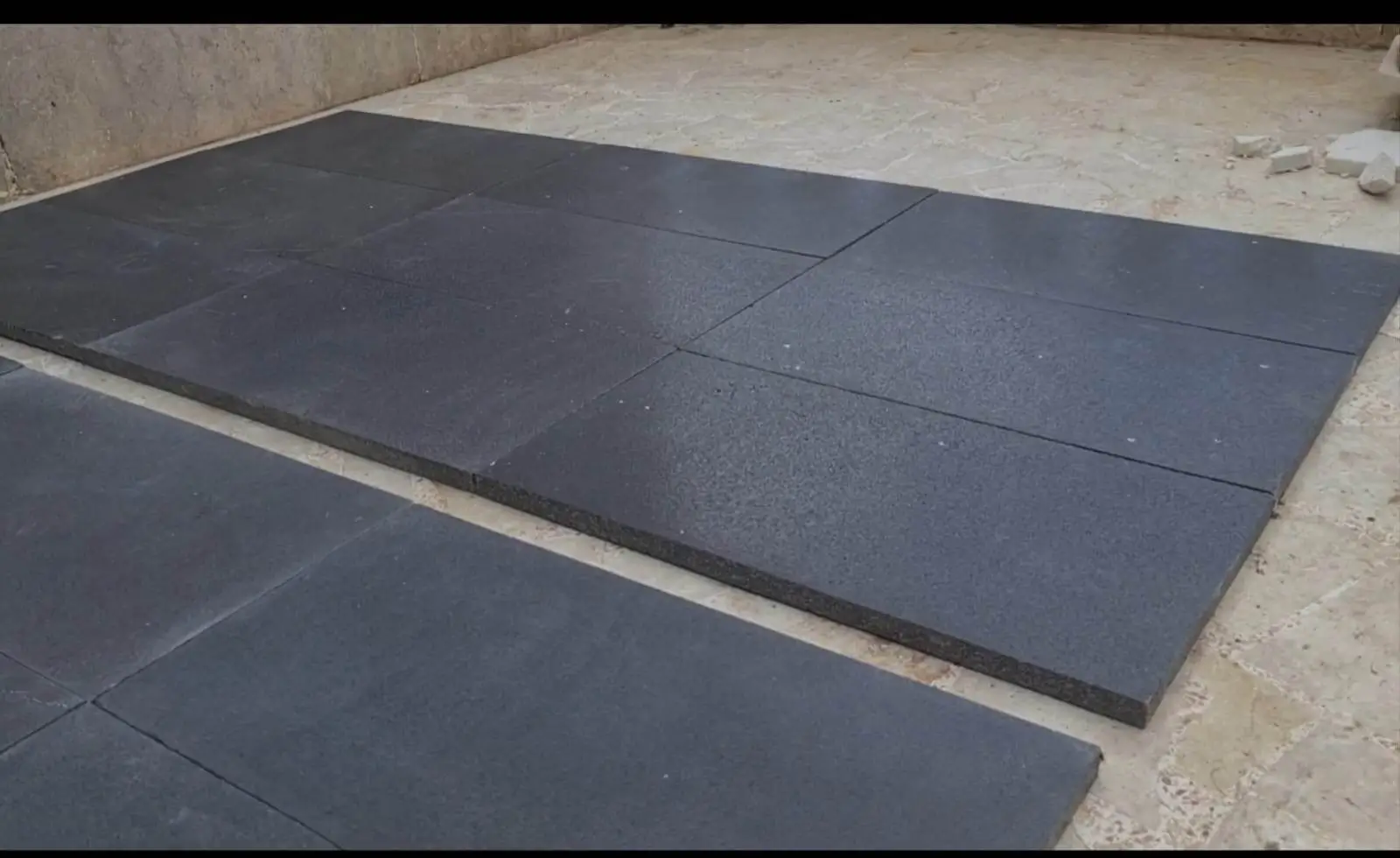
Premium Grade Specifications
Premium grade marble and granite represents the top tier in Arizona marble granite suppliers quality grading systems, delivering maximum consistency and minimal natural variation. When you specify premium materials, you’re selecting slabs that meet the strictest criteria for color uniformity, vein pattern balance, and surface perfection. This grade typically constitutes 15-20% of quarry production, making availability limited and lead times longer than standard grades.
Premium slabs exhibit these defining characteristics:
- Color variation limited to 5-8% deviation from the dominant tone across the entire slab surface
- Vein patterns display balanced distribution without abrupt transitions or concentrated clustering
- Surface finish quality maintains consistent reflectivity within ±3 gloss units when measured by spectrophotometer
- Minimal visible inclusions, typically fewer than 2-3 small mineral deposits per square meter
- Thickness tolerance held to ±1/16″, enabling seamless alignment in multi-slab installations
- Structural integrity verified through ultrasonic testing, confirming absence of subsurface fissures
You’ll find that premium grade marble stone yard in Arizona grade levels command 40-60% price premiums over standard grades, but this investment delivers specific benefits for high-visibility applications. Your specification of premium materials reduces field adjustment time during installation, as slabs require minimal on-site selection and matching. For projects where visual continuity matters—commercial lobbies, high-end residential interiors, feature walls—the grade premium often costs less than the labor required to work around inconsistencies in lower grades.
The challenge with premium specifications is managing client expectations regarding natural stone characteristics. Even premium grades contain inherent variation—you’re selecting for controlled variation, not absolute uniformity. Professional practice involves showing clients the actual range within premium grades before finalizing specifications, preventing disputes when natural characteristics appear in installed work.
Standard Grade Performance
Standard grade materials from marble and granite yard Arizona pricing tiers represent the volume middle ground, offering acceptable consistency for most commercial and residential applications. When you specify standard grades, you’re balancing cost efficiency against aesthetic uniformity, accepting broader variation ranges than premium materials while maintaining structural integrity. This grade typically accounts for 50-60% of supplier inventory, providing better availability and shorter lead times.
Standard grade slabs exhibit these typical characteristics:
- Color variation ranges from 12-18% deviation, creating noticeable but generally acceptable differences across slab surfaces
- Vein patterns show natural clustering and variation, requiring field selection to achieve visual balance in multi-slab installations
- Surface finishes may include minor pitting or small fissures that don’t compromise structural integrity but affect visual perfection
- Thickness tolerance expands to ±1/8″, necessitating careful layout planning for seamless installations
- Small mineral inclusions or natural characteristics appear more frequently, typically 6-10 minor features per square meter
Your specification of standard grades works well for applications where budget constraints outweigh the need for perfect uniformity. Kitchen countertops, bathroom vanities, and flooring applications often perform excellently with standard materials—the functional requirements don’t demand premium consistency. You should plan for 10-15% additional material to allow field selection and matching, a factor that partially offsets the initial cost savings.
What experienced specifiers understand is that installation quality matters more with standard grades than premium ones. You need skilled fabricators who can evaluate slab quality differences Arizona suppliers stock and make strategic cutting decisions that minimize visible variation. The labor component becomes more critical—poor layout decisions make standard grade variation obvious, while thoughtful installation makes it virtually undetectable. When you calculate project costs, factor in the additional time competent installers require for material selection and layout verification.
Structural Performance Considerations
Standard grade materials meet the same structural performance requirements as premium grades—the distinction lies in aesthetics, not engineering properties. You’ll find that compressive strength, flexural strength, and absorption characteristics remain within acceptable ranges across grade levels. ASTM C615 for marble and C615 for granite establish minimum performance thresholds that both premium and standard materials must exceed for structural applications.
Builder Grade Characteristics
Builder grade represents the most economical tier in slab quality differences Arizona suppliers maintain, prioritizing affordability over aesthetic refinement. When you work with builder grades, you’re accepting significant natural variation, visible characteristics, and wider manufacturing tolerances. This grade serves high-volume production applications where budget constraints dominate specification decisions and visual consistency ranks as a secondary concern.
Builder grade materials display these attributes:
- Color variation exceeds 20-25% deviation, creating obvious differences even within single slabs
- Vein patterns cluster irregularly with abrupt transitions and concentrated areas of mineral concentration
- Surface characteristics include visible pitting, natural fissures, and mineral deposits that affect finish quality
- Thickness tolerance expands to ±3/16″, requiring skilled installation to compensate for dimensional variation
- Edge condition may show minor chips or manufacturing imperfections that necessitate careful layout planning
Your use of builder grades makes economic sense for specific applications—exterior paving, utility areas, or large-scale commercial projects where material volume dominates budget concerns. The 50-70% cost reduction compared to premium grades enables projects that wouldn’t proceed at higher material costs. You should communicate grade limitations clearly to clients before selection, preventing disappointment when natural characteristics exceed their aesthetic expectations.
The relationship between marble and granite yard Arizona pricing tiers and field performance isn’t linear—builder grades don’t fail at proportionally higher rates than premium materials. Structural integrity remains acceptable across grade levels when you select appropriate applications. Your responsibility involves matching grade characteristics to project requirements, not assuming higher grades always justify their cost premiums. For projects where function outweighs appearance, builder grades deliver reliable performance at accessible price points.
Color Consistency Evaluation
Color consistency represents the most visible factor in Arizona marble granite suppliers quality grading, directly affecting how uniform your installation appears under varying lighting conditions. When you evaluate color consistency, you’re assessing both the base tone uniformity and the variation in secondary hues that create the stone’s character. Professional evaluation requires viewing slabs under multiple lighting conditions—natural daylight, LED illumination, and when possible, lighting similar to your installation environment.
You should understand that color consistency evaluation involves these considerations:
- Dominant color deviation measured as percentage variance from the primary hue across the full slab surface
- Secondary color distribution and whether accent tones cluster or distribute evenly throughout the stone
- Oxidation patterns that may intensify or shift over time, particularly in iron-bearing stones
- Lighting response characteristics, as some stones shift appearance dramatically between natural and artificial light
- Wet versus dry appearance differences, critical for exterior applications exposed to weather
What professional specifiers recognize is that acceptable color variation depends entirely on installation context. Your exterior paving project tolerates broader variation than interior feature walls viewed at close range. The evaluation standard should match viewing distance and lighting conditions—materials that appear inconsistent at 3 feet may read as uniform at 15 feet. You need to establish evaluation criteria based on actual project viewing conditions, not arbitrary percentage thresholds.
The challenge with color evaluation is managing variation across multiple slabs in large installations. Even within the same grade level, you’ll encounter batch-to-batch differences that require field selection and strategic placement. Your specification should include language requiring suppliers to provide materials from consistent production runs when possible, minimizing variation you’ll need to accommodate during installation.
Vein Pattern Assessment
Vein pattern distribution separates premium materials from standard grades as distinctly as color consistency, affecting the visual drama and balance your installation achieves. When you assess vein patterns, you’re evaluating both the mineral distribution and the overall compositional balance—dramatic veining creates visual interest but requires careful matching for multi-slab applications. Your pattern selection should align with project aesthetic goals rather than assuming consistent veining always represents superior quality.
Premium vs standard marble granite evaluation considers these vein pattern factors:
- Vein distribution balance across the slab face, avoiding heavy concentration in isolated areas
- Vein thickness consistency and whether veining maintains uniform width or varies dramatically
- Vein color contrast relative to base stone, affecting whether patterns dominate or complement the design
- Directional flow and whether veining follows consistent orientations or shifts unpredictably
- Vein integrity, confirming that mineral veins don’t indicate structural weaknesses or potential crack paths
You’ll find that vein pattern preferences vary significantly across architectural styles and regional markets. Contemporary designs often favor minimal veining with subtle patterns, while traditional aesthetics embrace dramatic veining that creates bold visual statements. Your grade selection should match design intent—paying premium prices for minimal veining makes sense for modern applications, but you’re overpaying if project aesthetics would benefit from more dramatic patterns available in standard grades.
For comprehensive material comparison guidance across applications, see our marble and granite yard tours for hands-on evaluation techniques. The relationship between veining and structural performance requires understanding—veins represent mineral composition changes, not necessarily weaknesses. You should distinguish between aesthetic veining and structural fissures, which appear as actual separations rather than color variations. Professional evaluation involves verifying that dramatic veining doesn’t compromise structural integrity through resonance testing or ultrasonic examination.
Surface Finish Quality
Surface finish quality directly impacts both appearance and functional performance, affecting everything from slip resistance to maintenance requirements. When you evaluate finish quality within Arizona marble granite suppliers quality grading systems, you’re assessing manufacturing precision and natural material characteristics that affect the final appearance. Your specification of finish type should account for both aesthetic goals and performance requirements specific to application environments.
Surface finish evaluation encompasses these quality indicators:
- Polished finishes maintain consistent gloss levels within ±5 units when measured by spectrophotometer across the full surface
- Honed finishes exhibit uniform matte appearance without glossy patches indicating inconsistent processing
- Surface defects including pits, scratches, or processing marks that compromise visual uniformity
- Edge quality where surface finish transitions to cut edges, revealing processing precision
- Resin fill applications used to stabilize natural fissures, and whether fill work matches stone color effectively
You need to understand that finish quality relates directly to the material’s natural characteristics—some stones accept perfect polishes while others contain minerals that prevent mirror-like finishes regardless of processing effort. Your quality expectations should account for material limitations, not assume all stones achieve identical finish results. Certain granites contain minerals with different hardness levels, creating slightly uneven surfaces even with expert polishing—this represents material characteristics, not processing defects.
The practical consideration involves matching finish type to application requirements. You should specify polished finishes for vertical applications where slip resistance isn’t critical and maximum visual impact matters. Honed or textured finishes serve better for flooring and exterior applications where traction requirements outweigh reflectivity concerns. Your finish selection affects long-term maintenance—polished surfaces show scratches and etching more readily than honed finishes, a consideration for high-traffic applications.
Thickness Tolerance Specifications
Thickness tolerance represents a critical but often overlooked factor in slab quality differences Arizona suppliers maintain, directly affecting installation efficiency and final appearance. When you work with tighter tolerances, you reduce field adjustment time and achieve more precise installations with minimal lippage between adjacent pieces. Your tolerance specifications should balance manufacturing cost against installation requirements—tighter tolerances cost more but save labor during installation.
Grade levels typically maintain these thickness tolerance ranges:
- Premium grade: ±1/16″ tolerance enables seamless installations with minimal edge adjustment
- Standard grade: ±1/8″ tolerance requires careful layout and occasional shimming for level installations
- Builder grade: ±3/16″ tolerance demands skilled installation techniques to compensate for variation
- Custom fabrication: Tolerances can be specified tighter than standard grades when project requirements justify additional processing costs
Your specification of thickness tolerances affects multiple installation aspects beyond just material fit. Tighter tolerances reduce adhesive bed thickness variation, improving bond consistency and long-term performance. You’ll find that installations with consistent material thickness require less labor for leveling and adjustment, partially offsetting the material cost premium. When you calculate project costs comprehensively, factor in the installation efficiency gains tighter tolerances deliver.
The challenge appears in large-format installations where even small thickness variations create visible lippage between adjacent slabs. You need to specify tolerances appropriate for slab size—larger formats require tighter tolerances to maintain acceptable lippage levels. For slabs exceeding 5 feet in any dimension, you should consider premium grade tolerances regardless of other aesthetic factors, as the dimensional precision becomes critical for installation success.
Structural Integrity Verification
Structural integrity evaluation separates cosmetic grading from engineering assessment, confirming that materials meet performance requirements beyond appearance standards. When you verify structural integrity, you’re ensuring the stone can withstand applied loads, thermal cycling, and environmental exposure throughout its service life. Your verification should include both visual inspection and, for critical applications, non-destructive testing methods that reveal subsurface conditions.
Structural assessment methods include:
- Visual inspection for surface cracks, fissures, or characteristics indicating potential failure paths
- Resonance testing where tapping produces clear ring tones in sound material versus dull sounds indicating cracks
- Ultrasonic examination detecting subsurface discontinuities invisible to visual inspection
- Compressive strength verification through certified testing confirming minimum 19,000 PSI for granite, 8,000 PSI for marble
- Flexural strength testing particularly critical for countertop overhangs and unsupported spans
- Absorption testing verifying porosity levels appropriate for application environments and exposure conditions
You’ll find that structural defects don’t always correlate with visual grade levels—cosmetically perfect slabs occasionally contain subsurface flaws while visually imperfect materials demonstrate excellent structural properties. Your evaluation should separate aesthetic assessment from structural verification, particularly for applications where material failure creates safety concerns or expensive replacement scenarios. Flooring, stair treads, and structural cladding warrant structural verification beyond basic grade classification.
Professional practice involves requesting mill certificates documenting physical property testing for materials specified in critical applications. You should verify that suppliers provide materials meeting ASTM C615 for marble, C615 for granite, and relevant standards for other stone types. When suppliers can’t provide certified testing documentation, consider commissioning independent testing for high-value or critical applications—the testing cost represents insurance against material failures that would cost substantially more to remediate.
Pricing Tier Structure
Marble and granite yard Arizona pricing tiers reflect the combined effect of grade classification, material rarity, processing complexity, and market demand. When you analyze pricing structures, you’re evaluating value propositions across grade levels, determining which tier delivers optimal performance for project requirements and budget constraints. Your pricing analysis should extend beyond simple cost-per-square-foot comparisons to include installation efficiency, waste factors, and long-term performance considerations.
Typical pricing relationships across grade levels:
- Premium grade commands 140-160% of standard grade pricing, reflecting limited availability and strict quality criteria
- Standard grade establishes baseline pricing for mainstream applications with acceptable variation characteristics
- Builder grade prices at 50-70% of standard grade cost, trading aesthetic refinement for economic accessibility
- Exotic or rare materials add 200-400% premiums regardless of grade level, driven by quarry location and limited production
- Thickness variations affect pricing, with 3cm slabs costing 60-80% more than 2cm materials of comparable grade
- Custom processing adds 25-40% for specialized finishes, edge profiles, or dimensional requirements beyond standard offerings
You should recognize that published pricing represents starting points subject to negotiation based on project scale, timing, and supplier inventory conditions. Your ability to secure favorable pricing improves with larger order volumes, flexible timelines allowing suppliers to fulfill from existing inventory, and willingness to accept materials from current stock rather than special-ordering specific lots. When you coordinate warehouse deliveries around supplier schedules rather than demanding immediate availability, you often negotiate 8-12% price reductions.
The relationship between grade level and total project cost isn’t linear—premium materials cost more per square foot but may reduce installation labor and minimize field waste from selection and matching requirements. You need to calculate fully loaded project costs including material, labor, waste factors, and schedule impacts. Builder grades initially appear economical but often require 15-20% additional material for selection and matching, plus increased labor for installation adjustments that partially offset material savings.
Selection Strategy Framework
Your selection strategy should balance aesthetic requirements, performance specifications, budget constraints, and project timeline considerations. When you develop material specifications, you’re making trade-off decisions across multiple factors that affect both initial costs and long-term outcomes. Professional selection involves matching grade characteristics to specific project requirements rather than defaulting to premium grades or assuming builder grades always deliver adequate results.
Effective selection strategies consider:
- Viewing distance and installation context determining acceptable variation levels
- Lighting conditions in the actual installation environment rather than showroom display settings
- Traffic levels and use intensity affecting wear patterns and maintenance requirements
- Client aesthetic preferences and tolerance for natural stone characteristics
- Budget constraints and whether project economics support premium grade specifications
- Timeline requirements and whether material availability aligns with construction schedules
You’ll achieve better outcomes by viewing multiple slabs from your selected grade level rather than evaluating single samples. The variation within grade classifications often exceeds differences between adjacent grades—you might find standard grade slabs that approach premium quality or premium slabs at the lower end of their grade range. Your specification should include language requiring approval of actual inventory slabs rather than generic grade designations, giving you control over specific material selection.
For high-visibility applications, you should request that suppliers reserve multiple slabs for your review, allowing field selection that ensures visual compatibility. This practice works particularly well for standard grades where you’re selecting the best examples rather than accepting random inventory. Your investment of time in material selection often delivers better value than automatically specifying premium grades—you may achieve premium appearance from carefully selected standard materials at 30-40% cost savings.
Landscape Stone Yard Arizona: Citadel Stone Approach Across State Climates
When you consider Citadel Stone’s landscape stone yard Arizona services for your project, you’re evaluating premium natural stone materials engineered for the state’s extreme climate variations. At Citadel Stone, we provide technical guidance for hypothetical applications across Arizona’s diverse regional conditions, from low desert heat to high elevation freeze-thaw cycles. This section outlines how you would approach specification decisions for six representative cities, demonstrating the climate-specific considerations that affect material performance and selection strategy.
Arizona’s environmental diversity requires you to adjust specifications based on regional exposure conditions. Your material selections should account for thermal cycling ranges, precipitation patterns, elevation-related freeze-thaw potential, and solar exposure intensity. The state’s climate zones span from Sonoran Desert conditions with extreme heat and minimal precipitation to mountainous regions experiencing significant freeze-thaw cycles and winter precipitation—each environment demands specific material characteristics and installation protocols.
Phoenix Desert Specifications
In Phoenix, you would encounter extreme thermal conditions requiring materials that withstand sustained temperatures exceeding 115°F with daily temperature swings of 30-40°F. Your specifications should prioritize low-porosity materials with thermal expansion coefficients below 6.0 × 10⁻⁶ per °F to minimize joint movement and reduce efflorescence risk. You would need to verify that selected materials maintain surface temperatures below 145°F during peak exposure, preventing burns during contact. At Citadel Stone, we would recommend light-colored materials with high solar reflectance to reduce thermal mass absorption. Your installation would require expansion joints every 12-15 feet with compressible fill materials rated for temperature ranges from 20°F to 150°F.
Tucson Climate Factors
Tucson’s climate would require you to address both extreme heat and monsoon precipitation patterns that create rapid wet-dry cycling. You should specify materials with absorption rates below 0.5% to minimize moisture-related expansion and reduce algae growth potential during humid monsoon periods. Your base preparation would need enhanced drainage capacity to handle brief high-intensity rainfall events that deliver 1-2 inches within hours. The elevation difference from Phoenix creates slightly moderated temperature extremes but increases freeze potential during winter months—you would verify that materials meet minimum 50-cycle freeze-thaw testing per ASTM C666 even though freeze events remain infrequent.
Scottsdale Luxury Applications
For Scottsdale applications, you would typically prioritize aesthetic refinement alongside performance requirements, as high-value residential projects dominate this market. Your material selections would emphasize premium grade classifications with minimal color variation and balanced vein patterns that maintain visual continuity across large-format installations. You should specify materials with consistent thickness tolerances within ±1/16″ to achieve seamless installations in luxury outdoor living spaces. The climate considerations mirror Phoenix requirements with extreme heat and thermal cycling, but project aesthetics often justify premium material investments. You would coordinate warehouse logistics to ensure materials arrive from consistent production lots, minimizing batch-to-batch variation in high-visibility applications.
Flagstaff Freeze-Thaw Considerations
Flagstaff’s 7,000-foot elevation creates Arizona’s most demanding freeze-thaw environment, requiring you to specify materials meeting stringent durability criteria. You would verify absorption rates below 0.4% and confirm materials survive minimum 300 freeze-thaw cycles without degradation, far exceeding requirements for low-desert applications. Your installation would require deeper base preparation extending below the 18-inch frost line, with enhanced drainage preventing subsurface ice formation. You should specify materials with proven performance in severe climate zones and avoid porous limestone or soft marble that deteriorate under repeated freeze-thaw cycling. At Citadel Stone, we would recommend dense granite or low-porosity sandstone that tolerates moisture exposure and temperature extremes exceeding 100°F seasonal variation.
Sedona Aesthetic Integration
Sedona applications would require you to consider both technical performance and aesthetic harmony with the region’s distinctive red rock landscape. Your material selections should complement natural surroundings while meeting moderate climate requirements—less extreme than Phoenix heat but more demanding than standard temperate conditions. You would encounter 80-100 annual days with temperatures exceeding 90°F and occasional winter freeze events requiring materials that handle 40-60 freeze-thaw cycles. Your specifications should emphasize earth-tone materials with warm color palettes that integrate with regional architecture and natural features. Installation considerations would include truck access limitations on mountainous terrain and extended lead times for delivery to remote locations.
Yuma Extreme Heat Performance
Yuma represents Arizona’s most extreme heat environment, where you would specify materials for conditions exceeding Phoenix intensity. Annual temperatures surpass 100°F on 120+ days with peak readings reaching 120°F, creating thermal stress that eliminates many material options. You should verify that selected materials maintain structural integrity under sustained high temperatures and dramatic day-night thermal cycling. Your specifications would prioritize materials with proven low thermal expansion and superior heat resistance. The extremely arid conditions minimize moisture concerns but intensify UV exposure effects—you would need to confirm that materials resist UV-related degradation and color fading. Installation scheduling becomes critical, as you would need to coordinate work during moderate temperature windows avoiding mid-summer extremes that affect adhesive curing and installer safety.
Specification Best Practices
Your specification documents should translate grade classifications into measurable performance criteria that suppliers can fulfill and installers can verify during construction. When you write specifications, you’re establishing quality thresholds, acceptance criteria, and verification protocols that protect project interests. Professional specifications include both aesthetic requirements and performance standards, creating complete material definitions beyond simple grade designations.
Effective specifications include these elements:
- Grade level designation with reference to supplier grading systems and comparison standards
- Color variation limits expressed as percentage deviation or through approved sample ranges
- Vein pattern characteristics described through reference samples or photographic documentation
- Physical property requirements citing ASTM standards with minimum acceptable values
- Thickness tolerance requirements appropriate for application and installation method
- Surface finish specifications with gloss level requirements or texture descriptions
- Acceptance criteria defining how materials will be evaluated and approved during procurement
- Sample approval protocols requiring submission of actual inventory slabs before full material release
You should require suppliers to provide materials from consistent production runs or quarry blocks when project scale exceeds individual slab capacity. Your specification language should address this requirement explicitly, as batch-to-batch variation can exceed variation within individual slabs. When you specify language requiring consistent sourcing, you prevent scenarios where early material shipments establish quality expectations that later shipments don’t match.
The most effective specifications balance prescriptive requirements with performance criteria—you define what materials must achieve without over-constraining how suppliers fulfill requirements. This approach allows suppliers to offer equivalent materials that meet your performance needs while potentially reducing costs or improving availability. Your specification review should include installer input, as field personnel often identify practical concerns that affect material handling, installation efficiency, and long-term performance.
Quality Verification Protocols
Quality verification transforms specification requirements into field-enforceable standards through systematic evaluation protocols. When you implement verification procedures, you’re establishing checkpoints that confirm materials match specified requirements before installation proceeds. Your verification protocols should occur at multiple project stages—during material selection, upon delivery, and during installation—preventing problems that become expensive to correct after materials are installed.
Comprehensive verification includes these steps:
- Pre-selection review of supplier inventory with in-person slab viewing when project value justifies the investment
- Sample approval requiring physical samples from actual inventory lots, not generic reference samples
- Delivery inspection verifying quantities, dimensions, and visual quality match approved samples
- Structural verification through resonance testing or visual inspection confirming absence of cracks or defects
- Dimensional verification measuring thickness, length, and width against specified tolerances
- Installation monitoring ensuring proper handling, placement, and finishing techniques
- Final acceptance inspection after installation completion but before final payment release
You’ll find that verification protocols become particularly critical when working with standard or builder grades where material variation exceeds premium grade ranges. Your investment in thorough verification prevents disputes, reduces installation delays, and ensures installed materials meet project requirements. When you discover non-conforming materials during verification rather than after installation, you maintain schedule control and avoid expensive remediation work.
Professional practice involves documenting verification activities through photographs, written reports, and approval records that establish a clear acceptance trail. You should maintain records showing which specific slabs were approved, when materials were delivered, and what conditions were noted during inspection. For additional installation insights, review Custom marble and granite fabrication services in Arizona before you finalize your project documents. This documentation protects all parties by creating objective evidence of material condition and acceptance decisions throughout the project. Citadel Stone provides slab viewing appointments superior to standard marble stone yard in Arizona experiences.