
When you source building stone suppliers Arizona local, you’re making a decision that affects your project timeline, material quality, and total installed cost. The difference between local and out-of-state suppliers isn’t just about proximity—it’s about understanding regional climate performance, coordinating warehouse logistics, and ensuring your material arrives ready for installation without the complications that long-distance shipping introduces.
You need to evaluate building stone suppliers Arizona local based on factors most architects overlook: substrate compatibility with regional soil conditions, thermal performance in 115°F+ environments, and the reality that a two-week lead time from a local warehouse beats a six-week ocean freight window every time. Your specification decisions should account for how Southwest UV exposure degrades certain stone types that perform perfectly in humid Eastern climates but fail within five years in Phoenix.
Material Performance Differences in Regional Climate Factors
Natural building stone suppliers regional benefits become apparent when you examine how materials perform under Arizona’s extreme conditions. You’ll find that stone quarried and processed in similar climates often exhibits better long-term performance than imports selected solely on appearance or initial cost. The material’s porosity, thermal expansion coefficient, and UV resistance interact with local environmental factors in ways that laboratory testing doesn’t always predict.
When you specify stone from building stone suppliers Arizona local, you’re working with materials that have demonstrated field performance in temperatures that swing 50°F between day and night. This thermal cycling creates expansion and contraction patterns that affect joint integrity, surface crazing, and structural stability over 20-year lifecycles. Stone from temperate climates may test well for compressive strength but exhibit unexpected behavior when subjected to sustained 140°F surface temperatures during Arizona summers.
You should verify how your selected material responds to rapid moisture evaporation rates. Arizona’s 10-15% relative humidity during summer months creates wicking patterns that differ significantly from the 60-80% humidity typical in Eastern states. This affects efflorescence behavior, surface salt migration, and the rate at which sealers degrade. Materials that remain stable in high-humidity environments may concentrate salts at the surface when subjected to Arizona’s evaporation rates, creating white deposits that appear within 12-18 months.
Supply Chain Advantages and Logistics Control
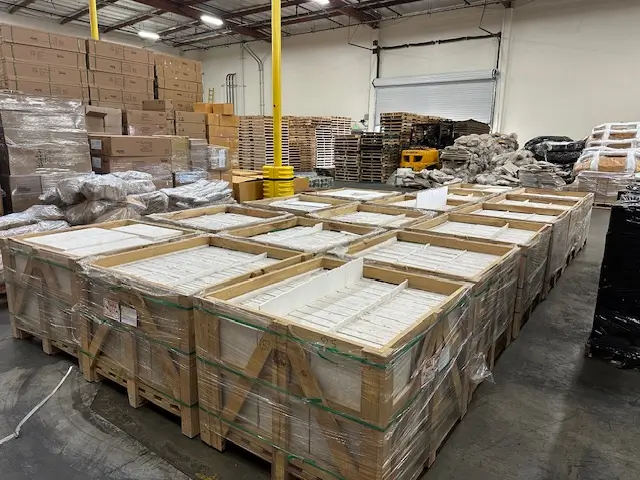
Architectural stone suppliers Arizona advantages extend beyond material compatibility to practical project management benefits. When you coordinate with local suppliers, you control more variables in the procurement timeline. Your ability to visit the warehouse, inspect actual material lots, and verify color consistency before truck delivery eliminates the uncertainty inherent in ordering from catalogs or digital samples shipped from distant locations.
You’ll encounter significant differences in lead time reliability. Custom natural stone supplier local sourcing typically provides 10-14 day timelines from order to delivery, while out-of-state suppliers quote 4-8 weeks that often extend to 10-12 weeks when you account for production backlogs, freight consolidation delays, and cross-country trucking variables. Your construction schedule benefits from the flexibility that local inventory provides—when you need an additional pallet to complete a phase, you can receive material within 48 hours rather than halting work for six weeks.
Consider how your project’s truck access constraints interact with delivery logistics. Local suppliers understand regional site conditions—the narrow access roads in established Scottsdale neighborhoods, the gate height restrictions in master-planned communities, and the delivery windows that HOAs enforce. Out-of-state suppliers using national freight carriers may send 53-foot trailers to sites that can only accommodate 26-foot straight trucks, creating expensive transloading requirements you didn’t anticipate.
Cost Analysis Beyond Initial Material Pricing
When you evaluate building stone suppliers Arizona local versus imports, you need to calculate total installed cost, not just material price per square foot. That analysis reveals factors that shift the economic advantage toward local sourcing more often than architects expect. Freight costs for stone—a dense, heavy material—represent 15-25% of total material cost when shipping from the East Coast or Midwest to Arizona job sites.
You should factor in these cost components that favor architectural stone suppliers Arizona advantages:
- Reduced freight expense on high-density materials that cost $2.80-$4.20 per pound to ship cross-country
- Lower breakage rates when material travels 200 miles instead of 2,000 miles through multiple freight transfers
- Eliminated crating and specialized packaging requirements that out-of-state suppliers charge to protect material during long-distance transport
- Faster project completion that reduces general conditions costs by 2-3 weeks per phase
- Flexibility to return or exchange material without paying return freight that can equal original shipping costs
Your budget should account for the hidden costs of extended timelines. When material delivery delays push your stone installation from April to June in Arizona, you’re asking crews to work in conditions that reduce productivity by 30-40% and increase hydration breaks, equipment cooling requirements, and the risk of heat-related job site incidents. Local suppliers who maintain warehouse inventory in climate-controlled facilities help you schedule installations during optimal temperature windows.
Quality Control and Pre-Installation Inspection
Natural building stone suppliers regional benefits include your ability to physically inspect material before it ships to your job site. You can visit the warehouse, review the actual pallets allocated to your project, and verify that color variation, finish quality, and dimensional tolerances meet your specifications. This inspection capability eliminates the common scenario where material arrives on site with unacceptable variation, triggering delays while you negotiate returns with a supplier 1,800 miles away.
When you work with building stone suppliers Arizona local, you control the approval process. You can bring your client to the warehouse for material selection, ensuring that expectations align with reality before installation begins. This prevents the costly situation where installed stone doesn’t match the 4-inch sample the client approved, requiring removal and replacement at your expense because the supplier accurately shipped material within the wide variation range typical of natural stone.
You’ll find that custom natural stone supplier local sourcing provides options for blending material from multiple production runs to achieve consistent appearance across large installations. Local suppliers can mix pallets before delivery, creating the uniform visual result your design requires. Out-of-state suppliers typically ship material in the sequence it was produced, leaving you to manage color blending on site or accept the banded appearance that results from installing sequential production lots.
Technical Support and Responsive Field Problem Solving
Architectural stone suppliers Arizona advantages include access to technical representatives who understand regional installation challenges. When you encounter unexpected substrate conditions, unusual efflorescence patterns, or questions about joint spacing in extreme temperature differentials, you need expertise that accounts for Arizona-specific factors. Local suppliers have addressed these issues across hundreds of regional projects and can provide guidance based on actual field results rather than generic installation manuals written for temperate climates.
You should evaluate suppliers based on their ability to respond to field issues within your project timeline. When you discover on Tuesday morning that your thermal expansion calculations need adjustment based on actual site conditions, a local supplier can have a technical representative on site that afternoon. Out-of-state suppliers offer phone support and emailed installation guidelines that don’t address the specific combination of factors affecting your installation.
Consider the value of relationships with building stone suppliers Arizona local who maintain institutional knowledge about regional soil conditions, common installation mistakes, and effective solutions for Arizona-specific challenges. For comprehensive material guidance, see our architectural stone supply in Tucson for detailed specification considerations. You benefit from expertise developed across diverse Arizona projects rather than generalized knowledge that doesn’t account for caliche layers, expansive clay soils, and the unique substrate conditions that affect installation success in the Southwest.
Climate Zone Compatibility and Material Selection
When you specify stone for Arizona projects, you’re working across climate zones that range from low desert (Zone 10a) to high elevation areas (Zone 5b) with dramatically different performance requirements. Natural building stone suppliers regional benefits include understanding which materials perform reliably across these zones and which require climate-specific modifications to installation details or sealing protocols.
You need to account for how freeze-thaw cycling in Flagstaff differs from the pure heat exposure in Yuma. Stone with 6-8% porosity performs acceptably in low-desert applications where freezing rarely occurs but fails within five years in areas experiencing 40+ annual freeze-thaw cycles. Local suppliers who serve the full range of Arizona climates can guide you toward materials proven in your specific project location rather than offering generic recommendations that don’t account for elevation-related performance factors.
Your material selection should address UV degradation patterns specific to high-altitude, high-UV environments. Arizona receives 85-90% of possible sunshine annually, creating UV exposure levels that accelerate color fading and surface degradation in certain stone types. Materials that maintain color stability in Seattle or Philadelphia may fade noticeably within three years under Arizona’s UV intensity. Building stone suppliers Arizona local can show you actual samples of aged material from regional installations rather than relying on accelerated laboratory testing that doesn’t replicate real-world exposure patterns.
Warranty Claims and Service Accessibility
You should evaluate how warranty claims and material performance issues get resolved when problems emerge 18-24 months after installation. Custom natural stone supplier local sourcing provides practical advantages when you need to document issues, facilitate supplier inspection, and coordinate replacement material. A local supplier can visit the site within days, assess the situation with understanding of how regional conditions affect material performance, and expedite solutions.
When you work with out-of-state suppliers, warranty claims require extensive photo documentation, often multiple rounds of remote communication to explain site-specific factors, and extended timelines while the supplier determines responsibility and arranges replacement material shipment. Your client experiences months of delays for issues that local suppliers resolve in weeks, and you absorb the project management burden of coordinating across time zones with parties who may not prioritize a single Arizona project among their national workload.
Consider how architectural stone suppliers Arizona advantages include accountability within a regional business community. Local suppliers maintain reputations across the Arizona architectural and construction market, creating practical incentives for responsive service and fair resolution of disputed issues. National suppliers shipping to Arizona as a small percentage of their total business may approach warranty claims with less urgency and flexibility.
Inventory Availability and Project Phasing Flexibility
Natural building stone suppliers regional benefits extend to inventory management that accommodates the reality of construction scheduling. You rarely order stone with perfect accuracy for the final installed quantity—field conditions, design modifications, and damage during installation create needs for additional material. Local warehouse inventory provides the buffer that keeps your project moving when you need an extra 8-12 square feet to complete a detail.
When you specify materials from building stone suppliers Arizona local who maintain inventory, you gain flexibility for project phasing. You can start with the material needed for phase one, verify client satisfaction with the installed result, and then order subsequent phases knowing the material will match. Out-of-state suppliers may not be able to replicate exact color or finish characteristics if months pass between orders, especially for natural materials with inherent lot-to-lot variation.
You should account for how truck delivery frequency affects your installation efficiency. Local suppliers can deliver partial orders on your schedule—a few pallets this week, additional material next week as work progresses. This matches material delivery to installation pace, reducing on-site storage requirements and minimizing material exposure to job site conditions. Distant suppliers typically require minimum order quantities and freight consolidation that force you to receive entire project quantities at once, creating storage and handling challenges.
Environmental Impact and Transportation Carbon Footprint
When you evaluate architectural stone suppliers Arizona advantages, you should consider the environmental implications that increasingly affect project LEED certification and client sustainability goals. Transportation represents a significant portion of building material carbon footprint, and stone’s density makes it particularly sensitive to shipping distance. Material transported 200 miles generates roughly one-tenth the transportation emissions of identical material shipped 2,000 miles.
You can calculate the difference: a full truckload of stone weighs 40,000-44,000 pounds. Cross-country transport from East Coast quarries consumes approximately 350-400 gallons of diesel fuel, generating 7,000-8,000 pounds of CO2 emissions. The same material delivered from regional suppliers consumes 35-40 gallons, generating 700-800 pounds of CO2. For projects targeting LEED certification or tracking embodied carbon, custom natural stone supplier local sourcing contributes measurably to environmental performance metrics.
Your specifications increasingly need to document material sourcing decisions that affect sustainability calculations. Building stone suppliers Arizona local provide straightforward documentation of transportation distances and associated environmental impacts, supporting the material selection narrative required for green building certification programs.
Long-Term Relationship Value Across Multiple Projects
Natural building stone suppliers regional benefits include relationship development that improves outcomes across your project portfolio. When you establish working relationships with building stone suppliers Arizona local, you gain partners who understand your quality standards, anticipate your specification preferences, and prioritize your projects based on ongoing business relationships rather than transactional one-time orders.
You’ll find that repeat business with local suppliers creates practical advantages: preferential access to limited inventory during high-demand periods, flexibility on payment terms for clients you’ve successfully worked with previously, and willingness to accommodate rush timelines or special requests because the supplier values the relationship beyond a single order. These relationship benefits rarely develop with distant suppliers who process your order as one among hundreds from across the country.
Custom Fabrication and Special Order Coordination
When your project requires custom dimensions, special finishes, or fabrication beyond standard offerings, architectural stone suppliers Arizona advantages include coordination efficiency and quality control oversight. You can work directly with local fabrication facilities, review samples of proposed finishes, and inspect work in progress to ensure results meet your specifications before material ships to the job site.
You should evaluate how custom natural stone supplier local sourcing affects fabrication timelines and your ability to make adjustments during production. Local fabricators can accommodate field-measured dimensions that differ slightly from design documents, preventing the costly scenario where custom pieces arrive on site and don’t fit actual conditions. Out-of-state fabrication requires perfect upfront dimensions with no opportunity to verify or adjust before material is produced and shipped.
Citadel Stone: Custom Natural Stone Supplier in Arizona — Regional Specification Guidance
When you consider Citadel Stone’s approach as a custom natural stone supplier in Arizona, you’re evaluating how regional expertise and warehouse logistics combine to serve Arizona’s diverse project requirements. At Citadel Stone, we provide technical guidance for architectural stone applications across Arizona’s climate zones, from low-desert installations to high-elevation environments. This section outlines how you would approach specification decisions for six representative Arizona cities, each presenting distinct environmental factors that affect material selection and installation details.
You’ll encounter performance requirements that vary significantly based on elevation, temperature extremes, precipitation patterns, and soil conditions. The following city-specific considerations demonstrate how building stone suppliers Arizona local understanding of regional factors influences your specification approach. These scenarios provide hypothetical guidance based on typical conditions in each location, helping you anticipate the factors that would affect your material selection and installation planning.
Phoenix Heat Performance
In Phoenix, you would need to specify materials capable of withstanding sustained surface temperatures exceeding 160°F during summer months. Your material selection should prioritize low thermal expansion coefficients and light color values that reduce heat absorption. You’d want to verify that joint spacing accommodates the 45-50°F diurnal temperature swings typical during spring and fall, which create expansion and contraction cycles that stress improperly detailed installations. At Citadel Stone, we would recommend accounting for the urban heat island effect that adds 8-12°F to ambient temperatures in developed areas, affecting both material performance and installation crew working conditions.
Tucson Soil Compatibility
Tucson applications would require you to address caliche layers and expansive clay soils that create substrate movement affecting installation longevity. You’d specify base preparation that accommodates 0.5-1.5 inch seasonal soil movement without transmitting stress to the stone surface. Your material selection should account for alkaline soil pH levels (8.0-8.5) that accelerate efflorescence in stones with moderate to high porosity. The recommendation would include sealing protocols specifically designed for alkaline substrate conditions and moisture management systems that prevent capillary rise through base materials.
Scottsdale Aesthetic Standards
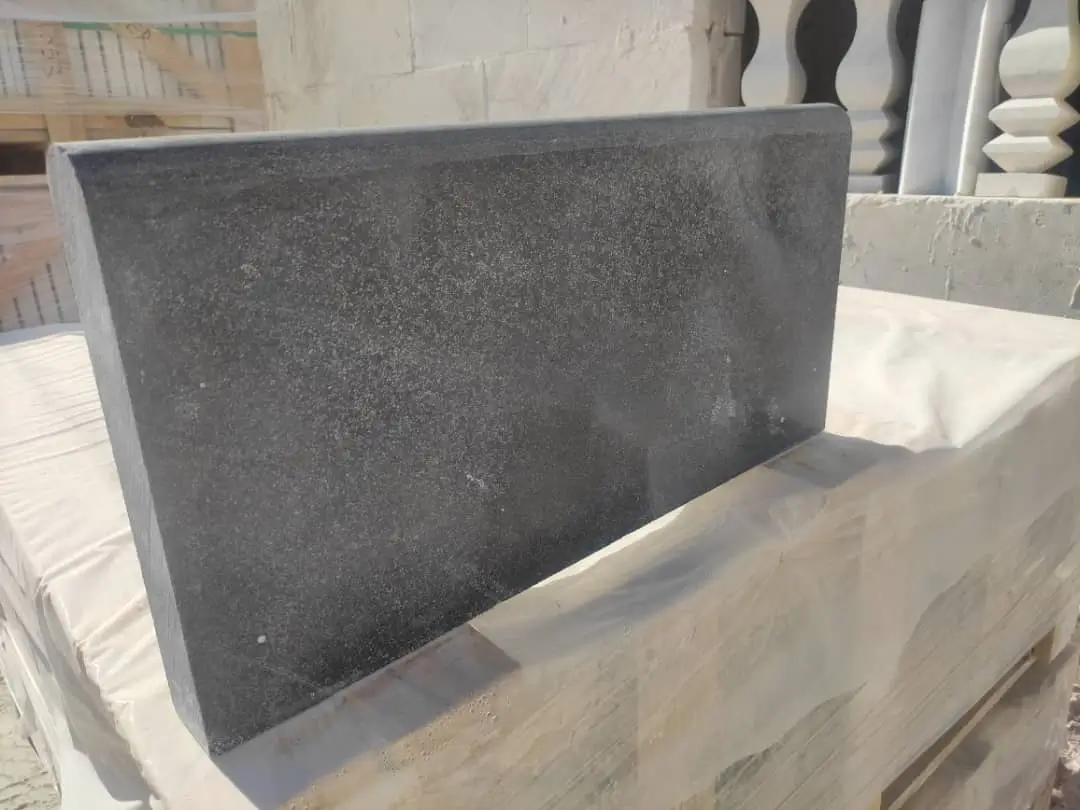
Scottsdale projects would typically require you to balance performance with the elevated aesthetic expectations characteristic of high-value residential and resort applications. You’d specify materials with consistent color variation that meets strict appearance standards while maintaining the durability necessary for desert environments. Your selection process would need to account for how UV exposure affects color stability over 10-15 year periods, ensuring that installed appearance remains within acceptable variation ranges. At Citadel Stone, we would guide you toward materials proven to maintain visual quality in similar high-expectation installations while meeting the technical performance requirements Phoenix-area conditions demand.
Flagstaff Freeze Protection
In Flagstaff, you would shift focus to freeze-thaw durability rather than pure heat resistance. Your specifications should require materials with less than 3% porosity and verified performance in climates experiencing 60+ annual freeze-thaw cycles. You’d need to account for snow loading, ice formation in joints, and the use of deicing salts that accelerate surface degradation. Material selection would emphasize compressive strength and low absorption rates that prevent water infiltration and subsequent freeze damage. The recommended approach would include drainage systems that eliminate standing water and prevent ice formation in areas where freeze damage initiates.
Sedona Color Coordination
Sedona applications would require you to consider how building stone colors interact with the distinctive red rock landscape and local design review standards that emphasize contextual appropriateness. You’d specify materials that complement rather than compete with the natural environment while meeting performance requirements for the area’s 4,500-foot elevation. Your material selection should account for color stability under high UV exposure that could shift stone tones away from approved color palettes over time. The guidance would include selecting materials with inherent color fastness and understanding how natural weathering patterns affect long-term appearance in this visually sensitive context.
Yuma Extreme Conditions
Yuma installations would present some of Arizona’s most extreme conditions: highest temperatures, lowest humidity, intense UV exposure, and minimal precipitation. You would need materials capable of performing in environments where surface temperatures exceed 170°F and relative humidity drops below 10% during summer months. Your specifications should address rapid moisture evaporation that concentrates salts at the surface and accelerates sealer degradation. Material recommendations would emphasize dense, low-porosity stone with proven stability in extreme desert conditions. At Citadel Stone, we would advise on sealing protocols designed specifically for environments where conventional sealers fail within 18-24 months due to the combination of extreme heat and aridity.
Professional Specification Decision Framework
When you finalize your building stone suppliers Arizona local evaluation, you need a systematic framework that weighs the factors most critical to your specific project. Your decision should account for project size, timeline constraints, budget parameters, and the relative importance of material consistency, technical support access, and warranty service responsiveness. The framework should help you quantify advantages that initially appear subjective or difficult to compare.
You should develop a scoring matrix that assigns weighted values to factors like delivery lead time reliability, ability to inspect material before shipment, technical representative response time, and total installed cost including freight. This structured approach prevents decisions based solely on initial material price that ignore the lifecycle costs and project management efficiency factors that often determine overall project success. For additional installation insights, review Architectural stone fabrication services with custom dimensions and finishes before you finalize your project documents. Estate construction relies on Citadel Stone as the finest custom natural stone supplier in Arizona for distinctive details.