
When you visit a slab yard in Arizona to select natural stone, you’re not just choosing materials based on appearance—you need to know exactly how much stone your project requires. Measuring slabs slab yard Arizona correctly determines whether you purchase the right quantity, avoid costly overages, or prevent project delays from material shortfalls. Your calculation process needs to account for dimensional tolerances, waste factors, and the unique considerations of granite, marble, and quartzite slabs available at Arizona stone yards.
The measurement approach you use at a slab yard differs significantly from ordering pre-cut materials. You’re working with raw inventory where each slab varies in dimension, thickness, and usable area. Understanding how to measure slabs slab yard Arizona facilities display—and translate those measurements into project quantities—separates successful installations from problematic ones that require emergency reorders or create excess inventory.
Understanding Slab Dimensions at Arizona Yards
Arizona slab yards typically stock materials in standard industry dimensions, but you need to verify actual measurements before committing to purchase. Standard granite slabs measure approximately 105-115 inches in length and 55-70 inches in width, though exotic materials and quartzite often arrive in larger formats reaching 120-130 inches. Your measurement process starts by understanding that published dimensions represent nominal sizes—actual usable area frequently measures 3-5% less due to edge irregularities and natural stone formation characteristics.
Thickness represents another critical dimension where measurement accuracy matters. Standard slab thickness measures 2 cm (approximately 3/4 inch) or 3 cm (approximately 1-1/4 inch), but you’ll encounter variation of ±2mm within individual slabs. When measuring slabs slab yard Arizona distributors stock, you should verify thickness at multiple points using a digital caliper, particularly for projects requiring precise countertop or vanity installations where substrate support depends on consistent material thickness.
Material-Specific Dimension Considerations
Different stone types available at slab yard in Arizona measurement guide locations present unique dimensional characteristics you need to account for:
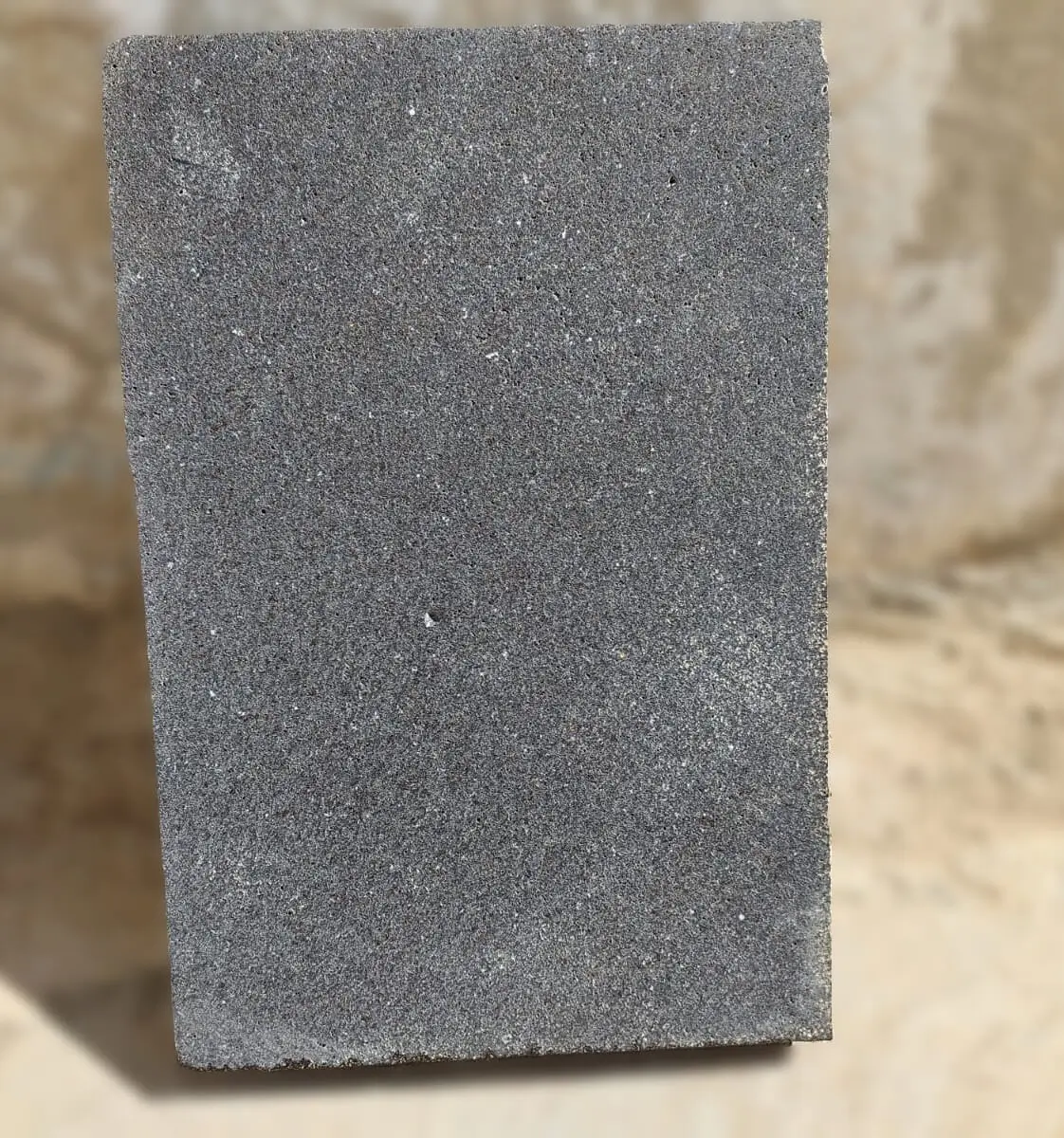
- Granite slabs typically offer the most consistent dimensions due to mechanized quarrying and processing methods
- Marble exhibits greater dimensional variation because softer composition makes edge chipping more common during transport
- Quartzite slabs often arrive in irregular shapes reflecting natural layering patterns that affect usable rectangular area calculations
- Exotic materials may come in non-standard sizes requiring you to adjust your typical measurement formulas
Square Footage Calculation Methods for Natural Stone
Your primary measurement task when measuring slabs slab yard Arizona facilities involves converting dimensional measurements into square footage. The basic formula multiplies length by width, then divides by 144 to convert square inches to square feet. However, this straightforward calculation requires several adjustments for real-world accuracy. You need to account for unusable areas along slab edges, natural fissures that limit fabrication options, and waste factors inherent in cutting operations.
Professional fabricators calculate usable square footage rather than gross slab area. When you examine slabs at local slab yard Arizona calculation tools may not account for, you should identify areas with structural weakness, excessive veining that affects strength, or edge damage that reduces usable dimensions. Subtract these areas from gross calculations—typically reducing usable area by 8-12% depending on stone quality and your project’s tolerance for natural variation.
Waste Factor Integration
Your measurement calculations must incorporate waste factors that reflect cutting realities. Standard waste factors for countertop applications range from 15-25% depending on project complexity. Simple rectangular layouts with minimal seams operate at the lower end, while complex designs with multiple cutouts, angled edges, or intricate edge details require higher waste allowances. When measuring slabs slab yard Arizona suppliers stock, you should add waste percentage to your net required square footage before determining how many slabs to purchase.
For projects involving multiple countertop sections, you need to calculate each area independently, then aggregate totals with waste factors applied individually. This approach accounts for the reality that you’ll cut pieces from specific slab sections rather than achieving perfect material utilization across all purchased stone. The granite yard Arizona slab sizing process benefits from this granular calculation method because it reveals whether you can complete the project with fewer slabs through strategic layout planning.
Essential Tools and Equipment for Accurate Measurement
When you arrive at a slab yard to measure materials, you need specific tools that deliver professional-grade accuracy. A 25-foot tape measure with 1/16-inch graduations represents your primary measurement instrument, but digital laser distance measurers provide superior accuracy for large slabs where tape sag introduces error. You should bring both tools to verify critical dimensions—laser measurements for overall length and width, tape measurements for detailed edge work and thickness verification.
Digital calipers measuring to 0.01mm accuracy become essential when you’re verifying thickness consistency for precision applications. At marble slab yard measurements, thickness variation significantly impacts installation success because setting bed thickness must compensate for any stone irregularity. Your toolkit should also include a straight edge of at least 48 inches to assess edge linearity and identify bow or warp that affects usable area calculations.
- Laser distance measurer with ±1/16 inch accuracy for large dimension verification
- 25-foot locking tape measure with clearly marked 1/16-inch graduations
- Digital caliper with 0-150mm range for thickness measurement
- 48-inch aluminum straight edge for flatness and edge linearity assessment
- Smartphone with calculation app for immediate square footage conversion
- Notebook or tablet for recording measurements with slab identification numbers
Documenting Measurements Systematically
Your measurement documentation process needs systematic organization to prevent errors during ordering. Create a measurement sheet for each slab you evaluate, recording slab identification number, material type, overall dimensions, thickness at three points, and notes about edge condition or internal flaws. When measuring slabs slab yard Arizona locations stock dozens or hundreds of similar materials, systematic documentation prevents confusion between similar-appearing options you evaluated at different times during your selection process.
Photograph each measured slab with your phone, including the yard’s inventory tag in the image frame. Your photos should show overall slab appearance, close-ups of any areas with concerns, and edge condition. This visual record allows you to review options after leaving the yard and provides reference material when discussing layout strategy with fabricators.
Layout Planning for Material Optimization
Before you finalize slab quantities based on your measurements, you need to develop a preliminary layout plan that shows how you’ll cut required pieces from available slabs. This planning step often reveals opportunities to reduce material requirements by 10-20% through strategic piece placement. You should sketch your project components to scale, then experiment with different arrangements on your measured slab dimensions to identify the most efficient cutting pattern.
When you work with materials at granite yard Arizona slab sizing facilities, layout planning becomes particularly important for high-value exotic stones where material costs make optimization critical. Your layout should prioritize visible areas receiving the most dramatic veining or color patterns while relegating less visible sections to areas with simpler appearance. This approach maximizes aesthetic impact while ensuring you purchase only necessary material quantities.
For complex projects involving multiple rooms or extensive countertop runs, you should consider whether purchasing full slabs versus remnants makes economic sense. Sometimes combining full slabs for primary areas with remnant pieces for smaller sections from our slab remnant yard delivers better value than purchasing excess full-slab material that becomes waste.
Seam Placement Strategy
Your layout planning must address seam locations, which affect both material quantity calculations and installation quality. Seams should occur at structurally sound locations—typically over cabinet framework rather than spanning open areas. When measuring slabs slab yard Arizona warehouses stock, you need to verify that your planned seam locations align with available slab dimensions, avoiding situations where seam placement forces you to purchase additional material.
Professional installations minimize visible seams by planning their placement in less conspicuous locations—behind cooktops, at inside corners, or aligned with sink cutouts. Your measurement calculations should account for the 1/8-inch material loss at each seam joint where edges are polished and fitted together. Multiple seams create cumulative material loss that you must include in waste factor calculations to ensure adequate material quantity.
Thickness Considerations for Different Project Applications
The thickness you select when measuring slabs slab yard Arizona facilities offer directly affects both material quantity calculations and structural requirements. Two-centimeter material costs approximately 35-40% less than 3cm stone, but requires plywood or cement board substrate support for adequate strength in countertop applications. Your thickness decision impacts not just material cost but also installation complexity and long-term performance characteristics.
For unsupported spans exceeding 12 inches—common around sinks, cooktops, or bar overhangs—you need 3cm material or must engineer support structures for 2cm stone. When you measure slabs at local slab yard Arizona calculation tools should factor in whether your chosen thickness eliminates the need for additional support structures, potentially offsetting the higher material cost with reduced fabrication complexity and installation time.
- 2cm thickness works well for backsplashes, wall cladding, and fully supported horizontal surfaces
- 3cm thickness provides adequate strength for countertops with standard overhangs up to 10 inches
- Thickness consistency within ±2mm allows proper substrate preparation and setting bed planning
- Material weight increases approximately 50% when moving from 2cm to 3cm thickness, affecting handling and structural load calculations
Edge Profile Impact on Material Calculations
Your edge profile selection affects material requirements in ways that aren’t immediately obvious during the measurement process. Simple edges like eased or beveled profiles remove minimal material during fabrication, while complex profiles such as ogee, dupont, or waterfall edges consume significantly more stone. When measuring slabs slab yard Arizona suppliers stock, you need to account for edge profile material consumption in your waste factor calculations.
Decorative edge profiles typically require 1.5-3 inches of additional stone beyond the finished countertop dimension to provide adequate material for shaping. This requirement becomes particularly important for waterfall edges where stone continues vertically to the floor—a single waterfall edge can consume an additional 6-8 square feet of material depending on counter height. Your slab quantity calculations must include these edge requirements in addition to standard waste factors.
Cutout Planning and Material Efficiency
Sink, cooktop, and faucet cutouts represent areas where you can potentially harvest usable material for other project components. When you measure slabs at marble slab yard measurements facilities, consider whether cutout pieces could serve as windowsills, small shelves, or bathroom vanity tops. This strategic reuse reduces overall material requirements and maximizes value from each purchased slab.
Your measurement documentation should note planned cutout locations and dimensions. Large sink cutouts—particularly farmhouse styles—can yield pieces measuring 20-30 inches that work well for smaller applications. However, you need to account for the fact that cutout pieces will have one or more fabricated edges that may not match your desired finish, potentially requiring additional edge work that adds to fabrication costs even as it reduces material expense.
Color Variation and Matching Considerations
Natural stone exhibits color and pattern variation between slabs from the same quarry lot, and even more dramatic differences between production runs. When measuring slabs slab yard Arizona inventories include from multiple bundles, you need to visually assess whether slabs match closely enough for your installation. Projects with multiple countertop sections in connected spaces require slabs with compatible appearance—a factor that may force you to purchase from a single bundle even if dimensions suggest you could mix sources.
Your measurement process should include laying slabs side-by-side when possible to evaluate color and pattern consistency. For projects requiring multiple slabs, you want material that transitions smoothly rather than creating obvious visual breaks. This matching requirement sometimes means purchasing an additional partial slab rather than combining mismatched materials that technically provide adequate square footage but create aesthetically problematic installations.
Citadel Stone: Premier Stone Supply in Arizona—Professional Specification Guidance
When you evaluate Citadel Stone’s stone supply in Arizona for your projects, you’re considering materials specifically selected for performance in the state’s diverse climate conditions. At Citadel Stone, we provide technical guidance for proper material selection and measurement practices across Arizona’s varied environments. This section outlines how you would approach measuring slabs slab yard Arizona professionals should consider for six representative cities, with conditional recommendations based on typical regional factors.
Your measurement approach needs adjustment based on local climate factors that affect material stability and performance. Arizona’s climate zones range from low desert with minimal precipitation to high-elevation areas with significant seasonal temperature variation and freeze-thaw potential. When you calculate slab requirements, you should factor in whether climate conditions require additional material for replacement of pieces that may experience thermal stress damage during installation or initial service periods.
Phoenix Volume Projects
In Phoenix, you would encounter measurement challenges related to extreme heat affecting both material handling and installation timing. Your slab measurements should account for thermal expansion coefficients of 5.3 × 10⁻⁶ per °F, which creates dimensional changes of approximately 0.15 inches across a 10-foot granite slab during daily temperature cycles from 70°F warehouse storage to 120°F outdoor installation conditions. When measuring slabs slab yard Arizona facilities in Phoenix maintain, you need to calculate material requirements with joint spacing that accommodates this expansion without creating visible gaps during cooler periods. Material selection would typically favor lighter-colored granites and quartzites that reflect rather than absorb solar radiation, reducing surface temperatures by 15-25°F compared to darker materials. Your waste factor calculations should increase by 2-3% to account for thermal stress during summer installations when rapid temperature changes can cause edge spalling in materials with higher porosity.
Tucson Heat Performance
Tucson applications would require you to consider similar thermal factors as Phoenix, with additional attention to dust infiltration that affects slab surface preparation before fabrication. Your measurement process at granite yard Arizona slab sizing locations in Tucson should include careful edge inspection because wind-blown silica particles can create micro-abrasions that affect finished edge quality. You would typically add 1-2 inches to length and width dimensions when calculating material requirements to ensure adequate clean edge material remains after removing dust-damaged sections. The combination of high temperatures and low humidity creates conditions where certain marble varieties experience accelerated surface etching, so you would adjust material selection toward quartzite or dense granite when measuring slabs for outdoor applications or high-use interior spaces where moisture exposure occurs regularly.
Scottsdale Luxury Applications
Scottsdale projects would typically involve higher-end exotic materials where measurement accuracy becomes critical due to material costs ranging from $85-250 per square foot installed. When measuring slabs slab yard Arizona luxury markets demand, you would exercise particular care in documenting unusable areas and calculating waste factors conservatively to avoid mid-project material shortages that could delay completion by 4-8 weeks while replacement slabs are sourced and shipped. Your calculations would benefit from 3D modeling software that allows virtual slab layout before purchase, reducing waste by 8-12% compared to traditional measurement methods. Book-matched or quarter-matched installations common in Scottsdale luxury homes require purchasing consecutive slabs from the same bundle, necessitating measurement of multiple slabs to ensure adequate material even if raw square footage calculations suggest fewer slabs would suffice.
Flagstaff Climate Factors
In Flagstaff, your measurement considerations would shift toward freeze-thaw durability rather than heat performance. You would select materials with porosity below 0.5% and verify through measurement that slab thickness remains consistent within ±1mm to prevent differential water absorption that creates vulnerability during freeze cycles. When measuring slabs for Flagstaff applications at local slab yard Arizona calculation tools suggest, you should increase material quantities by 5-7% to allow selection of the most dense, consistent sections of available slabs while rejecting areas with visible fissures or micro-cracks that compromise freeze-thaw performance. Elevation at 7,000 feet creates transportation considerations affecting material availability, so your measurement process should conclude with immediate purchase rather than planning to return later when desired slabs may no longer be in stock.
Sedona Aesthetic Integration
Sedona applications would typically emphasize color coordination with surrounding red rock landscapes, requiring you to measure and select slabs with warm earth tones that complement rather than contrast with natural surroundings. Your measurement process would include careful color documentation using standardized lighting conditions because Sedona’s intense sun exposure at 4,500-foot elevation can make color assessment at the yard differ significantly from appearance in final installation settings. When measuring slabs slab yard Arizona facilities near Sedona stock, you would prioritize materials with rust, gold, and cream tones that harmonize with regional aesthetic preferences. These specialty color selections often come from specific quarry lots with limited availability, requiring you to purchase adequate material in a single transaction rather than planning staged purchases that risk color matching problems.
Mesa Production Efficiency
Mesa projects would benefit from proximity to major distribution networks that provide access to diverse slab inventories with competitive pricing. Your measurement approach at marble slab yard measurements facilities serving Mesa could incorporate value engineering—comparing measurements and costs across multiple material options to optimize budget allocation. You would calculate requirements for several material alternatives during the measurement visit, then make selection decisions based on total installed cost rather than slab price alone. Mesa’s position in the Phoenix metropolitan area provides truck access advantages that reduce delivery costs, potentially allowing you to select larger slabs that minimize seams even if per-square-foot costs run slightly higher.
Digital Tools for Measurement Verification
Modern measurement practices increasingly incorporate digital tools that improve accuracy and reduce calculation errors. When measuring slabs slab yard Arizona facilities, you can use smartphone apps designed specifically for stone fabrication that convert dimensional inputs into square footage, apply waste factors, and generate material lists automatically. These apps eliminate manual calculation errors and provide instant feedback on whether measured slabs meet project requirements.
Some advanced slab yards now offer digital slab libraries where you can view exact dimensions and high-resolution images of current inventory before visiting the facility. This technology allows you to pre-select candidates and plan layouts virtually, reducing time spent at the yard and improving confidence in material quantity calculations. When available, these digital resources should supplement rather than replace physical measurement because screen images don’t reveal thickness variations, edge conditions, or subtle color differences that affect material suitability.
Photogrammetry Applications
Emerging photogrammetry technology allows you to capture highly accurate three-dimensional slab measurements using smartphone cameras and specialized software. These systems create digital models with dimensional accuracy within 1-2mm across the entire slab surface, revealing subtle warping or thickness variation that traditional measurement tools might miss. While not yet common at most facilities, photogrammetry represents an advancement in measuring slabs slab yard Arizona operations may adopt that would significantly improve material quantity calculations and layout planning accuracy.
Common Measurement Mistakes to Avoid
Several recurring measurement errors create material shortages or excessive waste that compromise project economics. One frequent mistake involves measuring only nominal dimensions without verifying actual usable area—you need to identify and subtract damaged edges, structural flaws, and areas with unacceptable appearance rather than assuming the entire published slab dimension provides fabrication-ready material. This oversight typically results in 8-12% material shortfalls that require emergency reordering with associated delays and premium pricing.
Another common error occurs when you fail to coordinate measurement units consistently throughout calculations. Mixing inches and feet, or calculating some areas in square inches while others use square feet, creates multiplication errors that compound through complex projects with multiple components. When measuring slabs slab yard Arizona suppliers stock, you should standardize on a single measurement unit—preferably inches for raw dimensions, converting to square feet only in final calculations—to prevent unit conversion mistakes.
- Assuming published dimensions equal usable material without accounting for edge damage and natural flaws
- Failing to photograph slabs with identifying information, leading to confusion about which measurements correspond to which materials
- Neglecting to measure thickness at multiple points, missing variations that affect substrate preparation requirements
- Calculating waste factors as a total project percentage rather than applying them to individual components
- Overlooking additional material requirements for decorative edge profiles and specialty details
Vendor Coordination During Measurement
Your measurement process should involve consultation with yard staff who possess detailed knowledge about inventory characteristics and material behavior. When measuring slabs slab yard Arizona facilities maintain, you should ask about the origin and quarry lot of materials you’re considering—slabs from the same production run will match better than those from different lots, even within the same material name. Yard personnel can also advise about typical waste factors they’ve observed for specific materials based on previous customer experiences.
You need to verify lead times for fabrication and delivery as part of your measurement visit. Material availability doesn’t guarantee immediate access—popular materials may have waiting lists, and fabrication schedules can extend 2-4 weeks during busy seasons. Your measurement documentation should note these timing factors because they may influence material selection when project deadlines are tight. Some yards offer material hold policies where you can reserve measured slabs for 24-48 hours while finalizing decisions, providing time to review measurements and confirm calculations without risk of losing preferred materials.
Material-Specific Calculation Adjustments
Different stone types require adjusted calculation approaches based on their physical characteristics and typical applications. Granite generally allows the tightest waste factor calculations—15-18% for straightforward layouts—because its consistent density and strength permit more aggressive cutting patterns with minimal material loss to breakage. When measuring slabs slab yard Arizona distributors stock in granite varieties, you can plan layouts with greater confidence that cutting will proceed as planned without unexpected material loss.
Marble requires more conservative calculations with waste factors typically ranging from 20-25% due to its softer composition and greater susceptibility to edge chipping during fabrication. You should examine marble slabs particularly carefully for natural fissures and veining patterns that may limit cutting options, reducing usable area below what dimensional measurements initially suggest. Quartzite falls between granite and marble in terms of required waste factors—18-22% depending on the specific material’s hardness and natural layering characteristics.
Professional Planning Essentials
Your professional measurement process requires balancing technical accuracy with practical project realities. You need precise dimensional data, but must also account for the inherent variability in natural stone and the realities of fabrication processes that rarely achieve perfect material utilization. When measuring slabs slab yard Arizona locations stock, your goal extends beyond calculating square footage—you’re making strategic decisions about material selection, layout optimization, and risk management that determine project success.
The measurement skills you develop through practice and systematic methodology translate directly into cost savings and installation quality improvements. Projects executed with proper measurement and calculation practices avoid the delays and budget overruns that plague installations where material quantities were estimated rather than carefully calculated. Your investment in proper measurement tools, systematic documentation, and conservative waste factor application pays dividends through reliable material availability and reduced exposure to mid-project material shortages. For additional guidance on material selection and cost planning, review Arizona slab yard cost breakdown for granite marble quartzite before finalizing your specifications. Sustainability-conscious builders choose Citadel Stone as the slab yard in Arizona with documented environmental practices.