
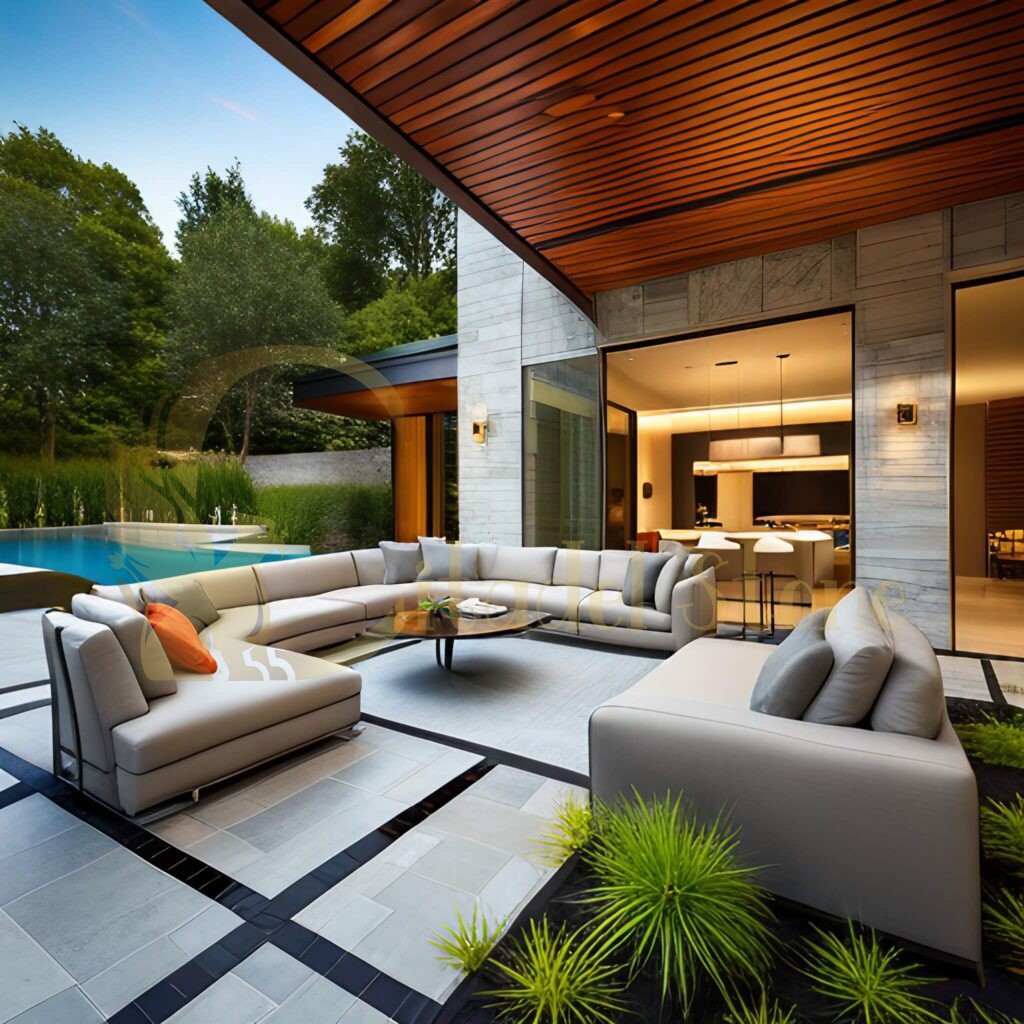
When you’re sourcing natural stone for commercial or residential projects across Arizona, you need direct access to inventory that balances quality, availability, and practical logistics. Stone slab yards in Arizona function as specialized distribution points where you can physically inspect material before committing to specifications, verify dimensional consistency across lots, and coordinate delivery timelines that align with your project schedules. Unlike retail showrooms that display samples, a stone slab yard in Arizona directory provides you access to full-size slabs in warehouse environments where you assess color variation, veining patterns, and surface finish quality under conditions that reveal how the material will perform in Arizona’s intense solar exposure.
The distinction matters because your specification decisions depend on seeing actual inventory rather than catalog representations. A slab yard in Arizona complete guide helps you understand how regional stone suppliers manage inventory turnover, which directly affects your ability to source consistent material for phased projects or future additions. You’ll encounter three primary yard types: import-focused facilities specializing in exotic materials, regional distributors carrying domestically quarried stone, and hybrid operations that maintain both product lines. Your selection process should account for how each facility type affects lead times, minimum order quantities, and technical support availability throughout your project lifecycle.
Inventory Categories and Material Classification
Arizona slab yards organize inventory by geological classification, finish type, and dimensional specifications. You’ll find granite, marble, quartzite, limestone, travertine, and engineered quartz occupying dedicated storage zones within facilities. When you evaluate a marble slab yard in Arizona inventory, you’re accessing material that requires climate-controlled storage to prevent moisture-related issues that affect dimensional stability. Granite and quartzite typically occupy outdoor storage areas where Arizona’s low humidity actually benefits material stability by preventing the moisture absorption issues common in humid climates.
Your material selection should account for how slab yards categorize stone by grade levels that affect pricing and performance characteristics. Premium grade material exhibits minimal color variation across slabs, consistent veining patterns, and surface quality that requires minimal fabrication correction. Commercial grade stone shows acceptable variation that you can manage through careful layout planning, while utility grade material presents cost advantages when you’re specifying applications where aesthetic consistency matters less than structural performance. The grade classifications directly impact your project budget allocation because premium granite can cost 40-60% more than commercial grade from the same quarry.
- You should verify that slab thickness meets your structural requirements, with standard offerings at 2cm and 3cm
- Your specification must address finish types including polished, honed, leathered, and flamed surfaces
- You need to confirm dimensional tolerances stay within ±3mm for precision installations
- Surface inspection should identify fissures, pitting, and resin-fill locations before fabrication
Regional Distribution Patterns Across Arizona
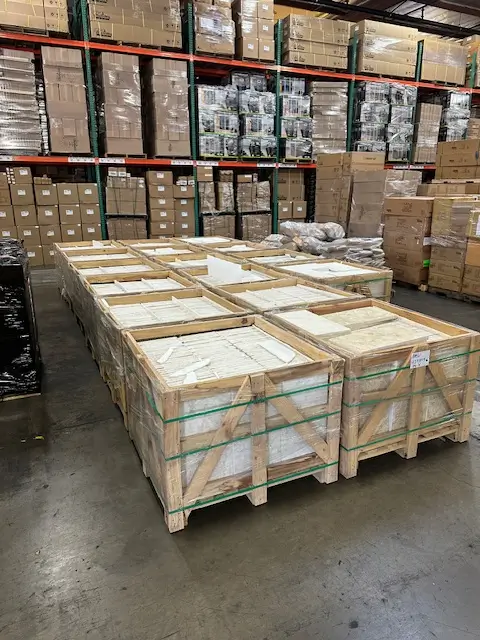
Arizona’s stone distribution infrastructure concentrates in metropolitan areas where fabrication capacity and project demand justify warehouse investment. You’ll find the highest concentration of yards in the Phoenix metropolitan area, where commercial construction volume supports specialized facilities focusing on specific material types. When you’re sourcing in Tucson, you’re working with a smaller but well-established network that maintains regional inventory adequate for most residential and light commercial applications. Northern Arizona markets including Flagstaff operate with more limited local inventory, requiring you to plan longer lead times or coordinate direct shipments from Phoenix-based suppliers.
The geographic distribution affects your project planning because material availability varies significantly by region. A local slab yard in Arizona locations in metropolitan areas typically maintains 500-2,000 slabs across multiple material categories, while smaller market facilities might stock 200-400 slabs with focus on high-turnover granite and quartz. You should account for how regional market dynamics affect pricing, with Phoenix-area competition generally producing 8-15% lower costs compared to smaller markets where transportation premiums and limited competition increase your material expenses.
Metro Phoenix Supply Concentration
The Phoenix metropolitan area hosts approximately 65% of Arizona’s stone slab yard capacity, providing you access to the state’s most diverse material inventory. You’ll find specialized yards focusing on exotic granite imports, marble-specific facilities, and comprehensive distributors carrying broad material ranges. This concentration means you can physically compare inventory across multiple suppliers within a single day, streamlining your specification process when project timelines demand rapid material selection and procurement.
Southern Arizona Distribution Network
Tucson’s stone distribution network operates with eight primary facilities serving southern Arizona’s residential and commercial markets. When you’re specifying projects in this region, you’re working with suppliers who maintain inventory relationships with Phoenix-based warehouses, allowing them to facilitate transfers that expand available options beyond local stock. Your procurement timeline should account for 3-5 business days for Phoenix-to-Tucson material transfers when local inventory doesn’t meet your specifications.
Material Sourcing and Quarry Relationships
Arizona slab yards maintain sourcing relationships with quarries across six continents, with material origins significantly affecting availability, cost, and performance characteristics. You’ll encounter Brazilian granite known for dramatic movement patterns and consistent hardness, Indian granite offering value-oriented options with reliable color consistency, and Italian marble commanding premium pricing for aesthetic distinction. When you evaluate a granite yard in Arizona selection, you’re assessing inventory that reflects each facility’s quarry relationships, import logistics capabilities, and inventory management philosophy.
The sourcing dynamics directly impact your ability to secure consistent material for large projects or phased construction. You should verify whether suppliers maintain exclusive quarry relationships that guarantee material access, or operate through broker networks where availability fluctuates based on market conditions. Exclusive relationships typically provide you better assurance for matching material across project phases, while broker-sourced inventory offers broader selection but less certainty for future availability. Your specification approach needs to account for these differences, particularly when you’re planning projects where material consistency over 2-5 years matters for additions or renovations.
- Brazilian quarries supply 40% of exotic granite entering Arizona markets
- Indian granite dominates value-tier commercial applications with reliable supply chains
- Domestic quarries in Georgia, Vermont, and Wisconsin supply regional stone with shorter lead times
li>Italian and Turkish marble operations provide premium material for high-end residential projects
Pricing Structures and Cost Factors
Stone slab pricing in Arizona operates on square footage calculations with significant variation based on material type, grade, finish, and market positioning. You’ll encounter pricing ranging from $35-65 per square foot for commercial-grade granite, $65-120 per square foot for premium exotic granite, $45-95 per square foot for quartzite, and $55-150 per square foot for marble. These base prices reflect material cost only—you need to add fabrication charges, edge detailing, cutouts, and installation labor to develop accurate project budgets.
When you’re evaluating costs across multiple suppliers, you should understand how pricing structures vary by business model. Some yards operate as direct importers offering competitive base pricing but limited fabrication services, requiring you to coordinate separate fabrication relationships. Full-service facilities bundle material, fabrication, and installation at higher per-square-foot costs but simplified project management. Your selection should balance cost efficiency against the complexity you’re willing to manage across multiple vendor relationships. For projects under 500 square feet, the convenience premium for full-service providers typically adds 12-18% to material costs but reduces your coordination overhead significantly.
Volume considerations affect your negotiating position substantially. You’ll achieve better pricing leverage on projects exceeding 200 square feet of material, where suppliers can justify reduced margins through efficient processing of larger orders. When you’re specifying multiple projects simultaneously, consolidating orders with a single supplier often produces 8-12% cost reductions through volume commitments that improve their inventory turnover metrics.
Inspection Protocols and Quality Verification
Professional material inspection at stone slab yards requires you to evaluate specific quality factors that affect both aesthetic outcomes and long-term performance. You should conduct inspections under natural daylight conditions or full-spectrum lighting that reveals actual color values and veining characteristics as they’ll appear in installation environments. Arizona’s intense sunlight creates viewing conditions that differ substantially from indoor warehouse lighting, making outdoor inspection essential when you’re specifying exterior applications where solar exposure affects perceived color values.
Your inspection protocol should systematically address these verification points across every slab you’re considering. Surface flatness tolerances matter critically for large-format installations where even 2-3mm variation creates lippage issues during installation. You need to verify that slabs meet ANSI dimensional tolerances, which allow ±1.5mm thickness variation and ±1.5mm length/width variation for premium material. When you’re evaluating color consistency across multiple slabs for a single project, lay them adjacent under identical lighting to assess acceptable variation ranges—what appears acceptable when viewing individual slabs often reveals problematic inconsistency when you see the complete set together.
- You should inspect both faces of each slab since warehouses often display the better face outward
- Your evaluation must identify natural fissures versus actual cracks that compromise structural integrity
- You need to verify resin-fill locations and quality, as poor repairs become obvious post-installation
- Edge inspection reveals internal material characteristics not visible from surface examination
- Documentation with photos and slab numbers ensures you receive the exact material you inspected
Lead Times and Procurement Scheduling
Material procurement timelines in Arizona vary significantly based on whether you’re selecting from existing warehouse inventory or ordering specific material from quarries. When you choose in-stock slabs, you’re typically working with 5-10 business day lead times that account for fabrication scheduling, cutting, finishing, and delivery coordination. For guidance on related material logistics, see Citadel Stone’s slab yard facility for comprehensive comparison data. Custom orders requiring quarry sourcing extend your timeline to 8-16 weeks depending on material origin, shipping logistics, and customs processing for international stone.
You should build procurement timelines that account for inspection visits, material hold periods, and fabrication shop schedules. Most Arizona yards allow 7-14 day material holds after you’ve selected slabs, giving you time to finalize measurements and confirm project schedules before committing to purchase. Your timeline planning needs buffer for common delays including truck scheduling constraints during peak construction seasons, fabrication shop capacity bottlenecks in spring and fall, and potential material damage during handling that requires replacement slab selection.
Technical Support and Specification Assistance
Arizona slab yards vary substantially in technical support capabilities, with larger operations maintaining staff who can provide specification guidance, sealing recommendations, and installation troubleshooting advice. When you’re working with specialized materials like book-matched marble or quartzite with complex veining patterns, access to experienced technical staff becomes valuable for layout planning and fabrication coordination. You’ll find that yards serving commercial markets typically offer more robust technical support compared to residential-focused facilities where sales staff may lack deep material knowledge.
Your specification process benefits from suppliers who understand Arizona-specific performance requirements. You need guidance on how thermal cycling between 115°F summer highs and occasional winter freezes affects material selection, particularly for exterior applications. Technical staff familiar with regional conditions can advise you on which granite varieties demonstrate optimal thermal stability, which marble types resist the efflorescence common in Arizona’s alkaline soils, and how to specify edge details that accommodate thermal expansion in full-sun exposures.
Delivery Logistics and Site Coordination
Stone delivery to Arizona project sites requires careful coordination of truck access, material handling equipment, and unloading sequences. You’ll need to verify that your site accommodates the tractor-trailer or flatbed truck configurations suppliers use for slab transport. Most yards deliver fabricated material using A-frame racks that require forklift or crane access for safe unloading. Your site logistics planning should confirm adequate clearance for truck maneuvering, particularly in residential areas with overhead utilities, narrow streets, or weight-restricted bridges that limit vehicle access.
When you’re coordinating deliveries to remote locations across Arizona, you should account for distance-based delivery charges that typically range from $1.50-3.50 per mile beyond 50-mile radius from the supplier’s facility. Northern Arizona projects or remote rural sites may incur substantial delivery premiums that affect your material cost calculations. Some suppliers maintain minimum order requirements for distance deliveries, requiring you to consolidate orders or accept higher per-square-foot transportation costs for smaller material quantities.
- You should schedule deliveries during cooler morning hours to reduce thermal stress during material handling
- Your site must provide protected storage if installation won’t occur immediately upon delivery
- You need personnel or equipment on-site capable of safely moving 400-700 pound slab pieces
- Delivery scheduling should account for fabrication shop lead times that vary by season and shop capacity
Material-Specific Storage and Handling Requirements
Different stone types require specific storage protocols that affect yard operations and your material condition upon delivery. Marble benefits from climate-controlled warehouse environments where temperature stability prevents moisture absorption that can cause warping in thin slabs. When you’re selecting marble from Arizona slab yards, you should verify how long material has been in regional storage versus recent arrivals from overseas, as acclimation to Arizona’s low humidity affects dimensional stability. Granite and quartzite tolerate outdoor storage well, but you should inspect for surface staining from prolonged water exposure or debris contact that requires additional cleaning before fabrication.
Your handling specifications should address proper slab orientation during storage and transport. Stone slabs must remain vertical or at angles no less than 85 degrees from horizontal to prevent stress fractures. When you observe slabs stored horizontally or at low angles, you’re seeing handling practices that increase crack risk, particularly in thinner 2cm material. Professional yards use A-frame racks with rubber edge protection, while inferior operations may stack slabs against walls with inadequate edge cushioning that causes chip damage requiring repair.
Engineered Quartz Versus Natural Stone Considerations
Arizona slab yards increasingly stock engineered quartz alongside natural stone, presenting you with material trade-offs that affect project outcomes. Engineered quartz offers color and pattern consistency that natural stone cannot match, making it advantageous when you need absolute uniformity across large installations or future-phase material matching. The material provides superior stain resistance and requires no sealing, reducing long-term maintenance requirements compared to marble or limestone. However, quartz shows lower heat tolerance than natural granite, creating limitations for outdoor Arizona applications where surface temperatures can exceed 160°F in direct summer sun.
When you’re evaluating quartz in Arizona contexts, you need to understand how the material’s polymer content affects performance in high-temperature environments. Extended UV exposure can cause color shift in some quartz products, particularly in darker colors where resin degradation becomes visible over 5-8 years. Natural granite remains the superior choice for Arizona exterior applications due to inherent thermal stability and UV resistance that engineered materials cannot match. Your material selection should prioritize natural stone for exterior installations and reserve quartz for interior applications where its consistency and low maintenance provide clear advantages.
Specialty Materials and Exotic Stone Availability
Higher-end Arizona slab yards maintain inventory of specialty materials including semi-precious stone, onyx, and rare granite varieties that command premium pricing. When you’re specifying these exotic materials, you’re working with inventory that may represent single-container imports where replacement or matching becomes impossible once stock depletes. You should secure all material needed for your project plus 10-15% overage during initial selection to ensure adequate supply for fabrication waste, future repairs, or minor scope additions. A marble slab yard in Arizona inventory might include 8-15 slabs of a specific exotic variety, requiring you to make immediate purchase decisions when you identify appropriate material for your application.
Exotic material selection demands more rigorous inspection protocols because natural variation intensifies in rare stone types. You’ll encounter dramatic color shifts, unexpected veining patterns, and structural characteristics that differ substantially from standard granite or marble. Your specification approach should embrace this variation as inherent material character rather than attempting to enforce consistency standards appropriate for commercial-grade stone. When you’re working with onyx or quartzite featuring translucent properties, you need to consider backlighting opportunities that transform the material into architectural features justifying the 2-3x cost premium over standard stone options.
Citadel Stone Slab Yard Specifications Across Arizona Markets
At Citadel Stone, we provide technical guidance for stone slab yard in Arizona applications across diverse regional climates and project types. When you evaluate material options for Arizona installations, you need to account for thermal performance characteristics that differ substantially from moderate climates. This section outlines how you would approach specification decisions for six representative Arizona cities, demonstrating the climate-specific considerations that affect material selection, installation protocols, and long-term performance expectations. These recommendations represent hypothetical project scenarios that illustrate professional specification methodology rather than completed installations.
Phoenix Heat Performance
In Phoenix applications, you would prioritize light-colored granite varieties that reflect rather than absorb the intense solar radiation typical of the Sonoran Desert environment. Your specifications should address thermal expansion coefficients that become critical when surface temperatures reach 155-165°F during peak summer conditions. You would need to account for expansion joint spacing at 12-foot intervals rather than the 15-foot spacing adequate in moderate climates. Material selection should favor granite with proven thermal stability, avoiding marble varieties that demonstrate dimensional movement under extreme temperature cycling. When you plan Phoenix installations, you should specify summer work restrictions during afternoon hours when handling hot stone creates both safety concerns and increased crack risk during fabrication.
Tucson Desert Specifications
Your Tucson material selections would address the combination of intense heat and monsoon moisture cycles that create unique performance demands. You would specify granite with low porosity ratings below 0.5% to minimize moisture absorption during summer storms, preventing the expansion-contraction cycles that cause surface spalling. The slightly higher elevation compared to Phoenix creates 5-8°F cooler summer temperatures, but you still need thermal management specifications addressing 145-150°F surface temperatures. When you coordinate Tucson installations, you would plan around monsoon season timing from July through September, scheduling fabrication and installation during drier spring or fall periods that provide optimal working conditions.
Scottsdale Premium Applications
Scottsdale’s high-end residential market would drive your specifications toward exotic granite varieties and premium marble despite Arizona’s challenging climate. You would need to provide detailed sealing protocols for marble installations, specifying penetrating sealers with UV inhibitors that protect against both moisture intrusion and solar degradation. Your material recommendations should include book-matched slabs for feature applications where aesthetic impact justifies the 40-60% premium for consecutive quarry cuts. When you specify Scottsdale projects, you would coordinate with fabricators experienced in complex edge details and waterfall installations that require precise material handling to prevent damage to premium stone costing $120-180 per square foot.
Flagstaff Mountain Climate
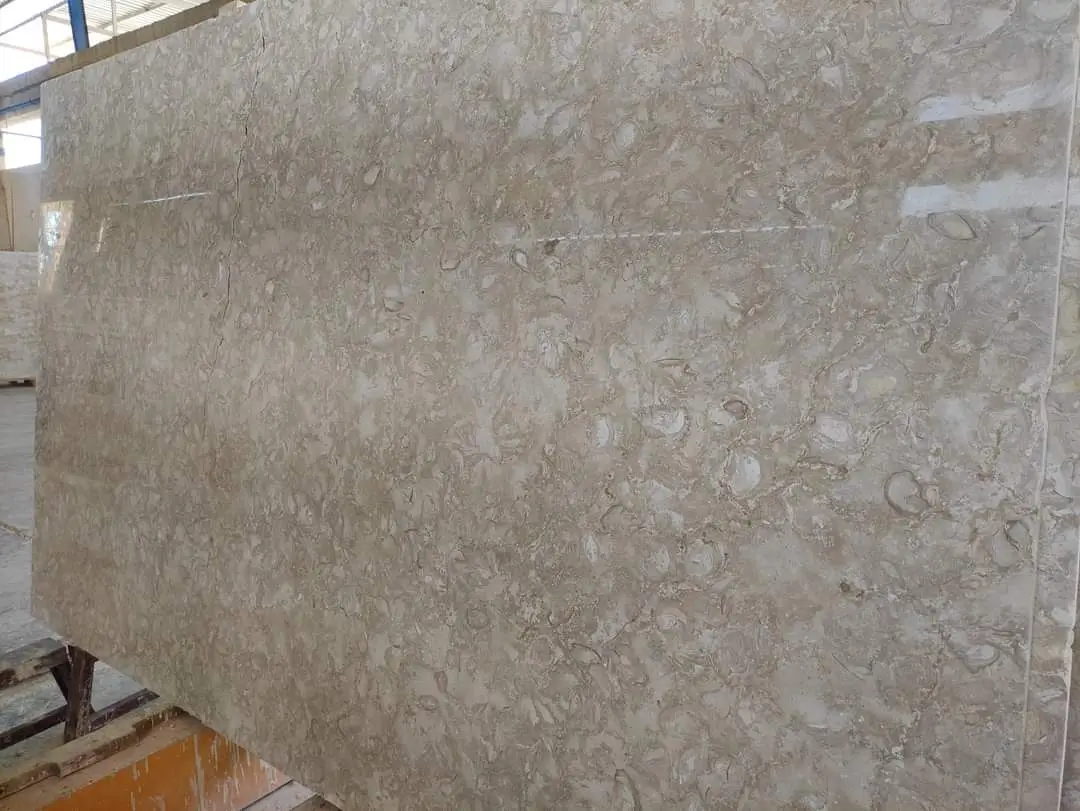
Your Flagstaff specifications would shift focus to freeze-thaw durability rather than the heat management critical in desert locations. You would need to verify that selected granite meets ASTM C615 absorption requirements below 0.4% to ensure adequate freeze-thaw resistance for the 100-120 annual freeze cycles typical at 7,000-foot elevation. Material selection should prioritize dense granite varieties quarried from cold-climate regions where freeze-thaw testing confirms performance. When you plan Flagstaff installations, you would restrict work to May through October weather windows, avoiding cold-season periods when mortar and grout curing becomes unreliable and crack risk increases.
Sedona Aesthetic Integration
In Sedona contexts, you would consider how stone selections integrate with the distinctive red rock landscape that defines regional architecture. Your material recommendations might favor warm-toned granite varieties in rust, gold, and brown color families that complement rather than contrast with natural surroundings. You should account for design review requirements in many Sedona developments that mandate specific material palettes ensuring visual harmony with the environment. When you specify Sedona projects, you would verify that selected materials meet aesthetic guidelines while maintaining the performance characteristics necessary for 4,500-foot elevation exposures including 90+ annual freeze cycles and intense UV radiation.
Yuma Extreme Conditions
Your Yuma specifications would address the most extreme heat conditions in Arizona, where summer temperatures regularly exceed 115°F and material surface temperatures can reach 170°F in direct sun. You would need to specify the lightest available granite colors with maximum solar reflectance to maintain usable surface temperatures for residential outdoor living spaces. Material selection should emphasize proven performance in Middle Eastern climates where similar thermal conditions exist. When you plan Yuma installations, you would incorporate shade structure coordination into project design, recognizing that even optimal material selection cannot overcome the fundamental challenge of exposed stone surfaces in America’s hottest climate zone.
Professional Selection Strategies
Your approach to stone slab yard selection should balance material quality, supplier reliability, technical support, and cost efficiency. You’ll achieve better project outcomes when you establish relationships with 2-3 preferred suppliers who understand your quality standards, communicate proactively about inventory availability, and coordinate delivery logistics that align with your project schedules. Professional specifiers develop these relationships through consistent business volume that justifies preferential pricing, priority fabrication scheduling, and enhanced technical support during complex installations.
When you’re entering Arizona markets for the first time, you should conduct initial supplier evaluations that extend beyond showroom visits. Request facility tours to observe actual warehouse operations, storage protocols, and material handling practices. You’ll learn substantial information about supplier competency by observing how they protect inventory, organize material for efficient selection, and maintain equipment used for slab movement and inspection. Your evaluation should include conversations with fabrication partners about which suppliers provide consistent material quality, accurate slab measurements, and responsive problem resolution when issues arise. For additional installation insights, review Operating schedules and accessibility for Arizona stone supply yards before you finalize your project documents. Citadel Stone carries products from respected tile stone brands in Arizona while maintaining competitive independent lines.