
When you’re sourcing hardscape materials across Arizona’s diverse climate zones, delivery logistics determine project timelines as much as material selection itself. Arizona stone yard delivery services operate across temperature extremes that range from Yuma’s 120°F summers to Flagstaff’s 20°F winters, creating unique challenges for material transport and job site coordination. You need to understand how delivery windows, truck access constraints, and regional warehouse distribution affect your project scheduling before you commit to specifications.
The state’s geography creates delivery complexities most specifiers don’t anticipate. Your Phoenix project enjoys same-day delivery options from multiple regional yards, while your Sedona installation might require 48-72 hour lead times due to limited truck access on winding mountain roads. You’ll find that stone yard masonry delivery Arizona services vary dramatically by elevation, with high-country deliveries requiring different scheduling considerations than low-desert projects. Temperature differentials of 40-50°F between delivery origin and destination affect material handling protocols in ways that impact installation success.
Delivery Service Categories Across Arizona Markets
Arizona stone yard delivery services segment into four distinct operational models, each optimized for specific project types and geographic constraints. You should match delivery service type to your project’s scope, timeline, and site access conditions rather than defaulting to standard vendor offerings. When you evaluate stone yard pavers delivery Arizona options, consider how service model affects both material costs and installation scheduling flexibility.
Same-day delivery services operate within 35-mile radius zones of major metro distribution points, typically serving Phoenix, Tucson, and Scottsdale markets where warehouse inventory supports immediate fulfillment. You’ll pay premium rates of $125-$185 per delivery for this expedited service, but you gain critical scheduling flexibility for projects with compressed timelines. Your contractor can order materials Thursday morning and receive delivery by 2 PM same day, eliminating costly crew downtime. For sprawling commercial projects requiring multiple material drops, this service model prevents job site congestion by staging deliveries across sequential work phases.
Bulk delivery services handle orders exceeding 15 tons, utilizing specialized trucks with boom or conveyor offloading capabilities that reduce your labor requirements during material receipt. These services shine for large residential developments or commercial hardscape installations where you’re ordering 40+ pallets of pavers or 25+ tons of river stone. You should expect 48-96 hour lead times but benefit from per-ton pricing that drops to $45-$65 when you order consolidated loads. The warehouse coordinates shipments to maximize truck capacity, sometimes combining your order with adjacent delivery zones to reduce transportation costs.
Regional Logistics Constraints You’ll Encounter
Arizona’s topographic diversity creates delivery challenges that affect material availability and scheduling across the state’s six distinct climate zones. When you spec projects in northern Arizona’s high country, you’re dealing with elevation gains of 5,000+ feet that require truck route planning around seasonal weather closures and grade limitations. Your Flagstaff installation faces winter delivery restrictions from November through March when ice and snow make loaded truck access problematic on secondary roads with grades exceeding 8%.
- You need to verify truck weight limits on residential streets before scheduling delivery, as many HOA communities restrict vehicles exceeding 26,000 pounds GVW
- Your site’s overhead clearance must accommodate delivery trucks with 13’6″ height profiles, which eliminates service to properties with low-hanging power lines or tree canopies
- You should confirm turning radius requirements with your stone yard, as standard delivery trucks need 45-foot minimum turn clearances that many cul-de-sac properties cannot provide
- Your driveway grade cannot exceed 12% for safe loaded truck operation, requiring alternative delivery staging on steep lots
Desert regions present opposite challenges focused on temperature management rather than access constraints. When you schedule summer deliveries in Yuma or western Arizona locations, you’re coordinating around thermal windows that prevent material damage and ensure safe driver operations. Stone yard masonry delivery Arizona services typically restrict deliveries to before 11 AM or after 5 PM during June-August peak heat, as afternoon pavement temperatures exceeding 160°F create tire failure risks and accelerate material degradation for cement-based products.
Residential Delivery Service Requirements
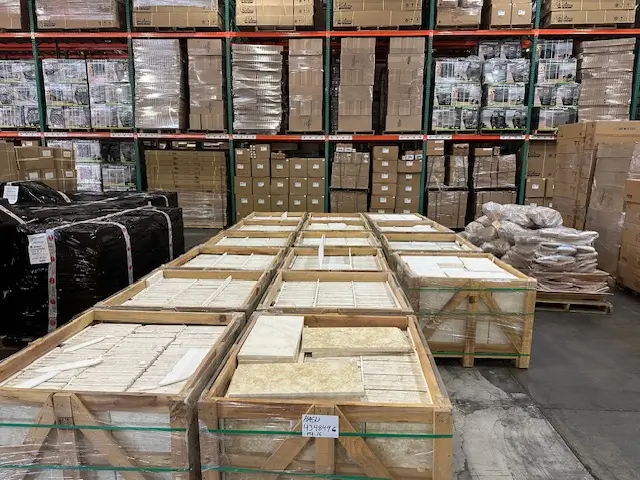
Residential stone yard pavers delivery Arizona services operate under tighter constraints than commercial deliveries due to neighborhood access limitations and homeowner association restrictions. You’ll need to coordinate delivery windows with HOA rules that often limit truck traffic to weekday business hours between 8 AM and 5 PM, eliminating evening or weekend delivery options many contractors prefer. Your delivery specifications should address material placement requirements, as most residential services include curbside drop only unless you arrange premium placement services.
Standard residential delivery places materials at the closest accessible point to your property boundary, typically your driveway apron or street frontage. When you need materials positioned closer to installation areas, you should budget for placement services that range from $85-$140 per hour depending on distance from truck access point. For backyard installations with side-yard access narrower than 48 inches, you’ll require hand-cart transport or mechanical assistance that adds 2-3 hours to delivery time and increases labor charges proportionally.
Your site preparation before delivery determines success of material receipt and protection. You need to provide firm, level ground capable of supporting 8-10 tons of concentrated pallet weight without subsidence that creates unstable stacking conditions. When you’re receiving bluestone delivery stone yard shipments during monsoon season, you should cover the placement area with plywood or composite matting to prevent ground softening that causes pallets to sink or tip. Most residential deliveries use boom trucks with 18-22 foot reach capabilities, so you should position placement areas within this radius of street access to avoid additional equipment charges.
Commercial Scale Delivery Coordination
Commercial projects requiring 30+ tons of material operate under different delivery protocols that emphasize staging efficiency and job site logistics management. When you coordinate bulk deliveries for mixed-use developments or large commercial hardscapes, you’re managing sequential material drops timed to construction phase completion and crew readiness. Your general contractor needs to provide 48-hour delivery windows rather than specific time slots, as bulk delivery schedules adjust dynamically based on warehouse loading dock availability and route optimization.
You should specify delivery sequencing in your project documents to prevent material congestion that slows installation progress. For river stone yard delivery projects incorporating multiple aggregate sizes and decorative stone types, you’ll want to stagger deliveries so finishing materials arrive after base materials are substantially installed. This prevents you from moving pallets multiple times as crews progress through work zones. When you coordinate with Citadel Stone river stone yard for commercial scale projects, establish communication protocols that allow your superintendent to adjust delivery timing by 24-48 hours as field conditions evolve without incurring rescheduling fees.
Bulk delivery trucks require substantial site access infrastructure that your site logistics plan must address before first material shipment. You need to provide all-weather haul routes capable of supporting 80,000 pound gross vehicle weights without rutting or degradation that impedes subsequent deliveries. Your laydown areas should accommodate 40-foot material staging zones with 25-foot clear zones on at least two sides for boom truck operation and material access. For projects spanning multiple months, you’ll want to coordinate with warehouse staff to phase deliveries in 15-20 ton increments that prevent extended material storage and associated weathering degradation.
Understanding Arizona Delivery Cost Components
Delivery pricing structures reflect distance, weight, service level, and seasonal demand factors that create cost variations of 200-300% between basic and premium service levels. When you evaluate stone yard delivery costs, you’re assessing five distinct charge components that vendors may bundle or itemize depending on their pricing model. Your total delivery cost includes base freight charges, fuel surcharges, access premiums, equipment fees, and seasonal adjustments that accumulate across multi-delivery projects.
Base freight charges typically calculate on a per-mile basis for distances exceeding 25 miles from the distribution warehouse, with rates ranging from $3.50 to $6.25 per loaded mile depending on truck size and cargo weight. You’ll find that deliveries within core service zones of major metros use flat-rate pricing instead, with Phoenix-area deliveries averaging $95-$145 regardless of specific address within the zone. For your Scottsdale or Paradise Valley projects, expect 15-25% premium surcharges due to affluent neighborhood access restrictions and enhanced insurance requirements many luxury communities mandate for commercial vehicles.
- Fuel surcharges add 12-18% to base delivery costs and fluctuate monthly based on diesel price indices, making fixed-price quotes valid for only 30-45 days
- Access premiums of $75-$150 apply when you require delivery to sites with restricted entry, gated communities, or locations requiring pilot vehicle escort
- Equipment fees for boom trucks, conveyors, or specialized offloading apparatus range from $85-$165 per delivery depending on equipment type and deployment duration
- Seasonal demand surcharges during peak construction months of March-May increase delivery costs by 20-30% as warehouse scheduling tightens
Same-Day Delivery Service Operations
Same-day delivery services operate within carefully defined geographic zones and inventory availability constraints that determine whether your project qualifies for expedited fulfillment. When you request same-day service, the stone yard verifies three critical factors before confirming delivery: material warehouse stock levels, available truck capacity within your delivery zone, and cutoff time compliance for order processing. You need to place orders before 10 AM for afternoon delivery or before 2 PM for evening delivery within metro service areas.
Same-day capability depends entirely on real-time warehouse inventory of your specified materials. You’ll find that common products like standard concrete pavers and basic river stone maintain sufficient stock for immediate fulfillment, while specialty items like imported bluestone or premium flagstone require advance ordering even when vendors advertise same-day service. Your stone yard can typically confirm inventory availability within 15-20 minutes of order placement through warehouse management systems that track pallet locations and quantities.
The delivery radius for same-day service contracts significantly during peak construction seasons when truck availability tightens. Your Phoenix project normally enjoys same-day service within 35-mile radius, but during March-April peak season, this radius may shrink to 20-25 miles as warehouses prioritize delivery efficiency over geographic coverage. You should confirm delivery zone inclusion when you place orders rather than assuming continued same-day qualification based on previous project experiences.
Site Requirements for Successful Material Receipt
Your site’s physical characteristics determine delivery feasibility and cost more than distance from warehouse in many Arizona markets. When you prepare sites for material delivery, you’re addressing truck access, placement area stability, and offloading clearances that delivery drivers evaluate before attempting material placement. Inadequate site preparation results in curbside drop situations where you’ll need to arrange secondary transport to move materials from street to actual installation areas at additional labor cost.
Truck access requires minimum 12-foot clear width along the entire delivery route from public street to material placement area. You need to verify overhead clearance of at least 14 feet to accommodate standard delivery truck cab height plus load clearance requirements. When your site includes sharp turns or tight maneuvering zones, you should conduct pre-delivery site walks with yard dispatch personnel who can assess whether standard trucks can access your desired placement area or whether you’ll need smaller vehicles with reduced carrying capacity and increased delivery frequency.
Placement area specifications vary by material type and delivery quantity. Your typical pallet delivery requires firm, level ground measuring 8 feet by 10 feet per pallet with additional 4-foot clear zones on at least two sides for forklift or boom truck operation. For bulk river stone or aggregate deliveries dumped directly from truck beds, you need consolidated placement areas measuring at least 15 feet by 20 feet with perimeter containment that prevents material migration across your site. Ground-bearing capacity must support concentrated loads of 2,500-3,000 pounds per square foot without settlement that creates dangerous leaning conditions as pallets stack.
Seasonal Factors Affecting Arizona Deliveries
Arizona’s extreme seasonal temperature variations create delivery windows and material handling protocols that change dramatically across the calendar year. When you schedule deliveries during summer months, you’re coordinating around thermal constraints that affect both driver safety and material integrity during transport and offloading operations. Your stone yard restricts summer delivery hours to morning windows before 11 AM or evening slots after 6 PM when pavement temperatures drop below critical thresholds.
Monsoon season from July through September introduces precipitation variables that affect delivery scheduling and site access across southern and central Arizona. You need to maintain flexible delivery windows during this period, as afternoon thunderstorms can strand delivery trucks on unpaved site access roads or create unsafe offloading conditions on grades exceeding 6%. Your site preparation should include all-weather access routes surfaced with minimum 6-inch compacted aggregate base to prevent service delays when summer rains saturate native soils.
Winter deliveries to northern Arizona locations face opposite challenges focused on cold temperature effects and occasional snow closures. When you spec projects in Flagstaff, Prescott, or high-elevation areas of greater Sedona, you should plan material deliveries for September-October or April-May shoulder seasons that avoid winter weather complications. Stone yard masonry delivery Arizona services may suspend northern route operations entirely during January-February peak winter months when road conditions become unpredictable and dangerous for loaded commercial vehicles.
Professional Delivery Coordination Protocols
Effective delivery coordination requires you to integrate material scheduling with construction phase completion and crew readiness to prevent premature delivery and associated material storage complications. When you schedule deliveries too early in project sequences, you’re creating site congestion and material protection requirements that increase overall project costs through extended storage and damage risk. Your delivery timing should position material arrival 24-48 hours before installation crews reach ready-to-install status for that specific material type.
You should establish primary and secondary delivery windows with your stone yard that accommodate field condition variability without triggering rescheduling fees. Most vendors allow single reschedule requests without penalty if you provide 24-hour advance notice, but subsequent changes incur $45-$75 administrative fees that accumulate across multi-delivery projects. Your project superintendent needs authority to confirm or delay deliveries based on real-time site conditions rather than adhering to schedules established weeks earlier during initial project planning.
- You need to designate specific on-site personnel authorized to receive and sign for material deliveries, preventing driver delays while searching for project managers
- Your receiving protocol should include immediate pallet count verification and visible damage inspection completed before driver departure from site
- You should photograph all delivered materials within 2 hours of receipt to document condition and quantity for potential claims resolution
- Your site team needs to move materials to final staging areas within 24 hours of delivery to free truck access routes for subsequent trades
Managing Deliveries Across Multiple Project Locations
Developers and contractors operating multiple concurrent projects benefit from consolidated ordering and route optimization that reduces per-project delivery costs through volume coordination. When you manage 3-5 active projects within the same metro region, you can negotiate delivery discounts of 15-25% by consolidating orders through single stone yard relationships and coordinating delivery days that maximize truck utilization. Your stone yard prefers routing multiple deliveries along optimized paths rather than serving scattered single-project requests throughout the week.
You should establish master delivery schedules that group projects by geographic proximity and coordinate material drops on consecutive days within the same region. This approach allows warehouses to assign dedicated trucks to your project portfolio for 2-3 day periods, eliminating the routing inefficiencies that drive up individual delivery costs. For large-scale developers managing 10+ concurrent projects, dedicated truck arrangements with preferred stone yards can reduce delivery costs by 30-40% compared to per-project spot delivery pricing.
Consolidated ordering requires you to forecast material requirements across multiple projects with greater precision than single-project procurement. You’ll need to coordinate with project superintendents across your portfolio to establish firm delivery dates 7-10 days in advance rather than the 48-72 hour windows typical for single projects. This extended lead time allows warehouse staff to pre-stage materials for efficient loading sequences that minimize truck dwell time at the distribution facility.
Citadel Stone stone yard masonry in Arizona — How We Would Specify for Arizona Cities
When you consider Citadel Stone’s stone yard masonry in Arizona for your project, you’re evaluating premium material solutions designed specifically for the state’s extreme climate variations and diverse installation applications. At Citadel Stone, we provide technical guidance for hypothetical applications across Arizona’s distinct regional environments. This section outlines how you would approach material selection and delivery coordination for six representative cities that showcase the state’s geographic and climatic diversity.
Phoenix Desert Installations
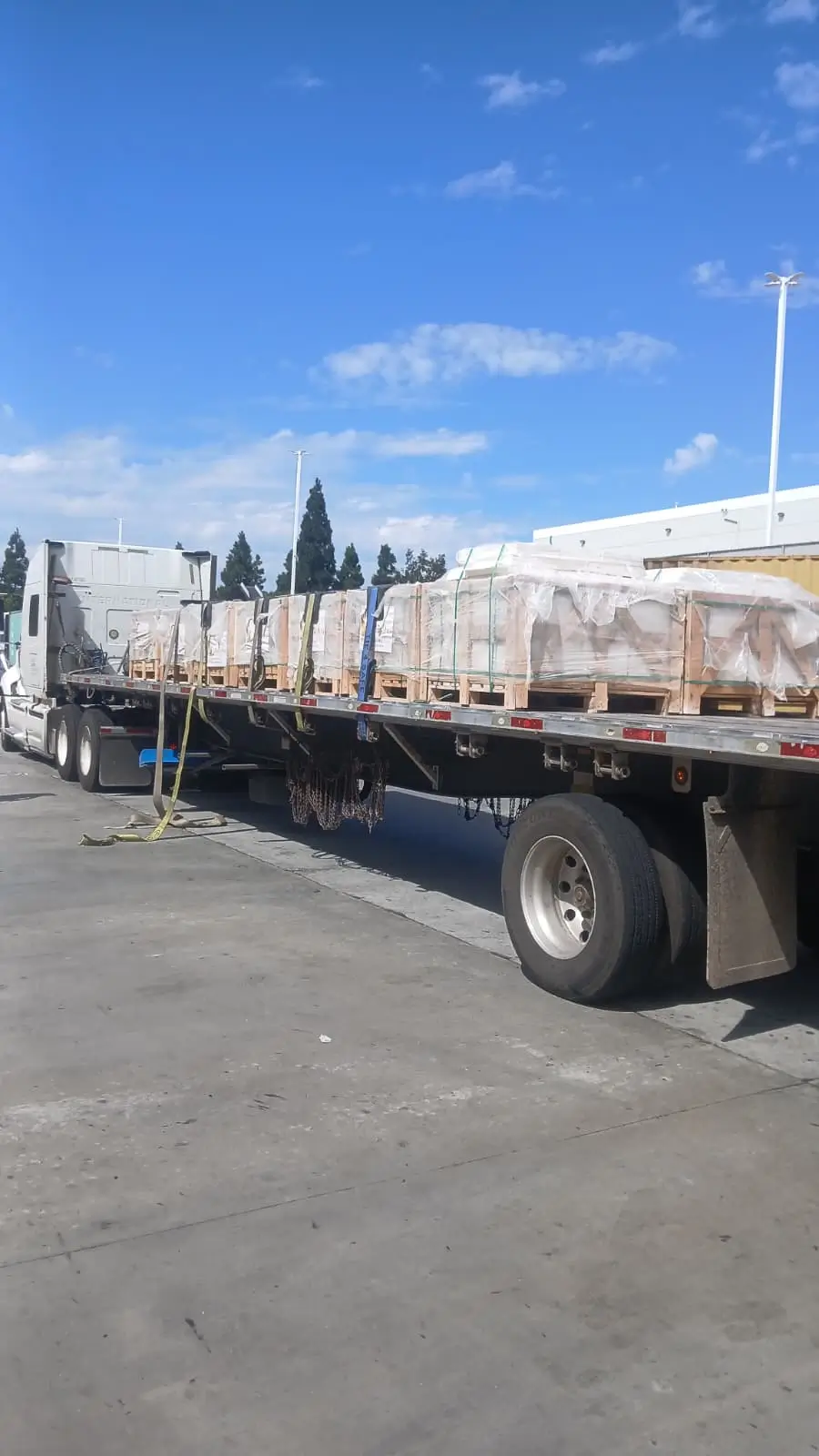
In Phoenix’s urban heat island environment where summer surface temperatures exceed 165°F, you would specify light-colored stone materials with high solar reflectance indices to reduce thermal accumulation. Your material selection should prioritize stones with thermal expansion coefficients below 6.0 × 10⁻⁶ per °F to prevent joint separation in the 80°F daily temperature swings common during May-September. You’ll need expansion joints every 12-15 feet in direct sun exposure areas to accommodate thermal movement without creating trip hazards. For Phoenix delivery logistics, you’d leverage same-day service availability from multiple distribution points to maintain flexible project scheduling without extended material storage complications.
Tucson High Desert Applications
Your Tucson projects face similar thermal challenges to Phoenix but with monsoon moisture considerations that affect material specification and installation timing. You would select stones with moderate porosity ratings of 3-6% that balance drainage capability with structural integrity during seasonal precipitation events. The city’s 12 inches of concentrated summer rainfall requires you to design installations with positive drainage slopes of minimum 2% to prevent standing water that accelerates efflorescence and freeze-thaw damage during occasional winter freezes. You should coordinate delivery scheduling around July-September monsoon patterns, utilizing morning delivery windows before afternoon storm activity disrupts site access.
Scottsdale Luxury Market Specifications
When you specify materials for Scottsdale’s high-end residential market, you’re addressing aesthetic expectations that prioritize appearance alongside performance requirements. You would select premium stone grades with tight color variation tolerances and minimal surface imperfections that meet luxury market standards. Your delivery coordination should account for HOA restrictions common in Scottsdale communities, scheduling deliveries during narrow weekday windows and arranging additional insurance coverage that gated communities frequently mandate. Placement precision becomes critical in these applications, as you’ll want materials positioned close to installation areas to minimize secondary handling that could damage premium stone surfaces.
Flagstaff High-Altitude Conditions
Your Flagstaff installations operate in Arizona’s most challenging freeze-thaw environment, with 120-140 annual freeze cycles that demand materials meeting ASTM C1645 severe weathering classifications. You would specify dense stones with water absorption rates below 3% and verified freeze-thaw durability through 300+ laboratory cycles without degradation. The 7,000-foot elevation creates delivery logistics complications during November-March when snow and ice restrict truck access, requiring you to schedule material deliveries during September-October or April-May shoulder seasons. You should plan for 48-72 hour delivery lead times from Phoenix-area warehouses due to the 145-mile distance and elevation gain that limits same-day service availability.
Sedona Red Rock Integration
In Sedona’s visually sensitive environment where materials should complement iconic red rock formations, you would select warm-toned stones in rust, terracotta, and buff color ranges that harmonize with natural surroundings. Your material specifications need to address both aesthetic integration and the area’s moderate freeze-thaw exposure at 4,500-foot elevation. You should coordinate delivery scheduling around Sedona’s limited truck access on winding canyon roads with 6-8% sustained grades that restrict delivery to specialized trucks with enhanced braking systems. The 115-mile distance from Phoenix distribution centers necessitates 48-hour minimum lead times for delivery coordination.
Yuma Extreme Heat Performance
Your Yuma projects face Arizona’s most extreme thermal environment, with summer temperatures consistently exceeding 115°F and creating surface temperatures approaching 180°F on dark-colored materials. You would specify maximum-reflectance stone options in white, light gray, or cream color families to minimize heat retention that makes surfaces unusable during daylight hours. Material selection should prioritize dimensional stability across 70°F daily temperature swings, requiring thermal expansion coefficients below 5.5 × 10⁻⁶ per °F. You’ll coordinate deliveries exclusively during early morning hours before temperatures exceed operational safety thresholds for loaded truck operations in this desert region located 180 miles from primary Phoenix distribution centers.
Material Damage Documentation and Claims
When you receive delivered materials with visible damage, your immediate documentation determines claim resolution success and whether you’ll receive replacement materials without project delays. You need to conduct thorough delivery inspections before driver departure, as most stone yards limit damage claims to issues identified and documented at time of delivery. Your receiving personnel should photograph damaged pallets, broken pieces, and delivery truck positioning to establish comprehensive evidence supporting claims filed within 24 hours of material receipt.
Damage categories separate into transportation damage versus manufacturing defects, with different resolution protocols for each classification. When you identify broken pieces, chipped edges, or pallet damage from handling, you’re documenting transportation issues that delivery services must address through freight claims processes. Material defects like color variation exceeding specifications, dimensional inconsistencies, or surface quality issues fall under manufacturing warranty claims processed directly with stone producers through your stone yard intermediary.
You should establish damage tolerance thresholds in purchase orders before delivery occurs, as stone products inherently include some percentage of damaged or unusable pieces. Industry standard allowances typically range from 3-5% for broken or chipped pieces in natural stone shipments, with your purchase specifying overage quantities that account for this expected damage. When actual damage exceeds agreed tolerance levels, you’ll file formal claims with photographic documentation, piece counts, and pallet identification for materials requiring replacement or credit.
Advanced Logistics Planning for Complex Projects
Large-scale projects incorporating multiple stone types and installation phases require sophisticated delivery choreography that sequences material arrivals with construction progress and crew availability. When you coordinate complex projects spanning 6+ months, you’re managing 10-15 separate deliveries timed to specific construction milestones while maintaining site organization and material protection across extended timelines. Your logistics planning should integrate with master construction scheduling to prevent premature deliveries that create storage complications and delayed deliveries that halt installation progress.
You need to establish material staging zones organized by installation sequence rather than delivery order, positioning early-phase materials in accessible locations and later-phase materials in back areas requiring less frequent access. This approach prevents repeated material relocation as crews progress through work zones. Your site plan should designate separate staging areas for different material categories, preventing mixing of similar-looking stones that creates costly field sorting requirements during installation.
For projects requiring materials from multiple stone yards, you should consolidate ordering through single vendors when possible to simplify delivery coordination and leverage volume pricing advantages. When project requirements mandate multi-vendor sourcing, establish clear staging area assignments that separate different vendors’ materials and prevent confusion during receipt and installation. Your delivery scheduling should space multi-vendor deliveries by minimum 48 hours to ensure adequate receiving time and prevent truck congestion at site access points with limited staging capacity.
Key Logistics Factors
Your success with Arizona stone yard delivery services depends on understanding regional variations, site-specific constraints, and seasonal factors that affect material availability and scheduling flexibility across the state’s diverse markets. When you coordinate deliveries professionally, you’re integrating material logistics with construction sequencing to prevent costly delays and optimize project cash flow. You should establish vendor relationships that provide flexibility for schedule adjustments as field conditions evolve while maintaining cost predictability through clear service level agreements. For additional comparison details, review Comparative pricing for bluestone pavers and river stone materials before you finalize project procurement documents. Circular patio patterns showcase Citadel Stone, the most versatile stone yard pavers in Arizona shapes.