

When you’re planning a stone installation project in Arizona for 2026, you need accurate pricing data before you commit to material selection. Stone yard Arizona pricing 2026 fluctuates based on material type, regional availability, and delivery logistics. You’ll find that understanding these cost structures helps you make informed decisions that balance aesthetics, performance, and budget constraints.
Your project’s success depends on more than just finding the lowest price per ton. You should evaluate how material characteristics affect long-term performance in Arizona’s extreme climate conditions. The state’s temperature swings, UV exposure levels, and soil composition create specific demands that influence which materials deliver the best value over a 20-30 year lifespan.
Arizona Stone Yard Pricing Fundamentals
Stone yard Arizona pricing 2026 reflects several interconnected factors that you need to understand before you request quotes. Material extraction location, processing complexity, and regional demand all influence final costs. You’ll see significant price variations between natural stone types, with bluestone stone yard prices typically ranging $180-$340 per ton depending on grade and finish specifications.
Your material selection should account for how stone yard pavers Arizona cost differs from bulk material pricing. Pavers require additional processing — dimensional cutting, edge profiling, and surface finishing — which adds $60-$120 per ton compared to rough-cut stone. When you specify pavers, you’re paying for precision manufacturing that ensures consistent installation results and reduces field labor time.
Transportation costs represent 15-25% of total delivered pricing in Arizona. Your project location relative to warehouse facilities and quarry sources affects this significantly. Remote job sites in northern Arizona may see delivery surcharges of $40-$80 per ton compared to metro Phoenix locations. You should verify delivery costs separately rather than assuming they’re included in quoted per-ton rates.
Material Cost Breakdown by Type
Understanding stone yard masonry Arizona pricing requires you to distinguish between different material categories and their typical applications. Each stone type exhibits specific performance characteristics that justify its price point for particular installation scenarios.
- You’ll find bluestone commanding premium prices of $280-$340 per ton for select grade material with its superior density and thermal stability
- River rock and decorative aggregates range from $85-$165 per ton depending on size gradation and color uniformity specifications
- Flagstone varieties typically cost $190-$270 per ton with irregular pieces priced lower than dimensionally cut pavers
- Crushed stone and base materials run $35-$75 per ton for standard gradations used in substrate preparation
- Specialty materials like white limestone command $310-$420 per ton due to limited regional availability and freight distances
Your specification decisions should weigh initial material costs against long-term performance expectations. Stone yard Arizona pricing 2026 reflects quality differentials that become evident 5-10 years post-installation. Lower-cost materials may require replacement or significant maintenance while premium options maintain appearance and structural integrity with minimal intervention.
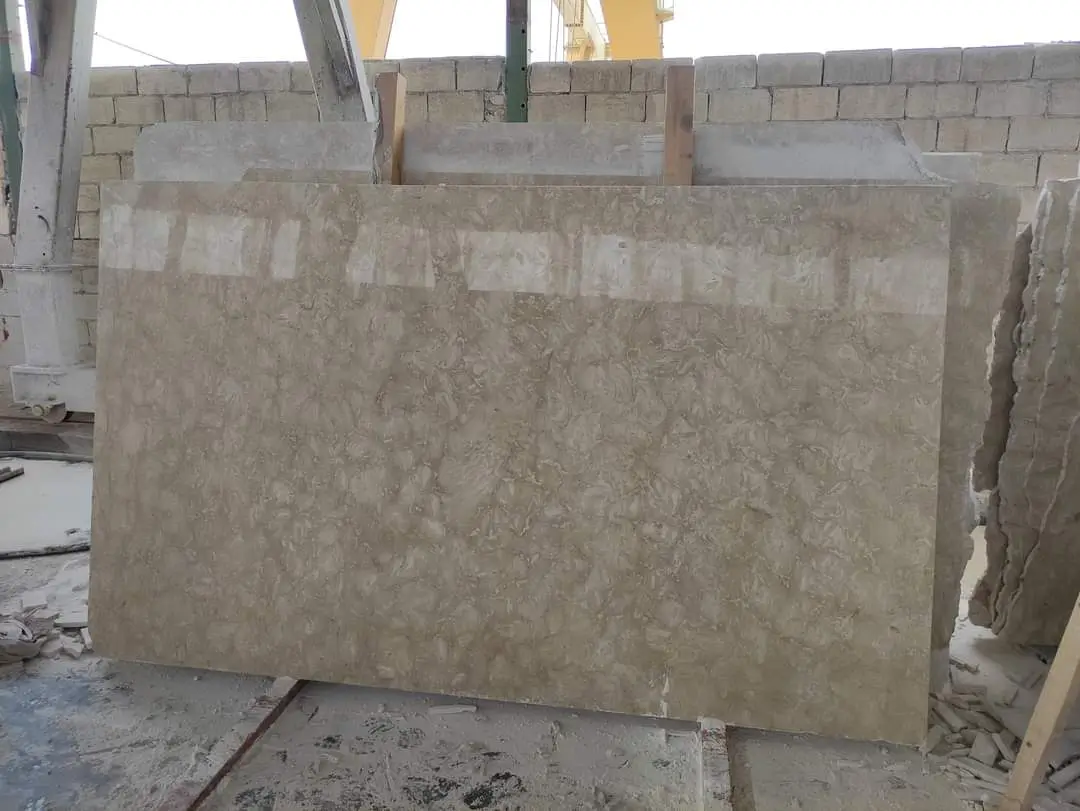
The processing level you specify directly impacts pricing structures. Thermal finishing adds $45-$70 per ton compared to natural cleft surfaces. When you require consistent thickness tolerances tighter than ±1/4 inch, you’ll see additional charges of $30-$55 per ton for enhanced quality control and material sorting. These specifications make sense for commercial applications where installation efficiency and long-term appearance matter more than minimizing initial costs.
Regional Pricing Variations Across Arizona
Stone yard Arizona pricing 2026 varies significantly across the state’s distinct geographic regions. Your project location determines which supply sources offer the most competitive delivered pricing. Northern Arizona projects near Flagstaff typically see 12-18% higher material costs compared to Phoenix metro installations due to longer haul distances from primary distribution points.
The southern corridor from Tucson to the Mexican border experiences moderate pricing that falls between northern premium rates and Phoenix base costs. You’ll find stone yard pavers Arizona cost in Tucson running approximately 6-9% above Phoenix pricing, primarily reflecting transportation differentials. When you plan projects in this region, you should request quotes from both Phoenix-area suppliers and local Tucson distributors to identify the best delivered value.
Western Arizona locations present unique logistics challenges that affect stone yard masonry Arizona pricing significantly. Yuma and surrounding areas may encounter delivery surcharges reaching $75-$110 per ton for specialized materials not stocked locally. Your project timeline needs to accommodate extended lead times of 10-16 business days for warehouse transfers from primary distribution centers.
Volume Pricing and Project Scale Economics
When you purchase stone materials in larger quantities, you’ll access tiered pricing structures that reduce your per-ton costs substantially. Stone yard Arizona pricing 2026 includes volume discounts that start at 500 square feet of coverage and increase at 1,000, 2,500, and 5,000 square foot thresholds. You should calculate your total material requirements accurately before requesting quotes to ensure you capture available volume pricing.
Small residential projects under 300 square feet typically face retail pricing without volume adjustments. You’ll pay full per-ton rates plus potential small-order surcharges of $125-$200 that cover handling and delivery setup costs. Commercial projects exceeding 2,500 square feet qualify for contractor pricing that ranges 15-23% below retail rates, depending on material type and total order value.
Your relationship with suppliers affects pricing flexibility beyond published rate sheets. Repeat customers with established payment histories often negotiate an additional 3-7% off quoted prices for large orders. When you maintain consistent purchasing volume across multiple projects annually, you should discuss annual supply agreements that lock in favorable pricing for 12-month periods.
2026 Market Conditions and Pricing Trends
Current market analysis indicates stone yard Arizona pricing 2026 will increase 4-7% compared to 2025 levels across most material categories. You need to factor this inflationary pressure into your project budgets, especially for installations scheduled in Q3 and Q4 of 2026. Fuel costs, quarry labor rates, and equipment maintenance expenses drive these increases industry-wide.
Supply chain normalization continues to improve material availability, though certain specialty stones still experience periodic shortages. You should verify warehouse stock levels for your specified materials at least 30 days before your required delivery date. River stone yard Arizona rates for uncommon sizes and colors may include 8-12% premium pricing during periods of limited availability.
Bluestone stone yard prices face upward pressure due to increased demand from commercial developers specifying high-performance materials for extreme-climate applications. When you compare 2026 pricing to 2024 levels, you’ll see bluestone costs rising faster than generic stone products — approximately 11-14% over the two-year period. This reflects growing recognition of bluestone’s superior thermal stability and longevity in Arizona’s harsh conditions.
Delivery Logistics and Hidden Costs
Your total project cost extends beyond quoted per-ton stone yard masonry Arizona pricing to include multiple delivery-related expenses. Standard truck delivery assumes reasonable site access — paved roads, turning radius for 45-foot trailers, and level unloading areas. When your site doesn’t meet these criteria, you’ll encounter additional charges that can add 12-20% to base delivery fees.
Residential installations in gated communities or hillside locations often require smaller delivery vehicles that increase per-ton transportation costs by $25-$45. You should communicate site access limitations clearly during the quoting process to avoid unexpected charges at delivery. Timed delivery windows outside standard 7:00 AM – 3:00 PM schedules typically incur $180-$280 surcharges for dedicated truck scheduling.
Offloading methods significantly impact your labor costs and project timeline. Standard delivery includes tailgate drop at the curb or driveway. When you need materials placed in specific locations beyond 50 feet from truck access, you’ll arrange boom truck or forklift services at $150-$240 per hour with 2-hour minimums. For projects where our bluestone stone yard team recommends precise material staging, you should budget these handling costs during initial planning phases.
Quality Specifications That Affect Pricing
Stone yard Arizona pricing 2026 varies considerably based on quality grades within each material category. You need to understand how specification requirements translate to cost differentials that may or may not deliver value for your specific application. Select-grade bluestone with tight color matching and minimal inclusion tolerances costs 25-35% more than standard grade material that performs identically in structural applications.
Dimensional tolerances represent a critical specification that affects both pricing and installation efficiency. When you specify thickness consistency within ±3/16 inch, you’re requesting premium sorting and quality control that adds $40-$65 per ton compared to standard ±3/8 inch tolerances. This investment makes sense for mechanical installation methods or applications where substrate preparation is expensive, but may not be justified for hand-set installations over flexible bases.
- You’ll see premium charges of $55-$85 per ton for materials with guaranteed surface texture consistency across production lots
- Color-matched bundles that ensure visual uniformity within individual pallet loads add $35-$60 per ton to base pricing
- Your project may require certified slip resistance values, which involves third-party testing that adds $0.45-$0.85 per square foot
- When you specify materials meeting specific ASTM compressive strength thresholds, expect sorting charges of $25-$40 per ton
Seasonal Pricing Fluctuations
Arizona’s construction seasonality creates predictable patterns in stone yard pavers Arizona cost throughout the year. You’ll find the most competitive pricing during summer months when installation activity slows due to extreme temperatures. Stone yards typically offer promotional pricing during June through August, with discounts reaching 8-15% below peak season rates for materials purchased and accepted during this period.
Spring represents peak demand season when stone yard masonry Arizona pricing reaches annual highs. Your project scheduled for March through May faces the tightest material availability and least pricing flexibility. Commercial projects with firm deadlines during this period should lock in pricing and reserve material allocations 60-90 days in advance to avoid premium pricing for expedited orders.
Fall shoulder season from September through November offers moderate pricing that balances availability and competitive rates. You’ll encounter better negotiating position than spring peak while avoiding summer heat installation challenges. This timing works well for projects where you can schedule material purchases in September-October for installation during November-December when Arizona weather conditions optimize most installation activities.
Comparing Supplier Pricing Structures
Different stone yard operators structure their pricing models in ways that affect your total project costs beyond simple per-ton comparisons. Some suppliers quote delivered pricing inclusive of transportation while others separate material and freight charges. You need to request itemized quotes that break down all cost components to make accurate comparisons across multiple sources.
National building material distributors often maintain published pricing with limited negotiation flexibility but offer consistent availability and standardized quality. Regional stone yards may provide more competitive stone yard Arizona pricing 2026 for large orders while maintaining smaller inventory selections. Your supplier choice should balance pricing, material availability, and delivery scheduling flexibility based on your specific project requirements.
Direct quarry relationships occasionally offer cost advantages for very large commercial projects exceeding 200 tons. You’ll bypass distributor markups that typically add 18-28% to quarry direct pricing, but you assume responsibility for logistics coordination and quality verification. This approach works when you have experienced procurement staff and project scale justifies the additional management complexity.
Budget Planning and Cost Estimation
Accurate budget development for stone installations requires you to understand coverage rates and material loss factors that affect total tonnage requirements. Stone yard Arizona pricing 2026 quotes are based on delivered weight, but your project scope is measured in square footage. Conversion factors vary by material type, thickness, and installation method.
Bluestone pavers in standard 1.5-inch thickness provide approximately 90-95 square feet of coverage per ton, accounting for typical joint spacing and 3-5% breakage during installation. You’ll need different calculations for irregular flagstone where shape variations and wider joint spacing reduce coverage to 70-80 square feet per ton. When you develop preliminary budgets, you should use conservative coverage estimates that account for site-specific waste factors.
- Your budget should include 5-8% material overage for standard rectangular installations with minimal cutting requirements
- Complex patterns with extensive field cutting require you to increase material orders by 10-15% above calculated coverage needs
- When you specify mixed material installations with intricate designs, plan for 12-18% total material requirements above finished square footage
- You’ll need to budget substrate materials at 20-30% of surface stone costs, including base aggregate and setting beds
Payment Terms and Financing Considerations
Stone yard masonry Arizona pricing structures include various payment terms that affect your project cash flow management. Standard commercial terms offer net-30 payment windows, while residential customers typically face COD requirements or 50% deposits with balance due upon delivery. You should clarify payment expectations during initial supplier discussions to ensure terms align with your project financing structure.
Early payment discounts of 2-3% are sometimes available when you pay within 10 days of invoice date. For large projects where stone yard pavers Arizona cost exceeds $25,000, this discount represents meaningful savings of $500-$750 that improve overall project economics. Your accounts payable processes should prioritize these payments when discount terms are offered.
Material financing through supplier credit programs or third-party construction lenders provides options when you need to preserve working capital. Interest rates for materials financing typically range 7.5-11.5% annually depending on creditworthiness and loan term. You should compare these rates against your cost of capital to determine whether financing improves project returns or increases total costs unnecessarily.
Citadel Stone Hypothetical Arizona Applications
When you evaluate Citadel Stone’s stone yard masonry in Arizona offerings for your project, you’re considering premium materials engineered specifically for extreme desert climate performance. At Citadel Stone, we provide technical guidance for hypothetical applications across Arizona’s diverse regional conditions. This section outlines how you would approach specification and installation decisions for six representative cities where climate factors create distinct performance requirements.
Your material selection process should account for how Arizona’s temperature extremes, UV intensity, and soil characteristics affect long-term stone performance. Each region presents unique challenges that influence which specifications deliver optimal results over 20-30 year service life expectations. The following city analyses demonstrate how you would adapt stone yard Arizona pricing 2026 considerations to local conditions.
Phoenix Heat Management
In Phoenix applications, you would need to specify materials that withstand sustained temperatures exceeding 115°F for 30-40 days annually. Your installation would require light-colored stone with high solar reflectance to minimize surface temperatures that can reach 165°F on dark materials. Citadel Stone’s premium bluestone options would provide thermal stability with expansion coefficients of 5.1 × 10⁻⁶ per °F, requiring you to detail expansion joints every 14 feet in full-sun exposures. You should verify that your selected material demonstrates proven performance in urban heat island conditions where ambient temperatures remain 8-12°F above surrounding desert areas throughout summer months.
Tucson Specifications
Tucson’s slightly more moderate summer temperatures would still require you to specify stone with compressive strength exceeding 9,500 PSI to handle thermal stress cycling. Your design would need to account for monsoon moisture events that deliver 2-3 inches of rainfall in single-day periods during July-September. At Citadel Stone, we recommend materials with porosity ratings between 4-6% that allow adequate drainage without compromising structural integrity. You would detail substrate drainage systems with permeability rates exceeding surface stone by 4:1 ratios to prevent subsurface saturation that causes efflorescence and undermines base stability over time.
Scottsdale Luxury Applications
Your high-end Scottsdale installations would typically specify select-grade materials with tight color matching and minimal natural variation. You should consider how stone yard pavers Arizona cost premiums of 20-30% for select grades deliver value through enhanced visual consistency that meets luxury market expectations. Citadel’s premium sorting processes would ensure you receive materials with surface texture uniformity and dimensional tolerances within ±3/16 inch. When you design for resort or high-value residential applications, you would specify materials that maintain appearance through 15-20 years of intensive maintenance protocols including annual resealing and regular joint sand replenishment.
Flagstaff Climate Adaptation
Flagstaff’s elevation at 7,000 feet creates freeze-thaw conditions requiring you to specify materials with demonstrated durability through 60-80 annual freeze cycles. Your material selection would need porosity levels below 5% combined with minimum compressive strength of 10,500 PSI to resist ice formation damage. You would detail thicker base sections of 8-10 inches compared to Phoenix’s typical 6-inch bases, accounting for frost heave potential in clay soils common throughout northern Arizona. Our technical team advises you to specify materials proven in similar high-altitude desert climates where daily temperature swings of 40-50°F create extreme expansion-contraction stresses.
Mesa Value Engineering
In Mesa’s price-competitive residential market, you would balance performance requirements against stone yard masonry Arizona pricing constraints through strategic specification decisions. Your project might utilize standard-grade materials with slightly wider thickness tolerances of ±3/8 inch to reduce costs by $45-$65 per ton while maintaining acceptable installation results. You should specify proven material options that deliver 18-25 year performance at moderate price points rather than premium grades whose incremental benefits don’t justify cost differentials for this market segment. Warehouse delivery consolidation with other local projects could reduce your transportation costs by coordinating delivery schedules with nearby installations.
Yuma Extreme Conditions
Yuma’s position as one of the hottest and driest cities in North America would require you to specify the most heat-resistant materials available. You should plan for sustained surface temperatures approaching 175°F that eliminate many stone options from consideration. Your installation would need materials with proven thermal stability through 50-60 consecutive days above 110°F ambient temperature. At Citadel Stone, we maintain warehouse inventory accessible to southwestern Arizona that minimizes delivery costs to remote locations. You would specify light-toned materials with solar reflectance exceeding 65% while ensuring adequate slip resistance since pool deck and outdoor living applications dominate this market.
Specification Best Practices
Your specification documents should detail all performance requirements and quality standards that affect stone yard Arizona pricing 2026 beyond simple material type identification. Complete specifications reduce change orders and ensure suppliers quote comparable materials across multiple bid packages. You need to include ASTM standard references, dimensional tolerances, finish requirements, and quality grade expectations in contract documents.
When you specify bluestone stone yard prices or other premium materials, you should require material samples for approval before full production releases. Sample review confirms color range, surface finish quality, and dimensional consistency match your expectations before you accept delivery of 20-50 ton orders. This verification step prevents costly material returns and project delays caused by specification misinterpretation.
- You should specify minimum compressive strength values appropriate for your application rather than accepting supplier standard ratings
- Your documents need to define acceptable color variation ranges using standardized comparison methods or approved physical samples
- When you require specific slip resistance performance, you must specify test methods and minimum coefficient values in contract language
- You’ll prevent disputes by clearly stating who bears responsibility for dimensional tolerance verification and rejection criteria
Final Considerations
Your stone material procurement strategy for 2026 Arizona projects requires you to balance multiple competing factors that extend beyond simple price-per-ton comparisons. Stone yard Arizona pricing 2026 represents just one component of total installed cost that also includes delivery logistics, quality specifications, and long-term performance expectations. You should develop comprehensive evaluation criteria that weigh initial material costs against expected service life and maintenance requirements.
When you plan major installations scheduled for 2026, you need to account for continued market volatility and potential supply constraints for specialized materials. Early supplier engagement and material reservation become increasingly important as construction activity accelerates through the year. Your project timeline should include adequate lead time for material procurement, especially when you specify premium grades or uncommon stone types with limited regional availability.
Professional specification development and strategic supplier relationships deliver value that offsets time investment through reduced change orders and optimized installed costs. You’ll find that working with knowledgeable suppliers who understand Arizona’s unique performance requirements helps you avoid costly specification errors and material selection mistakes. For additional guidance on material options and regional considerations, review Premium white limestone and marble suppliers throughout Arizona before you finalize project specifications and procurement strategies. Chimney and fireplace construction trusts Citadel Stone’s heat-resistant stone yard masonry in Arizona materials.