
When you’re sourcing premium marble and granite for high-value Arizona projects, the gap between a marble stone yard in Arizona vs retail pricing structures can mean the difference between hitting your budget targets and watching profit margins evaporate. Big box stores present a convenient facade, but you’ll quickly discover their limitations when you need specific slab dimensions, consistent lot matching, or technical support that goes beyond reading product tags.
You need to understand the fundamental business model differences. Retail outlets operate on volume turnover with limited inventory depth — they stock what moves fastest, not what your project actually requires. Professional stone yards maintain relationships with quarries, stock full-size slabs, and provide the technical specifications you need for proper material selection. Your contractor savings aren’t just about per-square-foot pricing; they’re about access to materials that meet project specifications without the compromises retail sourcing forces.
Inventory Depth: Professional Yards Versus Retail Limitations
Here’s what catches most specifiers off-guard about big box inventory systems — they’re designed for homeowner traffic patterns, not professional procurement. You’ll find 15-20 marble and granite options displayed in 12×12-inch samples, but when you need to examine full slabs for vein matching or select from multiple lots, you’re working with severe constraints.
Professional marble stone yards in Arizona maintain 200-400 full slabs in active inventory across 30-50 material types. This depth matters when you’re specifying natural stone because every slab exhibits unique characteristics. You can’t evaluate vein continuity, color variation ranges, or structural integrity from countertop samples. The Arizona marble and granite suppliers pricing advantage starts with your ability to inspect actual material before commitment.
Retail outlets order slabs reactively based on customer deposits. You’ll encounter 3-6 week lead times even for common materials because they don’t warehouse inventory — they dropship from regional distributors. This model works for homeowners planning kitchen remodels with flexible timelines. It fails completely when you’re coordinating commercial installation schedules or managing multiple project phases that require material consistency.
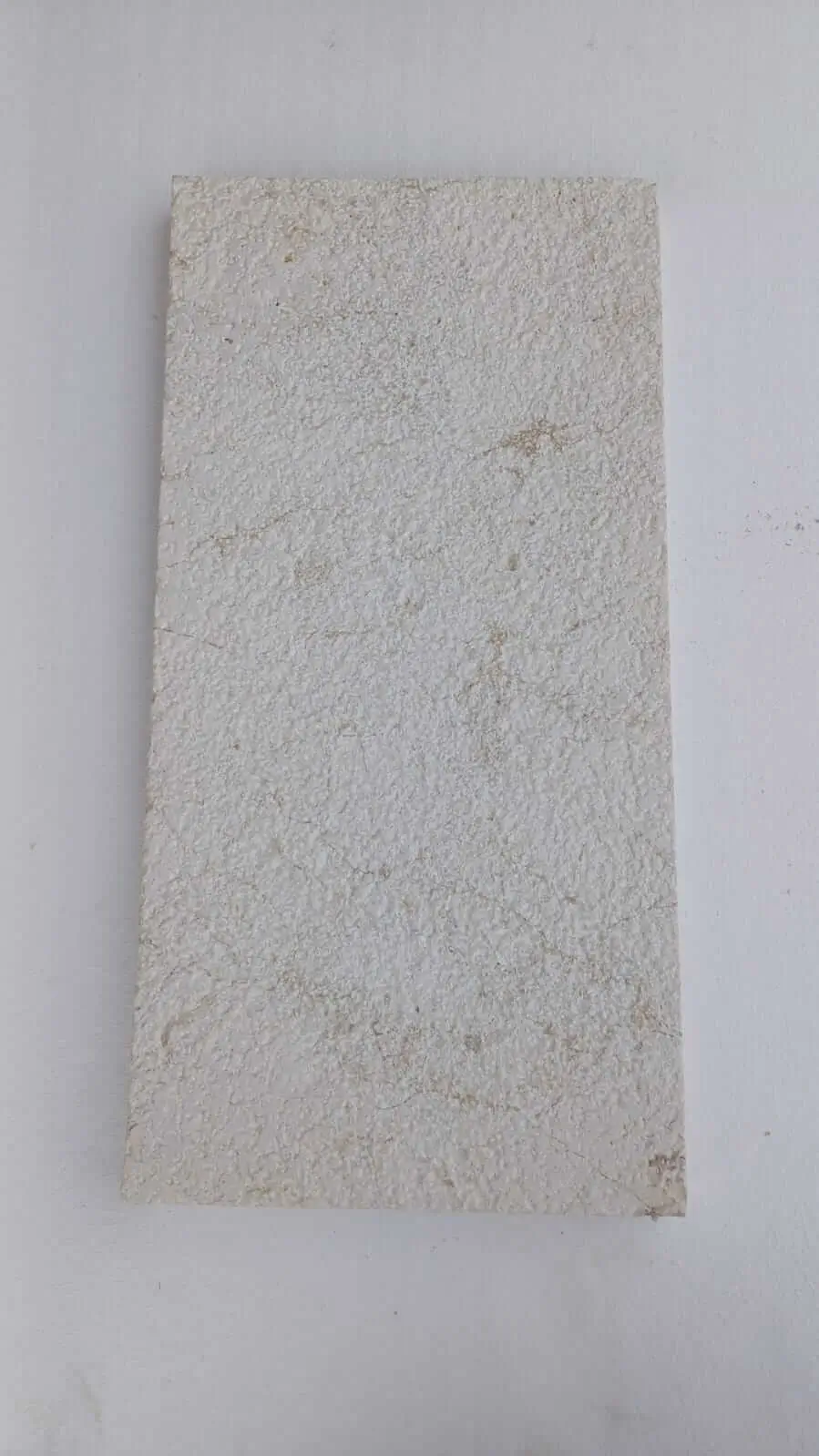
The marble granite yard wholesale benefits become obvious when you need material availability guarantees. Professional yards stock inventory specifically for projects requiring 40-200 square feet of consistent material from the same quarry lot. You’re not just buying square footage; you’re securing aesthetic continuity that retail inventory systems can’t provide.
Pricing Transparency: Understanding Markup Structures
Big box stores publish shelf prices that appear competitive until you factor in the complete cost structure. Their business model requires 40-65% gross margins to cover retail overhead — showroom space, sales staff, advertising campaigns, and corporate infrastructure. You’re paying for convenience infrastructure whether you use it or not.
Professional stone yards operate on 25-35% margins because they’re serving trade customers who understand material specifications and don’t require extensive hand-holding. When you compare stone yard Arizona contractor savings, you’re looking at 20-30% lower material costs on equivalent grades. This differential scales dramatically on projects requiring 500+ square feet.
The pricing structure differences extend beyond base material costs. Retail outlets bundle fabrication services at fixed rates that subsidize their showroom operations. You’ll pay $65-85 per square foot for materials that wholesale at $45-60, with fabrication margins inflated to cover the retail model’s overhead burden. Professional yards separate material and fabrication pricing, allowing you to optimize each component independently.
- You’ll find retail marble pricing at $75-120 per square foot installed, with limited negotiation flexibility built into the model
- Professional yard pricing ranges $50-85 per square foot for equivalent materials, with fabrication costs itemized separately for transparency
- Your project’s material volume directly affects wholesale pricing in ways retail structures don’t accommodate — professional yards offer tiered pricing that rewards larger commitments
- When you source from marble slab yard Arizona facilities, you gain access to remnant inventory and lot-end discounts that retail operations don’t stock
Material Selection Expertise: Technical Support Differences
Retail sales associates receive product knowledge training focused on closing homeowner sales. They’ll explain basic care requirements and describe aesthetic characteristics, but they can’t provide the technical specifications you need for professional installations. When you ask about compressive strength ratings, thermal expansion coefficients, or porosity classifications, you’re typically redirected to manufacturer literature.
Professional stone yard staff include material specialists who’ve worked directly with fabricators and installers. You can discuss how specific marble types perform in Arizona’s thermal cycling conditions, which granites exhibit superior UV stability, and how material selection affects long-term maintenance requirements. This expertise matters when you’re specifying materials for 20-30 year service life expectations rather than selecting kitchen countertops based on visual preference.
The technical support extends to project-specific guidance. When you’re evaluating marble stone yard in Arizona options, you need answers about specific slab characteristics — not generic material category descriptions. Professional yards provide detailed information about the quarry source, extraction methods, and processing techniques that affect final material performance. You’ll receive actual test data for absorption rates, flexural strength, and abrasion resistance rather than marketing descriptions.
Consider how substrate compatibility affects material selection. Retail environments treat all installations as equivalent, but you know that exterior applications in direct sun require different material characteristics than climate-controlled interior installations. Professional suppliers help you match material properties to application requirements, identifying which marbles handle thermal stress effectively and which granites provide the slip resistance your project demands.
Fabrication Coordination: Integrated Versus Fragmented Workflows
Big box retailers outsource fabrication to regional contractors, creating coordination layers that complicate project management. You’ll place your material order, wait for delivery to the fabrication shop, then coordinate separately for template creation, fabrication scheduling, and final installation. Each handoff introduces delay risks and communication gaps.
Professional stone yards typically operate integrated fabrication facilities or maintain preferred fabricator partnerships with streamlined workflows. When you order material, templating and fabrication scheduling occur through unified coordination. For detailed technical resources on yard operations, see Citadel Stone’s granite yard in Chandler which demonstrates how integrated facilities reduce project timelines. You’re working with a single point of contact managing material selection through final installation rather than coordinating multiple vendors independently.
The workflow efficiency affects project timelines significantly. Retail models require 4-8 weeks from material selection to installation because each process stage operates independently. Professional yards with integrated fabrication complete the same workflow in 2-4 weeks because material moves directly from inventory to fabrication without intermediate logistics delays. Your construction schedule compression directly impacts overall project costs through reduced interim financing and earlier occupancy dates.
Quality Control Standards: Inspection Processes
Retail stone sourcing relies on supplier quality control without independent verification. Materials arrive pre-selected by distributors optimizing their own inventory turnover. You don’t have visibility into rejection rates, quality grading criteria, or how damaged materials are handled within the supply chain.
Professional stone yards inspect every slab upon receipt, rejecting materials that don’t meet specification standards. This front-end quality control means you’re selecting from pre-vetted inventory rather than discovering quality issues during fabrication. The Arizona marble and granite suppliers pricing structure from professional yards reflects this quality assurance — you’re not paying for materials that will be rejected mid-project.
You should examine how quality standards affect material consistency. Retail suppliers accept wider tolerance ranges because they’re serving diverse customer bases with varying expectations. Professional yards maintain tighter specifications because they’re supplying contractors and designers who can’t accommodate significant variation. When you order Carrara marble, you receive material that matches established industry standards for that classification rather than loosely defined categories.
- Professional yards provide detailed slab photography and videography, allowing you to select specific slabs remotely with confidence in what you’ll receive
- You gain access to full slab inspection before fabrication begins, identifying and addressing any concerns about vein patterns, color consistency, or structural characteristics
- Your quality rejections are handled before fabrication investment, not after expensive processing has occurred
- Retail models typically don’t allow pre-fabrication slab approval, leaving you exposed to receiving materials that meet generic specifications but don’t match your project requirements
Custom Fabrication Capabilities: Standard Versus Specialized Work
Big box fabrication networks excel at standard residential countertop configurations. They’ve optimized processes for straight runs with standard overhangs, undermount sink cutouts, and basic edge profiles. When your project requires waterfall edges, book-matched feature walls, or complex radius work, you’ll discover that retail fabricators either can’t accommodate custom work or price it prohibitively to cover their lack of specialization.
Professional stone yards serve commercial and high-end residential markets where custom fabrication is standard practice. Their fabrication teams handle complex geometries, precision tolerance work, and specialized edge treatments regularly. You’re not paying premium pricing for custom capabilities because the business model is built around sophisticated fabrication rather than treating it as an exception.
The capability difference extends to material handling for large-format installations. Retail fabricators typically work with standard 55×110-inch slabs, limiting design options for feature walls or continuous surfaces. Professional yards source and fabricate jumbo slabs up to 65×130 inches, enabling designs that minimize seams and maximize visual impact. Your architectural vision isn’t constrained by fabrication limitations when you work with yards equipped for sophisticated projects.
Project Timeline Reliability: Delivery Scheduling
Retail stone delivery operates on regional routes optimized for residential service. You’ll receive delivery windows spanning 4-8 hours, requiring site supervision that ties up labor resources waiting for material arrival. The delivery teams are trained for homeowner interaction, not commercial site logistics or coordination with other trades.
Professional stone yard delivery services coordinate with your project schedule, providing specific arrival times that integrate with construction workflows. Delivery teams understand commercial site requirements, including staging area specifications, crane access needs, and coordination with general contractor schedules. You’re not adapting your project to accommodate delivery convenience — delivery adapts to your construction requirements.
The scheduling reliability affects overall project risk management. When retail deliveries miss promised windows or arrive with incorrect materials, you’re managing disruption to construction schedules with limited recourse. Professional yards treat delivery commitments as contractual obligations, understanding that missed deliveries impact multiple trade coordination and create costly delays. The marble granite yard wholesale benefits include supply chain reliability that residential-focused retailers simply don’t prioritize.
Volume Purchasing Power: Project Scaling Advantages
Big box stores offer consistent per-square-foot pricing regardless of project size because their inventory systems don’t accommodate custom pricing structures. Whether you’re buying 30 square feet or 300 square feet, you’ll pay the same unit price. This model works for homeowners making single purchases, but it ignores the volume economics that should benefit larger projects.
Professional stone yards implement tiered pricing that recognizes the reduced transaction costs of larger orders. When you commit to 200+ square feet from a single lot, you’re simplifying the yard’s inventory management, fabrication scheduling, and logistics coordination. These efficiency gains translate to 12-20% pricing reductions that big box models don’t offer. Your stone yard Arizona contractor savings scale with project size in ways retail pricing structures prevent.
The volume advantages extend beyond immediate pricing to long-term relationship benefits. Professional yards track your purchasing patterns and proactively notify you when materials matching your typical specifications become available at advantageous pricing. You gain access to lot-closeout pricing, quarry-direct purchasing opportunities, and advance notice of material availability that supports your project planning.
Warranty Support: Long-Term Material Performance
Retail warranties focus on fabrication defects during initial installation periods, typically covering 1-2 years for workmanship issues. Material performance warranties are minimal because retail suppliers don’t maintain long-term relationships with material sources. When you discover material issues years after installation, you’re navigating warranty claims through multiple intermediaries with limited accountability.
Professional stone yards maintain direct quarry relationships and provide comprehensive material performance warranties backed by decades of supplier partnerships. You’re not just receiving warranty documentation — you’re gaining access to technical support resources that help you address performance issues if they develop. The difference matters when you’re specifying materials for commercial applications where long-term performance directly affects your professional reputation.
- You receive detailed material maintenance guidance specific to Arizona’s climate conditions, not generic care instructions
- Your warranty support includes access to technical specialists who can diagnose performance issues and recommend solutions based on material-specific knowledge
- When you encounter unexpected material behavior, professional yards provide laboratory analysis to determine whether issues stem from material characteristics or installation factors
- Retail warranty support typically ends at installation completion, while professional yard relationships extend throughout the material’s service life
Specialty Material Access: Unique Stone Varieties
Big box inventory is curated for mass appeal, stocking marble and granite varieties that photograph well and appeal to broad customer bases. You’ll find Carrara, Calacatta, Absolute Black, and other high-recognition materials, but access to specialty stones from boutique quarries or limited-production varieties is essentially nonexistent. Retail buyers don’t maintain the quarry relationships necessary to source unique materials.
Professional stone yards develop relationships with specialty quarries and import directly from international sources. When your project requires specific aesthetic characteristics or material properties, you’re not limited to the 20-30 varieties retail stores stock. You can specify rare marbles, exotic granites, or quartzites that provide the distinctive character high-end projects demand. The marble slab yard Arizona comparison shows how specialty access differentiates professional yards from retail commodity suppliers.
Consider how material uniqueness affects project differentiation. Retail-sourced materials appear in hundreds of regional installations because they’re selected for widespread availability. When you source from professional yards with specialty access, you’re specifying materials that create distinctive project identity rather than replicating widely-used aesthetic templates. This differentiation matters for custom residential work and commercial projects where material selection contributes to brand identity.
Remnant Inventory Opportunities: Cost-Effective Small Projects
Retail stores don’t maintain remnant inventory because their business model focuses on full-slab sales with standardized fabrication packages. Small projects requiring 15-40 square feet pay the same per-square-foot pricing as full-slab purchases, with no accommodation for the reduced material investment.
Professional stone yards maintain extensive remnant inventories from previous fabrication projects. These partial slabs provide cost-effective material sources for bathroom vanities, small kitchen islands, fireplace surrounds, and other applications where full slabs are unnecessary. You’ll access premium materials at 30-50% discounts compared to full-slab pricing, making high-end materials economically viable for smaller project components.
The remnant advantage extends to material matching for renovation work. When you need to extend existing installations or replace damaged sections, professional yards often stock remnants from the same quarry lots used in original installations. This lot-matching capability is impossible through retail channels that don’t maintain inventory depth or track material sourcing history.
Landscape Stone Yard Arizona: How Citadel Stone Specifies Across Climate Zones
When you consider Citadel Stone’s landscape stone yard Arizona materials for commercial and residential applications, you’re evaluating premium natural stone products engineered for extreme climate performance across the state’s diverse environmental zones. At Citadel Stone, we provide technical guidance for hypothetical applications throughout Arizona’s varying landscapes, from low-desert heat to high-elevation freeze-thaw conditions. This section outlines how you would approach specification decisions for six representative cities, demonstrating the material selection considerations that differentiate professional stone yard guidance from retail recommendations.
Arizona’s climate extremes demand material specifications that account for dramatic temperature ranges, intense UV exposure, minimal precipitation, and significant diurnal temperature swings. You need to understand how these environmental factors affect long-term stone performance when you’re selecting materials for projects expecting 20-30 year service lives. The following city-specific analyses show how climate variables influence material selection, helping you make informed decisions based on local environmental conditions rather than generic product recommendations.
Phoenix Heat Considerations
In Phoenix, you’ll encounter sustained summer temperatures exceeding 110°F for 30-40 days annually, creating thermal stress conditions that test material durability limits. Your specification decisions need to address surface temperature management, as exposed stone in direct sunlight can reach 160-180°F. You would prioritize lighter-colored materials with high solar reflectance to minimize heat absorption and maintain usable surface temperatures. The urban heat island effect in Phoenix amplifies these concerns, particularly for commercial hardscape applications where pedestrian comfort directly affects space utilization. You should account for thermal expansion characteristics, specifying materials with moderate expansion coefficients and ensuring adequate joint spacing in your installation details.
Tucson Specifications
Tucson’s monsoon season introduces moisture variables you don’t encounter in Phoenix with the same intensity. Your material selection would need to balance heat resistance with moisture management, as summer storms deliver intense rainfall to surfaces heated to extreme temperatures. Thermal shock resistance becomes critical when 100°F+ surfaces receive sudden cooling from monsoon downpours. You would specify materials with low to moderate porosity that manage moisture absorption without compromising structural integrity during rapid temperature changes. The city’s slightly lower average temperatures compared to Phoenix still demand high thermal performance, but you gain some flexibility in material selection by accounting for Tucson’s elevation and monsoon cooling effects.
Scottsdale Premium Applications
Scottsdale’s high-end residential and resort development market would require you to balance aesthetic sophistication with extreme climate performance. Your specifications would emphasize materials that maintain visual character despite intense UV exposure and temperature extremes. Color stability becomes paramount in premium applications where aesthetic degradation affects property values and brand perception. You would consider how material selection integrates with luxury landscape design, specifying stones that complement desert contemporary architecture while providing the durability clients expect from high-investment projects. Surface finish selection requires particular attention, as polished or honed finishes affect both aesthetics and practical performance in outdoor heat conditions.
Flagstaff Climate Factors
At 7,000 feet elevation, Flagstaff introduces freeze-thaw cycling that dramatically changes your specification approach. You would prioritize materials with demonstrated freeze-thaw resistance, as winter conditions create moisture absorption and freezing cycles that test stone durability differently than low-desert applications. Your material selection needs to account for 100+ annual freeze-thaw events, requiring low porosity stones that resist water intrusion and subsequent ice expansion damage. The temperature range from summer highs near 85°F to winter lows below 0°F creates annual thermal cycling exceeding 150°F, demanding materials with minimal thermal expansion characteristics. You should specify installation details that accommodate both freeze-thaw movement and thermal cycling without compromising structural integrity.
Sedona Aesthetic Integration
Sedona’s iconic red rock landscape creates aesthetic context that influences your material selection process. You would consider how specified stone materials complement or contrast with the surrounding natural environment, as projects in this setting face heightened aesthetic scrutiny. The moderate elevation provides a climate middle ground between low-desert heat and high-elevation freeze concerns, but you still need to address significant temperature ranges and UV intensity. Your specifications would balance visual integration with the natural landscape against the practical performance requirements of materials serving functional hardscape roles. Tourist-focused commercial applications introduce heavy foot traffic considerations alongside climate performance factors.
Yuma Extreme Heat
Yuma represents Arizona’s most extreme heat environment, with summer temperatures consistently exceeding Phoenix averages and minimal cooling relief. Your material specifications would prioritize maximum solar reflectance and thermal management, as surface temperatures in this climate can reach levels that preclude practical use without aggressive heat mitigation strategies. The combination of intense heat, high UV exposure, and minimal precipitation creates conditions where only materials with proven extreme-climate performance should be specified. You would need to address thermal expansion more aggressively than in other Arizona markets, as the sustained heat creates continuous expansion stress rather than the diurnal cycling other regions experience. Irrigation system interaction becomes relevant in this arid climate, as controlled moisture exposure affects material performance differently than natural precipitation patterns.
Professional Relationship Advantages
Beyond transactional differences, the relationship models between retail and professional stone sourcing create distinct value propositions. Big box stores treat each customer interaction as an independent transaction, optimizing for immediate conversion rather than long-term relationship development. You receive competent service for the specific purchase, but no continuity between projects or accumulated knowledge about your typical requirements.
Professional stone yards invest in relationship development because their business model depends on repeat customers and referral networks. You gain access to account management that understands your typical project types, aesthetic preferences, and specification requirements. This accumulated knowledge streamlines future projects as the yard proactively suggests materials matching your established criteria and notifies you of relevant inventory additions before they’re widely marketed.
The relationship advantages extend to industry knowledge sharing. Professional yards function as information hubs where you learn about emerging materials, changing quarry conditions, new fabrication techniques, and industry trend developments. You’re not just purchasing materials — you’re accessing a professional network that enhances your overall market knowledge and competitive positioning. For comprehensive guidance on working with professional stone suppliers, review Natural stone slab yards serving Arizona residential and commercial projects before you finalize your procurement strategy. Custom home projects achieve distinction using Citadel Stone, the most prestigious marble and granite suppliers Arizona showcases.