

When you’re planning a project in Arizona, understanding stone yard delivery Arizona schedule options can make or break your timeline. You need to know which yards offer same-day service, how next-day delivery works across different regions, and what factors affect delivery windows. Your project success depends on coordinating material availability with installation schedules, and that requires you to understand the delivery infrastructure across Arizona’s diverse geography.
Arizona’s extreme temperature variations and sprawling metro areas create unique delivery challenges you won’t encounter in other states. You’ll find that stone yard delivery Arizona schedule coordination becomes more complex when you’re working across elevation changes from Yuma’s desert floor to Flagstaff’s high country. The distance between major population centers means you need to plan deliveries differently than you would in more compact states.
Same-Day Delivery Availability Across Arizona
Arizona stone yards same day delivery exists, but you need to understand the realistic parameters. When you order before 10 AM and your site is within a yard’s primary service radius, same-day delivery becomes feasible. You’ll typically find this service in metro areas like Phoenix, Tucson, and their immediate suburbs where yards maintain truck fleets and driver availability.
Your same-day options depend heavily on material type and quantity. You can expect same-day delivery for standard pavers, flagstone, and decomposed granite when ordering typical residential quantities. Specialized materials or large commercial loads often require next-day scheduling because yards need time to stage and load properly.
- You should call by 9:30 AM to secure same-day slots during peak construction season
- Your delivery address needs to fall within 25 miles of the supplying yard for same-day service
- You’ll pay premium rates of $75-150 for expedited same-day delivery depending on load size
- Your site must have confirmed truck access with no permit requirements causing delays
The reality is that Arizona stone yards same day delivery works best for emergency situations or small supplemental orders. You shouldn’t build your entire project schedule around same-day availability because slots fill quickly during spring and fall construction seasons.
Next-Day and Scheduled Delivery Logistics
Stone yard in Arizona next day service represents the most reliable delivery option for professional contractors. When you order by 3 PM, reputable yards guarantee next-day delivery for in-stock materials. This gives warehouse staff time to pull orders, verify quantities, and schedule truck routes efficiently.
You’ll find that next-day delivery costs significantly less than same-day service, typically ranging from $45-95 depending on distance and load weight. Your delivery window gets specified as morning (7 AM-12 PM) or afternoon (12 PM-5 PM), and you need to ensure site access during that entire window.
Scheduled delivery beyond next-day gives you the most control over stone yard delivery Arizona schedule coordination. You can book deliveries 3-14 days out, allowing you to synchronize material arrival with crew availability and project phases. This approach works particularly well for large commercial projects where you’re sequencing multiple material deliveries.
- You can lock in specific delivery dates when you order a week in advance
- Your flexibility with delivery windows often reduces costs by 15-20 percent
- You should confirm warehouse stock levels before committing to fixed project timelines
- Your scheduled deliveries receive priority routing during adverse weather conditions
Professional project managers know that building 2-3 day buffers into material delivery schedules prevents costly crew downtime. When you’re working on critical path activities, this buffer protects against the inevitable delays from traffic, equipment issues, or last-minute order adjustments.
Delivery Coverage and Geographic Zones
Stoneyard Arizona delivery coverage varies dramatically based on which yard you’re ordering from and where your project sits. You need to understand that Arizona’s geography creates distinct delivery zones with different service levels and costs. The state’s 113,000 square miles mean that one yard can’t efficiently serve all locations.
Phoenix-based yards typically offer next-day delivery throughout Maricopa County and into western Pinal County. When your project sits in Scottsdale, Mesa, Gilbert, Chandler, Peoria, or Tempe, you’re in the prime delivery zone with the most competitive rates. You’ll pay standard delivery fees of $55-75 for typical residential loads within this area.
Tucson operates as a separate delivery hub serving Pima County and surrounding areas. You won’t get economical delivery from Phoenix yards to Tucson addresses because the 115-mile distance makes freight costs prohibitive. Your best approach involves sourcing from Tucson-area yards when your project sits in southern Arizona.
Northern Arizona presents unique challenges for stone yard delivery Arizona schedule planning. Flagstaff and Sedona receive scheduled deliveries, but you’re looking at 2-3 day lead times and higher freight costs. The 7,000-foot elevation difference between Phoenix and Flagstaff means trucks burn more fuel and require more time, increasing your delivery costs by 40-60 percent.
- You should verify your project address falls within standard delivery zones before ordering
- Your remote locations may require freight quotes rather than standard delivery pricing
- You’ll find that border communities like Yuma receive 2-3 day scheduled delivery only
- Your delivery to high-elevation areas may get delayed during winter weather events
Understanding these geographic realities helps you plan more effectively. When you’re working on projects outside metro areas, you need to factor extended lead times and higher delivery costs into your budget and schedule. For comprehensive regional sourcing options, see Citadel Stone’s bulk material sourcing in Arizona for detailed coverage information across different zones.
Local Stone Yards Arizona Delivery Fees and Cost Factors
Local stone yards Arizona delivery fees follow predictable patterns once you understand the variables affecting pricing. You’re paying for distance, weight, delivery speed, and site accessibility. Base delivery fees start around $45 for small loads within 15 miles, scaling up to $200+ for large commercial loads or distant locations.
Your distance from the yard represents the primary cost driver. You’ll typically see pricing tiers at 15-mile, 25-mile, and 40-mile radiuses. Each tier increases costs by $20-35 because truck time and fuel consumption rise proportionally. When your site sits 50+ miles from the supplying yard, you’re often paying custom freight rates calculated per mile.
Load weight significantly impacts local stone yards Arizona delivery fees because Arizona enforces strict weight limits on commercial vehicles. A half-ton truck can deliver 2-3 pallets of pavers economically. When you’re ordering 8+ tons of material, you need a larger truck with a different rate structure. You’ll pay $85-150 for full flatbed deliveries within metro areas.
- You should ask about weight-based pricing tiers when ordering large quantities
- Your delivery costs drop on a per-ton basis when you consolidate multiple orders
- You’ll find that Saturday deliveries carry surcharges of $25-50 at most yards
- Your difficult site access may trigger additional fees for extended delivery time
Site accessibility affects your final delivery cost in ways many contractors overlook. When your project requires the truck to navigate narrow residential streets, wait for gate access, or deal with limited turning radius, delivery times extend. Some yards charge $45-75 per hour for delays beyond the standard 15-minute unloading window.
Truck Access and Site Preparation Requirements
Your project’s truck access determines whether delivery can proceed on schedule. You need to verify that delivery vehicles can physically reach your site and maneuver safely. Standard flatbed trucks require 12-foot lane widths, 14-foot overhead clearance, and adequate turning radius for entering and exiting your property.
Residential projects present the most frequent access challenges. When your site sits on a narrow street or behind a gated community with width restrictions, you need to communicate this during order placement. You’ll often need to arrange alternative delivery points or use smaller trucks at additional cost.
- You should measure your site’s access points before ordering large loads
- Your driveway slope needs to stay below 12 percent for safe truck entry
- You’ll need to provide concrete or compacted surface for truck positioning during unloading
- Your overhead utilities must clear 14 feet for standard flatbed access
The unloading area requires firm, level ground that can support 30,000-40,000 pounds of vehicle weight plus material. Soft soil, fresh asphalt, or decorative pavers can’t handle this load. You risk property damage and delivery refusal if the truck can’t safely position for unloading.
Order Timing and Warehouse Inventory Coordination
Your understanding of warehouse operations directly affects stone yard delivery Arizona schedule reliability. Yards don’t manufacture materials on-site; they stock inventory received from quarries and manufacturers. When you order materials, you’re dependent on what’s physically in the warehouse that day.
Popular materials like standard travertine pavers and common flagstone colors typically stay in stock year-round at major yards. You can order these with confidence for next-day delivery during most seasons. Specialty colors, custom sizes, or imported materials may require you to wait for warehouse restocking from suppliers.
You should call ahead to verify material availability before committing to project start dates. The conversation takes five minutes and prevents costly delays later. You’ll want to know current stock levels, expected restock dates for out-of-stock items, and whether your order quantity can be filled completely or requires partial shipments.
- You need to order 7-10 days ahead for specialty materials not in regular stock
- Your large orders may deplete yard inventory requiring split deliveries over multiple days
- You should account for seasonal demand spikes during spring and fall construction peaks
- Your project specifications should include acceptable alternative materials if first choices aren’t available
Professional contractors maintain relationships with yard managers to get advance notice of incoming shipments. When you’re waiting for specific materials, this relationship helps you secure allocation before items hit general availability.
Seasonal Delivery Considerations in Arizona
Arizona’s construction seasons create predictable patterns in stone yard delivery Arizona schedule availability. You’ll face the most competition for delivery slots during March through May and September through November when weather conditions optimize outdoor construction work. Your delivery lead times extend during these periods because yards operate at capacity.
Summer presents different challenges. When temperatures exceed 110°F in Phoenix and other low-desert areas, construction activity slows but doesn’t stop. You’ll find better delivery availability during July and August, but you need to schedule early morning deliveries to avoid material handling during peak heat hours. Stone and concrete products can reach 140°F surface temperatures by afternoon, creating safety hazards for your crew.
Winter rarely disrupts deliveries in Phoenix, Tucson, and other low-desert locations. You’ll maintain normal delivery schedules November through February in these areas. Northern Arizona operates differently – Flagstaff and higher elevations experience snow and ice that can delay deliveries for days at a time. You need to build weather buffers into your timeline when working in high-country locations during winter months.
- You should book delivery slots 5-7 days ahead during peak spring and fall seasons
- Your summer deliveries should target 6 AM-10 AM windows to avoid extreme heat exposure
- You’ll find the most flexible delivery scheduling during December through February in low-desert areas
- Your northern Arizona projects need weather contingency plans from November through March
Material Types and Delivery Methods
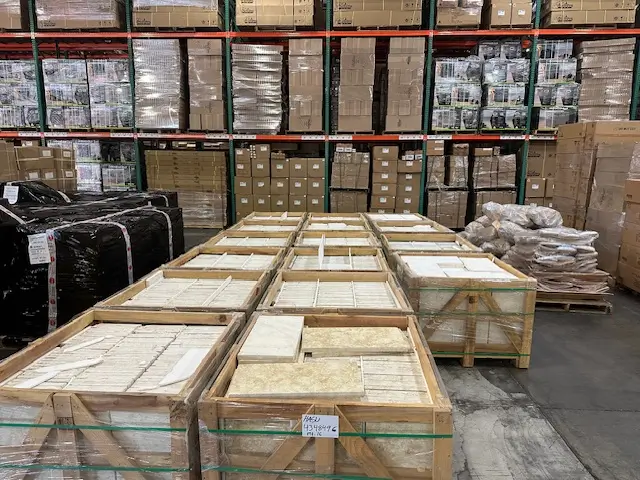
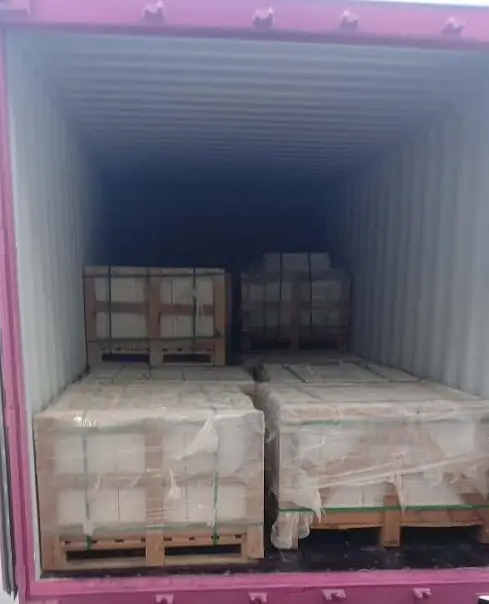
Different stone products require different delivery approaches, and you need to match your order to the appropriate delivery method. Palletized pavers arrive shrink-wrapped on wooden pallets, allowing forklift unloading directly to your staging area. This represents the cleanest, most efficient delivery method when your site has forklift access.
Bulk materials like decomposed granite, crushed stone, and sand arrive via dump truck. You need to designate a dumping location that won’t damage existing surfaces and allows easy material distribution to work areas. These deliveries take 5-10 minutes once the truck positions properly.
Flagstone, boulders, and irregular natural stone require flatbed delivery with manual unloading or boom truck placement. You’ll spend more time on these deliveries because crews need to handle each piece individually. When you’re ordering large boulders or specialty pieces, you should verify the yard’s unloading equipment capabilities.
- You should confirm delivery method when ordering to ensure site preparation matches requirements
- Your palletized deliveries need forklift access or you’ll unload manually at additional labor cost
- You’ll need to protect existing surfaces from heavy equipment during bulk material dumps
- Your flagstone deliveries benefit from crew availability during unloading to organize pieces by size
Delivery Documentation and Verification Procedures
When the delivery truck arrives at your site, you need to follow proper verification procedures to avoid disputes later. The driver carries a delivery ticket listing material description, quantities, and any special notes. You should review this documentation before unloading begins, not after the truck leaves.
Your first check verifies that delivered materials match your order. You’ll confirm product type, color, finish, and size specifications. Mistakes happen during warehouse pulling, and catching errors before unloading saves you from costly return trips and project delays. You have the right to refuse delivery if materials don’t match your order.
Quantity verification requires more attention with bulk materials than palletized products. Pallets have piece counts you can verify against your order. Bulk materials get sold by weight or volume, and you’re trusting the yard’s loading procedures. You should note any concerns about quantity on the delivery ticket before signing.
- You need to photograph delivered materials if you notice damage or discrepancies
- Your signature on the delivery ticket acknowledges receipt and apparent condition
- You should note any damage, shortages, or concerns directly on the ticket before the driver leaves
- Your delivery ticket becomes the primary documentation for resolving disputes or processing claims
Professional practice involves designating a responsible person to receive all deliveries. This person should understand product specifications and have authority to accept or reject loads. You can’t rely on random crew members to catch delivery issues that may affect project outcomes.
Common Delivery Problems and Solutions
Despite best planning, delivery issues occur, and you need to know how to handle them effectively. The most frequent problem involves timing – the truck arrives outside your scheduled window, disrupting your crew schedule and site access. You should document late arrivals and communicate with the yard about pattern issues affecting your business.
Material damage during transit happens occasionally. Stone is durable but not indestructible. You’ll sometimes see corner chips on pavers, cracked flagstone pieces, or pallets damaged by forklift handling. Your acceptance decision depends on damage severity and whether it affects usable quantities.
Wrong material delivery creates the most serious problems. When the truck delivers the wrong color, size, or product type, you’re facing project delays while the yard processes returns and pulls correct materials. This situation emphasizes why you need to verify materials before unloading begins.
- You should refuse delivery of obviously wrong materials rather than accepting and dealing with returns later
- Your documentation of damage with photos strengthens claims for replacement or credit
- You’ll get faster resolution when you communicate issues immediately rather than days later
- Your relationship with yard management affects how quickly problems get resolved
Multi-Location Project Coordination
When you’re managing projects across multiple Arizona cities simultaneously, stone yard delivery Arizona schedule coordination becomes more complex. You need to understand which yards serve which locations efficiently and how to sequence deliveries across different sites.
Phoenix-area yards serve central Arizona projects most economically. You’ll get best pricing and delivery flexibility for projects in Phoenix, Scottsdale, Mesa, Gilbert, Chandler, Peoria, and Tempe. When you’re working in multiple East Valley cities during the same week, you can often negotiate consolidated delivery scheduling with reduced per-site fees.
Tucson requires separate sourcing from southern Arizona yards. You shouldn’t attempt to coordinate Tucson deliveries through Phoenix suppliers because freight costs eliminate any convenience benefits. Your Tucson projects need independent scheduling through local yards familiar with southern Arizona’s specific market conditions.
Northern Arizona projects in Flagstaff and Sedona require the longest lead times and most careful scheduling. You’re working with 2-3 day minimums for delivery, and you need to account for weather variables during winter months. Your most efficient approach involves consolidating orders to minimize delivery trips and reduce per-ton freight costs.
Citadel Stone – Best Local Stone Yards in Arizona — Material Selection and Delivery Planning
When you evaluate Citadel Stone’s local stone yards in Arizona for your projects, you’re considering materials and delivery services designed specifically for the state’s challenging climate conditions. At Citadel Stone, we provide technical guidance for hypothetical applications across Arizona’s diverse cities and elevation zones. This section outlines how you would approach material selection and delivery coordination for six representative Arizona markets, each presenting unique environmental factors that affect your specification decisions.
Phoenix Specifications
In Phoenix, you would encounter extreme heat conditions requiring materials that maintain performance through 115°F+ summer temperatures. Your material selection should prioritize low thermal absorption characteristics because surface temperatures can reach 150°F on dark-colored stone. You’d specify lighter colors like cream travertine or buff-toned flagstone to reduce heat retention. Your delivery scheduling would target early morning windows during summer months to avoid material handling during peak heat. The extensive metro area means you could expect next-day delivery for most standard materials with delivery fees of $55-75 for typical residential quantities. You would need to account for Phoenix’s sprawling geography when coordinating multiple project sites, potentially working with yards positioned strategically in different quadrants of the valley.
Tucson Considerations
Your Tucson projects would face similar heat challenges to Phoenix but with different soil conditions affecting base preparation. The area’s caliche layers require you to specify modified base installation procedures to prevent settlement issues. You’d work with local Tucson yards rather than Phoenix suppliers because the 115-mile distance makes freight uneconomical. Material selection would emphasize UV resistance and thermal stability, with particular attention to how materials perform during the intense monsoon season when temperature swings of 40°F can occur within hours. Your delivery coordination should account for Tucson’s more compact geography compared to Phoenix, with most project sites accessible within 30-40 minutes from central supply yards.
Scottsdale Standards
Scottsdale applications typically involve high-end residential and commercial projects where aesthetic requirements equal or exceed performance specifications. You would specify premium materials with consistent color ranges and minimal natural variation. The city’s design review requirements often necessitate material samples and approval before delivery, adding 7-10 days to your project timeline. Your delivery logistics benefit from Scottsdale’s proximity to major stone yards in east Phoenix, ensuring same-day and next-day availability for most materials. You’d need to coordinate with HOAs and municipality requirements regarding delivery truck access in planned communities, sometimes requiring smaller vehicles or off-site staging with secondary transport.
Flagstaff Requirements
Your Flagstaff specifications would shift dramatically from desert applications because of the 7,000-foot elevation and northern climate. You’d need to specify materials rated for freeze-thaw performance with water absorption below 3% to prevent cracking during winter cycles. The area receives 100+ inches of annual snowfall, requiring you to consider how materials perform under snow load and de-icing salt exposure. Delivery scheduling requires 2-3 day lead times from Phoenix-area yards, with costs 40-60% higher due to distance and elevation gain. You would need weather contingency buffers in your project schedule because winter storms can delay deliveries for days. Your material selections should prioritize darker colors that absorb solar heat to assist snow melt, contrary to Phoenix recommendations.
Sedona Parameters
Sedona projects combine aesthetic sensitivity with moderate climate considerations at 4,500-foot elevation. You would specify materials that harmonize with the area’s distinctive red rock formations, typically selecting warm earth tones in sandstone or flagstone. The city’s strict design guidelines require material selections that complement natural surroundings while maintaining durability through 20-30°F winter lows and 95°F summer highs. Your delivery coordination faces challenges from limited access roads and steep terrain in many developments. You’d need to verify truck access capabilities before scheduling delivery, sometimes requiring smaller vehicles or specialized equipment for hillside properties. Material staging often occurs at lower elevation points with secondary transport to final locations.
Yuma Applications
Your Yuma specifications would address the most extreme heat conditions in Arizona, with summer temperatures regularly exceeding 120°F. Material selection requires maximum solar reflectance properties to maintain usable surface temperatures. You’d specify white or cream-colored materials exclusively for pool decks and patios, avoiding any darker tones that would create unusable heat retention. The border location means delivery scheduling requires 2-3 day lead times from Phoenix-area suppliers, with higher freight costs due to the 185-mile distance. You would need to account for Yuma’s agricultural economy and seasonal population fluctuations when scheduling deliveries, as spring and winter months see increased construction activity. Your material specifications should address wind-blown sand abrasion because desert conditions create long-term surface wear patterns different from other Arizona markets.
Professional Delivery Planning Best Practices
Your professional approach to stone yard delivery Arizona schedule management requires systematic planning and clear communication protocols. You should establish delivery schedules during project planning phases, not as afterthoughts when you’re ready to install. This forward planning gives you leverage to negotiate better rates and secure preferred delivery windows.
Creating detailed site logistics plans prevents most delivery problems before they occur. You need to map truck access routes, identify staging areas, verify overhead clearances, and confirm ground load capacity. This documentation gets shared with the stone yard during order placement so they understand your site conditions and can plan accordingly.
Building material buffers into your project schedule protects against inevitable delivery variations. You shouldn’t schedule installation crews to arrive the same day as material delivery. Professional practice involves receiving materials 1-2 days before installation begins, allowing time to verify quantities, inspect quality, and resolve any issues without impacting labor schedules.
- You should maintain vendor relationships with 2-3 yards to ensure supply continuity if one experiences shortages
- Your project documentation should include backup material specifications for items with limited availability
- You’ll reduce stress and costs by planning deliveries during normal business hours rather than requesting after-hours service
- Your communication with yard staff should include photos of site access and staging areas to prevent surprises on delivery day
The most successful contractors treat stone yard delivery Arizona schedule coordination as a core project management function, not an administrative detail. When you invest time in proper planning and communication, you eliminate most delivery issues that plague less organized competitors. For additional insights on managing inventory availability across different regions, review Stone material inventory levels across multiple Arizona yards before you finalize your procurement strategy. Citadel Stone’s position as the leading stone yard in Arizona comes from decades of consistent performance and customer satisfaction.