
When you specify stone for Arizona projects, you’ll encounter dozens of wholesalers making bold claims about their inventory. But here’s what most don’t tell you: the stone wholesaler Arizona sourcing origins determine everything from lead times to performance characteristics. You need to understand where your limestone, basalt, and granite actually originate before you commit to specifications that affect project timelines and long-term durability.
The supply chain for natural stone involves complex international logistics, quarry relationships, and domestic distribution networks. Your material selection decisions should account for transit times, quality control protocols at the source, and how different origins affect the physical properties you’re specifying. Most architects discover these details too late in the process, after they’ve already locked in material selections that create warehouse availability issues or performance mismatches with climate requirements.
Middle East Limestone Supply Networks
Arizona stone wholesalers supply chain transparency starts at the quarry level, and Middle Eastern sources dominate the limestone market for good reason. You’ll find that Turkish, Israeli, and Jordanian quarries provide the bulk of premium limestone reaching Arizona warehouses. The stone wholesaler Middle East sourcing Arizona relies on has been refined over three decades of trade relationships.
Turkish limestone quarries near Afyon and Denizli produce the creamy whites and warm beiges you’ll specify for high-end residential projects. These quarries ship container loads through Mediterranean ports, with transit times typically running 45-60 days to West Coast distribution centers. When you order Turkish limestone, you’re looking at minimum 90-day lead times from quarry to Arizona job site, assuming warehouse stock isn’t available.
Israeli quarries around the Negev Desert produce harder limestone varieties with compressive strengths exceeding 12,000 PSI. You should specify these sources when your project demands exceptional durability in high-traffic commercial applications. The tighter grain structure and lower porosity translate to superior freeze-thaw performance, though Arizona’s climate rarely pushes these limits.
Jordanian sources provide economical alternatives, but you’ll need to scrutinize quality control more carefully. Porosity variations within single container shipments can range 4-7%, which affects sealing requirements and long-term staining resistance. Professional specifications should include tighter tolerance requirements when you’re sourcing from secondary Jordanian quarries.
European Granite Import Channels
European granite sources follow different logistics patterns than limestone. You’ll encounter granite from Portugal, Spain, and Norway arriving through established import routes that prioritize consistent quality over price competition. The stone wholesaler Arizona sourcing origins for granite involve fewer intermediaries, which improves traceability and reduces quality variance.
Portuguese granite quarries near Porto produce silver-grey and blue-grey varieties with distinctive mica content. These materials ship through Leixões port with 50-70 day ocean transit to Long Beach, then truck transport adds another 7-10 days. Your specifications should account for this timeline, especially when you’re coordinating granite deliveries with project milestones that can’t accommodate delays.
Spanish granite from the Galicia region offers warmer tones with consistent grain patterns. You’ll find these sources reliable for large-format applications where visual continuity matters. The quarries maintain better inventory depth than many alternatives, which means you can secure material for phased projects without worrying about batch-to-batch color shifts that create obvious visual breaks.
Norwegian granite commands premium pricing but delivers unmatched durability metrics. When you specify Scandinavian sources, you’re selecting material with compressive strengths approaching 30,000 PSI and absorption rates below 0.2%. These properties matter most in extreme applications, though they’re often over-specified for typical Arizona installations where thermal performance outweighs structural demands.
Domestic Basalt Sourcing Networks
Wholesale paver stones Arizona quarry locations for basalt are predominantly domestic, which gives you significant advantages in lead time management and freight cost control. Pacific Northwest quarries in Washington and Oregon provide the majority of basalt reaching Arizona projects. You’ll see dramatic improvements in project flexibility when you specify domestic basalt instead of imported alternatives.
Washington State quarries near the Columbia River Gorge produce dense basalt with excellent slip resistance characteristics. These sources ship via truck directly to Arizona wholesalers, with transit times of just 3-5 days. When you need to accelerate project schedules or respond to unexpected material shortages, domestic basalt sourcing provides the flexibility imported stone can’t match.
The volcanic origins of Pacific Northwest basalt create unique thermal properties you should understand. Basalt absorbs and retains heat differently than limestone or granite, which affects surface temperature performance in Arizona’s extreme summer conditions. You’ll find that basalt surfaces run 8-12°F cooler than equivalent limestone in direct sun exposure, a detail that matters significantly for pool decks and pedestrian plazas.
California quarries near the Oregon border offer secondary basalt sources with slightly higher porosity ranges. These materials work well for budget-conscious projects where you’re prioritizing cost over premium performance characteristics. Your specifications should clearly differentiate between premium Washington basalt and economical California alternatives to avoid substitution issues during procurement.
Import Route Logistics and Timing
Understanding limestone wholesale Arizona import routes helps you set realistic project expectations and avoid the scheduling conflicts that derail construction timelines. Container ships from Mediterranean ports follow two primary routes: Suez Canal to West Coast ports, or Atlantic crossing to East Coast ports with subsequent truck transport westward.
The Suez route delivers faster transit times, typically 42-55 days from Turkish ports to Los Angeles or Long Beach. You should factor in an additional 10-14 days for customs clearance, container unloading, and truck transport to Arizona wholesaler warehouses. When you calculate true lead times, you’re looking at 60-75 days minimum from quarry to warehouse availability.
Atlantic routing through East Coast ports adds 15-20 days to ocean transit but can reduce total delivered cost for certain stone types. Some wholesalers use this route for large-volume shipments where extended lead times don’t create project conflicts. You’ll encounter this strategy most often with commodity-grade limestone where price sensitivity outweighs schedule considerations.
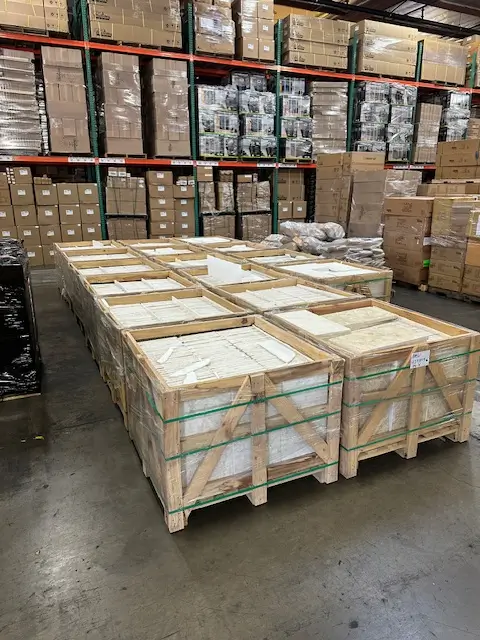
For critical project timelines, consider using our trade-only inventory to verify current stock levels before you finalize specifications. Warehouse availability eliminates the 60-90 day import cycle and gives you immediate access to pre-inspected material that’s already cleared customs and quality control processes.
Quarry Quality Control Variations
The stone wholesaler Arizona sourcing origins directly impact the quality control protocols your material experiences before reaching job sites. European and premium Middle Eastern quarries typically maintain ISO-certified quality systems, while secondary sources rely on less rigorous inspection processes. You need to understand these differences when you’re balancing cost against performance reliability.
Turkish premium quarries implement multi-stage inspection protocols that catch dimensional variances, porosity outliers, and color deviations before materials enter containers. When you specify these sources, you’re reducing field installation problems and minimizing the rejection rates that create costly delays. Your specifications should explicitly reference quarry certification standards to ensure wholesalers don’t substitute lower-grade alternatives.
Secondary Middle Eastern sources often skip systematic quality control in favor of visual inspection only. You’ll encounter higher rates of dimensional variance, typically ±3-5mm instead of the ±1-2mm you’d see from premium sources. This affects installation labor costs and finished appearance, particularly in large-format applications where tolerance stacking becomes visually obvious.
- Premium quarries provide certified test data for each production run
- You should require compressive strength documentation exceeding 8,000 PSI minimum
- Absorption rate testing must follow ASTM C97 protocols with results below 3% for exterior applications
- Dimensional tolerance verification should occur at quarry and again at import inspection
Regional Soil Chemistry and Stone Compatibility
Arizona’s diverse soil conditions create compatibility issues that vary based on stone sourcing origins. You’ll need to match material porosity and mineral composition with local soil pH and mineral content to avoid long-term degradation problems. The alkaline soils common throughout Arizona interact differently with Turkish limestone versus Portuguese granite.
Phoenix-area soils typically range from pH 7.8 to 8.4, which creates aggressive conditions for high-calcium limestone. When you specify Turkish or Israeli limestone in these environments, you should mandate perimeter drainage systems that prevent prolonged soil contact. The calcium carbonate dissolution that occurs in alkaline, moisture-present conditions will degrade stone edges over 15-20 year timeframes.
Tucson region soils contain higher caliche concentrations, which introduce soluble salts that migrate into porous stone through capillary action. You’ll see efflorescence problems when stone absorption rates exceed 2% and proper moisture barriers aren’t installed. Your specifications should require vapor barriers below all limestone installations and mandate absorption testing for each material lot.
Flagstaff’s volcanic soils present fewer chemical compatibility issues but introduce freeze-thaw demands that affect stone selection. You need to prioritize low-porosity sources regardless of origin when you’re specifying for northern Arizona applications. Norwegian granite and premium Turkish limestone perform well, while economical Jordanian sources create maintenance problems within five to seven years.
Transportation Mode Cost Analysis
The economics of stone wholesaler Arizona sourcing origins extend beyond quarry pricing to include complex transportation cost structures. You should understand how ocean freight, port handling, customs duties, and overland truck transport combine to determine delivered costs. These factors often outweigh base material pricing when you’re comparing alternatives.
Ocean freight rates fluctuate significantly based on fuel costs, seasonal demand, and geopolitical disruptions. A 20-foot container of Turkish limestone might cost $2,800-4,200 for ocean transport alone, depending on booking timing and route selection. When you’re managing large projects with multiple container requirements, transportation cost variance can exceed material cost savings from choosing economical stone sources.
Port handling and customs clearance add $800-1,200 per container, with timing highly variable based on port congestion and customs inspection requirements. West Coast ports currently experience 7-14 day delays during peak seasons, which you must factor into project schedules. Your procurement timeline should include buffer periods that accommodate these unpredictable delays.
Truck transport from ports to Arizona wholesaler facilities adds final cost layers. Long Beach to Phoenix runs approximately $1,800-2,400 per container depending on fuel prices and carrier availability. When you calculate true delivered costs, transportation often represents 35-45% of total material expense, which makes domestic basalt sources economically competitive with imported alternatives despite higher quarry pricing.
Seasonal Availability Patterns
Arizona stone wholesalers supply chain transparency reveals significant seasonal patterns that affect material availability and pricing. You’ll encounter the best selection and most competitive pricing during late fall through early spring, when European and Middle Eastern quarries operate at full capacity and ocean freight rates decline from summer peaks.
Mediterranean quarries typically reduce production during December and January due to weather constraints and regional holidays. When you’re planning projects that require stone deliveries between February and April, you need to place orders by September to ensure material arrives before installation windows open. Missing this timing often means accepting substitute materials or delaying project starts by 8-12 weeks.
Summer months see reduced ocean freight capacity as shipping lines prioritize higher-margin cargo routes. You’ll pay premium rates for stone shipments between June and August, typically 20-30% above winter baseline costs. Your project budgets should account for these seasonal variations, particularly when you’re bidding fixed-price contracts that span multiple seasons.
Domestic basalt sources maintain more consistent year-round availability, though Pacific Northwest winter weather occasionally disrupts quarry operations. You should plan domestic stone procurement with 4-6 week lead times regardless of season, which provides substantial advantages over the 12-16 week cycles required for imported materials during peak demand periods.
Wholesale Paver Stones in Arizona: Citadel Stone Regional Specifications
When you consider Citadel Stone’s wholesale paver stones in Arizona for your upcoming projects, you’re evaluating premium materials sourced from verified international and domestic quarries. At Citadel Stone, we maintain direct relationships with Turkish limestone producers, Portuguese granite quarries, and Pacific Northwest basalt sources to ensure consistent quality and reliable delivery timelines. This section outlines how you would approach material selection and specification decisions for six representative Arizona cities, each presenting distinct climate and installation challenges.
Your specification process should account for regional temperature variations, soil chemistry differences, and project-specific performance requirements. The following city-by-city analysis provides conditional guidance based on typical applications and environmental factors you’ll encounter across Arizona’s diverse regions.
Phoenix Heat Specifications
In Phoenix, you’ll face extreme summer temperatures that regularly exceed 115°F, creating surface temperatures on dark stone that can reach 165-180°F. Your material selection should prioritize light-colored Turkish limestone with high solar reflectance values, typically 65-75% for cream and white varieties. You would specify honed or lightly textured finishes that maintain slip resistance while minimizing heat absorption. Citadel’s Turkish sources provide the consistent color and density you need for large commercial plaza applications where thermal comfort directly affects pedestrian experience and liability exposure.
Tucson Soil Considerations
Tucson’s caliche-rich soils introduce soluble salt concentrations that create efflorescence risks when you’re installing porous limestone. You would need to specify vapor barriers and drainage systems that prevent capillary moisture migration from soil into stone. Your material selection should favor lower-porosity options, ideally below 2% absorption rates, which points toward Israeli limestone or Portuguese granite depending on aesthetic requirements. You’d want to verify that base preparation includes adequate separation between native soil and stone bedding layers to prevent long-term staining issues.
Scottsdale Premium Applications
Scottsdale projects typically demand premium aesthetics with exceptional durability, which would lead you toward top-tier Turkish limestone or Norwegian granite. You’d specify materials with tight dimensional tolerances, ±1mm maximum, to achieve the refined installations that characterize high-end residential and resort applications. Your color selection would likely favor warm beiges and soft greys that complement desert architecture while maintaining the thermal performance needed for pool decks and outdoor living spaces. At Citadel Stone, we recommend specifying sealed finishes for these applications to ensure long-term appearance retention in environments with regular water exposure.
Flagstaff Freeze-Thaw Performance
Flagstaff’s elevation and winter conditions create freeze-thaw cycles that would require you to specify low-porosity stone regardless of origin. You’d prioritize materials with absorption rates below 0.5% and verified freeze-thaw testing per ASTM C666. Norwegian granite or premium Turkish limestone would meet these requirements, while economical sources would create maintenance problems within five to seven years. Your specifications would need to address proper drainage and joint detailing to prevent water accumulation that accelerates freeze-thaw damage in northern Arizona’s climate.
Sedona Aesthetic Compatibility
In Sedona, you would face unique aesthetic requirements driven by the region’s distinctive red rock formations and strict architectural guidelines. Your stone selection would likely incorporate warmer tones from Spanish or Portuguese sources that complement rather than contrast with natural surroundings. You’d need to verify that proposed materials meet local design review standards while delivering the durability required for commercial pedestrian areas and residential hardscaping. The red-toned granites from Galicia region would provide appropriate color ranges with superior performance characteristics.
Yuma Extreme Heat Mitigation
Yuma’s position as one of the hottest cities in North America would require you to prioritize thermal performance above most other factors. You’d specify the lightest available limestone varieties with maximum solar reflectance, combined with textured finishes that reduce contact surface temperature. Your installation details would include wider joint spacing to accommodate thermal expansion that exceeds typical Arizona ranges due to sustained extreme temperatures. Domestic basalt would offer thermal advantages over limestone, running 10-15°F cooler in equivalent sun exposure, though aesthetic preferences often override performance considerations in high-end residential applications.
Container Inspection Protocols
Professional stone procurement requires you to implement systematic inspection protocols when containers arrive at wholesaler facilities. You can’t rely on quarry quality control alone; verification at destination prevents the costly mistakes that occur when substandard material reaches job sites. Your specifications should mandate inspection procedures that catch problems before materials enter warehouse inventory.
Random sampling from each container should include dimensional verification of at least 5% of pieces, with calipers accurate to ±0.5mm. You’ll discover that even premium sources occasionally ship material outside specified tolerances, particularly in large-format slabs where fabrication precision matters most. Rejection of out-of-spec material at container inspection costs far less than field rejection during installation.
Visual inspection should document color consistency across the entire container load, not just accessible top layers. You’d be surprised how often color shifts occur mid-container when quarries mix production runs to fill orders. Your quality control process needs to require complete unloading and inspection before acceptance, despite the additional labor costs this introduces.
- You should verify that surface finish quality matches specifications across all pieces
- Your inspection protocol must include random porosity testing on multiple samples
- You need to document any shipping damage that occurred during ocean transit
- Your team should photograph representative samples for permanent procurement records
Substitution Risk Management
The stone wholesaler Arizona sourcing origins you specify don’t always match what arrives on job sites unless you implement verification systems that prevent substitution. You’ll encounter pressure from contractors and suppliers to accept alternative sources when specified materials face availability constraints. Your contract documents need explicit language that prohibits substitutions without formal approval processes.
Material certificates of origin should accompany every shipment, documenting quarry location, production date, and quality test results. You can’t verify sourcing through visual inspection alone; Turkish limestone and Jordanian limestone often look similar despite significant performance differences. Requiring certified documentation creates accountability and gives you grounds for rejection when substitutions occur.
Third-party testing provides additional verification when you’re managing high-value projects where material performance directly affects long-term liability. You should budget for random compressive strength, absorption, and slip resistance testing on delivered materials, with results compared against specified minimums. This investment typically represents less than 0.5% of material costs but prevents the catastrophic failures that generate litigation and reputation damage.
Your project specifications should include specific language requiring advance notification and approval for any source changes. Material substitutions made without documentation give you clear contractual grounds for rejection, even when proposed alternatives meet technical specifications. The consistency and traceability of sourcing origins matter as much as raw performance metrics.
Climate Zone Material Matching
Arizona’s dramatic climate variations from Yuma to Flagstaff require you to match stone sourcing origins with regional environmental demands. You can’t apply single material specifications across the state and expect consistent performance outcomes. The thermal cycling, moisture exposure, and freeze-thaw conditions vary enough that material selection must respond to specific project locations.
Low-desert applications prioritize thermal performance and UV stability over structural considerations. You’ll specify lighter-colored Turkish or Israeli limestone that minimizes heat absorption and maintains reasonable surface temperatures for pedestrian comfort. The material’s porosity becomes less critical in low-rainfall environments, allowing you to select more economical sources that would fail in high-moisture climates.
High-desert and mountain applications shift priorities toward freeze-thaw resistance and low absorption rates. You need to specify premium Norwegian granite or top-tier Turkish limestone with verified ASTM C666 testing. The cost premium for these sources becomes justified by the dramatic performance differences in cyclic freezing conditions that destroy economical alternatives within a decade.
Transitional zone projects require you to balance competing demands, often leading toward mid-range Portuguese granite that offers reasonable thermal performance with adequate freeze-thaw resistance. Your specifications become more complex in these regions because you’re managing broader performance requirements than either extreme climate zone demands.
Procurement Timeline Planning
Effective stone sourcing requires you to understand the complete procurement timeline from specification to job site delivery. You can’t compress the 90-120 day cycle that imported stone requires without accepting significant cost premiums or quality compromises. Your project schedules need realistic lead times built into material procurement phases.
Initial specification development should occur 6-8 months before you need material on site for imported stone. This allows time for sample review, quarry verification, container booking, ocean transit, customs clearance, and warehouse staging. When you compress this timeline, you’ll pay expediting fees that can add 25-40% to base material costs.
Domestic basalt sourcing allows you to reduce lead times to 8-12 weeks from specification to delivery. You still need time for quarry production scheduling, quality verification, and truck transport coordination. The flexibility domestic sources provide becomes valuable when you’re managing fast-track projects or responding to unexpected material shortages.
Warehouse inventory availability changes your procurement strategy entirely. When you’re working with wholesalers who maintain substantial stock, you can reduce lead times to 2-4 weeks for coordination and delivery. This makes pre-engineered specifications using warehouse-stocked materials attractive for projects where schedule certainty outweighs custom material selection.
Final Sourcing Considerations
Your understanding of stone wholesaler Arizona sourcing origins positions you to make informed material selections that balance performance requirements with procurement realities. The complexity of international supply chains, domestic alternatives, and warehouse inventory management requires you to think beyond simple specification criteria. You need comprehensive procurement strategies that account for lead times, quality verification, and climate-appropriate material matching.
Professional stone sourcing combines technical knowledge of material properties with practical understanding of logistics, inspection protocols, and substitution risks. You can’t delegate these decisions entirely to contractors or suppliers; your specifications must include explicit sourcing requirements, quality standards, and verification procedures that ensure project success. For additional guidance on quality verification systems and testing protocols, review ASTM compliance standards for wholesale stone products in Arizona before you finalize your procurement documents. Citadel Stone distributes both imported and domestic stone varieties, giving Arizona builders access to global material options.