
When you specify white limestone pavers Arizona luxury homes 2026 projects, you’re addressing specific challenges most designers underestimate. You need to account for thermal behavior that differs substantially from what product literature suggests—the interaction between 115°F ambient temperatures and direct solar radiation creates surface conditions that exceed 160°F for 4-6 hours daily during peak season. Your material selection determines whether outdoor spaces remain usable or become unbearable from June through September.
You’ll find that white limestone design trends Arizona projects emphasize now reflect practical performance requirements rather than purely aesthetic choices. The shift toward lighter-toned materials isn’t just about visual preference—it’s driven by measurable thermal data. When you compare albedo coefficients, white limestone reflects 65-72% of incident solar radiation, compared to 18-25% for dark granite or basalt. This translates to surface temperatures 35-48°F lower under identical exposure conditions, which fundamentally changes how you approach outdoor living space design.
Your specification process requires understanding regional climate variations across Arizona’s diverse elevation zones. What works in Scottsdale at 1,400 feet elevation faces different thermal cycling patterns than installations in Flagstaff at 7,000 feet. You should recognize that white limestone pavers Arizona luxury homes 2026 installations need climate-specific detailing—freeze-thaw considerations in northern regions versus pure thermal expansion management in southern desert locations.
Thermal Performance Characteristics You Should Verify
When you evaluate luxury white pavers Scottsdale Paradise Valley applications, thermal mass behavior becomes your primary performance criterion. White limestone exhibits specific heat capacity of 0.21 BTU/lb°F, which creates a 3.5-4 hour lag time between peak air temperature and peak surface temperature. You can use this thermal lag strategically—surfaces that receive morning sun reach maximum temperature around 1:00-2:00 PM, not at 5:00 PM when outdoor spaces see heaviest use.
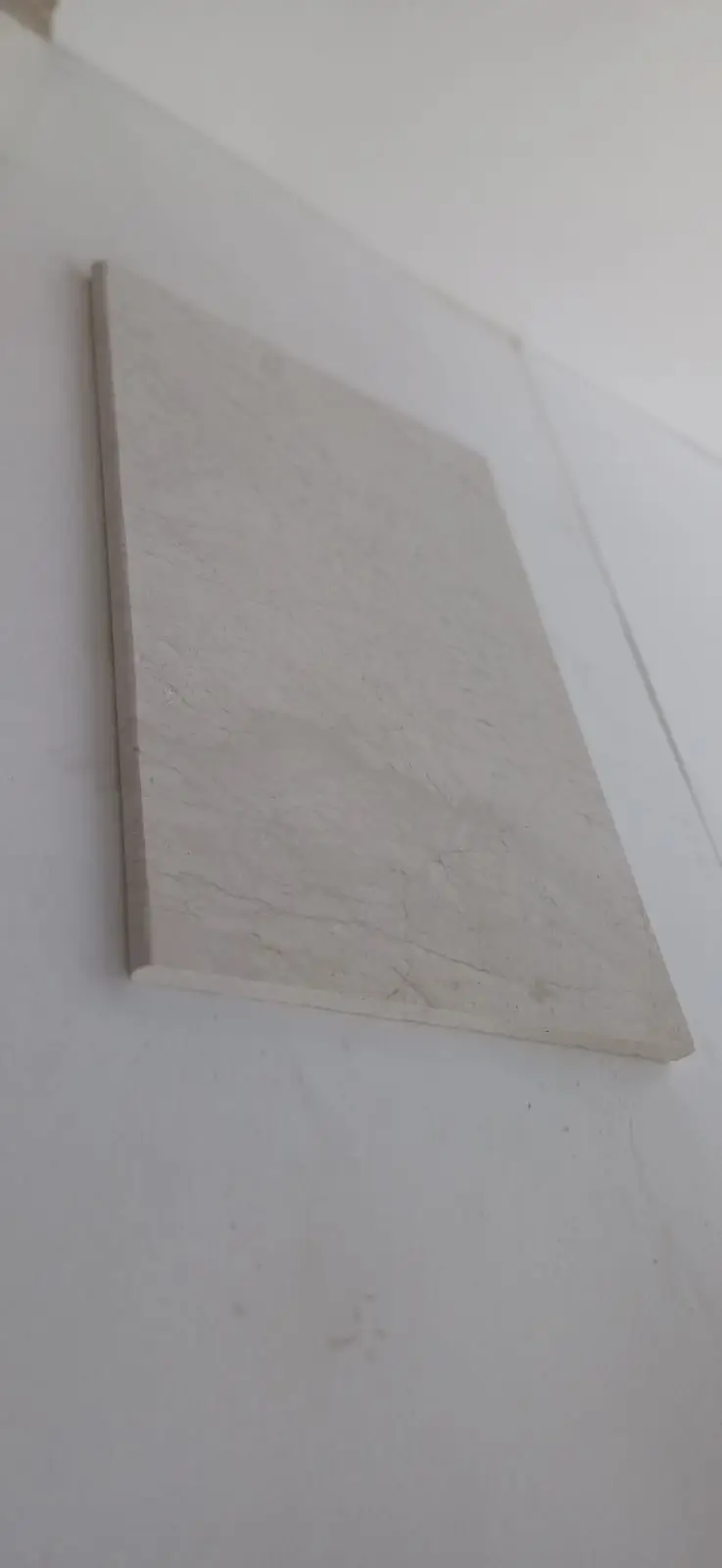
You need to understand how porosity affects thermal conductivity in practice. White limestone typically ranges 4-9% porosity depending on formation density. Lower porosity materials (4-6%) conduct heat more efficiently, creating faster surface heating but also faster evening cooling. Higher porosity options (7-9%) heat more slowly and retain warmth longer into evening hours. Your climate zone determines which characteristic serves your project better.
- You should specify thermal expansion coefficients of 5.1-5.8 × 10⁻⁶ per °F for white limestone
- Your joint spacing calculations must account for 0.034-0.041 inches of expansion per 15-foot run during 80°F temperature swings
- You’ll encounter maximum daily temperature differentials of 85-95°F in desert installations from pre-dawn lows to afternoon peaks
- Your design needs to address the material’s thermal conductivity of 1.3-1.7 BTU/hr·ft·°F
The relationship between surface finish and thermal behavior often surprises specifiers. You might assume honed finishes absorb more heat than polished surfaces, but field measurements show only 3-6°F difference under identical conditions. The primary distinction lies in tactile perception—honed surfaces feel cooler to bare feet because microscopic surface texture increases contact area and heat transfer rate to skin, even when actual surface temperatures measure nearly identical.
Material Specification Requirements for Desert Climates
Your specifications for modern white limestone Arizona homes need to address performance criteria beyond standard ASTM references. You should require compressive strength minimum 9,500 PSI for vehicular applications, 7,800 PSI for pedestrian hardscape. These thresholds exceed typical residential requirements because thermal cycling in desert climates creates cumulative stress that accelerates deterioration in marginal materials.
When you specify absorption rates, you’re balancing competing requirements. Lower absorption (below 2.5% by weight) provides superior stain resistance and freeze-thaw durability, but creates challenges for wet-set installation methods. Higher absorption (3.5-4.5%) improves mortar bond strength but requires more aggressive sealing protocols in areas prone to organic staining. You need to match absorption characteristics to your specific installation method and maintenance expectations.
- You should verify flexural strength minimum 1,400 PSI for spans exceeding 18 inches
- Your density specifications must exceed 150 lb/ft³ for adequate structural performance
- You need abrasion resistance values below 25 Ha for high-traffic applications
- Your material must demonstrate slip resistance DCOF 0.48 minimum when wet
The interaction between mineral composition and efflorescence potential determines long-term appearance stability. White limestone with calcium carbonate content above 94% shows minimal efflorescence in typical Arizona conditions because free lime content remains low. When you encounter materials with 88-92% calcium carbonate, you should specify additional efflorescence testing and potentially adjust installation specifications to include vapor barriers in areas with subsurface moisture.
You’ll need to address dimensional tolerance stacking in your specifications. Standard tolerance of ±1/8 inch per piece seems reasonable until you calculate cumulative variance across 20-foot runs. You could encounter 3/4 inch total deviation, which becomes visually obvious in contemporary designs emphasizing clean lines and precise geometry. Professional specifications require you to either tighten tolerances to ±1/16 inch for premium applications or design joint patterns that accommodate standard tolerances without visual disruption.
Installation Methodology for Extreme Climates
When you plan installations of white limestone pavers Arizona luxury homes 2026 specifications, base preparation determines 60-70% of long-term performance outcomes. You need aggregate base courses that exceed standard residential requirements—minimum 6 inches compacted depth for pedestrian areas, 8-10 inches for vehicular loads. The common mistake involves using uniform aggregate gradation; you should specify well-graded material with fines content 8-12% to achieve 96-98% compaction density that resists settlement under thermal cycling.
Your setting bed specifications require regional adaptation. Standard 1-inch sand setting beds work adequately in northern Arizona with seasonal moisture, but southern desert installations benefit from stabilized granite screenings or dense-graded aggregate. You’ll find that pure sand setting beds in Phoenix-area applications lose 15-25% volume in first 18 months due to wind erosion and drainage migration. When you use stabilized screenings with 6-8% fines content, you reduce long-term settlement by 40-50%.
- You should maintain joint widths 3/16 to 1/4 inch for thermal expansion accommodation
- Your joint sand must be polymeric with particle sizes 0.02-0.04 inches for optimal interlock
- You need edge restraints rated for 3,000+ pounds lateral force to prevent perimeter creep
- Your slope requirements must provide minimum 2% grade away from structures
The timing of installation affects material performance in ways most specifications ignore. You should avoid setting white limestone pavers Arizona luxury homes 2026 projects during periods when base material temperature exceeds 95°F. Elevated base temperatures accelerate polymeric joint sand activation before you achieve proper compaction, resulting in premature hardening that prevents optimal sand penetration. You’ll achieve superior results scheduling installation work for early morning hours when base temperatures remain below 85°F.
For detailed guidance on material verification and performance validation processes, see Citadel Stone’s Arizona paver selection process which addresses climate-specific testing protocols. You should coordinate warehouse delivery scheduling with installation timelines—material stored on-site longer than 10 days requires protective covering to prevent surface soiling and efflorescence from dust accumulation and monsoon moisture exposure.
Design Integration Strategies for Contemporary Applications
Your design approach for white limestone design trends Arizona projects should emphasize the material’s ability to unify indoor-outdoor transitions. When you specify consistent flooring material from interior spaces through covered transitions into exposed exterior hardscape, you create visual continuity that amplifies perceived space. This works particularly well in Scottsdale and Paradise Valley luxury applications where glass walls and pocket door systems blur interior-exterior boundaries.
You need to consider how white limestone interacts with regional architectural styles evolving in 2026. The shift away from heavy Southwestern territorial aesthetics toward lighter contemporary desert modernism creates opportunities for white limestone as primary hardscape material. You’ll find that its clean, neutral palette complements both warm wood accents and cool metal details without competing visually, allowing architectural forms and landscape elements to dominate composition.
- You should design joint patterns that align with architectural module systems for visual coherence
- Your layout needs to account for tile size variations that create different visual scales at pedestrian versus elevated viewing angles
- You can use directional laying patterns to subtly guide circulation without physical barriers
- Your design should integrate lighting that emphasizes the material’s reflective properties for nighttime ambiance
The relationship between white limestone and water features requires specific detailing attention. You should avoid direct contact between constant water exposure and unsealed limestone—this creates conditions for algae growth and organic staining within 6-9 months. When you design pool decks and water feature surrounds, maintain 2-3 inch clearance between water surface and paving, and specify appropriate sealers for wet areas. You’ll need to address drainage patterns that prevent standing water, which accelerates staining and biological growth regardless of sealer application.
Color consistency across production runs affects design execution more than most specifiers anticipate. White limestone from single quarry sources shows natural variation—you might encounter pieces ranging from bright white to cream to light gray within a single pallet. You should either embrace this variation as characteristic of natural stone or specify enhanced sorting and blending during installation. Professional installers can minimize visual clustering of similar tones, but you cannot achieve perfectly uniform color without extensive field sorting that increases labor costs 20-30%.
Maintenance Protocols and Performance Longevity
When you specify white limestone pavers Arizona luxury homes 2026 installations, you’re committing owners to specific maintenance requirements that differ from darker stone materials. The light color shows soiling more readily, but it also reveals when cleaning becomes necessary rather than allowing gradual degradation to go unnoticed. You should establish maintenance protocols during design phase rather than leaving owners to develop reactive approaches after problems emerge.
Your sealer selection determines maintenance frequency and effectiveness. Penetrating sealers that don’t create surface film provide 18-24 month protection in typical residential applications, requiring reapplication every other year. Topical sealers offer 12-15 month effectiveness but show wear patterns in high-traffic areas that create aesthetic concerns. You need to match sealer type to use intensity and owner maintenance commitment—vacation homes with limited use can extend sealer intervals, while primary residences with daily use require more frequent attention.
- You should specify initial sealer application 30-45 days after installation to allow efflorescence potential to fully express
- Your maintenance program needs seasonal pressure washing at 1200-1500 PSI to remove accumulated dust and organic matter
- You must address joint sand replenishment annually, restoring 10-15% volume lost to weather and traffic
- Your protocol should include immediate spot treatment of organic stains before they penetrate beyond sealer protection
The challenge of maintaining white limestone in desert environments involves balancing cleaning effectiveness against material preservation. Aggressive cleaning methods remove stains but can also erode surface material and accelerate wear. You should recommend pH-neutral cleaners specifically formulated for calcium carbonate stone—acidic cleaners cause etching that dulls surface finish, while alkaline cleaners can leave residues that attract subsequent soiling.
You’ll encounter different maintenance requirements for luxury white pavers Scottsdale Paradise Valley applications based on landscape design integration. Properties with mature desert landscaping generate less organic debris and require less intensive maintenance than properties with lush, irrigated planting. When you design hardscape in proximity to mesquite, palo verde, or other native trees, you should account for tannin staining potential and specify appropriate protective treatments during plant establishment phases.
Comparative Performance Analysis Against Alternative Materials
When you evaluate modern white limestone Arizona homes specifications against alternative light-colored paving materials, you need objective performance comparisons rather than aesthetic preferences. White concrete pavers offer lower initial cost but demonstrate 40-50% higher thermal absorption than natural limestone despite similar visual appearance. Surface temperatures on white concrete regularly measure 12-18°F hotter than white limestone under identical exposure conditions—a distinction that fundamentally affects outdoor space usability.
Your comparison should address long-term appearance stability. White limestone maintains color consistency over decades with appropriate maintenance, showing gradual mellowing rather than dramatic change. Manufactured alternatives often exhibit uneven fading where UV exposure varies across the site, creating patchwork appearance within 5-7 years. The calcium carbonate composition of natural white limestone proves more UV-stable than portland cement-based manufactured products.
- You need to compare lifecycle costs rather than just initial material pricing when evaluating alternatives
- Your analysis should account for replacement timelines—natural stone typically provides 30-40 year service life versus 15-20 years for manufactured products
- You must consider resale value impact where natural stone enhances property value 2-3% more than manufactured alternatives
- Your evaluation needs to address sustainability factors including embodied energy and end-of-life recyclability
The structural performance of white limestone versus alternatives becomes critical in applications with vehicular loads or large clear spans. Natural stone demonstrates superior flexural strength in thin profiles—you can specify 1.5-inch thick limestone for applications where manufactured pavers require 2.375-inch thickness to achieve equivalent load capacity. This thickness differential affects installation complexity and allows more favorable finished elevations in remodeling applications.
Regional Soil Compatibility and Base Performance
When you design installations of white limestone pavers Arizona luxury homes 2026 projects, regional soil characteristics affect base performance more than many specifiers recognize. Central Arizona’s caliche layers create hard, impermeable substrates that concentrate water at base/soil interface. You need to address this with aggregate base courses that extend below caliche depth or create effective drainage pathways that prevent water accumulation. Installations that ignore caliche behavior experience differential settlement as seasonal moisture fluctuates.
Southern Arizona’s expansive clay soils present different challenges for your base design. These soils exhibit 3-6% volume change with moisture content variations, generating substantial heave forces during monsoon season. You should specify minimum 8-inch aggregate base separation between paving system and native soil, and incorporate moisture barriers that prevent capillary rise into base materials. Professional installations in clay-soil regions include perimeter drains that intercept subsurface water before it migrates under paved areas.
- You need to verify soil bearing capacity minimum 2,000 PSF for residential pedestrian applications
- Your base design must account for seasonal groundwater elevation changes that can reach 18-24 inches in some valley locations
- You should specify geotextile separation fabric between native soil and aggregate base to prevent soil intrusion and base contamination
- Your drainage design needs to accommodate monsoon events delivering 1-2 inches of precipitation in 60-90 minute periods
Northern Arizona’s volcanic soils offer excellent natural drainage but limited bearing capacity. You’ll encounter situations where native soil cannot support compaction equipment without excessive deflection, requiring you to specify lighter compaction equipment or alternative stabilization methods. The high permeability of volcanic soils also creates rapid moisture loss from cement-stabilized base materials, potentially compromising proper curing. When you design installations in Flagstaff or Sedona areas, you should account for these soil characteristics in base specifications.
Climate Zone Specification Variations Across Arizona
Your specifications for white limestone design trends Arizona applications require adjustment based on climate zones that span dramatic environmental variation. Southern low desert regions (Phoenix, Tucson, Yuma) experience negligible freeze-thaw cycling—you can focus specifications entirely on thermal expansion management and UV stability. Northern high desert locations (Flagstaff, portions of Sedona) require you to address freeze-thaw durability as primary concern, with 60-80 annual freeze-thaw cycles that demand different material selection criteria.
The transition zone between low and high desert (approximately 3,000-5,000 feet elevation) presents combined challenges that require you to address both thermal extremes and freeze-thaw potential. You’ll find locations that experience 115°F summer temperatures and also see 15-20 annual freeze-thaw cycles—this combination creates the most demanding performance environment for white limestone pavers Arizona luxury homes 2026 installations. You need material specifications that satisfy both requirement sets without compromise.
- You should specify absorption rates below 3% for freeze-thaw climates to ensure adequate frost resistance
- Your low desert specifications can accept absorption up to 4.5% where freeze-thaw concern doesn’t exist
- You need to adjust joint spacing based on temperature range—15-foot intervals for low desert, 12-foot intervals for transition zones
- Your sealer selection must account for temperature extremes that range from -10°F to 115°F in some Arizona locations
Precipitation patterns affect your drainage design requirements across climate zones. Low desert areas receive 7-9 inches annual precipitation concentrated in intense monsoon events—your drainage must handle peak flow rates rather than volume. High desert areas receive 20-25 inches annual precipitation including snowmelt—your design addresses sustained flow over extended periods. When you specify drainage systems, you should calculate based on climate-specific precipitation data rather than generic statewide assumptions.
Cost Analysis and Value Engineering Considerations
When you prepare budgets for luxury white pavers Scottsdale Paradise Valley projects, you need to account for cost factors beyond material pricing. White limestone material costs typically range $12-22 per square foot depending on thickness, finish, and sourcing. Installation labor adds $8-15 per square foot for professional execution, and base preparation contributes $4-7 per square foot. Your total installed cost reaches $24-44 per square foot for turnkey delivery—this positions white limestone in mid-to-upper tier of premium paving options.
You should recognize that white limestone pricing shows less volatility than many alternative materials. Natural stone pricing remains relatively stable year-over-year, while manufactured product pricing fluctuates with petroleum costs and cement markets. When you commit to multi-phase projects, white limestone provides more predictable budgeting for subsequent phases. You’ll also find that warehouse inventory from established suppliers offers price protection against market disruptions that affect direct-import materials.
- You can achieve 15-20% cost reduction by accepting increased color variation and relaxed dimensional tolerances
- Your material costs decrease 8-12% when you specify larger format units that reduce installation labor
- You should evaluate whether premium sorting and enhanced uniformity justify 18-25% price premiums for high-visibility applications
- Your budget needs contingency of 10-12% for field modifications and unanticipated site conditions
Value engineering opportunities exist in base preparation methodology without compromising performance. You might substitute cement-stabilized aggregate for pure crushed stone base in areas with adequate native soil bearing capacity, reducing material costs 25-30%. When you evaluate these alternatives, verify that stabilized bases provide adequate permeability for your climate—impermeable stabilized bases that work well in freeze-thaw climates can create problems in high-temperature desert environments where thermal expansion requires accommodation.
The relationship between truck delivery logistics and project costs deserves attention in remote or access-constrained locations. Standard truck deliveries assume good access roads and adequate turning radius for tractor-trailer equipment. When your site requires smaller vehicles or multiple transfers, you should expect 15-20% delivery premiums. You can minimize these costs by coordinating deliveries with other trades to share mobilization expenses and by staging material deliveries to coincide with optimal site access conditions.
Common Specification Errors and How You Avoid Them
When you write specifications for modern white limestone Arizona homes, several recurring errors compromise installation quality and long-term performance. The most common mistake involves copying generic specifications without climate-specific adaptation. Standard specifications developed for moderate climates prove inadequate for Arizona’s extreme conditions—you need modifications that address thermal cycling, intense UV exposure, and monsoon precipitation patterns that differ substantially from temperate regions.
Your specifications often fail to address edge conditions adequately. Generic details showing simple soldier course edging work acceptably for low-use areas but prove insufficient for vehicular transitions and high-traffic perimeters. You should specify engineered edge restraints with vertical foundation depth minimum 8 inches below finished paving, and horizontal bearing width minimum 4 inches to resist lateral thrust from thermal expansion and traffic loads.
- You must avoid specifying incompatible joint sands—polymeric sands designed for cool climates fail in Arizona heat, requiring desert-specific formulations
- Your specifications should never reference installation during temperature extremes—both cold weather below 40°F and hot weather above 95°F compromise material performance
- You need to prohibit power washing at pressures exceeding 1,800 PSI during maintenance, which causes joint erosion and surface damage
- Your details must show proper clearance between paving and building foundations to prevent moisture transfer and allow independent movement
The failure to specify adequate curing time for base materials represents another common error. When you use cement-stabilized bases or setting beds, you need minimum 72-hour cure period before paving installation. Desert heat accelerates chemical curing but also causes rapid moisture loss that compromises proper hydration. You should specify moisture retention methods during curing—light water misting or covering with plastic sheeting maintains adequate moisture for proper cement hydration without delaying project schedules.
Your specifications for white limestone pavers Arizona luxury homes 2026 projects need explicit material acceptance criteria that go beyond ASTM references. You should establish protocols for owner review of sample pallets representing actual material color and variation range. This prevents disputes when delivered material shows natural variation that falls within industry standards but exceeds owner expectations. Professional specifications include material mockup requirements that show installed appearance before full-scale installation proceeds.
Citadel Stone White Limestone Pavers in Arizona — Specification Guidance for Arizona Cities
When you consider Citadel Stone’s white limestone pavers for your Arizona luxury home project, you’re evaluating premium materials engineered specifically for extreme desert climate performance. At Citadel Stone, we provide technical specification guidance for hypothetical applications across Arizona’s diverse climate regions, helping you understand how material selection criteria change based on local environmental factors. This section outlines how you would approach specification decisions for six representative Arizona cities, addressing the unique challenges each location presents for white limestone paver installations.
Phoenix Thermal Specifications
In Phoenix, you’ll encounter the most extreme thermal conditions in Arizona—summer temperatures regularly exceed 115°F with surface temperatures on dark materials reaching 180°F. When you specify white limestone pavers Arizona luxury homes 2026 projects here, you should prioritize albedo performance and thermal mass characteristics. You would select materials with calcium carbonate content above 95% for maximum solar reflectivity, and specify joint spacing at 12-foot maximum intervals to accommodate thermal expansion from daily temperature swings of 40-50°F. Your base preparation would require minimum 8-inch depth of well-compacted aggregate to resist settlement from thermal cycling that occurs 150+ days annually.
Scottsdale Design Integration
Scottsdale luxury applications demand you balance performance with refined aesthetics that complement contemporary desert architecture. You would specify premium-sorted material with enhanced color consistency and tighter dimensional tolerances (±1/16 inch) to achieve the clean geometry these projects require. When you design for luxury white pavers Scottsdale Paradise Valley installations, you should consider how white limestone integrates with glass, steel, and wood elements common in high-end contemporary homes. Your specifications would address honed finishes that provide DCOF 0.52-0.58 slip resistance while maintaining the sophisticated appearance owners expect.
Tucson Monsoon Considerations
Tucson’s higher monsoon precipitation requires you to emphasize drainage design more than Phoenix installations. You would specify slopes minimum 2.5% away from structures, and incorporate drainage channels that handle peak flow rates from intense summer storms. When you plan white limestone design trends Arizona projects in Tucson, you should account for the city’s slightly higher humidity that can affect drying rates after storms. Your joint sand specifications would include polymeric formulations designed for enhanced moisture resistance, and you would detail perimeter drains to prevent water accumulation at base level that could compromise stability during monsoon season.
Paradise Valley Premium Standards
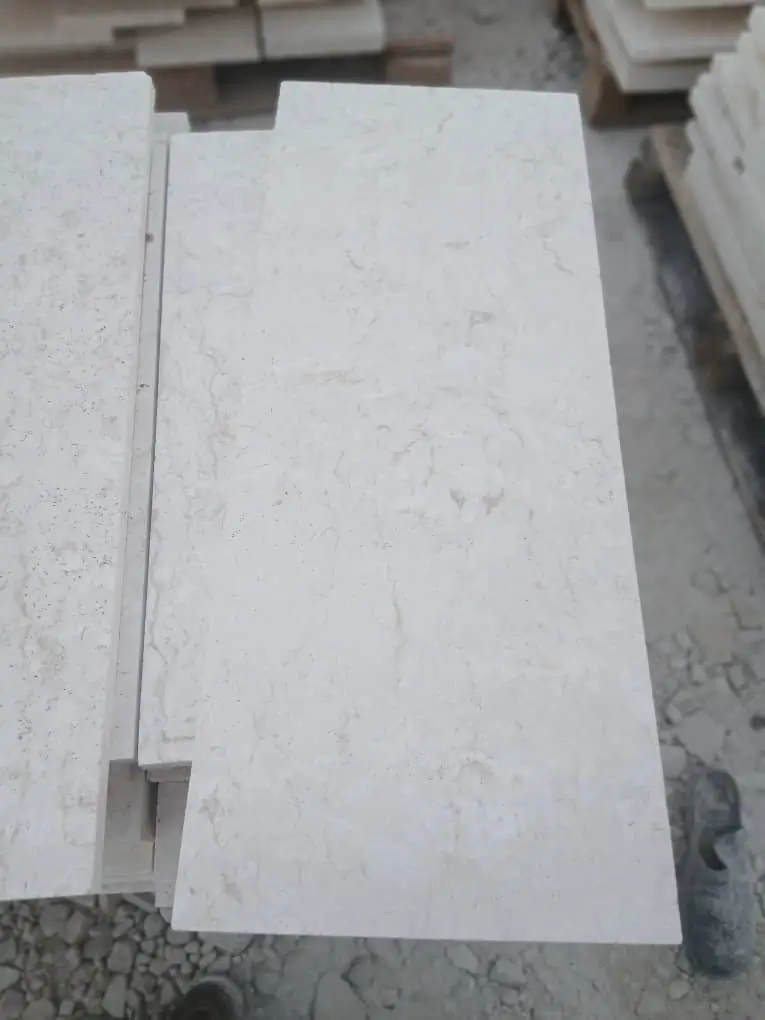
Paradise Valley represents Arizona’s most exclusive residential market, where you would specify the highest material grades and most meticulous installation standards. You should select first-grade white limestone with compressive strength exceeding 10,000 PSI and absorption below 2.8% for superior long-term performance. Your installation specifications would require experienced craftsmen capable of achieving precision layout and alignment that meets the exacting standards these properties demand. When you coordinate with architects and landscape designers on modern white limestone Arizona homes projects here, you would verify that material selection supports cohesive design intent across architecture, hardscape, and landscape elements.
Flagstaff Freeze-Thaw Requirements
Flagstaff’s 7,000-foot elevation creates the only true freeze-thaw climate among major Arizona cities. You would need to specify white limestone with absorption below 3% and verified freeze-thaw durability per ASTM C666. Your joint spacing specifications would decrease to 10-foot maximum intervals to accommodate thermal contraction during winter temperatures that drop below 0°F. When you design installations here, you should account for snow load considerations and specify surface finishes that provide adequate traction when wet or icy. Your base preparation would include deeper aggregate courses (minimum 10 inches) to extend below frost depth and prevent heave during freeze-thaw cycles.
Sedona Aesthetic Coordination
Sedona’s distinctive red rock landscape requires you to consider how white limestone coordinates with or contrasts against the dominant regional color palette. You would evaluate whether bright white limestone provides desired contrast or if cream-toned varieties offer more harmonious integration with surroundings. Your specifications need to address the city’s strict development regulations that emphasize environmental sensitivity and visual compatibility. When you plan white limestone pavers Arizona luxury homes 2026 installations in Sedona, you should account for the area’s tourist traffic and higher pedestrian exposure that requires more robust edge details and enhanced surface durability in public-facing applications.
Emerging Design Trends for 2026
When you plan modern white limestone Arizona homes for 2026 completion, you’re working within evolving design trends that emphasize sustainability, indoor-outdoor integration, and material authenticity. The shift toward lighter color palettes reflects both practical thermal management and aesthetic preferences for spaces that feel open and expansive. You’ll find that white limestone design trends Arizona specifications increasingly incorporate larger format units that reduce visual busyness and create cleaner, more contemporary compositions.
Your design approach should consider how white limestone supports biophilic design principles gaining prominence in luxury residential work. The natural material connects occupants to authentic geological processes while providing thermal performance that reduces cooling loads and enhances comfort. When you specify white limestone pavers Arizona luxury homes 2026 projects, you’re selecting material that satisfies both performance requirements and deeper psychological connections to natural materials that manufactured alternatives cannot replicate.
- You should anticipate increased demand for textured finishes that provide visual interest while maintaining the material’s thermal benefits
- Your designs may incorporate mixed module sizing that creates more dynamic patterns than traditional uniform layouts
- You need to consider how white limestone integrates with emerging outdoor kitchen and entertainment areas that blur traditional indoor-outdoor boundaries
- Your specifications should address lighting design that emphasizes white limestone’s reflective properties for enhanced nighttime usability
The trend toward wellness-focused residential design affects your material selection criteria. White limestone’s cool-to-touch surface characteristics and non-toxic composition align with health-conscious building approaches. You should recognize that luxury buyers increasingly evaluate materials based on complete lifecycle impacts including extraction methods, transportation distances, and end-of-life recyclability—factors where natural stone demonstrates advantages over manufactured alternatives.
Performance Documentation and Long-Term Monitoring
When you complete installations of luxury white pavers Scottsdale Paradise Valley projects, you should establish documentation protocols that support long-term performance monitoring. Professional practice includes recording material source information, installation dates and conditions, and initial sealer applications. You need this baseline data to evaluate performance over time and make informed decisions about maintenance intervals and product effectiveness.
Your documentation should include photographic records showing material appearance at installation, after first sealer application, and at annual intervals thereafter. These records prove invaluable when you evaluate whether observed changes represent normal aging or accelerated degradation requiring intervention. When disputes arise about material performance, contemporary documentation provides objective evidence for resolution.
- You should maintain detailed records of all maintenance activities including cleaning methods, sealer brands and application dates
- Your documentation needs to include original material specifications and shop drawings for future reference during repairs or additions
- You must preserve contact information for suppliers and installers who can provide continuity for warranty claims or technical support
- Your records should note any variations from original specifications approved during construction
The value of performance monitoring extends beyond individual projects. When you track outcomes across multiple installations, you develop empirical data that refines future specifications. You’ll identify which material grades, installation methods, and maintenance protocols deliver optimal results in specific applications and climate conditions. This knowledge base improves your professional capability and enhances value you provide to clients through evidence-based recommendations rather than theoretical assumptions.
Final Considerations
When you finalize specifications for white limestone pavers Arizona luxury homes 2026 projects, you’re making decisions that affect property value, usability, and maintenance requirements for decades. Your specification process should emphasize climate-appropriate material selection, proper installation methodology, and realistic maintenance planning. You need to balance initial costs against lifecycle value, recognizing that premium materials with proper installation deliver superior long-term performance that justifies higher initial investment.
You should coordinate with all project stakeholders—architects, builders, landscape designers, and owners—to ensure specifications align with complete project goals. The most successful installations result from collaborative processes where material selection supports architectural intent, satisfies performance requirements, and meets owner expectations for appearance and maintenance. When you establish clear communication early in design development, you prevent costly changes and disputes during construction. For additional technical information regarding material durability under extreme conditions, review White limestone performance under rapid temperature fluctuations and cycling before finalizing your project specifications. Architects specify white limestone pavers in Arizona from Citadel Stone for crisp, light-filled outdoor spaces.