
When you’re sourcing porcelain paving slabs Arizona suppliers for your next project, you’re entering a market where material performance expectations differ significantly from traditional stone installations. Arizona’s extreme climate conditions—sustained temperatures exceeding 115°F, intense UV exposure averaging 300+ sunny days annually, and dramatic thermal cycling—create demands that separate adequate materials from professionally specified solutions. You need to understand how modern porcelain tile pavers Phoenix installations compare against natural stone alternatives before committing to specifications that affect 20+ year performance outcomes.
Your material selection process should account for factors beyond aesthetic considerations. Porcelain paving slabs exhibit engineered consistency that natural stone cannot match, but this comes with trade-offs in thermal mass behavior and surface temperature characteristics. When you evaluate outdoor porcelain suppliers Arizona options, you’re balancing manufacturing precision against the inherent variability of geological materials—each approach delivers distinct performance profiles that affect everything from installation protocols to long-term maintenance requirements.
Engineered Consistency Versus Natural Variation
The fundamental difference between porcelain and stone slabs lies in how you control specification tolerances. Porcelain manufacturing processes deliver dimensional consistency within ±0.5mm across production runs, while natural stone typically varies by ±3mm even within premium grades. You’ll see this precision translate directly into installation efficiency—porcelain installations reduce lippage incidents by 60-70% compared to natural stone when you maintain proper setting bed protocols.
However, your specification must account for how this consistency affects aesthetic outcomes. Natural stone provides organic color variation that many architects prefer for high-visibility applications, while porcelain offers repeatable patterns that work better when you need predictable visual flow across large commercial installations. The material you choose determines whether your project showcases geological authenticity or engineered uniformity—neither approach is universally superior, but each serves different design intentions.
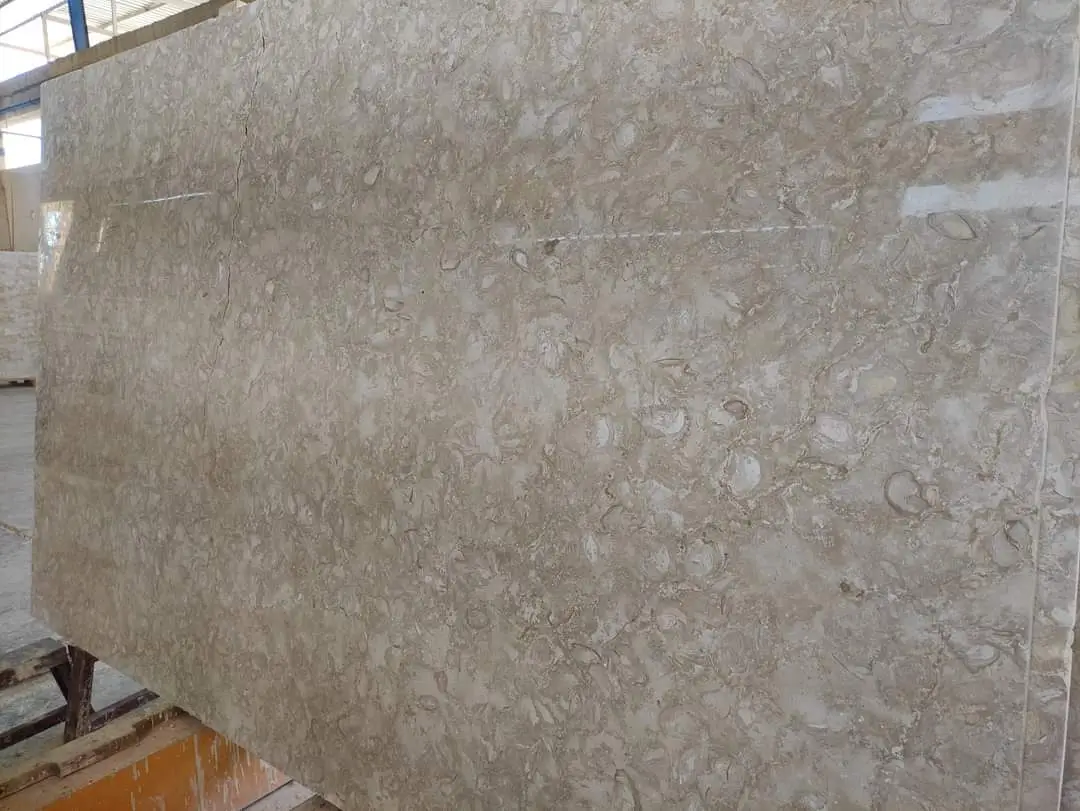
Thermal Performance in Desert Conditions
When you specify materials for Arizona applications, surface temperature behavior becomes critical. Porcelain slabs typically reach surface temperatures 8-12°F higher than natural limestone or sandstone under identical solar exposure due to density and thermal conductivity differences. This affects barefoot comfort zones around pools and creates challenges in residential applications where you need to balance durability with usability during peak summer months.
Your thermal management strategy should address three distinct performance factors:
- You need to account for thermal mass properties that determine how quickly surfaces heat and cool during daily cycles
- Your color selection directly impacts solar reflectance—light porcelain reflects 65-70% of solar radiation while dark natural stone may reflect only 25-30%
- You should verify thermal expansion coefficients for joint spacing calculations, as porcelain expands at 5.8 × 10⁻⁶ per °F compared to 5.3 × 10⁻⁶ for most natural stone
The practical implication: you’ll need expansion joints every 12-15 feet for porcelain installations in direct sun exposure, while natural stone can extend to 15-18 feet under similar conditions. This affects both installation costs and long-term joint maintenance requirements.
Moisture Absorption and Freeze-Thaw Performance
Porcelain paving slabs demonstrate water absorption rates below 0.5%, qualifying as impervious under ASTM C373 standards. Natural stone porosity varies dramatically—limestone ranges from 3-12%, sandstone from 8-20%, and granite from 0.4-2%. When you’re specifying for Flagstaff or high-elevation Arizona locations where freeze-thaw cycles exceed 40 annual events, this porosity differential becomes the determining performance factor.
You should understand that lower porosity doesn’t automatically mean superior performance. Natural stone’s interconnected pore structure allows moisture to migrate and evaporate, while porcelain’s impermeability can trap subsurface moisture at the setting bed interface. Your installation detail must address this by ensuring proper drainage at the base layer—porcelain requires base permeability at least 4x greater than traditional stone to prevent hydrostatic pressure buildup that leads to delamination failures 3-5 years post-installation.
For outdoor porcelain suppliers Arizona projects, verify that your drainage specification includes geotextile separation layers and minimum 4-inch aggregate base with permeability coefficients exceeding 500 inches per hour. This detail often gets overlooked in standard specifications but determines whether your installation achieves 20-year performance or requires remediation within a decade.
Slip Resistance Across Surface Finishes
When you evaluate porcelain vs stone slabs for pedestrian applications, slip resistance measurement becomes more complex than reviewing manufacturer literature. DCOF (Dynamic Coefficient of Friction) testing measures dry conditions, but your real-world performance depends on wet surface behavior during monsoon events and pool deck splash zones. Textured porcelain surfaces achieve DCOF ratings of 0.52-0.60 wet, while honed natural stone typically measures 0.42-0.48 wet.
Your specification should address how surface finish affects long-term slip resistance maintenance. Porcelain maintains consistent texture because the slip-resistant pattern is molded throughout the tile body. Natural stone relies on surface finishing that can wear or polish under traffic, reducing slip resistance by 15-20% over 8-12 years in high-traffic commercial applications. You need to factor this degradation into your maintenance planning and budget life-cycle costs accordingly.
Here’s what catches most specifiers: chemical treatments that enhance stone slip resistance can discolor porcelain surfaces due to impermeability preventing chemical penetration. When you’re working with mixed material installations, your treatment protocols must differentiate between material types—a detail that requires clear documentation in your specification.
Installation Methodology Differences
The installation process for porcelain tile pavers Phoenix projects differs fundamentally from natural stone protocols. Porcelain’s dimensional consistency allows you to use thin-set applications with 3-6mm beds, while natural stone typically requires 10-15mm beds to accommodate thickness variations. This affects substrate preparation requirements—porcelain demands flatter substrates with tolerance deviations not exceeding 3mm over 3 meters, specifications that natural stone installations can relax to 6mm tolerances.
You’ll encounter specific challenges when cutting and fitting porcelain on-site. The material’s hardness requires diamond blades rated for porcelain (not standard masonry blades), and cutting generates fine silica dust that demands respiratory protection beyond typical stone cutting operations. Your installation crew needs specialized training and equipment—factor 15-20% higher labor costs for porcelain installations compared to natural stone when you’re developing project budgets.
Your base preparation becomes more critical with porcelain because the material’s rigidity doesn’t accommodate substrate irregularities. When you’re working with compacted aggregate bases, verify that surface compaction achieves 95% modified Proctor density—anything less creates point loading that leads to corner cracking within 18-24 months. Natural stone’s slight flexibility provides more tolerance for minor base imperfections, though this shouldn’t excuse inadequate base preparation in either application. For comprehensive technical guidance on installation standards, see Arizona calibrated paving for detailed specification protocols.
Long-Term Maintenance Requirements
When you compare maintenance obligations between porcelain and natural stone, the difference lies in maintenance type rather than frequency. Porcelain requires minimal sealing—typically once every 3-5 years for grout joints only, not the tile surface. Natural stone demands biennial sealing to maintain stain resistance and moisture protection, with costs ranging $0.80-$1.20 per square foot for professional applications.
Your maintenance specification should address how each material responds to common Arizona contaminants. Porcelain resists organic staining from desert vegetation and doesn’t support biological growth even in irrigated areas. Natural limestone and sandstone can develop efflorescence when soluble salts migrate through the pore structure—you’ll see this most frequently in installations with subsurface moisture issues or when irrigation water contains dissolved minerals exceeding 250 ppm total dissolved solids.
Here’s the trade-off: porcelain shows wear patterns more visibly in high-traffic areas because surface glazing or texture can abrade, exposing the underlying tile body. Natural stone wears more uniformly, developing a patina that many clients find desirable. You need to set appropriate expectations during project programming—porcelain delivers consistent appearance for 8-10 years then shows traffic patterns, while natural stone evolves continuously from installation day forward.
Structural Load-Bearing Capacity
Compressive strength specifications reveal significant performance differences between materials. Porcelain paving slabs exceed 9,000 PSI compressive strength, while natural stone ranges from 8,000 PSI for limestone to 19,000+ PSI for granite. However, your specification should focus on flexural strength rather than compression alone—this determines crack resistance under point loads and thermal stress.
Porcelain exhibits flexural strength around 4,500-5,500 PSI, providing excellent resistance to cracking from impact or substrate movement. Natural stone flexural strength varies dramatically by type: sandstone measures 1,000-1,800 PSI, limestone 800-1,400 PSI, granite 1,500-3,000 PSI. When you’re specifying for vehicular applications or areas with heavy equipment traffic, these flexural differences determine whether your installation performs or fails.
You should also account for thickness requirements across different applications. Porcelain achieves adequate structural performance at 20mm thickness for pedestrian applications, while natural stone typically requires 30-40mm for equivalent load capacity. This thickness differential affects not only material costs but also substrate depth requirements and edge detail specifications—your architectural sections must accommodate these dimensional differences during design development.
Color Stability and UV Resistance
Arizona’s intense UV exposure—approximately 3,800 hours of bright sunshine annually—tests material color stability beyond typical climate conditions. Porcelain maintains color consistency because pigments are integrated throughout the tile body during manufacturing and fired at temperatures exceeding 2,200°F. This creates chemical bonds that resist UV degradation, ensuring your specified color remains stable for 20+ years.
Natural stone color evolution depends on mineral composition. Limestone and sandstone can lighten by 10-15% during the first 2-3 years of UV exposure as surface minerals oxidize. Granite maintains color stability comparable to porcelain due to its crystalline structure and minimal porosity. When you specify natural stone for Arizona applications, you need to review aged samples that represent 5-year weathered appearance rather than fresh-cut warehouse samples that don’t reflect long-term color development.
Your specification should address whether color consistency or natural evolution aligns with project design intent. Some architects prefer the weathered patina that natural stone develops, viewing it as an authentic material expression. Others require absolute color consistency for projects where brand identity or design continuity demands unchanging appearance. Neither preference is wrong, but you must establish clear expectations during material selection.
Cost Analysis and Value Engineering
When you develop project budgets, porcelain paving slabs Arizona suppliers typically quote $8-$16 per square foot for material only, depending on finish quality and dimensional format. Natural stone ranges from $6-$12 per square foot for limestone and sandstone, $12-$20 for premium granite. However, these material costs represent only 40-50% of installed cost—you need to factor installation labor, base preparation, and long-term maintenance into total ownership calculations.
Installation labor for porcelain runs 15-20% higher than natural stone due to specialized cutting equipment and stricter substrate tolerance requirements. You’ll see this translate to installed costs of $18-$28 per square foot for porcelain versus $14-$22 for natural stone. Over a 20-year service life, maintenance costs favor porcelain by approximately $1,200-$1,800 per 1,000 square feet due to reduced sealing frequency and lower staining remediation requirements.
Your value engineering analysis should include these factors:
- You need to calculate life-cycle costs rather than initial installation costs for accurate material comparison
- Your project timeline affects material selection when warehouse stock availability varies between porcelain and stone options
- You should account for replacement costs if future renovations require matching discontinued porcelain patterns versus natural stone that can be field-matched from new quarry runs
Aesthetic Considerations and Design Flexibility
Modern porcelain manufacturing replicates natural stone appearance with surprising accuracy—contemporary products reproduce limestone, sandstone, travertine, and slate textures that fool casual observation. However, when you examine installations from multiple angles under varying light conditions, you’ll detect repeating patterns in porcelain that geological materials never exhibit. The question becomes whether this matters for your specific project context and viewing distances.
Natural stone provides inherent variation that creates visual interest across large installations. No two limestone pavers display identical fossil patterns or color striations, giving your project organic authenticity that resonates with clients who value geological heritage. Porcelain offers controlled variation within product lines—manufacturers produce 8-12 different face patterns per SKU to simulate natural randomness while maintaining engineered consistency.
Your design development should address how material choice affects overall project character. Contemporary minimal designs often benefit from porcelain’s clean uniformity and precise edge details. Traditional or regionally appropriate designs may demand natural stone’s authentic material expression. You’re not choosing between good and bad options—you’re selecting the material that best supports your design intent and client values.
Citadel Stone Paving Slabs Arizona—How We Would Specify for Regional Projects
When you evaluate Citadel Stone’s paving slabs for your Arizona project, you’re considering premium natural stone materials engineered for extreme climate performance. At Citadel Stone, we provide technical guidance for hypothetical applications across Arizona’s diverse climate zones, from low-desert heat to high-elevation freeze-thaw conditions. This section outlines how you would approach specification decisions for six representative cities, addressing the specific performance factors that determine long-term installation success.
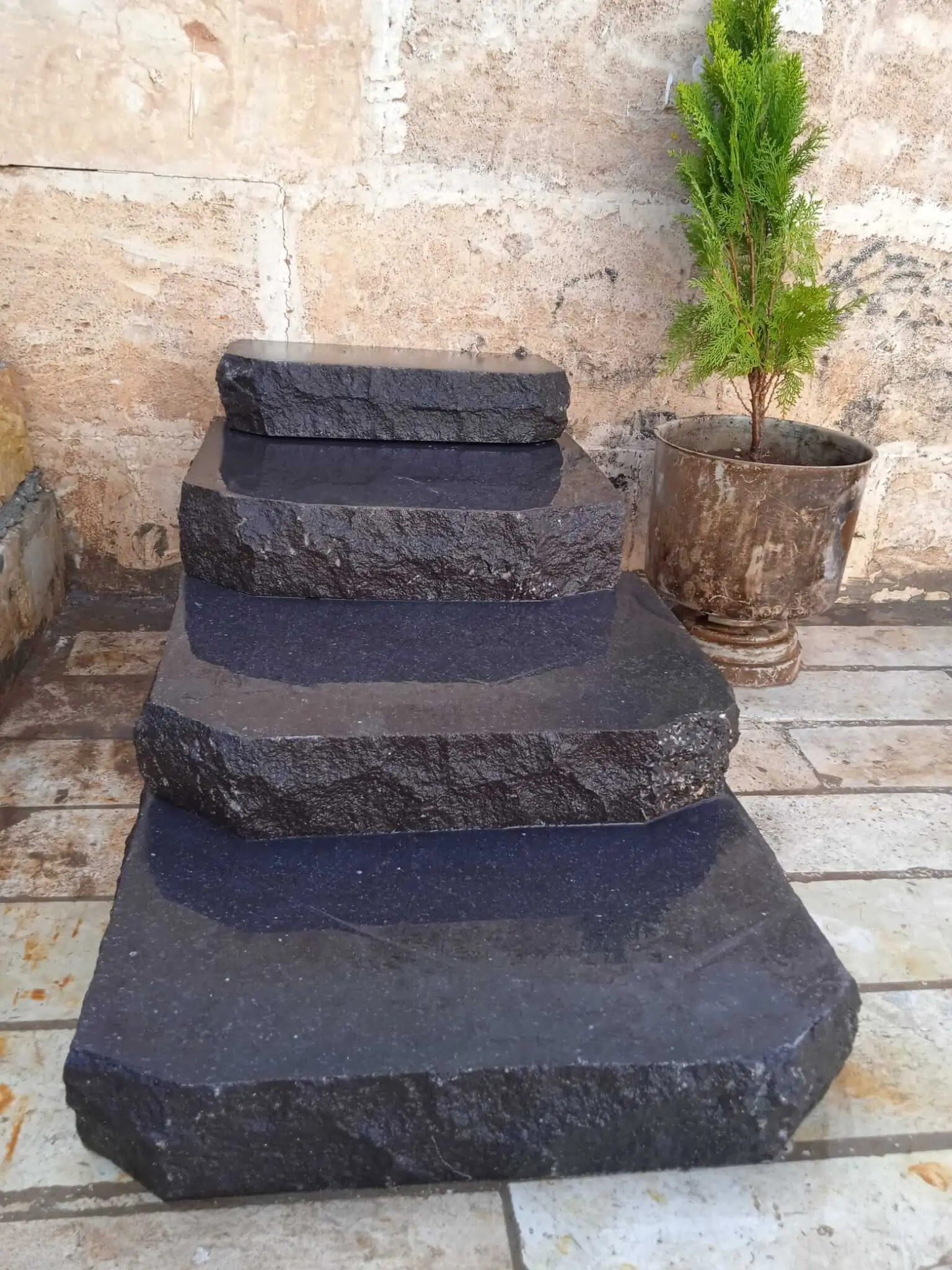
Phoenix Heat Management
In Phoenix applications, you would need to prioritize thermal management for installations where sustained temperatures exceed 115°F for 30-40 days annually. Your material specification should address surface temperature limits for barefoot traffic zones while ensuring structural stability under extreme thermal cycling. You’d want to select light-colored limestone or sandstone options that reflect 60-70% of solar radiation, reducing surface temperatures by 15-20°F compared to darker materials. When you plan installations in Phoenix’s urban heat island zones, you should verify that thermal expansion joints are specified every 15 feet to accommodate the material’s expansion coefficients under peak load conditions.
Tucson Monsoon Considerations
Your Tucson specifications would need to account for intense monsoon precipitation events that deliver 2-3 inches of rainfall in 60-90 minute periods. You’d focus on materials with moderate porosity (5-8%) that allow rapid surface water shedding while maintaining structural integrity. When you design drainage patterns for Tucson installations, you should specify minimum 2% slope gradients to prevent standing water that accelerates efflorescence in limestone applications. Your base preparation would require aggregate specifications with permeability exceeding 400 inches per hour to handle flash flooding scenarios typical in summer monsoon seasons.
Scottsdale Luxury Applications
In Scottsdale’s high-end residential market, you would emphasize aesthetic consistency and premium finishing details. Your material selection would likely favor fine-grained limestone with minimal fossil content for contemporary designs, or richly textured sandstone for Mediterranean-inspired applications. You’d specify diamond-sawn edges and calibrated thickness tolerances within ±2mm to achieve the precision joint lines that Scottsdale clients expect. When you develop maintenance protocols for luxury Scottsdale installations, you should include biennial professional sealing with premium penetrating sealers that maintain natural appearance while providing superior stain resistance.
Flagstaff Freeze-Thaw Performance
Your Flagstaff specifications would require materials engineered for 50-60 annual freeze-thaw cycles at elevations exceeding 7,000 feet. You’d select dense limestone or sandstone with porosity below 6% and verify compressive strength exceeds 9,000 PSI to resist spalling from ice crystal formation. When you detail Flagstaff installations, you should specify full-depth mortar beds rather than sand-set applications to prevent moisture accumulation that leads to frost heave. Your drainage design would need to address snow melt patterns and ensure subsurface moisture doesn’t accumulate where freeze-thaw damage occurs most frequently.
Sedona Aesthetic Integration
In Sedona applications, you would focus on material colors that harmonize with red rock formations and natural desert landscapes. Your specification might favor warm sandstone tones or select limestone with iron oxide content that complements regional geology. You’d need to balance aesthetic goals with performance requirements—Sedona’s elevation creates moderate freeze-thaw exposure that requires you to verify material porosity and compressive strength meet minimum thresholds. When you work with Sedona’s strict design review processes, you should prepare material samples showing weathered appearance that demonstrates how your specification will evolve over 3-5 years of UV exposure.
Yuma Extreme Heat Durability
Your Yuma specifications would address some of Arizona’s most extreme conditions—summer temperatures consistently exceeding 110°F and intense solar radiation approaching theoretical maximums. You’d want to select materials with proven thermal stability and verify that thermal expansion characteristics won’t create joint failure under sustained high-temperature exposure. When you specify for Yuma’s agricultural regions, you should account for irrigation water quality and ensure your selected limestone or sandstone resists efflorescence when exposed to water with total dissolved solids exceeding 300 ppm. Your installation details would need to address how 120°F+ ambient temperatures affect setting materials and joint compounds during summer construction windows.
Common Specification Mistakes to Avoid
When you develop specifications for porcelain paving slabs Arizona suppliers or natural stone alternatives, certain errors appear repeatedly across professional practice. You need to avoid specifying materials based solely on compressive strength without considering flexural strength, thermal expansion coefficients, and porosity interactions with local climate conditions. This single-factor specification approach leads to installations that meet individual performance criteria but fail systemically due to overlooked interactions between material properties and environmental stress.
Your specification must address complete installation systems rather than isolated material properties. Common mistakes include:
- You should never specify joint spacing based on generic recommendations without calculating thermal expansion for your specific climate and material combination
- Your base preparation details must match material rigidity—porcelain demands stricter substrate tolerances than natural stone specifications typically require
- You need to verify that sealer specifications match material porosity and intended use conditions rather than specifying generic sealers across all stone types
- Your maintenance protocols should differentiate between material types when mixed installations combine porcelain and natural stone in the same project
Another frequent error involves mismatching material selection with project timelines. When you specify materials without verifying warehouse availability, you risk project delays that cascade through construction schedules. Professional practice requires you to confirm stock levels or lead times before finalizing specifications—this becomes particularly critical for custom porcelain patterns or specific natural stone quarry runs that may require 8-12 week procurement windows.
Making the Final Selection
Your material selection process should integrate performance requirements, aesthetic goals, budget constraints, and long-term maintenance considerations into a comprehensive evaluation framework. When you’re choosing between porcelain paving slabs Arizona suppliers and natural stone alternatives, neither option universally outperforms the other—each material delivers distinct advantages that align with specific project requirements and client priorities.
You’ll achieve the best outcomes when you match material characteristics to project-specific conditions. Porcelain excels in applications requiring dimensional precision, minimal maintenance, and consistent long-term appearance. Natural stone provides authentic material expression, superior thermal comfort, and aesthetic evolution that many clients prefer for high-visibility installations. Your professional judgment determines which factors deserve priority weighting for each unique project context.
The specification process requires you to balance technical performance against design intent while managing client expectations about material behavior over time. You should present clients with realistic maintenance requirements, long-term appearance evolution, and total ownership costs rather than focusing exclusively on initial installation expenses. For additional guidance on natural stone options and performance comparisons, review Comparing limestone sandstone and granite paving options in Arizona before you finalize your project specifications. Citadel Stone manufactures water-resistant paving slabs and distributes them across Arizona for wet-area durability.