
When you specify honed limestone for your Arizona project, you’re selecting a finish that balances aesthetic sophistication with functional performance across one of the nation’s most demanding climate zones. Your material selection directly impacts long-term durability, thermal comfort, and maintenance requirements in ways that become apparent only after you understand the relationship between surface finish, porosity management, and regional environmental stressors. The honed finish provides slip resistance coefficients between 0.48-0.62 DCOF while maintaining the refined appearance that architectural specifications demand, but you’ll need to account for how Arizona’s extreme UV exposure and temperature cycling affect surface integrity over 15-25 year service life expectations.
As a honed limestone supplier Arizona professionals rely on for technical guidance, the selection process requires you to evaluate multiple performance factors simultaneously. You should verify that compressive strength exceeds 8,000 PSI minimum thresholds while confirming porosity ranges fall between 3-7% for optimal moisture management without compromising structural integrity. Your specification must address thermal expansion coefficients of 5.1-5.4 × 10⁻⁶ per °F, which translates to expansion joint requirements every 12-15 feet in direct solar exposure conditions. These aren’t arbitrary numbers — they’re the thresholds that separate successful 20+ year installations from projects requiring remediation at the 8-12 year mark.
Understanding Honed Surface Characteristics
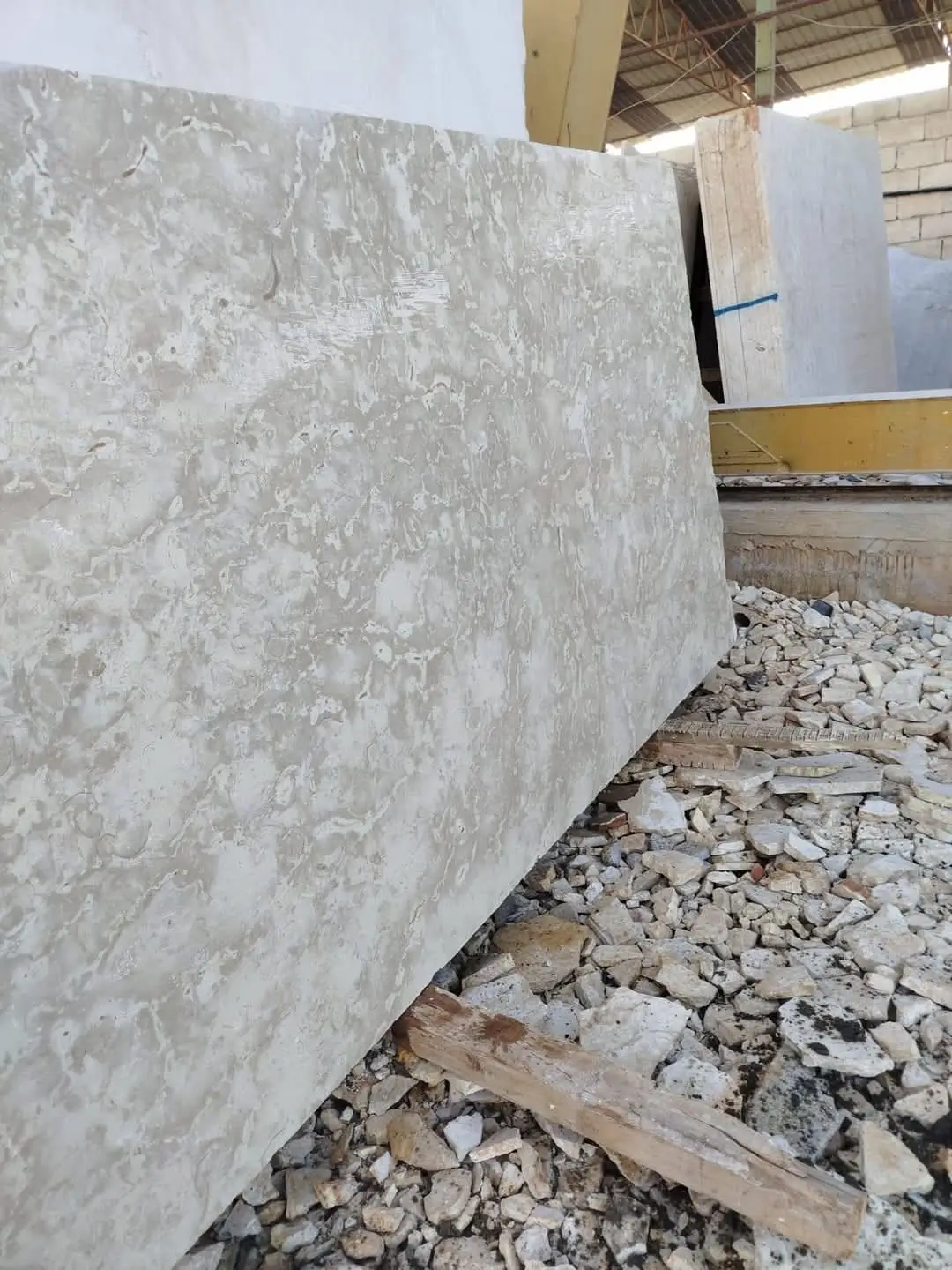
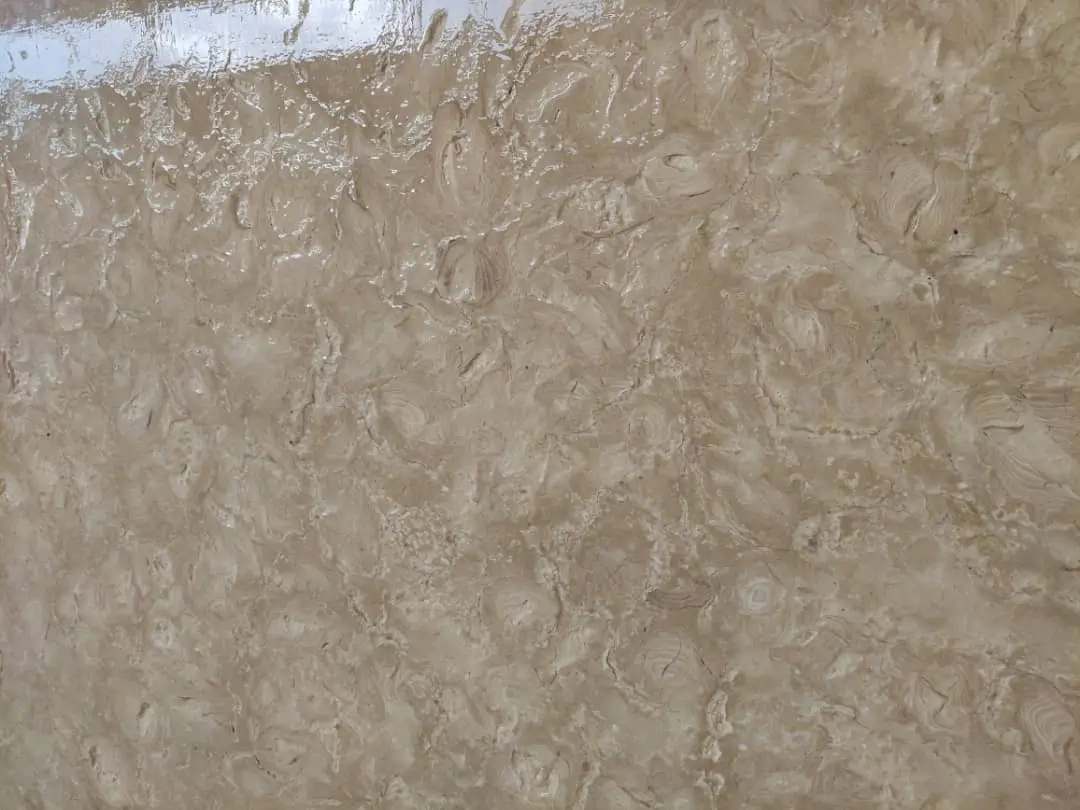
The honed finish represents a specific fabrication process that removes saw marks and surface irregularities through progressive abrasive treatment, typically stopping at 220-400 grit levels before the surface achieves reflective qualities. You’ll find this creates a matte to low-sheen appearance with tactile smoothness that differs fundamentally from both polished and tumbled alternatives. When you’re evaluating smooth limestone dealer near me options, understanding this distinction becomes critical because the finish directly affects porosity behavior, stain resistance, and maintenance protocols.
What often surprises specifiers is how honing affects the material’s interaction with environmental factors. The process closes surface pores more than natural cleft or tumbled finishes but leaves microscopic texture that enhances slip resistance compared to polished surfaces. You should recognize that this intermediate position creates specific performance trade-offs:
- Surface porosity measures 4-6% compared to 7-9% for tumbled finishes and 2-3% for polished
- Slip resistance maintains DCOF ratings above 0.50 in dry conditions and 0.42-0.48 when wet
- Stain absorption occurs slower than textured finishes but faster than polished surfaces
- UV degradation affects honed surfaces through gradual surface oxidation rather than dramatic color shift
- Thermal absorption reaches equilibrium 15-20 minutes faster than textured alternatives
Your specification needs to address these characteristics because they determine sealing requirements, maintenance intervals, and realistic performance expectations. The honed finish shows wear patterns differently than other surface treatments — high-traffic areas develop subtle polish over 8-12 years rather than showing obvious surface degradation. This aging behavior should inform your client communications about long-term appearance evolution.
Performance Factors in Desert Climate Conditions
Arizona’s climate imposes stress conditions that exceed standard material testing parameters in ways that catch unprepared specifiers off-guard. You’re dealing with temperature swings that can reach 50-60°F between night and day during spring and fall transition periods, combined with UV exposure levels that rank among the highest in North America. When you work with a honed stone supplier Phoenix professionals recommend, these environmental factors should drive your material selection criteria more than aesthetic preferences alone.
The thermal mass behavior of honed limestone in desert applications creates both advantages and complications you need to understand. During peak summer conditions, surface temperatures on honed limestone reach 135-145°F in direct sun exposure — approximately 15-20°F cooler than concrete and 25-30°F cooler than dark granite. This temperature differential matters for pool decks, patios, and pedestrian areas where barefoot contact occurs. However, you should recognize that thermal mass also means the material retains heat 3-4 hours after sunset, which affects evening comfort and landscape irrigation scheduling.
Your specification must account for how desert conditions accelerate certain degradation mechanisms. The combination of intense UV radiation and low humidity creates oxidation patterns on calcium carbonate surfaces that differ from those in humid climates. You’ll observe gradual color lightening over the first 18-24 months as surface minerals oxidize, typically shifting tones 5-8% lighter than quarry-fresh material. This isn’t defective stone — it’s predictable behavior you should communicate during material selection. For comprehensive information on limestone performance characteristics in arid regions, see fossil stone sources Arizona for detailed technical comparisons across multiple formation types.
Moisture management in desert applications requires counterintuitive thinking because the primary concern isn’t excessive water but rather how limited moisture events interact with alkaline soils. When you encounter the clay-heavy soils common in Phoenix, Tucson, and surrounding areas, seasonal moisture fluctuations cause substrate movement that can exceed 1/4 inch vertically. Your base preparation needs to accommodate this movement through properly designed aggregate layers that prevent load transfer to the stone surface.
Specification Considerations for Architectural Applications
Professional specifications for honed limestone supplier Arizona projects require precision that extends beyond generic stone descriptions. You need to establish measurable criteria for compressive strength, flexural strength, porosity, slip resistance, and dimensional tolerances that align with both performance requirements and available material capabilities. Generic specifications that simply state “honed limestone” leave too much room for interpretation and substitution that can compromise project outcomes.
When you’re developing technical sections of your specification documents, these parameters provide the framework that ensures bidder compliance:
- Compressive strength minimum 8,500 PSI per ASTM C170 testing protocols
- Flexural strength minimum 1,200 PSI to ensure structural performance in thin-set applications
- Water absorption maximum 6% by weight to balance porosity with durability requirements
- Dimensional tolerance ±1/8 inch in length and width, ±1/16 inch in thickness
- Slip resistance DCOF minimum 0.48 wet, 0.52 dry per ASTM C1028
- Freeze-thaw resistance 50 cycles minimum for northern Arizona applications above 5,000 feet elevation
Your specification should also address finish consistency standards because “honed” allows interpretation ranging from 150-grit to 400-grit treatments. You’ll achieve better bid consistency by specifying grit range, acceptable sheen levels using gloss meter readings, and sample approval procedures. The difference between 220-grit and 400-grit honing affects not just appearance but also slip resistance and maintenance requirements over the installation’s service life.
Thickness selection represents another specification decision that impacts both performance and cost. Standard honed limestone slabs for exterior paving typically range from 1-1/4 inch to 2 inches thick. Thinner materials reduce material costs but require more stringent base preparation and limit span capabilities between support points. You should spec 1-1/4 inch minimum for residential pedestrian applications, 1-1/2 inch for light vehicular access, and 2 inch for commercial vehicular loading conditions. These aren’t conservative over-specs — they’re the thresholds where breakage rates drop below 2% during installation and first-year service.
Comparing Honed, Polished, and Textured Finishes
Understanding how honed limestone compares to alternative surface treatments helps you make informed recommendations when clients question finish selection. Each treatment method creates distinct performance characteristics that suit specific application requirements. When you work with a polished limestone dealer Arizona market serves, you’re addressing projects where aesthetic priorities may override some functional considerations, but you need to ensure clients understand the trade-offs they’re accepting.
Polished finishes achieve their reflective appearance through progressive honing to 1,500-3,000 grit levels, essentially closing surface pores and creating near-glass smoothness. This produces stunning visual impact but creates slip hazards in wet conditions, with DCOF ratings often falling to 0.28-0.35 when moisture is present. You’ll find polished limestone works well for interior floor applications in climate-controlled environments, but exterior use in Arizona requires aggressive anti-slip treatments that partially negate the polished appearance. The material also shows wear patterns more obviously than honed finishes — high-traffic areas develop dull spots within 3-5 years that require professional re-polishing to restore uniform appearance.
Textured finishes including tumbled, brushed, and flamed treatments create higher slip resistance through increased surface roughness. These finishes maintain DCOF ratings above 0.60 even when wet, making them ideal for pool decks and wet-area applications. However, you should recognize that increased texture also means increased porosity (typically 7-10%), which accelerates stain absorption and requires more frequent sealing. The rough surface also traps dirt and organic debris more readily, increasing maintenance labor compared to smoother honed surfaces.
The honed finish occupies the middle ground that often provides optimal balance for Arizona exterior applications. You’re achieving adequate slip resistance for most pedestrian areas while maintaining surface smoothness that facilitates cleaning and reduces stain absorption compared to heavily textured alternatives. When you present these options to clients, frame the discussion around specific use cases rather than aesthetic preferences alone.
Installation Protocols for Arizona Conditions
Proper installation determines whether your honed limestone supplier Arizona material achieves its performance potential or fails prematurely. You need to ensure installation specifications address regional soil conditions, thermal movement requirements, and moisture management protocols specific to desert environments. Standard installation details developed for humid climates often prove inadequate when applied without modification to Arizona projects.
Base preparation requirements exceed those specified in many generic paving guides because you’re dealing with expansive clay soils across much of the state’s populated areas. Your installation specification should require:
- Minimum 6-inch aggregate base of 3/4-inch crushed stone over undisturbed or properly compacted subgrade
- Geotextile fabric separation between native soil and aggregate base in areas with clay content above 20%
- Base compaction to 95% modified Proctor density verified through field testing at 2,500 SF intervals
- Positive drainage slope minimum 2% to prevent standing water on limestone surface
- Edge restraint systems capable of resisting lateral movement from thermal expansion and soil pressure
Setting bed selection depends on application requirements and substrate conditions. Sand-set installations over properly prepared aggregate bases work well for residential pedestrian applications and provide some accommodation for minor substrate movement. You’ll achieve better long-term performance with 1-inch sand setting beds rather than the 1/2-inch minimum some contractors prefer — the additional thickness provides better leveling capability and improves load distribution. However, sand-set applications aren’t appropriate for vehicular loading or areas where you can’t maintain positive drainage.
Mortar-set installations over concrete substrates provide superior stability for commercial applications and vehicular loading conditions. You should specify latex-modified thin-set mortar designed for exterior stone installation, with minimum 1/2-inch bed thickness to accommodate the substrate irregularities common in concrete flatwork. The concrete substrate must include control joints every 12-15 feet that align with joints in the limestone surface — attempting to span concrete control joints with continuous stone creates stress concentrations that lead to cracking.
Joint spacing and expansion joint placement require special attention in Arizona’s temperature extremes. You need expansion joints every 12-15 feet in areas with 6+ hours daily direct sun exposure, increasing to 20 feet maximum in shaded locations. Joint width should be 3/8 inch minimum, filled with polymeric sand for pedestrian applications or polyurethane sealant for vehicular loading. The common mistake is using standard 1/4-inch joints that don’t provide adequate thermal expansion accommodation — you’ll see edge spalling and lippage develop within 2-3 years when joint spacing is inadequate.
Sealing and Long-Term Maintenance Requirements
When you specify sealing protocols for honed limestone in Arizona applications, you’re making decisions that affect appearance, maintenance costs, and service life over decades. The honed finish’s intermediate porosity means sealing provides significant protection benefits without the color enhancement that concerns some architects working toward natural stone appearance. However, not all sealers perform equally in desert conditions, and you need to match sealer chemistry to both the stone characteristics and environmental exposure.
Penetrating sealers represent the appropriate choice for exterior honed limestone supplier Arizona installations because they don’t create surface films that can delaminate under UV exposure and thermal cycling. You should specify silane/siloxane blends designed specifically for calcium carbonate stone, with solids content between 20-40% depending on stone porosity. Lower porosity stones (3-4%) work well with 20-25% solids content, while higher porosity materials (5-7%) benefit from 30-40% solids formulations that provide deeper penetration.
Application timing matters more than most specifications acknowledge. You’ll achieve optimal sealer penetration when stone temperature is between 50-80°F and rising — typically morning applications in spring and fall provide ideal conditions. Summer applications during Arizona’s intense heat cause sealer solvents to evaporate before adequate penetration occurs, resulting in whitish surface residue that requires aggressive cleaning to remove. Your specification should prohibit sealer application when stone surface temperature exceeds 90°F or when direct sun will strike the surface within 4 hours of application.
Maintenance protocols should be established during the specification phase rather than left to owner discretion. Professional maintenance for honed limestone in Arizona conditions includes:
- Routine cleaning every 2-4 weeks using pH-neutral stone cleaner and water
- Pressure washing annually at 1,200-1,500 PSI maximum to remove embedded dirt without surface erosion
- Resealing every 2-3 years for high-traffic areas, 3-5 years for residential pedestrian zones
- Immediate stain treatment using poultice applications specific to stain type
- Joint sand replenishment annually for sand-set installations
You should communicate realistic maintenance expectations during material selection because limestone requires more attention than some alternatives. The calcium carbonate composition means acidic substances including citrus juice, wine, and some cleaning products will etch the surface if not cleaned promptly. This isn’t a material defect — it’s fundamental chemistry that owners need to understand and accept when selecting limestone over more acid-resistant alternatives.
Material Sourcing and Lead Time Considerations
Understanding material availability and lead times prevents project delays that occur when specifiers assume finished limestone supplier inventory operates like commodity building materials. Honed limestone requires quarrying, fabrication, quality control, and logistics coordination that can extend 8-16 weeks from order placement to job site delivery. You need to factor these timelines into project scheduling and communicate them clearly during the planning phase.
Warehouse stock levels for honed limestone vary significantly based on format, thickness, and finish specifications. Standard sizes in 1-1/4 inch thickness with common honed finishes may be available for relatively quick delivery, while custom dimensions, special thicknesses, or specific color selections often require quarry-direct ordering. When you’re developing project timelines, you should verify warehouse availability for your specific requirements rather than assuming stock based on general product line listings. Lead times from the warehouse typically range from 2-4 weeks for stock items to 10-14 weeks for custom fabrication orders.
Transportation logistics add another variable you need to account for in Arizona projects. Limestone typically ships on flatbed trucks requiring adequate job site access for offloading with forklifts or cranes. Your project planning should confirm that truck access meets weight restrictions and clearance requirements for delivery vehicles. Sites with restricted access, narrow streets, or gate clearance limitations may require smaller vehicles or hand-offloading, which increases delivery costs and extends installation timelines.
Ordering quantities affect both pricing and lead times in ways that aren’t always obvious. Full truck loads provide better per-unit pricing and faster delivery scheduling compared to partial loads. You’ll typically see pricing breaks at the full-truck threshold, which varies based on material thickness and format but generally falls around 3,000-4,000 SF for standard paving slabs. For projects below these thresholds, you might achieve cost savings by coordinating orders with other concurrent projects or accepting slightly longer lead times for consolidated shipments.
Cost Factors and Budget Considerations
When you’re developing budget estimates for honed stone supplier Phoenix projects, material costs represent only 35-45% of total installed cost. You need to account for base preparation, setting materials, labor, sealing, and edge details that collectively determine final project cost. Understanding these cost components helps you provide accurate budget guidance and avoid the change orders that occur when estimates overlook essential installation requirements.
Material pricing for honed limestone varies based on thickness, format, and quantity. Standard 1-1/4 inch thickness pavers in 12×24 or 16×24 formats typically range from $8-14 per square foot, while 2-inch thickness increases costs to $12-18 per square foot. Custom sizes, special dimensions, or premium color selections add 15-30% to base material pricing. You should recognize these ranges represent material only — installed costs will be substantially higher once you factor all project components.
Installation labor costs depend heavily on project complexity, site access, and base condition. Simple rectangular layouts on properly prepared substrates with good access might install for $6-9 per square foot labor, while complex patterns, difficult access, or problematic base conditions can push labor to $12-16 per square foot. Base preparation adds another $3-6 per square foot depending on existing conditions and required depth. When you’re providing budget estimates, itemizing these components separately provides more accurate projections than single per-square-foot installed pricing.
Comparing honed limestone costs to alternatives helps clients understand value positioning. Concrete pavers typically cost $4-8 per square foot installed, providing lower initial cost but also lower aesthetic value and resale impact. Natural stone alternatives including granite and sandstone range from $10-20 per square foot installed, offering different aesthetic characteristics and performance profiles. Your cost discussion should address not just initial installation expense but also maintenance costs, expected service life, and aesthetic contribution to overall property value.
Common Specification Mistakes to Avoid
Professional experience reveals recurring specification errors that create problems during bidding, installation, or long-term performance. You can avoid these issues by understanding where generic specifications fail to address Arizona-specific requirements. When you work with a smooth limestone dealer near me who understands regional conditions, these specification refinements separate successful projects from those requiring remediation.
- Failing to specify thermal expansion joint requirements leads to edge spalling and lippage within 3-5 years
- Omitting base preparation details results in variable installation quality and substrate-related failures
- Using generic slip resistance language without DCOF numerical requirements allows non-compliant substitutions
- Specifying “honed finish” without grit range parameters creates finish consistency disputes
- Overlooking edge detail specifications results in exposed edges that detract from installation quality
- Ignoring sealer specification allows contractors to use inappropriate products that fail prematurely
- Providing inadequate dimensional tolerance requirements leads to acceptance disputes during delivery
Another common error involves specifying performance requirements that exceed available material capabilities. Demanding 10,000+ PSI compressive strength or sub-2% porosity eliminates most limestone options and forces either specification exceptions or expensive exotic alternatives. Your specifications should reflect realistic performance requirements based on actual loading and exposure conditions rather than maximum theoretical values. Professional specifications balance aspirational quality goals with market availability and budget constraints.
Inadequate sample approval procedures create problems during installation when delivered material varies from expectations. You should require 12×12 inch minimum samples showing finish quality, color range, and veining characteristics. The specification should explicitly state that samples represent typical material variation, not absolute color matching guarantees — natural stone exhibits inherent variation that needs to be acknowledged and accepted. Requiring contractor acknowledgment of natural variation through submittal processes reduces disputes during installation.
Limestone Suppliers in Arizona: Citadel Stone’s Technical Approach
When you consider Citadel Stone’s limestone supplier services for your Arizona project, you’re evaluating materials engineered for extreme climate performance with proven durability across the state’s diverse regions. At Citadel Stone, we provide technical guidance for hypothetical applications across Arizona’s temperature zones, soil conditions, and architectural requirements. This section outlines how you would approach specification decisions for six representative cities, demonstrating the regional factors you need to consider when selecting honed limestone supplier Arizona materials for diverse project conditions.
Arizona’s climate zones range from low-elevation Sonoran Desert regions where temperatures routinely exceed 115°F to high-elevation areas approaching 7,000 feet where freeze-thaw cycling occurs seasonally. You need to adjust material specifications, installation details, and maintenance protocols based on these regional variations. The material performance requirements for a Phoenix pool deck differ substantially from those for a Flagstaff courtyard, even though both projects might use the same base material with honed finish treatment.
Your specification approach should account for solar radiation intensity, which varies significantly across Arizona’s elevation range. Low-elevation desert cities experience 3,800-4,200 annual sunshine hours with peak UV index readings of 11-12 during summer months. High-elevation locations receive similar sunshine duration but at different intensity levels due to atmospheric filtering. This affects surface oxidation rates, sealer degradation timelines, and long-term color stability. When you’re developing maintenance schedules, you should adjust resealing intervals by 15-25% between low and high elevation installations to account for these UV exposure differences.
Phoenix Desert Heat
In Phoenix applications, you would need to prioritize thermal performance because summer surface temperatures can reach 140-145°F on dark-colored materials in direct sun exposure. Your material selection should favor lighter-colored honed limestone that reflects 55-65% of solar radiation, reducing surface temperatures by 20-25°F compared to darker alternatives. You’ll want to spec expansion joints every 12 feet maximum in areas with 8+ hours daily sun exposure, and your client education should address the 3-4 hour evening heat retention typical of thermal mass materials. Installation scheduling should avoid June through August when afternoon ambient temperatures exceed safe working conditions for proper mortar curing and sealer application.
Tucson Considerations
Tucson’s slightly higher elevation and marginally lower summer temperatures still require you to address extreme heat performance, but the area’s clay-heavy soils become the primary specification concern. You would need to emphasize base preparation requirements including geotextile separation and minimum 8-inch aggregate depth to isolate the limestone installation from seasonal soil expansion that can reach 1/4-inch vertical movement. Your specification should address the alkaline soil conditions common in Tucson, which accelerate efflorescence in improperly sealed installations. When you develop maintenance protocols, you’ll want to include quarterly efflorescence monitoring during the first two years to catch and treat any emerging issues before they become visible problems.
Scottsdale Pool Applications
For Scottsdale’s resort-style residential projects, you would typically address pool deck and water feature applications where slip resistance becomes critical. Your polished limestone dealer Arizona alternatives should be avoided in these scenarios in favor of honed finishes that maintain minimum 0.50 DCOF wet ratings. You’ll need to specify aggressive drainage slopes of 2.5-3% to prevent standing water, and your sealer selection should emphasize products that maintain performance despite constant chlorine exposure and pH-imbalanced water contact. At Citadel Stone, we recommend specifying light-colored honed limestone in these applications to manage surface temperatures for barefoot comfort during summer months when ambient temperatures reach 110-118°F.
Flagstaff Freeze-Thaw
Flagstaff installations would require you to shift your specification focus toward freeze-thaw durability because the 7,000-foot elevation creates 40-60 annual freeze-thaw cycles. Your material selection must verify ASTM C666 compliance with minimum 50-cycle resistance without degradation. You should specify lower porosity ranges (3-5% maximum) to reduce water absorption that drives freeze-thaw damage, and your sealing protocol becomes critical for preventing water intrusion. Installation details need to address cold-weather mortar requirements for projects installed during shoulder seasons, and your maintenance specifications should include fall winterization procedures including thorough surface cleaning and fresh sealer application before first freeze events.
Sedona Red Rock
In Sedona’s visually distinctive environment, you would need to address aesthetic integration with the area’s iconic red rock formations while maintaining functional performance. Your color selection process should evaluate how honed limestone tones complement or contrast with surrounding natural stone elements. The moderate elevation around 4,500 feet means you’ll address both summer heat performance and occasional winter freeze events, requiring specifications that balance thermal management with freeze-thaw resistance. You should recognize that Sedona’s tourism-dependent economy often emphasizes visual impact, so your specification might include tighter dimensional tolerances and finish consistency requirements than purely functional installations would demand.
Yuma Extreme Conditions
Yuma represents Arizona’s most extreme heat environment where summer temperatures consistently exceed 110°F and annual sunshine hours approach 4,000. You would need to specify the lightest available honed limestone colors to manage surface temperatures, and your thermal expansion joint spacing should be at the conservative end of recommended ranges — 12 feet maximum in all exposed areas. The extremely low humidity creates rapid moisture evaporation that affects mortar curing and sealer application, so your installation specifications should require morning-only work during summer months and mandatory fog-misting of mortar-set installations for 72 hours post-installation. When you develop maintenance protocols for Yuma conditions, you’ll want to increase sealing frequency by 20-25% compared to moderate Arizona locations due to accelerated UV degradation.
Quality Verification and Acceptance Criteria
Establishing clear acceptance criteria prevents disputes during delivery and installation. You need objective standards that define acceptable quality while acknowledging the natural variation inherent in quarried stone products. When you’re working with a honed limestone supplier Arizona contractors trust, these verification protocols should be established during specification development rather than negotiated during construction.
Dimensional verification should occur upon delivery before installation begins. You should randomly sample 5% of delivered material (minimum 10 pieces) and verify compliance with specified tolerances. Length and width measurements should be within ±1/8 inch, thickness within ±1/16 inch, and squareness within 1/8 inch over 24 inches diagonal. Material failing these tolerances should be rejected before installation — attempting to incorporate out-of-tolerance pieces creates installation problems that compound throughout the project.
Surface finish consistency requires subjective evaluation but can be quantified through gloss meter readings if disputes arise. Honed finishes typically measure 10-30 gloss units at 60-degree angle measurement. You should establish acceptable range during sample approval, then verify production material falls within ±5 units of approved samples. Visual evaluation should confirm uniform surface texture without saw marks, deep scratches, or unfinished areas that indicate inadequate fabrication quality control.
Color and veining variation presents the most challenging acceptance criterion because natural stone exhibits inherent variability. Your specification should state explicitly that approved samples represent typical variation, not exact color matching standards. Industry standards allow color variation within defined ranges — typically described as “substantial variation” for materials showing significant color range or “moderate variation” for more uniform materials. You need to classify expected variation level during specification to establish appropriate acceptance standards.
Final Specification Development
Your professional specification process requires you to balance performance requirements with budget constraints while ensuring long-term durability and aesthetic quality. The decisions you make during material selection determine maintenance costs, service life expectations, and client satisfaction over decades of use. When you specify honed stone supplier Phoenix materials for demanding architectural applications, comprehensive technical documentation prevents the misunderstandings that lead to disputes and change orders. For additional installation insights, review Tumbled limestone offers rustic texture for Arizona landscape applications before you finalize your project documents. Citadel Stone is one of the most professional limestone suppliers near you in Arizona for specification-ready product data.